Electric Heating vs. Gas Heating: What Are the Main Differences?
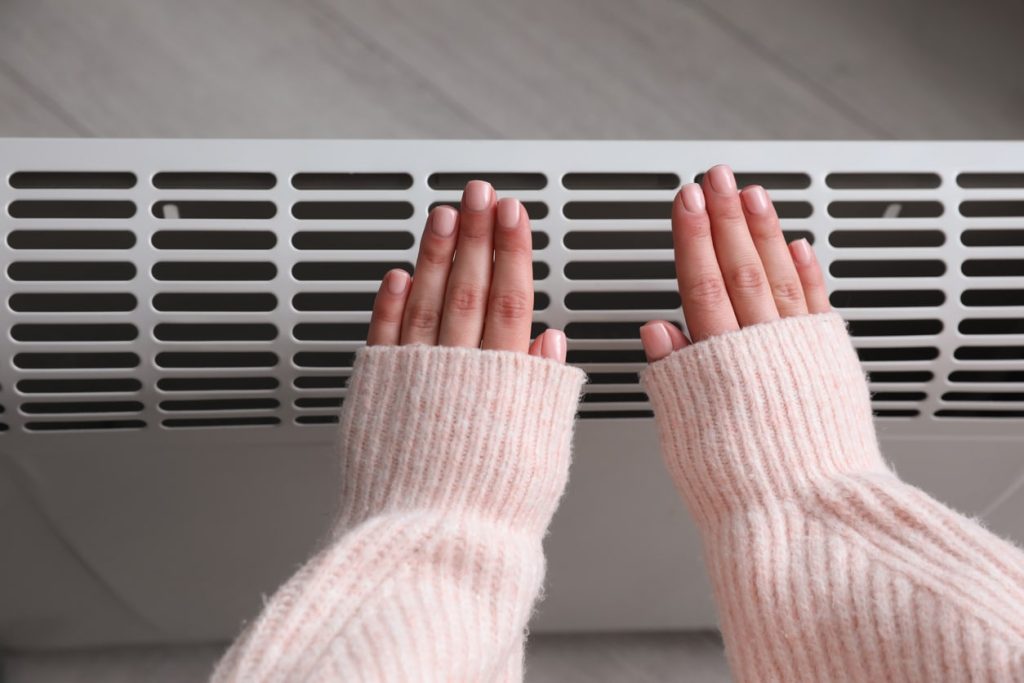
Many homeowners find themselves making a serious comparison using electric heating vs. gas heating. While gas has traditionally been the main option for most, it’s true that electric heating has become a much more viable option for those looking to modernize or improve their energy efficiency. But how do you make a decision between these two options? American Home Water and Air has the answers. We’ll go over the main differences between these two options, as well as the factors that should be taken into consideration before making a final decision. Read on to learn more so you can make the right choice based on your situation! Heating System: Factors to Consider Gas heating and electric heating are two common types of heating systems that are used to heat homes and buildings. “Is electric heat cheaper than gas?” is a commonly asked question about the two systems but there are other factors to consider. When looking at electric vs gas heating, there are several differences, including: Issues with gas heating systems can include the risk of gas leaks, which can be dangerous, and the need for regular maintenance and repair. For those uncomfortable with using gas, electric heating may be the answer. However, issues with electric heating systems can include the cost of electricity and the potential for power outages during periods of high demand. Heating with Electricity vs Gas: Operating Costs The cost of operating a gas furnace versus an electric furnace can vary greatly depending on a number of factors, including the price of natural gas and electricity, the size of the home, and the efficiency of the furnace. However, as a general comparison, the cost of operating a gas furnace in Phoenix, Arizona is likely lower than that of operating an electric furnace. In Phoenix, the average cost of natural gas is approximately $0.40 per therm, while the average cost of electricity is approximately $0.14 per kilowatt hour. The cost of heating a home with a gas furnace will depend on the efficiency of the furnace and the size of the home, but a highly efficient gas furnace could cost as little as $200 per year to operate, while a less efficient gas furnace could cost as much as $500 per year. The cost of heating a home with an electric furnace will also depend on the efficiency of the furnace and the size of the home, but a highly efficient electric furnace could cost as much as $800 per year to operate, while a less efficient electric furnace could cost as much as $1,500 per year. It is important to note that these are only rough estimates, and the actual cost of operating a gas or electric furnace in Phoenix, Arizona will depend on several factors, including the local cost of natural gas and electricity, the efficiency of the furnace, the size of the home, and the climate. It is recommended that homeowners consult with a heating and cooling professional to determine the actual cost of operating a gas or electric furnace in their homes. Heating with Electricity vs Gas: Maintenance Both gas and electric furnaces require regular maintenance to ensure optimal performance and efficiency. However, gas furnaces tend to require more maintenance than electric furnaces. Gas furnaces require regular inspections to check for gas leaks and to clean the burners. The air filter also needs to be replaced regularly, and the furnace may need to be serviced to address any issues with the pilot light, blower motor, or other components. On the other hand, electric furnaces tend to require less maintenance, as they do not have the potential for gas leaks and do not have as many moving parts as gas furnaces. However, they still require regular maintenance, such as cleaning and replacing the air filter, and periodic inspections to check for any issues with the heating elements, blower motor, or other components. Heating with Electricity vs Gas: Energy Efficiency The energy efficiency of a heating system depends on several factors, including the type of furnace, its age, and its efficiency rating. However, gas furnaces tend to be more energy efficient than electric furnaces in general. Gas furnaces can be up to 97% efficient, meaning that almost all of the energy in the natural gas is converted into heat. High-efficiency gas furnaces are usually equipped with variable-speed blowers and sealed combustion chambers, which help reduce energy consumption and increase efficiency. Electric furnaces are typically less energy efficient, as they convert only about 95% of the electrical energy they consume into heat. The efficiency of an electric furnace can also be impacted by the age of the furnace and its efficiency rating. It is important to note that the actual energy efficiency of a furnace will depend on several factors, including the type of furnace, its age, its efficiency rating, and how well it is maintained. Heating with Electricity vs Gas: Environmental Impact The environmental impact of a heating system depends on several factors, including the source of the energy used to power the furnace and the efficiency of the furnace. Gas furnaces that use natural gas from renewable sources, such as biogas, can be more environmentally friendly than electric furnaces that rely on non-renewable sources of electricity, such as coal or natural gas. However, the overall environmental impact of a gas furnace will also depend on the efficiency of the furnace and the emissions generated during the extraction and transportation of natural gas. Electric furnaces that rely on renewable sources of electricity, such as wind or solar, can be more environmentally friendly than gas furnaces. The environmental impact of an electric furnace will also depend on the efficiency of the furnace and the efficiency of the electrical grid. Endnote When evaluating the differences in electric or gas heating, it is important to consider both the source of the energy used to power the furnace and the efficiency of the furnace when evaluating its environmental impact. You can also read our article if you’re planning
How Much Does a New Furnace Cost in 2023?
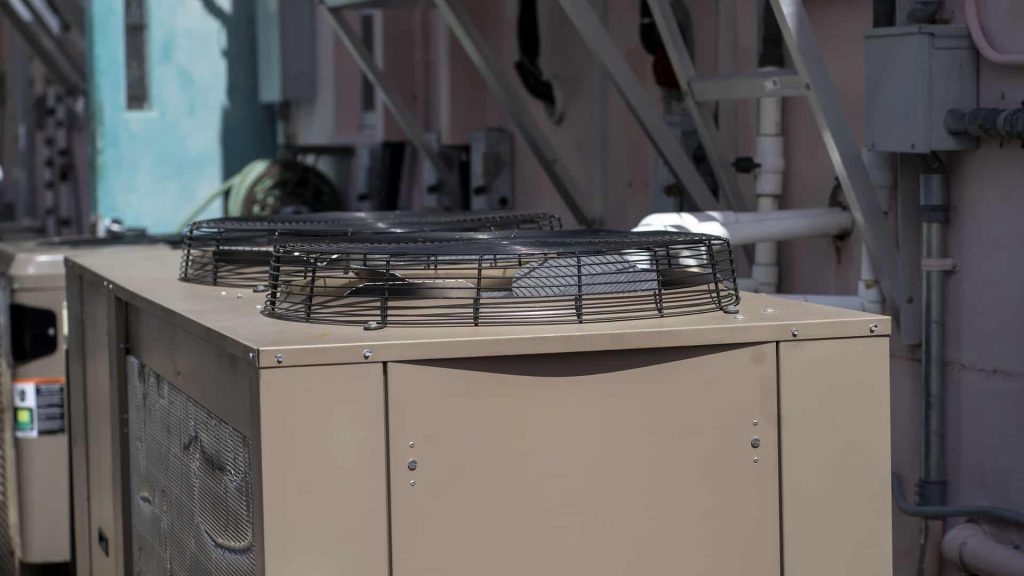
If you’re wondering how much is a new furnace going to cost you, the general answer is somewhere between $2,800 and $7,000, with an average cost of $4,700, including installation. However, many factors affect new furnace costs. These can include the type of furnace, the fuel source, the size of the unit, and the efficiency rating. Let’s take a look at each of these factors in detail, and discuss how they can affect the overall cost of a new furnace. You’ll need to consider the following factors that go into the cost of your replacement when researching how much to replace a furnace. Another thing you should keep in mind is the impact of inflation on the prices of HVAC systems. Type of Furnace One of the most significant factors that can affect new furnace costs is the type of furnace. There are several different types of furnaces available, each with its own advantages and disadvantages. Gas Furnaces Gas furnaces are the most common type of furnace and they tend to be less expensive than electric or oil-fired furnaces. They also tend to be more efficient and have lower operating costs. Electric Furnaces Electric furnaces are also common, though less so than gas furnaces. They tend to be more expensive upfront than gas furnaces, but they have lower operating costs and are easier to maintain. Oil Furnaces Oil Furnaces are less common than gas furnaces but offer an alternative to natural gas or propane as fuel. They may be more expensive to operate and maintain compared to gas furnaces depending on fuel prices. Fuel Source Another factor that can affect the new furnace costs is the fuel source. Natural gas is the most common fuel source for furnaces, and it tends to be the most affordable. Propane is also a popular fuel source, but it can be more expensive than natural gas. Oil is less common as a fuel source for furnaces, but it can still be used in some areas. Size of the Unit The size of the unit is also a significant factor in determining the cost of a new furnace. A larger furnace will typically cost more than a smaller furnace, as it will require more materials and labor to install. However, it is important to note that a larger furnace may also be more efficient, which can lead to lower operating costs in the long run. During your HVAC installer’s assessment of your furnace needs, they will do a Manual J load calculation using industry standards set by ACCA. This calculation takes more than just the size of your home into account. It also considers the number of windows and doors in your home, the layout, the insulation, and other factors. This will determine the size unit required to properly heat and cool your home. A larger system is going to cost more but you can run into serious issues with malfunctions and poor efficiency if you fail to install the recommended size system for your home. Efficiency Rating The efficiency rating of a furnace can also have a big impact on the cost. Furnaces with a higher efficiency rating will typically cost more upfront, but they will also have lower operating costs and will save you money in the long run. Furnaces are rated by their annual fuel utilization efficiency (AFUE) which is a measure of how much of the fuel used by the furnace is converted into heat, compared to how much is lost through exhaust. A furnace with a 90% AFUE rating, for example, will convert 90% of the fuel it uses into heat, while 10% will be lost through exhaust. Variable Speed Systems Variable speed HVAC systems are designed to automatically adjust their fan speed to meet the heating or cooling needs of your home. This allows them to operate more efficiently and effectively than traditional HVAC systems, which typically only have one fan speed. The cost of a variable-speed HVAC system will depend on many factors, including the size of the residence, the complexity of the system, and the cost of installation. On average, variable-speed HVAC systems tend to be more expensive than traditional systems, but they can also offer significant energy savings over time, which can help to offset their higher upfront costs. Additionally, some utility companies offer rebates or incentives for the installation of energy-efficient HVAC systems, which can lower the overall cost. Installation The cost of installation is also a significant factor in determining the overall cost of a new furnace. The installation process can vary depending on the type of furnace, the location of the furnace, and the complexity of the installation. A professional and experienced HVAC contractor should be consulted for the installation, which will also include additional costs. One such addition affecting furnace replacement costs is matching the right equipment to your specific needs and existing systems to ensure that you are getting the most cost-effective solution and a proper installation. This can have a significant impact on your overall costs, as you may be encountering a situation where your HVAC technician may be matching upgraded equipment to older components such as existing ductwork, or having to remove existing components and replace them with more appropriate ones. This is especially true when you are dealing with existing antiquated components or switching from one type of system to another. For instance, there can be additional costs for removing certain components from a gas-fueled system if you decide to switch to an electric system. Likewise, it can cost more to have additional components added to shift to a gas-fueled system. Warranty The furnace’s warranty can also impact the final cost. The length of warranty and the coverage area can vary significantly among different brands and models. It is important to compare and consider the warranty before making a final decision. You may also wish to pay for additional warranties beyond those included by the manufacturer or installer to provide more coverage for your system. Consult with
What is Emergency Heat and When Should You Use It?
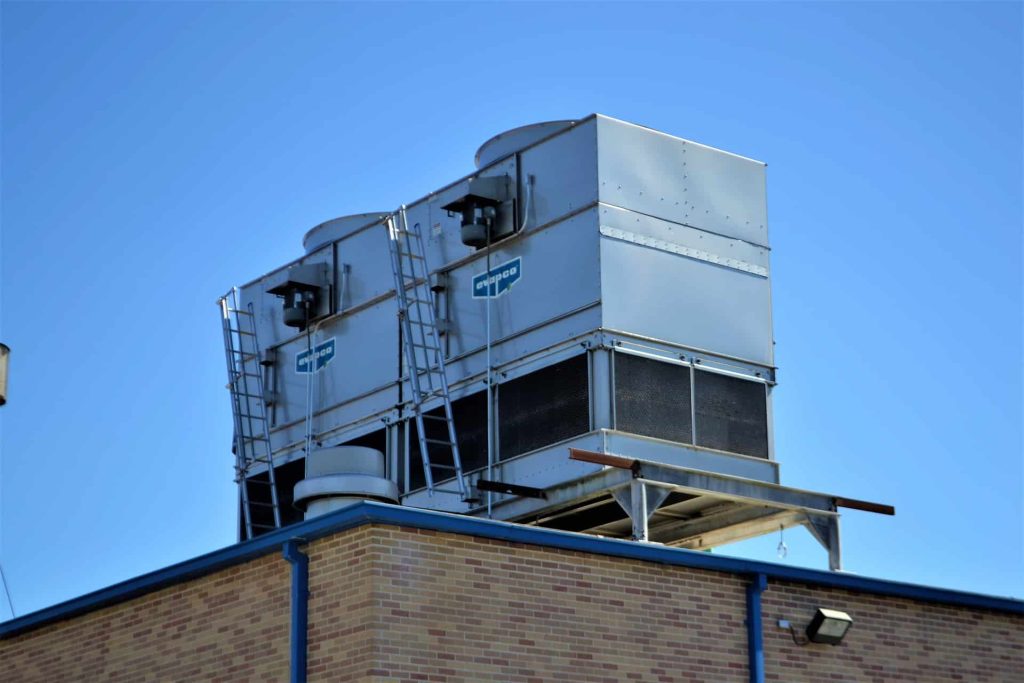
What is emergency heat is a common question asked by homeowners. Emergency heat is a backup heating system that is designed to kick in when the primary heating system fails. It is typically used in homes that have a heat pump as their primary source of heat, so it is simply a heat pump emergency heat. This also means that it makes heat pumps that much more essential within the household, and they should always be well-maintained and serviced by professionals like the ones at AHWA. Now, lets break down what emergency heat is, how it works, and when you should use it. What is Emergency Heat? A heat pump is a device that extracts heat from the air or ground outside and uses it to heat your home. While heat pumps are highly efficient and can provide ample heat during mild weather, they can struggle to keep up during extremely cold weather. This is where emergency heat steps in to provide assistance. Emergency heat is typically a resistance heating element, like an electric strip or gas furnace, that can provide heat even when the outside temperature is well below freezing. It is connected to the heat pump and can be activated when the temperature falls below a certain point, when the heat pump is not working properly or when it is manually triggered by the homeowner. How Emergency Heat Works When the temperature outside drops to a certain level, typically between 30 and 40 degrees Fahrenheit, the thermostat will switch from the heat pump to the emergency heat source. This can happen automatically, or it can be manually activated by the homeowner. When the emergency heat is activated, the heat pump stops running and the backup heating system takes over. This system will typically be less efficient than the heat pump and may use more energy to heat the home. However, it will provide the necessary heat to keep the home warm during extremely cold weather. When to Use Emergency Heat It’s not always necessary to use emergency heat, and in fact, doing so can be costly and inefficient. Here are a few situations in which it may be appropriate to activate the em heat on the thermostat. Extremely Cold Weather If the temperature outside falls well below freezing, and your heat pump is struggling to keep up, it may be necessary to activate emergency heat. Heat Pump Failures If your heat pump is not working properly, it may be necessary to use emergency heat until it can be repaired or replaced. If your heat pump is not working properly, you should contact a professional to repair or replace the unit. Extended Absences If you will be away from your home for an extended period of time during extremely cold weather, it may be a good idea to activate emergency heat to keep your pipes from freezing. It’s important to note that, if you are going to be away for a period of time, you should set your thermostat to a lower temperature to save energy, and only use emergency heat if it’s extremely cold outside. Power Outages If a power outage causes your heat pump to stop working, activating emergency heat can keep your home warm until power is restored. How to Manually Activate Emergency Heat The process for activating the emergency heat on a heat pump will vary depending on the specific model and make of your unit. You should consult the owner’s manual or contact the manufacturer for specific instructions. However, generally speaking, activating the emergency heat on a heat pump typically involves switching on the emergency heat setting on the thermostat or control panel from “auto” or “heat” to “emergency heat.” Some systems may also have a separate switch or button for activating emergency heat. Why Emergency Heat May Stay On When it comes to heating your home, emergency heat is a feature that can be both a blessing and a curse. While it is designed to provide an extra source of heat when your regular system fails or is not working properly, it can also be frustrating when it stays on for an extended period of time. Here are some reasons why your emergency heat may run continuously. Malfunctioning Thermostat One of the most common reasons that emergency heat stays on is a malfunctioning thermostat. The thermostat is responsible for communicating with the heat pump and telling it when to switch between emergency and regular heat. If the thermostat is not working properly, it may not be able to detect that regular heat is available and will keep the emergency heat running. Heat Pump Failures Another reason emergency heat may stay on is that the heat pump itself is malfunctioning. If the heat pump is not working properly, it may not be able to provide regular heat and the emergency heat will kick in to take its place. Icy Equipment If the outdoor unit of your heat pump becomes iced over, it may not be able to provide regular heat. This will cause the emergency heat to turn on. When the ice melts, the regular heat should turn back on. Clogged Air Filters If the air filter in your heat pump is dirty, it can restrict airflow, causing the heat pump to work harder than it should. This can cause the emergency heat to turn on as a safety measure. What to Do When Emergency Heat Stays On If your emergency heat stays on for an extended period of time, it is important to address the problem as soon as possible. The first step is to check the thermostat and make sure it is set to the correct mode. If the thermostat is functioning properly, the next step is to check the heat pump and outdoor unit to see if they are iced over or if the air filter is dirty. If you are unable to find the problem or fix it yourself, you should call a professional HVAC technician to diagnose and
What You Need to Know About Inflation and Rising HVAC Prices
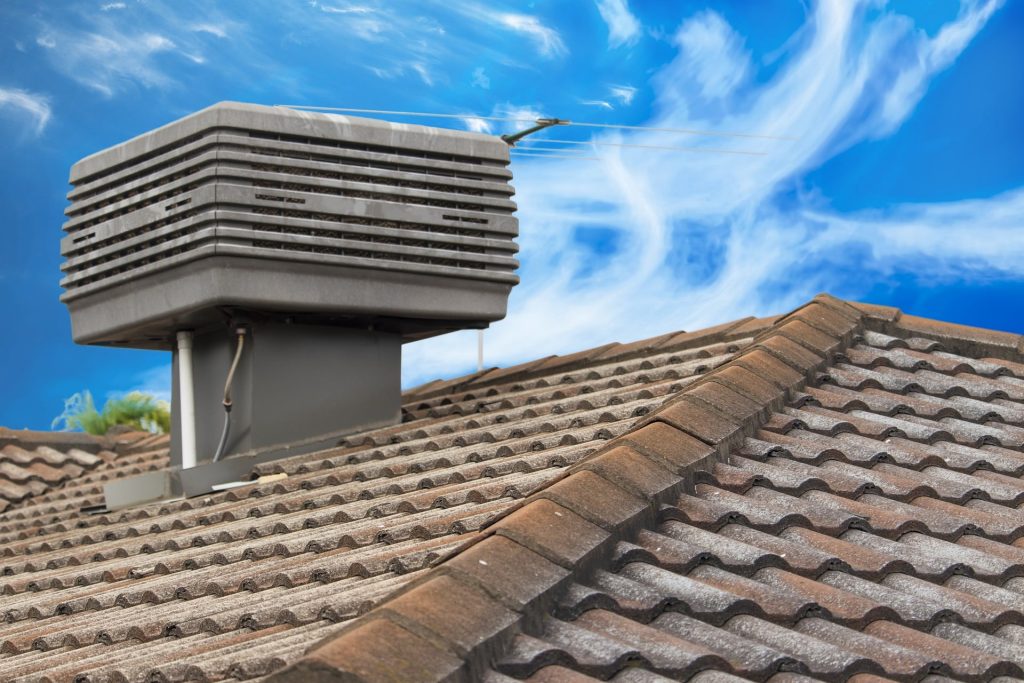
HVAC systems are a crucial aspect of any home, providing comfort and maintaining indoor air quality. However, as prices for goods and services rise due to inflation, the cost of owning and maintaining an HVAC system can also increase. In this article, we will discuss how the continued rise of inflation in 2023 affects HVAC prices and what homeowners can do to mitigate these costs. What is Inflation? Inflation is when the general price level of goods and services in an economy increases at a steady rate over a period of time. When prices rise, each dollar spent allows you to purchase fewer goods and services, resulting in a decrease in purchasing power. Inflation is measured by the Consumer Price Index (CPI) or the Producer Price Index (PPI). World events such as pandemic recovery and destabilization of countries essential to the supply chain will continue to push inflation higher in 2023. 2022 saw a 7-8% increase in the rate of inflation and this is expected to continue as we head into a recession, driving up the cost of doing business for everyone. The cost of materials, labor, and manufacturing will be reflected in HVAC prices across the country and these costs will push the price paid by end consumers higher, as a result. Impact of Inflation on HVAC Systems As inflation rises, the cost of materials, labor, and energy used in the production and installation of HVAC systems also increases. This can lead to an increase in HVAC prices for installing a new system, as well as higher costs for repairs and maintenance. One of the main materials used in HVAC systems is metal, which can become more expensive as inflation increases. The cost of steel, for example, has been known to fluctuate based on market conditions and can contribute to rising prices for HVAC systems. Additionally, as the cost of energy increases, the cost of operating HVAC systems can also go up, resulting in higher utility bills for homeowners. Another factor that can contribute to HVAC price increases is the cost of labor and fuel. As inflation increases, the cost of wages and benefits for HVAC technicians and installers can also rise. The cost of fuel to arrive at job sites will also add to the costs incurred by HVAC providers. This can lead to higher prices for installation and repair services as those in the heating and cooling business are forced to pass along their added costs to customers. HVAC Price Increase 2023 It is no secret that the pandemic and other world events have created financial hardships for everyone. Small businesses have felt it too. HVAC companies have dealt with supply and labor shortages and rising costs due to inflation. This adds up to increased prices for homeowners and, in some cases, longer waits for HVAC services In Arizona, inflation rates and the implementation of new energy efficiency standards that have come into effect for 2023, have driven up costs significantly. So, when we talk about increased pricing for 2023, we would be remiss if we didn’t also address the new regulations that have come into place at the beginning of the year. New HVAC Regulations for 2023 Regulations that took effect at the start of 2023 require that all HVAC systems in the country have a seasonal energy efficiency ratio (SEER) between 14 and 15. Though Arizona legislators are saying the new requirements are damaging to an already tough real estate market. They are pushing for a six-month extension to provide additional time to comply, but it has not yet been granted. These new requirements, combined with the required phasing out of certain refrigerants used in residential air conditioning systems, mean those in the HVAC industry are faced with an increased number of customers who require replacement systems that meet the new standards. Though these newer systems are manufactured to meet increased energy efficiency and be more environmentally friendly, the costs added by a rise in inflation and other factors will result in heftier price tags for homeowners. Many suppliers are anticipating increased costs of as much as 20%, meaning higher prices for homeowners in 2023. Mitigating the Impact of Inflation While the news isn’t great for HVAC businesses or customers, there are some things homeowners can do to mitigate the impact of inflation on HVAC prices. Purchase Energy-Efficient HVAC Systems One of the best ways to reduce the cost of operating HVAC systems is to invest in energy-efficient models. These systems use less energy to heat and cool your home, which can help to reduce utility bills. American Home Water and Air can help you navigate rough inflation waters by continuing to offer prices that remain as affordable as possible given supply and labor costs. We also offer financing plans to help you pay for your HVAC replacement should you need one. Regular Maintenance Regular maintenance of your HVAC system can help to prolong its lifespan and prevent costly repairs. Keeping your system in good working condition can reduce the need for expensive repairs and replacements. This may provide you with more time to budget for a future system that meets the new standards. If your system is having problems or hasn’t been serviced lately, now is the time to make an appointment for an inspection and yearly maintenance. Invest in Insulation Another important factor in the cost of heating and cooling your home is the amount of insulation in your walls, ceilings, and floors. Investing in adequate insulation can reduce the cost of operating your HVAC system by making your home more energy efficient. Seal or Block Air Leaks Seal air leaks around windows, doors, and cracks where heat can escape and cold air can get in to increase your HVAC system’s energy efficiency. Where you are unable to seal an air leak, take measures to block it with weather stripping, draft excluders, or heavy curtains. Contact AHWA for the best service in today’s economy The continued rise of HVAC prices throughout 2023
When and How You Should Upgrade Your HVAC System
Upgrading your HVAC system can be a substantial expense, so most people want to be sure it’s the right time to make HVAC upgrades before they make the investment. No matter how well you maintain your HVAC system, it will eventually require replacement. If you are looking to upgrade your heating system before winter or looking at upgrading that AC unit you had trouble with during the summer, here are some ways to know if it’s time. When to Replace an HVAC System If you are experiencing any of the following situations, it is time to look into investing in HVAC upgrades. 1. Your HVAC System is More Than a Decade Old When was your HVAC system installed? If the answer is more than ten years ago, then you may be due an HVAC upgrade. According to the Department of Energy, homeowners should replace their heating and air conditioning systems every ten to fifteen years due to deterioration. Some older units may also contain outdated refrigerants. 2. Repair Costs Have Exceeded Half the Cost of Replacement Whether your HVAC has gotten older, been abused, or suffered damages leading to poor operation, repairs to keep it running can add up quickly. While most HVAC systems require some repairs and maintenance, this should not be allowed to become excessive. If you find yourself making constant repairs, especially if some of them are the same ones time after time, you should look at how much those repairs have cost. If they add up to more than half the price of a replacement, it is time to upgrade your system. 3. Increased Utility Bills Heating and cooling systems can add up to as much as 40-50 percent of our overall energy costs each year. Compare your energy usage listed on utility invoices for the same months during previous years. If you are using more energy with no explanation, your HVAC system could be the culprit. With age, HVAC systems become less efficient and use more energy. If you have been diligent with repairs and maintenance, a significant increase in utility costs may be your sign that it’s time for an HVAC upgrade rather than just a simple repair. 4. Temperature Fluctuations There are many reasons why your HVAC system might not be able to maintain a consistent temperature. You could have a damaged or failing thermostat, low fluids, dirty filters, cracked ducts, or motor damage. It might also mean that your HVAC system isn’t powerful enough to cool your home or that you have improperly installed ductwork. If you are looking at substantial repairs to tackle a temperature control problem or have made structural changes that may have reduced efficiency, consider upgrading your HVAC. 5. You’ve Noticed Heavier Dust Collection HVAC systems not only produce heat and air, but they also facilitate air circulation and ventilation. When working efficiently, your HVAC system should remove most dust, dander, and debris from your home. An increase in the presence of dust may mean your air conditioning system is no longer doing an adequate job of removing particles from the air. 6. Odd Odors While some smells can arise from dust burning off, others can be a sign of melting wires or mold on the ducts. If you consistently experience unpleasant smells coming from your HVAC unit and have had it inspected and serviced, it might be due to aging components creating odors due to poor operation. 7. Strange Noises Your HVAC system should operate quietly enough that it isn’t a disturbance. If it has begun to grind or squeal, it is not functioning properly. An inspection from a licensed professional can help identify the cause and recommend repairs or suggest replacement. 8. Low Air Quality Summer can be very unhealthy for those who have a poorly operating HVAC system. The reason for this is that the heat of summer can bring with it mold, mildew, dust, and higher humidity than usual. If you have noticed an increase in problems with any of these during the warmer months, it may be because your HVAC system isn’t properly circulating and filtering contaminants that enter the air in your home. If you are having any of these issues despite your best efforts to keep your HVAC system properly maintained and serviced, you may be fighting a battle you can’t win. A qualified HVAC expert from AHWA can inspect your system and help you determine if it’s time to upgrade your HVAC. The cost of replacement will pay for itself in reduced energy and repair costs. You’ll feel healthier with the improved air quality and reduced stress from high energy bills. HVAC Upgrade: Where to Begin If you are reading this, you have already begun the process of considering an HVAC Upgrade. Your next step should be to set up a consultation with a heating and cooling specialist to assess your situation. Together, you can work out what sort of budget you have to work with and what your needs are. Perhaps money is tight and you need to stick with the basics. A qualified HVAC technician can help you find an affordable system that provides the essentials for your home. If you can afford more, you can consider additional conveniences such as floor heating, programmable thermostats, built-in humidifiers, or additional filtration. In some cases, you may find that your system is in better shape than anticipated and explore options for revitalizing or expanding it to better meet your needs or reviving it enough to buy you time to pay for a replacement. It is always better to hold out for a better quality system rather than installing a bargain HVAC system that won’t last. Though you will pay more for higher quality, it will be worth it in the long run. Whether you decide to replace your HVAC right away or buy some time with your existing unit until you can afford a more preferable system, AHWA can help you install your AC and make the best decision
2023 HVAC Efficiency Standards for Air Pumps and AC
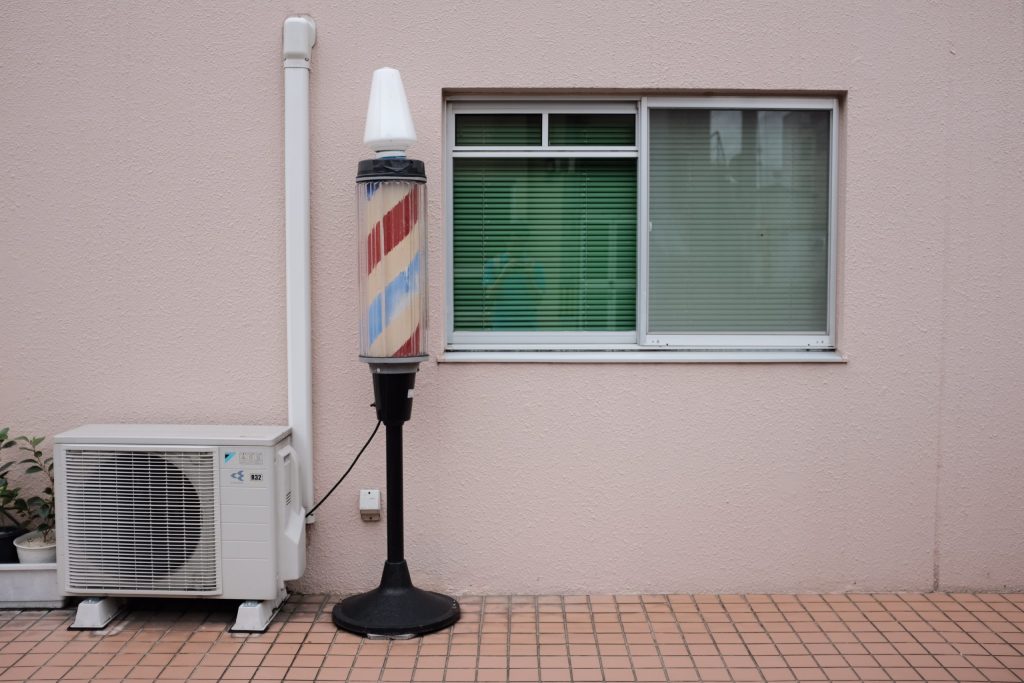
In January 2023, HVAC regulations will change, setting new minimum efficiency HVAC standards for heating and cooling systems. These new HVAC requirements will impact the costs for both HVAC installation companies and home or building owners, so we all must be prepared for the changes. 2023 HVAC efficiency standards for residential air conditioning systems are set according to a border established between the north and south regions of the U.S. The minimum efficiency standards for residential air conditioners in the southern region, which includes Arizona, will increase to 15 SEER. The current standard in this region is 14 SEER. SEER Ratings and Changes SEER stands for Seasonal Energy Efficiency Ratio. This standard is determined by taking the ratio of a cooling unit’s output over a typical season and dividing it by the watts-hours used to achieve this level. Basically, SEER indicates how effective your air conditioning system is at utilizing your energy source to create cool air. The larger this number is, the more efficient your system is, which translates into a lower utility bill. According to the U.S. Energy Information Administration, HVAC requirements for air-source heat pumps will mean they must meet a heating efficiency standard determined by the equipment’s heating seasonal performance factor (HSPF). The minimum HSPF is currently set at 8.2. The new regulations will increase it to 8.8. Just like with the SEER ratings that apply to air conditioning, HSPF measures your heat pump’s ability to convert your energy source into heat. The higher the number, the more efficient your heating unit is, meaning decreased energy costs during the cooler months. What These Changes Mean for Homeowners So, beyond energy savings, why is all of this important to you as a homeowner or building owner? If your existing system is working fine and you have no intentions of upgrading or replacing it in the near future, maybe not that much. However, if you have a unit in danger of failure or you are planning to finance and install HVAC units soon, it could be very important for you to be aware of the changes that will kick in come January 2023. Building owners and contractors will need to be aware that any units purchased before the HVAC requirements change will need to have a bit more consideration given to when the units will be installed. Any units that do not meet the updated standards coming into effect will need to be installed no later than December 31, 2022. Otherwise, you’ll need to purchase units that meet the new 2023 standards. Failure to address this issue during the planning stages could result in unnecessary delays and extra costs. HVAC installers are already busy getting educated on the new air conditioning regulations before they are put into place. Likewise, purchasers are aware of the timeline for procuring HVAC units and their installation so that they don’t find themselves with units that can no longer be used once HVAC requirements change. This will become increasingly important as the end of the year approaches, especially for larger-scale jobs where more than one unit is required and must be ordered well in advance. Increased Prices Due to Added Requirements It is also likely that there will be increased prices along with the increased efficiencies. As the deadline grows closer, that price will increase as demand surges, so it is wise to plan wherever possible. Most of these price increases will be driven by the requirement for higher-performing components, improved fan systems, and large chassis sizes. All of these will require additional copper, plastic, and other commodities, and thus, buyers will incur more expenses for the acquisition, logistics, and production of HVAC units that meet the new criteria. Those added costs will have to be passed along to consumers. It is important to discuss any plans for HVAC updates with a reliable service professional who can give more personal advice and talk you through the coming changes for just these reasons. End customers will need to understand that these new standards will affect any upgrades that are being planned or unexpected failures that might take place toward the end of the year or after December 31. This is a suitable time for all homeowners and building owners to have their units inspected and replaced. A licensed professional can provide you with a full inspection and any recommendations pertinent to your needs. Armed with the information about the changes and added costs that are to come in the new year, customers will be much better equipped to make the best decision for their unique circumstances and plans. It is far better to have some time to evaluate choices now rather than find yourself forced to incur extra costs when you aren’t prepared to do so. Changes to Refrigerant Requirements In addition to the changes already discussed, there is also some indication that there will also be refrigerant changes. Since the government changed standards in 2020, legacy systems have been allowed to utilize only recovered, recycled, or reclaimed R-22 hydrocarbon refrigerant. The price of these refrigerants has gradually increased over time. Additionally, there will likely be a reduction in R-410A refrigerant on the market once the new HVAC standards are in place as new systems transition to newer refrigerants. This will also have to be a consideration for anyone planning to install upgraded units or replace older models. Conclusion While much of this might sound confusing to someone not familiar with HVAC systems and the regulations that affect them, the bottom line is that the 2023 HVAC regulations will require any new units to adhere to increased efficiency standards. This is the time to address whether you need to replace your old system before you’re faced with the extra costs of installing a new or replacement unit after the first of the coming year. It is highly recommended that anyone with an HVAC unit that might require an update look at doing it before the end of the year. Schedule an appointment to
How Often to Change the HVAC Filter for Your Home AC
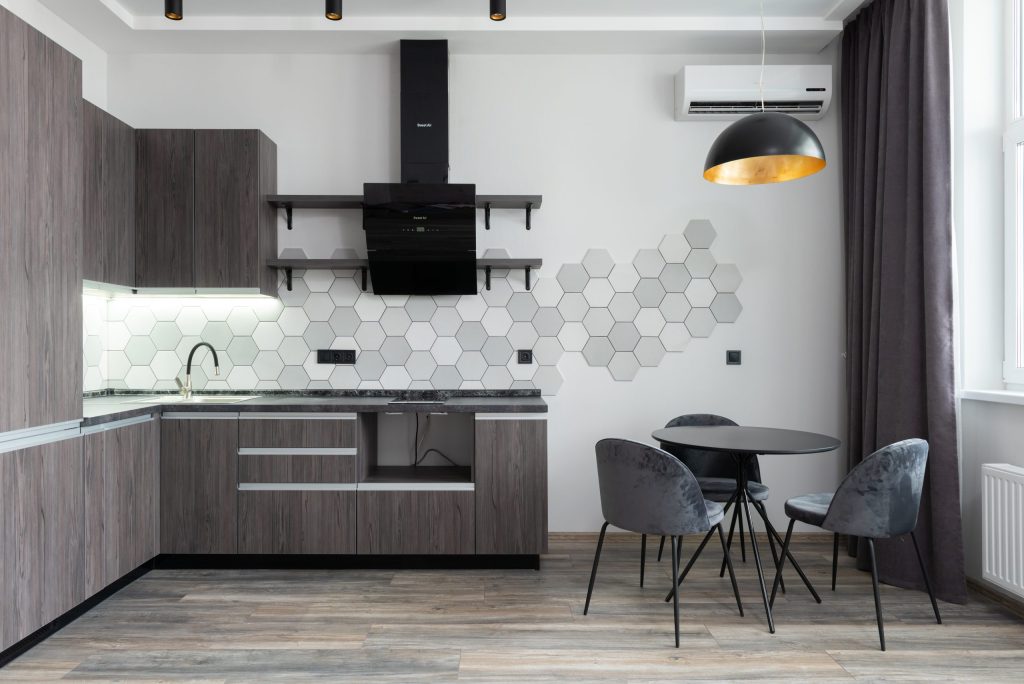
As winter begins to subside and we enter the warmer months of spring and then summer, many of us will begin to use our HVAC systems more to keep our homes cool. One of the simplest, but most important things you can do to keep your system in good order and improve the air quality of your home is to know how often to change the HVAC filter. Keeping your HVAC filter clean will preserve the lifespan of your HVAC system but it will also reduce the time you must spend cleaning by removing many of the particles that can escape into the air and settle as dust in your home, which can also affect your health. On average, your HVAC filter should be changed at least every three months, but several factors can affect whether you need to change it more often. In a climate where the winters are fairly mild and you don’t run the heat that often, you may not need to change it as frequently as you do in the hot summers when your air conditioner runs considerably more. During periods where your system is being used more, you might want to change the filter as often as every month. Factors that Affect Your HVAC Filter’s Usage Before we talk more about how to change your HVAC filter, let’s talk about some things that might affect that decision. Air Quality: One consideration regards how people and pets reside in your home and how often they are present. Because your HVAC filter is used to trap particles in the air year-round, it must be routinely exchanged to maintain your air quality at its highest levels. More people and pets create more for your filter to process. The HVAC filter captures dirt, dust, pet dander, feathers, pollen, and smoke. It also traps bacteria that can spread disease and allergens that can adversely affect those with asthma or other breathing ailments. There is a direct correlation between the air quality in your home and your health. Environmental Impact: When your filter is dirty, your HVAC unit takes up more energy to push air around the system, which can lead to a buildup of dirt and debris in the ducts. Some of this buildup will be pushed out through the exhaust and into the air outside, creating pollutants in the exterior air. Energy Savings: With increased energy efficiency comes cost savings. A clean filter will maximize how well your HVAC system works, resulting in less energy being required for it to run. HVAC filters are designed to show dirt so that you can easily see when yours needs a replacement. HVAC System Longevity: Clean filters will extend the life of your HVAC equipment. As the system sucks air into the intake, it takes in particles that are caught in the filter. If the filter is clogged up with dirt and debris the air has a harder time moving through the ducts, causing the motor to work harder. This can lead to overheating, smoking, and further damage to your system With all of this in mind, let’s talk about how to change an HVAC filter. You’ll want to start by deciding what kind of filter you want to use. You can simply look at your existing filter and replace it with the same brand, but you may want to explore other types based on your preferences and needs. Types of Air Filters for Residential HVAC systems One of the things worth answering is how often to change your HVAC filter based on the type you’re using alongside its MERV rating. The MERV rating system ranges from 1 to 16; similarly, the MPR measures the size of particles in the air and are ranked from 0.3 to 1 micron. If you have pets or many people living in your home, you’ll want something with a MERV rating of at least 12. HEPA—High-Efficiency Particulate Air (HEPA) filters remove over 99.97% of particles as small as 0.3 microns in diameter. With a MERV rating of almost 16, this puts it at the top of the line, making it worth its extra cost. Keep in mind that this kind of filter might require alterations to your system to accommodate it. Washable—Consider a washable filter if you are looking for an environmentally friendly and cost-effective filter. You should change this filter every month or two, and it is a good idea to have at least two on hand, since you’ll want to make sure it is completely dry during use or risk unhealthy mold growth. The upfront cost for this type of filter is more expensive, but it will more than pay for itself in the long run. Fiberglass—This filter consists of fiberglass elements fitted over one another and reinforced with metal chips. It is relatively cheap but effective if you change it monthly. It is not the best for maintaining high air quality as the makeup of its fibers allows more bacteria, mold, and fine dust to escape back into the air. Pleated Polyester—Made up of two cotton elements bound together and arranged in a pleated pattern, this filter is where reasonable costs meet effective filtration. The pleated design provides more surface through which air can be filtered, capturing more of the particles that linger in the air. It is more durable than cheaper filters and provides better filtration for not much more cost than the fiberglass counterparts. How to Change the Air Filter for HVAC systems Maintaining your HVAC system is usually simple once you know how to change the air filter in your HVAC. To start with how to change your HVAC filter, you’ll need to find where it’s located behind the air intake in one of three places. For those located on a wall or in the ceiling, simply open the large vent door and replace the filter inside of it with the filter of your choice. Some units may have a filter located on the side of the HVAC system.
Modern Indoor Air Quality Solutions
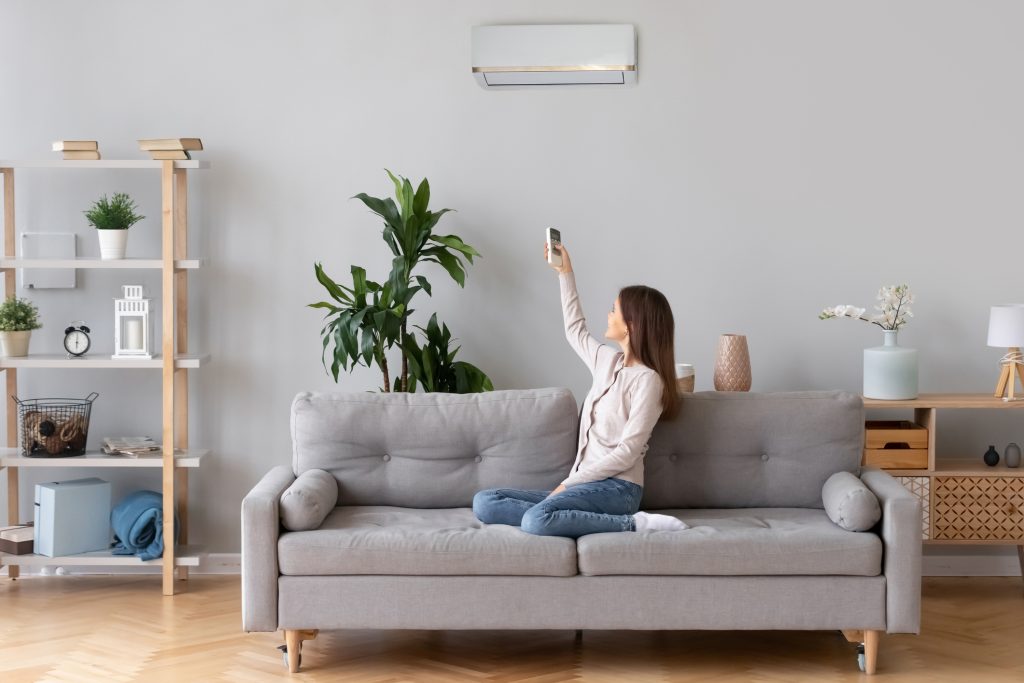
If you want to improve the air quality in your home, it may be worth checking out this guide. American Home Water & Air is your HVAC service in Phoenix, Arizona, providing you with excellent ways to improve your HVAC indoor air quality. If you want indoor air quality solutions that are guaranteed to work in your favor, you’re in the right place. Improved air quality can do wonders for those who may have health and allergy issues linked to poor air quality, be it indoors and outdoors. These solutions may involve inspecting your HVAC system and potentially hiring a professional to make any needed improvements. Most of these solutions are DIY, so they should be fairly easy for you to implement. With that said, here is a list of modern indoor air quality solutions to consider: Change the AC filter First off, the dirty AC filter will need to be changed. It will collect and filter a lot of the air pollutants that are common throughout homes. It can get to the point where these pollutants can gain access into your home once the filter is no longer useful. That’s why it is important to inspect them periodically to determine when a good time to change them may be. Does AC improve air quality? It definitely does, as long as the filter is in good working order. Change the other air filters for other appliances as well Other air filters should also be changed when needed, and there may be several throughout your home that require it. Many household appliances may have air filters of their own including kitchen vents, dryers, and even vacuum cleaners. You can be sure that changing out your air filters will certainly increase indoor air quality ventilation. Don’t believe us? Try it out for yourself, and you’ll see what we mean. Use stove vents when cooking Did you know that depending on your cooking space and ventilation setup, you could be spreading indoor pollutants whenever you cook in your kitchen? This is usually due to the gas that powers your stove range. Specifically, the pollutants known as nitrogen dioxide and even carbon monoxide, which are released in small amounts when cooking, can be harmful to your health if they build up. While most kitchen setups are designed to prevent this, when combined with specific types of cooking, you might find these gasses building up during long cooking sessions. High levels of carbon monoxide can also lead to carbon monoxide poisoning, which can be dangerous to your health. If you are running a gas stove, you’ll want to use your stove vents and exhaust. Alternatively, you can switch to an electric stove, which will greatly reduce the amount of these gasses that are being released. Humidity control If there are areas where humidity is high in your house, a dehumidifier gets the job done. Not only that, controlling humidity in your home will keep the mold growth at bay. Mold growth can severely reduce the air quality and trigger all kinds of illnesses and allergies. The more humidity that’s reduced in your home, the better the air quality will be. Mold growth can lead to expensive remediation measures if you fail to monitor or prevent any growth from happening. Do the best you can and inspect potential problem areas including inside your air ducts. Install a carbon monoxide detector in your home Revisiting the issue with carbon monoxide from earlier, you’ll want to install a carbon monoxide detector inside your home. The gas is odorless, colorless, and tasteless. But it can be fatal. For this reason, installing and monitoring a detector will be your best bet against carbon monoxide. At the same time, you may want to check out any problem sources including boilers, heating appliances that are badly fitted or maintained, or any blockage in your chimney. Speaking of deadly gasses, it wouldn’t hurt to have a radon test done to see if there are high levels of it kicking around. Vacuum regularly Regularly cleaning your house can also increase the air quality in your home. Vacuuming should be one of those things you should normally do regularly. You have plenty of vacuums these days that will have air filters built in. Not to mention, it also does a good job of getting rid of dirt and dust. Plus, dust mites won’t be much of a problem. Have your HVAC system maintained regularly This is definitely a job best left up to the professionals. It comes at a cost, but an HVAC cleaning service near Surprise, Arizona might just be one of the best indoor air quality solutions today. Let’s just say it’s worth every penny for a regular service. Also, it wouldn’t hurt to have the air ducts cleaned regularly and clean the AC drain lines as well. You pay for what you get with professional service, but it’s always worth the investment if you’re looking to keep the air quality in your home better than ever. Consider using air purifiers Many homeowners will use air purifiers that can help increase the air quality throughout their whole homes. Find one that fits your preferences, needs, and budget and you’ll have one of the best ways to keep air pure in your home. Prohibit smoking indoors Needless to say, cigarette smoke can release toxins into the air. Even second hand smoke can be a cause for lung cancer and all kinds of health problems. If you smoke, do it outside. If you know someone who smokes, implement the ‘smoke outside only’ rule in your home. No exceptions at all. Also, make sure you are consistent with this. We may slip up at times and smoke indoors once in a while, and it’s fine. But remember that for maintaining air quality in your home, it’s better to keep your smoking sessions outside the home. Improve your home’s air quality today Hopefully, these indoor air quality solutions prove to be helpful in improving your home.
How To Check For Mold In Air Ducts and 4 Ways To Eliminate It
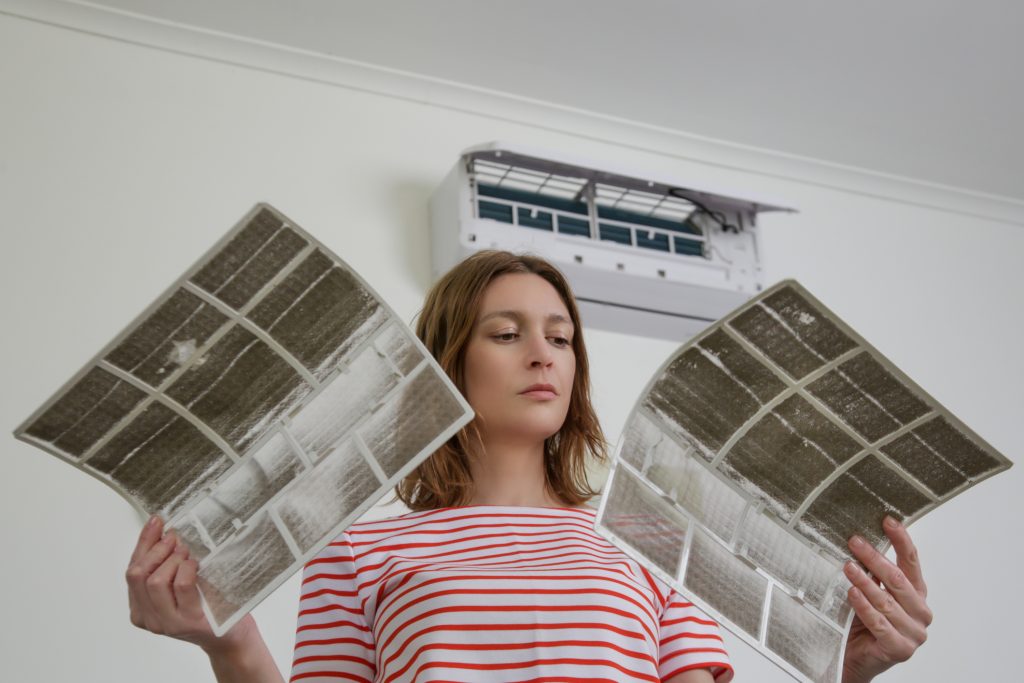
Mold on air vents is not something you want to keep around. Especially when people in your household can be sensitive to it, exposure to mold can trigger plenty of health issues. That’s why you must learn how to check for it and eliminate it as soon as possible. As your air duct professionals near Glendale, Arizona, we’ll share with you tips on how to do that. We’ll also share with you four ways to eliminate it completely. Mold should never be in your home, but it can grow if the conditions allow it. Typically, it shows up in places that are cool and damp. This is why mold in AC vents can be common if the right measures aren’t taken to prevent it. To find out more about finding out if you have mold in air ducts and how to eliminate it fast, keep reading. What are the signs of mold in your air ducts? If you want to prevent something like black mold in air vents, it’s important to know the signs. Let’s take a look at the following so you know what to keep an eye (or nose) out for: Visible mold Any visible signs of mold on air vents should be one of the top things to look out for. With enough time and the right conditions, mold spores will usually settle inside the vents and appear as spots in different colors. Some of them will be white, black, or green, and just because you can’t see it on the outside of your vents doesn’t mean growth may not exist on the other end. That’s why you should make sure to properly check for mold on air vents by removing the cover from the vents and looking inside. Mold in AC vents can’t be easily visible unless you remove the cover and shine a light inside. Mold inside the AC or furnace Continuing on, you’ll have to look inside the AC or furnace for any mold. If the inside is damp and dark, that’s ground zero for almost any type of mold growth. Also, we highly suggest checking out the evaporator coils and drain pans since you may be able to find potential mold in your AC vents in those places as well. Besides common locations like these, it’s possible to find mold growth even in unexpected places. If you find any, that’s when you should enlist the help of a mold remediation expert, regardless of whether the growth is severe or not. Musty odor when HVAC is running If you are running your HVAC and smell a musty odor, the potential for mold in the vents is high. Mold has an odor that is considered to be earthy or musty. The odor won’t be good on the nose, but it’s one of the more recognizable signs that mold growth is present and can be detected easily. If the mold is growing in the ducts, the smell might even spread throughout rooms that are near the source of the growth. Any strange smells similar to that of mold in your rooms means you should check nearby vents immediately, as it could be a telltale sign you have mold in the air ducts. Allergy symptoms or illness occurs As mentioned before, if you are allergic to mold, your symptoms will emerge. It can also cause other symptoms. Allergy symptoms you may suffer from can include sneezing, coughing, watery and itchy eyes, and breathing difficulties. However, you might suffer more troublesome conditions apart from these, such as severe nausea, vomiting, diarrhea, and fatigue. For these reasons, it is important to stop using the HVAC system if any of these symptoms occur. If any mold growth is discovered, do not activate your system until it is free of any mold. Ways to eliminate mold from HVAC system Find the mold source Finding the mold source can be a challenge. Most of the time, the source can be usually associated with water leaks. Find any leak spots that may be close to your air ducts or the HVAC system itself. Once found, you’ll want to fix the issue with the help of a professional. Speaking of which, let’s move on to the next step. Hire a professional to test for mold Although you can test the mold yourself, DIY mold testing kits aren’t always fully reliable and thorough enough to ensure you don’t have mold in your vents. If you must, enlist the help of a professional to test and eliminate mold inside your air ducts. Contact your local mold removal services if needed If the test for mold is positive, then mold you’ll need removal or water damage restoration services. Please make sure the HVAC system remains off until this process. This will greatly reduce any risk of the mold spreading. Mold removal services will follow the right steps and protocols to remove mold safely and effectively, and they have the proper tools and attire to get the job done. This makes it easy to remove mold safely without any added risk to you or your household. Take preventative measures While mold removal may not be a DIY task, preventative measures can definitely be put in place beforehand. This includes cleaning the drip pans regularly, checking for leaks throughout your entire piping system and in areas where condensation usually occurs. You may want to seal these areas if needed. Furthermore, you’ll want to consider purchasing a dehumidifier. Run it in areas that can be susceptible to regular mold growth. Lastly, you can invest in regular air duct cleaning, which you can get done professionally. Keep in mind that air duct cleaning doesn’t come cheap. You’ll be looking at spending anywhere from $300 to $500 for a visit. But an ounce of prevention is worth a pound of cure, as they always say, and the same goes for preventing future mold growth in your home. Be sure to take the right preventative measures and things will be fine. American
HVAC Air Balancing, Everything You Need To Know
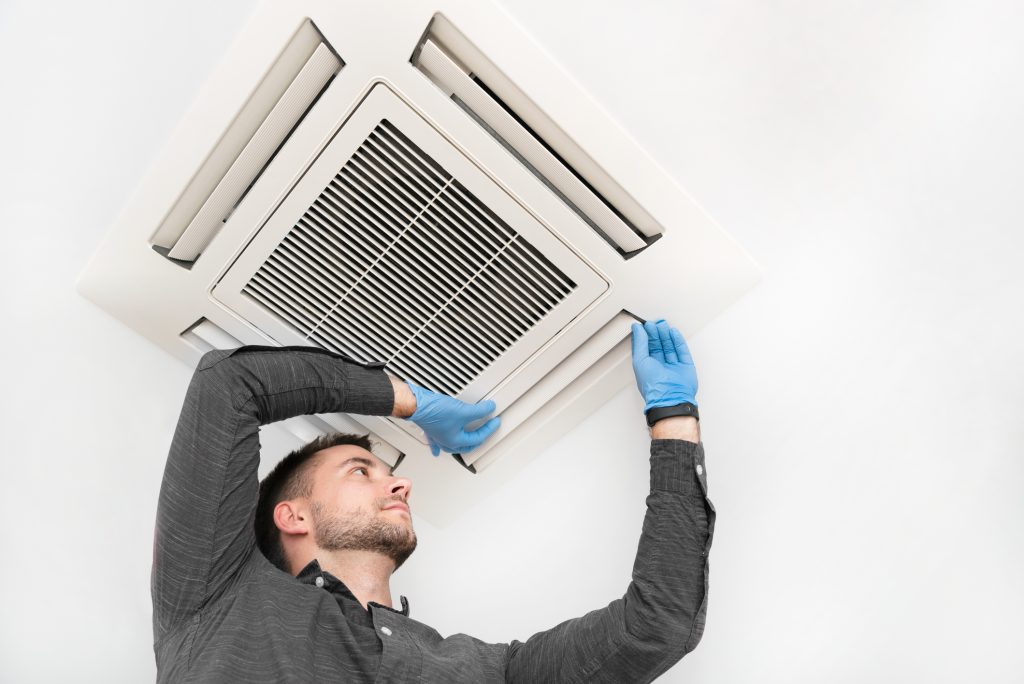
If you don’t know what air balancing is, no worries. We’ll explain what it is shortly. As your HVAC service in Phoenix, Arizona, we know what we’re talking about when it comes to home heating and cooling. Air balancing is something that can be beneficial to your home. When done right, you’ll feel comfortable in every room. You’ll feel cool in the summer and warm in the winter. This is a good solution for dealing with any prominent hot or cold spots in your home, which are signs of an air imbalance. If you want to get rid of them in your home, keep reading. What is air balancing? Air balancing is where you can adjust the HVAC system in every room of your house. This ensures that your whole house gets the right amount of hot or cold air. Overall, you want your whole house to be as comfortable as possible. Your residential HVAC system should be balanced out when it’s initially installed. As needed, adjustments to your HVAC system are common. However, you might not be able to have the temperature set to 70 degrees in every room. Try as you may, something may seem a little off. Air balance is key so you can get rid of any warm or cold spots in your house, no matter where they are. What are the advantages of air balancing Let’s take a look at the following advantages you can experience if you decide to do any air balancing in your home: Better comfort levels If you do any air balancing, this may increase all kinds of comfort throughout the entire home. In the summer, you may find yourself in a room that doesn’t get adequate air conditioning. So you move to someplace cooler. With air balancing, that won’t be the case. You can stay in that room for as long as you like and feel comfortable. If you want to know how to fix a hot room quickly, chances are air balancing gets the job done. Increased air quality Better air quality is one of the best perks to have for air balancing. Especially if you are allergic to dust, mold, or pollen, air balancing will lower the amounts of these allergens that come from the outside and gain access inside through various means. Increased HVAC system lifespan Everyone wants their HVAC system to last a long time. There’s no doubt that you can get it done. Air balancing will definitely help decrease the amount of dust and mold buildup that will occur within your system. Aside from that, increasing the efficiency of your airflow will also help add more years of service to your HVAC system. Is it possible to do air balancing yourself? Short answer: yes and no. The long answer: there is one way to do it by yourself. This includes making adjustments to your dampers. The other way to do it will require professional assistance. If you need air balancing done, your HVAC specialist near Glendale, Arizona will have an expert come to your house to get the job done. We can perform air balancing testing to see if we can make a good adjustment. We’ll make sure that every house in your home is comfortable. It’s technically possible for you to do things yourself, but some other things could be best left to the professionals, especially if you need to make sure you’re checking for everything you need. When you’re unsure of what to do, calling American Home Water & Air may be your best bet. You can also check out our other articles to learn more tips and facts about Air conditioners and HVAC systems such as “What is the coldest temperature for an air conditioner“ How to DIY Air Balance Your House If you decide to go the DIY route, you can adjust the dampers in each room inside your house. This also includes adjusting your system’s duct lines as well. To adjust the dampers, you’ll want to take a look at your vents. Close the diverters of every vent you have to force less air into the room while providing more of it to other rooms. It’s as simple as a pull of a lever. Now, adjusting the duct lines is completely different. You need to turn the lever to where the disk located inside the line is flattened. This will ensure plenty of air flow is provided by the duct line. When to get it balanced by a pro? There may come a time when air balancing can be left to the professionals. Your HVAC professionals near Scottsdale will inspect the entire system and perform the necessary tests. From there, they’ll determine what needs to be done to air balance your home in the best way possible. They may include simple damper adjustments and adjusting the speed of your fans. It can also involve major work such as replacing your supply lines or installing new dampers. Your HVAC unit may undergo major changes as well. Regardless, you’ll want to be ready to consider setting money off to the side for any professional air balancing. Air balancing prices will range anywhere from $75 to $100 per opening in your home. On average, you may expect to pay anywhere from $750 to $2000. The more vents you have in each room (or throughout the house), the more you’ll likely pay. Also, the ease of access to your HVAC lines may play a factor in how much you’ll pay. Get your HVAC air balanced now American Home Water & Air are your HVAC professionals in Phoenix, and we’re ready to test your home’s air balance whenever you need it. Want better air quality and comfort throughout your house? There’s no better HVAC professional to go to for that. Try making adjustments on your own if needed. It may be cost-effective and the best course of action. But if nothing seems to be working, that’s when you can rely on the professionals to