
Solar Powered Air Conditioner, the Future of HVAC?
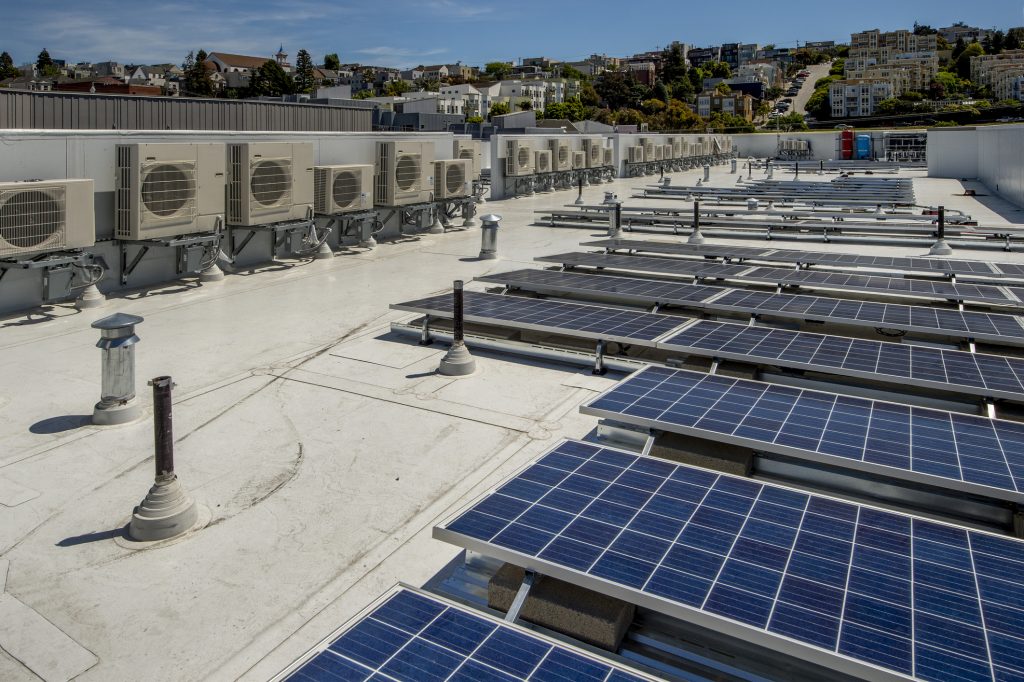
When alternative energy resources are suggested, it comes as no surprise that we talk about solar energy as the main option. Solar energy seems to be all the rage these days, perhaps for a good reason. Does this mean we’ll see a solar powered air conditioner as the norm for many households? The answer may be a resounding yes. We’ll be discussing solar power air conditioners, including their pros and cons. Many of them are being powered by regular electricity for the time being. With clean energy being the go-to option for the environmentally conscious, we may very well be preparing for what could be the future of HVAC. Could a solar powered air conditioner be the most cost-effective solution compared to electricity? Let’s discuss this further so you get a good idea of what they can do for you. What are solar powered air conditioners? A solar powered air conditioner will run on solar power (how else). As for how many solar panels it may need to operate, the answer is: it depends. For example, three solar panels will contain at least 320 watts apiece. At this rate, you could be able to use an air conditioner that can cool off a studio apartment or a small home. The larger the space, the more solar panels you’ll need for your solar AC. Keep this in mind if you consider a solar powered air conditioner yourself. How long have solar powered air conditioners been on the market? Solar powered air conditioners have been on the market for a few years. During its development, they have run into certain issues that had delayed their imminent appearance on the market. An example is that solar power was considered inconsistent when working with single-speed compressors. Because of this, newly designed compressors were created to help work with solar power. The fans will run at various speeds during their operation and can operate directly with solar power itself. What is the current price for a solar powered air conditioner? Solar powered air conditioner prices will vary depending on the brand. Some of these prices will exclude any installation fees that retailers can include. SolarAir World will have air conditioners priced at no less than $1700 (excluding installation). GREE and HotSpot Energy will have systems that start out at around $1800 (both excluding installation fees as well). So it is important to consider not only which solar AC unit will fit your budget but rather who will charge it for installation alone. The rates will differ from one installer to another. Find the one that will fit your budget better and go from there. If you need a good amount of money to save up for a solar AC unit, we recommend that you at least save up to $2000. This may be enough not only to cover the initial unit but cover any installation costs. As you shop around for installers, you may set more money off to the side if needed. Who are solar powered air conditioners for? Not everyone may be able to use a solar powered air conditioner. This may have you asking: is it something for me? The good news is that even with a small space, you can still use one. Even if you cannot install full solar panels for your home, you can still use a solar air conditioner with a few panels to start out. Those who have homes off the grid will also take advantage of these. If you are looking to spend less money on their utility bills, it’s clear that using solar energy will be a plus. Especially during the summer months when using an air conditioner is obviously needed. Who better than to call a professional if you need a solar power air conditioner or a cooling system installed? American Home Water and Air offers the best air conditioner installation and repair services near Phoenix, Arizona, and we’re just one phone call away from putting something together so you can enjoy cool air while living off the grid. Is purchasing a solar air conditioner really worth it? Yes, purchasing a solar air conditioner can be worth it for most users. But not everyone will take advantage of it for one reason or another. If you want to save money on your utility bill while reaping the rewards, a solar air conditioner may be right for you. What rewards, you ask? How about a federal tax credit that can save you a ton during tax time. Plus, you’ll also get free energy powered to your home for as long as the solar panel system can operate. How’s that for a deal? But there’s a noticeable drawback that we’ll need to address. When comparing solar air conditioners to solar panel systems, the latter’s solar payback period is less. It can take about 10 years to pay back the system with a solar panel system installed, whereas solar air conditioners can take double the time. However, if your cooling costs are covered, this shouldn’t be much of a problem. It all comes down to the financials to help determine whether or not purchasing a solar air conditioner is really worth it. To help make the final determination, you can find a solar calculator that will crunch the numbers for you to ensure if solar power is the right move going forward. Is Solar Powered Conditioning Right For You? Call us If you are considering the idea of installing a solar powered air conditioner in your home, call American Home Water and Air. We are your air conditioner experts near Scottsdale, Arizona, preparing our customers for the future. You may consider this as one of the best investments you’ve ever made to your home. Solar power is growing in popularity. It’s only a matter of time when more homes will go off the grid and enjoy the benefits of it all. Don’t wait; contact us at 602-993-0083, and we’ll get started with the process.
HVAC Zoning System 101: What It Is and How It Works
Ever walk into one room of your home and feel like it’s a sauna, while the next feels like an icebox? If so, you’re not alone — and an HVAC zoning system could be the solution you’ve been looking for. Whether you have a multi-level house, rooms with big windows, or simply a household with different temperature preferences, zoning can help create customized home comfort. In this guide, we’ll explain exactly how HVAC zoning systems work, what types are available, how much they cost, and why so many Arizona homeowners are choosing this smart upgrade. What Is an HVAC Zoning System? At its core, an HVAC zoning system divides your home into separate areas (or “zones”) that can be heated or cooled independently. Rather than relying on a single thermostat to control the entire house, zoning systems use multiple thermostats, along with smart dampers inside your ductwork, to direct air where it’s needed most. This means your upstairs bedroom can stay cool for sleeping while the downstairs living area stays cozy for movie night — all at the same time. Why Homeowners Need HVAC Zoning Most homes were built with a “one-size-fits-all” HVAC setup. But real life doesn’t work that way. Here are a few everyday situations where zoning can make a big difference: Zoning lets you customize comfort room by room — and often leads to better energy efficiency. How Does an HVAC Zoning System Work? Let’s break it down simply: This trio works together to balance airflow and automatically maintain ideal temperatures throughout the house. What Types of Homes Benefit Most from Zoning? If your home fits any of the following descriptions, an HVAC zoning system is likely a worthwhile investment: That said, even a single-story home can benefit from zoning, especially if it suffers from hot or cold spots in different areas of your home. Homes that aren’t ideal for traditional ductwork setups may benefit more from solutions like ductless air conditioners, which offer efficient, room-specific temperature control. Can You Retrofit Zoning into an Existing System? Yes — many homeowners think zoning is only possible in new construction, but that’s not true. Depending on the layout and condition of your existing ductwork, zoning can often be added to your current system. In some cases, adding ductless mini-splits for independent control in specific rooms may be a smarter choice. An HVAC professional can evaluate your setup and recommend the best solution. How Much Does an HVAC Zoning System Cost? The cost of an HVAC zoning system in Arizona can vary depending on: Here’s a rough estimate: System Type Estimated Cost (AZ) Retrofit (2–3 zones) $4,500 – $7,000 New install (3–4 zones) $5,500 – $8,500 Ductless mini-split (1 zone) $3,700 – $6,000 Keep in mind — the real cost depends heavily on labor and ductwork conditions, so it’s best to get a professional in-home quote. Tip: Don’t forget about efficiency ratings when comparing systems. Investing in one with a good SEER rating for ductless mini-splits can significantly reduce long-term energy costs and improve comfort. Advantages of Installing an HVAC Zoning System Here’s why more Arizona homeowners are choosing zoning for their heating and cooling needs: 1. Customized Comfort, Room by Room Are you tired of battling over the thermostat? Zoning lets each space in your home maintain its own perfect room temperature. Whether it’s a warm nursery or a cooler home office, you’re in control—and so is everyone else in your household. 2. Improved Energy Efficiency Zoning reduces wasted energy by sending heated or cooled air only where it’s needed. That means no more pumping AC into an empty guest room — and less strain on your HVAC system. 3. Lower Utility Bills With better control and less waste, many homeowners report energy savings of 20–30% after installing a zoning system—a change that can significantly lower their monthly energy bills. 4. Longer HVAC System Lifespan Because the system isn’t working overtime to condition your entire home at once, wear and tear is reduced. That means less maintenance and longer life for your HVAC equipment. 5. Smart Home Compatibility Many modern HVAC zoning systems come with smart thermostats and app-based controls. Adjust temps from your smartphone, set schedules, or make changes on the go — no more thermostat wars. 6. Improved Air Quality Zoning systems can help reduce the spread of allergens and pollutants by limiting airflow between spaces and promoting cleaner, healthier air in each zone. Things to Consider Before Installing a Zoning System While HVAC zoning has clear benefits, it’s not a one-size-fits-all solution. Here’s what to keep in mind: 1. Upfront Investment Installing a zoning system involves additional components like zone control panels, dampers, and extra thermostats — plus the labor to install them. While the long-term savings can be real, the initial cost can be higher than a standard system. 2. Home Compatibility Some homes—especially those with outdated or poorly designed ductwork—may need extensive retrofitting to support zoning, which could mean added cost or complexity. 3. System Maintenance More components mean more potential for system maintenance and repairs. Dampers and thermostats may eventually need servicing or replacement. Keeping your system maintained is key to keeping it efficient. 4. Not Ideal for Very Small Homes Zoning may offer limited benefits in smaller or open-concept layouts. A traditional HVAC setup may be more cost-effective if your home has fewer rooms or consistent temperature needs throughout. Alternatives: Manual Dampers or Ductless Systems If a full zoning system isn’t in the budget right now, you might consider: Both offer partial zoning benefits without the full investment of an advanced automated system. Is an HVAC Zoning System Worth It? If you constantly adjust your thermostat, argue with your spouse about temperatures, or are just tired of dealing with uneven comfort levels in your home, then yes, an HVAC zoning system is absolutely worth exploring. Not only can it help you save on energy, but it also improves your day-to-day quality of life. And that balance can make a difference in
Furnace Leaking Water? Here Are The Common Culprits
Water Leaking from Furnace Your furnace is most likely the main component of your heating system. We rely on our furnaces to keep us warm and regulate the overall temperature of our homes. We expect our furnace to work seamlessly within our home, as we almost never want to deal with our home not being the perfect temperature. On the same page, leaking water is one of the most common nightmares for homeowners. Leaking or running water can cause huge problems with almost every aspect of your home. When these two situations combine, you’re sure to have a rough time. Luckily for you, we’ve compiled some basic information for you about your furnace leaking water. We’ll walk you through the basic types of furnaces, and why they have different problems. Then, we’ll talk about the most common types of water leaks for furnaces. Once you have a grasp on all that information, we will walk you through what your next steps should be. Furnace Basics For the purposes of this discussion, we’re going to talk about 3 types of furnaces, with 2 important subcategories. We want you to get a better understanding of what the basic types of furnaces are so that you’re more informed about what the potential causes for a water leak could be. Firstly, we’d like to explain the difference between single-stage, two-stage, and modulating furnaces. Single-stage furnaces are very common. They make up the most cost-efficient type of furnace. In practice, you set this type of furnace to a temperature you’d like your home to be at. If the ambient temperature is below the desired temperature, your furnace will switch on and go full-blast until it reaches the temperature. There’s no fine-tuning involved. Two-stage furnaces have the obvious advantage of having two operational settings. They usually have a ‘high’ and a ‘medium’ setting. This allows a little more control, in terms of reaching and maintaining the desired temperature setting. Modulating furnaces are even more specific in the way they operate. Their flame settings modulate based on how close your temperature is to your desired temperature. This means they can run less aggressively, and do a better job of maintaining the temperature you’re looking for. The two sub-types of furnace you should be familiar with are high-efficiency and conventional. Conventional furnaces vent out the exhaust from the heating process out of your home after the heating process has finished. High-efficiency furnaces use a heat exchanger to continue heating the air using that exhaust gas before venting. They are most complex and can have different problems than conventional furnaces, but they are much more efficient. Reasons for a Leak When looking at the reasons for a furnace to be leaking, we have to start by looking at condensate. Condensate is essentially water that is created as a by-product of the heating process that your furnace undergoes to heat the air in your home. High-efficiency furnaces have a couple of areas where a possible issue could arise. The condensate that they create is normally pumped out of your house, through a condensate line. These lines do nothing but pump condensate. If you’re seeing water around your furnace, this is the first place you should look. If the line is broken, clogged or otherwise inoperable, then the condensate has to go somewhere else. This would cause it to leak out. Another potential problem in the same area would be your condensate pump. This device is what pumps the condensate away from your furnace, through the condensate lines. If it’s not working, then the condensate will gather and pool somewhere undesirable. Next, we’ll outline the one possible problem a conventional furnace could be having: the vent. Similar to how a high-efficiency furnace vents the water away, conventional furnaces do the same with gasses. If the vent isn’t the right size, or if it’s blocked somehow, the gasses will spend too long in the vent, where they cool and create condensation. Over time, this condensation will leak out, and potentially create puddles of water. If you have a humidifier on your furnace, you could be having a problem there. Essentially, your humidifier adds water vapour to the heated air to make it less dry. Most humidifiers operate mainly in the winter months. Similar to our earlier potential problems, if your humidifier isn’t moving the water it uses effectively, eventually it’ll build up, spill out, and cause leaks or puddles. What You Should Do Now that you understand the differences between types of furnace and some of the most common issues with them, we can start to make a plan of action on how to address our furnace problems. The first and perhaps most important thing to bear in mind is that furnace problems are unlikely to go away on their own. This is especially true for issues where your furnace is leaking water. Leaking water can cause all kinds of problems by itself, so you want to address the issue as soon as possible. Shut the Furnace Off You want to make sure that your system is off, to help with the diagnosis and cleanup of the issue. Most furnaces have an on/off switch on the main control panel. This is usually located on the front or side of your furnace. It might be that you have to shut off the associated electrical breaker for your furnace. Clean Up! Next, we recommend you clean up the water around your furnace. You do not want to leave standing water in any area of your home, especially the basement. While you’re cleaning up, you should keep your eyes peeled for where the source of the water is. You should be able to find where most of the water is coming from. This is especially helpful to do now, as finding and fixing the source of the leak is the only way to prevent water damage in your home. Check your Filter! While your furnace is off, and after you’ve cleaned up the unwelcome
Why Is My Furnace Blowing Cold Air?
Normally, we rely on our furnace to keep us warm. When your furnace is not blowing hot air, you know right away that you’ve got a problem. If your furnace is blowing cold air, it’s easy to panic. The good news is that there are several reasons why your furnace might not be co-operating, and we can help you figure out which of several reasons could be the culprit for your furnace not working properly. We’ll walk you through some furnace basics, talk to you about the key components, walk you through some troubleshooting basics for a furnace blowing cold air, and help you to understand when you should think about contacting a professional. If you’ve got cold air blowing out of your vents when the heat is on, check out this guide, and follow the steps to diagnose, and potentially fix the problem. If you’re looking for some winter furnace maintenance, check out our post on the subject. Furnace Basics Furnaces are one of the key components of your heating system. In a perfect world, your furnace should produce the heat that keeps your home at a comfortable temperature. Your furnace pulls in air, heats it, then pushes it throughout your home to increase the ambient temperature. This is how your heating system heats the house. There are a few components that could lead to problems with your heating system. It’s worth mentioning that electric furnaces are slightly different, and could feature a different set of issues. The first one we’re going to talk about is your fan. Fan Settings The first thing to understand about furnaces has to do with the fan. Chances are, your furnace has a large fan that pushes air through your heating ducts. This fan is important because the heated air needs to get throughout your home, or you wouldn’t notice any difference when the furnace was operating. The operations of this fan are often linked to times when your furnace is running. After all, if the goal is to push warm air throughout your home, then the fan is the tool to do this correctly. One common problem that we see is the fan running when the furnace isn’t. This would continue to push air throughout your home, but that air won’t benefit from the heating quality of the furnace. Your furnace control panel or thermostat could help you to find out if this is the problem. If your fan is set to ‘auto’, then it should only operate when the furnace is heating the air. If it’s sent to ‘on’, then it may be pushing air independent of the furnace’s operations. Make sure your fan is operating in the manner you want. If your main problem is that your fan is blowing cold air, then try switching it to the ‘auto’ setting. If your fan only runs when your furnace is heating the air, then you’re much less likely to experience your furnace blowing cold air. If this doesn’t fix your problem, and your furnace is still not blowing hot air, you can move on to some of the other potential culprits. Pilot Light Your pilot light is another important component of your furnace. Essentially, your pilot light is a small flame that exists to ignite the gas that your furnace releases, to start the combustion process and heat the air. The pilot light does represent one type of danger that can occur. If the pilot light goes out, the gas that your furnace releases won’t ignite, it will simply collect in the furnace area. Then, any spark or source of flame could cause all of this built-up gas to explode. For this reason, pilot lights should be on your mind when you’re thinking about potential problems with your furnace. They can cause your furnace to misbehave and blow cold air, but they can also create a very dangerous situation. Generally, you can check on your pilot light by removing the furnace cover panel. The pilot light will likely be visible. If you see a flame, that’s good news. It should be fairly blue with a small yellow section. Relighting your pilot light is an important skill to have, but not necessarily a beginner’s task. The specifics of how to relight your pilot light will depend on the make and model of your furnace. Reading your user guide on how to relight your pilot light can give you the knowledge you need to safely perform the task. In general, your pilot light is relit by shutting the gas off, waiting for any residual gas to dissipate, lighting a match, and holding it near the pilot light while setting your pilot light gas setting to ‘reset’. This is only general advice, and not a substitute for the specifics of your furnace, or expert knowledge of furnace maintenance. Filters Another potential problem could be relating to your furnace filter. Your filter could be clogged with dirty air particles and may be suffocating your furnace. If this is the case, your furnace might be struggling to get the proper intake of air. For safety reasons, your furnace might be shutting itself off, to prevent a disaster from happening due to poor airflow. You should check your furnace filters often, and follow the suggested replacement schedule outlined in your owner’s manual. Condensate Problems If you have a high-efficiency furnace, you might have to deal with condensate. Condensate is the byproduct of the heating process in a high-efficiency furnace. In essence, it’s water. It should be drained appropriately to make sure that your furnace continues to operate at maximum efficiency. If you have a high-efficiency furnace, and you think condensate may be leaking or pooling, reaching out to an expert might be the best choice, as high-efficiency furnaces are more complex than other styles. When to Call an Expert If you’ve looked through our guide and you still don’t know why your furnace is blowing cold air, it might be time to reach out to an
7 Common HVAC Airflow Problems and How to Solve Them

HVAC airflow problems can lead to excessive energy bills and problems keeping your home at a comfortable temperature. In this post, we’ll walk through some of the most common airflow issues you’ll encounter with central air conditioners and heaters. What Are HVAC Airflow Problems? While we’ve already discussed general air conditioner issues, problems relating to airflow are a bit more specific. As you may have guessed, these issues pertain to air not making it from your furnace or air conditioner to various parts of your home. While some of these issues require professional ductwork to resolve, others can be easily fixed with DIY solutions. Identifying Common HVAC Airflow Problems and Resolving Them Furnace Not Blowing Air Through Vents If your furnace comes on but doesn’t pump hot air through your vents, there are a few possible issues. The most likely of these is a malfunctioning furnace fan. To figure out if this is what you’re dealing with, here’s what you do: Turn your furnace off. Switch your thermostat to the ‘fan only’ setting. Listen to see if the fan turns on. If the fan activates (which you can’t miss as it’s typically quite loud and unmistakably comes from the furnace), you’ll know you don’t have this issue. If, however, the fan does not come on within a couple of minutes, head to your circuit breaker and see if the switch for your furnace has been activated. This would indicate that there’s an issue with your fan’s wiring, in which case you should contact a technician. If the circuit breaker hasn’t switched off, your fan or thermostat likely needs replacing. You might want to try replacing the latter first as it’s a bit cheaper. Another potential culprit of a furnace not blowing air through vents is your limit control switch. This is the module that actually communicates with your furnace fan, telling it when to turn on and off. You’ll definitely want to work with a technician to have this part replaced; their diagnosis will also help you rule out the previous two potential culprits. Some Vents Not Blowing Air in House If your fan works but some vents are not blowing air in the house, you are likely dealing with an undersized furnace or air conditioner. The nonfunctioning vents will be the ones furthest away from the unit. This is one of the reasons getting your air conditioner’s size right is so important. While an oversized air conditioner will turn on and off regularly, an undersized unit will struggle to service your home. The only permanent solution is to have the unit replaced. If you’re looking for a cheaper option to resolve an AC vent not blowing in one room, consider the following. How to Increase Airflow to One Room You can attempt to improve airflow to the affected room by closing vents in other non-essential areas. For example, if your attic has a vent and you don’t need that space to be heated or cooled, you can shut it. This will redirect some air through your ductwork and out of the affected vent. Of course, this isn’t ideal; if you ever decide to use your non-essential space, you’ll be back to square one. You should think of this more as a temporary band-aid solution while you wait until you’re able to have your furnace or air conditioner upgraded. How to Increase Airflow to Second Floor Another issue you may run into is decreased airflow to your home’s second floor. While an undersized unit, as described above, is a likely culprit here, there are also some additional considerations you should keep in mind. The first of these is your ductwork. If you live in an older home, it’s possible your ductwork may have been compromised at some point. The thin pieces of metal that make up these ducts can become ‘pinched’ or warped over time, which may lead to reduced air making it to your second floor. It’s also worth taking a look at the registers upstairs, particularly if you haven’t done so in a while. It’s surprisingly easy to close your registers accidentally; all it takes is a bump of furniture or your foot on the switch. You should also inspect the dampers inside your air conditioner’s ducts. Most air conditioners in Phoenix have thin metal disks that direct airflow. You can find them in the vents adjacent to your HVAC home controller. If one of these discs has fallen out of place and it happens to be in the vent leading upstairs, there’s your problem. You can simply slot the vent back into the tabs that hold it securely. How to Increase Airflow in Air Duct Check for Clogging Another common culprit of airflow obstruction is clogging. This is especially likely if you are experiencing different temperatures throughout the rooms in your house and/or a higher energy bill. Over time, your ducts can get clogged with dust from renovations and even foreign objects that may have been dropped in accidentally. If you suspect a blockage, remove each register in your home and see if there’s anything lying near the opening. To check deeper, you’ll need to contact an HVAC professional who knows how to inspect your ductwork without damaging it. Change Your Filters Regularly If you’ve gone months (or worse, years) without changing your HVAC filter, you may notice issues similar to what you’d experience with blockage. If that’s the case, replace the dirty AC filter immediately and see if things improve. You should always change your HVAC filters at least once every two months (possibly more if the area you live in is highly polluted or you have smokers in the house). Check for Leaks If you’ve looked into all the potential causes of airflow problems we mentioned above and can’t find the culprit, you may want to inspect for leakage. Occasionally, the joints in your ducts can expand, causing gaps. Use the methods we describe in point #9 of this checklist to inspect for leaks.