How Much Does a New Furnace Cost in 2025?
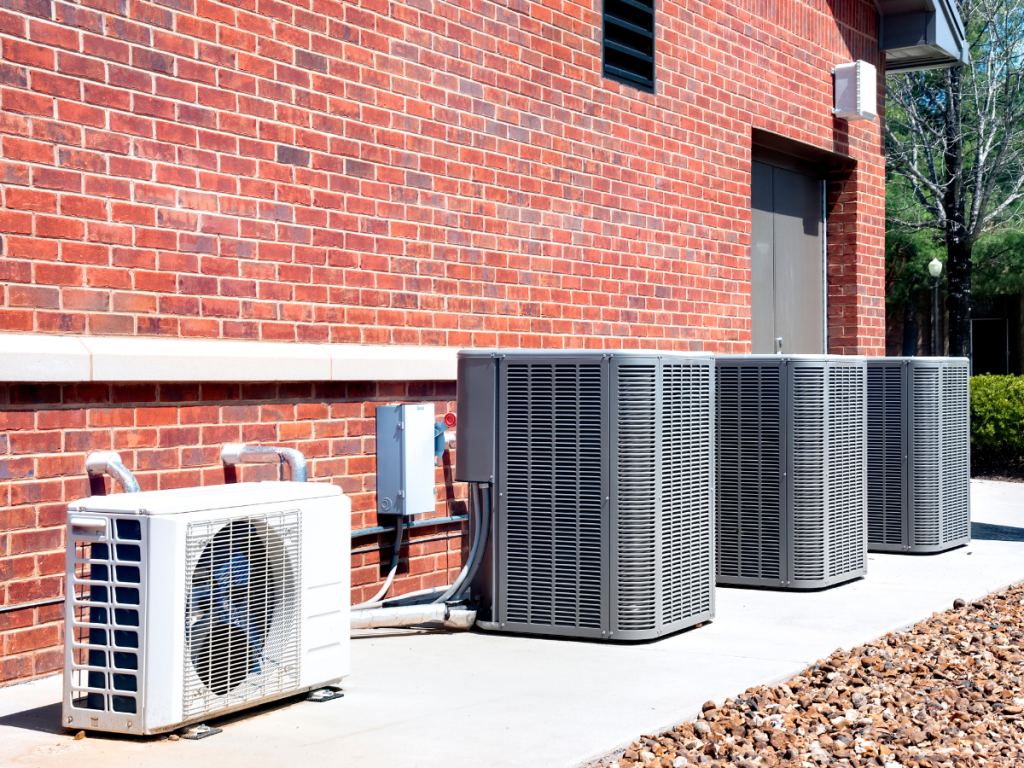
In 2025, furnace replacement remains one of the most significant investments for homeowners. Whether your existing furnace is making noise or showing signs of wear, or you’re considering upgrading to a more energy-efficient model, understanding the average cost of a new furnace is crucial for making an informed decision. In this article, we’ll break down everything you need to know about furnace replacement costs, including the factors that affect the cost, the different types of furnaces, and why professional installation matters. What Affects the Average Cost of a New Furnace? Furnace installation costs are influenced by several key factors. Each element impacts the final price, from the type of furnace to your home’s specific needs. If your current system is still functional, it may be worth considering heating repair to extend its lifespan. However, when it’s time to replace your furnace, understanding the various factors that influence the cost will help you make a well-informed decision. Here are the main factors that affect the cost of a new furnace: 1. Type of Furnace: Gas, Electric, Oil, or Propane? The type of furnace you choose is one of the most significant factors affecting its cost. Gas furnaces are the most common and typically offer a good balance between efficiency and cost. Electric furnaces may have a lower initial cost but could result in higher operating expenses. Oil and propane furnaces may be required in areas without access to natural gas lines, and their fees can vary. 2. Furnace Size The size of your furnace impacts both the upfront cost and long-term efficiency. A larger unit will cost more initially due to the materials and installation labor required. However, a furnace that’s the correct size for your home can save you money over time by heating more efficiently. To ensure you select the right size, an HVAC professional will perform a Manual J load calculation, which takes several factors into account, like your home’s square footage, insulation, and window placement. 3. Efficiency Ratings and Features Furnaces come in different efficiency ratings, commonly known as AFUE (Annual Fuel Utilization Efficiency). A higher AFUE means the furnace uses energy more efficiently, potentially reducing your utility bills over time. High-efficiency models will cost more upfront but can save you money in the long run. Additional costs for advanced features such as smart thermostats or variable-speed blowers may be worth considering based on your long-term goals. 4. Installation Complexity and Labor Costs Beyond the furnace itself, installation is a significant portion of the total cost. Installation complexity varies based on the existing ductwork in your home, any necessary system upgrades, and local labor rates. For example, if the installation requires significant modifications, such as adding vents or upgrading electrical components, the cost will naturally rise. How Much Does a New Furnace Cost in 2025? The average cost to replace heating and air conditioning systems that homeowners expect to pay for a new furnace replacement in 2025 is anywhere from $2,500 to $7,500, depending on the factors mentioned earlier. Here’s a breakdown of what you can expect: 1. Gas Furnaces Gas furnaces remain the most popular choice due to their reliability and cost-efficiency. The average cost of a new gas furnace typically ranges from $3,000 to $6,000, including installation. These systems are known for their efficiency and are suitable for most homes. 2. Electric Furnaces Electric furnace units tend to be less expensive to install, with an average cost ranging from $2,000 to $4,000. However, it’s worth noting that electricity can be more expensive than gas in some areas, leading to higher long-term operating costs. They are a good option for smaller homes or areas where gas is not readily available. 3. Oil Furnaces Oil furnaces are less common but still a viable option for homes without access to natural gas lines. These systems typically cost between $4,000 and $7,000. While oil prices can fluctuate, modern oil furnaces are efficient and provide consistent heating in rural or remote areas. 4. Propane Furnaces Propane furnaces are much like gas furnaces, but they use propane as a source of fuel. The average cost of a new propane furnace typically ranges from $3,000 to $5,000. Propane furnaces are ideal for areas without natural gas lines and are a reliable option for heating homes. Like gas and oil, propane prices can vary, affecting long-term operational costs. 5. High-Efficiency Furnaces High-efficiency furnaces, with an AFUE rating of 90% or higher, are ideal for homeowners looking to save on energy bills in the long run. While the initial price may range from $5,000 to $10,000, these furnaces pay off in energy savings over time. How to Choose the Right Furnace for Your Home Choosing the right furnace goes beyond just considering the price. You also need to think about the size of your home, your heating needs, and your long-term energy savings. Here’s what you should keep in mind: 1. Climate Considerations In Arizona, where summers can be scorching and winters chilly, selecting a furnace with the appropriate capacity and efficiency rating is essential. If you live in a region with colder winters, investing in a high-efficiency or two-stage furnace could save you money over time. 2. Furnace Size and Capacity The furnace you choose should be appropriately sized for your home. A furnace that’s too small will not heat your home effectively, while a unit that’s too large may waste energy. A professional HVAC technician in Scottsdale and surrounding areas can select the right furnace size for your space. 3. Energy Efficiency With rising energy costs, many homeowners are looking for ways to reduce their monthly bills. High-efficiency furnaces, while more expensive upfront, can significantly reduce your energy consumption and lower your long-term heating costs. Why You Should Hire a Professional to Install Your Furnace While replacing a furnace may seem like a DIY project, installing a furnace is highly technical and should only be done by professionals. Here’s why: Investing in professional installation ensures that your furnace works properly from
Are New AC Units More Efficient in Saving Energy?
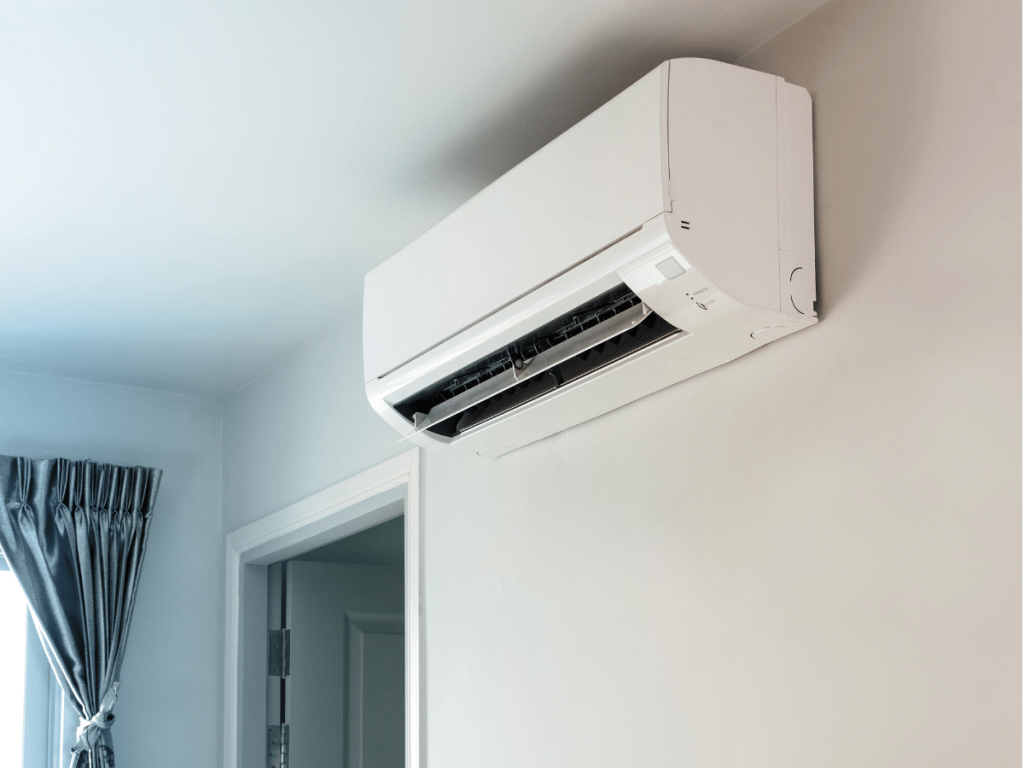
If you’re dealing with rising energy costs or an aging air conditioner that doesn’t cool like it used to, you might be wondering—are new AC units actually more efficient than older ones? And more importantly, how much can you really save by upgrading? We get it. Replacing your AC is a big investment, and you want to ensure it’s worth it. In this post, we’ll explain everything you need to know about new vs. old AC efficiency and why thousands of Phoenix homeowners are choosing to upgrade with American Home Water & Air. What Does “Efficiency” Actually Mean in an Air Conditioner? When we talk about AC efficiency, we’re referring to how much cooling you get per unit of energy used. The less energy your system needs to keep your home comfortable, the more efficient it is. This can significantly reduce energy consumption over time. In technical terms, this is measured using the SEER rating, or Seasonal Energy Efficiency Ratio. The higher the SEER rating, the more efficient the unit. Older units may have SEER ratings as low as 8 or 10, while newer systems can reach SEER ratings of 15 to 26+. Fun Fact: As of 2023, the minimum SEER rating required in Arizona for new systems is 15 SEER. Old vs. New AC Units: Key Efficiency Differences Let’s look at some of the most important ways new air conditioners outperform older models: 1. Smarter Components Modern AC systems often include variable-speed compressors, which adjust output based on your home’s cooling needs. Older systems typically have only one or two settings—on or off—leading to more energy waste. 2. Eco-Friendly Refrigerants Older ACs use R-22 (Freon), which is now phased out due to its environmental impact. Newer systems use R-410A or even more advanced, eco-friendly refrigerants that cool more efficiently and are safer for the environment. 3. Better Design & Insulation Today’s AC units are built with tighter seals and improved airflow design. This reduces the amount of cool air lost through leaks and makes the system run more efficiently overall. 4. More Efficient System Types Some homeowners also switch to ductless mini split systems for more targeted, room-by-room cooling. These systems are incredibly efficient, especially in homes without existing ductwork. How Much Can a New AC Unit Save You? The short answer? A lot. According to the U.S. Department of Energy, homeowners can save between 20% and 40% on cooling costs by replacing an old air conditioner (AC) unit with a high-efficiency model. Here’s an example: System Type Estimated Annual Cooling Cost 10 SEER (Old Unit) $1,200+ 16 SEER (New Unit) $900 20+ SEER (Top-Tier) $700 or less These savings add up year after year—especially in hot Phoenix summers when your AC is running non-stop. If you’re unsure what unit would best suit your home, exploring the different types of air conditioners available today can help you make a smarter, long-term investment. Energy-Saving Features in Newer AC Systems Today’s air conditioners are designed with energy efficiency in mind. Here are a few standout features: More Than Just Energy Savings: Why Homeowners Are Upgrading Replacing an older Air Conditioner unit involves more than lower energy bills. Here’s what else you gain: Lower Repair Costs Older units tend to break down more often. A new system is covered by warranty and is less likely to need expensive repairs. This means fewer surprise service calls and more peace of mind during extreme weather. Improved Home Comfort New systems cool faster, distribute air more evenly, and reduce hot spots in your home. Advanced features, such as variable-speed motors and smart thermostats, also help maintain a consistent and comfortable indoor climate. Higher Home Value Buyers pay attention to HVAC systems. Upgrading to an efficient air conditioner can increase your home’s resale value and make it more attractive to future buyers. A modern, energy-efficient system is a strong selling point in a competitive market. Environmentally Friendly Reduced energy use and refrigerants with a lower global warming potential mean a smaller carbon footprint for your home. Choosing an eco-friendly unit also aligns with today’s green living trends and sustainability goals. When Is It Time to Replace Your Old AC? If you’re unsure whether your current unit is still worth keeping, here are some signs it might be time for a replacement: Even if your unit is still technically running, a newer system can offer better performance, lower monthly costs, and greater peace of mind. And if you’re wondering how much it might cost, take a look at the average cost to replace heating and air conditioning so you can budget confidently. Final Thoughts: Is a New AC Unit More Efficient? Modern units are designed to save energy, improve comfort, and lower your monthly utility bills when it comes to new vs. old AC efficiency. If you’re tired of sweating through repairs and high bills, it might be time to make the switch. At American Home Water & Air, we’ve helped thousands of Phoenix homeowners upgrade to energy-efficient air conditioning systems—and we’d love to help you, too. Ready to get started? Contact AHWA today to schedule your consultation and receive a personalized estimate for your new furnace installation. Our HVAC Company in Scottsdale, Phoenix & Gilbert is here to help you find the most cost-effective solution for your comfort and budget.
Why Is My Central Air Working But Not Heat?
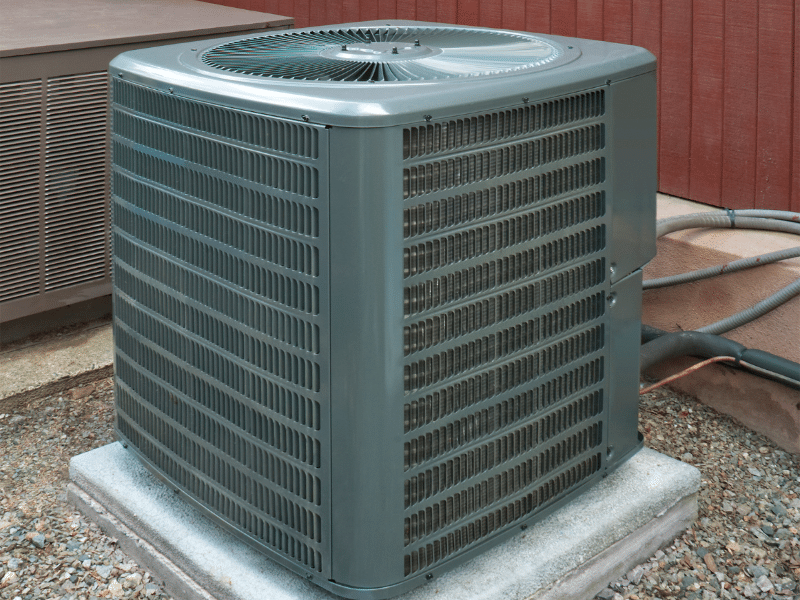
Has your central air system left you shivering in the cold, even though it works perfectly when the weather gets too hot? It’s a common issue that many homeowners face, and it can be quite puzzling. In this blog post, we’ll explore some of the most common reasons your HVAC system might be blowing cold air instead of warming your home. Remember, it’s always best to contact a professional when dealing with HVAC problems in your home for safe and efficient solutions. Stick around to learn more and stay cozy. How central air and heating work We all love stepping into a comfortably warm home on a chilly winter’s day or a refreshingly cool house in the sweltering summer heat, don’t we? The magic behind this comfort is the often-overlooked central air and heating system. Think about your home as a large refrigerator. Sounds strange, right? But it’s a pretty good comparison. When your central air and heating system is in cooling mode, it absorbs the heat from inside your home, just like a refrigerator keeps your food cool by removing the heat from within. It then releases this absorbed heat outside, effectively cooling down your home’s interior. Here’s a real-world example to illustrate this. Imagine you’re sipping on a hot cup of coffee, but it’s too hot, and you want to cool it down. You blow on it, right? As you blow, your breath absorbs some of the heat from the coffee and carries it away, cooling your coffee. Just like you, the central air and heating system breathes in the hot air from inside the house, absorbs the heat, and breathes it out outside your home. During colder months, the process is reversed by the heating system. It pulls in cold air from your home, heats it up, and circulates the warm air throughout your home, giving you a snug and toasty environment. It’s a bit like snuggling up in a warm blanket fresh out of the dryer. The air, much like the blanket, absorbs the heat and wraps your home in warmth. After understanding how central air and heating work, you might be tempted to troubleshoot your furnace and tamper with the system when something goes wrong. However, remember that dealing with these systems requires specific expertise. Just like you wouldn’t attempt to fix your own car’s engine without proper knowledge, don’t try to handle your HVAC system’s problems. Always contact a professional if issues arise to ensure your home’s comfort is restored safely and efficiently. 5 common reasons your central air works but not your heating Here are some common reasons for your central air working, but not your heating. The simplest explanation could be that your thermostat is set to ‘cool’ instead of ‘heat’. It might seem obvious, but it’s an easy mistake to make, especially if you have recently been cooling your home. If your thermostat isn’t set correctly, it can cause your HVAC system to blow cold air even in the winter. If your furnace filter is clogged, it can restrict airflow, causing the furnace to overheat and shut down the heating element. The blower stays on to cool down the furnace, leading to cold air circulating. Regularly changing your filter (recommended every 1-3 months) can prevent this issue. A faulty ignition system can prevent your furnace from producing heat. This could be due to issues with an intermittent pilot light or a hot surface igniter. If you’re not getting a flame when your heating system kicks on, it could be an indication of an ignition problem. If there’s a problem with the gas supply, your furnace can’t produce heat. You should check if the gas valve is turned on and if the gas supply to your home is working. Do not attempt to fix gas problems yourself; instead, contact a licensed HVAC professional. Damaged or leaky ductwork can allow the warm air to escape before it reaches its destination. Moreover, cold air from unheated areas of the house can enter the ductwork, resulting in cold air being blown out. Regular ductwork inspection and maintenance can help prevent this issue. Is your central air working but not heat? Contact American Home Water & Air A range of issues, from thermostat malfunctions to broken ductwork, can result in your HVAC system blowing cold air during winter. Regular upkeep, encompassing filter replacements, inspection of the ignition system, monitoring the gas supply, and maintenance of the ductwork, can help prevent these issues. Nevertheless, due to the complex nature of HVAC systems, professional assistance is highly recommended when problems arise. Stay warm and ensure your comfort by addressing these potential concerns with your heating system. If you live in the Phoenix, Arizona area, consider American Home Water & Air as a reliable provider for all your HVAC needs in Phoenix, and surrounding areas. We’ve been working for over 30 years to provide homeowners with timely and transparent service. If you’re experiencing issues with your system, contact us today!
Is It Worth Fixing My AC?
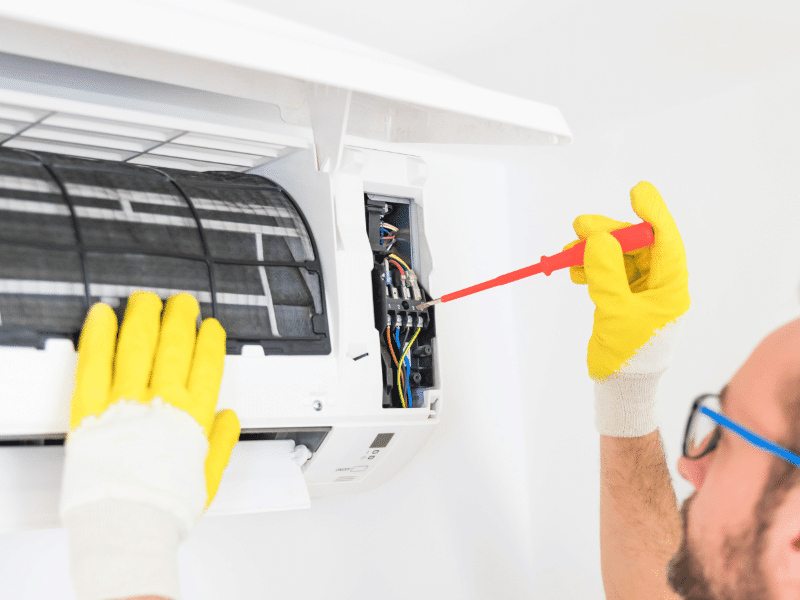
We’ve all been there: it’s the middle of a sweltering summer day, and your AC unit decides it’s the perfect time for a break. The sweat beads start to form, and you’re left wondering, “Is it worth fixing my AC, or should I just get it entirely replaced?”. This is a question that plagues many homeowners, and we’re here to help you explore the answer. We’ll tackle this topic with you, exploring the ins and outs of AC repair and replacement while sharing some valuable insights. But while this blog post will provide guidance, consulting with a professional HVAC technician in Phoenix, AZ is always the best course of action for all your AC-related concerns. Signs your AC isn’t working well Here are some signs and symptoms that your AC isn’t working as efficiently as it should be, which will help you determine whether it’s worth getting your unit fixed. If your energy bills are suddenly soaring without a corresponding increase in usage, your air conditioning unit might be working harder than it needs to. This could be due to a loss of air-conditioning efficiency, which may require professional attention. Ever notice that some rooms in your house are colder than others? This could be a sign of an inefficient AC system. Don’t just brush it off as a quirk of your home. It’s worth getting a professional to take a look. Air conditioners should run relatively quietly. If you’re hearing grinding, squealing, or other unusual noises, it’s time to contact a professional. Similarly, your AC should not produce any unpleasant odors; a musty smell could indicate mold inside your unit. If the airflow from your AC unit is weak or nonexistent, this could be an indicator of its malfunctioning. Possible reasons could include anything from clogged filters to motor malfunction. While some condensation is normal for an AC unit, noticeable leakage or a pool of water near your system is a clear sign of a problem. It could be a refrigerant leak, which could potentially harm your health, so it’s vital to get this checked out by a professional. Factors to consider when thinking about repairing vs replacing your AC Several factors come into play when deciding whether to repair or replace your AC system. Age Consider the age of your AC unit. The average lifespan of an AC unit is 10 to 15 years. If your AC unit is over a decade old and requires frequent repairs, it might be time to consider replacing it with a new, more efficient model. Frequency of repair You should also take into account the frequency of repairs. A rule of thumb, often referred to as the “$5,000 rule”, helps many homeowners make this decision. Multiply the age of your AC by the cost of the repair. If the result exceeds $5,000, replacement is generally the better option. Efficiency Consider the energy efficiency of your current unit. Newer models often contain advanced features designed to minimize energy use. If your current one has been contributing significantly to increases in your utility bills, investing in one that uses less power could be worth your while. Modern AC units are specifically designed to use energy more efficiently, thus reducing electricity usage and the environmental footprint. Furthermore, older units often contain R-22 refrigerant, which contributes significantly to global warming. Newer models, however, use environmentally-friendly refrigerants. Remember, proper disposal of the old unit is crucial to prevent the release of harmful substances into the atmosphere. Thus, upgrading your AC not only benefits your comfort and wallet but also contributes to the global fight against climate change. Greater comfort A new AC unit can greatly improve your comfort at home. With advanced features (such as programmable thermostats and variable speed motors), new AC units offer superior humidity control and temperature regulation. The cost of a new AC unit Purchasing a new air conditioning unit can vary in price due to a number of factors. These include: On average though, the cost of a new AC unit ranges in several thousands of dollars, including installation costs. High-efficiency models or those with advanced features may increase the initial purchase price. However, these could bring substantial savings on your energy bills in the long run, making them a worthwhile investment. Note that average prices are often rough estimates, and actual costs can vary. You can use AHWA’s Installation Cost Calculator to get a better understanding of how much a new unit will cost for your specific needs. If you need repairs or are ready to upgrade, trust American Home Water & Air Maintenance of your HVAC system is of utmost importance, not only for personal comfort but also for the health and safety of your home. Recognizing potential issues early on may save money on repair costs. However, upgrading to an energy-efficient model can drastically reduce your environmental impact while helping you save in the long run. Ultimately, when deciding between repair and replacement, it’s always best to consult a professional HVAC Company in Scottsdale, Phoenix & Gilbert. If you’re ready for a comfortable, cool home while also saving money and the environment, take the next step towards improved air conditioning now! We at American Home Water & Air are always ready to help. Visit our Contact Us page today and let us assist you in pursuing a cooler, more sustainable lifestyle.
Get To Know The Different Types Of AC Refrigerant For Your Home
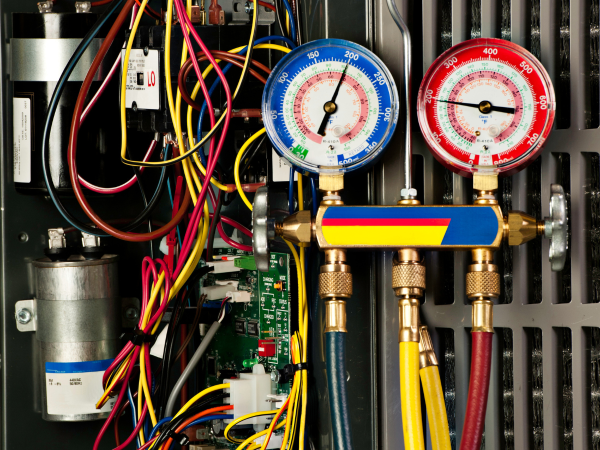
In order to ensure optimal air conditioner performance, it’s vital that the right type of refrigerant be used. Learning the difference between different types of AC refrigerant allows for informed decision-making when deciding on whether to purchase a new unit. For this reason, this blog post will examine refrigerants as a whole and will look at the different AC refrigerants for homes. What is refrigerant? Refrigerant is the liquid within AC units that absorbs the warmness of the air taken in from a space. As a process, refrigeration involves the removal of heat via transfer from one location to another through air conditioners, and refrigerant plays a key role in this process. As an example, home air conditioning works by drawing in warm air from inside spaces, circulating it over coils containing refrigerant. This refrigerant for home ACs then evaporates to absorb and dissipate the heat energy, thus cooling the air that’s then expelled into your home. This cycle repeats to maintain desired temperatures. Depending on the type of refrigerant, these liquid compounds may be composed of chemicals like chlorine, fluorine, carbon, hydrogen, propane, or isobutane. Different kinds of refrigerant are used for home air conditioning units, automobile ACs, and commercial equipment. Do I need a license for refrigerant handling? AC refrigerant for homes require a license in order to handle them safely, as refrigerants can be dangerous and toxic. It’s crucial that these hazardous substances be handled by professionals certified to work safely with them to avoid harm. States often mandate that buyers present proof of license when purchasing refrigerants to ensure that these chemicals are used according to safety regulations and best practice. This also gives homeowners and business owners additional peace of mind when hiring professionals to refill their systems. Types of AC refrigerant Here are the different types of AC refrigerants that AC units use. R-22 Also known as Freon, R-22 as a hydrochlorofluorocarbon (HCFC) refrigerant was widely used in older air conditioning systems. It can no longer be manufactured due to its environmental impacts and has been banned by the Environmental Protection Agency (EPA). If your home’s AC is one that was manufactured before 2010, it likely uses R-22 refrigerant and can only be refilled with refrigerant produced before the ban. As this resource becomes more scarce, its operating costs are expected to become more expensive over time. Thus, for many homeowners, it’s become much more practical to just get their old AC units replaced with ones that use a newer, more eco-friendly type of refrigerant. R-410A R-410A (also known as Puron), a type of hydrofluorocarbon (HFC) refrigerant, is intended to replace R-22 temporarily. The EPA announced that it, along with other HFC refrigerants, are to be phased out by 2036 according to the American Innovation and Manufacturing (AIM) Act. HFC refrigerants don’t contain chlorine, and are thus safer for the environment compared to R-22 refrigerants. However, they’re still considered greenhouse gasses and contribute to global warming. R-32 Next on our list of types of refrigerant for ACs, R-32 is another type of HFC refrigerant that will replace R-410A due to its lower Global Warming Potential (GWP) score. It’s designed to be both more energy-efficient and eco-friendly than its alternatives, being less expensive and much easier to recycle. R-744 R-744 (also known as CO2, or carbon dioxide) is used in commercial refrigeration systems, and despite its name, is an environmentally-friendly refrigerant due to its natural sourcing. It has an Ozone Depletion Potential (ODP) of 0 and a GWP of 1, providing efficient cooling capabilities without damage to the ozone layer. What is the most common type of refrigerant today? As R-22 refrigerant has been banned, more and more units today are using R-410A refrigerant. However, as mentioned, R-410A refrigerant is expected to be phased out as well in the upcoming decade for more environmentally-friendly alternatives. Hydrofluoroolefin (HFO) refrigerants are expected to take the place of HFC refrigerants, as they have the lowest ODP and GWP scores to date, with minimal environmental impact. If you want to find out what kind of refrigerant your AC unit uses, it’s usually indicated on the label of your compressor unit. If there’s no label or if you want verification, it’s best to consult an HVAC professional. Whether it’s a refrigerant refill or AC unit replacement, trust AHWA Knowledge of AC refrigerant for homes is vital to ensure the optimal efficiency of your system, with professional assistance guiding your search for the most ideal AC unit if necessary. In other words, knowing the type of refrigerant your unit uses is not only useful for helping in determining the cost of refilling refrigerant, but also whether it’s time for a unit replacement. Understanding the properties of different AC refrigerants is vital in making an educated choice regarding what kind of unit will meet the cooling needs of your home best while ensuring environmental friendliness. If you live in the Phoenix, Arizona area and need your unit’s refrigerant levels replenished or want a newer, more efficient AC unit installed, American Home Water & Air is here to help. We’ve been helping homeowners for over 35 years. Contact AHWA today!
Stay Ahead of MRSA & Allergies in Arizona with Air Scrubber Technology
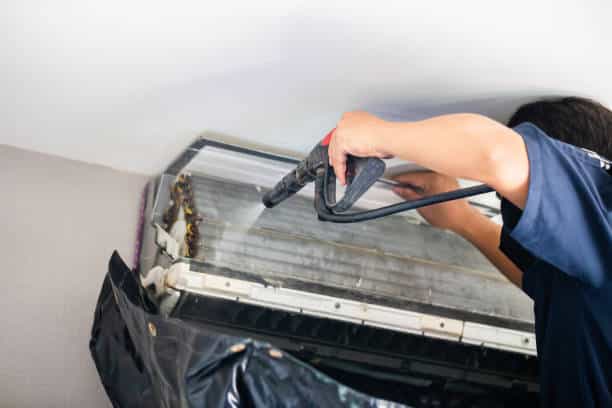
Methicillin-resistant Staphylococcus aureus (MRSA) is a type of bacteria that is resistant to many commonly used antibiotics and can cause infections in people. It can be spread through contact with an infected person, contaminated surfaces, or through the air. Left untreated, MRSA can cause a host of conditions that include skin infections, respiratory distress, sepsis, and joint infections. In severe cases, MRSA infections can lead to serious health problems, such as organ failure or even death, especially in people with weakened immune systems. It is important to seek medical attention if you suspect that you have an MRSA infection and to follow infection control measures to reduce the risk of MRSA transmission. Thankfully, there are ways to reduce the risk of illness and improve the air quality within our homes through the use of air scrubbers and related technology, which American Home Water and Air offers to its customers. MRSA Infection Prevention using Air Scrubber Technology An air scrubber is a device that uses filters or other technology to remove impurities, such as bacteria, viruses, or chemical pollutants, from the air. In the context of MRSA prevention, air scrubbers can be used to reduce the concentration of MRSA in the air and thus reduce the risk of infection. They are also beneficial as air purifiers for allergies. Air scrubbers work by drawing in air and passing it through a series of filters that trap MRSA and other pathogens. There are several different types of air scrubbers available, each using different technologies to clean the air. Some air scrubbers use HEPA filters, which are highly efficient at removing particles as small as bacteria and viruses. Other air scrubbers use UV light to kill pathogens in the air. In healthcare settings, air scrubbers can be used to help prevent the spread of MRSA and other infections by reducing the concentration of pathogens in the air. This can be especially important in areas where people with weakened immune systems are being treated, as they are at higher risk of contracting infections. It is important to note that air scrubbers are not a substitute for good hygiene practices and infection control measures, such as regular hand washing and disinfecting surfaces. However, they can be an effective tool for reducing the risk of MRSA and as air purifiers for allergies. Air Scrubber Products on the Market There are several air scrubber products available on the market, including both standalone units and air purifiers that incorporate air scrubbing technology. Some of the most popular air scrubber products include: Some air scrubber products are designed for use in specific environments, such as healthcare settings or homes, while others are more versatile and can be used in a variety of settings. It is important to choose an air scrubber product that is appropriate for your specific needs and environment. Additionally, it is important to regularly maintain and replace the filters in your air scrubber to ensure that it continues to effectively remove impurities from the air. How Can Allergy Sufferers Use an Air Scrubber? Air scrubbers act as an allergy filtration system that can help allergy sufferers by removing allergens from the air, such as pollen, dust mites, pet dander, and mold spores. These devices use various technologies to clean the air, including HEPA filters, activated carbon filters, and UV-C light. An Aerus air scrubber is a type of air purification system that uses advanced technologies to remove harmful pollutants, allergens, and other contaminants from the air. These systems feature a combination of HEPA and activated carbon filters, as well as UV-C light and photocatalytic oxidation, to provide comprehensive air cleaning. Aerus air scrubbers are designed to capture particles as small as 0.3 microns, including dust, pollen, and pet dander, and can remove volatile organic compounds (VOCs) and other chemicals from the air. These systems are often used in commercial and industrial settings but are also available for residential use to improve indoor air quality and promote better health. By removing allergens from the air, air scrubbers can reduce allergy symptoms such as sneezing, runny nose, itchy eyes, and nasal congestion. Some air scrubbers can also improve indoor air quality by removing other pollutants that can contribute to indoor air pollution and trigger health problems. It’s important to note that air scrubbers are not a cure for allergies, but they can help to reduce symptoms and improve the overall quality of indoor air. If you suffer from allergies, it’s important to talk to your doctor or an allergist to determine the best course of treatment, which may include air scrubbers, along with other measures such as medication and avoiding allergens whenever possible. Residential Air Scrubber Technology from AHWA If you or someone in your household suffers from allergies or asthma, you know how important it is to breathe clean air. Airborne allergens and irritants can trigger symptoms, causing discomfort and sometimes even dangerous health complications. One way to improve indoor air quality is by using a home air scrubber. For those with allergies or asthma, air scrubbers can provide relief by removing allergens from the air. Investing in home air purifiers for allergies can be a wise decision. Air scrubbers can help improve indoor air quality by removing allergens, irritants, and other harmful particles from the air. Air scrubbers can help reduce the concentration of harmful particles in the air, cleaning air allergies and promoting better respiratory health. Additionally, air scrubbers can help reduce unpleasant odors and VOCs, making the air in your home safer and more comfortable to breathe. If you’re interested in installing air scrubber equipment in your home, contact the professionals at AHWA for an appointment to evaluate your needs and get you on your way to improved air quality.
What Could be the Reason for the AC Not Responding to the Thermostat?
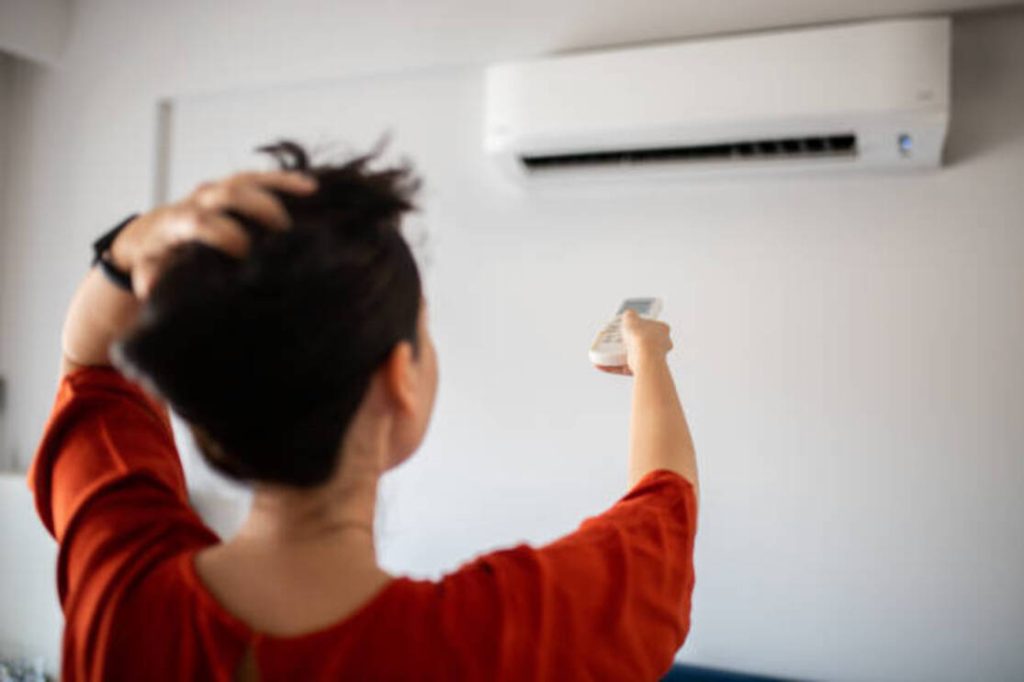
The thermostat is a critical part of any air conditioning system, as it is responsible for regulating the temperature of the home and turning the system on and off as needed. If you find yourself in a position where the AC is not responding to the thermostat, it can be frustrating and uncomfortable, particularly during the hot summer months. My Thermostat is On but No AC Why is my AC not responding to the thermostat, you might be asking. Here are some of the most common causes for a thermostat not turning on an AC system and some solutions for fixing the problem. Dead Batteries One of the most common reasons why a thermostat may fail to turn on the air conditioning system is dead batteries. If the batteries in your thermostat have died, it may not have enough power to communicate with the air conditioning system and turn it on. To fix this issue, simply replace the batteries in the thermostat and see if the system turns on. Incorrect Thermostat Settings Another common cause of a thermostat not turning on the air conditioning system is incorrect thermostat settings. If the thermostat is not set to the correct temperature or mode, it may not turn on the air conditioning system. To fix this issue, check the thermostat settings and adjust them as needed. Tripped Circuit Breaker If the circuit breaker for your air conditioning system has tripped, the system will not turn on. This can happen if there is a power surge or if the system is overloaded. To fix this issue, simply reset the circuit breaker for the air conditioning system and try turning it on again. Dirty Air Filters Air filters are designed to remove dirt, dust, and other debris from the air before it is circulated through the air conditioning system. If the air filters become clogged, they can restrict the flow of air through the system, causing it to malfunction. To fix this issue, simply replace the dirty air filters with clean ones. Changing filters every 1-3 months depending on usage should prevent a recurrence of the problem. Faulty Wiring If the wiring between the thermostat and the air conditioning system is faulty, the system may not turn on. This can happen if the wiring is old or if it has become damaged over time. To fix this issue, you may need to call a professional HVAC technician to inspect and repair the wiring. Faulty Thermostat If none of the above issues are causing the problem, the thermostat itself may be faulty. This can happen if the thermostat has become damaged over time or if it was installed incorrectly. To fix this issue, you may need to replace the thermostat with a new one. Choosing a New Thermostat Choosing a new thermostat for your air conditioning system can be a daunting task, as there are so many selections available. However, by understanding the different types of thermostats and their features, you can make an informed decision that meets your specific needs. Let’s look at some of the options on the market. Non-programmable Thermostats These thermostats will let you manually adjust the temperature of your home. They are typically less expensive than programmable thermostats but offer less flexibility in terms of temperature control. Programmable Thermostats These thermostats provide more convenience, allowing you to set different temperatures for different times of the day. For example, you can program the thermostat to turn off the air conditioning system when you are at work and turn it back on before you return home. This can help you save money on your energy bills by reducing energy consumption during times when you don’t need to cool your home. Smart Thermostats These thermostats are linked to the internet and operated through a mobile app. They typically offer more advanced features, such as learning your preferred temperature settings and adjusting them automatically. Many smart thermostats can provide energy usage reports and suggestions for reducing energy consumption. New Thermostat Options If the thermostat won’t turn on your AC and you’ve concluded that it needs to be replaced, you will want to consider some of the following features in selecting a new one. Compatibility Make sure the thermostat is compatible with your air conditioning system. Check the manufacturer’s specifications to ensure that the thermostat is compatible with the type of air conditioning system you have. Display Consider the size and readability of the display. Some thermostats have large, easy-to-read displays, while others have smaller displays that can be difficult to read. Programming Options If you choose a programmable thermostat, consider the programming options available. Some thermostats allow you to set different temperatures for each day of the week, while others only offer daily programming options. Wi-Fi Connectivity If you choose a smart thermostat, consider the Wi-Fi connectivity options. Some thermostats require a separate hub to connect to Wi-Fi, while others can connect directly to your home’s Wi-Fi network. Voice Controls Some smart thermostats offer voice control options, which allow you to adjust the temperature of your home using voice commands. When choosing a thermostat, consider the size of your home, your energy usage patterns, and your budget. It’s important to choose a thermostat that will be compatible with your air conditioning system and meet your specific needs. Which Thermostat is Best? Choosing a new thermostat for your air conditioning system requires careful consideration of your specific needs and preferences. Understanding the various types of thermostats available on the market and their features can help you make an informed decision that meets your specific needs and helps you save money on your energy bills. An AC not responding to the thermostat can be a frustrating problem, but there are several common causes and solutions. If you are unsure about how to fix the problem, it is always best to call a professional HVAC technician who can inspect the system and provide a proper diagnosis and repair. American Home Water and Air can get you back
Maximizing Energy Efficiency by Closing Air Vents: Fact or Fiction?
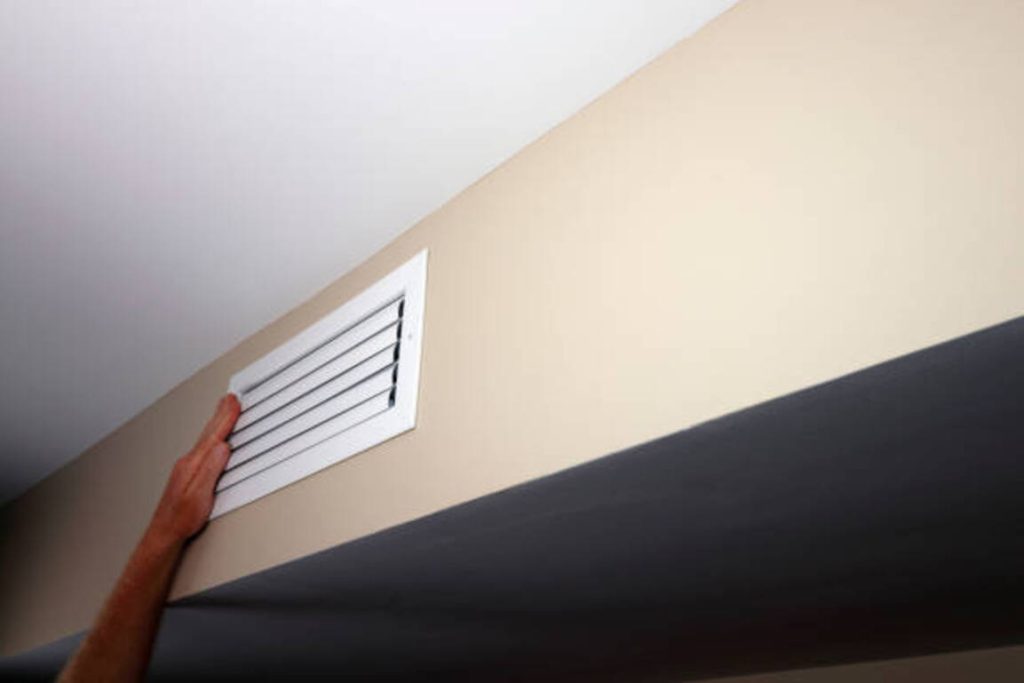
The temperature from one room of your home to another can fluctuate due to a variety of factors. One solution to this problem that is erroneously used by homeowners is closing air vents in rooms that are too warm or cold. Let’s talk a bit more about why a closed air vent isn’t a good solution and how proper air balancing can solve your issues. Does Closing Air Vents Help Cool Other Rooms? First of all, it is important to understand how heat and air flow in a house. Air is typically distributed through HVAC systems using a combination of supply vents, which release cool or warm air, and return vents, which take in air and circulate it back through the system. The goal is to achieve a balanced and consistent airflow throughout the house, which is the key to maintaining a comfortable temperature. So, does closing vents redirect air? The common misconception is that closing off the supply vents that release cool or warm air will automatically redirect that airflow to other rooms. The truth is that closing supply vents may create even more issues. When a vent is closed, it disrupts the airflow balance. This can lead to a buildup of pressure in the ductwork, which can cause leaks or even damage to the system. Closing vents can also reduce the efficiency of the HVAC system. The system is designed to work with a certain amount of airflow, and closing vents can cause the system to work harder to maintain the desired temperature. This can lead to increased energy costs and system failures. What Causes Hot and Cold Spots? There can be many causes for hot and cold spots in your home. Here are some of the most common ones. Instead of asking if closing vents redirect air, ask yourself if one of the issues below might help solve your problem. Poor Insulation Insufficient insulation can cause temperature fluctuations in a room. If heat is escaping through the walls or ceiling, it can create cold spots. Conversely, if heat is trapped in certain areas, it can create hot spots. Air Leaks Air leaks around windows, doors, and other openings can cause temperature imbalances in a room. In winter, cold air can seep in through gaps, and warm air can escape, creating cold spots. In summer, warm air can seep in and cold air can escape, creating warm spots. Thermostat Placement The location of the thermostat can also impact temperature balance. If the thermostat is located in a particularly warm or cool area of the house, it may not accurately reflect the temperature in other areas. If placed too close to an appliance that puts off heat or near a sunny window, it can throw off temperature sensors. Uneven Airflow If the HVAC system is not distributing air evenly throughout the room, it can create hot and cold spots. This can be caused by several factors, such as blocked vents or ductwork that is too small or damaged. Correcting Uneven Airflow How can you correct hot and cold spots the right way? The solution will depend on the underlying cause of the problem. Here are some practical solutions: Improve Insulation If poor insulation is causing temperature imbalances, adding insulation to the walls or ceiling can help. This can help keep heat in during the winter and out during the summer. Seal Air Leaks Sealing air leaks around windows, doors, and other openings can help prevent air from escaping or entering the room. This can help maintain a more consistent temperature throughout your home. Adjust Thermostat Placement If the thermostat is not accurately reflecting the temperature in the room, it may need to be repositioned. Ideally, the thermostat should be located in a central area of the room, away from windows and other potential sources of temperature fluctuations. Regular HVAC Maintenance Scheduling regular maintenance for your HVAC system can help prevent issues and ensure that it’s working efficiently. This may involve cleaning vents, replacing filters, and checking for leaks or other problems. If you’ve been dealing with inefficient cooling at home even after multiple service appointments, then maybe it’s also time to consider getting an upgrade with these types of energy efficient AC units. Ceiling Fans Ceiling fans can help distribute air throughout the room, creating a more consistent temperature. In the summer, they can help circulate cool air, while in the winter, they can help distribute warm air. Window Treatments Using curtains or blinds can help regulate the amount of sunlight that enters a room. This can help prevent hot spots caused by direct sunlight, while also providing insulation to keep heat in during the winter. Balance Airflow Ensuring that the HVAC system is distributing air evenly throughout the room is critical to maintaining a comfortable temperature. Airflow balancing can help improve the problem. What is Air Balancing? Does closing vents redirect air is a common question and the answer is no, but air balancing can fix the problem. If you’ve exhausted other measures and are still experiencing hot and cold spots, you may want to have air balancing completed. Air balancing is the process of adjusting the airflow in your HVAC system to ensure that it is evenly distributed throughout your home. The air balancing process typically involves these key steps: So, as we head into spring and summer and you begin to ask yourself if closing vents redirect cold air, remember that this isn’t as simple as it seems and will create more issues for you. A better solution is to address any issues that might be causing hot or cold spots and if you can’t make adjustments that correct your problem, seek help from our air balancing experts. While you can perform air balancing yourself, a qualified HVAC technician possesses the tools and equipment to do more accurate measurements and testing that will give the best results. If you feel you need air balancing done in your home, get in touch with us for assistance.
Why Isn’t My Central Heating Functioning, But My AC is?
Central heating units and air conditioning units work together as a conjoined system to keep your home comfortable throughout the year but they have many components that operate independently. Therefore, it’s common for homeowners to experience issues where the air conditioning will function properly while the central heating unit won’t work. While regular, professional maintenance can help prevent the majority of central AC issues, there are several different reasons why this might happen, and troubleshooting the issue will depend on the specific circumstances. So, what do you do if your heat won’t turn on but the AC will? Central AC Works But Not the Heat If your heat won’t turn on but AC will, it could be due to one of numerous reasons. Most instances where the AC works but not the heat can be corrected by identifying and repairing one of the issues below. Thermostat Issues One of the most common reasons why your heater won’t turn on but the AC works can be traced to a problem with the thermostat. The thermostat is responsible for regulating the temperature in your home. If it’s not working correctly, it can prevent the heating system from turning on. In some cases, the issue could be as simple as the thermostat being set to “cool” instead of “heat.” If this is the case, all you need to do is switch the thermostat setting to “heat,” and your central heating unit should start working. If the thermostat is set correctly but your central heating unit still won’t turn on, you may need to check the batteries in the thermostat. If the batteries are dead, the thermostat won’t work, and your heating system won’t turn on. Replacing the batteries is a simple fix that should get your central heating unit up and running again. Clogged Air Filters One reason your central heating unit may not be functioning correctly while the air conditioning is working is a dirty air filter. Air filters are a vital component that affects the performance of both your heating and cooling systems. If your air filters are clogged with dirt and debris, your heating system may not be able to function correctly. To troubleshoot this issue, check the air filters in your central heating unit and replace them if they’re dirty. It’s generally recommended that you change your air filters every one to three months, but if you have pets or live in a dusty environment, you may need to change them more frequently. Pilot Light Issues If you have a gas-powered central heating unit, it may not be functioning correctly due to a problem with the pilot light. The pilot light is responsible for igniting the gas that heats your home, and if it’s not lit, your heating system won’t turn on. In some cases, the pilot light may be out due to a draft or other airflow issues. To troubleshoot this issue, you’ll need to check the pilot light on your central heating unit. If the pilot light is out, you can relight it by following the manufacturer’s instructions. If you’re not comfortable relighting the pilot light yourself, it’s best to call a professional HVAC technician to do it for you. Ignition System Issues If your central heating unit has an electronic ignition system, it may not be working properly due to an issue with that component. The ignition system is responsible for igniting the gas that heats your home. If it is not functioning accurately, your heating system won’t turn on. In some cases, the issue may be with a faulty igniter or a malfunctioning control board. You can address this issue by checking the ignition system on your central heating unit. If you notice any obvious issues, such as a cracked igniter, you may be able to replace the faulty part yourself. However, if you’re not comfortable working with electronic components, it’s best to call a professional HVAC technician to diagnose and repair the issue. Ductwork Issues Another possible reason why your central heating unit may not be working might be due to issues with your ductwork. If there are leaks, blockages, or other problems with your ductwork, it can prevent warm air from reaching your living spaces. This can cause your central heating unit to work harder than necessary, resulting in increased energy bills and reduced efficiency. You’ll need to perform an inspection of your ductwork for any visible signs of damage or blockages. You can also check for leaks by turning on your heating system and feeling for drafts around your ducts. If you notice any issues, it’s best to call a professional HVAC technician to repair or replace the damaged sections. In short, if your heat won’t turn on but your AC will, there can be a number of reasons for your central heating’s failure while your air conditioning continues to work properly. These include issues with your thermostat, air filters, pilot light, ignition system, or ductwork. Troubleshooting the issue will depend on the specific circumstances in your home, but in some cases, it’s possible to fix the problem yourself by following the manufacturer’s instructions. Preventing Central Heating Failures Regular maintenance and inspection of your heating and cooling systems can help prevent these issues from occurring in the first place. It’s also essential to change your air filters regularly and keep your ductwork clean and free from obstructions. By taking care of your heating and cooling systems, you can ensure that your home stays comfortable throughout the year and that your energy bills remain under control. If you are unable to determine the cause of your problems after having checked the potential issues listed above, it’s always best to consult with a professional. American Home Water and Air for your HVAC needs If you’re having issues with your central heating not functioning, our well-trained and experienced HVAC technicians are always available to get your system up and running again with as little fuss as possible and provide you with continued maintenance or
What To Do When Furnace Clicks but Doesn’t Turn On
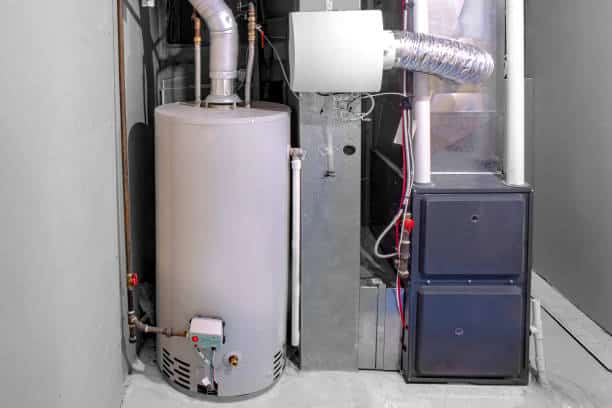
It can be disheartening to turn on your heat only to find that the furnace clicks but the blower won’t start. Not only is this inconvenient, but it can be very uncomfortable for your family to be without heat on a cold night while they wait for a service call. There are several reasons why your furnace clicks but doesn’t turn on, and it’s important to be able to recognize these issues and know what you can do to troubleshoot. American Home Water and Air has put together some key factors to consider and steps you can follow in case your furnace clicks but doesn’t turn on. Thermostat Issues If your thermostat clicks but no heat or air comes on, the thermostat may not be working properly or may not be set correctly. Make sure that the thermostat is set to “heat” and that the temperature is set higher than the current room temperature. Ignition Problems If the furnace clicks but doesn’t come on, your pilot light may be the problem. You’ll need to make sure it hasn’t gone out. If your furnace has an electronic ignition, the ignition control module may be faulty. Here’s how to check the pilot light on your furnace: If the pilot light will not stay lit, or you have any other concerns, it is best to contact a professional HVAC technician to diagnose and fix the issue. Blocked Air Filter Another reason why a furnace clicks but doesn’t come on is that you have a dirty or clogged air filter. This can restrict airflow to the furnace, causing it to shut off to prevent overheating and damaging the unit. Replace the air filter if it appears dirty. Here’s how to change your furnace air filter: It’s a good idea to change your furnace air filter every 1-3 months to keep your furnace running efficiently and improve your home’s air quality. During periods of heavy use, if you have pets in your home, members of your household have allergies, or if you’re having work done that may stir up dust and debris, you might want to change your filter more often. Blower Problems If your furnace is making clicking noise and no heat is coming on. The blower motor may be faulty or the belt that drives it may be loose or broken. Your furnace cannot operate if the blower isn’t functioning properly. Electrical Problems The furnace may not be getting power, there may be a blown fuse, or a circuit breaker may be tripped. Check the electrical panel to see if you can correct any of these simple issues. Preventive Maintenance One of the best ways to avoid hearing that clicking noise when you turn on your furnace is to keep your furnace properly serviced and maintained. Here are some steps you can take to prevent issues with your furnace that cause it to click instead of functioning properly. Takeaway By following these steps, you can help prevent issues with your furnace that cause it to click and keep it running efficiently and safely. However, if you do encounter issues, the experts at American Home Water and Air are ready to assist. Just give us a call or request service online to get your furnace back up and running ASAP.