4 Causes of Low Water Pressure in Your Home
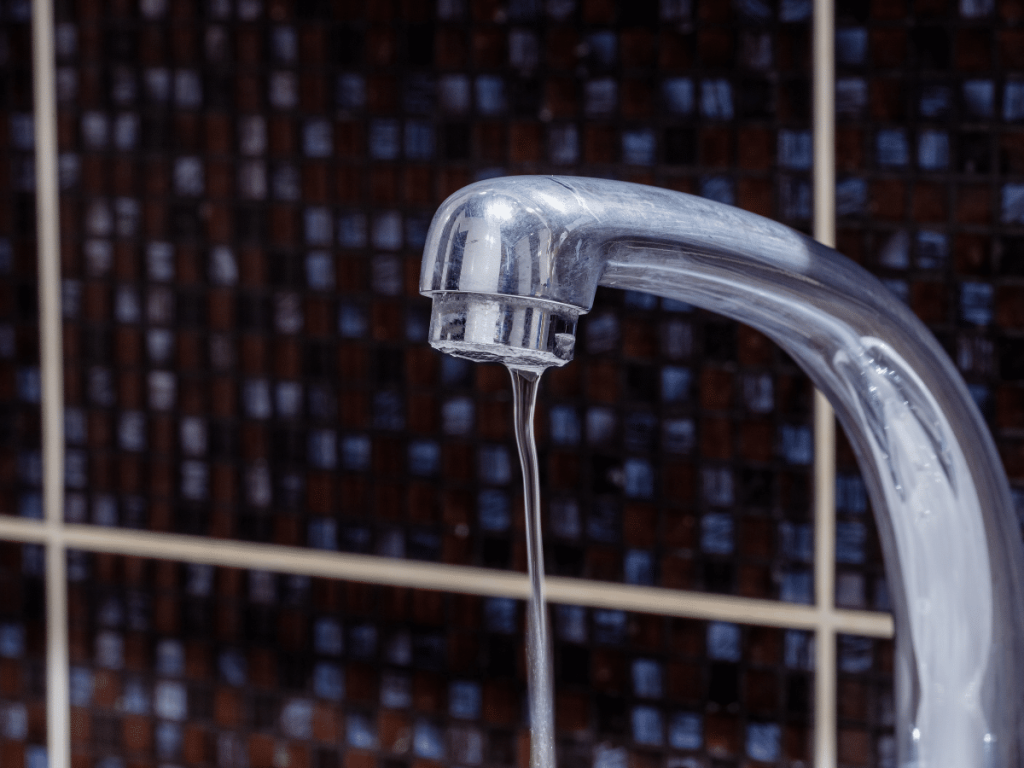
Water pressure issues can be incredibly frustrating to deal with, and ignoring this problem can lead to further difficulties down the line. To get ahead of this problem and minimize its impact, it’s important to understand its possible causes. This blog post will examine low water pressure in houses, as well as some telltale signs and what causes it so you know when it’s time to call a plumbing professional. Why low water pressure is bad Low water pressure can not only be a source of frustration, but these restrictions on water flow make everyday tasks like dishwashing, bathing, washing clothes, and watering plants more challenging. Sinks and tubs take longer to be filled with enough water, and water flow slows down the completion time of your daily chores, hampering your ability to get these activities done in a timely manner and go about your life. Low water pressure in houses can also be a key indicator of something being amiss with your plumbing system. If ignored, these issues could end up wreaking havoc over time and become irreparable, making it so you’ll need to replace components of your system (which can be incredibly costly). It’s therefore vital that a plumber evaluate and address sudden decreases in water pressure within your home. Low water pressure signs How do you know if water pressure is low in your house suddenly? Here are a few telltale indicators. Reduced water flow The most obvious sign of low water pressure is if the water output of your showerhead or faucets has diminished over time. If filling up a glass used to take 30 seconds before, but now takes longer, you’re likely experiencing water pressure issues. Variable water pressure If the pressure of your water fluctuates and changes frequently, it could indicate problems with low water pressure. This is often caused by obstructions in your plumbing system, which prevents water from moving freely through pipes and causes different levels of tension. Unusual noises Another symptom of little to no water pressure in houses is if you hear banging, whistling, or gurgling sounds when using your showerhead or faucet. This can be caused by trapped air being released when water moves through your pipes and becomes active again. Sputtering shower heads When your water pressure is too low, your shower head may sputter or spray inconsistently instead of offering a consistent stream. This could, however, point to issues with the aerator in your shower head, which should regulate and conserve the flow of water. What causes low water flow? Below are the primary factors contributing to low water pressure at home. Loss of water pressure in houses may be caused by blocked or corroded pipes. Over time, debris can build up in pipes and cause blockages that reduce available space for water flow in homes and cause variable pressure levels. Corrosion in pipes is also another possible culprit. Corrosion sees rust forming around the metal walls of pipes, which slowly wears away at them and creates the possibility of cracks (which then causes leaks). Contact a plumber immediately if you suspect that your pipes have become blocked or corroded. A plumber will flush away any sediment buildup, replace any corroded parts, and ensure you have clean drain pipes to restore normal pressure levels. Your faucet or showerhead’s aerator conserves and regulates water flow, but deposits like calcium and lime can accumulate over time and lead to clogs. It’s vital that if your aerator appears clogged, professional cleaning be requested. Another cause of low water pressure is freezing temperatures. When temperatures dip below zero, your pipes can freeze, creating blockages that result in decreased pressure. If this issue remains unchecked, it may even lead to burst pipes. It’s imperative that swift action be taken if your pipes are frozen. Turn off any faucets or sources of running water and contact a plumber as soon as possible. Water pressure can be affected by leaking pipes as well. Leaks that allow water to escape will reduce pressure by preventing more of it from reaching fixtures, ultimately decreasing the amount of water that you receive when you turn on a faucet. Leaks should be evaluated by a skilled plumber, as they will be able to determine how to best repair them to restore normal water pressure in your home. In need of plumbing assistance? Choose American Home Water & Air Understanding the causes of low water pressure in houses will allow you to better notice when you’re experiencing the issue so you can take action accordingly. American Home Water & Air is here to assist if you require professional assistance with your plumbing system. Our technicians will assess your system to identify any underlying problems before providing the best possible solutions to restore and maintain it. AHWA has been helping homeowners in Phoenix for over 35 years and provides fair, honest, and transparent pricing so you’ll always know what to expect. Contact AHWA now!
How to Clean Drain Pipes: 4 Easy Ways
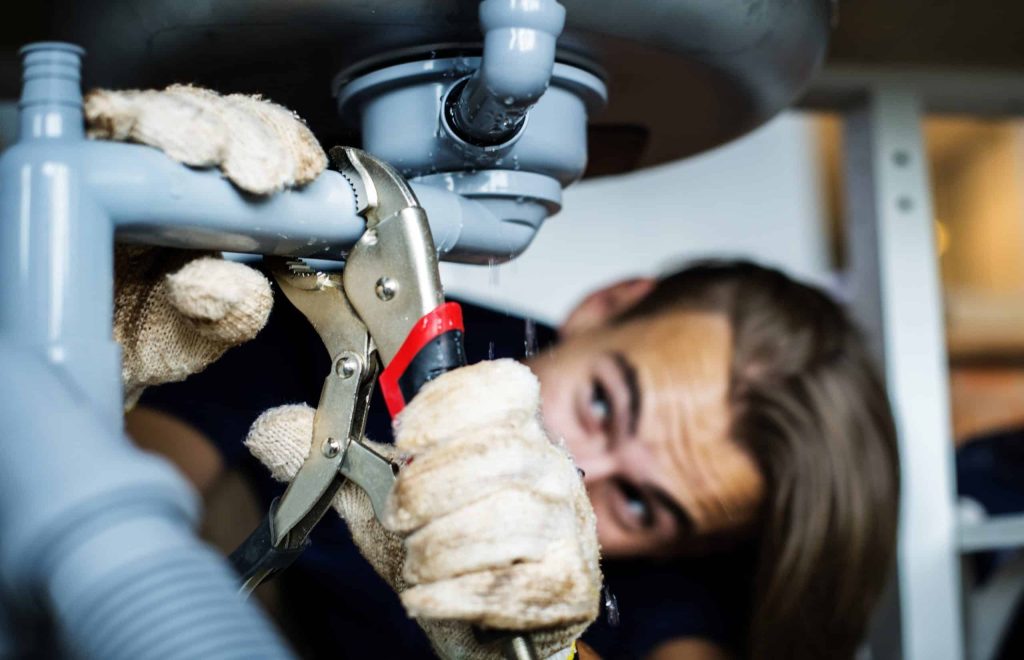
Your home’s plumbing is part of a vast and technologically advanced network that ensures you and your family have access to clean water at the right temperature, on demand. Incredible as this can seem, it’s a system that has a lot of working parts, with the pipes that carry the water across your home being one of the most important. This means that one of the most important aspects of maintaining a clean and comfortable home involves properly caring for the plumbing system by cleaning your drain pipes. In fact, understanding how to clean drain pipes effectively can save you a great deal of time, effort, and even money. In this guide, we’ll explore the most effective commercial solutions, DIY solutions, and preventative measures for keeping your drain pipes in optimal operating condition. Commercial Solutions for Cleaning Drain Pipes Commercial drain cleaners are a popular choice for many homeowners. These products come in two main forms: chemical and enzymatic cleaners that will help if you are wondering how to clean your home drain pipes. 1. Chemical Drain Cleaners Chemical drain cleaners typically contain powerful substances like lye or sulfuric acid, which can quickly dissolve stubborn blockages. They work by causing a heat reaction that breaks down the clog. While technically an effective way to clean drain pipes, they should be used sparingly, as repeated use could potentially damage your pipes due to their corrosive nature. Professionals recommend that you stay clear of these types of cleaners altogether to prevent damage to your plumbing system. 2. Enzymatic Drain Cleaners Enzymatic drain cleaners utilize eco-friendly enzymes or bacteria to eat away at the organic material causing the clog. They may take longer to work compared to chemical cleaners but are safer for your pipes and the environment. Regardless of the type of commercial cleaner you choose, remember to always follow the manufacturer’s instructions for optimal results. DIY Solutions to Clean Drain Pipes There are a couple of simple solutions to clearing a drain yourself that require little skill and are very cost-effective. 1. Homemade Drain Cleaner Homemade drain cleaners can be a more economical and environmentally friendly alternative to commercial solutions. If your clog isn’t too serious, they can be all you need to eliminate the problem. One popular method is using a mixture of baking soda and vinegar. Here is a simple step-by-step guide on how to clean drain pipes using this solution: Pour half a cup of baking soda into the drain, followed by equal white or apple cider vinegar. The combination will cause a fizzing reaction that helps to break down grime and debris. Allow the mixture to sit in the drain for 15-20 minutes to ensure it has sufficient time to act on the blockage. Rinse the drain with boiling water to remove the loosened materials. This process may need to be repeated for particularly stubborn blockages. 2. Using a Plumber’s Snake Another DIY method involves using a plumber’s snake to physically dislodge the clog. A plumbing snake, also known as a drain snake or auger, is a flexible coil of wire that can reach deep into your plumbing system to dislodge blockages. Here is a step-by-step guide on how to use a plumbing snake to clean your sink drain: First, clear out the area under your sink to give yourself ample space to work. Gather your tools: you’ll need a bucket or a towel to catch any water or debris that comes out of the pipe, and gloves to protect your hands. Remove the u-shaped drain beneath your sink and clean out any debris present and flush with hot water. In some cases, this may be all that is needed to clear your drain if the blockage was located there. Hold the handle of the snake with one hand and the wire coil with the other. Gradually feed the coil directly into the drain. Once the snake is in the drain, turn the handle clockwise to extend the wire further into the pipe. Continue to feed the wire down the drain until you feel resistance, which is likely the blockage you’re attempting to clear. Once you’ve located the blockage, keep turning the handle clockwise while pushing gently to allow the head of the snake to dislodge the clog. You may feel the blockage breaking up, or the snake may become harder to turn. After you’ve broken up the blockage, begin to retract the snake by turning the handle counter-clockwise, while gently pulling back. The clogged material should either follow the snake up and out of the drain or be broken up enough to wash away in the next flush of water. Replace the section of the u-shaped piece of plumbing you removed in step one. Run hot water down the sink for a few minutes to ensure the clog is completely cleared. If the water isn’t draining properly, you may need to repeat the process. Clear your snake drain of any debris with a paper towel and repeat the process. Remember, while a plumbing snake is an effective tool for many clogs, some stubborn blockages may require professional help. If you’re unable to clear the clog with your plumbing snake, don’t force it. Instead, consider contacting a professional plumber to avoid damaging your pipes. Preventative Measures: How to Keep Drains Clean Though any of the four efforts above will help you to clean your drain, the best option is to prevent clogs from occurring in the first place by maintaining clean drain pipes. Here are some ways to keep sink drains clean and functional: Regular Maintenance: Implement a regular cleaning schedule for your drains. Even if you don’t notice any immediate issues, preventative maintenance can help avert potential problems. Mind What Goes Down the Drain: Avoid washing down food scraps, coffee grounds, or fats and oils. These can accumulate over time and cause significant blockages. Use Drain Screens: These handy devices can catch larger pieces of debris, preventing them from entering the drain pipe. Run Hot
Average Cost of Drain Cleaning: What to Expect?
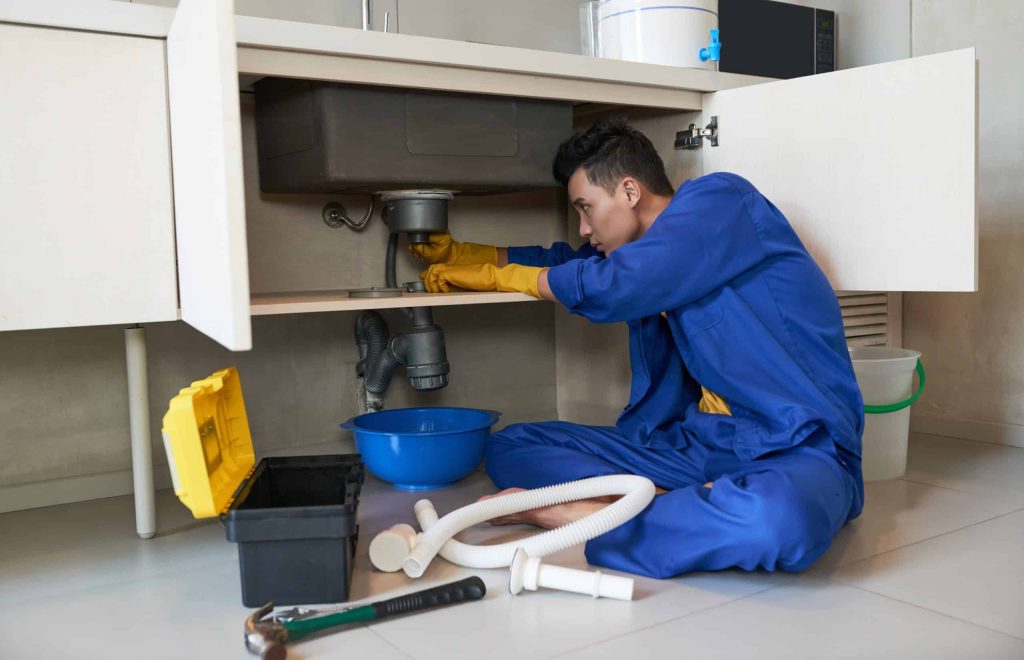
Drain cleaning is a crucial and unavoidable aspect of property maintenance; when done right, this service ensures the smooth functioning of the plumbing system, creating a healthier and more comfortable living or working environment. Despite its importance, the varying costs associated with drain cleaning can sometimes concern property owners. To offer a bit of perspective on these costs, we’ve put together some information on the average cost of drain cleaning, factors influencing these costs, and effective strategies for managing these expenses. Read on to learn more about what to expect the next time you set up a drain cleaning appointment! Average Cost of Drain Cleaning In Phoenix, the average cost of drain cleaning for residential properties typically spans between $100 and $300. This cost bracket includes basic services, such as unclogging minor blockages in bathrooms or kitchen drains. It’s important to remember, though, that these figures serve as an average range and can fluctuate based on the unique characteristics of the job at hand. The costs can rise dramatically for more complicated blockages, especially those related to the main sewer line. Homeowners dealing with such issues might need to spend between $300 and $600. Additionally, services required urgently or outside of standard working hours generally come with a higher price tag owing to the rapid response and convenience provided by a technician being called in during normal time off. Some blockages may require the use of a drain inspection camera. These cameras operate by lowering a small camera into the drain or pipe. This camera will transmit footage to a monitor that a technician can view to help identify the source of the blockage. It may also provide information about other issues that need to be addressed, such as cracks, leaks, or corrosion. Factors that Influence the Average Drain Cleaning Cost Several elements play into determining the average drain cleaning cost. Among the largest of these factors is the extent and location of the blockage. While removing a clog from a kitchen sink or a shower drain can be quite affordable, resolving a blockage in the main sewer line or underground pipes generally entails a higher cost due to the added equipment and labor required to access and remove the obstruction. The technique employed for drain cleaning also has a significant bearing on the overall cost. Drain snaking and hydro jetting are the two primary methods used in the industry. Drain snaking uses a specialized metal rod to break down and remove the clog, while hydro jetting involves a high-pressure water jet to accomplish the same task. Given its effectiveness and advanced nature, hydro jetting is more expensive compared to snaking. The service provider you choose also affects the cost. Companies might offer cheaper rates, but balancing cost considerations with the provider’s credibility, expertise, and service quality is essential. Lastly, the age and condition of your plumbing system can impact the cost. Older plumbing systems or those that haven’t been regularly maintained are often more prone to frequent and stubborn blockages. These systems might necessitate more regular cleaning or even complex interventions, thus escalating the overall annual drain cleaning costs. Average Price for Drain Cleaning: Commercial Vs. Residential It’s worth noting that the average price for drain cleaning can substantially vary between residential and commercial settings. Commercial plumbing systems are usually larger and more complex than residential ones, and any disruption due to a plumbing issue can substantially impact business operations. Work may require completion outside of normal operating hours or rushed to minimize the disruption of regular business practices. Because of these reasons, commercial drain cleaning services typically command a higher price. While a standard residential service might cost between $100 and $250, commercial drain cleaning services usually start from around $300 and can rise substantially, depending on the scope and complexity of the work involved. Proactive Measures to Reduce Drain Cleaning Costs Although professional drain cleaning services can be an essential part of your routine plumbing maintenance, there are several strategies that property owners can adopt to minimize the expense involved in such procedures. The most effective of these is regular maintenance and cautious use of the plumbing system. Preventing foreign objects and substances, such as food particles, hair, oil, and grease, from entering the drains can mitigate many common drain issues. Strainers over the drains will help prevent unwanted objects from entering and creating blockages. Households with small children can sometimes experience a particular hazard with odd items being tossed into toilets. Always check the bowl before flushing if this might be an issue in your home. Drain cleaning solutions can help maintain the health of your plumbing system. There are many commercially available items, but while some may be effective at clearing a drain, they can also damage your plumbing system. Always read the label and opt for more natural products. Even a DIY cleaner might do the trick for small blockages. Regular professional inspections can preemptively identify potential issues before they become significant problems, leading to less expensive fixes than costly repairs required for severe blockages. You should have your plumbing system inspected at least every two years, but if you have issues or experience repeated issues, you should have it evaluated and maintained more frequently. Takeaway While the average cost of drain cleaning services can vary, it’s driven by several factors, including the severity and location of the clog, the cleaning method used, and the chosen service provider. Despite these costs, remember that regular maintenance is key to avoiding severe blockages and keeping the plumbing system functioning efficiently. Ultimately, investing in timely drain cleaning and maintenance can prevent costly repairs down the line, making it a practical and cost-effective strategy for all property owners.
How Much Does a Plumbing Camera Inspection Cost?
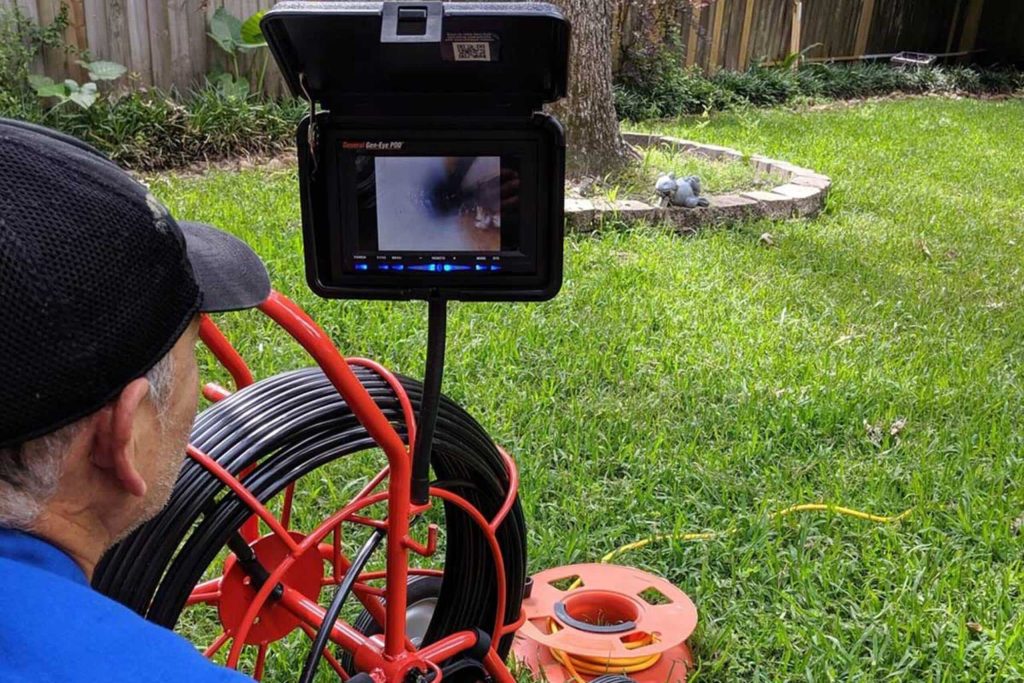
When it comes to diagnosing plumbing issues, traditional methods often involved guesswork or invasive procedures. However, advancements in technology have resulted in plumbing camera inspections becoming a popular and effective way to identify problems within sewer lines and drains. If you’re a homeowner in the Phoenix area and you’re wondering about the cost of a plumbing camera inspection, AHWA is here to provide you with the information you need. What is a Plumbing Camera Inspection? A plumbing camera inspection, also known as a sewer camera inspection or drain camera inspection, involves using a specialized camera system to inspect the interior of sewer lines and drains. This method allows plumbers to visually identify blockages, leaks, or other issues without the need for extensive digging or disruption to your property. How Does a Plumbing Camera Inspection Work? During a plumbing camera inspection, a small camera attached to a flexible cable is inserted into the sewer line or drain. The camera transmits real-time video footage to a monitor, allowing the plumber to see the condition of the pipes and detect any abnormalities. This visual inspection helps the plumber determine the cause of the problem and plan the appropriate repairs. That’s what makes the question of how much does it cost to camera a sewer line difficult to answer. There are many factors to consider, and each home is unique in this respect. How Much Does a Sewer Camera Inspection Cost? How much is a plumbing camera inspection, then? The cost of a plumbing camera inspection can vary depending on several factors, including the location, the complexity of the issue, and the plumbing company you choose. On average, in Phoenix, Arizona, a plumbing camera inspection can cost between $250 and $500 but larger-scale inspections can run as high as $3,000 depending on the difficulty of accessing the system and how far the inspection will need to extend. Keep in mind that you will also likely be looking at the costs of clearing or repairing any blockages or damages found during the inspection, which can further increase your costs. However, you can save if the inspection is done in conjunction with finding and making these repairs. Factors Affecting the Cost of a Camera Inspection There are several factors to be considered when determining the cost of a plumbing camera inspection, such as: Length of Inspection: The length of the sewer line or drain being inspected can impact the cost. Longer lines may require more time and effort, leading to a higher price. Accessibility: If the access points to the sewer line or drain are difficult to reach, such as under concrete or through tight spaces, it may increase the overall cost of the inspection. Additional Services: Some plumbing companies offer additional services along with the camera inspection, such as locating the exact position of the issue or providing a detailed report. These additional services may come at an extra cost. Time of Service: Emergency or after-hours inspections might be more expensive compared to regular business hours. If you require immediate assistance, be prepared for potentially higher costs. Benefits of a Plumbing Camera Inspection Investing in a plumbing camera inspection can provide several benefits, making the cost well worth it in the long run. Accurate Diagnosis: The camera footage provides a clear visual of the problem, allowing the plumber to diagnose the issue and develop an effective repair plan accurately. Time and Cost Savings: By pinpointing the exact location and cause of the problem, a plumbing camera inspection helps eliminate unnecessary digging or exploratory work, saving time and money on repairs. Preventive Maintenance: Regular camera inspections can identify potential problems before they escalate into major issues, allowing for proactive maintenance and preventing costly repairs down the line. Lowering Costs by Bundling Services Consider bundling services to lower the overall cost of a plumbing camera inspection. If you elect to have plumbing camera services provided as part of routine service or bundled with other repairs such as drain cleaning or replacements of damaged plumbing, you may save on some of the associated costs by not incurring additional call-out fees or receiving discounts as part of project costing. If you are having a camera inspection done as a standalone effort, it may cost you more than it would if you incorporate it into your routine maintenance or request it as a part of a larger plumbing repair project. As with many plumbing endeavors, your costs are going to depend on not only the cost of the actual camera inspection but also the costs of correcting any problems found. So, while you may be able to determine the initial costs of your plumbing camera inspection, you’ll need to employ a reputable plumbing services provider to give you an accurate estimate for any additional services you may require. DIY Camera Inspections If you’re a handy homeowner looking to save money, consider a DIY camera inspection. Some plumbing companies or equipment rental companies offer camera systems for rent but they typically start around $250 per day, and that can increase greatly with whatever additional equipment you need for the job. It’s also important to note that DIY camera inspections have limitations. They will not provide the same level of expertise and analysis as a professional inspection. Additionally, the repair costs could far outweigh the initial savings if you encounter a problem or cause additional damage to the plumbing system during the inspection. Conclusion A plumbing camera inspection is an invaluable tool when it comes to diagnosing plumbing problems within sewer lines and drains. In Phoenix, Arizona, the cost of a sewer camera inspection can vary greatly, depending on various factors such as the length of the inspection, accessibility, additional services, and the time of service. However, what you spend now might save you money later; while the initial cost may seem like an investment, the benefits of accurate diagnosis, time and cost savings, and preventive maintenance make it worthwhile. If you’re experiencing plumbing issues or want to ensure the health
8 Tips for Finding the Right Plumber
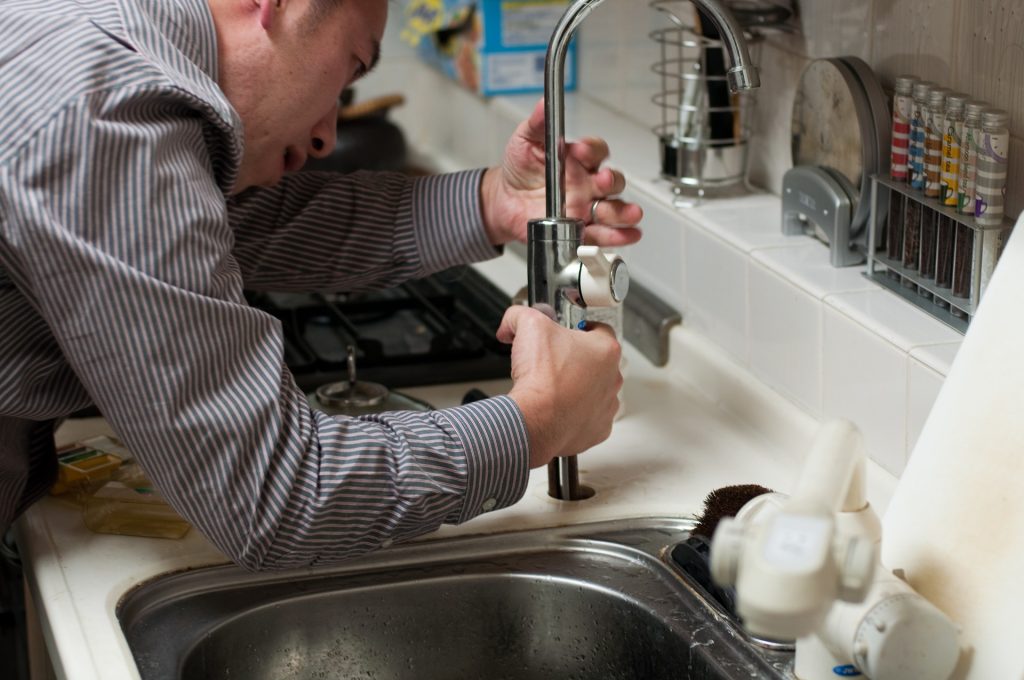
Whether looking at a minor plumbing inconvenience or a major plumbing issue, you will likely need a plumber’s help to correct the problem. Choosing the wrong plumber can be a disaster for your plumbing system and your back pocket. However, if you follow a few guidelines when trying to find a plumber, chances are good that you can locate someone with the skills you need at an affordable price. How You Can Find a Plumber You Can Trust If you need to know how to find a good plumber in your area, you’ll first want to know a little about who qualifies as a plumber. Let’s get familiar with the different kinds of plumbers you may find in your search. Apprentice plumber – In Arizona, a plumber must have worked under the supervision of a licensed plumber for at least four years before they can apply for a license. An apprentice plumber might also take classes to help pass the licensure exam, but they cannot work without supervision until they have secured a license. Licensed Plumber – A licensed plumber may hold a license for residential work, commercial work, or a dual license that covers both. A plumber licensed in Arizona has worked for at least four years as an apprentice plumber. They have passed the exams covering their knowledge of plumbing, the business, and the laws that apply to the trade. Finally, they have secured a license to work as a plumber. When seeking plumbing assistance, you should be sure that your plumber holds the appropriate license, but there are other things to consider when trying to find a plumber. Let’s look at eight areas you’ll want to explore to find a reliable plumber and the best plumber service for you. Eight Tips to Find a Plumber That is Right for You 1. Be proactive Don’t wait until you have a problem to begin looking for a plumber. If you are in the middle of an emergency, there is a good chance that your search will shift from finding “the best plumber near me” to seeing “whoever can show up quickest.” By anticipating that you’ll need a plumber at some point, you can begin your search for one on your own terms and take the time to find someone qualified and affordable. 2. Seek recommendations from associates Friends, neighbors, and co-workers have most likely needed a plumber at some point and can be excellent sources for a recommendation. They can probably tell you who you can trust to do the work effectively at a reasonable cost. They can also tell you who to avoid. Though misunderstandings or unexpected issues can sometimes happen through no fault of either party, repeated bad reports of the same plumber should be heeded. 3. Do your research In today’s world, you can often find a wealth of information about the best plumbers according to ratings or reviews on the internet. Directories such as the Better Business Bureau, Google, or Angie’s List are very helpful for checking the quality of a plumber’s work and reputation. You can see if they have complaints against them and the nature of those complaints. If they have a web page or social media, you can see firsthand how they interact with customers. 4. Ask another professional If you have had work done by another professional you trust to provide sound advice, ask them for a recommendation. HVAC, appliance maintenance specialists, roofers, and handypersons often work with many other professionals in the area. They can tell you who is the best fit for the work you need to be completed. 5. Ask your DIY supplier Employees working at your local DIY supplier or hardware store have considerable contact with local residential contractors who visit their businesses for parts and supplies. You may find they can give you valuable plumbers tips or direct you toward a bulletin board where services are advertised. 6. Verify credentials Check to see if your potential plumber is appropriately licensed. Arizona maintains a register of contractors where you can verify that your plumber’s license is active. You might also check Angie’s List to verify a license and learn additional details. Though insurance is a requirement for licensing as a plumber in Arizona, you might also want to confirm that they are adequately insured. 7. Compare quotes Getting more than one quote on the work you need to have done is always a good idea. If you are shopping for plumbing ahead of time, you can inquire about a basic service such as a plumbing inspection or hot water maintenance to get an idea of how your potential plumbers stack up in the cost department. Otherwise, request a service call to review the problem and quote a repair fee. Remember that the least expensive plumber is not always the best choice. Make sure each quote covers the cost of fixing the problem permanently. Beware of plumbers who quote you a low price for a simple fix that won’t hold up in the long run. It is better to pay more and not have further issues. Ask each one what they intend to do and what materials they will use so that you are comparing apples to apples with their plumbing recommendations. 8. Review business history The longevity of a business is a testament to its reliability. Plumbers or plumbing services who do shoddy work, overcharge, or have a bad relationship with their customers rarely survive very long. Though there are some exceptions, it is still a good rule of thumb that the longer a company has been in business, the more you can depend on them. Coupled with the other tips we’ve provided, you should be able to make a good selection. There is no exact science to finding a good plumber and no guarantee that you will be happy with the work you receive, but with a bit of due diligence, you should be able to find the best plumber in your area that suits
What to Do When Your Water is Discolored
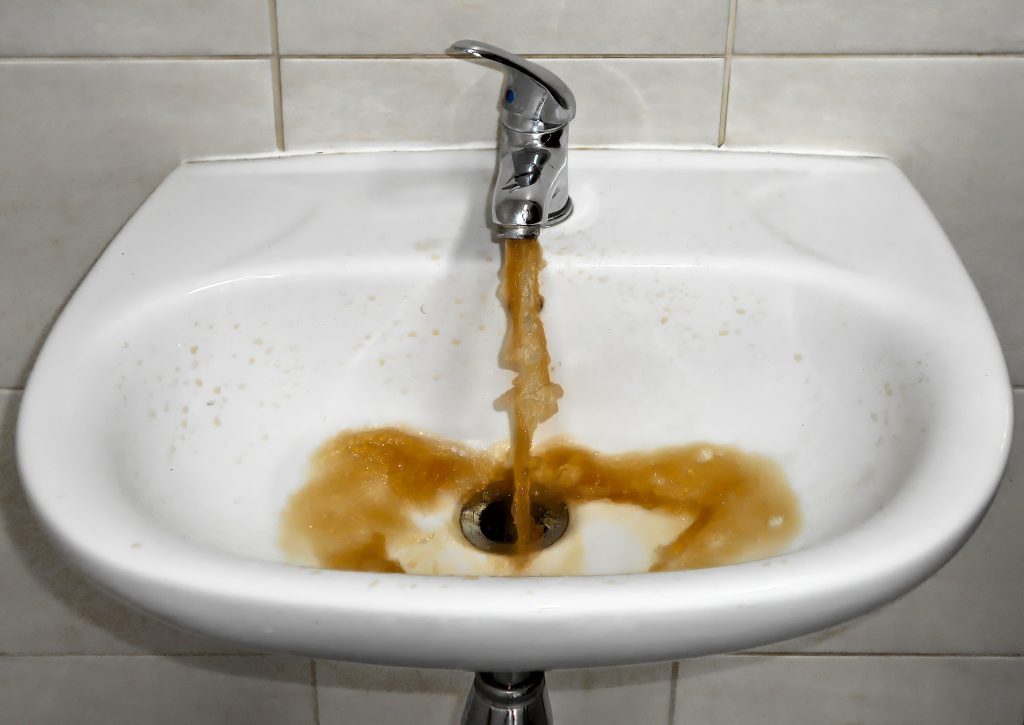
If you have ever turned on a faucet to find that your hot water is discolored or encountered discolored toilet water, you may have felt more than a bit disconcerted by it. However, discolored water is far more common in many households than you might think. The first thing you need to do is determine what has caused the discolored water. Once you’ve figured this out, you’ll know how to correct the problem. Let’s look at some of the common causes of discolored water. Water Main Issues If you awake to find that your faucets have gone from running clear water to running dirty water overnight, the problem can well be coming from outside your home. City or county water lines can develop breaks or undergo maintenance that stirs up dirt and other debris. There are also times when they flush the pipes. If you see discolored water in your faucets, tubs and toilets, the cause is most likely coming from your municipal water lines. The only thing you can do in a case like this is to wait it out. The discoloration will clear once the work has stopped and the lines have been flushed. The only action you should be taking is not to use your hot water until the water runs clear again to prevent any sediment from being sucked into your water heater. However, if you are experiencing discolored water coming to you from your supplier’s lines often or for a sustained period, you should take action by contacting them to discuss what they are doing to get it under control. In the meantime, you might consider contacting a plumbing professional to install a water filter to help with the situation. Corrosion If you live in an older home and haven’t updated the plumbing, you might experience discolored water due to corrosion in your pipes. Older pipes are usually made of galvanized steel that has rusted over time, leaving bits of rusty debris that mix with the water and cause it to exit the tap looking dirty. You can usually determine if this is the case quite easily, because not all faucets may be affected, and the water will run clear again after it’s had a chance to flush out the particles in the pipes. Though you can install a filter to clean your water, it would be better to opt for a longer-term option to correct the problem. American Home Water and Air professionals can locate the corroded pipes and replace them for you. Failure to address the more significant problem will eventually lead to the subject pipe corroding and leaking or bursting open due to the pressure coursing through the lines. Water Table Changes If you get your water from a well on your property, fluctuations in the water table create the presence of excess iron in your water, giving a dirty appearance to the water entering your home. Since this is a natural occurrence, there isn’t much you can do to control it at the source. However, you can use a quality iron remover to reduce the amount of iron leaching into your water and creating discoloration. Excessive Demand Many areas in and around Phoenix draw their water from rivers. During droughts, the high demand for the lowered water levels can draw dirt and sediment from the river bottom into the water supply, leaving you with discolored water. If the water coming from your faucets and filling your toilet or tub is noticeably discolored during periods of drought, you can combat the problem with a sediment filter. Ask your plumbing professional about having one installed if this is a recurring problem. Failed Filtration If there is some issue with your supplier’s filtration system, you can end up with discolored water in your home. You should contact them to see if they are experiencing problems. If this problem continues and you can’t find a solution at the source, you can install a whole-home water filtration system to clear up the issue. Why is My Hot Water Discolored? If only your hot water is discolored, you may have an issue with the lines leading from your water heater or the water heater itself. The most common cause of discolored hot water is an accumulation of sediment and minerals inside the water heater. Sediment forms from tiny particles entering the water heater and collecting inside the tank. This sediment can settle to the bottom and build up over time. Minerals in your water supply can also build up in your water heater’s pipes and tank. Not only can the presence of these cause discoloration of your hot water, but they can also create problems with the function of your water heater if left to collect for too long. Over time, the efficiency and lifespan of the unit will be reduced, and the quality of your hot water will suffer. The best way to prevent this issue is by routinely flushing the water heater’s tank so that it never becomes a problem. If you’ve not practiced proper maintenance of your water heater or have moved into a home where it was previously neglected, you should flush the unit as soon as possible. You can do this yourself, or you can contact a professional to do so for you. A qualified plumber can not only take care of the problem but perform additional preventative maintenance. The other possibility is that the pipes leading to or from your water heater have corroded and discolored your water with rust particles flaking from the inner surface. If you have plastic or copper pipes, this will not be an issue, but if you live in an older home, you should check the lines for signs of aging that lead to corrosion. If your hot water is continually discolored and your pipes are older, replacing all the affected lines may be best. Your plumbing professionals at AHWA can provide an evaluation and estimate for removing and replacing failing pipes before they become
Does Your Shower Drain Smell? Here Is What to Do
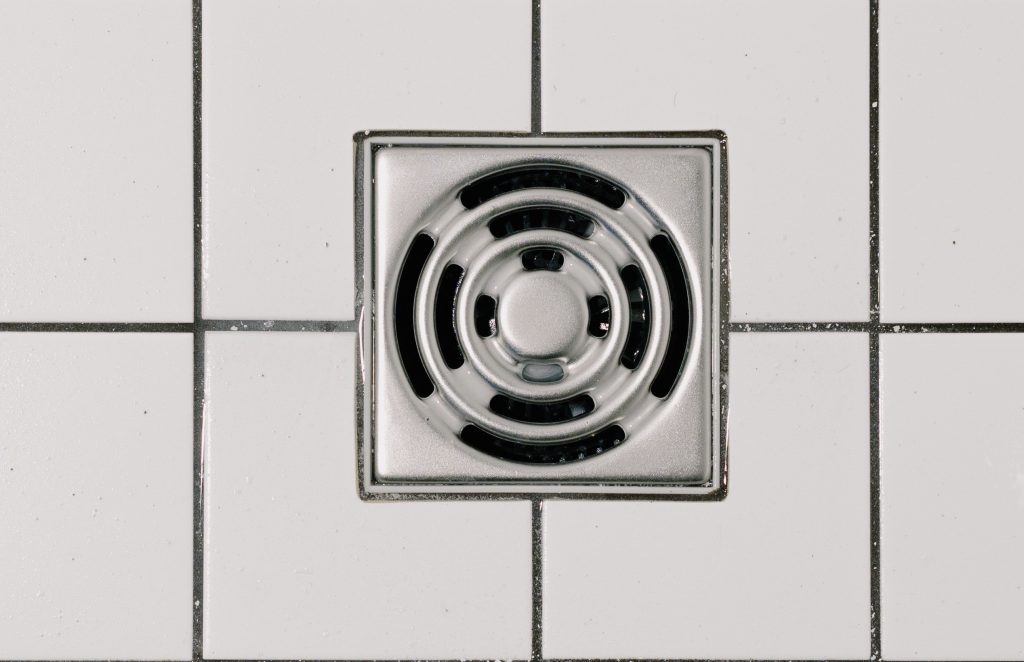
There can be many reasons for smelly drains. It could be bacteria or a clog. It might even be a sewer gas leak. If you’re experiencing a stinky shower drain, finding the root of the problem is the first step toward figuring out how to stop drains from smelling. Though your shower may be the area affected, many factors can affect multiple drains in your home, including those in the shower or showers present. The causes of shower drain smells we’ve listed below may help you quickly determine where your problem lies and put you on the path to clearing up those smelly drains. Some measures you can take on your own, and others may require the assistance of a professional plumber like American Home Water and Air. Whatever situation you find yourself in, we’re here to help. Let’s go over some potential reasons for why your shower drain might smell, and how you can solve the issue. Possible Causes for Shower Drain Smell Bacteria The hair and dirt going down your shower drain can build up in the pipes over time, leading to smells and blockages. Even if this is just a partial blockage, it can allow bacteria to build up and emit odors that rise from the drain and permeate the air in your home. You may be able to cure the problem with an enzymatic drain cleaner, a DIY solution or by snaking the drain, but if the problem is severe, it’s best to contact drain cleaning services. Here is one simple solution you can try with ingredients you likely already have on hand: Pour a half cup of baking soda and a quarter cup of salt onto the drain. Begin flooding the mixture with white vinegar until it bubbles up and goes down the drain. Let it sit for 15 minutes, and then pour hot water (not quite boiling) down the drain to rinse it away. Hopefully, this will rinse away the debris caught up in your drain and remove the smell. Repeating this every few weeks can keep your drains clean and prevent the odor from returning. If that fails, you can try a drain cleaner to break up blockages and send the clog remnants flushing out of the system to clear the pipes and remove the smell. There are many kinds of drain cleaners on the market for you to choose from, but it’s best to stay away from chemical-based brands that can damage your pipes. Instead, opt for some of the natural enzymatic or bio-clean formulas. Clogs that aren’t too far down the pipe may be accessible enough for you to reach with a snake auger. This handy device can help you push through the clog and clear it away if it’s not too serious. Push the snake into the drain until you hit the clog and push through it, pushing and pulling it free until it is clear. Vent Pipe Issues The pipes that make up your drainage system are connected to a network of vent pipes that bring in the fresh air and allow gas and odors to escape. If this system gets clogged, smells can back up into the house drains, creating shower drain smells. The only solution to this problem is to contact a professional plumber to assess your vent pipe system and clean out any obstructions. You might also not have enough vent pipes. A professional can help you install additional vent pipes to handle your plumbing system needs with a full inspection of your plumbing system. Sump Pump Stench If you have too much wastewater directed toward your sump pump instead of the main sewer drain, you might experience a smell backing up into the drains. Have a plumber check the number of pipes draining into the sump pump and redirect some of them to the more significant sewer exits to keep the debris from appliances like washers and dishwashers from leaving smells behind. A bit of re-routing can correct the problem before it creates those pesky smells you want to avoid. Drain Trap You can prevent smells from the sewer lines from coming up through your bathtub and shower drain by having a licensed plumber install a drain trap. A quality drain trap is relatively inexpensive to install and can block those nasty smells from coming up from the sewer in the first place. Water Woes Sulfates occur naturally in the soil and rocks. In some instances, they can leech into the water supply and create a rotten egg smell. The professionals at AHWA can examine your water system and determine the best course of action in preventing this type of water contamination and the smells that come with it. One way to prevent this from happening is to invest in a whole house filtration system to remove contaminants before they enter your home. Sewer Smells If those shower drain smells in your home smell like sewage, you might have an issue with your main sewer line. If this is the case, the shower drain smells likely won’t be the only ones you notice. Because the sewer line carries away wastewater and dumps it into a septic tank or municipal sewer system. Any blockages or damage to the sewer lines from corrosion, tree roots, shifting or construction can cause sewage to back up into multiple drains in your home. If you don’t take steps to prevent the problem from worsening, the problem can get worse. Sewage can continue to back up until it seeps into the basement or foundation. Tackle sewage smells immediately by contacting a plumber to correct the problem. A plumbing expert will have the proper equipment to locate and remove the blockage or make necessary repairs. Seek Help From Professionals With Your Shower Drain Smell When dealing with shower drain smells, you can’t always tell where the problem lies. If there is a blockage, a licensed plumber may use water jets, snake augers or special cameras to locate and put an end
Plumbing Inspection: How Often Do You Need to Have One?
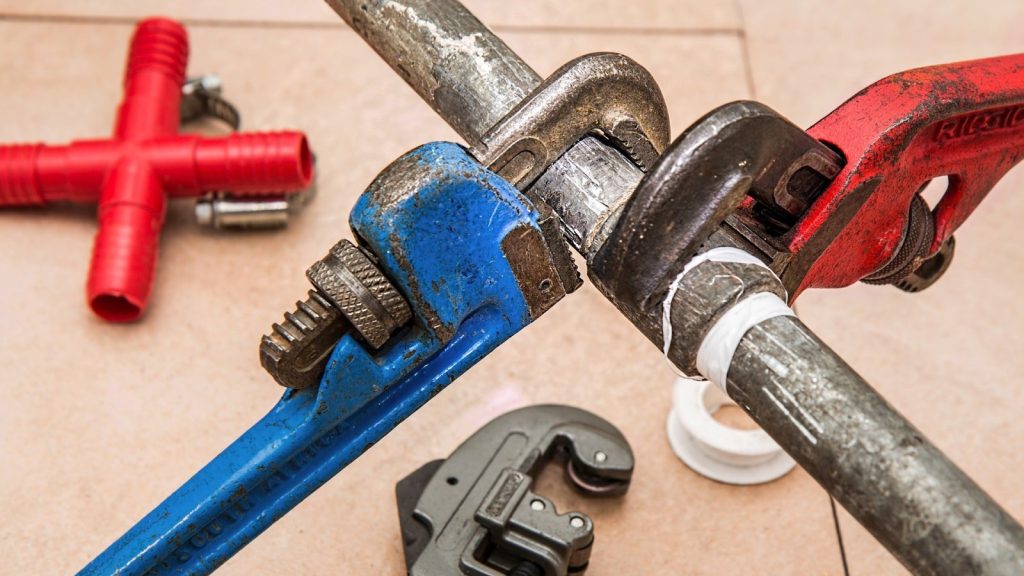
Before we talk about how often you need to have your plumbing inspected by a professional, let’s talk a bit about why it’s a good idea. AHWA can take care of all of your plumbing needs, but routine inspection will pay for itself by preventing costly repairs down the road. Let’s discuss it a bit further. Why Should You Have a Plumbing Inspection Done? There are a variety of situations that might dictate a need to have your plumbing inspected. If you live in a home that you have built and are familiar with the plumbing, you might expect the systems to be in good order for years to come. Still, after a set amount of time, you’ll eventually want to have your plumbing inspected to fix and prevent any issues. Unattended plumbing issues can lead to further damage; leaks can do damage to floors, walls, or ceilings, clogs can get worse, backing up pipes and sometimes, tree roots can grow into plumbing lines to cause issues. The earlier you know about these or other potentially costly problems, the better. What may be a small repair today could be significantly more involved if allowed to fester. How Often Should You Have Your Plumbing Inspected? One of the most common questions we get asked by homeowners is how often they should contact us to have a plumbing inspection. Unfortunately, many put off this simple checkup, not requesting regular inspections of plumbing at all. The answer to how often a plumbing inspection should be done will vary from one person to the next. While there is no way to know when some plumbing problems might occur, most can be prevented by having a plumbing inspection at least every two years. If you prefer a more extensive inspection performed by a professional, you should have it done by a reputable plumbing company with qualified plumbing experts. In certain situations, you might even want to schedule inspections even more often. Homes that have settled a great deal, experienced damage from other sources, or are showing signs of plumbing damage like low water pressure, sluggish drains, discoloration or particles in the water, or unfamiliar noises like the sound of running water or loud creaks may need to be inspected sooner. If you have moved into a home and are not familiar with the plumbing system or issues that have been present in the past, it is always a good idea to have a plumbing inspection fairly often for the first few years. This should be the case until you are comfortable that you won’t run into any unexpected plumbing nightmares left discovered during pre-purchase inspections. There could very well be conditions present that you were not made aware of and that weren’t immediately visible to an inspector doing a rough plumbing inspection for sale purposes. If homeowners aren’t available to provide a proper history or simply don’t provide a full history beyond what is required of them, waiting two years to get another plumbing inspection from a company you can trust can lead to disaster. In a case such as new home ownership, it is recommended that you have your plumbing inspection done at your earliest convenience and then have another one within the year. If no signs of trouble are noted, perhaps you can drop the frequency to every two years. Other Reasons to Get Your Plumbing Inspected Right Away There are many reasons for getting your plumbing inspected, since any of these potential scenarios might need quick attention to stop them from growing into a bigger problem. There goes the neighborhood – If you find that sewer lines or drains are backing up in other areas of your neighborhood but you haven’t had an issue, it doesn’t mean you won’t. It is far better to call for a pre-emptive plumbing inspection to address the problem before it wrecks your home. The roots of all plumbing evil – If you spot roots pushing up through your walkway, home foundation, or trees expanding into areas where you have water lines, this is a potential issue for your pipes. Roots are notorious for growing into the water supply and sewer lines outside the home or beneath homes. They might even push them out of place, causing connections to break and leak. It is best to get a handle on the situation before it does the damage. Nip it in the bud – One obvious case when a plumbing inspection might be in order is when you are having an issue and must have a plumber come out anyway. It’s always a good idea to have him look for signs of other potential trouble rather than just addressing the problem at hand. Ask him about getting a full plumbing inspection while he is there or schedule one for another time when he is available, as he may not be prepared to do a full inspection if he has just come out for a simple service call. Here’s your sign – If you’ve had problems and foregone a complete plumbing inspection, it might be a good idea to reconsider and get one done to stay ahead of any future problems. Signs that might appear before you notice the actual plumbing issue are yellowed or peeled plaster or paint on the walls. Abnormally high water bills. Water spots on the ceilings or around the molding. Leaks beneath your sinks or around your toilet. Hissing sounds could be water escaping from a pipe or other such anomalies. Catastrophe avoidance – You should address any problems such as these immediately or they will only grow worse and a full inspection can let you know in advance what needs to be mended before it grows worse, allowing you to prioritize any necessary repairs if you can’t have them all done at once. It is always better to see what is coming rather than finding yourself run down by it. Don’t let plumbing inspection costs deter you from preventative maintenance, as it
Types of Plumbing Noises: Causes and Solutions
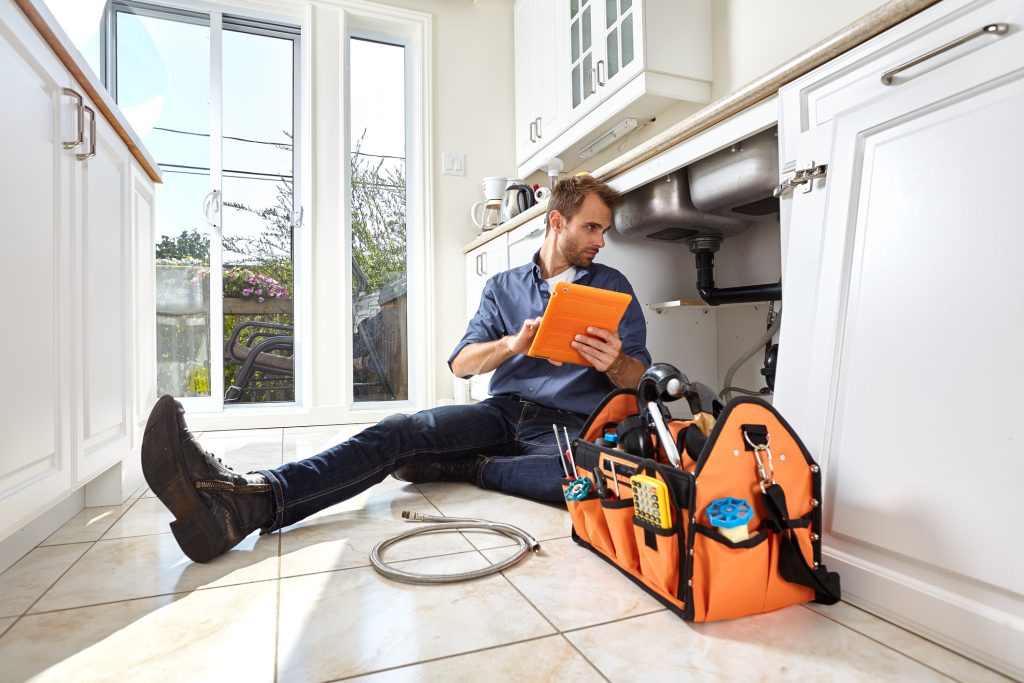
If you’re having issues with your plumbing making different types of noises, such as hisses, thumps, clangs, or thuds, it’s important to consider that you might have some functional issues taking place. If you can’t decipher what the noises might indicate, don’t worry: the professionals at AHWA can help! We understand that noisy plumbing can indicate everything from minor issues to signs of major problems. When in doubt, give us a call to come take a look and make sure everything’s working okay. In the meantime, here’s a quick overview of the types of plumbing noises you might encounter and what they mean. Usual Plumbing Noises in Your Home Plumbing usually prefers to be the strong silent type, but it sometimes kicks up a bit anyway—especially in older homes where the plumbing has aged a bit. Not every noise is bad, so it’s important to know what you should be concerned about and what is normal. Let’s look at some common plumbing noises you might hear in your home. Harmless Plumbing Noises These noises are nothing to worry about. If you understand them, you won’t be so worried about them being potential problems. Banging – A single or multiple loud bangs when you close a water tap is a perfectly normal sound. Swishing – The sound of water flowing through the pipes can sometimes be audible, especially if the house is otherwise quiet. Splashing – A toilet tank refilling can create small splashing sounds. Pressurized water leaving a valve can also make a splash when hitting still water on the other side. Gurgling – You may hear a gurgling noise coming from your pipes or waste traps. This is common with new plumbing systems and ones that had been drained or refilled, perhaps after recent work has been done. Rattling – If you have a shower pump, it may make a bit of noise as it vibrates against a surface. Make sure you’ve moved it away from this type of contact and the problem will be resolved. Creaking – No, that creaking board in your house when no one is walking is probably not a ghost. It’s more likely being caused by hot-water pipes under your floorboards as they expand and then contract again. Noises That Require Attention These noises are an indication that there may be a more serious problem down the line. Consult a professional plumber like AHWA to help you determine their origin and make any necessary repairs. Gurgling – If the gurgling is coming from a drain, you might have a clog in your drain or even in a sewer line. Hammering – Do you hear a loud clunk or clang when your dishwasher or washing machine stops filling or you turn off a faucet? You might be experiencing overly high water pressure that has blown out the air usually present near valves. If left unchecked, you could develop a leak over time due to the “water hammer” this creates. You may be able to fix this yourself by simply replacing the missing air pockets. Follow the steps below: This should correct the problem. If you continue to experience the hammering noise, then you’ll want to consult a professional for more assistance. Clanging – If your home has old copper piping, you may experience clanging noises created by the contracting and expanding of the metal when you use hot water. The heat results in the pipes expanding and rubbing against brackets, connecting joints, or supports. This is normal and nothing to worry about, but if the noise bothers you, there are some things you can do to minimize it. Ticking – First comes the ticking and then comes the BOOM! A ticking noise might mean you have a faulty water meter, but it can also signal loose or unstable pipes that can cause bigger problems if not repaired. Squealing – Air in the water lines can create a high-pitched squeal that can sound very odd and out-of-place. It could also be that your pressure-reducing valve needs to be replaced. Thumping – Plumbing noises in the wall, such as thumping, can indicate a host of problems, such as pressure build-up in specific sections or something being stuck in the piping. Call a professional before the problem escalates. Running water – The sound of running water can usually be traced back to a broken flush valve in the toilet that needs to be replaced. Swishing – High water pressure or high pump pressure can create a swishing noise as water runs through the pipes. A plumbing professional can reduce the water flow or pump pressure for you and eliminate the noise and reduce wear and tear on your plumbing. Whistling – If your showerhead or faucet whistles at you, it’s not just being flirtatious. It’s usually telling you that there is a clog somewhere that needs to be cleared or replaced. Knocking – Your water heater might get a bit wild if sediment builds up. This is not only annoying, but it causes extra wear and tear on the appliance, reducing its efficiency and reducing its lifespan. You can flush it yourself following maintenance instructions or call a professional to check it out. Rattling – Water moving around your home creates pressure and friction against the pipes. If those pipes aren’t fitted together properly because they’ve come loose or were improperly installed, then you may get an annoying rattling sound as the pipes vibrate. You can fix this yourself if you can get to the fittings and tighten them, it may solve the problem. If not, it’s time to call a professional. At the end of the day, you’ll find that many plumbing noises in the pipes are normal and not a cause for concern. That being said, if you hear one outside of what you’ve found to be normal in your home, then you need to call a professional like AHWA to assess the situation and make any necessary repairs.
10 Signs That You Need Plumbing Maintenance
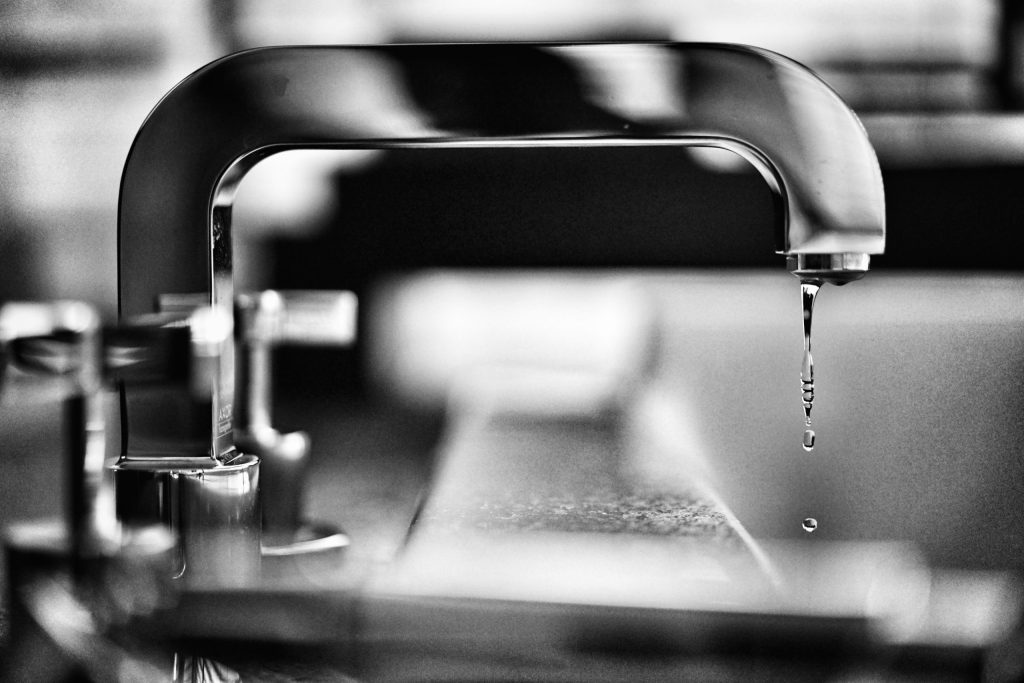
Most of us don’t spend a lot of time thinking about keeping our plumbing in good order. However, if you have any of the following problems you might want to call a professional for plumbing maintenance or repairs and consider employing more routine care for your plumbing system before you find yourself in another bind. Slow or clogged drains Low water pressure Complete loss of water Leaks Backflow Foul odors No hot water Non-working plumbing fixtures Unexplained running water sounds Signs of mold and mildew What maintenance does my plumbing require? Plumbing maintenance includes checking for the signs that anything is wrong before it escalates to a full-blown crisis. A licensed plumber from American Home Water and Air can inspect your entire plumbing system for you and advise if there are any current or potential problems. A few issues that might be forming but not yet giving you any real grief include: Cracks in older pipes—If you live in an older home that has shifted over the years or has pipes made from materials that might degrade over time, you could face leaks as cracks form and grow larger. Potential clogs—Buildup from oils, food particles, or hair can eventually cause a complete blockage. Households with children sometimes find unexpected items that have been dropped down drains or toilets, creating a potential for clogs. Invasive tree roots—Trees planted near your pipelines bringing water into your home or sewage lines taking waste away can sometimes grow, expanding their root systems to the point that they damage the pipes in their way. Loose plumbing—Whether a case of older pipes simply no longer holding in place, improperly installed joints, or shifted during renovations or other movements, loose plumbing can create a huge problem if not addressed early. Any of these problems can cause bigger issues as they progress. In addition to costly repairs to the plumbing itself, you could face damage to walls, floors, ceilings, and other valuable aspects of your home’s interior. Other benefits of regular plumbing maintenance In addition to preventing expensive repairs down the road, plumbing maintenance can ensure that your system provides you with the conveniences you’ve come to expect without interruption or disappointment. Water pressure can be reduced by leaks or clogs. No one likes a sad little stream coming from their showerhead or waiting so long for the sink or tub to fill that the water is already getting cold before it’s finished Middle-of-the-night carnage such as a burst pipe or a backed-up toilet can wreak havoc on your household and it’s really hard to find a plumber at 2 a.m. Emergency services can be costly and put your plumbing out of commission unnecessarily. Mold and mildew are not your friends. These can both be health hazards to you and your family. Regular plumbing maintenance can make sure you never encounter an out-of-control buildup of these potentially deadly formations. Code violations can occur when you are ill-prepared to correct the situation. If you live in an older home or have had less than expert plumbing repairs done in your home, you may be completely unaware of plumbing situations that aren’t up to proper code. A licensed plumber can give you a warning about things that will need to be updated, giving you time to plan for the repair and the cost of it. Water heater problems can usually be prevented with routine maintenance. Taking care of your tankless water heater in Phoenix will help it continue to take care of you and prevent you from ending up in a cold shower with shampoo stuck to your hair. Voided warranties are always unpleasant. Failing to maintain appliances during their warranty period can result in repairs not being covered by the manufacturer. Safety concerns are better if caught early. Things such as a leaking water heater or other appliance coming into contact with nearby wiring can be a dangerous situation. A faulty gas line coming into your pilot light can be a disaster. The sooner these are caught and corrected, the more peace of mind you can enjoy. Can’t I just do my own plumbing maintenance? Sure, to an extent. While there are many things a knowledgeable plumber can catch that you might not until you see signs of an issue such as those listed earlier, there are routine measures you can take to keep your plumbing working properly. In addition to these problems, there are more DIY projects you will be better off leaving to professionals. A plumbing maintenance checklist should include the following: Check your drains—Every three to four months you should run water down your drains to see if you see any signs of a clog preventing proper drainage. A mix of baking soda and vinegar can usually cure a slow drain. You may need to clean our P-traps. Scrub your faucet aerators—Unscrew the cap on your faucet and clean off any calcium that has built up with a stiff brush and some dish detergent. Check for pipe damage—Inspect all visible pipes for signs of rust or cracks. Failure to repair these can result in substantial leaks. A plumber can address these for you before they become a more significant problem. Check for leaks—You will likely see the damage before the leak. If you are finding moisture or water beneath your sinks or toilets, you likely have a leak. A loss in water pressure can be a sign of a leak that might be out of your view. You can use a water pressure gauge to check that it falls between 40-65 psi. Check your toilet tank and bowl—Any cracks or loose connections need to be repaired. A broken seal around the bottom can lead to rot that will spread. Water heater maintenance—Flush your water heater according to the manufacturer’s guidelines and inspect it for leaks or temperature malfunctions. Sewer and septic lines—These are likely not going to be anywhere that you can see, but you can try to prevent clogs by routinely pouring a drain