Heat Pump vs AC and furnace for Phoenix AZ Homes
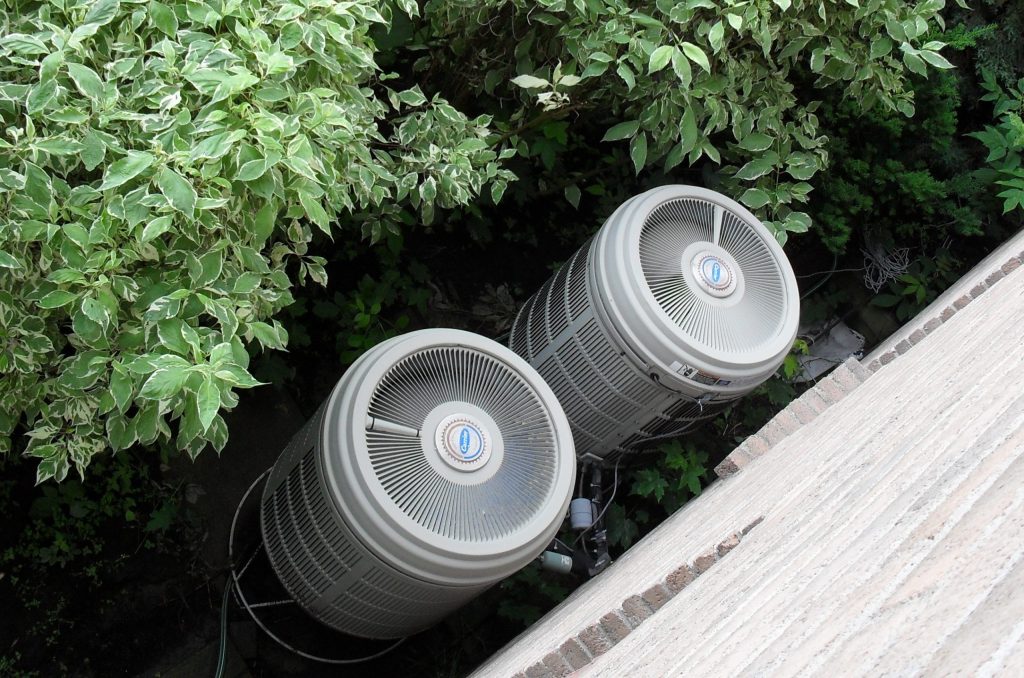
Today, we’ve got a very “heated” argument on our hands. Which heating and cooling system do you think is the best for homes in Phoenix, Arizona—heats pumps or air conditioners and furnaces? Please continue reading to find the answers as we discuss everything about heat pumps and furnaces and the differences between them. By the end of this article, you should be able to differentiate the two and decide which one is the best for your home. Heat pumps vs. AC and furnaces in Phoenix, AZ—Their key differences We understand that both these systems are quite expensive. It’s safe to say that buying and installing a heating and cooling system is the second most expensive expenditure right after purchasing a home. Therefore, you need to be sure that you’re making the right decision, and we’re here to help you with that. Running costs—Heat pumps win Heat pumps are generally far more efficient than furnaces and air conditioners. The highly efficient heat pumps will cost you around $700 annually in terms of running costs. For less efficient systems, the running costs are slightly higher (somewhere around the $1000-dollar mark). Straight off the bat, high-end furnaces will annually cost you around $900. It’s already far more expensive than the highly efficient heat pumps. Please note that the costs might differ slightly depending on your usage, external climatic conditions, and your house’s size. Installation costs- Furnaces win If you are a resident of Arizona and are looking to reduce your monthly expenses, it may be helpful to compare energy providers to find the best rates and potentially lower your average electric bill in Arizona. On the other hand, a home furnace’s installation costs can be as low as $600. Of course, the installation costs will be higher if you’re installing a furnace from scratch. You’ll also have to take into account the installation of air ducts and vents. Size—heat pumps take up less space Heat pumps are less intrusive than furnaces since most of the components are situated outside except for the indoor coils and backup heat that must be in your house. They’re even less intrusive if you go for the mini-split heat pumps that don’t require ducts. On the other hand, furnaces require air ducts behind your walls and ceilings. Energy savings—It depends To understand this, you need to appreciate that heat pumps are more efficient in slightly warmer conditions. On the other hand, furnaces are best suited for areas that experience extreme winters. If the weather conditions were to snap from temperate to severe cold suddenly, expect the electricity bill for your heat pump to spike exponentially. You might find yourself spending $500 on energy for just one month. On the other hand, if you live in extremely cold areas, then the furnace is the cheaper option in terms of energy bills. Nevertheless, fuels tend to fluctuate from time to time. To safeguard your pockets, make sure you opt for a furnace system that runs on a more stable and affordable energy source in your area. Safety—heat pumps win Heat pumps are generally safer than furnaces since they don’t produce CO2 gases and other harmful fumes. Also, propane and other fuels used in furnaces are highly explosive and will always pose a threat. But that doesn’t mean you should relax; always check your heat pump for refrigerant leaks. Not only are they bad for the system, but they’re also toxic when inhaled. Heat pumps in Phoenix, AZ Heat pumps aren’t new. In fact, they’ve been around for quite some time now and are commonly used in areas experiencing mild winters (temperate climates). However, with technological advancements, we now have heat pumps capable of heating homes in sub-zero climatic conditions. They have recently risen to prominence as people strive to switch from fossil fuses to eco-friendly and sustainable energy sources. Low-end heat pumps usually cost around $5,000. The high-end ones can even hit the $7,500-dollar mark. The type and efficiency of a heat pump required for a home depend on the home’s insulation. Well-insulated houses can get away with cheaper and less-efficient heat pumps. Types of heat pumps There are three main categories of heat pumps in the market: How do heat pumps work? Heat pumps are very similar to refrigerators—they both use refrigerants. Just as the name suggests, they work by pumping heating to or from your house (It depends on whether you want your home heated or cooled). To absorb the heat from the outdoors, heat pumps evaporate the refrigerant at low pressure. The refrigerant is then transported into your house, where it’s condensed to release the heat into your living space. Most people think that heat pumps only work to heat homes during the cold seasons. That’s not the case. When the process is reversed, heat pumps can cool homes during the hot summer days. The early-day heat pumps used to use a type of refrigerant called Freon (R-22). However, they later discovered that the refrigerant posed a threat to our lives and the environment. AC unit Freon was later banned and is no longer in production. “Modern-day” heat pumps now make use of the new and environmentally friendly refrigerants. Note: You can’t use the new eco-friendly refrigerants with the old heat pumps that relied on Freon. How long does a heat pump last in Phoenix, AZ? Well-maintained heat pumps have an average lifespan of around 15 to 20 years. Nevertheless, it’s also worth noting that your heat pump’s lifespan is influenced by other external factors like the area’s climate. Furnaces in Phoenix, AZ Furnaces are far more popular than heat pumps. They are usually coupled with central air conditioners to make up the HVAC systems. The cost of buying and installing a furnace ranges from $2,000 to around $6,000 (including the material costs and installation labor). There are four main types of furnaces: How do furnaces work? The burner is the heart and soul of all furnaces. It all starts with the thermostat taking note that
Cost of Air Duct Cleaning in Glendale, AZ
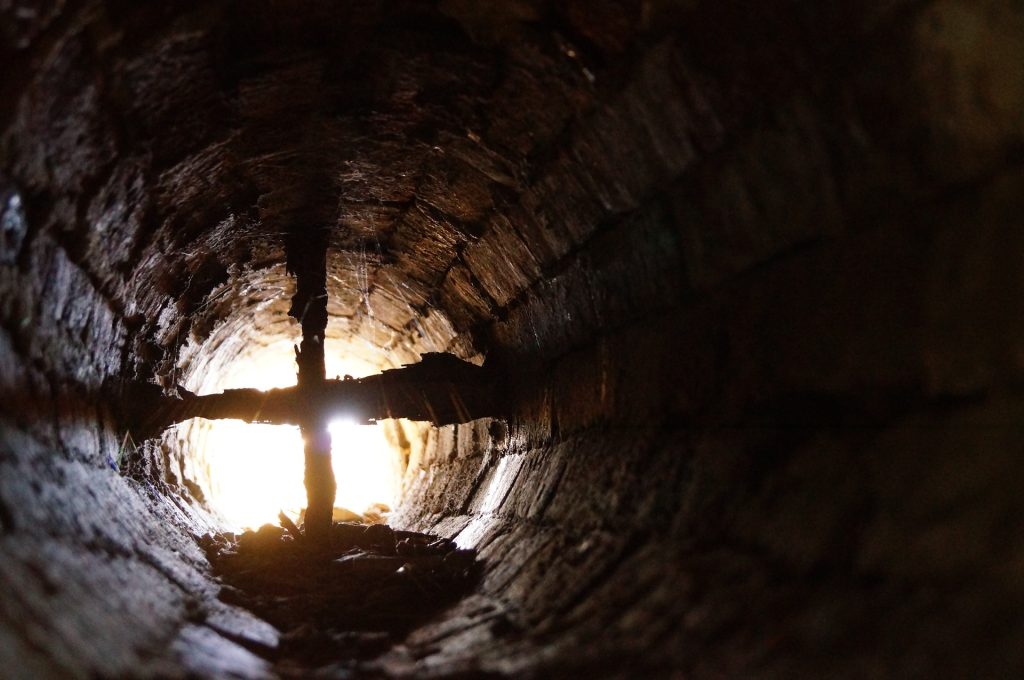
Never allow the quality of your indoor air to be compromised. After all, you probably spend most of your time indoors—it is noted that Americans spend up to 90% of their time behind closed doors. Contaminated indoor air will put you at risk of developing allergic reactions and other respiratory problems. Nevertheless, air duct cleaning is among one of the few ways you can maintain clean and odor-free indoor air. Did you know that even right now, as you read this, dust, mold, and rodent waste is accumulating in your air ducts? All these contaminants eventually get blown into your living space. When this happens, it’s only a matter of time before your loved ones start coughing, sneezing, and experiencing breathing difficulties. Air duct cleaning in Glendale, AZ— Is it necessary? Yes, allow us to explain. Some people insist that air duct cleaning is unnecessary, and there is no significant difference in air quality between households that clean their air ducts regularly and those that don’t. There is indeed no general law that states that all households should regularly clean their air ducts. However, things are a bit different in Glendale, Arizona. You have to consider the fact that the cities in Arizona regularly experience dust storms. In one way or another, dust finds its way into our households and HVAC systems. When that happens, we get caught up in a “cycle of dust.” So, yes. Air duct cleaning in Glendale, AZ, is absolutely necessary. The cost of air duct cleaning in Glendale, AZ The national cost for air duct cleaning is around $500 per unit. Of course, the cost varies with the system’s complexity, size of the house, degree of contamination, plus the number of people needed for the task. For larger homes, the cost can easily hit the $700-dollar mark. It’s also worth noting that commercial air duct cleaning services will cost more than residential cleaning. Below are some of the pricing structures that contractors use for air duct cleaning: Rodent extermination and mold removal are additional costs that might be added to the standard $400 fee. Rodent extermination might cost anywhere from $150 to $500. On the other hand, expect to pay any amount from $600 to $2000 for mold removal. The “Air duct cleaning package” covers for thorough cleaning of your entire air duct network. Some contractors might even offer to assess your air duct network and report if any repairs must be done. How does the air duct cleaning service work in Glendale? This section is for you if you’ve never had your air duct network cleaned. In case you didn’t know, there is a standardized air duct cleaning routine that has been approved by the National Air Duct Cleaners Association (NADCA). They also specified the tools and chemicals to be used in the air duct cleaning process. Before we continue, we’d also like to advise you to only seek air duct cleaning services from HVAC contractors that have been certified by the NADCA. The air duct cleaning process The air duct cleaning professionals will start by first assessing your system. After all, HVAC systems differ in complexity depending on the system itself and the house’s size. The majority of air duct cleaners do more than just surveying your air duct system for dirt. They also check for holes, cracks, and leaks in the duct network. It’s more of a duct maintenance routine than a cleaning service. After the assessment, they usually report on the condition of your duct system. If the system is dirty but in good condition, they connect the system to their automated vacuum cleaners. After automatically sucking all the dirt and dust with their vacuum cleaners, they get down to work and start manually brushing and scrubbing the air duct walls to remove all the sticky and tough residue. Thereafter, some spray chemicals to kill harmful microorganisms and stop mold from spreading throughout the system and house. However, be careful with this one. Insist that the contractors brief you on the chemicals’ side effects before they spray them into your system. Note: Until now, we’ve talked about air duct cleaning like it’s a separate maintenance routine. No, it’s not practical to clean your air ducts alone. You have to clean the entire HVAC system to prevent re-contamination. Otherwise, all the dust and mold spores will be blown back into the other unclean components’ air ducts. When that happens, all your cleaning efforts will have been in vain. How to prevent air duct contamination Air duct cleaning is definitely not something you’d want to do every day. It’s a long, tiresome, and costly process. Plus, as they say, “prevention is better than cure.” Below are some of the ways you can maintain your air ducts and keep them clean.
Breaking Down the Cost of a New AC Unit in Arizona
Living in Arizona means scorching summers, where temperatures can reach 100°F (38°C) or more. If your air conditioning unit is struggling to keep up—or worse, has completely broken down—you’re probably wondering: How much is the cost of a new AC unit in Arizona? Purchasing a new air conditioner is a big investment, and the price can vary significantly depending on the type of system, size of your home, efficiency rating, and installation complexity. This guide will break down everything you need to know about AC unit costs, factors that affect pricing, and ways to save money while keeping your home cool and comfortable. Factors That Affect the Cost of a New AC Unit in Arizona The price of a new AC system depends on several key factors: 1. Type of AC Unit Homeowners in the Phoenix area have several air conditioning options, each with different price points: 2. AC Unit Size & Capacity Air conditioners are measured in tons, which refers to their cooling capacity. Choosing the right size is essential—too small, and it won’t cool efficiently; too big, and it will short-cycle, reducing lifespan and efficiency. 3. SEER Rating & Energy Efficiency The Seasonal Energy Efficiency Ratio (SEER) determines how efficiently an AC unit cools your home. Higher SEER ratings (14-20+) mean lower energy costs but a higher upfront price. In Arizona, where ACs run frequently, investing in a high-SEER unit can result in significant long-term energy savings. 4. Installation Complexity & Labor Costs The total cost isn’t just about the unit—it also includes installation, ductwork modifications, electrical upgrades, and permits. The complexity of your home’s layout and the need for additional work can increase overall expenses. Hiring professionals for AC installation ensures the project is completed correctly, preventing issues that could lead to inefficiency or future repairs. 5. Additional Features & Upgrades Modern AC systems come with smart thermostats, zoning controls, and air purifiers that enhance comfort and efficiency but add to the total cost. These add-ons can improve performance and indoor air quality, making your investment more valuable. Average Cost of Different AC Units in Arizona Here’s a general price breakdown for different types of AC systems, including unit and installation costs: Keep in mind that labor costs, ductwork modifications, and additional features can add to these prices. Additional Costs to Consider Beyond the AC unit itself, here are some additional expenses that can impact the total cost: Does Homeowners Insurance Cover HVAC Replacement? Many homeowners ask: Does homeowners insurance cover HVAC replacement? The answer depends on the cause of the damage. Insurance May Cover HVAC If: Insurance Does NOT Cover HVAC If: Pro Tip: Review your homeowners’ insurance policy to see what’s covered. If HVAC coverage is limited, consider an HVAC protection plan for additional peace of mind. How to Save Money on a New AC Unit in Arizona A new AC system is a big investment, but there are ways to reduce costs: Choosing the Right AC Unit for Your Home Selecting the best AC system isn’t just about price—it’s about finding the right fit for your home’s needs. If you’re unsure whether to repair or replace your AC, consulting an expert can help you make the most cost-effective decision. Get Expert Help with Your AC Installation The cost of a new AC unit in Arizona depends on multiple factors, including unit type, size, efficiency, and installation. Whether you need a budget-friendly option or a high-efficiency system, understanding these factors helps you make the best investment for your home. American Home Water & Air offers expert AC installation, financing options, and energy-efficient solutions to keep your home cool and comfortable. Need a new AC unit? Contact us today for a free consultation!
Benefits of Air Duct Cleaning in Chandler, AZ
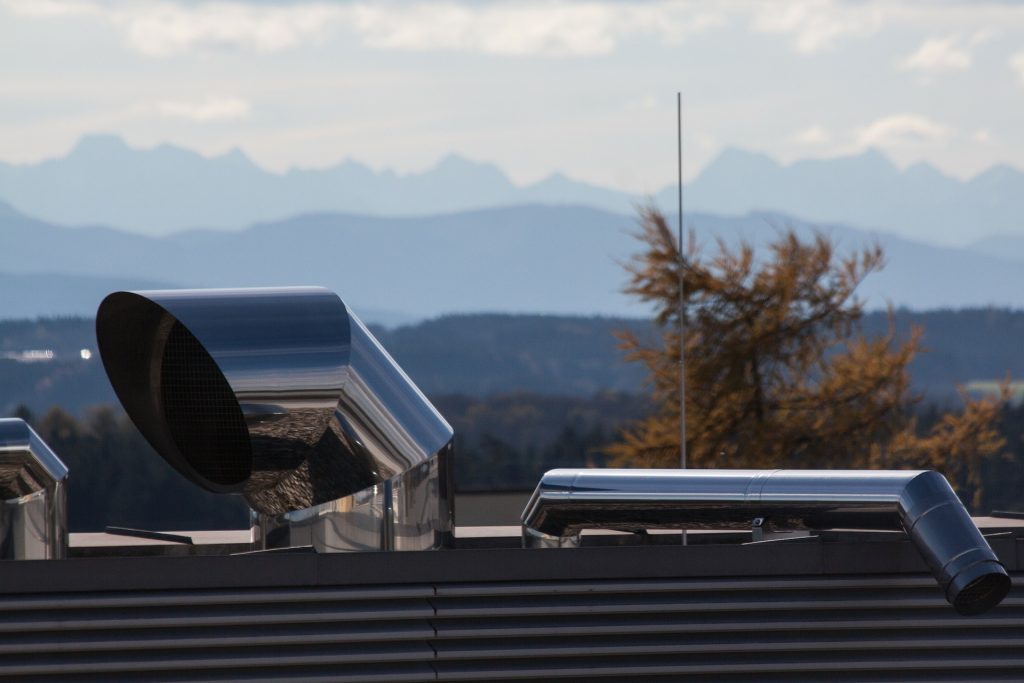
Most people aren’t sure whether or not they should have their air ducts cleaned. Sure, they know they should regularly replace their filters and make sure that the air vents are clean and dust-free. However, very few ever incorporate their air ducts into their regular cleaning regimes. We’re going to discuss everything about air duct cleaning in Chandler, AZ, and why you should consider getting your air ducts cleaned. What is air duct cleaning? Air pollution has been a growing concern for quite some time now. Indeed, we’re all aware of the negative side-effects that our industries and motor vehicles have on the environment. However, very few have ever considered the quality of their indoor air. Did you know that your indoor air can be up to 5 times dirtier than the outdoor air? Not to mention that most Americans spend up to 90% of their time indoors. HVAC systems used to serve heating and cooling purposes strictly. However, of late, we’ve seen manufacturers creating HVAC systems that also improve the quality of indoor air. Nevertheless, installing whole house HVAC systems means you’ll also have to install air ducts responsible for channeling hot and cold air throughout your house. With the installation of air ducts comes the danger of dust and dirt buildup. It’s the reason why HVAC contractors offer air duct cleaning services. Air duct cleaning usually involves the dusting and cleaning of an HVAC system’s supply and passage components. These include: The air ducts themselves. The vents. The fan. The filters. The registers. Even though these components are destined to accumulate dust over time, a lot of it has to do with the entire system’s installation and maintenance. For example, during installation, the HVAC contractors need to ensure that the vents are free and as far away as possible from any source of moisture. Moisture and dirt are the two main ingredients responsible for the formation of mold. In case you didn’t know, inhaling mold spores will cause respiratory problems like difficulties in breathing and allergic reactions. We insist that as you clean your air ducts, it’s best if you cleaned the entire system. Why do we insist on cleaning the entire unit? Because the failure to clean one component will lead to re-contamination of the entire system. It will all be in vain. We’d advise you to clean your air ducts at least once a year. It might not sound like much, but it will do you a tonne of good, not only for your health but also for the good of your system. Is it possible to clean the air ducts myself? Yes, it’s possible to do the cleaning on your own without calling in an HVAC professional. However, we strongly advise against it. Why? Because you won’t be able to reach all components. Cleaning an entire HVAC system is a lot of work. You likely lack the tools and expertise required to open and access all components. Also, during cleaning, HVAC professionals use specific chemical biocides to kill all the bacteria and fungi buildup. Please note that if you happen to fail to clean your air ducts properly, you might stir a cloud of dust that will further contaminate your indoor air and worsen things for your HVAC system. Or, in the worst-case scenario, you might end up damaging your air ducts and decreasing your system’s efficiency. All of this will take a lot of time. Therefore, such an operation is better left in the hands of professionals. Air duct cleaning in Chandler, AZ—Is it worth it? Yes, absolutely. However, many people are still on the fence, wondering whether they should have their air ducts cleaned. Sure, they might have some ideas concerning the dust, dirt, and mold buildup. However, no guideline generally states that all vents should be cleaned regularly. We say that your external conditions determine the decision to clean your air ducts regularly. For example, if your area is prone to strong winds and dust, then you should consider getting your air ducts and the entire HVAC system regularly cleaned. Chandler is among those cities in Arizona that experience Dust storms and Dust devils. Therefore, regular air duct cleaning is something you might want to consider. You should also consider getting your air ducts regularly cleaned if there is a household member who is particularly sensitive to contaminated air. The 4 main benefits of air duct cleaning in Chandler, AZ 1. Improved quality of indoor air If your air ducts were contaminated by mold and dirt, a thorough clean up would remove all that leading to cleaner indoor air. Thus, there will be fewer cases of allergic reactions and unpleasant odors. 2. Removal of rodents One of the main reasons we advise you to not only clean the air ducts but also the entire system at least once a year. Rodent infestation is a nightmare. Not only is it embarrassing to have rodents running loudly in your air ducts, but their droppings will further compromise the quality of your indoor air. 3. Improves your system’s efficiency and airflow Regular air duct cleaning ensures that your air ducts are free from clogs and blockages. Airflow restriction forces the heart of your system to work harder than usual. This will, in turn, compromise the efficiency of your system, leading to a reduced lifespan. Dust-covered air ducts are a huge concern for furnaces. This is because the dirt will absorb most of the heat, and very little will make it to the destination (room). All of this will lead to a significant increase in electric bills. Here is a bonus—7 HVAC Airflow Problems and How To Solve Them. 4. Leads to a cleaner environment At first, you might not notice it, but the dust in your air ducts will slowly find its way into your living space and onto your furniture and electronics. From there, it’s only a matter of time before your loved ones start suffering from allergic reactions. Regular air duct cleaning
AC Fan Not Working? Here’s The Likely Culprit
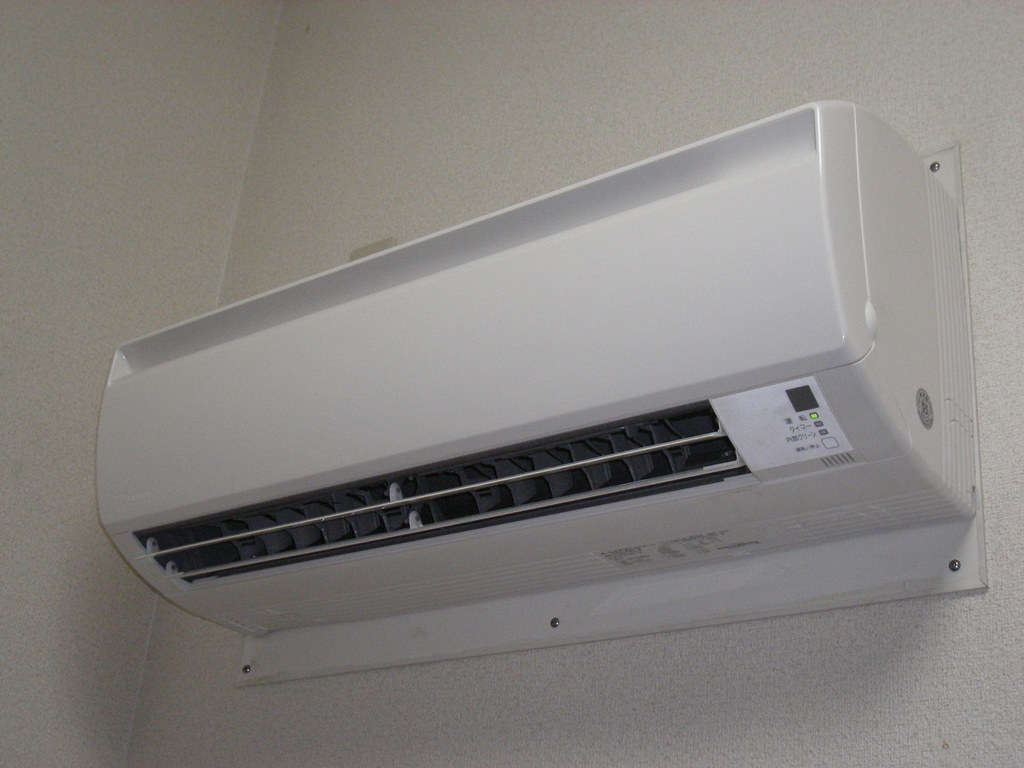
There is nothing worse than when your air conditioner unit stops working, especially during the hottest months of the summer. This can turn into a more significant issue when you live in a place where the weather is hot and humid throughout the whole year. The first step, in this case, should be checking what’s wrong with your unit. There are several reasons why this might be happening, but a common one is that your AC fan is not working anymore. The good news is that you don’t need a professional to check out if your AC fan is not spinning. You only need to walk out of your house, and if you see that your AC unit fan is not spinning, you found the problem. This issue can originate from a capacitor malfunction, bad installation, a compressor breakdown, or a damaged condenser. But, before taking an in-depth look into each of these possibilities. You need to understand what each part of your AC unit does. AC fan not working: Understanding your AC unit There are different AC units you can purchase for your home, the most common ones have two fans. The one placed in your house’s exterior removes the heat from the air while the other located on the inside helps cold air flow through your home. This means that if your air conditioner outside the unit fan is not working, the air inside your house won’t be cool anymore. For the fan to move, it needs two other items, the motor and the capacitor. The first engine is responsible for the motion while the start capacitor takes care of giving the motor a push of energy, which consequently moves the fan. An easier way to understand the capacitor is by thinking of it as a battery. Now when your AC fan is not spinning outside, maybe your capacitor is not charging correctly. High temperatures and high voltages can be the reasons why your capacitor is not working anymore. First, verify your warranty expiration date because if you are still covered, the company will repair it. Otherwise, it will be better to call a professional who can fix it. Find the top experts on HVAC systems to solve your problem, and the best part is most of them can also take care of the maintenance of other primary devices in your house, such as water softeners. Why is my central air unit fan not spinning? As mentioned before, there could be various reasons why your central AC fan is not spinning. You don’t need to worry because, in this section, we will explain each possible cause and how you can solve it. Improper installation When your AC unit is not installed correctly, then your fan will not work. The reason why you must ensure the company you hire knows how to install your AC unit properly is because this can affect the wiring. This means your unit’s parts won’t be getting the power they need to do their job, which can be why your AC fan unit is not spinning outside. You can check the circuit and make sure it is working. If you feel lost in the process, the best solution is to call the company and ask for an expert to come and fix the problem. Yes, if you don’t have a warranty, it might cost you, but if you try to repair it yourself, you can end up damaging your AC unit. For you to avoid all these problems, trust only American Home Water and Air for AC Installation In Phoenix, Arizona. Capacitor malfunction As we mentioned above, the capacitor is the element inside your AC unit, which will give a push start to your motor, producing the fan’s motion. If your capacitor is damaged, then your central air fan unit is not spinning. At first, you might notice your fan is spinning slower and then it will stop. That will let you know your capacitor is not functioning as it should. Take into account high temperatures can affect your capacitor. Then, the solution can just be as simple as turning off the condenser and letting it cool off for a while. If you turn it on again and the AC fan is still not working, you can try some other things. You can read this guide to learn more about AC capacitors. Try this before calling an expert If your air conditioner outside the unit fan is not working due to the capacitor, you can try these solutions before calling for help. Disclaimer: We advise not to handle the capacitor yourself unless you are familiar with high voltage devices. Your fan could also have some debris trapped on its axle. If you believe this is the problem, you can remove it carefully. Also, check the filter is clean. As always, keep yourself safe and do it carefully not to harm any elements inside your AC fan. If you try the options above and your AC unit fan is not spinning, it is time to call for an expert in AC Repair In Phoenix, AZ. In case these solutions work, you need to know it won’t last. You should contact a company or a professional to come and inspect your AC fan. They will know how to leave your HVAC device as good as new. Compressor breakdown Sometimes when your AC fan is not working, you might still hear a humming sound outside your house showing your compressor contactor is functioning. However, if you walk out of your home and see the fan is not moving, plus there is no sound, the problem is your compressor. Verify whether the breaker unit tripped. If that is the issue, try turning off the thermostat and resetting the breaker. After, turn the thermostat back on. That should do the trick. But if unfortunately, your air conditioner outside unit fan is not working, you should get in touch with a professional and ask for help. Condenser Unit If
Air Duct Cleaning Pros and Cons
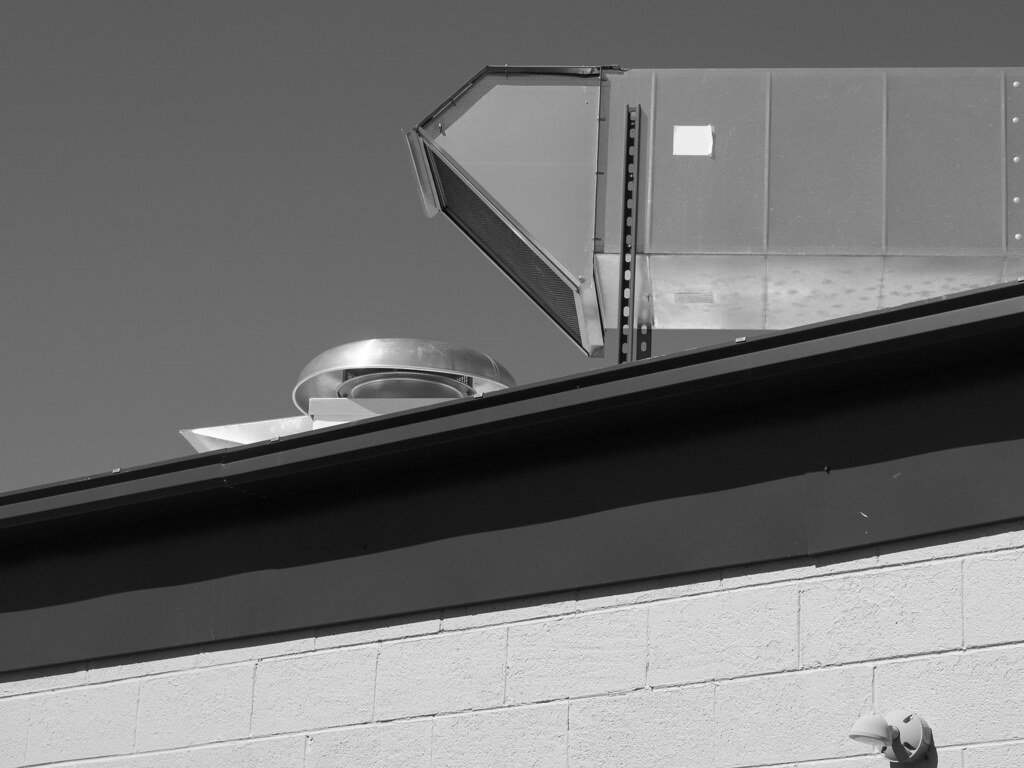
Today, most North American homes have an HVAC system that needs to be working for the whole year. To ensure it never breaks down, you need to schedule regular maintenance of your system, and that should include your air ducts. Some people think that checking the ducts’ condition is unnecessary, while others believe it is important. Here we will solve that discussion by listing the air duct cleaning pros and cons. Experts recommend cleaning your air ducts at least once every three years or when there are clear signs that it is time to take a look at your furnace. For instance, if you see mold growing in your ducts, if there is a presence of rodents or insects and an abnormal amount of dust accumulating on all the surfaces of your house. An air duct inspection can bring you endless benefits, such as not having to clean your house frequently to avoid dirt buildups. But you need to learn how to differentiate the real benefits from the fake ones. In this regard, some companies will tell you that cleaning your air ducts will improve your health, which is not scientifically proved. Cleaning your air ducts can indeed increase the air quality in your house but not your health condition. However, if you suffer from respiratory problems such as asthma or struggle with allergies, maintaining your air ducts is crucial. Due to all the misinformation that you can find out there, we have created a list of all the pros and cons you should consider before hiring a professional to clean your ducts. Air Duct Cleaning Pros and Cons Although below, you will find a list of furnace duct cleaning pros and cons, where we will touch on some aspects of the air duct cleaning process. If you have any questions about how duct cleaning works or want to get a quote for the service, here, you will find all the information. Furnace Cleaning Pros Increase efficiency and lifespan of your HVAC If you let your air ducts accumulate dust and debris, creating a great amount of buildup, your HVAC system will have to overwork. This happens because the air will not flow smoothly through your house, and consequently, the system will not be able to achieve the temperature you ask for. Your heating and cooling system will have to work more to push the air through the dirt and into your home. Also, because your HVAC system is working more than it should, your energy and maintenance bills could increase. Once you clean your air ducts, your HVAC will last longer, and you will save money that otherwise you will have to expend on costly repairs. Eliminating the risk of dangerous diseases Even though above, we said that your air ducts’ condition could not impact your health, that is not always the case. When there is a presence of rodents or insects, these critters will hide in your HVAC system, infesting your home, which could be dangerous for you and your family’s health. If these rodents start urinating over the dust accumulated on your air ducts, the air circulating around your house will carry those particles. In the unfortunate case that you breathe in those particles, you could catch Hantavirus or Leptospirosis. These rodents can also urinate on the surfaces of your home, spreading bacteria to every inch of your house. With a regular air duct inspection, you can avoid all this danger. If you are dealing with this problem, call professionals right away and apart from cleaning your air ducts, they will eradicate the infestation. A hygiene environment without allergens Respiratory illnesses are a severe health condition that many people have to deal with. When there are several microorganisms in your air ducts like bacteria, allergens, harmful contaminants or mould spores. these particles will only worsen particular illnesses. Cleaning your air ducts will stop those allergic reactions and help you or a family member get respiratory conditions such as asthma under control. Plus, if you have little kids, you won’t have to worry about them catching bacteria when playing and crawling on the floor. You will have a sanitized environment safe for your whole family. Get rid of unpleasant odours During the day, different smells can circulate in your house. It can be a special meal you cooked, cleaning products, paint fumes or even tobacco. The possibilities are endless. In an ideal world, these smells shouldn’t have to stay inside your house, sticking to your bedding or furniture. It is possible that after spending a long time in your home, you become “nose blind” to these odors. But if you invite friends or family over, they will notice all the smells in your house. To avoid these embarrassing situations, get a regular inspection of your air ducts, which will ensure only pleasant scents get to every corner of your home. Don’t spend money every year Did you know that if you get your air ducts properly clean just once, you’ll only have to repeat this process in three years? This benefit is part of the ones that are actually true. When you decide that it is time to clean your air ducts, you want to make sure you hire the right person for the task. Because when a trained expert performs this task, you won’t have to get it done every year. You can wait up to five years to get another maintenance of your air ducts. Furnace Cleaning Cons A visual inspection is not possible When it comes to your HVAC system, there are several tasks you can do alone such as basic maintenance and changing filters, but that is not possible with your air ducts. If you are having trouble with your air ducts, there is no way you will see it because most of the time, the issue is not visible. You will expend some money to hire a contractor every time to come and check out what’s wrong. Technicians will have all the
Trane Furnace Troubleshooting Guide: How to Diagnose & Fix Common Issues

Trane furnaces are renowned for their durability and exceptional performance, keeping your home warm and comfortable throughout the coldest months. But like any mechanical system, they can develop issues over time. Understanding how to troubleshoot common furnace problems can save you time and money, especially when the outside temperature is freezing. In this guide, we’ll walk you through the most common Trane furnace problems, how to identify them, provide helpful troubleshooting tips, and show you when to call a pro—so you can enjoy peace of mind all winter long. Understanding Your Trane Furnace: Key Components Before diving into troubleshooting, it’s important to familiarize yourself with the main components of your Trane furnace. Knowing how these parts work together can help you identify where things might go wrong: By understanding how these parts function, you’ll be better equipped to pinpoint potential issues and perform basic troubleshooting. However, if you’re unsure about resolving the issues, professionals specializing in heating repair or heating installation can provide the expertise you need. Common Trane Furnace Issues and How to Diagnose and Fix Them Furnace Not Turning On A furnace that refuses to turn on is one of the most frustrating issues. Here are the most common causes: Furnace Not Producing Heat If your furnace runs but doesn’t produce heat, there could be several causes: Furnace Displaying Error Codes Trane furnaces, such as the XR80 and XR90 models, use flashing lights to indicate specific errors. These codes help homeowners and technicians diagnose issues quickly: Each of these error codes corresponds to a specific problem that can often be diagnosed with a little research. If the issue persists, it’s best to call an HVAC company to ensure your furnace runs safely. Strange Noises from the Furnace Unusual sounds coming from your furnace may indicate that there’s an underlying issue: When to Call a Professional for Trane Furnace Troubleshooting While many Trane furnace issues can be solved with basic troubleshooting, some problems require the expertise of a professional HVAC technician. You should call for professional help if: Even if the issue seems minor, it’s always safer to consult an HVAC professional, especially when dealing with gas components or electrical systems. In some cases, repairing or replacing a heating system might be the best solution. Understanding the average cost to replace heating and air conditioning can help you make a more informed decision on whether a replacement or repair is right for your situation. Preventive Maintenance to Avoid Future Issues To minimize the risk of future problems, regular furnace maintenance is key. Here are some maintenance tips to keep your Trane furnace running efficiently: Investing in a regular furnace maintenance plan can help extend the lifespan of your furnace and prevent costly repairs. If you are thinking about replacing your current furnace, it’s worth looking into the best furnace and AC systems as well as the cost of having a new furnace installed. Conclusion: Keeping Your Trane Furnace in Top Condition Your Trane furnace is built to last, but that doesn’t mean it’s maintenance-free. By staying on top of routine care and knowing how to troubleshoot common issues, you can keep your system running efficiently and avoid unexpected breakdowns.Whether you’re dealing with minor issues or want the peace of mind that everything is working as it should, keeping your Trane furnace in top shape is always worthwhile. And if you’re unsure about a heating repair or replacement, don’t hesitate to contact our team at AHWA for support.
What Causes High Suction Pressure? Everything You Need To Know
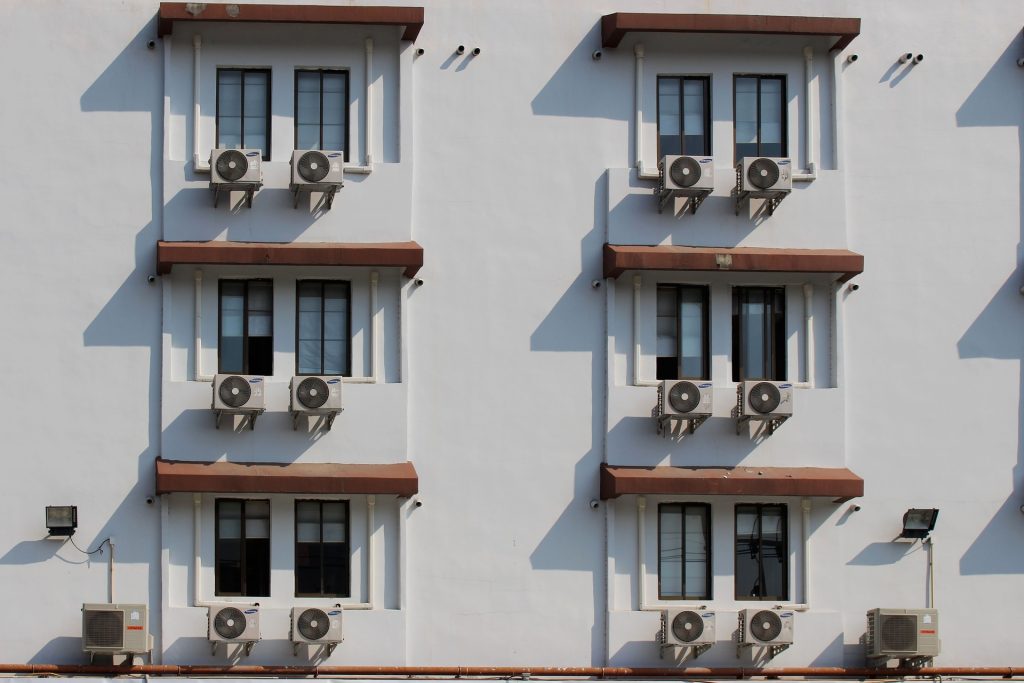
One issue that is commonly faced by HVAC systems is high suction pressure. But what causes high suction pressure? You need to have a good understanding of your refrigeration cycle to see what is happening in each process. If you do not have an understanding then you will spend more time guessing what the problem is instead of solving the problem. The refrigeration cycle should be examined. A basic understanding of your refrigeration system is learning about the two operating systems. The two systems are suction pressure and discharging pressure. There are both high and low settings for each pressure line. For a high-pressure suction to occur you could have an insufficient compressor. Meaning your refrigeration has a leaking discharge valve. This indicates that your compressor cannot provide the needed refrigerant to the evaporator to handle the cooling load. Without a needed refrigerant, it produces a higher temperature and pressure at the outlet of the evaporator, which causes a high suction pressure. Suction and Discharging Pressure Problems Explained High suction pressure is a problem that can be quickly determined and fixed. One way to determine if the problem is fixable is by examining your compressor. If your compressor piping and amperage appear fine, then you need to perform another analysis. You can perform an analysis by checking the outlet of the evaporator, which is leaving the refrigerant at a high temperature. Your remote bulb should react and move the electric expansion valve, or EXC, to the opening direction to allow more refrigerant to flow in the evaporator to handle the cooling load. If your temperature and pressure outlet of the evaporator or suction pressure keeps going up it means you are having a problem with your EXV. Some reasons you are having high suction pressure include: What Causes Your Suction Pressure to Rise? When your compressor has both a low head pressure and a high suction pressure your refrigeration equipment is still running, but the temperature is dangerously low. Your compressor is still cooling, but not cooling to its rated capacity. Your medium temperature products will spoil quicker. The main reasons your compressor will have simultaneously low head pressure and high suction pressure is due to: Your compressor valves may become inefficient due to poor sealing from dirt and debris deposits. You may have experienced the slugging of refrigerant oil, moisture, and heat build-up or flooding problems. There may have been compressor overheating because of undercharging your refrigerant or superheating your refrigerant. All are perfectly explainable reasons for having compressor problems. Compressor overheating is a serious and most frequent problem for refrigerants. That’s why it’s important to adjust the pressure reducing valves to prevent overheating the compressors. Symptoms of a Leaky Valve You should carefully monitor and examine whether or not you have If you notice higher than normal discharge temperatures, this indicates your discharge valve is not sealing properly and has been damaged. This directly causes low head pressure. This causes the heating of the discharge gases to be repeated over and over again. This causes higher than normal discharge temperatures. You may also be experiencing low head pressure from your valve. This is because some of the discharge gases are being short cycled from the compressor cylinder. This creates a low refrigerant flow to the condenser. This produces a reduced heat load on the condenser that lowers the head pressures and temperatures. If you are experiencing a higher subcooling, this is because there is a reduced refrigerant flow through the condenser. Meaning, your entire system is flowing at a reduced rate through the condenser. Most of your refrigerant is in your condenser and receiver. You may also have high suction pressure. This process occurs because the upstroke suction along the compressor’s cylinder sneaks back into the suction line. After all, the suction valve is not seating properly. The results are higher suction pressure because the refrigerant vapor during the downstroke is properly functioning, but the upstroke is incorrectly functioning. You may also have a higher suction pressure due to a leaky discharge valve. This allows the discharge gas to sneak up into the compressor’s cylinder during the downstroke. Your suction pressure increases because the suction valve is being open during the part of the downstroke of the compressor. This creates the cycle of high suction pressure, which damages your refrigerant. What is a Worn Compressor Ring? Worn compressor rings occur when the discharge gases leak through the compressor’s piston rings. This produces a lower head pressure during the compression stroke in the system. The suction pressure is elevated because the discharge gases have leaked through the rings. The result is higher than normal suction pressure. The results of having worn compressor rings create lower head pressure with high suction pressure. The results of having worn rings within your compressor appear similar to having leaky valves. Leaky Oil Separator Explained Your oil separator controls your high and low sides of your refrigeration system. This allows the oil to travel from the oil separator to the compressor’s crankcase. Your oil separator is on the high side of the system, while the compressor crankcase is on the low side. High pressure occurs when the needle valve gets partially stuck open and goes directly into the compressor’s crankcase. This causes both high low-side pressures and low high-side pressures. You should closely monitor whether or not the oil return line is above or below the ambient surrounding temperature. If the line is hot then the discharge gas is most likely sneaking to the partially open needle valve in the oil separator. Problems with Your Electric Expansion Valve Electric expansion valves allow for help to maintain and allow efficient control of the chiller during low load or head pressure conditions. The EXV can control the flow of refrigerant that enters the direct expansion evaporator. They do this in response to signals sent to them by an electronic controller. A small motor is used to open and close the valve port. If your suction pressure
Why is Your Air Conditioning Unit On the Roof in Arizona?
It’s not uncommon to see an air conditioning unit on the roof in Arizona because these systems require optimal circulation and ventilation in such a hot climate. In Arizona, there are two unique styles of air conditioning systems that are commonly found in residential areas. If you are upgrading to either a more advanced cooling system or changing the location of your air conditioner it is important to understand why your unit should be placed on your roof if it’s at all possible. In Arizona, the heat can be hard to manage, and making sure your cooling system is working properly is essential. When you have an air conditioning unit for your home, your cooling system is centralized. This system is installed on the top of your home and then routed through ductwork throughout your home. This successful system keeps your home cool throughout the warm weather. Why is Rooftop Air Conditioning the Best? Your home benefits the most from rooftop air conditioning because the air circulates throughout your home quickly and easily. Because of the routing of the cool air, your cooler air will rise to the warmer air. A rooftop system does not have to work hard to make your home cool. The main pros of owning a rooftop system include: The rooftop air conditioning system transfers your warmer air from your higher levels within your home into colder air. Because of the use of a rooftop system your warm air does not need to be removed as diligently because the cool air is naturally moving. A rooftop air conditioner is also economically efficient for your home. You are conserving more energy while saving money on your home cooling system. This system provides an exceptionally energy-efficient process. Other Pros to Owning a Rooftop AC Unit Along with the money and functionally efficient nature of this system you are also able to properly maintain this machine. This means that when a problem occurs with your cooling system you can easily repair, perform maintenance and service checks. This is extremely valuable to a busy adult that works well with your schedule. Non-rooftop systems generally are not in one location, meaning the repairs are inside or outside the home, which increases your challenges of finding the problem, managing repairs, and performing maintenance checks. Because a rooftop system is in one place all of these complications are erased. Along with being able to afford and maintain a functioning rooftop system, you can also find smaller and more compact air conditioning systems. This allows your machine to perform better and faster when circulating your cooler air and removing the warmer air. This makes your experiences in your home more enjoyable. Overall customers are happy with the smaller and more compact options because they are more attractive on the outside. This improves the value of your home, which is what every homeowner wishes to hear. How to Maintain an Air Conditioning Unit on the Roof You can maintain your home rooftop air conditioning system by following the guidelines. These guidelines show when you should have a routine service and maintenance check-up. Both of these maintain the quality of your system. If you are not conscious of how your machine is doing, then problems will occur more quickly. Problems occur sooner than expected because you will experience premature wear and tear of your cooling system. All cooling systems have a designated expiration date, but your odds of machine errors increase when you are not actively monitoring its usage and performance. Maintenance Suggestions and Check-Ins Professional air conditioner installers recommend specific tools and regulations to improve the lifespan of your machine. One method you should incorporate when using your machine is checking to see how your rooftop air conditioner can “cool” warm air that naturally rises to it. This means that your machine can naturally reduce its stress, but you need to still perform routine service checks. These checks include: All of the listed checks should be actively and regularly done to increase the lifespan of your system. Replacing an air conditioning system in any residential area is expensive. Saving your time, energy and money are helpful. Detailed Maintenance Checks A more detailed explanation of the maintenance checks should be understood. When you inspect the outside condition of your cooling system, this means removing excessive dirt from the elements. Your rooftop air conditioner is constantly exposed to warm and harsh weather patterns, so you need to inspect your system minimally twice a year. Dirt develops on the outer panels, which prevents air from properly circulating because your unit cannot breathe effectively. Along with removing dirt and debris you also need to replace indoor filers. Filters provide air circulation throughout your home and when they are clogged with dirt, dust, and other particles your airflow is greatly reduced. This makes your machine have to work harder and increases its chances of needing to be fixed or replaced. Along with cleaning filters you also need to clean your evaporator and condenser coils. Both of these mechanisms remove heat from your air. They often become dirty over extended periods and active use. You need to schedule a maintenance company to properly clean your coils and evaporator. Other basic maintenance functions include regular inspections of your inlet screen. This screen protects the inside of your air conditioner system, and it also collects the most dust, dirt, and other particles within your home. It can also find other substances that clog: Extended Maintenance Checks While checking your various filters, inspecting the outside of your cooling unit, you need to also inspect your fans. Your fans contain your blower motors that work to circulate the air throughout your home. These fans should be both inspected and tightened for the best performance. Cleaning your fans is essential for your machine to last and work properly. The last air conditioning check is analyzing your tightening belts. Your tightening belts are blower belts that wear, loosen, and break over time and extensive use. You
5 Electric Furnace Troubleshooting Tips
Technical difficulties are a pain, especially when they affect your electrical furnace during the cold of the winter. Many people are usually stranded and have no idea how to deal with the situation. Before they know it, they start panicking because their electric furnace won’t turn on. In such difficult times, you need to be able to conduct several electric furnace troubleshooting procedures. Don’t worry. We will carefully take you through these procedures and hopefully, revive your electric furnace. For your electric furnace to turn off, there has to be a problem within the unit. The problem can either be a major one or a minor hiccup that can be solved within minutes. Troubleshooting is all about checking your electrical furnace for any problems and running some simulations to ensure that your electric furnace is operating well. Therefore, we’ll start with the simple stuff as we progress to the complex processes in electric furnace troubleshooting. We came up with a list of the five most common problems facing electric furnaces. Hopefully, your problem isn’t that serious and can be easily solved without calling in an HVAC professional. However, don’t be afraid to call us when things get tough. The best HVAC specialists in Phoenix are here to help. Reach out today. 5 Electric furnace troubleshooting tips 1. If your electric furnace won’t turn on Having a furnace that won’t turn on is probably the scariest situation you can find yourself in. It’s true that sometimes the problem might be huge and can’t be solved without the help of a professional. However, you’ll be surprised by the number of times we’ve been called over by panic-stricken clients only to find the problem to be a tripped circuit breaker or a blown fuse. Below are steps to follow to rule out the possibility of a blown fuse or tripped circuit breaker. Check the electric furnace switch Go and confirm that the electric furnace switch is turned on. Who knows? Maybe somebody decided to prank you (especially those kids), or maybe you forgot to switch it on. Yes, sometimes the solution is as simple as flicking a switch. Check the circuit breaker Go to the circuit breaker and make sure all switches are all turned on. Do this, especially if you’ve recently experienced a power surge or outage. However, you might find yourself in a situation where your electric furnace continually trips your circuit breaker. If that is the case, immediately switch off your electric furnace- There are underlying issues that need to be fixed. Check for blown fuses Fuses are circuit components that protect your furnace from electrical damage. In case of an overcharge, the fuse will sacrifice itself and blow up instead of your unit. Try and locate where the fuse is and check if it’s blown. Most of the time, the fuse is located in separate circuit boxes. Do research or check your manual to find where it’s fixed. The location varies with different brands and models. If you’re not sure how to tell if the fuse is blown, replace it and turn on your electric furnace. If it turns on, then the fuse was the culprit. If it doesn’t, then it’s high time you called in an electric furnace specialist. Also, You can check our article on “What To Do When Your AC Blows A Fuse” for more information about blown fuse issues 2. If your furnace is not heating up effectively Your electric furnace is not heating up. Your electric furnace seems to be running well. However, you’ve noticed that it’s no longer heating your house as effectively as it normally does- The heat is barely enough to keep you warm. Follow the steps below to diagnose your electric furnace. Adjust your thermostat Don’t be quick to blame the entire unit. Start by first checking and confirming if the thermostats are in good working condition. Raise the temperature setting by a few degrees and take note if the heat produced increases or remains the same. If it increases, then your thermostats are fine. If the heat produced remains the same, then there must be a problem somewhere. Clean the filters and air ducts Clogged filters restrict airflow. Maybe that’s the reason why you’re not receiving enough hot air. We do our best to remind you to always check and clean or replace your filters every month. Faulty fan or blower Sorry, but you can’t solve these problems on your own. It’s best if you let us handle these faults. You can only count on trained and experienced HVAC professionals to diagnose and fix faulty fans and blowers. 3. If your electric furnace is noisy Follow these steps after you’ve confirmed that your electrical furnace can turn on and warm your room without any technical difficulties. As your electric furnace is running, keenly listen for any suspicious sounds that weren’t there before. Please note that the majority of electrical furnaces are silent workers that barely produce any sound. At the very least, a noisy furnace might hint that something is loose within the unit. Scraping, thumping, squealing, rumbling, and banging are some of the common electric furnace noises that should warn you that something is wrong with your unit. Read on to understand more about some of the common causes of noisy electric furnaces. Below are some of the things you can do to fix a noisy electric furnace. Check for loose AC parts Examine your unit for any loose components and covers. Just to be sure, take a screwdriver or spanner and tighten the screws or nuts. Belt issues In case you didn’t know, your whole-house electric furnace has a belt that connects the blower to a motor that provides the power necessary for air propulsion. If the belt is loose or worn out, your electric furnace will start producing weird noises. Once again, we’d advise you to let a professional do the dirty work. 4. If the blower is running endlessly You’ve confirmed that; However, you’ve noticed