Furnace Leaking Water? Here Are The Common Culprits
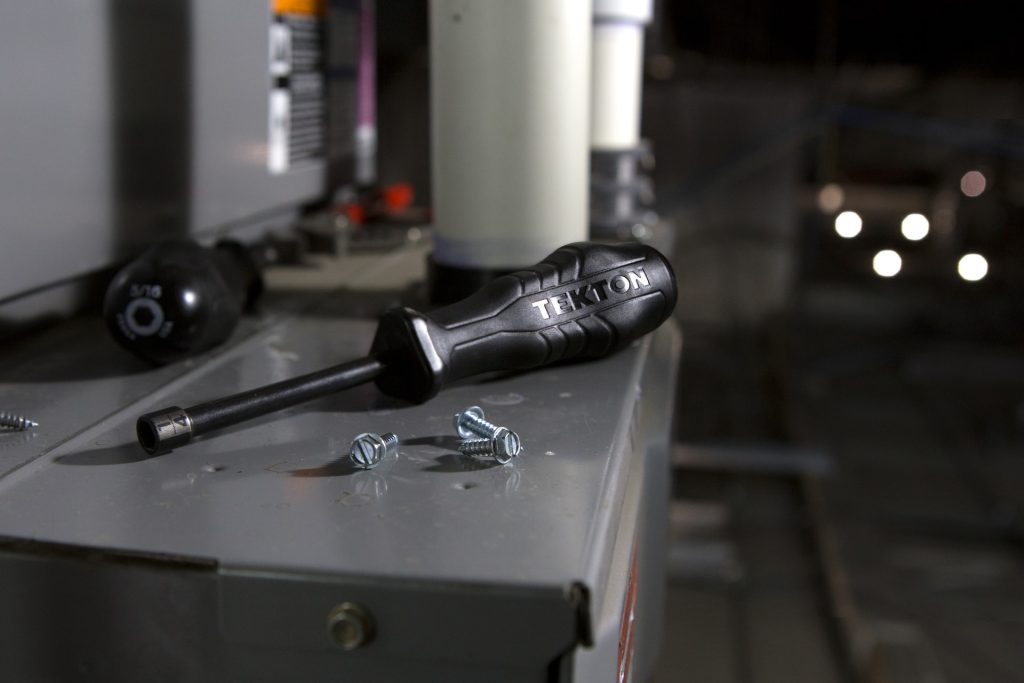
Water Leaking from Furnace Your furnace is most likely the main component of your heating system. We rely on our furnaces to keep us warm and regulate the overall temperature of our homes. We expect our furnace to work seamlessly within our home, as we almost never want to deal with our home not being the perfect temperature. On the same page, leaking water is one of the most common nightmares for homeowners. Leaking or running water can cause huge problems with almost every aspect of your home. When these two situations combine, you’re sure to have a rough time. Luckily for you, we’ve compiled some basic information for you about your furnace leaking water. We’ll walk you through the basic types of furnaces, and why they have different problems. Then, we’ll talk about the most common types of water leaks for furnaces. Once you have a grasp on all that information, we will walk you through what your next steps should be. Furnace Basics For the purposes of this discussion, we’re going to talk about 3 types of furnaces, with 2 important subcategories. We want you to get a better understanding of what the basic types of furnaces are so that you’re more informed about what the potential causes for a water leak could be. Firstly, we’d like to explain the difference between single-stage, two-stage, and modulating furnaces. Single-stage furnaces are very common. They make up the most cost-efficient type of furnace. In practice, you set this type of furnace to a temperature you’d like your home to be at. If the ambient temperature is below the desired temperature, your furnace will switch on and go full-blast until it reaches the temperature. There’s no fine-tuning involved. Two-stage furnaces have the obvious advantage of having two operational settings. They usually have a ‘high’ and a ‘medium’ setting. This allows a little more control, in terms of reaching and maintaining the desired temperature setting. Modulating furnaces are even more specific in the way they operate. Their flame settings modulate based on how close your temperature is to your desired temperature. This means they can run less aggressively, and do a better job of maintaining the temperature you’re looking for. The two sub-types of furnace you should be familiar with are high-efficiency and conventional. Conventional furnaces vent out the exhaust from the heating process out of your home after the heating process has finished. High-efficiency furnaces use a heat exchanger to continue heating the air using that exhaust gas before venting. They are most complex and can have different problems than conventional furnaces, but they are much more efficient. Reasons for a Leak When looking at the reasons for a furnace to be leaking, we have to start by looking at condensate. Condensate is essentially water that is created as a by-product of the heating process that your furnace undergoes to heat the air in your home. High-efficiency furnaces have a couple of areas where a possible issue could arise. The condensate that they create is normally pumped out of your house, through a condensate line. These lines do nothing but pump condensate. If you’re seeing water around your furnace, this is the first place you should look. If the line is broken, clogged or otherwise inoperable, then the condensate has to go somewhere else. This would cause it to leak out. Another potential problem in the same area would be your condensate pump. This device is what pumps the condensate away from your furnace, through the condensate lines. If it’s not working, then the condensate will gather and pool somewhere undesirable. Next, we’ll outline the one possible problem a conventional furnace could be having: the vent. Similar to how a high-efficiency furnace vents the water away, conventional furnaces do the same with gasses. If the vent isn’t the right size, or if it’s blocked somehow, the gasses will spend too long in the vent, where they cool and create condensation. Over time, this condensation will leak out, and potentially create puddles of water. If you have a humidifier on your furnace, you could be having a problem there. Essentially, your humidifier adds water vapour to the heated air to make it less dry. Most humidifiers operate mainly in the winter months. Similar to our earlier potential problems, if your humidifier isn’t moving the water it uses effectively, eventually it’ll build up, spill out, and cause leaks or puddles. What You Should Do Now that you understand the differences between types of furnace and some of the most common issues with them, we can start to make a plan of action on how to address our furnace problems. The first and perhaps most important thing to bear in mind is that furnace problems are unlikely to go away on their own. This is especially true for issues where your furnace is leaking water. Leaking water can cause all kinds of problems by itself, so you want to address the issue as soon as possible. Shut the Furnace Off You want to make sure that your system is off, to help with the diagnosis and cleanup of the issue. Most furnaces have an on/off switch on the main control panel. This is usually located on the front or side of your furnace. It might be that you have to shut off the associated electrical breaker for your furnace. Clean Up! Next, we recommend you clean up the water around your furnace. You do not want to leave standing water in any area of your home, especially the basement. While you’re cleaning up, you should keep your eyes peeled for where the source of the water is. You should be able to find where most of the water is coming from. This is especially helpful to do now, as finding and fixing the source of the leak is the only way to prevent water damage in your home. Check your Filter! While your furnace is off, and after you’ve cleaned up the unwelcome
Maricopa County Air Quality Report
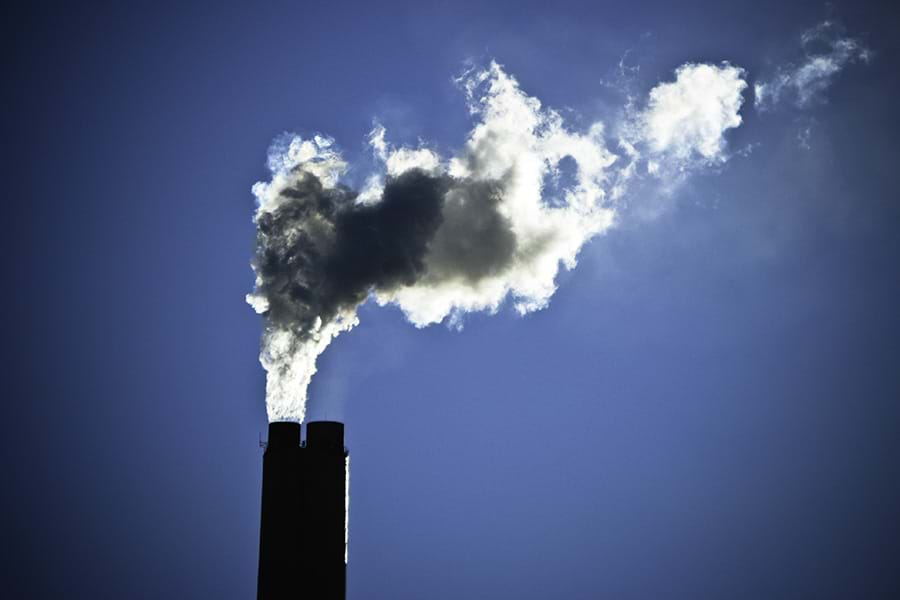
Breathe in. Breathe out. Is there something in the air in Maricopa? Unfortunately, the air in Maricopa County is polluted. For a long time, Phoenix is notorious for poor air. Air pollutants are the source of your poor air quality in Maricopa, AZ. The good news is that in Maricopa, like in other counties, there is an Air Quality Department (AQD), so that you can continue doing what you need and want to do safely. Someone is already monitoring the air quality so that you don’t have to be in the dark. Maricopa County Air Quality Maricopa air quality should not worry you too much. You should not feel scared to leave your house and it’s not going to necessarily make you sick. Nevertheless, there are certain components to the air you breathe that is not good for you. Here’s what you need to know. Maricopa County Air Quality Department (AQD) The Air Quality Department works to ensure that air quality is maintained at a clean and healthy standard. They are responsible for monitoring the air quality status, providing correct and up-to-date information to the public, as well as ensuring the air meets the standards of clean air. The AQD conducts research through its Air Monitoring Division. This division works with the Environmental Protection Agency (EPA) to measure particulate matter, pollutants, ozone, carbon monoxide, sulfur, and nitrogen dioxide. In their latest annual report for air quality, the County has reported that 86% of days in the year had good air, which is the result of continuous monitoring, spreading awareness, and pollution reduction programs. The travel reduction program began in 1989 as an initiative of the state to reduce pollution from vehicles. Also, the County encourages replacing gas-powered lawn mowers with electrical ones as part of the Mowing Down Pollution Program. Other initiatives include the Diesel Emissions Reduction Act (DERA), the Propane Fire Pit Program, and the Fireplace Retrofit Program. These efforts have contributed to lowering air pollution. Air Quality Classification Certain factors are continually monitored, which are criteria that determine clean or unclear air. These criteria are PM10, PM2.5, and ozone. The monitoring division measures the levels of these three criteria and gives a quality report for the cleanness of air according to the Air Quality Index (AQI). The AQI is a standard classification of air quality based on the health risks linked to the level of air pollution. It is used by government agencies around the world to inform the public about air quality in their area. Particulate Matter The particulate matter is not good for residents in Maricopa. This is why the County has been mostly classified mostly in the “moderate” and “unhealthy for certain groups” categories. Particulate matter (PM) are microscopic-sized invisible droplets in the air that are made up of dirt, dust, soot, and smoke. It’s the matter in the air that makes it impure and can cause visibility problems, smog, and hazy air. Two particulate matters are monitored by the AQD: PM10 and PM2.5. PM2.5 are fine particles that are 2.5 micrometers or smaller. It’s much smaller than a single strand of human hair. PM10 is more coarse, as it is 10 micrometers and smaller. These particles are too small to be seen but can be inhaled. Ozone Ozone pollution occurs in the Earth’s atmosphere as well as on the ground. The County struggles with bad ozone. Phoenix is given mostly “moderate” category days in the summer months, with the exception of a few unhealthy days. The ozone is usually a lot better in the winter months. The Arizona Department of Environmental Quality (ADEQ) recently issued a High Pollution Advisory for ozone in the County. It encourages all to limit their pollution-causing activities and use protective measures for the time the Advisory is in effect. Phoenix, AZ Air Quality In all of Maricopa county, the air quality in Phoenix is the worst. It doesn’t present a major risk to most people’s health, but it can have harmful effects on people who are sensitive to pollution or who have existing heart and respiratory conditions. Concerning all three criteria, the levels have been mostly moderate and good in the last year. There are still several days in the orange category, the evidence of Phoenix’s ongoing struggle with air pollution. For detailed information and data on Phoenix’s air quality, check out the ADEQ site, which shows the daily forecast of air pollution and breaks down the meteorological factors. Also, for further help understanding AQI daily forecasting, see these tips to familiarize yourself with the relevant terms and what to look out for. What You Can Do to Help Maricopa Air Quality FAQ Can you burn in Maricopa County? You are allowed to burn. However, due to the fact that Maricopa air quality is frequently poor, you must first obtain a burn permit. This is so that the County can regulate air pollution. If the particulate matter is worse on a certain day, then you will not be given a burn permit. To obtain a burn permit, follow these instructions. Why is the air quality so bad in Arizona? Poor air quality is largely linked to vehicle emissions as well as burning. Also, the wildfires in California have an effect on its neighbor state. The smoke from the fires moves into Arizona, affecting air quality, darkening the sun a bit, and making the air hazier. What is the air quality in Arizona right now? The overall air quality in Arizona is not so good right now. The PM10 levels fluctuate between good and moderate, sometimes rising to unhealthy levels. The PM2.5 was good for most of the spring to fall seasons. The winter months are mostly “moderate” and have some days that are “unhealthy”. Ozone levels are becoming a point of concern and a High Pollution Advisory has been issued. Check daily forecasts through ADEQ or IQAir. You can also download apps for your smartphone which show daily reports. How to protect yourself from poor air in Arizona?
Why You Need Air Duct Cleaning in Maricopa City
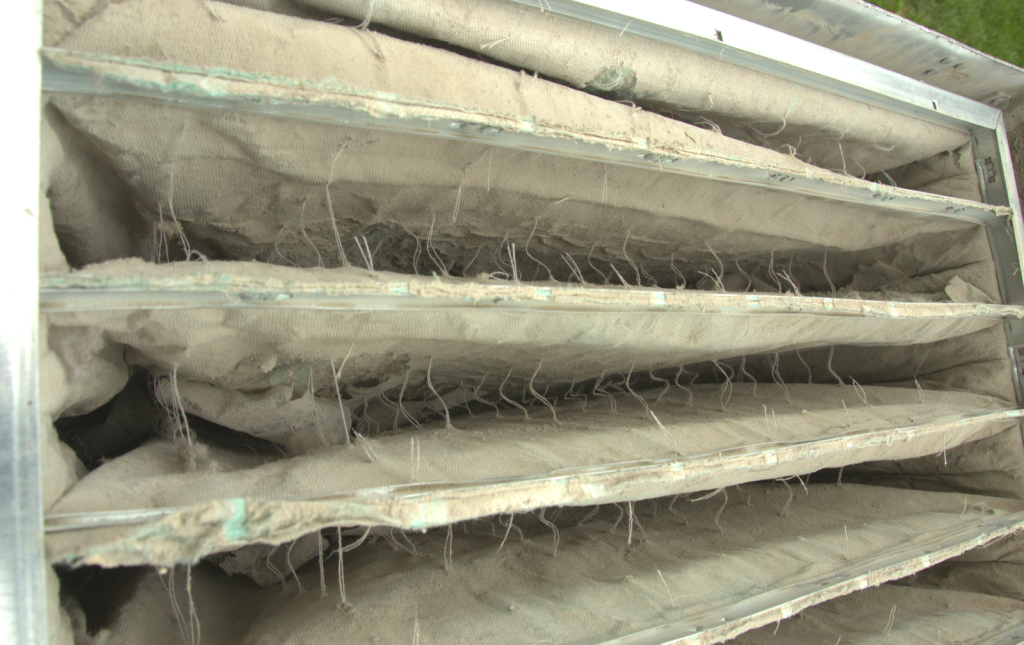
Most people have the same familiarity with air duct cleaning in Maricopa City. Telemarketers, scams, or something extra you could do but is not worth putting money into. Unfortunately, we tend to think about these services as ineffective or too costly and not worth it because of the type of exposure we’ve had to it. The confusion is understood. In this article, we’re going to take a closer look at air duct cleaning and whether, from the perspective of a home or business owner in Maricopa city, it’s worth it. What is Air Duct Cleaning? It sounds very self-explanatory because it truly is. Air duct cleaning simply cleans ducts. But that’s not all there is to it. We forget about ducts because it’s not in our direct view and usually because we don’t use it for things. We clean things in our house or business which we see, but realistically, apart from your HVAC technician, no one looks in the ducts. So why would you clean it? It seems that since there’s “nothing” in it, there’s no need to clean it. Air ducts are passages inside a building or home through which air can travel and be delivered for ventilation, air conditioning, and heating purposes. Cleaning your air ducts is allows the air that circulates in the ducts to be pure and clean. You don’t see it, but dust accumulates in your ducts. Also, there could be mold, dirt, or pollen you’re unaware of. Unless you check your ducts, you won’t know what’s there, and when you let it go unchecked, the air in your home is possibly impure and polluted. We often forget that one of the most important things we have at home or our business is the privilege of clean and good air. Or at least what we desire to have if we’re in a polluted area. This is why air duct cleaning in Maricopa city is of utmost importance. Benefits of Air Duct Cleaning While you don’t see the dust and dirt accumulate in your air ducts, they could be there. As it festers and is unresolved it can result in poor quality. There are certainly many benefits to getting your air ducts cleaned. 1. It Helps With Allergies Sometimes, and out of nowhere, too, we develop dust allergies. It’s not even that you’re triggered after cleaning or moving old things around in your basement. You could be merely sitting in your den and start sneezing out of nowhere. You could very well have a dust problem on your hands. When you think about it, if there’s dust in your ducts, there’s dust in your air. Also, your ducts become traps for things, such as the pollen from outside. When you’re inside you should feel relieved from outdoor pollen. However, if your ducts have pollen, it’s a nightmare of allergy symptoms inside the house, too. 2. It Reduces and Prevents Indoor Air Pollution Indoor air pollution simply means the bad air that is in your home. It is the result of contaminants, mold, debris, or dust in the air. When your air ducts are clean, then it directly has a good effect on air quality. It removes the unclean contaminants and components of the air or it prevents them from entering. 3. It Helps with Furnace Efficiency You may not think there is a link between clean ducts and furnace efficiency. Indeed, there is! Once your ducts are clean from dust, debris, mold, and more things, it clears up your ducts to operate better. In brief, the airflow will be improved. It puts less pressure on your furnace as it prevents a dirty furnace filter and keeps a clean air conditioner foil. Cons of Air Duct Cleaning 1. Expensive The only downside is the cost. However, the good news is that you won’t need to get one done every year. It takes time for the dust to build up again, but it’s good to aim for every few years. Is Air Duct Cleaning in Maricopa City Necessary? In Maricopa city, it’s highly advisable to get air duct cleaning. In most places where air pollution isn’t so bad, you really can get away with no air duct cleaning. In fact, you can get away with doing some of the work yourself if you feel comfortable with that sort of thing. Should you get professional duct cleaning services in Maricopa? Probably, yes. Maricopa is situated near other major cities with close to unhealthy levels of particle pollution, so you want to consider skipping the DIY job. Air duct cleaning services offer more thorough work. Maricopa City Air Quality Maricopa city air quality is generally good and gets a category “green” for healthy. However, when you consider that it’s relatively close to Phoenix, which is one of the worst in the country for air pollution, then taking preventative measures for bad air moving towards your city into your home is critical for maintaining indoor air that’s clean and safe to breathe. The Final Verdict: To Clean Or Not to Clean? In Maricopa city, not only do you face the possibly harmful effects of air pollution from nearby hotspot cities but you possibly also face the same problems as many home and business owners: mold, dust, dirt, pollen, etc. And given the pros and cons of air duct cleaning, you shouldn’t hesitate to put air duct cleaning as a next priority to do. We advise that since the air is generally pretty bad in Arizona, that everyone should consider cleaning their ducts. You can try DIY-ing if you feel comfortable with that, but especially for residents and business owners in areas that are bad for air pollution, it’s more recommended to go with a professional cleaning company because they can do a more thorough and precise job. Next Steps Now you’re ready to start taking the next steps to get air duct cleaning in Maricopa city. It’s first important to choose the right contractor. A lot of contractors aren’t
Winter Furnace Maintenance Tips for Arizona

From spring to fall time, people generally don’t pay much attention to the furnace. And since it’s one of the most important mechanisms in your home, it’s what you want to think about even when you aren’t using it. Maintaining your furnace is all about keeping it in good working condition and making it last as long as possible. If you don’t maintain your furnace, you may end up with a less efficient furnace and it will give you some problems to troubleshoot. Here are winter furnace maintenance tips for Arizona residents. How Often and When Should You Maintain Your Furnace? In some houses, the furnace has its own room like a boiler room or electrical room that isn’t checked often. But this is not to say that you need to check it that much. During the summer, it’s good to take a look at it every once in a while, just to make sure all looks in order. Winter furnace maintenance in Arizona should begin in the fall. Ideally, you should check your furnace as the season approaches when you’ll have to start turning the heat on. In Arizona, you won’t need your heat turned on till about December or January, depending on whether or not you prefer the heat on earlier. It depends on when you normally turn it on, but it’s good to start preparing your furnace around a month in advance before winter. When it’s cold out that’s when you want to know that it’s already working, instead of scrambling around at the last minute to do your annual checks. Below is a list of tips to prepare your furnace for the winter and to maintain it so that everything is in order the whole time you’re using it. Winter Furnace Maintenance for Arizona Turn on the Heat as the Temperature Starts Dropping When the temperature starts dropping in the fall time that’s your ideal window to check to see your furnace works. Simply turn on your furnace and let the warm air blow through your vents. It may have a slight burning smell at first, but that’s normal since it wasn’t used for a long time and is not a reason to be alarmed. The purpose of turning on your furnace before you start to use it regularly is to check that it works before the cold weather comes. If there is something wrong with your furnace or it’s not working so efficiently, you want to get that resolved before the cold comes. Do A Basic Inspection It’s very likely you haven’t taken a proper look at your furnace since the previous winter. Therefore, it’s very important to do a quick eye inspection. You don’t need a professional for this, as anyone with little knowledge about furnaces can do this. There are a few things to look for when you’re taking a look at your furnace. Clutter around the furnace is a potential safety hazard and must be removed. It’s a huge safety hazard to have flammable materials around the furnace. Remove paint, laundry detergent, fabric softener, or aerosol cans. Keep these items a few feet away from the furnace, ideally on a shelf so that it has some height distance, too. If there’s slight water leakage then it’s time to address that before you need to use it regularly. Also, rusting at the bottom of your furnace is an indication that water was leaking at some point. Consult with a professional about this to get it sorted out before winter. Change your Furnace Filter Changing your furnace filter is key before entering the winter season. It’s what allows good airflow as well as clean air. And once winter is over, you aren’t going to change it for the summer, so getting a new one before every winter season is a sure way to start fresh. After you change your filter at the beginning of the winter season, remember to change it every 3 months or as recommended by the manufacturer. The filter takes out the contaminants as well as dust. If your filter gets clogged up, it will be harder for your furnace to output good quality air. As a result, it may make your furnace less efficient and your air might not be so great. Clean the Furnace Don’t underestimate the need to clean your HVAC mechanisms at home like your furnace and air conditioner. Most furnaces are located in the storage room of the basement or many times your furnace becomes a storage room. For this reason, you should check the area around your furnace to clear it from clutter, boxes, or any kind of object that covers it. There is no rule on how much space to make, but a good rule to make for yourself is that if you don’t have enough space to crouch down next to it, then you need to make more space. Keep in mind that easy access to your furnace is optimal for emergencies or spotting problems better. We don’t “clean” the furnace room like we’d clean another room, but to leave your furnace without ever vacuuming around it is not good. Dust and dirt will accumulate around it, so cleaning it is important for your furnace efficiency and air quality. It’s a possibility that your furnace will pick up dust and your filter will get more clogged up. Before cleaning your furnace, turn it off. With a damp or dry cloth, dust your furnace. Of course, you’re not trying to make it look pretty, but the goal is to remove dust to prevent it from getting in the furnace and into your air. Humidifier Maintenance Tips Furnaces and AC units need to be maintained and checked, and the same goes for humidifiers. So if you have a humidifier in your home, don’t forget to check it as well. Before looking into it, turn off the water that goes to the humidifier. The Filter The key thing to look out for is the filter. The first step
What is the Best Furnace/AC System for Arizona?

Your HVAC system is undoubtedly one of the most essential things in your house. Thanks to what technology has to offer, we can choose the most optimal system based on our climate. Not that one furnace and airconditioning system doesn’t work in a certain climate, but what we’re talking about in this article is what is most ideal for a warmer climate. You may be thinking that all AC systems will be good for a warmer climate. But it’s not so simple as there are a few factors to consider that will make your cooling and heating more efficient. So what is the best furnace/AC system for Arizona? Here in this article, we’re going to unpack some of these factors, showing you which furnace and air conditioner system is best for you if you live in a warmer climate like Arizona. Best Furnace/AC System for Arizona When it comes to Arizona, you need to get an HVAC system that suits the climate. Before we show you the best one for Arizona, we’ll go through the options and various popular types. This will help you know what’s available and ultimately help you see why we choose one to be the best one for Arizona. Ideal Factors for Arizona Window and Room Heating/AC Units Window and room heating and AC units are a small and less expensive solution to your needs. They can heat and cool larger rooms well, but they do have a few downfalls. Window and room systems are not too convenient. They are clunky and take up space. If they’re a window unit, you have to forsake your window use or cut into the wall. Also, they tend to be louder, and don’t really work as well as central heating and cooling. Ultimately, they heat and cool slowly, and won’t reach all parts of your house. You’d need quite a few units to install in each room and that still may not be enough. Central Heating and Cooling Central heating and cooling are combined that they work through one and the same system. They use the same ducts to distribute air throughout the home and are controlled by the same thermostat. In central systems, the furnace is what is used for heating. You can choose among the furnace options that will suit your specific needs: gas, oil, electric, or propane. For cooling, it matches with the heating system. There is an outdoor component, which is your AC unit and an indoor component called an evaporator coil, which absorbs the heat from your house and lets it out of the house. Central heating and cooling systems are one of the most popular choices for North Americans. It quickly heats and cools your home as it can travel to every room. Also, it’s a less noisy method for heating and cooling. Heat Pumps As heat pumps are becoming more known, people are opting for this system. Given that heat pumps are efficient and ductless, the idea has grown on people and is now a competitor for AC and furnaces. Despite its name, heat pumps also act as air conditioners for your home, but heat pumps are different from air conditioners. The way it works is through moving warm air. It doesn’t generate warm or cool air. In the summer, it moves the heat from the indoors to the warm outdoors. In the winter, it moves heat from the cold outdoors into the house to warm it up. Given the way that heat pumps work, it delivers heat from the heat energy from the outdoors. Heat pumps can work in both cold and warmer climates. They work better in warmer climates, though, since warmer climates have milder winters and can take warmer air from the outdoors easier. Heat pumps are incredibly efficient and cheaper. It doesn’t run on fuel, so you can count on spending less money and helping the environment. Boilers Boilers are similar to furnaces in that they produce heat. However, what differentiates the two is how the heat is produced. Whereas furnaces produce warm air, boilers produce hot water. Also called hydronic heating systems, boilers are systems whose job is to heat water. The hot water is pumped to either a radiator or baseboard radiator. Instead of ducts, hot water travels through the home in small pipes. While boilers don’t come with air conditioning, it’s possible to install a separate air conditioner. Even though your home doesn’t come with ducts, you can install a ductless mini-split cooling system. These are energy-efficient, but the main downfall of having this mini-split system in addition to a boiler is that you have to get two systems installed. What is the Best Furnace/AC System for Arizona? Based on Arizona’s climate and conditions, heat pumps are a winner. Why? Arizona is a warmer climate that will have a stronger focus on AC and certain environmental factors point to heat pumps as a fitting option. Let’s look at this in more detail. The Way Heat Pumps Produce Warm or Cool Air As mentioned above, heat pumps gather from the outdoor air. Since Arizona has very warm summers and mild winters, you don’t need a high-powered system for producing warm air. Heat pumps aren’t designed to counter severely cold climates, since it gathers heat from the outdoors. If winters in Arizona are mild, then it can get the right level of heat for your home. Energy-Efficient Heat pumps move air from one place to another rather than generate heat. This saves energy for you and you will even see the results on your bill. In Arizona, you can afford to get heating and cooling through an energy-saving model, because you don’t have to brace for severely cold weather. Cheaper Furnaces and boilers will work very hard to bring you warm air. But it won’t take as much to heat up a house in Arizona compared to a Northern state. For this reason, it’s worth forgoing the higher costs of running a furnace in your home
Why AHWA is the Top HVAC Company to Work for in Phoenix
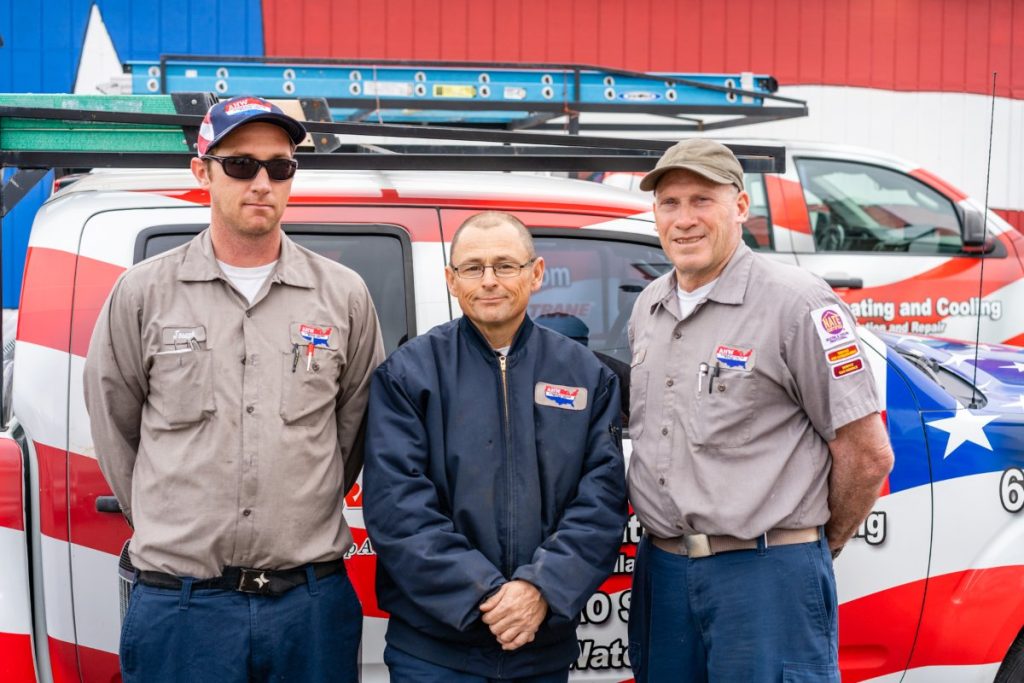
Looking to work in the HVAC field here in Phoenix? Look no further than the best. American Home Water and Air (AHWA) is a leader in water and air solutions and the top HVAC company to work for in Phoenix. As a professional in this field, you want to work for the best company for the opportunity to work alongside the best. And ultimately, so that you can be ranked among the best in your field. With this in mind, think of our company as a place where you’ll attain your professional goals and land the top HVAC job in Phoenix at the same time. Why We’re at the Top Being at the top of your field and maintaining that rank does not come without hard work. Determination, strong work ethic, integrity, and professionalism represent the tradition of our company. For over 30 years, we’ve been serving the community. We provide services for air conditioning installations and repairs, water softener installations, reverse osmosis setups, as well as water heater installations and repairs. We’re not just an ordinary HVAC service company: we offer services and help for a variety of home water and air needs. Moreover, we have stellar customer ratings and a large loyal customer base. We offer the top HVAC jobs in Phoenix since it’s a pleasure to serve our fantastic customers. Why You Should Work for Us We’re the top HVAC company to work for in Phoenix. With a top-notch company like us, you’ll certainly have the opportunity to do what you love. Work With and Learn from the Best Technicians in the Business The old saying goes, the people make the workplace. Never is this truer than when you work for us. Our excellent employees are one of the main reasons we’re at the top. Expert, knowledgeable, and adept, our workers do outstanding work and bring professionalism as well as integrity to work every day. Therefore, when you’re a member of our team, you can expect to refine your work as you work alongside experts in the field. You can count on being motivated and encouraged to keep delivering excellent work and know that you are using your skills to the fullest. Build Up Your Reputation and Skills In anything you do, it’s necessary to get better. No one likes to feel like they are stagnating, especially in a profession. In this trade, it’s essential to be kept on your toes. In other words, you don’t want to become sloppy or grow lazy to improve in your work. If you join our team, we’ll help you to continually refine your skills, and ensure that you are consistently climbing to the top. We know that what you do as an HVAC professional leads to building up your reputation for your work ethic and proficiency. We encourage exactness in our work, which is why our customers trust us and are loyal to us. We take pride in the company that we’ve built. So if you align with our work attitude, we’d love for you to share in that pride as well. Work in a Passionate Environment We understand that building up your career in a company that fosters professional development is not all that makes a job attractive. Part of what makes an excellent workplace is the environment. We offer a passionate work environment where every contributing member loves what they do. We are delighted to help our customers even with what people may consider the less exciting parts of the job: giving advice for HVAC and water tips at our free in-home consultations or making maintenance visits. To us, these are just as important as large repairs and installations because we love what we do. Working with us will uplift your attitude towards work, as being surrounded by like-minded passion will boost your energy and motivation. We love the work we do, and you can, too! Customer Loyalty We offer the top HVAC jobs in Phoenix because even the customer interactions are something to look forward to. And we owe it to our fantastic customer base. With a high number of loyal customers, we serve a lot of customers whom we know well and who trust us. This is why you’ll love this part of the job. We don’t see customer interaction as a chore, but rather a joy to communicate and reconnect with people we’ve known for years. When you interact and communicate with our customers, you will in a way feel like you’re talking to people you know. Sometimes you can feel a distance between you and the customer because you have to sell the product or service to them. Here, you don’t have to sell or advertise to your customers. You can feel like you’re having a conversation with just another fellow community member–and at work. When working with us, talking to customers can even be one of the most enjoyable parts of your job! Flexible Work Hour Options We’re not the average HVAC company that closes at 7. We stay open 24/7 so that our customers can rely on us when they need our service. That being said, if you work for us you are not confined to a specific work time. You can work outside of normal business hours. If a rigid schedule is what you’re hoping to get away from, then you’ve come across the right company. When you work in a customer-based field, it’s a good feeling to know that you give the customer the best service, and that includes being there especially in an emergency or urgent situation. Anyone in this field knows these problems don’t occur only during business hours. For this reason, we reassure our customers that they’ll have service anytime they need it. When you make your customer relieved in an emergency, you will feel delighted to do so! Life at American Home Water and Air (AHWA) Pride and passion. These are the key things that motivate us to do what we do every day. The
How to Choose an Honest HVAC Company in Mesa, AZ
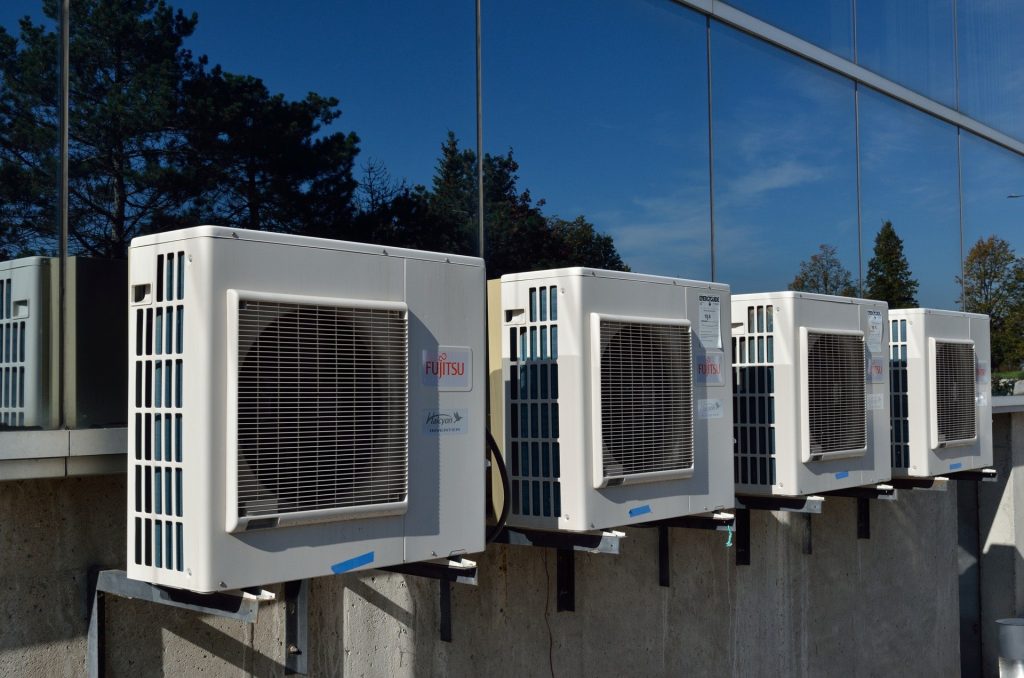
Hiring a contractor doesn’t have to be risky. When you hear about one for the very first time, there is a way to know that you found an honest HVAC company in Mesa, AZ. Click here for information on finding a contractor in Phoenix. It requires looking out for some signs and red flags. These are things you can look out for when determining your water softener installations and air conditioner services are done by trustworthy companies. In this article, we’re going to break down for you all the things you need to check off your list before you call up the company. We’re going to explore the defining criteria of reliable residential HVAC companies in Mesa, Arizona, and ultimately help you with the process of finding one. Where to start If you don’t have a single idea where to start looking for an HVAC company because this is your first time or you’ve only dealt with untrustworthy companies, you’re on the right page. This will direct you to find a good one where you live. Start by asking around and then you can do your own research. How to Find Honest HVAC Companies in Mesa, AZ 1. Ask Referrals from Family and Friends Before you consult the internet, start by asking people you know. This way you are given a few names that people you in your circles have had a good experience with. Once you get the name of a company, it’s still a good idea to look them up online, because you want to know who they are and what kind of professional expertise they have. 2. Do Your Research This is one of the most important things to do. Keep a list of options while researching for companies. Once you find some companies that you like, look for the signs mentioned below to see if they match an honest company. Moreover, you will want your research to extend beyond merely company names. Research the cost of various services. Get an idea of the going rates for the specific job you need. This will help you to see what is considered an average cost. For example, you will notice when a company is charging far too much for a job, which is dishonest. Also, compare several companies to see what is typical for the amount of experience to have and certifications/licenses that are legally required. This way you’ll be able to detect when a company seems suspicious. 3. Read Customer Reviews Once you’ve compiled a list of promising options, read customer reviews. You can spot an honest HVAC company in Mesa, AZ by their positive reviews. Narrow down companies based on their average star rating and how well people speak of them. A tip for reviews is that if you can tell customers have received good customer service and that there have been good company-customer interactions, then it signals honesty, professionalism, and customer-oriented service. Key Signs to Look For A State License Each state has its license requirements for HVAC technicians. In some states, there are no state-level requirements. In Arizona, you must possess a license issued by the Arizona Registrar of Contractors (AZ ROC) to practice the HVAC trade. The only exception for an unlicensed technician is if your work is under $1000, according to Arizona Revised Statutes – Title 32, Chapter 10. When you stumble upon an HVAC company that you like, find out whether their technicians are licensed. You can use the AZ ROC site to check if the contractor is in their system. You’d hate to be in a situation where you find out after the job that your technician was unlicensed. It shows the technician is not honest since they would practice unlicensed. Also, you can face penalties for hiring an unlicensed contractor, and you won’t be protected under the AZ ROC if there are disputes. NATE Certification The North American Technician Excellence (NATE) certification is the largest in the nation for approving technician excellence. It is obtained through tests that show the technician is proficient in the field and has attained a high level of expertise in the trade. This is not a necessary state requirement to practice HVAC. But since you don’t want to settle for any lower than the best, consider that this proves your HVAC technician is not sub-par. Experience Reliable residential HVAC technicians in Mesa, Arizona are those who’ve proved it over many years. This is truly the way to know that they are excellent at what they do and can be trusted. If they have been around in your area for a long time, it shows that they do their business honestly and well. An HVAC company will usually tell on their website how long they’ve been around. If they’ve been around a long time, it’s a good sign. It’s also a good idea to confirm that their experience in the field is noticed by their customers. One easy way to do this is by reading customer reviews. In-Home Consultation/Evaluation An HVAC company that doesn’t offer in-home consultations are companies you should avoid. If they do offer in-home consultations when you call them up, it means a few things. First, it shows that they are not attempting to scam you. They are willing to assess your home and then give you an assessment of what kind of work needs to be done and a quote. Without the consultation, you don’t necessarily know what they’re doing. Second, transparency from your contractor is a good sign. The more information they give you, the more you can trust they are knowledgeable about what they do and are willing to be honest with you. Third, a lot of times the consultation is free! It’s not a total deal-breaker if they’re not free, but if you can get a contractor who’d do it for free, then you should take it! Signs You Should Avoid the Company Lower Pricing Once you stumble on a contractor with really good pricing, you should
Why Are Trane HVAC Units So Popular?
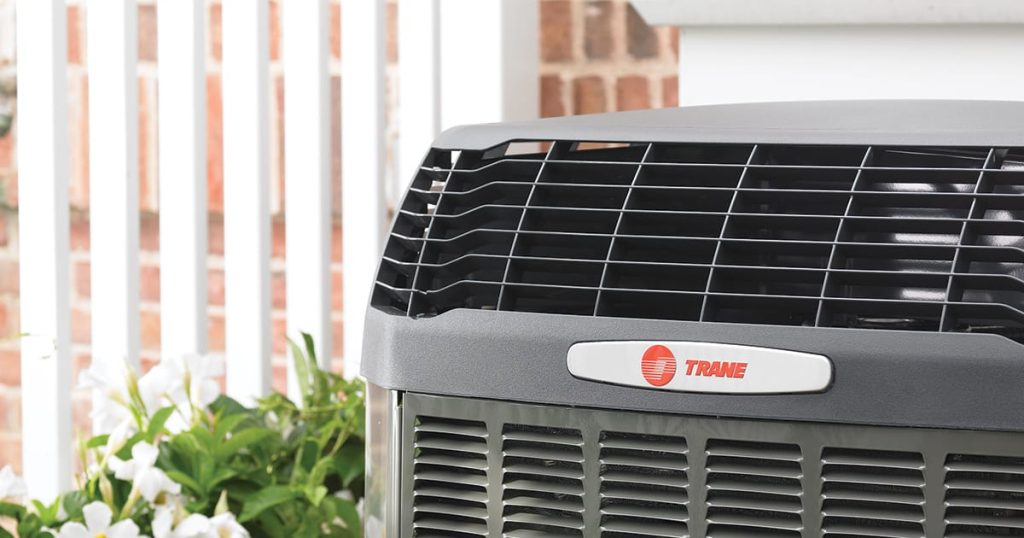
Trane is one of the most popular HVAC manufacturers in the world. But how did the Dublin-based company achieve such status? Is it warranted? Keep reading to learn more. Why Trane HVAC Units Are So Popular These points are in no particular order. 1. They’re High Quality Trane makes some of the highest-quality air conditioners and furnaces on the market, living up to its slogan, “it’s hard to stop a Trane.” Consumers want reliability, which bodes very well for such a venerable brand. After all, nobody wants to risk having their air conditioner fail on one of Phoenix’s characteristically sweltering days! 2. They’re Easy to Maintain All HVAC units require maintenance. Because Trane’s products are built to last, this maintenance tends to be quite simple and predictable, which consumers appreciate. Additionally, because Trane HVAC units are so common, it’s incredibly easy to find replacement parts and keep your unit running smoothly. It’s also very easy to find a technician capable of servicing your Trane HVAC unit. Check out our guide to troubleshooting Trane furnace for more information 3. They’re Easy to Find When people go shopping for a new HVAC unit, it’s usually because their old one has kicked the bucket. In other words, they don’t have time to waste hunting down a furnace or air conditioner from some obscure brand. Thankfully, it’s not hard to find a Trane HVAC system. They’re sold just about anywhere you can find quality HVAC equipment! 4. They Come in a Wide Variety of Specifications Choosing the right air conditioner or furnace for your home requires careful consideration of your cooling needs. You need to identify the ideal BTUs, SEER ratings, and more. Trane’s wide range of products makes it very easy to find the exact unit you need without compromising. 5. Trane Offers Fantastic Warranties Trane warranties every single one of its residential HVAC units for between 1 and 20 years, depending on the model. Plus, when you register your Trane HVAC unit within 60 days, you’ll receive an additional warranty ranging from 5 years to the product’s lifetime, depending on the unit. It’s also very easy to transfer your warranty to a new owner, which can help expedite the sale of your home. Given how big of an investment a new HVAC unit constitutes, this warranty policy offers considerable peace of mind. You can also check our article on “Trane Vs. Carrier Vs. Lennox Air Conditioner” for more information. Looking for a Trane Furnace or Air Conditioner in Phoenix? Contact us! At American Home Water & Air, we’re proud to carry and service Trane HVAC units. If you live in Phoenix and need a Trane HVAC unit (or maintenance), get a quote from us here. We look forward to helping you, just as we’ve done for countless Phoenix, Arizona residents over the past more than 30 years.
The Average Age of an Air Conditioner in Phoenix
Nothing lasts forever. Even the most efficient air conditioning system has an expiry date. Today, we’ll be discussing everything there is about the mortality of air conditioners in Phoenix and how you can extend their lifespan. It’s always good to have the end in mind, so you’re not caught unawares in the middle of summer. That way, you can start saving if you sense the end is near. Several factors affect your air conditioner’s health and lifespan. We’ll go through each one of them and hopefully help you predict and prepare for the end of your air conditioner. What is the average lifespan for air conditioners in Phoenix? The average lifespan for air conditioners in the United States is around 13 to 15 years. However, that is an average estimation gotten from the 50 states in the US. The life expectancy for air conditioners here in Phoenix, Arizona, is going to be slightly lower. Why? Because of the harsh climatic conditions that are prevalent in the state of Arizona. Did you know that Phoenix has a hot desert climate? The summers here are scorching hot—we’re talking daytime temperatures as high as 105.8℉ (that’s 41℃). If that wasn’t enough, Phoenix is also a regular victim of sand storms—all this will surely chew on your air conditioner’s lifespan. Those are the reasons why the average lifespan of air conditioners in Phoenix is around 8 to 10 years. That’s almost a 20% decrease on the national average. Factors that affect your air conditioner’s lifespan in Phoenix, AZ 1. Climatic conditions As mentioned earlier, Phoenix experiences extremely hot climatic conditions. We’re now going to explain how these climatic conditions affect your air conditioner’s life span. 2. Sizing Air conditioner sizing is the other very important factor that very few people know about. “Sizing an air conditioner” involves making sure that the air conditioner is the perfect fit for the room it’s supposed to cool. For example, you shouldn’t buy a small and less powerful air conditioner for a large room—this is “undersizing an air conditioner.” If you do this, your air conditioner will struggle to lower and maintain the room temperatures. It will have to work harder than usual, and this will eventually kill it. Oversizing is the other extreme end to sizing an air conditioner. This is where the air conditioner is too big and powerful for the room. Isn’t that supposed to be a good thing? Yes, in theory, but not practically. Oversizing an air conditioner is just as bad as undersizing an air conditioner. You’ll notice that your air conditioner will start experiencing short cooling cycles. This will turn cause overheating, which will slowly kill your air conditioner as its efficiency reduces. Always makes sure that your air conditioner is the right fit for the room or building you want to cool. Click here for more on How To Measure Room Size for Air Conditioning. 3. Maintenance You must have seen this one coming. You can massively increase your air conditioner’s lifespan by strictly adhering to the scheduled maintenance routines. Sure, you can always count on the annual and thorough maintenance done by your HVAC contractor. Nevertheless, there is still so much you can do on your own to further boost your air conditioner’s lifespan. Below are some of the simple air conditioner maintenance routines you can do at home: Are you in need of more maintenance tips? Check out these 10+ Easy Air Conditioner Maintenance Tips. 3. The condition of your outdoor unit Most people install their central air conditioners and completely forget everything about the outdoor unit. For months or even years, the poor thing is left out in the open under the extreme weather conditioners here in Phoenix—and people always wonder why their air conditioning system tends to break down and need AC repair without even clicking the 3-year mark. How then can you take care of your outdoor unit? The best thing you can do is to ensure its installation was properly done. Always call in an HVAC professional to do the installation work for you. Next, you can make a cover for the outdoor unit. However, be careful so as not to interfere with the unit’s airflow. Consult your trusted HVAC professional before you proceed with this idea. Sounds interesting? Check out Do you really need an air conditioner cover? Everything you need to know. Conclusion There you have it. The average age of an air conditioner in Phoenix, Arizona, is around 8 to 10 years. It’s lower than the national average (10 to 13 years) because of the harsh climatic conditions prevalent here in Phoenix. Nevertheless, there is still a lot you can do to boost your air conditioner’s lifespan.
Homeowner’s Guide: How to Choose a Heating and Air Conditioning Contractor
Choosing the right heating and air conditioning contractor is crucial for ensuring long-term home comfort and efficiency. Your heating and cooling systems play an essential role in maintaining year-round comfort, and selecting the right contractor ensures professional installation and repairs, which can extend the system’s lifespan and optimize indoor air quality. However, choosing the wrong contractor can lead to costly mistakes, poor service, and recurring issues. This guide is here to help you navigate the process with confidence. From understanding your home heating and cooling needs to evaluating contractor reviews and ratings, we’ll show you how to choose a heating and air conditioning contractor that fits your needs. 1. Researching Local HVAC Contractors Start your search by identifying contractors with a strong reputation in your area. Top local HVAC companies are often better equipped to handle the unique climate challenges specific to your region, such as Phoenix’s extreme heat. Verify Licensing and Certification When considering choosing a heating and air conditioning contractor, always ensure they are licensed, insured, and certified to protect you from liabilities like property damage or accidents. Certifications such as NATE (North American Technician Excellence) demonstrate advanced training and expertise, ensuring the contractor meets HVAC industry standards. Be sure to remember to ask for proof of licensing and certification before hiring. Check Contractor Reviews and Ratings Customer feedback is a vital resource when learning how to choose an HVAC contractor. Online reviews provide valuable insight into a contractor’s reputation. Look for consistent ratings above 4.5 stars and focus on customer feedback about professionalism, punctuality, and quality of work. Avoid contractors with recurring complaints about delays, poor communication, or hidden charges. Ask for Referrals Ask family, friends, or neighbors for recommendations. A personal referral often leads to reliable HVAC professionals with proven experience. Be sure to ask about the quality of service, pricing transparency, and whether the contractor met their expectations. 2. Understand Your HVAC System and Needs Before contacting an HVAC contractor, it’s essential to understand your home’s specific heating and cooling requirements. Start by familiarizing yourself with your current system. Take note of details like the model, age, and maintenance history. If you’ve experienced recurring issues, such as uneven temperatures between rooms or an inability to maintain a consistent climate, jot these down—they’ll help the contractor diagnose potential problems more effectively. Next, identify your goals. Are you looking for routine preventative maintenance to extend the life of your system? Do you need emergency HVAC services to address an immediate issue? Or is it time for an upgrade to a more energy-efficient system? For replacements, consider systems certified by ENERGY STAR, which are designed to reduce energy consumption and save on utility bills over time. This information lets you communicate clearly with your contractor, ensuring they provide tailored solutions that align with your home’s needs and budget. 3. Ask Key Questions When interviewing potential contractors, asking the right questions can help you identify reliable heating and cooling services: Are you licensed, insured, and certified? Do you offer HVAC service agreements or warranty-backed repairs? How do you ensure transparent pricing and upfront estimates? Can you provide references or customer testimonials? Do you offer seasonal HVAC maintenance or flexible service schedules? 4. Insist on an In-Home Evaluation A professional contractor should always conduct an in-home evaluation before recommending heating and cooling solutions. This step ensures the system is tailored to your home’s unique needs. Here’s why it’s important: Assess Home Size and Layout: Contractors evaluate your home’s square footage, floor plan, and insulation levels to recommend an appropriately sized system. Over-organized systems can lead to inefficiency, higher energy costs, and faster wear and tear. Inspect Ductwork and Airflow: The condition of your ductwork significantly affects system performance. Leaky or poorly insulated ducts waste energy and cause uneven temperatures. A contractor will check for issues and suggest improvements to optimize airflow and efficiency. Consider Unique Factors: Elements like the number and orientation of windows, ceiling heights, and the presence of heat-generating appliances are factored into the recommendation. These details help create a solution that ensures consistent comfort throughout your home. Prevent Inefficiency: Proper sizing and installation prevent common problems like short cycling, where systems turn on and off frequently, wasting energy and causing unnecessary wear. An in-home evaluation is a must when deciding how to choose a heating and air conditioning contractor. This step ensures that the contractor can recommend a system tailored to your home’s specific needs, avoiding inefficiencies or future issues. 5. Compare Proposals and Estimates Once you’ve shortlisted your top contractors, the next step is to request detailed proposals. A well-prepared proposal gives you a clear picture of the contractor’s approach, allowing you to make an informed decision. Review Costs and Services Look for a proposal that transparently breaks down all costs, including labor, equipment, and additional fees. A comprehensive heating and cooling services proposal should also highlight warranties, service agreements, and the recommended system’s energy efficiency ratings. This ensures you understand what you’re paying for and how the system will benefit your home in the long term. Assess Quality and Value Avoid the temptation to choose the cheapest bid. Low-cost options often come with compromises in quality, such as subpar materials or insufficient warranties. Instead, focus on contractors offering affordable HVAC solutions emphasizing long-term energy savings and reliable system performance. Ask Questions Don’t hesitate to clarify details or ask for adjustments in the proposal. A professional contractor will be open to addressing your concerns and providing additional information to ensure your confidence in your decision. Evaluating proposals thoroughly helps you balance cost, quality, and energy efficiency, ensuring you get the best value for your heating and cooling services investment. 6. Verify Experience and Expertise Experience matters when it comes to HVAC services. A good contractor should have the following: Broad Skill Set: Look for contractors with expertise in heating and air conditioning repair, furnace installation, and ongoing support and maintenance. Energy Efficiency Focus: Contractors specializing in energy-efficient HVAC systems, such as ductless setups or smart