
6 Air Conditioner Fire Prevention Measures

The air conditioner has turned into a vital feature in our homes, which you probably use every day. Today there is no way we could endure summer heat without cool air inside our homes. However, did you know that if your AC is not working properly, it could lead to an air conditioner fire inside your home? An air conditioner fire is more common than what you might think. According to a 2016 National Fire Report, annually, HVAC fires cause 20 deaths, around 140 injuries and property damage of $82 million. Experts in the report further say that if your air conditioner unit is overheated, it could turn into a fire hazard, putting your loved ones in danger. We are sure the last thing you want is having your air conditioner be a fire hazard to your family. That’s why we will tell you how you can prevent this type of accident. The first step towards preventing an air conditioner fire at home is knowing the most common causes of an HVAC fire. How does an air conditioner fire happen? When you want to make sure an HVAC fire never occurs in your house, you need to look out for four main things: maintenance, overheating, wiring and flammable objects. Improper maintenance Our air conditioner units sometimes turn into something we take for granted, and we forget this is a feature that also needs maintenance to work properly and stay in safe conditions. Your air conditioner unit is a system that has different parts that ensure it is doing its job. With time these parts will become outdated, which then will cause your system to overwork, causing issues like blown AC fuses. When you wait a long time to check your unit, this can turn your air conditioner into a fire hazard. HVAC system and flammable objects Your air conditioner interior is not the only thing that matters, other objects can also turn your air conditioner in a fire hazard. Then can air conditioners catch fire due to outside materials? The answer is yes. Even when you ensure maintenance is up to date, you need to create a safe space around your air conditioner. Avoid placing it near decking, especially if it’s made of wood. Also, keep your plants away from your HVAC unit. In case your air conditioner system overheats, it won’t be near objects which could easily catch fire. Overheating Overheating is one of the main causes that turn an air conditioner into a fire hazard. Different things can lead to overheating, such as items producing friction in your motor or having a dirty filter. Also, don’t have your air conditioning unit turned on all day long since this will only result in damage. Wiring One of the most dangerous things that could cause an HVAC fire is the wiring. Even when you think installing wiring for your air conditioner unit is something you could do by yourself, we recommend hiring a professional. You need to understand even though this is another appliance in your home, is also one that needs unique care. Your air conditioner system takes a lot of power to function properly, and with improper wiring, this power could turn into sparks. When you have bad wiring combined with flammable objects near your HVAC system, an air conditioner fire could ignite in minutes. Now that we understand how your air conditioner becomes a fire hazard. We are going to give you 6 ways in which you can prevent an air conditioner fire. Following these simple steps, you will make sure your air conditioner is always in proper working condition. 6 ways to prevent an air conditioner fire As mentioned above, not having proper maintenance of your unit can lead to an HVAC fire, due to dirt obstructing the airflow. Also because with time, your system pieces will start failing, making your air conditioner overwork. However, you don’t need several visits to keep your unit in good condition. It is recommended to have at least one visit a year, but if you want to be careful, two visits will do it. In which seasons can air conditioners catch fire easier? The answer is in summer. Since this is the hottest season of the year, you don’t want your unit to overheat on an already hot summer day. It is best to check your unit at the beginning of summer or right in the middle when the harshest summer months start. Most companies offer to track these visits for you. This way, you don’t have to keep maintenance in mind all year long. To be safe from the beginning it is better to hire a professional or company that can install the system in your house. The advantage of having a professional install an air conditioner at your home is, they know how to place all the wiring. Further, when you have a window unit at home, they can make sure in case of a fire, it won’t ignite inside. This goes together with hiring a professional who apart from proper installing, can assess the space surrounding your air conditioner has not flammable objects near. Also, to prevent any accident, never use an extension cord to power your unit. Since in case, your unit overheats, it could produce sparks on your cord. Make sure your air conditioner unit is in a safe place. This means it shouldn’t be in a deck, which could turn the system into a fire hazard. You can ensure all of this will be taken care of when hiring a professional. Yes, it might be an added expense but it will keep your family safe from an HVAC fire. This is an important part of the regular maintenance you should do to your air conditioner unit. Ensure you don’t have a dirty filter with waste blocking the airflow. If you want to do this by yourself, make sure your system is unplugged. Then you can proceed to check if the air filter is
7 Nest Thermostat Benefits To Consider
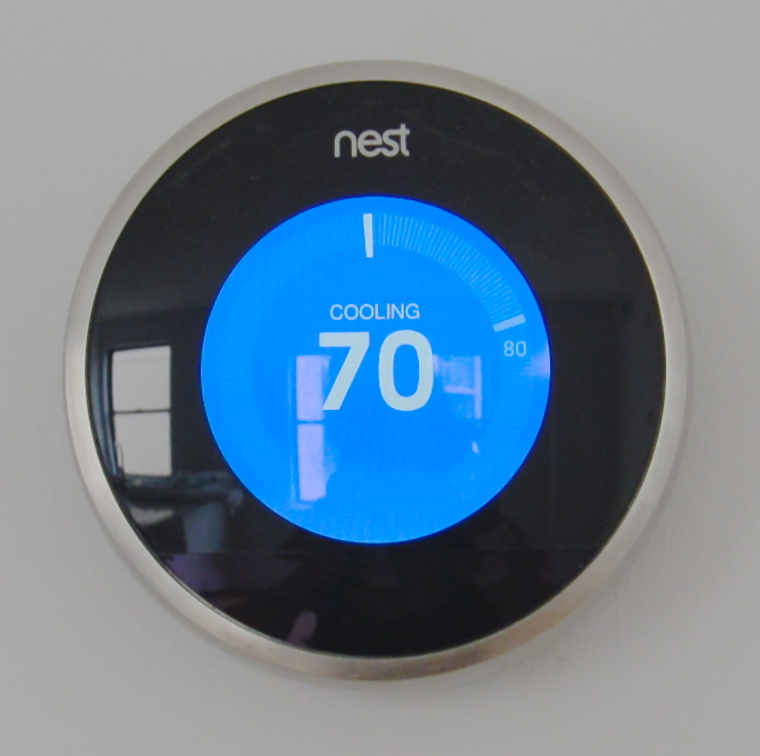
Want to save at least 25% of the money you spend on electricity bills? What if we told you there is a thermostat that can read your every thought? We’re not kidding. The Nest Thermostat is something else. Some people refer to it as the “self-learning” thermostat. This device learns all about your temperature preferences and strives to maintain your indoor temperatures. It’s surprising just how many people are outdated when it comes to HVAC technology. The majority of people are quick to install programmable thermostats, yet they have no idea how they can use them to their advantage. Did you know that thermostats can help you save hundreds of dollars in electricity bills? Have you ever heard of the “Supercool air conditioning” concept? With this concept, you can save up to 25% of the money you’ve been spending on electricity bills. Nest thermostats have made it possible that you never have to worry about thermostat settings for the rest of your life. It’s all automatic. In addition to that, Nest thermostats come with apps that allow you to control them from your hand-held devices. You can now control your home’s temperature from anywhere in the world. Sounds fascinating? Continue reading to learn more about the benefits of Nest thermostats and why you should install one in your home. What are you waiting for? Visit the best air conditioning specialists in Phoenix for the best advice and ideals on energy and money-saving air conditioners. What are Nest Thermostats? In simple terms, Nest Thermostats are smart thermostats. In addition to that, they have AI-like features that allow them to take notes and learn more about your environment. They’re able to study temperature patterns and store the information for future use. Then can even know whether or not there are people in the room and decide on the best temperature requirements for that moment. Personally, we think Nest thermostats are the future of the HVAC industry. So, what are the advantages of Nest thermostats? Are there any disadvantages that come with installing these revolutionary tools? Continue reading to find out. The 7 Benefits of Nest Thermostats 1. Saves money and time Nest thermostats open a world of possibilities when it comes to saving money on your electricity bills. Thanks to their self-learning feature, Nest thermostats can sense whether or not people in the house at a particular time. How do they do it? Nest thermostats are equipped with movement sensors that detect people. Once it has taken note of this information, it’s able to identify specific patterns- Times when people are inside the house and times when people have left the house. When there are no people in the house, the thermostat will lower your air conditioner’s power or even turn it off to save energy. Moreover, instead of relying on their self-learning feature, you can also manually program the Nest thermostat and schedule the time zones. Therefore, the best thing about Nest thermostats is their ability to learn, re-evaluate, and update their stored information. It does all this on its own with little to no human input. Not only do they save money, but they also save a lot of time and maximize efficiency. 2. Allows for remote control Unlike regular home thermostats, Nest thermostats allow you to control them from wherever you are. You no longer have to walk from your bedroom to where the thermostat is located just to add or reduce some degrees. Instead, use your smartphone or tablet to control and adjust your indoor temperatures. How do you do that? There are special compatible apps you can download on your favorite device and synchronize with the thermostat. It’s now possible to control your home HVAC appliances even when you’re on vacation or at work. 3. Compatible with other smart home appliances Nest thermostats can interact with other compatible home appliances in your house. It can easily take and give information to other appliances like humidifiers and furnaces- This means it’s able to automate to other appliances as well. Some Nest thermostats are even capable of linking with home AI assistants like Amazon’s Alexa- This will further enable you to control your thermostat via Voice commands. 4. Home tracking Remember when we talked about the machine learning capability of Nest thermostats? Well, that ability allows the thermostat to store and profile your house information. From your Nest thermostat, you can get a full energy report of your entire house. Nest thermostats don’t offer your average energy consumption reports. These reports also include other helpful tips on how to conserve energy and save money on electricity bills. Also, expect to receive helpful DIYs that will help you maintain and service your home appliances. They’re also able to give you daily weather reports and use those reports to further improve on your indoor temperatures. If it’s sunny and too hot outside, the thermostat will accordingly adjust your indoor conditions for maximum comfortability. The same happens on chilly and cold days. 5. Some come with cool and fun features Sure, Nest thermostats are mainly built to help regulate indoor conditions for maximum comfort. However, that doesn’t mean you can’t have some fun with them. Some of the latest Nest thermostats even come with cool features like music playback and custom lighting. You can now set your thermostat to light up with a color that compliments or matches the wall color. 6. Nest thermostats can protect your home Some modern Nest thermostats can even replace fire alarms and smoke sensors. They even have special sensors that can differentiate between fires and smoke alerts. In addition to that, Nest thermostat sensors are also able to take note of temperature drops and warm you about frozen pipes. Not only will it sound an alarm, but it will also send you a report of what is happening in your house. In case of a fire, the thermostat will turn off your furnace and any other electrical appliance that might worsen the situation. 7. Return on
Here Is What To Do When Your AC Blows A Fuse

When your AC blows a fuse regularly, it can be concerning, to say the least. Not only can an electrical shock permanently damage your air conditioner, but it can also lead to the destruction of property, and in the worst-case scenario, the loss of lives. Therefore, we’d like to advise you earlier on to always be on the lookout for AC electrical problems (especially if your system and wiring is a few years old). You would never know how long your AC units last in Arizona so it’s important to get it checked out ASAP. So what should you do when your AC blows a fuse? The first thing you have to acknowledge is the fact that your air conditioner can’t blow a fuse on its own- There has to be a reason why. Therefore, not only should you be replacing the blown fuse, but you should also do repairs to make sure it doesn’t happen again. We’ve dealt with many clients who keep on wondering why their AC fuse keeps blowing up. Little do they know that blown AC fuses are usually signs of underlying problems. Don’t worry, blown fuses are fairly common air conditioner problems. Now, of course, some homes are modern and have panel breakers instead of fuses. However, the result is still the same. Your panel breaker will keep on tripping until you fix your air conditioner’s electrical faults. Before we get started, you need to know what a fuse is and how it works in an air conditioner. What is an AC fuse? The fuse is a wire inside a glass casing, found in the disconnection box connected to your AC. The fuse is a protective measure meant to protect your air conditioner from electrical damage. In case there is an electrical overload, the fuse sacrifices itself and is blown up to break the circuit and protect your air conditioner. Why would there be an electrical overload? It usually happens during the very hot summers when your air conditioner is pushed to its limits. To cool more air, the AC ends up drawing more power than it can handle. Power surges can also cause electrical overload. How to check for a blown AC fuse How will I know if my AC fuse is blown? You can start by listening to any weird air conditioner noises- Anything out of the ordinary that might cause you to raise an eyebrow. In particular, be on the lookout for buzzing, humming, or clicking noises. You might be wondering, “Why and how is there a humming sound if the fuse is blown?” The humming sound is produced by the running furnace that is still trying to convince your air conditioner to turn on. Besides sound, you can further investigate and confirm whether or not your AC fuse is blown. Now, we’re not advising you to be adventurous. You should only investigate further if you have the basic knowledge of air conditioner circuits. If not (of which many of you don’t), you’re better off calling in an HVAC professional to do the job for you. Remember, it only takes one mistake (a split second) to cause an electrical disaster. We’ve got you covered. We’re the best air conditioner specialists in Phoenix. Use a voltmeter to check for blown fuses Below are the steps you should follow. If you don’t have a voltmeter, the only way you can check if your AC fuse is blown is by replacing it with a new one of the same capacity. If the new one works, then the old one had blown up. How to remove and replace AC fuses You’ve confirmed that your air conditioner’s fuse is busted and needs replacement. Honestly, we’d advise you to invite over a professional to do the dirty work for you. However, if you still insist, below are steps to follow. What fuse type should I use for my AC? You need to be very careful when buying a new fuse for your air conditioner. The new fuse has to be compatible with your unit’s power requirement. How will you know what fuse rating to go for? Start by taking a look at the blown fuse- The rating is usually written on the fuse. If not, then you can look for it in your unit’s access panel (that plastic cover with your unit’s model and many other details) or the manufacturer’s guide. In case you don’t find the fuse rating on the access panel or manufacturer’s guide, then we’d advise you to stop what you’re doing and call in an air conditioner specialist. You can permanently damage your air conditioner if you end up using the wrong fuse. A fuse with a higher rating will allow a lot of current to reach your unit. Too much current will fry your air conditioner. Trust us, we’ve seen it happen before. Why does my AC keep blowing fuses?- The 5 reasons why 1. A clogged motor A clogged motor means the entire system isn’t working as smoothly as it should. And as a result, the AC will have to draw more power- This, in turn, damages your AC capacitors, and more current is allowed into the circuit. The fuse then blows up as a last resort to save your air conditioner. 2. Clogged filters Clogged filters mean that your air conditioner’s airflow is restricted. As a result, more power will be required, which ends up frying the fuse. 3. Dirty condenser coils Dirty or “insulated” condenser coils means they’re not able to lose heat as efficiently as they normally would. Once again, your air conditioner is forced to draw in excess power to be able to “force out” more heat. 4. Condenser shuttering Sometimes, especially under extremely hot weather, your compressor might malfunction in that case AC keeps turning on and off. The power fluctuation will cause the fuse wire to wear and tear, and finally blow up. 5. General circuit problems You’ve noticed that even after solving all the problems
Noisy AC Compressor? This Might Be The Culprit
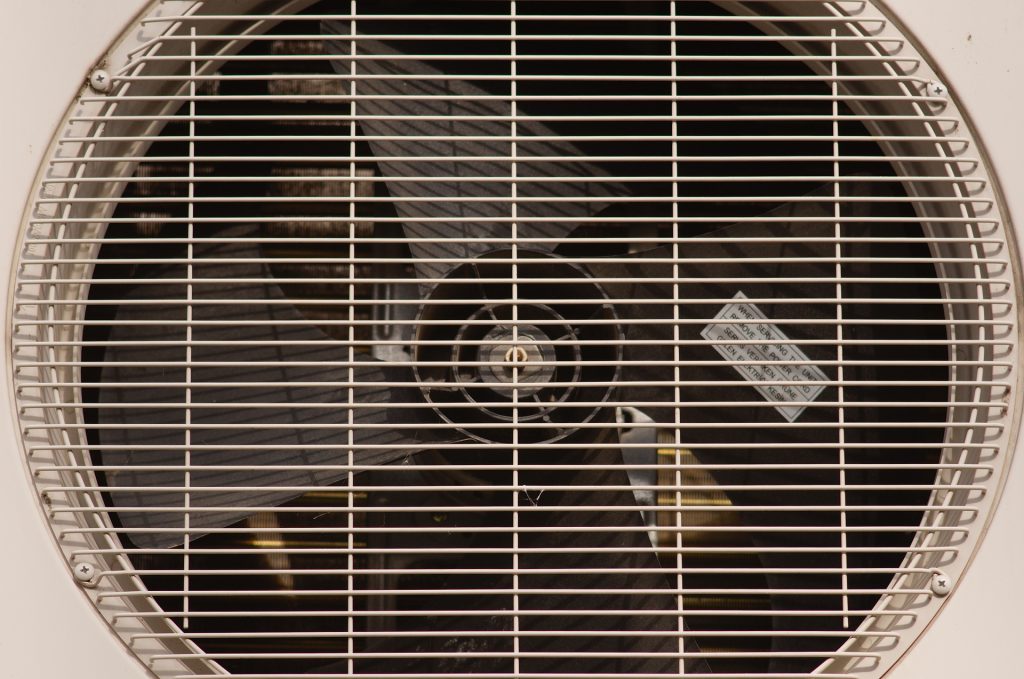
We all know the important roles that compressors play in air conditioning units. They’re like the hearts of air conditioners. Just like the heart, air conditioner compressors are delicate and easily damaged. A noisy AC compressor is a bad sign. Here’s what it means – and what to do about it. How do AC compressors work? In case you didn’t know, air conditioners cool air by first absorbing your hot indoor air and exposing it to cold refrigerant that absorbs heat. After heat absorption, the cold air is then pushed back into your room. Ever wondered what happens to the now “warm” refrigerant? It’s then led to the air compressor that compresses the fluid refrigerant leading to an increase in pressure. The pressure difference enables the refrigerant to flow to the evaporator coil. Consequently, the compressor will also increase the temperature of the refrigerant until it’s way above the external outdoor temperatures- This will create a massive temperature difference that will allow the refrigerant to lose heat to the external environment. The refrigerant will lose heat until it becomes cold and can be used for heat absorption once again. With a faulty AC compressor, the refrigerant will not flow, and neither will it lose heat. Good luck fighting off the Summer heat by yourself. Luckily, we’re here to help- Don’t wait until your air conditioner is barely fighting for its life. A noisy AC compressor is a sign that something is wrong. What does a bad AC compressor sound like? How do I deal with a noisy AC compressor? What are some of the common problems facing AC compressors? Read on to find the answers to these questions and hopefully save your AC compressor. What does a bad AC compressor sound like? A bad AC compressor sounds scary. Like something out of a horror movie. Modern AC compressors are silent workers. Sure, some people have “older” models that produce some sound as they operate. However, it should not be anything out of the ordinary. Therefore, there are some sounds you should be on the lookout for as you occasionally check on your air conditioner. If you own a heat pump, you should also be on the lookout if your heat pump is constantly noisy. 1. Bangs and clangs Probably the most embarrassing of noises. Bangs and clangs are usually a sign that a component is loose in your AC compressor, especially if the sounds come right after turning your air conditioner on or off. In the best-case scenario, all you’ll have to do is call in an HVAC professional to tighten any loose parts or re-attach them. In the worst-case scenario, you might have to replace the entire AC compressor. If that’s the case, contact us – the best air conditioning specialists in Phoenix. Either way, we’d advise you to quickly get it fixed before the loose component damages other parts of your AC compressor. 2. Screams and squeals Sometimes the screams are loud enough to send chills down your spine. Screams are usually a sign of refrigerant leaks in the AC compressor unit. Screams are produced as the compressor tries to compress the fluid refrigerant inside evaporator coils full of holes. Sometimes refrigerant leaks might not be the cause. Instead, it might be a warning of high pressure in the AC compressor. Still, this is just as dangerous as refrigerant leaks. Immediately turn off your system and look for help. Don’t put your home and family at risk. 3. Clicks and ticks These sounds are usually subtle. You’ll only hear them if you’re close enough to the AC compressor. Also, these noises are consistently heard as your unit runs. Most of the time, clicks and ticks are heard after dirt particles have infiltrated your AC compressor. If you only hear the sounds when turning on your unit, then you might have an electrical problem in your hands. Remember, compressor units also have several electrical circuits. 4. Hummings These sounds are usually not that serious. Maybe your compressor’s cover or some other part is slightly loose. However, there are times when humming sounds are a sign that your compressor is running low on oil. 5. Buzzing Buzzing sounds mean that anything and everything could be wrong with your AC compressor. From loose parts to refrigerant leaks and issues with electrical circuits. You’ll hear this sound after you’ve noticed that your air conditioner isn’t working as it’s supposed to- Maybe it’s no longer cooling your indoor air as much as it used to. What are some of the common problems facing AC compressors? As mentioned earlier, AC compressors are delicate hearts that need to be well monitored and cared for. A small problem can easily trigger a series of issues that will eventually put down your AC compressor for good. 1. Motor issues Your AC compressor won’t work with a faulty motor. The motor will fail if there is an overload of power that ends up damaging its electrical circuit. Now, that doesn’t mean your motor is dead and done. Most of the time, the motor will trip if there is an electrical problem. You can reset the motor by looking for and pushing the “reset” button that is right next to it. 2. Burn out When this happens, your air conditioner compressor won’t even turn on- This time, it is more than an electrical trip. It’s usually caused by damage in the motor’s wiring. The damage then leads to an electrical short between the compressor and the motor parts. In severe cases, you might deal with an explosion. 3. Shuttering This is when your AC compressor has difficulties turning on. You might find that your air conditioner turns on, then off, and then on once again before it continues running. First, check to see if its fuse is in good working condition. If not, you have to replace it (Here’s our article about AC blowing fuse). Next, scan the compressor’s wiring system for any damage and do repairs if they are necessary. If you
Supercool Air Conditioning: What Is It & Should You Bother?

Supercool air conditioning? Is it a new species of air conditioners? Is there something you’re missing out on? Don’t worry, we’ve got you covered as usual. We’ll carefully explain everything about Supercool air conditioning, and whether or not it’s useful for your home. First, you need to appreciate the fact that supercool air conditioning is not a new concept. You must be well aware of the high electricity bills that come with hot summers. Why? Because that is the time when your air conditioner works the hardest. In some areas, air conditioning is a must because of the unbearable heat. But you must be wondering, “Is there a way I can lower the electricity bills and save money without losing the benefits that come with operating an air conditioner at full power?” Yes, there is. Supercool air conditioning is the answer! The majority of homeowners are used to the traditional way of doing things: “Turn on your air conditioner until the Summer ends, then wait for a heap of electricity bills to bury you alive.” The time for change is now. Visit the best air conditioning specialists in Phoenix for the best deals on energy and money-saving air conditioners. If you’re weighing out the expenses of replacing your existing AC units, read about the average cost to replace your heating and cooling systems first. What is supercool air conditioning? Supercool air conditioning is also referred to as Pre-cooling. Just as the name suggests, pre-cooling means you let your air conditioner run at specific times of the day so that it can cool everything in the house or room. What do we mean by everything?- Well, everything. You, your family members, friends, pets, furniture, walls, floors, ceiling, and every other thing in your house. How does that help? We know you’re wondering, “Isn’t that what my air conditioner does every day?” Not really. We’ll get into the details later on. For now, all you need to know is the fact that Supercool air conditioning is so effective that it can save you more than 25% of your electricity bills. Now, isn’t that impressive? The next thing you need to have in mind is the fact that some electricity companies charge different rates for different times of the day- It’s their way of helping you cope with the high electricity bills that come with the Summer. For example, you might find that some companies charge more during the day and much less during the night. Before we continue, go ahead and check if your electricity company offers this kind of relief. Yes? Then continue reading to learn more about how to supercool your house. How to supercool your house You must now have a clue as to how supercooling works and how it can help you save a lot of money in the long run. Supercooling is all about running your air conditioner at times of the day when you’ll be charged less by your electricity company. You can call them “off-peak hours.” What about during the day? The sun will eventually rise. What will you do then? You’ll be surprised that after an entire night of extreme cooling, your house will remain cool during the day. Therefore, you can afford to run your air conditioner at minimum power. So how exactly am I saving money if I’m still going to blast my air conditioner through the night? It’s simple. Let’s say your electricity company charges 20 cents per kilowatt per hour during the day, then charges 5 cents per kilowatt per hour during the night. Why pay 20 cents when you can save the 15 cents and instead pay a quarter the amount? That amount can easily hit hundreds of dollars in the course of a few months. Why not save money and spend it on other things? Did you know that supercooling can also prolong the life of your air conditioner? During the day, your air conditioner has to go through on and off cycles as it strives to maintain the indoor temperatures- This on and off sequence will drastically wear your air conditioner. At night, you allow your air conditioner to constantly run without off cycles. You no longer have to worry about costly repairs and regular maintenance fees that come as a result of wear and tear. Additionally, you need to ensure that the air conditioner pad is properly installed to avoid any damage during the peak times. Things you need to get started with supercooling your house Below are some of the tools and features you’ll need to make this work in your home. A good electricity plan As mentioned earlier, supercool air conditioning is all about taking advantage of the off-peak hours to pre-cool your house. This way, you’ll not have to use your air conditioner during the day when the rates are significantly higher. Start by asking your utility company to give you your energy consumption report. This information will help you figure out how much power you use and how you use it. Next, ask them if they have plans based on time-of-use. Go for the plan that will save you the most money. A programmable thermostat A normal thermostat would do. However, a programmable thermostat is more convenient. First, you need to set the temperature setting for the off-peak times. Set it as low as you possibly can ( at 66 to 72℉). If your off-peak times are at night, then make sure your air conditioner is running at full power such that you’re forced to sleep with several blankets (You don’t have to take it to the extremes. However, it needs to be low enough to cool your entire house- Even behind the walls). Next, set the temperature setting for the peak times when the rates are significantly higher. Set it as high as you can tolerate (80 to 87℉). During such times, your air conditioner needs to operate with the least power possible. You can even opt to turn off your
Air Conditioner Freezing Up? Try This!

Do you know how dangerous it is to have an air conditioner freezing up? If you’re not careful, you might end up with a permanently damaged air conditioner. Even worse, you’ll have to put up with the extremely hot and uncomfortable summers. In severe cases, your air conditioner will turn into a huge block of ice. What causes air conditioners to freeze up? What are the signs of an air conditioner freezing up? How do I deal with a frozen air conditioner? How do I keep my air conditioner from freezing up? Read on to find the answers to these questions. It’s too late to save your air conditioner. What causes air conditioners to freeze up? The majority of people who have dealt with frozen air conditioners never thought it would even be possible to have an iced up air conditioner in the middle of summer. How can it be so hot outside and still have to deal with a freezing air conditioner? In a place like Phoenix, at that?! You might not know this, but freezing air conditioners are a common occurrence. It’s usually a gradual process that worsens over time. Here is the science behind a freezing air conditioner. The Joule Thompson Effect We’ll try explaining it in simple terms. You first have to appreciate the fact that air is made up of molecules. These molecules contain heat energy. Hot air molecules have a lot of energy. On the other hand, cool air is as a result of its air molecules having less energy. The Joule Thompson Effect explains that if the air is compressed, its molecules will become excited and cause an energy buildup. On the other hand, when air is allowed to expand, it’s molecules will become less excited, and its temperature will drop. Your air conditioner uses a fluid substance known as a refrigerant. Refrigerants are the agents responsible for cooling your indoor air once it’s sucked into the air conditioner. Refrigerants behave similarly as air- They will cool down if you allow them to expand. Cool refrigerants are then able to absorb heat from your indoor air. But what happens if your air conditioner allows it’s refrigerant to expand too much? The refrigerant will become so cold that it will cause the air around the air conditioner to freeze- And that is how you end up with a frozen air conditioner. Below are some of the things that will cause your air conditioner’s mechanism to malfunction. 1. Restricted airflow Probably the main reason why air conditioners are freezing up. Air conditioners primarily depend on airflow to function. Anything that restricts or inhibits smooth airflow is going to trigger a series of problems. Once its airflow is restricted, your air conditioner will not be able to dispose of the humidity in the system. With nowhere to go, the “wet air” will then settle on the refrigerant coils that contain the cool refrigerant. The refrigerant will then freeze the wet air. As time goes by, more ice particles will be formed as more wet air is frozen until the entire system is covered by ice. How is airflow restricted? By clogged filters, shut supply registers, or a faulty air conditioner fan. 2. Refrigerant leaks Not only are refrigerant leaks dangerous to your health, but they might also freeze up your air conditioner. We mentioned earlier that the refrigerant inside your air conditioner cools down when allowed to expand. If there holes on your refrigerant line, then the refrigerant will leak out, expand, and freeze the air around it. Also, the leaks will bring about a refrigerant deficiency in the air conditioner. Low refrigerant levels will also cause freezing in air conditioning units. 3. Drainage issues You might not know this, but hot air tends to carry more moisture than cold air. Your air conditioner not only sucks in and cools your hot indoor air, but it in the process, it also removes moisture from the air. The warm moisture then condenses inside the air conditioner. Your air conditioner needs to have a good drainage system to be able to remove the water before it’s trapped and frozen inside. There is usually a pan on the floor drain where the water flows into and is removed from the unit. Drainage issues are commonly found in window air conditioners that were not properly installed. You need to make sure that your window air conditioner is tilted at the right angle so that all the condensed moisture can flow out through the drain hole. What are the signs of an air conditioner freezing up? Most people expect their air conditioners to be iced up. However, ice-block freezing is usually the last stage of air conditioner freezing. As mentioned earlier, air conditioner freezing is a gradual process that worsens over time. You need to be very vigilant to be able to spot it out earlier on. In most cases, you won’t even see the ice. Restricted airflow in the air supply registers The best way to check your air conditioner for freezing is to check your air conditioner’s airflow. It needs to be smooth and normal. Do this by placing your hand over your air conditioner’s supply register. If the airflow is minimal, then there is probably some air restriction somewhere. You should also take a look at your air conditioner’s fan. Is it running as it should? Is it slower? Ice on an air conditioner’s coils Take a look at your unit’s coils and refrigerant lines. Look for any signs of ice. Ice on your AC’s coils and refrigerant lines is a sure sign of refrigerant leaks. If not, it might also be a sign of excess humidity in the air conditioner. If this is the case, you need to repair your unit’s drainage system. How to repair a freezing air conditioner You’ve inspected your air conditioner and found out it checks positive for all the signs we’ve mentioned above. What can you do to improve your unit’s
How to Vent a Portable Air Conditioner without a Window

Can I use a portable air conditioner in a room without a window? The straightforward answer is yes. There are many options to consider when venting a portable AC in a room that has no window. Although the procedure seems quite overwhelming, you can quickly do it when you have the right tools. You are probably wondering, “Do portable air conditioners work without a window?” The good news is that we’ve got an answer. In this guide, you’ll learn how to vent a portable air conditioner without a window. You have nothing to worry about if your room has no window. Keep reading to learn more. How to Vent a Portable Air Conditioner without a Window Every portable window air conditioner requires a vent to function correctly. When turned on, the AC will suck the warm air in your room. It then cools the air and returns it to your room. Meanwhile, the air conditioner will have to exhaust the warm air. If not vented, the air conditioner will exhaust the warm air back into your room, lowering its effectiveness to cool. You’ll end up spending a lot of money on cooling costs. Here are the ways on how to vent a portable air conditioner without a window. Now, let’s see how you can keep your un-windowed room cool using the four options. Venting an AC through the Door Apart from venting a portable AC through the window, another easiest way to vent the air conditioner is through a sliding door. The good news is that there are kits specifically meant for sliding doors to help you vent out warm air. You can easily fit them on your doors and get your AC working. However, the hose pipes for most portable ACs are not usually very long. So, you’ll have to place the portable air conditioner close to the door. If placed far from the door, the hose pipe might not exhaust the warm air outside. Thankfully, some portable ACs have a bit longer hose pipes. If you feel it’s not right to place a portable AC next to your door and have a pet door in the room, you can use it to vent the AC unit. However, you must ensure that you’ve tightly sealed the area around the hose pipe’s entrance. That helps prevent the warm air from leaking back into your room. Venting an AC through the Wall Another best way to vent a portable air conditioner is by creating a hole through your wall. Notably, most homeowners opt to drill a hole on their walls when other options have failed. It provides a permanent solution to your portable air conditioning system. To make a hole on your walls, you must have the right tools because it can be difficult to reverse any error you make. The size of the hole to drill will depend on the diameter of the AC’s hose pipe. Also, you need to consider the number of times you’ll use the hole to vent your portable AC. Once you’ve drilled the hole on your wall, seal it properly to keep away dirt, insects, and other environmental irritants. The best way to seal the hole is by using silicone caulk. All you need to do is cut the hose’s tip at a 45-degree angle, place it inside a caulk gun, and apply caulk around it on the wall. It’s no doubt that venting an AC through a wall built with stones and bricks is tough. You must be cautious about the wiring and plumbing on your wall. If you don’t have the right tools and expertise to drill a hole through the wall, consider hiring an air conditioning specialist in Phoenix. On the other hand, drilling a hole on drywall or a wall made of wood is easy. But again, you have to consider the location of the wall you intend to drill. Your first option should be an exterior wall that can vent air directly outdoors. Whether you are drilling a wall made of stone, bricks, drywall, or wood, you need to find the safest drilling spot. Otherwise, you might weaken the structure, especially if you drill the supporting beams or studs. The best way to find a safe drilling spot is by reviewing the building’s architectural plan. Venting an AC through the Ceiling If your home has a drop ceiling, you can also consider venting the portable AC through the ceiling. The drop ceilings are not available in most modern homes but are common in older homes. To vent the AC, you have to make a hole through the ceiling panel to accommodate the hose. Ensure you don’t interfere with the pipes and electric wires running on top of your room’s ceiling panel. Once you’ve made the hole, run the hose through it and seal the remaining openings using a silicone sealant. You have to monitor the humidity and temperature in the ceiling space to ensure that heat and humidity levels are not too high. If it’s too humid, mold will grow in the ceiling space. However, fitting the exhaust hose on the ceiling tile requires much technical knowledge. It can be challenging for homeowners without expertise. That’s why most people opt to invest in ceiling vent kits that are easy to install. It’s the most convenient way to run a hose vent through the ceiling. Notably, venting ACs through the ceiling is common in computer server rooms. Such areas don’t usually have windows leaving this technique the only viable option to ventilate the room. Venting an AC through the Dryer Vent While it’s possible to vent your portable AC through a dryer vent, most manufacturers and experts recommend against it. That’s because the size of dryer vents is usually smaller than the AC’s exhaust hose. You’ll have to apply a lot of force to insert the hose into the dryer vent. However, many homeowners have tried this technique, and it works. If you have a dryer in your home, you
Is it Cheaper to Leave Your Air Conditioner On All Day?
Air conditioners provide essential comfort during the hot summer months, keeping your home from feeling like an inferno. But is it cheaper to leave your air conditioner on all day? Or should you be turning it off whenever you leave the house? Today, we’ll answer these questions and more. Is it Cheaper to Leave Your Air Conditioner On All Day? First things first, yes, it is more efficient to leave your air conditioning on. This doesn’t mean what many people assume, though. You shouldn’t be leaving your air conditioner on full blast 24/7 by any means. There’s a right way and a wrong way to do this, which we’ll explore shortly. Why is it More Efficient to Leave Your Air Conditioning On? Air conditioners maintain both temperature and humidity levels inside your home. When you turn the unit off on a hot day, even for a few hours, things get thrown out of balance pretty quickly. Your air conditioner will have to work much harder to restore optimal comfort levels when you turn it back on – particularly if you do what most people do, which is crank the thermostat all the way down. Instead of making your home comfortable faster, abusing the dial in this fashion just makes your air conditioner run inefficiently. Check out this post for an explanation of why that is. On the flip side, your air conditioner (tuned to the appropriate settings, which we’ll share in the next section) can maintain the proper humidity and temperature balance inside your home while you’re away. When you return, you’ll still probably want to turn the thermostat down a bit but you won’t get hit with a wall of stagnant air that sends you racing for the dial. In addition to saving money on your air conditioning bill by following these guidelines, you’ll also save on repairs. As much as we love providing air conditioning service in Phoenix, we love it when our clients enjoy their units hassle-free for years on end. That’s hard to achieve when you’re pushing your air conditioner to its limits. How to Ensure Efficiency While Leaving Your Air Conditioner On As we hinted at earlier, while you don’t want to switch your air conditioner completely off during the summer months, you don’t want it running on full blast all the time, either. After all, air conditioners use a lot of power, making up a huge chunk of your energy bill in cities like Phoenix. The best approach is to set your air conditioner to about 78 degrees (F) when you’re not home. This is a number quoted by the Department of Energy because it strikes a good balance between keeping your home comfortable and saving electricity. At this setting, your air conditioner is not going to be running all the time. These units operate in cycles, releasing air that is 15-20 degrees below the ambient temperature each time. Your thermostat will then evaluate whether further cycles are needed to reach the temperature on your thermostat. Because 78 degrees is a fairly warm setting, it shouldn’t take long for your air conditioner to recognize that no further cycles are needed. Compare this to the 68-degree setting recommended when your home is occupied. That’s a whole 10-degree difference, which will require more cycles. It’s well worth it when you’re home and need the air to be nice and fresh. When you’re away, however, that level of cooling isn’t really necessary. As a bonus, by simply turning your thermostat down 10 degrees, you can save roughly 10% on your electricity bill annually. Not bad! If efficiency is your main concern when it comes to your HVAC system, you can check out this article about the different types of energy efficient AC units. Pro Tip: Use a Programmable Thermostat At some point, you will forget to turn your thermostat up a little bit when you leave the house. Keep things simple by installing a programmable thermostat that takes care of everything for you. This is one of the tips in our piece about saving money on electricity bills because it works! Homeowners with non-programmable thermostats tend to spend a lot of time tinkering with them to get the settings just right, which disrupts the unit’s function. Your air conditioner will start and stop frequently, which adds unnecessary wear-and-tear, reducing its lifespan. Leaving Your AC On All Day: About More Than Just Comfort When people ask “is it better to leave an AC on all day?” they’re typically defining “better” as “reduced electricity bills.” There’s a lot more to think about here, though. For one, mold and insects prevail in homes that are overly humid. This happens a lot faster than you might expect, too. While the optimal humidity level in your home is roughly 50% during summer, serious problems start developing at just 60% humidity. That’s the ideal humidity level for mold growth and insect infestations. Keeping your air conditioner running at a reduced level throughout the day fosters a humidity level of around 55%, which is preferable. It will quickly get back to the optimal 50% level when you turn the thermostat down after returning home. Excessive humidity can also damage your home in other ways. For example, condensation typically forms on your windows and runs down to your home’s wooden frames. There, it can produce rot that leads to expensive repairs down the road. Humidity also warps your floorboards and other wooden items around the house, shrinks caulking, and can damage electronics via static electricity. Is it Cheaper to Leave Your Air Conditioner On All Day? Conclusion The answer to the question “is it cheaper to leave your air conditioner on all day?” is a resounding yes. You’ll save money on your energy and repair bills, especially during the summer months. Your home will also be much less likely to suffer the negative effects of excess humidity and heat during the day, which will protect your health and, again, save you money. Frequently Asked
5 Cracked Heat Exchanger Symptoms to Look Out For
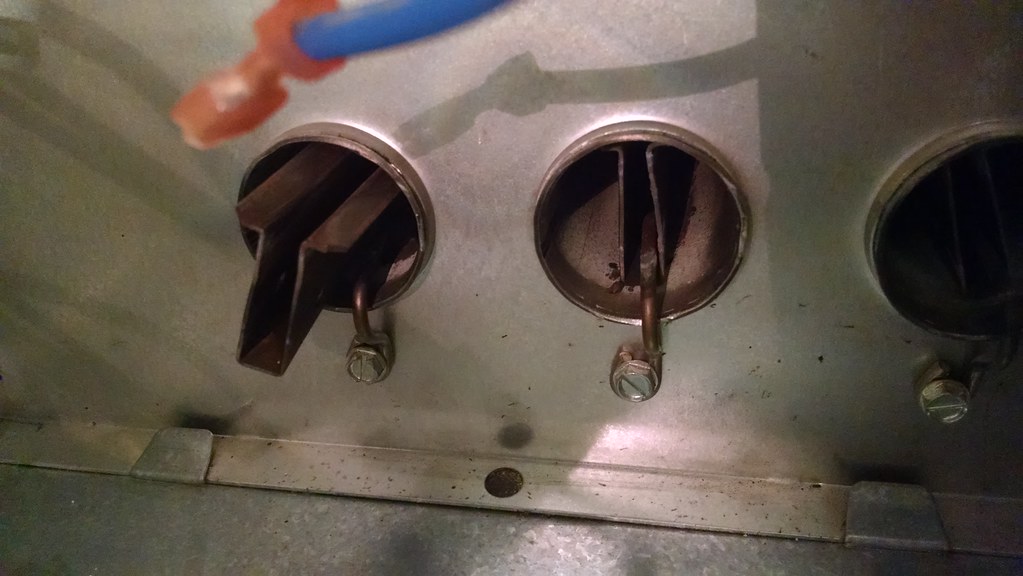
If you suspect your gas furnace has a cracked heat exchanger, you shouldn’t ignore the instinct. A damaged heat exchanger can be potentially hazardous to your family if not repaired at the right time. It will expose you to toxic gases like carbon monoxide. Cracked heat exchangers and carbon monoxide poisoning are responsible for hundreds of fatalities in the U.S. To keep your family safe, you need to inspect and maintain your HVAC regularly. Thankfully, HVAC maintenance plans in Phoenix are affordable. In this guide, we’ll discuss the following aspects of a furnace’s heat exchanger. How a Heat Exchanger Works A heat exchanger is one of the components in a gas furnace that heats air to warm your home during cold days. The system comprises a series of coils and tubes that consistently loops to heat air that flows through it. The heat exchanger system begins at the furnace’s burner assembly and ends when the furnace connects to the chimney vent. Notably, the heat exchanger is enclosed in a metal chamber to distribute warm air in your entire home safely. When ignited, the furnace will channel hot combustion gases into the heat exchanger chamber to heat the metal walls. Meanwhile, return air ducts in the system will suck the cold air in your home and pass it along the heat exchanger to warm up the air. Once the heat exchanger’s walls have heated up the air, it will send the warm air back to your rooms through ducts. Conversely, the system will blow out combustion gases produced in the heat exchanger into a vent that channels the gases outside the house. Signs of a Cracked Heat Exchanger It can be quite tricky to tell that your furnace’s heat exchanger is damaged by looking at it. That’s why you should watch out for the cracked heat exchanger symptoms. So, what are the symptoms of a bad heat exchanger? Keep reading to learn more. A typical furnace flame should be blue. If your furnace produces a steady blue flame, it’s clear that the furnace’s heat exchanger is functioning efficiently, and there’s nothing to worry about. However, if the furnace produces a yellow flame, it can mean that your burner is dirty or your heat exchanger has cracked. But if the flame is yellow and also flickers, the chances are high that there are more damages in the furnace. When there’s a lot of carbon inside your heating system, the furnace will produce a lot of soot. Usually, that happens when the furnace fails to burn the gas entirely, known as incomplete combustion. There are many reasons the fuel doesn’t burn completely, including the use of faulty burners. However, a cracked heating exchanger could be another possible reason for more soot production in the heating system. If your heating system produces a strong and unpleasant smell, it could be that the heat exchanger has cracked. Notably, the fumes usually smell like formaldehyde and are highly toxic to your body when inhaled. If you discover that your heating system produces a formaldehyde-like odor, you should immediately contact a professional HVAC contractor. If you ignore the issue, you’ll be exposing yourself to more harm or dangers. When the external components of your furnace begin to show the signs of tear/wear, the chances are high that the internal components are starting to wear. That could mean that your heat exchanger has also begun to crack. Stress cracks on the furnace are a common problem that occurs when the components contract and expands intermittently during cooling and heating. Besides, the furnace components can corrode when exposed to fumes with chloride or moisture. If your furnace doesn’t have any condensation issue and you find some water on the floor at its base, the chances are high that the heat exchanger is the issue. You’ll need to contact a professional HVAC contractor to determine the root cause of the problem. Besides a cracked heat exchanger, there are other possible causes of leaks around the furnace. For instance, a whole-house humidifier could leak if connected to your furnace. Another possibility could be when the HVAC’s internal drain system is clogged. Possible Reasons a Heat Exchanger Would Crack Here are some of the leading causes of cracks in heat exchangers. In most cases, furnaces’ heat exchangers tend to crack due to overheating. If the airflow in your heating system is quite slow, heat will build up in the system and cause it to break. That’s why you need to maintain the furnace regularly to enhance airflow. If dirt and dust accumulate in the heating system, it can block filters, clog the blowers, and clog the coils. Consequently, the clogged parts will prevent enough air from flowing through the system. That will overheat the furnace and reduce its efficiency. A heat exchanger can also crack due to constant heating and cooling. As the exchanger heats and cools intermittently, the chamber’s metallic wall will also expand and contract continuously. As a result, the metal component will wear down and crack. Another reason your heat exchanger could crack is corrosion or rusting. Rust tends to eat away any metal and could cause a crack on the heat exchanger. If you’ve poorly maintained your system, rust can build on the components and develop cracks. The average lifespan of a furnace’s heat exchanger is 15 years. If your gas furnace is about that age, the chances are high that the heat exchanger can crack. So, you need to get a replacement ready to avoid inconveniences if it breaks. Potential dangers of a cracked heat exchanger Operating a furnace with a cracked heat exchanger can be very dangerous. It will not only pose significant risks to your health but also cause more damages to the system. In a nutshell, here are some of the dangers of a cracked heat exchanger. What to do if Your Furnace’s Heat Exchanger Cracks If you believe that your furnace has a cracked heat exchanger, you shouldn’t rush to fix it
Will a Dirty Filter Keep an AC From Cooling?
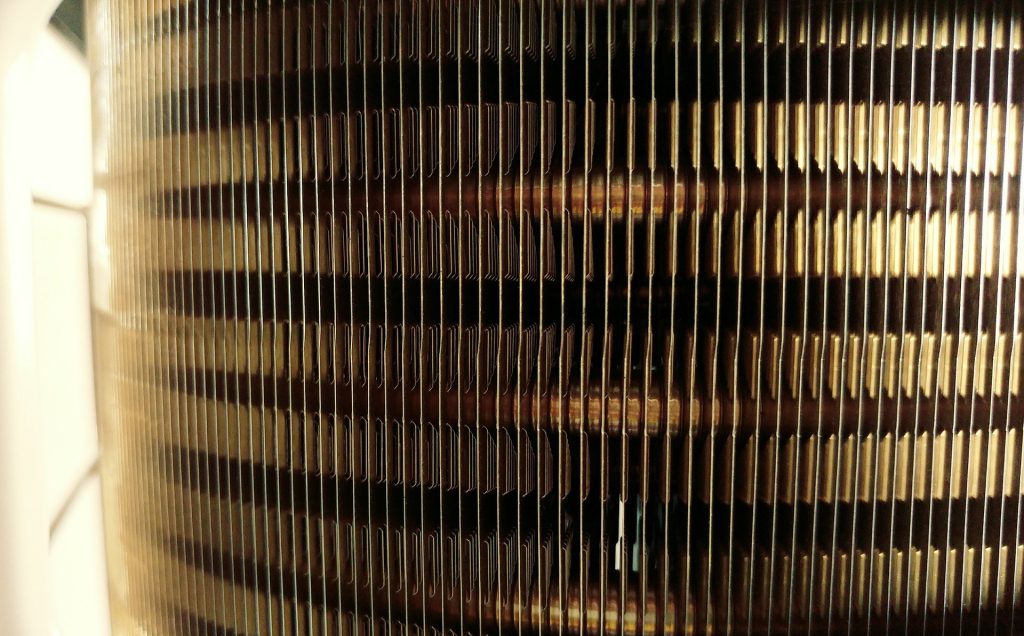
A few months after your AC Installation In Phoenix, Arizona, you are probably wondering, “will a dirty filter keep an AC from cooling?” The truth is that a dirty and clogged filter can cause many devastating problems to your air conditioner. As a result, the unit’s efficiency and effectiveness to cool will significantly drop. When you realize that your filter is clogged, you should change it immediately. Notably, AC experts in Phoenix recommend that you replace the AC filter every 1-3 months. That way, you’ll keep the air conditioner functioning efficiently throughout the year. In this guide, we explore all the devastating impacts of clogged filters on your AC unit or system. Keep reading to learn the signs that show your filters need replacement. Signs that You Should Replace Your AC Filter Most homeowners tend to forget changing their filters until the day the air conditioner stops working. So, how do you know that an AC filter is dirty and requires replacement? Here are some of the signs that clues the AC unit needs a new filter. An overheating air conditioner can be a sign of a clogged air filter. If the AC filter is dirty, the AC unit will work harder when switched on to keep your room fresh. Consequently, that will put more pressure on the air conditioner, causing it to produce a lot of heat. When your air conditioner overheats, you’ll perform repairs more frequently, reducing the unit’s lifespan. However, replacing the AC filter every month will lessen the load and extend the AC’s durability. If your electricity bills begin to rise sharply, it can be quite challenging to determine the root cause. However, a faulty or poorly maintained air conditioner can be the possible cause. The best way to reduce the unit’s energy consumption is by replacing filters. It’s no secret that the cooling costs tend to increase during summer when it’s sweltering. But if your electricity bill is higher than usual (other summers), the cause could be a clogged air filter. So, you must always change it regularly to keep the electric bill low. Read more about the average electric bill in Phoenix during summer here. If your air conditioning system produces warm air instead of refreshing cold air, the main problem could be a dirty filter. When the filter gets clogged with a lot of dirt, it prevents the cold air from passing through, leading to uncomfortably warm temperatures. However, if the air filter is new, but the air conditioner keeps producing warm air, consider hiring an expert. They will investigate the problem and provide maintenance services. However, you’ll have to pay a fee to hire an air conditioning expert. Another sign of a dirty/clogged air filter is the accumulation of dust particles on surfaces around the air vents. You can compare the surfaces with other surfaces away from the vents. If they are dustier, you need to replace the air filter before the situation worsens. The best way to determine if dust has accumulated around the air vents is by applying the “white sheet test.” All you have to do is hang a white fabric about five inches away from the unit’s vents. If the white sheet turns gray, it’s a clear sign that the filter is dirty. An air conditioner can affect your health negatively or positively. If your AC filter is dirty, there’s no doubt the air circulated in your house is also polluted. So, you’ll be breathing in air full of allergens, such as dust and pollen, which can cause several allergic attacks. Ideally, an air conditioner should positively impact your health and not destroy it. If one of your household members is highly allergic to dust, you should replace the air filter more frequently. That will help to improve your home’s indoor air quality. If you’re still experiencing allergy attacks, consider upgrading to a more effective filter. Devastating Impacts of a Dirty Filter on Your AC System Does a dirty air filter affect air conditioning? The AC filter plays a significant role in your HVAC system as it filters air by removing particles that shouldn’t be in your house. So, when the filter gets clogged with a lot of dust, it will affect the system’s functionality. Here are some of the ways dirty filters can affect your air conditioner system. All AC systems rely on the continuous circulation of air. So, the performance of its blower fan can impact the amount of energy it consumes. If the fan strains to pump air through the clogged filter, it consumes a lot of energy, contributing to a high electric bill. According to the U.S. Department of Energy, a clogged filter can increase your energy consumption by up to 5 percent. That might even increase up to 15 percent as the filter keeps plugging. If not serviced, the AC system can eventually malfunction. A clean filter allows air to circulate freely throughout the system. But if the air filter clogs, the dirt will prevent cold air from flowing through the evaporator (cooling coil). Since the air flowing over the coil is not enough to dissipate condensation produced during cooling, cold air will build up inside the cooling coil. As a result, the internal temperature will drop significantly, freezing up the evaporator. The air conditioner’s ability to expel heat from the air inside your home will reduce when the evaporator freezes up. Eventually, the AC system will break down. A clogged air filter will quickly wear out an air conditioner system. If you fail to replace the filter immediately, it can result in additional tear and serious maintenance issues. That will negatively impact the system’s durability. When your AC is worn out and is suffering from consistent breakdowns, trust American Home Water and Air for AC repair in Phoenix, AZ and we’ll make sure to bring your AC back to life and reduce the effects of wear and tear. To extend your AC’s lifespan, consider replacing the clogged air filter with a