How to Purify Air in Your Home

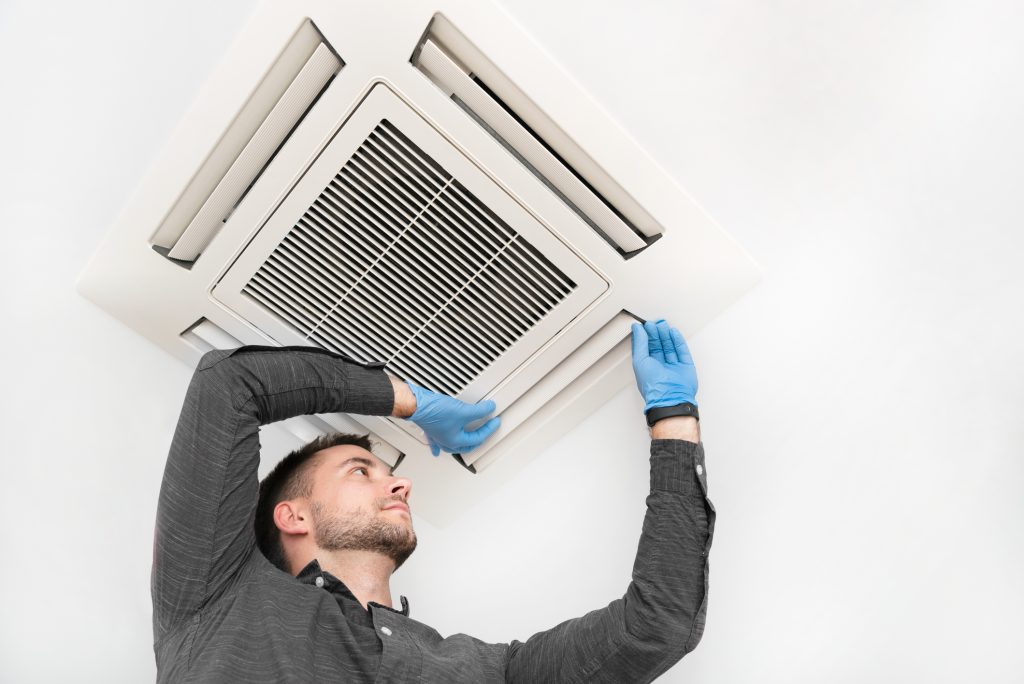
Most think of the air in their homes as perfectly clean and breathable, but the truth is that the indoor air quality of your home can be up to ten times worse than the outdoors. Government studies show that air pollution, including the kind found inside your home, is a considerable public health risk. Put most simply, bad air is bad for you. The good news is that we’re here to help. Let’s take a look at an issue important to everyone—how to purify the air in your house. If you live in the city, your home is more prone to higher levels of outdoor pollution that can make its way indoors. But that doesn’t mean you shouldn’t know how to purify the air in your home if you live in a more rural community. Indoor air pollution is made up of dust, dirt, or gases in the air that can be harmful to breathe. Poor ventilation, dampness, or chemicals used inside the home could be having a slow, silent impact on general health, which, in the worst case scenario, can take years off the lives of its occupants. The more insulated and less ventilated you make your home to combat rising energy costs, the higher the chances of having poor air quality. This is why it’s so important to purify the air in your home. Check out the following ideas to find the best way to filter the air in your home: The simplest solution for how to purify the air in your house is also the most obvious one – open the windows and let the breeze in. While this might not be optimal in winter, it lets fresh air in and harmful air out. It will also combat the humidity that allows dust mites to form. Finally, opening your windows from time to time can be a quick solution to air out any chemical residue from cleaning or decorative products. Dust and pollen aren’t always easily seen by the naked eye. If you are looking for how to purify the air in your home, you’ll want to invest in an air purifier to capture those microscopic particles that you may not be able to see. A top-notch air purifier can capture and clean dirty air, sending it back out into your home as fresh air. Some also release negative ions into the air to help combat any airborne viruses or bacteria. Air purifiers with a high clean air delivery rate will filter the air faster and those with fans will move the air around instead of you having to move the unit around the room for optimal results. American Home Air and Water offers some of the best in the industry when it comes to top quality air purifiers. Regular air duct cleaning improves the overall air quality in your home. With routine cleanings, you’ll eliminate built-up contaminants and debris that can filter back out into your home, and you’ll also extend the life of your ductwork. Not only will the air you breathe in your home be healthier, but your HVAC system will also work more efficiently to help keep it that way. A high-quality vacuum cleaner will go a long way toward keeping dust, pollen, and pet hair out of the air in your home. Vacuum as often as possible, including underneath furniture that might be harboring dust and debris. Be sure to take cushions, rugs, and throws outside to shake them out or beat them so that you’re not putting the dust they shed back into your home. For most household surfaces, you can use a damp cloth to trap dust and allergen particles and remove them. When looking at how to purify the air in your house, one of the best ways is to simply not introduce toxins that will need removal. Trade in the use of cleaners and products that contain strong chemicals for green options whenever possible. Not only do harsh chemicals create poor air quality in your home, but they also pollute the environment when they wash down drains, leaching into the water and harming wildlife. Eco-friendly products are better for everyone, inside and outside your home, and you can even make your own with a little effort. For example, castile soap made from vegetable oils is fantastic for grease removal. Vinegar cleans glass perfectly and olive oil will polish stainless steel to a shine. And lemon juice works marvels at getting stains out of chopping boards. Using these natural products offer a simpler and chemical-free approach. Dust mites, mold, and bacteria thrive in heat and moisture. Consider installing an extractor fan to remove steam from cooking or showers. If your home shows signs of excessive humidity, a dehumidifier can help in areas that are poorly insulated or have single glazed windows. There are over 7,000 chemicals found in secondhand cigarette smoke. Smoking inside your home allows these chemicals to build up to harmful levels that can linger for hours. Even smoke from incense cones or sticks and paraffin wax candles can emit carbon monoxide and carbon dioxide that is harmful to your health. To avoid toxins and chemicals building up and affecting your air purity, make sure to implement a “no indoor smoking” policy. Air fresheners can mask odors and give your home a lovely, fresh scent, but some may also contain synthetic chemicals. Switch to a naturally fragranced, fragrance-free, organic diffuser or essential oil burner instead. Stick with non-toxic paint brands. Skip any that contain plastic that can trap air in your walls and lead to the formation of mold. Likewise, avoid petrochemicals drawn from acrylics, formaldehyde, ammonia, oil, or man-made dyes – instead, use water-based paints instead of oil-based ones. This ensures that you can paint your home to your preferences without leading to build-up of chemicals and slow-released fumes over the years. Fireplaces and wood-burning stoves can give off smoke that damages the lungs. While homes built after 1998 won’t have wood-burning capabilities, those who
Modern Indoor Air Quality Solutions
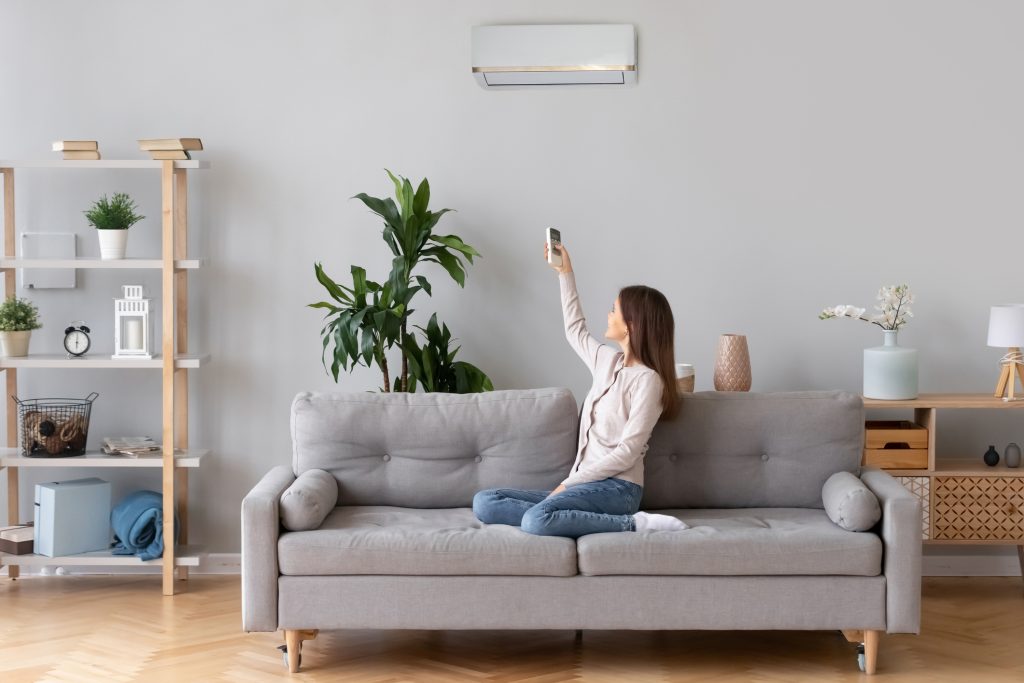
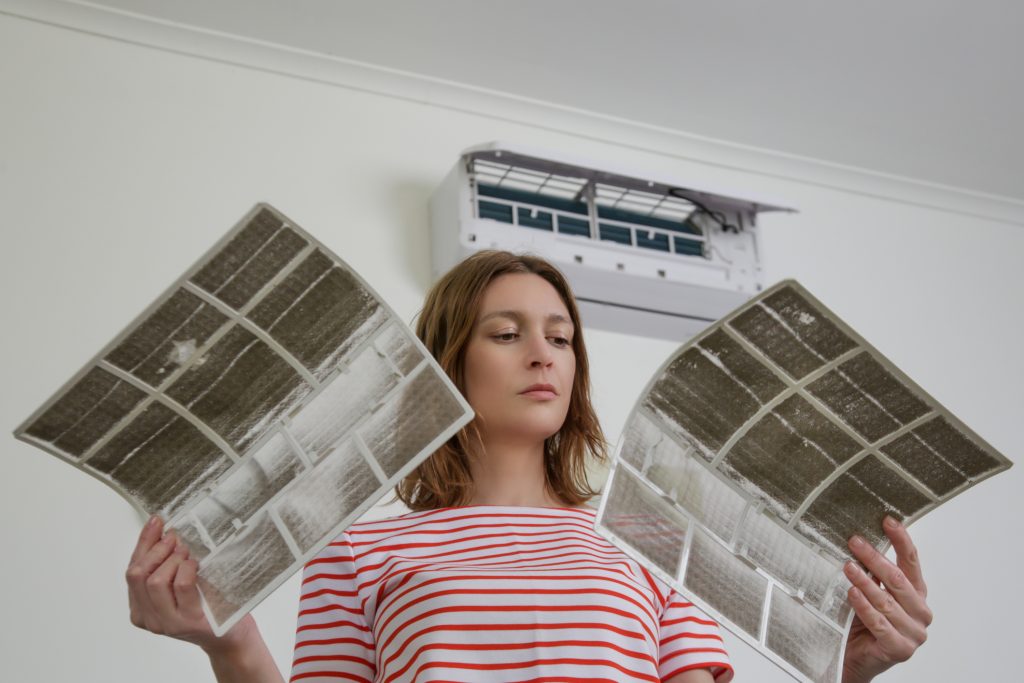
If you want to improve the air quality in your home, it may be worth checking out this guide. American Home Water & Air is your HVAC service in Phoenix, Arizona, providing you with excellent ways to improve your HVAC indoor air quality. If you want indoor air quality solutions that are guaranteed to work in your favor, you’re in the right place. Improved air quality can do wonders for those who may have health and allergy issues linked to poor air quality, be it indoors and outdoors. These solutions may involve inspecting your HVAC system and potentially hiring a professional to make any needed improvements. Most of these solutions are DIY, so they should be fairly easy for you to implement. With that said, here is a list of modern indoor air quality solutions to consider: Change the AC filter First off, the dirty AC filter will need to be changed. It will collect and filter a lot of the air pollutants that are common throughout homes. It can get to the point where these pollutants can gain access into your home once the filter is no longer useful. That’s why it is important to inspect them periodically to determine when a good time to change them may be. Does AC improve air quality? It definitely does, as long as the filter is in good working order. Change the other air filters for other appliances as well Other air filters should also be changed when needed, and there may be several throughout your home that require it. Many household appliances may have air filters of their own including kitchen vents, dryers, and even vacuum cleaners. You can be sure that changing out your air filters will certainly increase indoor air quality ventilation. Don’t believe us? Try it out for yourself, and you’ll see what we mean. Use stove vents when cooking Did you know that depending on your cooking space and ventilation setup, you could be spreading indoor pollutants whenever you cook in your kitchen? This is usually due to the gas that powers your stove range. Specifically, the pollutants known as nitrogen dioxide and even carbon monoxide, which are released in small amounts when cooking, can be harmful to your health if they build up. While most kitchen setups are designed to prevent this, when combined with specific types of cooking, you might find these gasses building up during long cooking sessions. High levels of carbon monoxide can also lead to carbon monoxide poisoning, which can be dangerous to your health. If you are running a gas stove, you’ll want to use your stove vents and exhaust. Alternatively, you can switch to an electric stove, which will greatly reduce the amount of these gasses that are being released. Humidity control If there are areas where humidity is high in your house, a dehumidifier gets the job done. Not only that, controlling humidity in your home will keep the mold growth at bay. Mold growth can severely reduce the air quality and trigger all kinds of illnesses and allergies. The more humidity that’s reduced in your home, the better the air quality will be. Mold growth can lead to expensive remediation measures if you fail to monitor or prevent any growth from happening. Do the best you can and inspect potential problem areas including inside your air ducts. Install a carbon monoxide detector in your home Revisiting the issue with carbon monoxide from earlier, you’ll want to install a carbon monoxide detector inside your home. The gas is odorless, colorless, and tasteless. But it can be fatal. For this reason, installing and monitoring a detector will be your best bet against carbon monoxide. At the same time, you may want to check out any problem sources including boilers, heating appliances that are badly fitted or maintained, or any blockage in your chimney. Speaking of deadly gasses, it wouldn’t hurt to have a radon test done to see if there are high levels of it kicking around. Vacuum regularly Regularly cleaning your house can also increase the air quality in your home. Vacuuming should be one of those things you should normally do regularly. You have plenty of vacuums these days that will have air filters built in. Not to mention, it also does a good job of getting rid of dirt and dust. Plus, dust mites won’t be much of a problem. Have your HVAC system maintained regularly This is definitely a job best left up to the professionals. It comes at a cost, but an HVAC cleaning service near Surprise, Arizona might just be one of the best indoor air quality solutions today. Let’s just say it’s worth every penny for a regular service. Also, it wouldn’t hurt to have the air ducts cleaned regularly and clean the AC drain lines as well. You pay for what you get with professional service, but it’s always worth the investment if you’re looking to keep the air quality in your home better than ever. Consider using air purifiers Many homeowners will use air purifiers that can help increase the air quality throughout their whole homes. Find one that fits your preferences, needs, and budget and you’ll have one of the best ways to keep air pure in your home. Prohibit smoking indoors Needless to say, cigarette smoke can release toxins into the air. Even second hand smoke can be a cause for lung cancer and all kinds of health problems. If you smoke, do it outside. If you know someone who smokes, implement the ‘smoke outside only’ rule in your home. No exceptions at all. Also, make sure you are consistent with this. We may slip up at times and smoke indoors once in a while, and it’s fine. But remember that for maintaining air quality in your home, it’s better to keep your smoking sessions outside the home. Improve your home’s air quality today Hopefully, these indoor air quality solutions prove to be helpful in improving your home.
How To Check For Mold In Air Ducts and 4 Ways To Eliminate It
Mold on air vents is not something you want to keep around. Especially when people in your household can be sensitive to it, exposure to mold can trigger plenty of health issues. That’s why you must learn how to check for it and eliminate it as soon as possible. As your air duct professionals near Glendale, Arizona, we’ll share with you tips on how to do that. We’ll also share with you four ways to eliminate it completely. Mold should never be in your home, but it can grow if the conditions allow it. Typically, it shows up in places that are cool and damp. This is why mold in AC vents can be common if the right measures aren’t taken to prevent it. To find out more about finding out if you have mold in air ducts and how to eliminate it fast, keep reading. What are the signs of mold in your air ducts? If you want to prevent something like black mold in air vents, it’s important to know the signs. Let’s take a look at the following so you know what to keep an eye (or nose) out for: Visible mold Any visible signs of mold on air vents should be one of the top things to look out for. With enough time and the right conditions, mold spores will usually settle inside the vents and appear as spots in different colors. Some of them will be white, black, or green, and just because you can’t see it on the outside of your vents doesn’t mean growth may not exist on the other end. That’s why you should make sure to properly check for mold on air vents by removing the cover from the vents and looking inside. Mold in AC vents can’t be easily visible unless you remove the cover and shine a light inside. Mold inside the AC or furnace Continuing on, you’ll have to look inside the AC or furnace for any mold. If the inside is damp and dark, that’s ground zero for almost any type of mold growth. Also, we highly suggest checking out the evaporator coils and drain pans since you may be able to find potential mold in your AC vents in those places as well. Besides common locations like these, it’s possible to find mold growth even in unexpected places. If you find any, that’s when you should enlist the help of a mold remediation expert, regardless of whether the growth is severe or not. Musty odor when HVAC is running If you are running your HVAC and smell a musty odor, the potential for mold in the vents is high. Mold has an odor that is considered to be earthy or musty. The odor won’t be good on the nose, but it’s one of the more recognizable signs that mold growth is present and can be detected easily. If the mold is growing in the ducts, the smell might even spread throughout rooms that are near the source of the growth. Any strange smells similar to that of mold in your rooms means you should check nearby vents immediately, as it could be a telltale sign you have mold in the air ducts. Allergy symptoms or illness occurs As mentioned before, if you are allergic to mold, your symptoms will emerge. It can also cause other symptoms. Allergy symptoms you may suffer from can include sneezing, coughing, watery and itchy eyes, and breathing difficulties. However, you might suffer more troublesome conditions apart from these, such as severe nausea, vomiting, diarrhea, and fatigue. For these reasons, it is important to stop using the HVAC system if any of these symptoms occur. If any mold growth is discovered, do not activate your system until it is free of any mold. Ways to eliminate mold from HVAC system Find the mold source Finding the mold source can be a challenge. Most of the time, the source can be usually associated with water leaks. Find any leak spots that may be close to your air ducts or the HVAC system itself. Once found, you’ll want to fix the issue with the help of a professional. Speaking of which, let’s move on to the next step. Hire a professional to test for mold Although you can test the mold yourself, DIY mold testing kits aren’t always fully reliable and thorough enough to ensure you don’t have mold in your vents. If you must, enlist the help of a professional to test and eliminate mold inside your air ducts. Contact your local mold removal services if needed If the test for mold is positive, then mold you’ll need removal or water damage restoration services. Please make sure the HVAC system remains off until this process. This will greatly reduce any risk of the mold spreading. Mold removal services will follow the right steps and protocols to remove mold safely and effectively, and they have the proper tools and attire to get the job done. This makes it easy to remove mold safely without any added risk to you or your household. Take preventative measures While mold removal may not be a DIY task, preventative measures can definitely be put in place beforehand. This includes cleaning the drip pans regularly, checking for leaks throughout your entire piping system and in areas where condensation usually occurs. You may want to seal these areas if needed. Furthermore, you’ll want to consider purchasing a dehumidifier. Run it in areas that can be susceptible to regular mold growth. Lastly, you can invest in regular air duct cleaning, which you can get done professionally. Keep in mind that air duct cleaning doesn’t come cheap. You’ll be looking at spending anywhere from $300 to $500 for a visit. But an ounce of prevention is worth a pound of cure, as they always say, and the same goes for preventing future mold growth in your home. Be sure to take the right preventative measures and things will be fine. American
HVAC Air Balancing, Everything You Need To Know
If you don’t know what air balancing is, no worries. We’ll explain what it is shortly. As your HVAC service in Phoenix, Arizona, we know what we’re talking about when it comes to home heating and cooling. Air balancing is something that can be beneficial to your home. When done right, you’ll feel comfortable in every room. You’ll feel cool in the summer and warm in the winter. This is a good solution for dealing with any prominent hot or cold spots in your home, which are signs of an air imbalance. If you want to get rid of them in your home, keep reading. What is air balancing? Air balancing is where you can adjust the HVAC system in every room of your house. This ensures that your whole house gets the right amount of hot or cold air. Overall, you want your whole house to be as comfortable as possible. Your residential HVAC system should be balanced out when it’s initially installed. As needed, adjustments to your HVAC system are common. However, you might not be able to have the temperature set to 70 degrees in every room. Try as you may, something may seem a little off. Air balance is key so you can get rid of any warm or cold spots in your house, no matter where they are. What are the advantages of air balancing Let’s take a look at the following advantages you can experience if you decide to do any air balancing in your home: Better comfort levels If you do any air balancing, this may increase all kinds of comfort throughout the entire home. In the summer, you may find yourself in a room that doesn’t get adequate air conditioning. So you move to someplace cooler. With air balancing, that won’t be the case. You can stay in that room for as long as you like and feel comfortable. If you want to know how to fix a hot room quickly, chances are air balancing gets the job done. Increased air quality Better air quality is one of the best perks to have for air balancing. Especially if you are allergic to dust, mold, or pollen, air balancing will lower the amounts of these allergens that come from the outside and gain access inside through various means. Increased HVAC system lifespan Everyone wants their HVAC system to last a long time. There’s no doubt that you can get it done. Air balancing will definitely help decrease the amount of dust and mold buildup that will occur within your system. Aside from that, increasing the efficiency of your airflow will also help add more years of service to your HVAC system. Is it possible to do air balancing yourself? Short answer: yes and no. The long answer: there is one way to do it by yourself. This includes making adjustments to your dampers. The other way to do it will require professional assistance. If you need air balancing done, your HVAC specialist near Glendale, Arizona will have an expert come to your house to get the job done. We can perform air balancing testing to see if we can make a good adjustment. We’ll make sure that every house in your home is comfortable. It’s technically possible for you to do things yourself, but some other things could be best left to the professionals, especially if you need to make sure you’re checking for everything you need. When you’re unsure of what to do, calling American Home Water & Air may be your best bet. You can also check out our other articles to learn more tips and facts about Air conditioners and HVAC systems such as “What is the coldest temperature for an air conditioner“ How to DIY Air Balance Your House If you decide to go the DIY route, you can adjust the dampers in each room inside your house. This also includes adjusting your system’s duct lines as well. To adjust the dampers, you’ll want to take a look at your vents. Close the diverters of every vent you have to force less air into the room while providing more of it to other rooms. It’s as simple as a pull of a lever. Now, adjusting the duct lines is completely different. You need to turn the lever to where the disk located inside the line is flattened. This will ensure plenty of air flow is provided by the duct line. When to get it balanced by a pro? There may come a time when air balancing can be left to the professionals. Your HVAC professionals near Scottsdale will inspect the entire system and perform the necessary tests. From there, they’ll determine what needs to be done to air balance your home in the best way possible. They may include simple damper adjustments and adjusting the speed of your fans. It can also involve major work such as replacing your supply lines or installing new dampers. Your HVAC unit may undergo major changes as well. Regardless, you’ll want to be ready to consider setting money off to the side for any professional air balancing. Air balancing prices will range anywhere from $75 to $100 per opening in your home. On average, you may expect to pay anywhere from $750 to $2000. The more vents you have in each room (or throughout the house), the more you’ll likely pay. Also, the ease of access to your HVAC lines may play a factor in how much you’ll pay. Get your HVAC air balanced now American Home Water & Air are your HVAC professionals in Phoenix, and we’re ready to test your home’s air balance whenever you need it. Want better air quality and comfort throughout your house? There’s no better HVAC professional to go to for that. Try making adjustments on your own if needed. It may be cost-effective and the best course of action. But if nothing seems to be working, that’s when you can rely on the professionals to
Solar Powered Air Conditioner, the Future of HVAC?
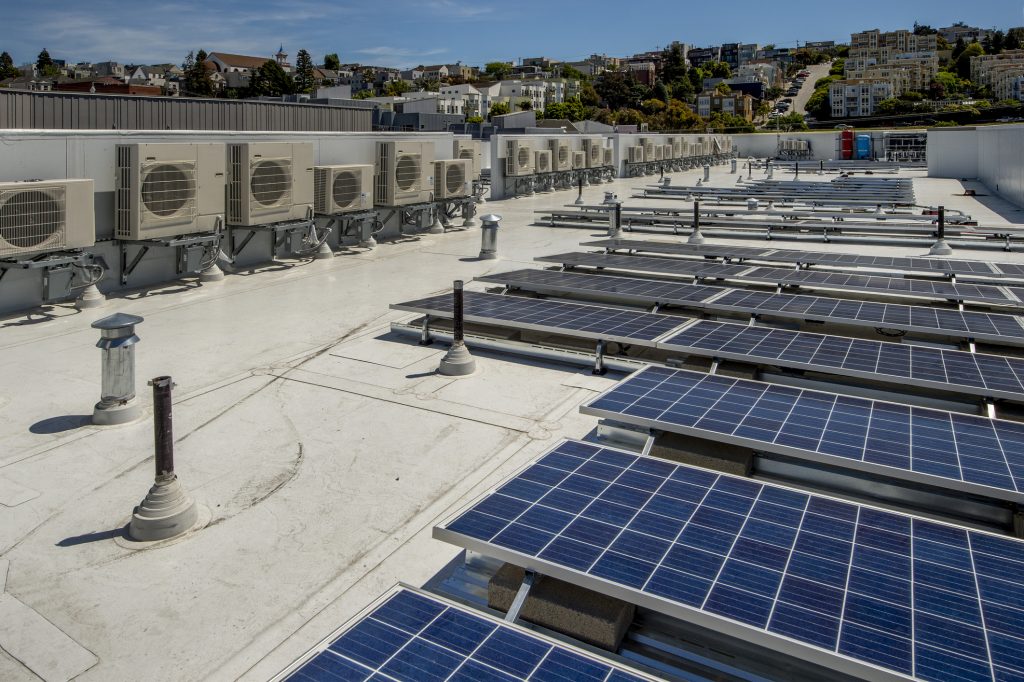
When alternative energy resources are suggested, it comes as no surprise that we talk about solar energy as the main option. Solar energy seems to be all the rage these days, perhaps for a good reason. Does this mean we’ll see a solar powered air conditioner as the norm for many households? The answer may be a resounding yes. We’ll be discussing solar power air conditioners, including their pros and cons. Many of them are being powered by regular electricity for the time being. With clean energy being the go-to option for the environmentally conscious, we may very well be preparing for what could be the future of HVAC. Could a solar powered air conditioner be the most cost-effective solution compared to electricity? Let’s discuss this further so you get a good idea of what they can do for you. What are solar powered air conditioners? A solar powered air conditioner will run on solar power (how else). As for how many solar panels it may need to operate, the answer is: it depends. For example, three solar panels will contain at least 320 watts apiece. At this rate, you could be able to use an air conditioner that can cool off a studio apartment or a small home. The larger the space, the more solar panels you’ll need for your solar AC. Keep this in mind if you consider a solar powered air conditioner yourself. How long have solar powered air conditioners been on the market? Solar powered air conditioners have been on the market for a few years. During its development, they have run into certain issues that had delayed their imminent appearance on the market. An example is that solar power was considered inconsistent when working with single-speed compressors. Because of this, newly designed compressors were created to help work with solar power. The fans will run at various speeds during their operation and can operate directly with solar power itself. What is the current price for a solar powered air conditioner? Solar powered air conditioner prices will vary depending on the brand. Some of these prices will exclude any installation fees that retailers can include. SolarAir World will have air conditioners priced at no less than $1700 (excluding installation). GREE and HotSpot Energy will have systems that start out at around $1800 (both excluding installation fees as well). So it is important to consider not only which solar AC unit will fit your budget but rather who will charge it for installation alone. The rates will differ from one installer to another. Find the one that will fit your budget better and go from there. If you need a good amount of money to save up for a solar AC unit, we recommend that you at least save up to $2000. This may be enough not only to cover the initial unit but cover any installation costs. As you shop around for installers, you may set more money off to the side if needed. Who are solar powered air conditioners for? Not everyone may be able to use a solar powered air conditioner. This may have you asking: is it something for me? The good news is that even with a small space, you can still use one. Even if you cannot install full solar panels for your home, you can still use a solar air conditioner with a few panels to start out. Those who have homes off the grid will also take advantage of these. If you are looking to spend less money on their utility bills, it’s clear that using solar energy will be a plus. Especially during the summer months when using an air conditioner is obviously needed. Who better than to call a professional if you need a solar power air conditioner or a cooling system installed? American Home Water and Air offers the best air conditioner installation and repair services near Phoenix, Arizona, and we’re just one phone call away from putting something together so you can enjoy cool air while living off the grid. Is purchasing a solar air conditioner really worth it? Yes, purchasing a solar air conditioner can be worth it for most users. But not everyone will take advantage of it for one reason or another. If you want to save money on your utility bill while reaping the rewards, a solar air conditioner may be right for you. What rewards, you ask? How about a federal tax credit that can save you a ton during tax time. Plus, you’ll also get free energy powered to your home for as long as the solar panel system can operate. How’s that for a deal? But there’s a noticeable drawback that we’ll need to address. When comparing solar air conditioners to solar panel systems, the latter’s solar payback period is less. It can take about 10 years to pay back the system with a solar panel system installed, whereas solar air conditioners can take double the time. However, if your cooling costs are covered, this shouldn’t be much of a problem. It all comes down to the financials to help determine whether or not purchasing a solar air conditioner is really worth it. To help make the final determination, you can find a solar calculator that will crunch the numbers for you to ensure if solar power is the right move going forward. Is Solar Powered Conditioning Right For You? Call us If you are considering the idea of installing a solar powered air conditioner in your home, call American Home Water and Air. We are your air conditioner experts near Scottsdale, Arizona, preparing our customers for the future. You may consider this as one of the best investments you’ve ever made to your home. Solar power is growing in popularity. It’s only a matter of time when more homes will go off the grid and enjoy the benefits of it all. Don’t wait; contact us at 602-993-0083, and we’ll get started with the process.
Choosing The Right Surge Protector For AC Unit
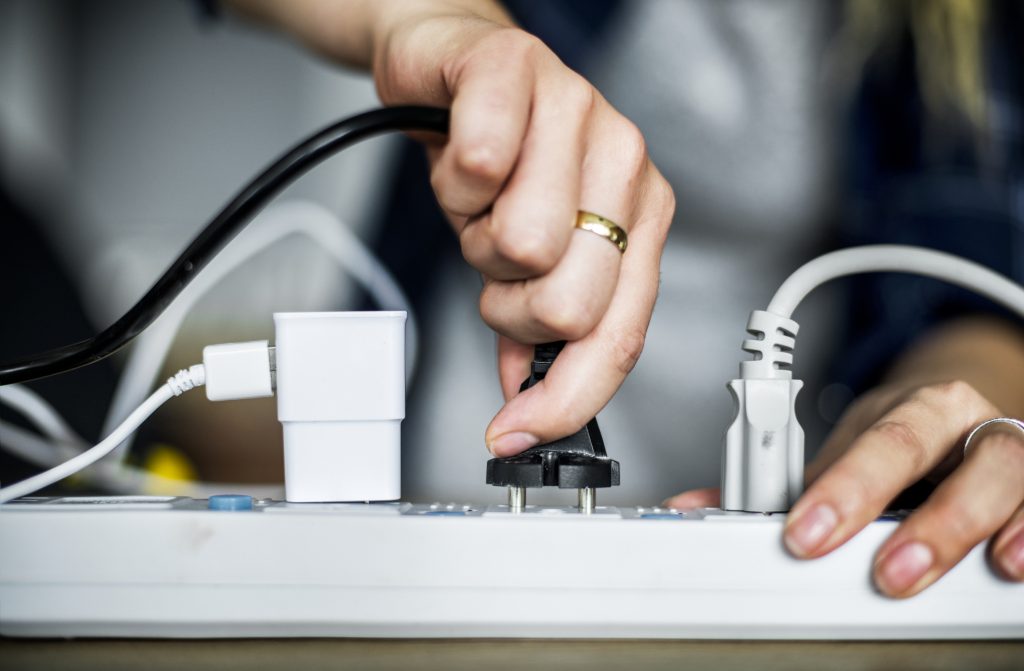
If you’re running an air conditioner, it’s a good feeling sitting around in a cool room on a hot day. However, there may be times when the power surge can be so great that it can lead to electrical damage, causing your AC to malfunction. That’s why it’s important to have a surge protector for an AC unit. You don’t want to go with any ordinary surge protector – select one that can handle large appliances such as air conditioners. American Home Water & Air is your Air Conditioner service near Phoenix, Arizona, that can point you in the right direction. In this quick guide, we’ll show you how to find the right surge protector that you can use for your needs. This way, when the power somehow goes out, your air conditioner will be 100 percent protected and won’t malfunction once things are back to normal. Keep reading to find out more about the best surge protector options for an AC unit. What to consider when finding a surge protector for an AC unit? The following are a few factors to consider when looking for a surge protector for an AC unit. Joule Rating One of the numbers that you have to pay attention to is the joule rating. The rating will determine how much energy a surge protector is able to take in. The higher the rating, the better protection you’ll get. As a rule of thumb, you want to keep the joule rating between 1000 to 2000 joules. At this range, surge protectors will be reliable when using appliances like air conditioners. They can also be useful if you’re using other electronic appliances (medium or large). If you need a surge protector for an outdoor AC unit, you can get away with using something that has a much higher joule rating, which means even more protection for your unit. But keep in mind that the higher the joule rating, the pricier it may get in terms of your budget. Safety Rating The safety rating is key when looking for a surge protector, and you should always look out for the UL mark, which can be found on almost every surge protector you get in retail stores. You should specifically look for UL 1449, as it marks the best UL rating for larger appliances like air conditioning units. Therefore, surge protectors with this rating will be the best option if you’re looking for the best surge protector specifically for an AC unit. How many sockets? Not all surge protectors will have the same amount of sockets. Therefore, it’s important to find out how many you’ll need. When plugging it into an air conditioner, it can take up a bit of space (to the point where you may be unable to plug in other appliances). Consider the range of sockets you’ll need prior to choosing a surge protector for an ac unit. Warranty Of course, you cannot go wrong with a good warranty. The lengthier it is, the better. Yes, things can and will go wrong with a surge protector. So you want to make sure you are able to find a warranty that is built to last. The good news is, some retailers will offer an insurance policy if things go wrong with it. However, keep in mind that adding an insurance policy will add on an extra cost on top of what you’ll be paying for the surge protector. Why should you have a surge protector for your air conditioner? Surge protectors are designed to protect your appliances, even the most durable ones. If your appliances experience a power surge, many appliances may malfunction when the power comes back, and they won’t be in working order until the parts are replaced. Also note that the price of replacement parts and repair services are going to be pretty steep. To save yourself time and money, a surge protector for your air conditioner will be the best line of defense. A surge protector for an AC unit will cost less than a repair that may set you back financially. The sooner you get a surge protector for your air conditioning unit, the better you’ll feel (and your wallet may breathe a sigh of relief as well). What causes power surges? Power surges are defined as spikes in voltage that can occur suddenly. They will travel through wires and power lines, and when this happens, the electronic circuits will increase in temperature. It can get to the point where these circuits can’t handle the high heat and can shut down (or worse, cause a fire). Most home outlets will be able to handle 120 volts of electricity (unless stated otherwise). Some outlets can also handle 240-volts. But note that if you plug in something that would be ideal for a 120-volt outlet into a 240-volt outlet, it can fry the components of the appliance since the electric current will be too high for it to handle. Here’s what can cause power surges to occur: Get A Surge Protector For Your AC Now If you want to protect your air conditioning unit, it’s best to get a surge protector. American Home Water & Air can help. Contact us at 602-993-0083 and we’ll get started with your plan to protect your air conditioner from power surges that can occur at any time.
How To Install Portable Air Conditioner: The Best Way
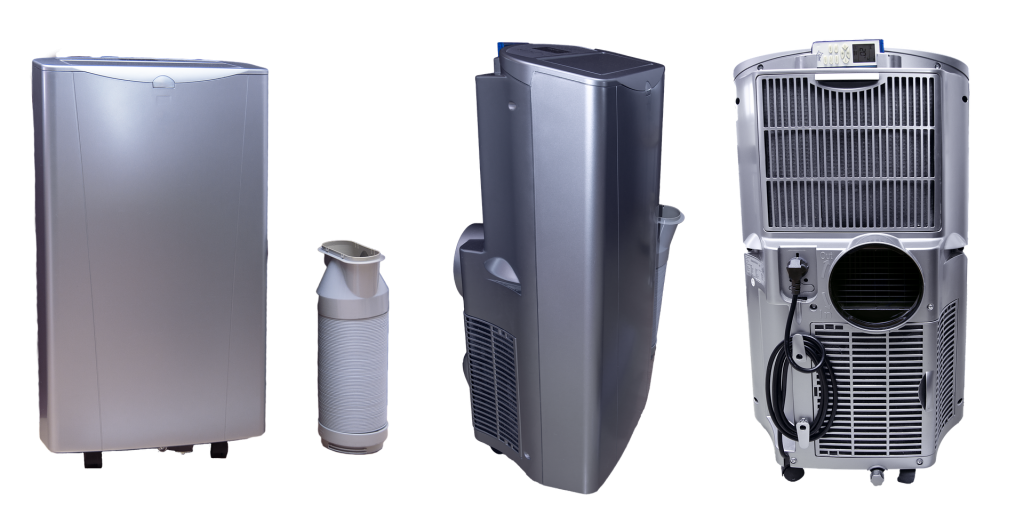
Portable air conditioners installation is a lot simpler than many people believe. Once you have all of the necessary components, the process can take as little as 10 minutes and should not take any longer than 30 minutes. In this guide, we will cover the best method for portable air conditioners installation in your home. We will also cover the most important aspects of the installation process. What are the most important parts of the installation process? There are two parts of the portable air conditioners installation process that are more important than all others: venting and drainage. Venting: Venting is the process of removing hot air from your home to the outside. Your portable air conditioner won’t work properly if it can’t effectively vent the hot air outside, so this step is crucial. Don’t worry, though. We will cover the best ways to vent your hot air through the window during the portable air conditioner installation guide. Drainage: On hot days in humid climates, your air conditioner can drain between five to 20 gallons of water each day. Many portable air conditioner units don’t actually need to be drained because they have a condensation exhaust system that helps release collected water vapor that accumulates during the cooling and dehumidifying process. Other units may need to be drained manually. Safety considerations before installation Before jumping into our guide for how to install a portable air conditioner, we highly recommend that you read the following safety considerations so that you understand the process and how to keep yourself safe. Best locations to place a portable air conditioner Portable air conditioners should always be placed: Your unit’s manual will have important instructions for how far away your unit must be placed from any walls. Please note that these units are only meant to operate when placed on the ground. Do not place your portable air conditioner on a shelf, desk, or other elevated surface or object. Make sure you choose a location close to a grounded power outlet. Also, check that the cord is long enough to reach. Your hose should be kept as short and as straight as possible, per the recommendation of most manufacturers. Once you have your unit in the ideal position, installation can begin. For installation, you will need the following items: These will be included in your window kit. Installation: Install Portable AC Step 1: Install adjustable window kit We highly suggest installing your unit near a window. The window kit included with your unit makes vent hose installation incredibly simple, and this is the best way to go about portable air conditioner installation. Your window kit should work with most windows, regardless of how they open. Follow the instructions in your unit’s manual. Step 2: Connect the vent hose Connect the vent hose to the back of your portable AC. Then, attach the other end of the hose to the window kit’s window exhaust connector. Lock it securely in place. Make sure the hose is direct and aligned in a short, linear way between the unit and the window. Step 3: Plug your unit into a grounded outlet Plug your unit in. Most plugs have an indicator light that will illuminate when it’s connected. This light is likely above two buttons labeled “RESET” and “TEST.” Press the “TEST” button to activate a built-in safety mechanism designed to stop electric currents if something is amiss with the power flow. The indicator light — and the unit — will both shut off. Next, press the “RESET” button. This will reconnect your unit to the power. These should never be used to switch your unit on and off during use. Your unit is ready to use after you press RESET and it powers on. Set the temperature levels according to the instructions in the manual. Please note that this guide only covers the best way to vent your portable AC unit through a window. In some instances, window ventilation will not be possible and you will need to vent your unit through another method. Check our article about using portable ac without a window vent for more information. Do not use your unit without properly setting up the ventilation hose to vent outside of your house. For professional assistance, contact AHWA for hassle free service.
AC Light Blinking (Causes & How to Fix It Fast!)
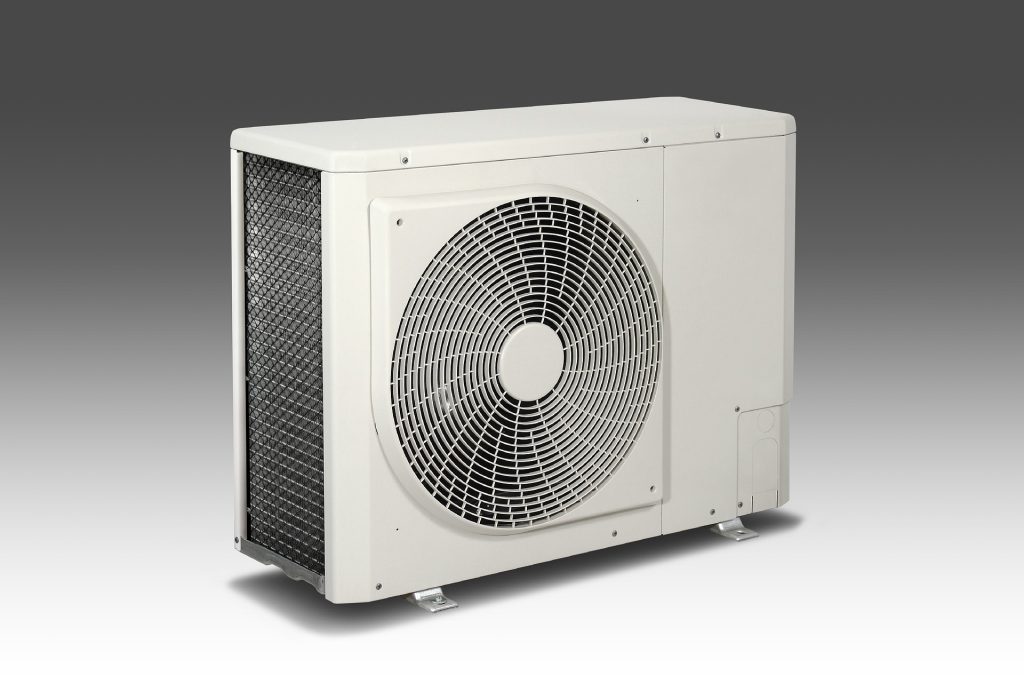
Blinking lights on your air conditioner are usually a sign that there’s a problem with your AC unit. There are several reasons why your AC light may start blinking, but the good news is that many of them are easy to fix. Here are some of the most common reasons why your system may show your AC light blinking, as well as the best practices to make sure your air conditioner functions properly. Why do AC units blink? You may be asking yourself, “Why is my ac light blinking?” We’re here to help! AC units are programmed to display a blinking light whenever they run into an issue or begin to malfunction. Even if the issue is small, the system is designed to “report” problems as soon as they are discovered by displaying the AC light blinking. The blinking light is your AC unit’s way of letting you know that something isn’t quite right. Once you see your air conditioner light blinking, the next step is figuring out what the underlying problem is. Possible reasons why your AC may be blinking Problem: Electrical One of the most common reasons that AC units show a blinking light is that there are electrical problems. This could be because there is irregular power drawing or loading, and the printed circuit board or electrical wiring is experiencing some issues. Solution 1: The first thing you should try is resetting your AC unit’s power switch. This could help sort out any problems, especially if the issue is the result of a power surge. Solution 2: If Solution 1 doesn’t work, the next thing to do is to hire a professional to assess the extent of the electrical issues. This is not a problem that you should attempt to fix on your own, given the high possibility of danger or electrocution. Your technician will be able to perform isolation testing and other tests to determine the root cause of the problem. They will then be able to recommend the next steps to take or the necessary parts that you may need to order to fix the problem. Problem: Filter issues Another potential reason for your AC light flashing is that your filter may be installed incorrectly or may be clogged. If the filter is clogged with dirt, your AC unit will struggle to produce clean air and won’t be able to cool the air as effectively. This can cause a number of issues, including water leakages. Solution: Check the filter for your air conditioner regularly. Most air filters should be replaced every six to 12 months. Check to make sure the air filter is clean and also installed correctly. If you see any potential issues, take the steps to fix them. This may mean buying a replacement air filter. Problem: Your unit needs maintenance Your light may also be blinking because your air conditioning unit needs a regular check-up. AC units need check-ups just like people, especially if they’re a little older or have been working especially hard. Solution: Call a professional to come to check out your AC unit and make sure your unit is functioning properly and has everything it needs to run smoothly. They’ll be able to advise you on the next steps to take. Problem: Your refrigerant levels are low Your refrigerant levels may be low, causing your AC unit light to blink. All units have a required level of refrigerant, and they have a meter to measure how much is currently in the system. If your unit senses that your refrigerant levels have dipped below the recommended amount, the light will begin to blink. Solution: This is another problem that needs to be solved with the help of a professional. Refrigerant is a chemical that should only be handled by experienced technicians. Problem: Your compressor is failing AC units have parts called compressors that are essential to their function. If a compressor begins to fail, it is a problem that should be handled immediately. This is a common problem that happens during the summer. This is because air conditioners have to work extra hard during the hot months to create cold air. During this time, some parts of your unit may wear out more quickly than others. To check if this is happening, look at the error codes presented by the unit. There should be a guide in your manual or online that can translate what each code means. Solution: Consult a professional if this is the problem with your AC unit. They’ll be able to replace all the missing parts and get your unit in top shape in no time. Problem: Air circulation is poor If your unit is struggling to circulate air through the room, it will show you the blinking status light to let you know there’s an issue. This could happen if your unit is positioned poorly or for several other reasons. This is another instance where you should check the error codes to find out if that’s what’s troubling your unit. Solution: Call the manufacturer hotline or consult a professional technician to figure out how to fix an airflow problem with your AC unit. Problem: Poorly installed unit Your unit also may have been installed poorly. The light will also start blinking if this is the case, even if there are no problems within the unit itself. Believe it or not, it’s actually pretty easy to make a small error during installation that can cause problems down the line. Solution: Try adjusting the position of your unit to make sure it’s properly installed. You may want to call a professional to assist during this process. Conclusion If the light is blinking on your air conditioner unit, it probably means that there are issues that can be easily fixed within the unit but that need to be addressed. If the problem persists, contact us at AHWA and we will send a professional your way to get your AC up and running in no time.
Best Air Conditioner Brands on the Market Today
The best air conditioner brands are the ones that work well, are affordable for most people’s budgets, and offer a variety of features. We know what it’s like trying to find the perfect AC unit; there is so much information out there. It can be overwhelming and confusing if you’re not sure where to start. This post will help you sort through all those choices and pick out your new AC system with ease. Don’t worry about spending hours reading reviews or getting quotes from different companies; the work has already been done for you. Here are the top air conditioner brands on the market today. 5 Best Air Conditioner Brands YORK YORK offers top-quality residential and commercial air conditioning units to use for those warm summer days. This brand of AC units has been around since the early 1900s, and each new model made over the years has only gotten better. The amount of money you invest in YORK will be well worth it as they’re the best air conditioner brand on the market today. They have continued to impress consumers thanks to their reliability, performance and cost-effectiveness. YORK’s consistent business operations coupled with top-notch after-sales services have made them a favorite for residential and commercial customers alike. Product Facts: American Standard Air Conditioners American Standard Air Conditioners are manufactured by Carrier, which is a subsidiary of United Technologies Corporation. They have been in the business for more than 100 years and offer both residential as well as commercial air conditioner products to suit your needs. Some unique features include their “ironclad warranty,” which ensures that you will not spend on repairs or maintenance costs during the first five years after you purchase an American Standard product. Product Facts: Goodman Central Air Conditioners The Goodman brand is popular for its durability and energy efficiency. The AC units are available in different size options to fit any home or office space. These air conditioning units can be used for both commercial and residential purposes. Goodman is the leading HVAC manufacturer in North America, with over 75 years of experience producing quality products that are reliable and efficient. Fredric Goodman founded the company in 1925 as a small heating equipment shop on the south side of Chicago. Today, the company provides cooling solutions around the world, with a wide range of models and price points to fit any customer’s needs. Product Facts: Rheem Air Conditioners Rheem is one of the top-selling air conditioner brands on the market today. Not only do they provide excellent customer service and warranty, but their products are durable and reliable. Rheem has a variety of units to choose from, depending on your specific needs. They offer air conditioners for small rooms, central systems, heat pumps, cooling-only units, ductless mini-split systems (for homes with non-ducted heating or cooling), through-the-wall, or window mount room ACs. Further, the company has several energy-efficient options. Product Facts: HEIL Air Conditioners HEIL Air Conditioners is among the most popular and respected air conditioner brands on the market. HEIL offers central air conditioning systems in addition to the standard room units so you can have an entire home or commercial building cooled from one location. They offer excellent warranties on all their equipment and stand behind everything they do with pride. Their models range from small window ACs for cooling specific rooms to large multi-zone packaged rooftop units that cool several floors at once using only one outdoor unit. Product Facts: What to Look for in a New Air Conditioner No matter the current temperature, several factors must be considered when determining which air conditioner to buy. The most important thing to consider is your location and climate. For example, if you live in a humid area with high temperatures year-round, then an evaporative or swamp cooler might be best for you. On the other hand, if you live in a desert region with lower temperatures during the winter months, then a heat pump may work better for your needs. Different Air Conditioner Types Window Units A window unit is a single self-contained model. It has its condenser and evaporator coils located in the outdoor part of this machine which is cooled by an external fan to make it possible for use in one room without any ductwork or vents required. Pros: Cons: Central Air Conditioning System In contrast to window AC systems, central air conditioning systems have two main components – the compressor and condenser – installed outside. The compressor pumps refrigerant to the indoor evaporator coils through a series of pipes and valves called copper lines or aluminum tubes according to your needs. Then, a large fan located in front of the unit pulls hot outdoor air from all over your home’s rooms through metal ducts before blowing cool air into them via a huge blower inside that is connected directly with these coils by another set of tubing. Pros: Cons: Portable Room AC Unlike window units and central AC systems, portable room ACs have no vents. Moreover, they don’t need any dedicated space for installation. Their parts can be carried around easily on wheels, making them optimal to use in any corner available. They are lightweight and compact as well, so they don’t take up much space. Moreover, their parts can be easily detached from each other for easy cleaning or repair if necessary. Pros: Cons: You can check our article on “Different types of AC units” for more information Conclusion Now that you know of the best home air conditioner brands, and those for commercial use, it should be much easier to choose the one that suits your needs. You can now compare their pros and cons together with your requirements before deciding which one to buy. Contact us today for hassle free estimates and installation.
YORK air conditioning reviews and price guide
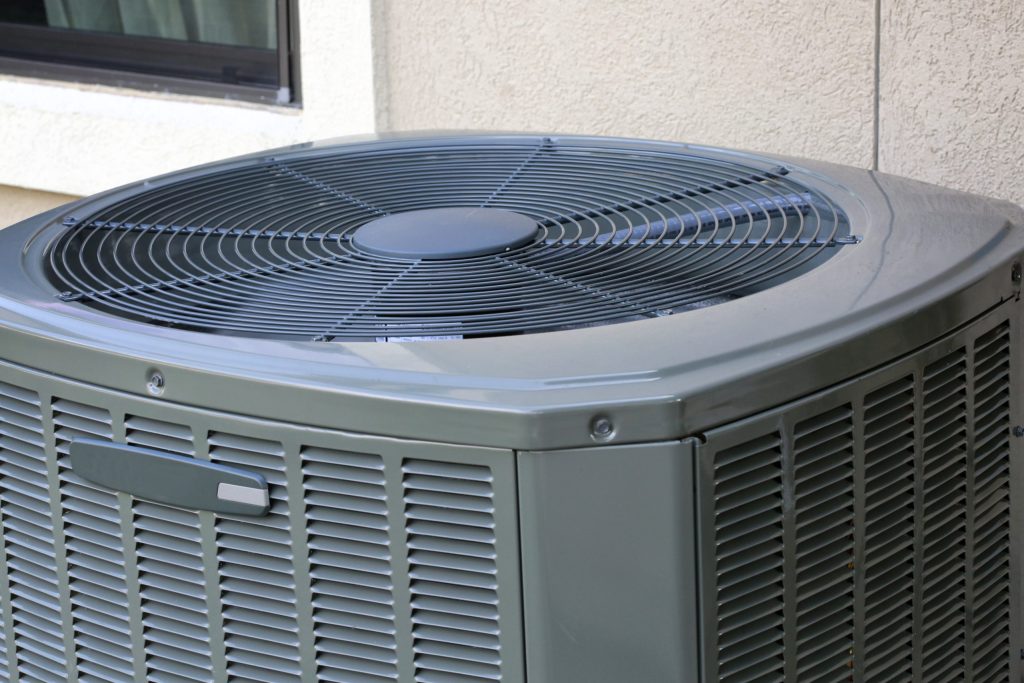
YORK is an industry leader in heating, cooling, and indoor air quality. The company understands the importance of your home’s comfort level for you and your family. That’s why they offer a variety of residential equipment that can help you maintain year-round comfort. In addition, their products are designed to give you superior performance with minimum energy consumption for maximum efficiency. YORK provides its customers with best-in-class service and high-quality products. Read on for YORK air conditioner reviews. YORK air conditioner reviews TCHD 13 SEER Single-Stage Air Conditioner The YORK TCHD 13 SEER Air Conditioner is more efficient thanks to the kind of coil that it uses. This type of air conditioner takes up less space and necessitates only six inches of clearance, saving you room in your house. In addition, when these air conditioners are stacked on top of each other, you may get even more cooling for the same amount of floor area. To top it off, this air conditioning unit also makes use of a more advanced and energy-efficient compressor. This technology makes your air conditioner more efficient and environment-friendly. Product Facts: TCHE 14 SEER Single-Stage Air Conditioner The YORK LX Series TCHE 14 SEER Air Conditioner is a small, easy-to-install model that provides pleasant conditions in your house. In addition, the ability to stack the device makes it ideal for restricted areas. Further, it can attain up to 14 SEER efficiency depending on size and usage when combined with a variable-speed indoor blower. Not to mention, the improved coil design makes it a more environment-friendly choice. Product Facts: YCD 13 SEER Single-Stage Air Conditioner The YORK LX Series YCD 13 SEER Single-Stage Air Conditioner is healthy for you. It can last many years and has an expensive price tag. You may purchase it if you reside in Canada or the northern United States. The best part is that you can save on energy with this unit. The air conditioner’s design ensures that it is quiet and unlikely to cause vibrations. What’s more, the unit is also available with a humidity sensor. This feature makes it perfect for you if you live in an area where the air might be too dry or moist. Product Facts: YCE 14 SEER Single-Stage Air Conditioner These YORK air conditioners are tiny, yet they have a lot of features. They contain coils that meet the 14 SEER Regional Efficiency Minimum Requirements in the southeast US. You may save money on your power bills by using these units. The air conditioners are created, developed, and assembled in the United States. In addition, they are also designed to be compact and quiet. The air conditioners have an Energy Star rating, which means they are a healthy choice for your home. Product Facts: YCG 17 SEER Single-Stage Air Conditioner YORK LX Series YCG Single-stage Air Conditioners have excellent features in a small size. A strong compressor and direct-drive fan design keep noise to a minimum while extending the unit’s life. Even when little space is available, the tiny cabinet makes the YCG an ideal match. The YCG 17 is also available with a humidity sensor. Product Facts: Understanding the YORK air conditioner price Depending on the system you choose, your YORK dealer will provide an estimate. They’ll also consider local programs, rebates, and incentives that aid in installation expenses. Additionally, your dealer will evaluate flexible financing alternatives accessible through YORK. You can get a loan from them, and they may provide you with a reasonable rate. However, several variables influence the price, so it’s best to contact your local dealer and get an estimate. Tips on how to save money on energy bills Keep shades down to block the sun’s rays. Keeping the shades down during the day will block the sun’s rays and prevent your air conditioning unit from working harder than it needs to. By keeping the shades up all the time, you allow the sun to heat your home. If you are going away for a few days, then consider setting your thermostat at 87°F while you’re gone to save money on energy bills. Make sure your home is adequately insulated. This can be done by installing weather stripping around windows and doors, and caulking cracks in the walls and insulation of the attic or crawl space. Consider getting a programmable thermostat. A programmable thermostat allows you to program your home’s temperature to certain levels and determine when the air conditioning will be turned on and off. Programmable thermostats are relatively inexpensive and easy to install, which makes them a good choice if you’re interested in buying one because they allow you control over how much money comes out of your pocket each month. The importance of quality cooling systems for your home An AC unit is an essential investment for every home, and it should not be taken lightly. You want to make sure you’re getting the most out of your money by purchasing a quality cooling system that will help you save on energy costs over time. However, hot weather can often take its toll on homes with poor air conditioning systems, so it is important to schedule regular maintenance to ensure no problems during the summer months when temperatures rise. What to look for in an HVAC system There are many things that you should look for when choosing an AC system. The first thing is to determine the size of the unit that will be needed to cool your home effectively and efficiently. A professional HVAC contractor can help with this. Conclusion The above-mentioned YORK AC units reviews and tips are just some ways to have a cooler home and save on energy bills. By taking advantage of YORK AC prices, homeowners will find a unit that fits their needs and budget perfectly.