
6 Types of Air Conditioners For Homes You Should Know About
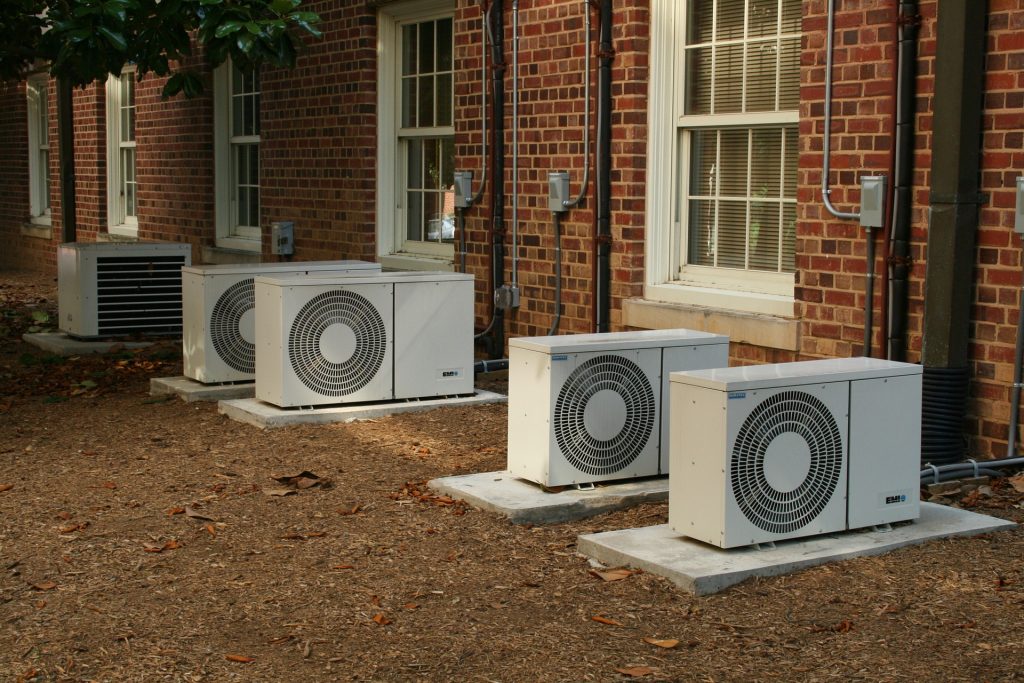
There are many different types of air conditioners for homes out there. As such, choosing the right one can be difficult. In this post, we’ll walk you through the available options and give you some pointers to consider. By the end, you should have a pretty good understanding of what unit makes sense for your home. Types Of Air Conditioners For Homes Types Of Central Air Conditioners There are two types of central air conditioners: packaged and split system. Packaged Central Air Conditioners A packaged central air conditioner combines the compressor, condenser, and evaporator in a single outdoor unit. This unit typically sits on a concrete slab near your home’s foundation. Ductwork connects it to your home’s interior. Split-System Central Air Conditioners A split-system central air conditioner houses the condenser and compressor in an outdoor unit. The evaporator, meanwhile, is housed in an indoor unit. If you live in a climate that requires a furnace, it will also typically lie within this indoor cabinet. Benefits of Central Air Conditioners Rather than having several window air conditioning units throughout your house, you can have a single central unit that feeds air through the various vents. When it comes to air conditioner maintenance, you’ll only have to worry about cleaning a single unit. In many parts of the United States (including Phoenix), air conditioning is absolutely essential. Many homebuyers place a higher value on homes with existing central air units since getting one installed can be an inconvenience during the hustle and bustle of moving into a new residence. In light of this, the analysis shows, a central air conditioning unit can increase your home’s value by as much as 10%. A properly-sized and maintained central air conditioner can maintain your home’s humidity levels. That negates the need for additional humidifiers. What To Know Before Installing A Central Air Conditioner As with each of the different types of air conditioners out there, central units aren’t right for everybody. The main downside is the cost. In the United States, homeowners spend between $1,500 and $7,000 on getting central air conditioners installed. That includes adding ductwork if there isn’t any (which is rare in modern homes but prevalent in older homes). If you’re a renter, you’ll also have to convince your landlord to make the commitment of having their property permanently altered. Other downsides of central air conditioners pertain to selecting a unit that’s too big or too small. You can avoid this by working with a good HVAC installer. If you live in the Phoenix area, check out our services here. Mini-Split/Ductless Air Conditioners If you don’t have ductwork in your home, a mini-split (also known as “ductless”) air conditioner might serve you well. This type of air conditioner unit features a single exterior compartment housing a condenser that feeds various evaporators throughout the house’s interior. Benefits Of Mini-Split Air Conditioners With a mini-split air conditioner, you can typically install about four evaporators within the house. The small nature of these units allows for easy ‘zoning’ throughout your residence. In other words, you can set each room to a specific temperature based on your needs. You can also affix each evaporator to a wide array of surfaces, including your wall or ceiling. Even the best ductwork wastes some energy. With ductless air conditioners, however, airflow is more direct and doesn’t have as much of an opportunity to leak. What To Know Before Installing A Ductless Air Conditioner While ductless air conditioners are easier to install if you don’t have ducts, they can actually end up costing more than a central unit. Home Advisor lists the average cost in the United States as being between $2,000 and $14,500. This makes them among the most expensive types of air conditioner units. Remember, you’re buying an evaporator for each room or part of your property that needs cooling. Window Air Conditioners This is among the most popular types of air conditioners for homes. Benefits Of Window Air Conditioners A single window air conditioner can cost between $150 and $1,000. That’s well below what you’d pay for the different types of air conditioners we’ve discussed thus far. A window air conditioner’s small size means you’ll use far less electricity to power it than you would for a larger central unit. You can also use them for ‘supplemental cooling,’ which follows the rationale of only cooling whatever room you’re currently occupying. For example, you might only cool your bedroom at night rather than having a central unit treat it continuously throughout the day. Cleaning a window air conditioner is relatively simple thanks to the small form factor. You can easily remove the unit to get a better angle while brushing and scrubbing. What To Know Before Installing A Window Air Conditioner It should come as no surprise that a window air conditioner may not provide the necessary cooling power if you have a large residence. As you scale up and add more window units, you’ll eventually reach a point where it’d be more practical and economical to invest in one of the other types of air conditioners. Check out our guide to windows air conditioner insulation if you’re interested in this type of ACs. Portable Air Conditioners A portable air conditioner is exactly what it sounds like. While the different types of air conditioners we’ve mentioned so far all involve some level of installation, a portable unit is freestanding. It can resemble a paper shredder and has a small duct that you can lead out of a window. Benefits Of Portable Air Conditioners Even if your landlord prohibits any type of installed air conditioner (including window units), you can likely get away with a portable one. It requires absolutely no permanent changes to the property. You can check out our guide on “How to vent a portable air conditioner without a window” if you’re interested in portable ACs You can easily find portable air conditioners well below $1,000. In fact, there are good options for less than
How Long Does An Air Conditioner Last? Everything You Need To Know
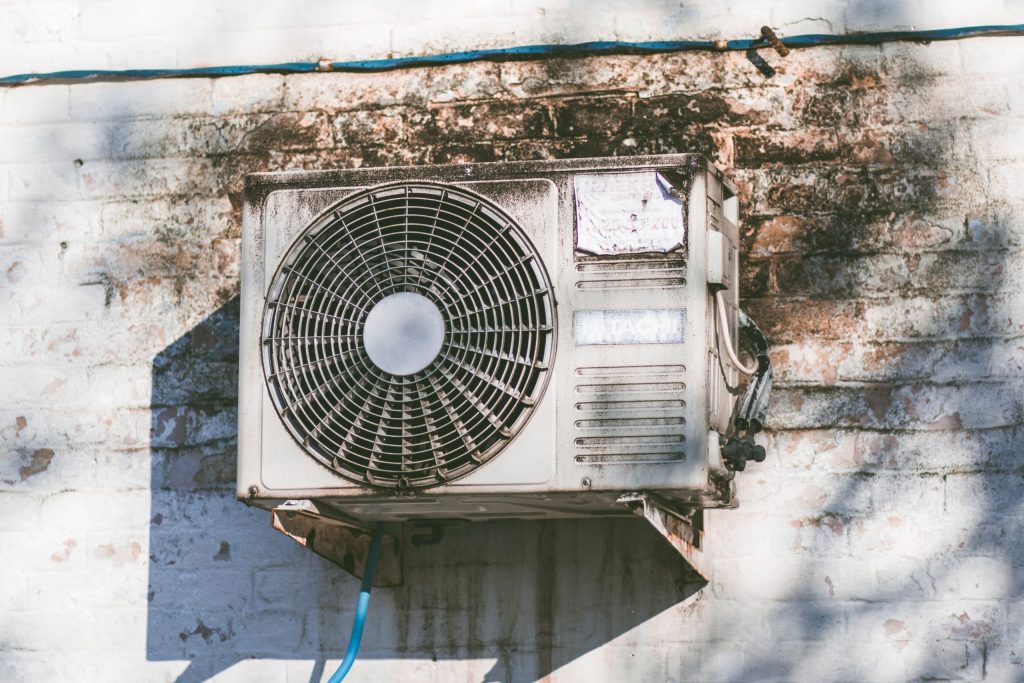
In states like Arizona, air conditioners are absolutely essential. In fact, depending on where you live, it’s not uncommon to run your air conditioner year-round. But how long does an air conditioner last under these circumstances? In this post, we’ll discuss the various factors that influence the longevity of these essential machines. How Long Does An Air Conditioner Last? Factors To Consider Here are the various factors that can impact how long your air conditioner lasts. Location In northern regions of the United States, air conditioners can last as long as 20 years. While you can still achieve similar longevity in southern climates, you’ll have to maintain your air conditioner more rigorously. Check out this post for a breakdown of what you should be doing to maintain your air conditioner on a regular basis. Air Conditioner Type Not all air conditioners are the same, of course. Here’s how long you can expect each type of air conditioner to last. How Long Do Central Air Units Last? Your central air conditioner should last between 16 and 20 years. That means the primary units, including the interior and exterior components. You’ll likely change individual parts (filters being not the least of which) several times throughout the unit’s lifespan. How Long Should A Window Air Conditioner Last? Most window air conditioners last about 10 years. Keeping the unit clean and free of mold is key to achieving this. In this article, we discussed some steps for dealing with mold in your window air conditioner, which is a surprisingly common occurrence. Your Maintenance Schedule It’s impossible to answer the question “how long should an air conditioner last?” without bringing up maintenance. At American Home Water and Air, we recommend having your air conditioner serviced at least twice annually. Check out this post for a detailed explanation of why that’s the best interval. If you live in the Phoenix area, you can learn more about our comprehensive 40-point checkup here. In a nutshell, having your air conditioner serviced regularly helps you avoid bigger problems that would otherwise spell the unit’s death. Servicing is fairly cheap and helps you retain peace of mind. In addition to having a professional service your air conditioner bi-annually, it’s a good idea to give it some TLC on a monthly basis yourself. At the very least, you should be changing or cleaning your filters. Which Brand Of Air Conditioner You Purchase Not all air conditioners are created equal. Sticking to well-known brands like Goodman and Trane will help you get much better mileage out of your unit. In addition to being built more reliably, these air conditioners come with comprehensive warranties ensuring their continued performance. Further, any technician worth their salt will know how to service and acquire parts for a Trane air conditioner. You can’t say the same for some of the unknown brands out there. How Long Should An Air Conditioner Last? Tips For Maximum Longevity Now that you know how long an air conditioner lasts (roughly 16-20 years for central units and about 10 for window ones if you take care of them), let’s take a look at some little-known tips for achieving the upper end of that range. Choose The Right Size Air Conditioner Many people assume that an oversized air conditioner will cool their homes faster and more efficiently. That’s patently false. Oversized air conditioners run intermittently, which adds additional wear and tear. An undersized unit, meanwhile, will have to work harder. You may also find that you have to close vents throughout your house in order to direct the limited airflow where it’s needed. This reduces the unit’s efficiency and can cause other problems in your home, such as mold. Of course, neither of these scenarios are ideal. You should purchase a correctly-sized air conditioner to avoid these complications. Change Your Filters Monthly If you’re anything like the average homeowner, you probably grossly underestimate the importance of changing your air conditioner’s filters. Filters clogged with dust and debris force the unit to work a lot harder than it should. Dirty filters also impact your home’s air quality, which you obviously don’t want as it may decrease your lifespan, too! Find A Comfortable Temperature And Stick To It Mechanical systems don’t really appreciate change. Sure, a good air conditioner will be able to handle you changing the temperature constantly throughout the day. It won’t necessarily thrive under those circumstances, though. You’ll achieve better performance if you choose a temperature and stay within its ballpark. Clean Your Coils Regularly Cleaning your air conditioner’s coils is an underrated activity. These components are responsible for helping air move through your HVAC system. In other words, you could say they’re pretty important. You should take the time to clear away debris such as branches and leaves that can often cram their way into your air conditioner’s coils. Make Sure Your Condenser Fins Aren’t Bent An air conditioner’s condenser fins are also very important. They held dissipate heat from your home. If something’s ever aggressively brushed up against your outdoor unit, there’s a chance some of these fins might be bent out of shape. This impedes the heat transfer and, you guessed it, reduces your air conditioner’s lifespan. Restoring these fins is as simple as gently bending them back into shape using a metal tool. Contact a professional if you’re not sure how to do this as you really don’t want to break one of the fins. How Long Should An Air Conditioner Last? Conclusion A central air conditioner should last roughly 16-20 years under optimal conditions. Window air conditioners, meanwhile, last roughly 10 years. The key to achieving this longevity is maintaining your air conditioner regularly and choosing a good product, to begin with. If you live in the Phoenix area and need help with either of these things, give American Home Water and Air a call. We’ve been proudly serving this city for more than 30 years and would love to give you a hand! Frequently Asked
How To Clean Your Air Conditioner Filter In 5 Easy Steps
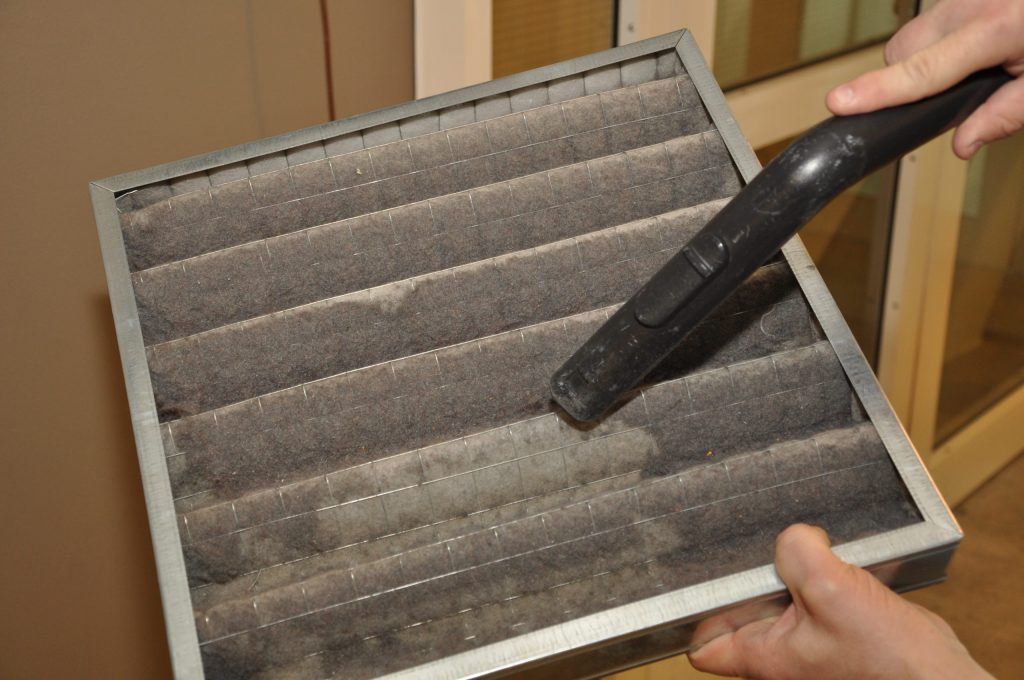
Knowing how to clean your air conditioner filter is a key part of your regular maintenance routine. How you approach this step plays a huge role in determining whether your HVAC systems function properly. In this post, we’ll look at all aspects of cleaning your filter. That includes the steps required as well as how often you actually need to go about doing this. How To Clean An Air Conditioner Filter: The Basics First things first, not all air conditioner filters can be cleaned. If your filter has a cardboard frame or contains some written indication of non-serviceability, you’ll need to replace it outright. You can find replacement air filters in most home hardware stores. Make sure you find the right size; bring your old filter along so you can compare. Why Should You Clean Your Air Conditioner Filter? Air conditioners circulate air throughout your home. They rely on filters to trap dirt and debris that would otherwise get circulated alongside your fresh air. When a filter is clogged, the air conditioner has to work a lot harder to pump air. This uses more electricity and reduces your air conditioner’s lifespan (here’s how long your AC lasts in Arizona). Of course, it also reduces your home’s air quality. How Often Should You Clean Your Air Conditioner Filter? Cleaning your air filter shouldn’t be something you do only twice a year when you have a professional look at your air conditioner (read more about why we recommend services twice annually here). You should take care of your filter (whether that means replacing or simply cleaning it) on at least a monthly basis. You might do this much more frequently than that if you live in an area with high pollution or have a dusty hobby like woodworking. Let your eyes be the judge. If you notice lots of dust built up on your filter during your monthly inspections, consider increasing your cleaning and replacement frequency to every couple of weeks. How To Clean A Central Air Conditioner Filter Let’s begin by walking through the steps for cleaning your central air conditioner’s filter. Then, we’ll look at window and ducted units. Keep in mind that these steps only apply if your air conditioner’s filter is reusable. If you have a disposable filter, you’ll have to replace it in lieu of cleaning. Step One: Determine The Air Conditioner Filter Location With central air conditioners, the filter typically resides near the cold air return. Throughout much of the United States, this component lies within the basement. With air conditioners in Phoenix, however, it will typically be in the garage or some other type of storage room since houses generally don’t have basements here. You may also have filters behind your return vents, which will be scattered throughout the house. Step Two: Shut The Power Off Whenever you perform any type of servicing on your air conditioner, it’s a good idea to turn the unit off. This will protect it and you. Step Three: Remove The Filter And Vacuum It Typically, there will be a good amount of dust caked onto the filter. You can remove most of it using a vacuum with a bristled attachment. Do this for all of your central AC’s filters, including those hiding behind the returns. They’re just as important! Make sure you vacuum either side of your filter. Step Four: Soak The Filter In A 50/50 Mixture Of Water And Vinegar Important: Read your filter’s manual (or the instructions printed directly onto it, if applicable) before you do this. Some air conditioner filters aren’t designed to get wet and you definitely want to avoid causing damage. If your filter is water-friendly, soak it in a mixture of equal parts water and vinegar for about an hour. Before reinstalling the filter, let it dry completely. If you don’t have a basin large enough to hold your air conditioner filter, use a hose instead. Make sure you set the pressure very low as anything too intense will easily rip through the filter. Step Five: Reinstall The Filter Once you’ve cleaned the filter (meaning no dust or debris remains), reinstall it. Most filters have an arrow indicating which way they’re supposed to face. This arrow needs to point in the direction of the airflow. Congrats! You’re all done. While you’re in a cleaning mood, however, check out this post for some tips. How To Clean A Ducted Air Conditioner Filter Now that you know how to clean a central air conditioner filter, let’s look at ducted units. Step One: Locate The Air Conditioner Filter Location With a ducted unit, your filter will be located behind the main return air duct. Step Two: Shut The Power Off As mentioned previously, shutting your air conditioner off while cleaning its filter can help you avoid damage. Step Three: Vacuum And Soak Your Filter Down Follow the same steps we discussed in the section on cleaning central air conditioning filters. That includes leaving the filter to dry thoroughly before you reinstall it. While all reusable filters will be vacuum-friendly, double-check whether yours is waterproof. Step Four: Reinstall The Filter And Turn Your AC Back On Voila! You’re good to go. How To Clean A Window Air Conditioner Filter Cleaning your window air conditioner filter doesn’t require anything radically different than with other types of systems. However, it’s a good idea to check for the presence of mold or mildew on your filter when you clean it. Either of these substances would indicate a need for more thorough cleaning. Step One: Shut The Air Conditioner Off And Unplug It This is an especially important step for window air conditioners since you’ll be working in close proximity to the air conditioner’s moving parts, whereas the previously-discussed types of units are fairly distant from where the filter is. Step Two: Remove The Air Conditioner’s Front Panel To Access The Filter This panel will be held in place by screws, pressure, or some simple plastic clips. Once you remove
How To Clean A Window Air Conditioner In 11 Easy Steps
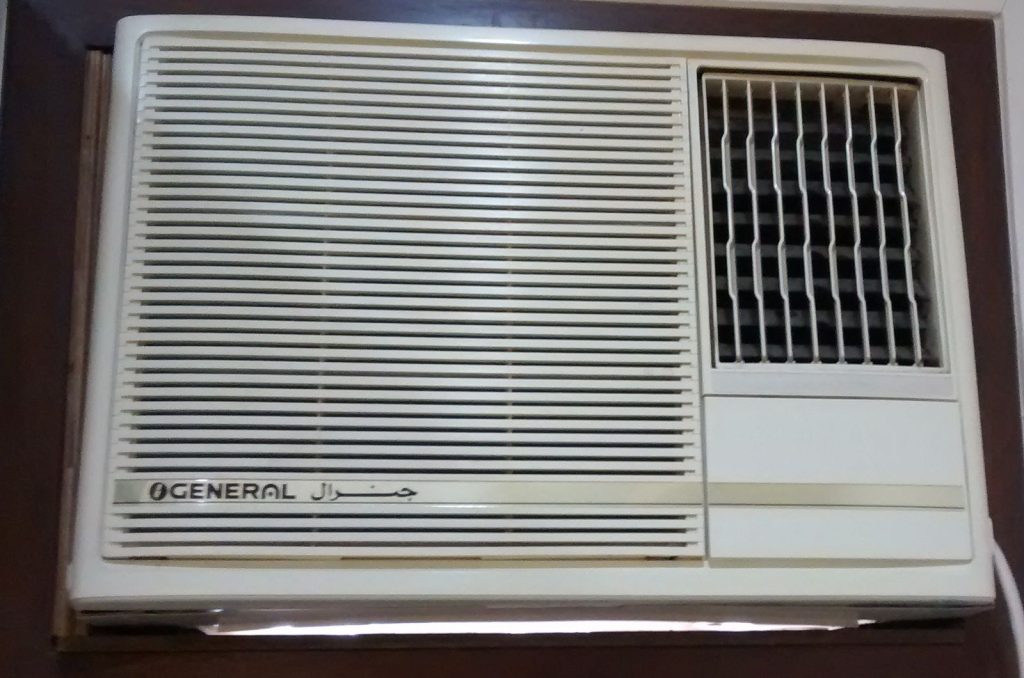
Knowing how to clean a window air conditioner is a very valuable skill. Over time, these units can develop mold and other harmful bacteria if you clean them improperly or irregularly. If you’re an Arizonian, you may need to be aware of how long your unit lasts in Arizona. In this post, we’ll walk you through the steps you should take to clean a window air conditioner, including how often you should do it and what cleaning products are safe to use. Keep in mind that we’re focusing on window air conditioners in this piece. If you have a central air conditioner, check out this article for some tips on cleaning. How To Clean A Window Air Conditioner The steps required to clean a window air conditioner differ depending on whether you’re trying to get rid of something specific like mold or simply performing a general cleaning. Let’s look at either scenario. How To Clean A Window Air Conditioner For Mold Mold can be very detrimental to your health, which is why it’s so important to address it promptly. This is especially true if the spores are festering in your air conditioner as you and your family can easily end up breathing them in. But wait – how does mold get into your air conditioner in the first place? Well, if you live somewhere that gets humid and you don’t take time to clean your air conditioner regularly, a combination of dust and moisture inside the unit will harbor spores. These pesky growths proliferate within just 24-48 hours so it doesn’t take very long to end up with a huge problem. Here’s how to clean a window air conditioner for mold. Gather the right protective gear. At the very least, you should be wearing an N-95 respirator mask when getting rid of mold. You should also wear gloves and wash anything that the spores come into contact with. Unplug your window air conditioner and discharge the capacitor. Whenever you want to perform internal work on your window air conditioner, you need to discharge its capacitor. Even after you’ve unplugged the unit, there may be residual electricity inside that can shock you. Your air conditioner’s manual will tell you the exact steps required to avoid this. Generally, you’ll need to remove the side panel, identify the capacitor, and use an insulated screwdriver to connect its terminals, which will cause a short circuit and release the electricity. It’s very important that you use a screwdriver with an insulated handle when doing this. Otherwise, you’ll be shocked! Ideally, remove your air conditioner from the window. Window air conditioners afford you the luxury of portability. This allows you to get a better angle for cleaning. Most importantly, though, you’ll be able to clean the air conditioner inside rather than having the mold spores circulate through your home. Removing your window air conditioner typically involves disconnecting the power, removing the front panel, and then gently pulling the unit inside. If the air conditioner is on your home’s first floor, you can also gently push it out. Just make sure you have something soft for the unit to land on. If you’re not able to remove your window air conditioner, don’t worry. You can still follow the upcoming steps; they’ll just be slightly trickier. Remove your air conditioner’s front panel if you haven’t already. On some air conditioners, the front panel (which is the one that faces inward when the unit is installed) is simply pressure-fit. On other units, you’ll have to remove a few screws. Remove anything that’s gotten damp. You’ll almost certainly need to replace your filters and insulation. These components are porous and can easily soak up moisture, which will cause a reoccurrence of this problem down the road. If your filters are reusable, you’ll need to clean them with warm and soapy water. However, you’re better off replacing them if you can, depending on the severity of your mold problem. In order to access these components, there may be an additional U-shaped metal cover resting atop your air conditioner that you have to remove. Use a wet vacuum to pull any remaining moisture from the unit. It’s very important that you don’t just replace your filters and then call it a day. If you leave moisture trapped within your air conditioner, you’ll just end up with a mold issue again. Use a wet vacuum to get rid of the contaminated water before you scrub the unit down. Spray your air conditioner’s interior with a dedicated mold cleaner. Check out this post from the Environmental Protection Agency (EPA) for more information about cleaning mold. The EPA also recommends certain products specifically designed to safely remove mold in your air conditioner. Ideally, you’ll want to get a foaming spray disinfectant that can permeate throughout your air conditioner and hunt those spores down. Follow the instructions on the bottle. Generally speaking, you’ll need to spray the affected areas and then let them sit for about five minutes. Use a brush and some warm water to scrub the affected areas of your air conditioner. Make sure you wear your mask and gloves as the combination of mold and the disinfectant spray will be hazardous if inhaled. Pay special attention to scrubbing the unit’s grille as mold likes to hide out there. Let your air conditioner dry for about 24 hours. Before reassembling and reinstalling your air conditioner, let it dry thoroughly. While you may not need to wait a full 24 hours if you live in a hot and sunny place like Phoenix, it can’t hurt. Spray a mold inhibitor inside your air conditioner before reassembling it. Goodway’s CoilShine-BC is a good, EPA-approved option designed to inhibit mold growth for two years. Reassemble and reinstall your air conditioner. Finally, you’re ready to get your air conditioner back in place! This should be relatively straightforward. Just be sure the unit is fully assembled and in place before you plug it back in. How To Prevent Mold In
What Size Air Conditioner Do I Need? 4 Easy Steps To Find Out
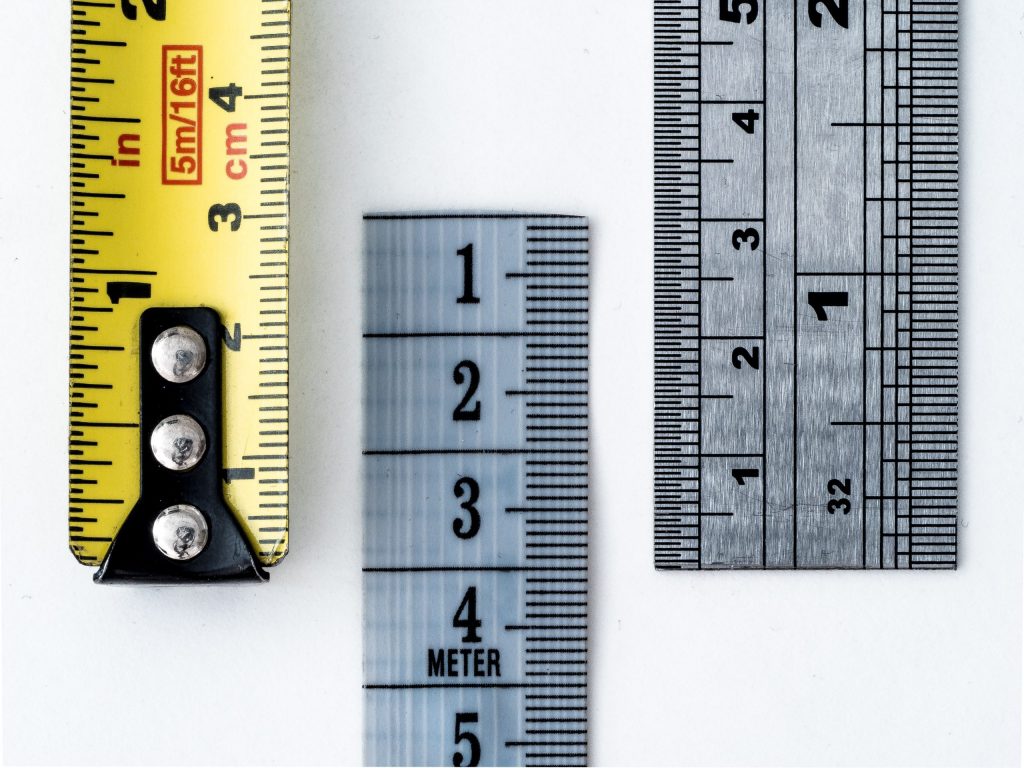
What size air conditioner do I need? This is a very important question to answer correctly when shopping for a new HVAC unit. Failure to do so can result in airflow problems and other long-term effects that will cost you time and money to fix. In this post, we’ll walk you through the steps experts use to determine what size AC unit is required. What Size Air Conditioner Do I Need? Understanding British Thermal Units The British thermal unit (BTU) is a metric used to represent the amount of heat it takes to raise a pound of water’s temperature by one degree. It’s a bit of an odd metric, particularly in the United States where we’ve shunned most British measurement units. Nonetheless, the HVAC industry uses BTUs to measure cooling capacity. Under this application, one BTU translates to the amount of heat an air conditioner can remove within an hour. How many BTUs you need depends on several factors, which we’ll explore next. Calculating What Size AC Unit You Need If you’re cooling a single room, this is easy. For square and rectangular spaces, multiply the room’s length and width. For triangular spaces, add an extra step and divide the result of that calculation by two (remember, a non-equilateral triangle is just half of a square or triangle). If your room is a more complex shape, divide it into smaller triangles and squares then combine each section’s measurements. If you’re buying an air conditioner to cool your entire home, you’ll need to repeat this process for each room then add the square footage together. Remember to only measure living spaces and exclude areas of your home you’re not looking to cool. Note: If your house is a perfect square or rectangle, you may be able to calculate the square footage with one easy measurement. Just remember to multiply your measurement for each floor. While there are many different opinions on how many BTUs you need per square foot, 20 is a good rule of thumb. Multiply your square footage calculation by 20 and you’ll have a good ballpark figure for what capacity air conditioner you need. While the calculations you’ve made so far have left you with a rough estimate of how many BTUs you need, there are several additional factors you need to take into account. Energy Star (a program jointly operated by the Department of Energy and U.S. Environmental Protection Agency) recommends the following. It can be difficult to gauge which of these factors apply to you. Our air conditioning services in Phoenix will be of great help if you live in the area and aren’t sure how to navigate these more nuanced calculations. Once you know how many BTUs you need for the area you’re looking to cool, your next step will be purchasing an air conditioner capable of providing it. Installation is arguably best left to professionals who can determine the ideal placement of your air conditioner. Check out this post for some tips on choosing a good HVAC company in Phoenix, Arizona. What Size Air Conditioner Do I Need For My Home? Common Misconceptions Air conditioners are complex machines. Choosing the right capacity requires some effort and at least a basic understanding of concepts like BTUs. In light of this, there are a few misconceptions floating around as people look for shortcuts and easier methods for broaching the subject. Here are the two main ones. Myth: A Larger Air Conditioner Can’t Hurt The logic behind this misconception isn’t hard to understand. Some people assume that buying a bigger air conditioner than they need will mean the unit simply runs less, saving electricity and cooling your home faster. This isn’t true. As we discussed in this post, oversized air conditioners can run intermittently and throw your home’s humidity out of wack, which negatively impacts electricity consumption and your comfort. The intermittent operation will also cause your air conditioner’s parts to wear out faster than usual. Of course, you also have to remember that capacity is a major factor in determining how much an air conditioner costs. Going with an oversized unit will see you spending unnecessary amounts of money. Myth: An Undersized Air Conditioner Will Save You Money On the flip side, people in more moderate climates may mistakenly believe an undersized air conditioner will meet their needs just fine. Perhaps they’re looking to cut costs and/or keep energy consumption low. On the contrary, undersized air conditioners have to run longer. You’ll be much better off getting an appropriately-sized unit and setting it to operate at a lower temperature if that’s what you need. Check out our other article to learn how much can an air conditioner cool. What Size AC For My House? Conclusion In this piece, we showed you the four steps most HVAC experts use to determine how much AC capacity is required for a residence. To summarize, you need to calculate your home’s square footage and then multiply that figure by 20. After adjusting the number for factors such as your home’s exposure to sunlight and its occupants, you’ll have a figure representing how many BTUs you need. You can then select an air conditioner that meets that capacity. This can all be a bit tricky to figure out if you’re selecting an air conditioner for the first time. Given how much these units cost and how much of an impact they have on your health, you’ll want to get the calculation right. Don’t hesitate to contact an HVAC contractor in your area if you need assistance. If you live in the Phoenix area, we hope you’ll give American Home Water and Air a call! Frequently Asked Questions
How Often Should I Service My Air Conditioner? What You Need To Know
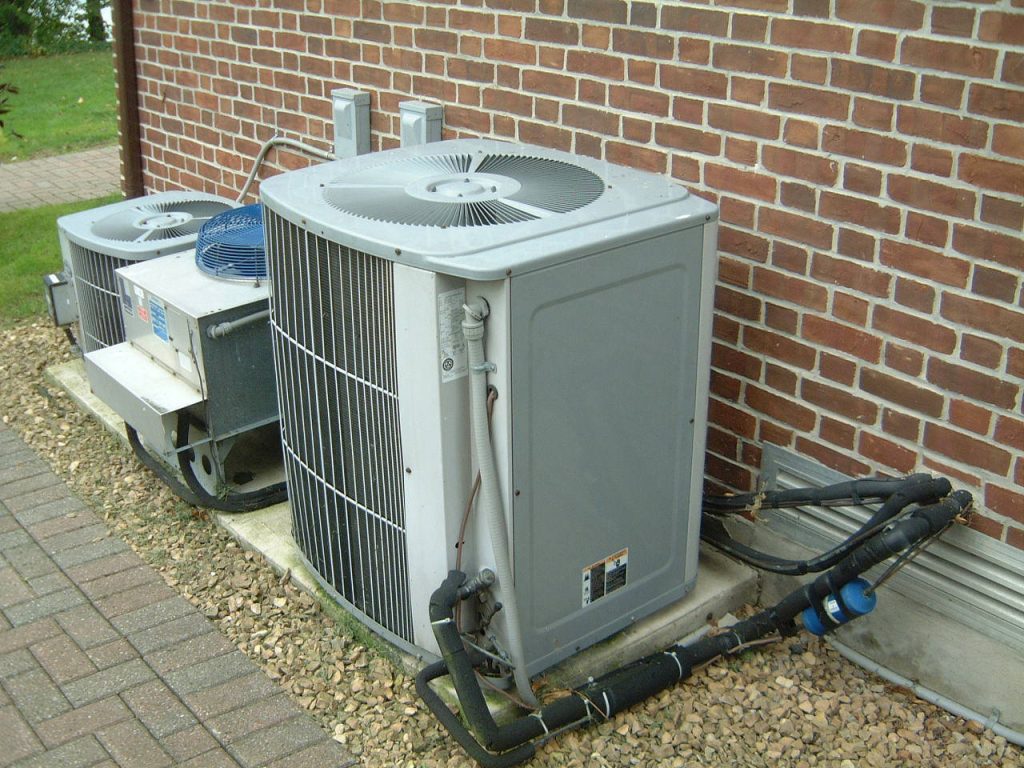
It’s no secret that air conditioners require regular maintenance. While you can do some of these tasks on your own, it’s still wise to have a professional inspect your unit occasionally. Although that much is certain, knowing how often to service your air conditioner can be tricky to figure out. In this post, we’ll give you some detailed tips on figuring this out. How Often Should I Service My Air Conditioner? At American Home Water and Air, we recommend having your air conditioner looked at twice annually. During these checkups, technicians will inspect components like your thermostat, capacitors, condensate drain, evaporator coil, and much more. Inspecting these elements twice yearly is ideal since issues with their function can hint at larger problems you’ll want to nip in the bud. These services go beyond the scope of what you’d notice while simply cleaning your air conditioner or performing other routine maintenance. Aside from inspections, what else happens during these services? Well, your technician should also recommend any relevant preventative repairs and give you an overall summary of your AC’s condition. They’ll also ask if you’ve been experiencing any particular issues that might indicate something worth following up on. At American Home Water and Air, we take things one step further by lubricating the necessary motors and bearings and examining the alignment of various components as needed. On this note, it’s worth finding an HVAC contractor that incentivizes its employees in such a way to discourage upselling you on unnecessary upgrades. At American Home Water and Air, for example, we don’t pay technicians commission on items they sell you. Rather, we pay them a fair salary. Learn more here about what makes our air conditioning service the most sought-after in Phoenix, Arizona. Why Do I Need To Service My Air Conditioner So Often? Having your air conditioner professionally serviced twice a year might seem like overkill. In fact, if you’re reading this, there’s a good chance you haven’t spoken to your local HVAC professional since the last time something went wrong with your unit. You may even be thinking “oh, yeah, these American Home Water and Air guys are just trying to sell me on bi-annual service because that’s how they make money.” While we do make money servicing air conditioners, there are several reasons you as a homeowner should take the idea of frequent service seriously. Here’s a brief rundown that goes beyond our aforementioned simple answer to the question, “how often should I service my air conditioner?” Air Conditioners Impact Your Health Did you know that indoor air quality in the United States is often 2 to 5 times worse than that of the air outdoors? Poorly-maintained HVAC systems are a prime culprit. One common example is that your air conditioner smelling like gas. They’re unable to remove pollutants like radon, dander, mold, pesticides, and chemicals from air cleaners. Having your air conditioner looked at twice per year is a great way to pinpoint issues in your home’s entire air filtration setup. Addressing these issues could simply make you more comfortable in your own home or even improve your health. Regular Service Saves You Money In The Long Run AC servicing is not expensive. At American Home Water and Air, we charge just $59 during the offseason and $79 in summer. Meanwhile, replacing a component that’s been worn down due to a lack of attention can cost hundreds or even thousands of dollars. It’s much more financially prudent to check on your system regularly and address minor issues before they spiral out of control. You’ll Become More Familiar With Your Air Conditioner As mentioned earlier, there are many aspects of air conditioning maintenance you can perform yourself. You can even do some basic diagnostics when you notice an airflow issue or fixing a leaking air conditioner. Regularly enlisting the services of a professional will only make you more comfortable with these tasks. Technicians service air conditioners every day of their working lives, which makes them a great resource for learning how to optimize your maintenance schedule and improve the window air conditioner insulation and ventilation of your home. Experts at good HVAC companies (read more about how to find reliable services in Phoenix here) will be happy to share this wisdom with you. Rather than trying to nickel and dime you for basic services you could be performing yourself, they’ll educate you knowing you’ll likely trust them when it’s time for a major service. You’ll Establish A Rapport With Your Local HVAC Contractor The logic behind finding a good auto mechanic and sticking to them applies just as well to procuring HVAC services. When your air conditioner goes out at 11:00 on a Friday night, you’ll take comfort in knowing that your familiar technician is just a phone call away. Plus, while good technicians perform their best work regardless of how often a client has seen them, there’s no denying that people are more likely to go the extra mile if you’ve built a rapport. For example, at American Home Water and Air, if your checkup uncovers an issue that needs repairing, we’ll waive the trip charge if you decide to use us for the repair. Regular Servicing Allows You To Test A Company During Calm Times An emergency situation is no time to be shopping around for a good HVAC company. Ideally, you should already know who to call when major issues (which can occasionally happen even with the best maintenance practices, although less commonly) present themselves, like smoke billowing out of your AC. The best time to find your dream HVAC contractor is when you’re in no particular rush at all. Bi-annual maintenance allows you to shop around on your terms, comparing prices, reviews, and other factors at your leisure. Don’t Let Bi-Annual Checkups Be Your Only Maintenance Now you know how often to service your air conditioner. However, bi-annual checkups shouldn’t be the only time you pay attention to your HVAC system. If you notice issues
Tips for When Your Air Conditioner Keeps Running When Turned Off
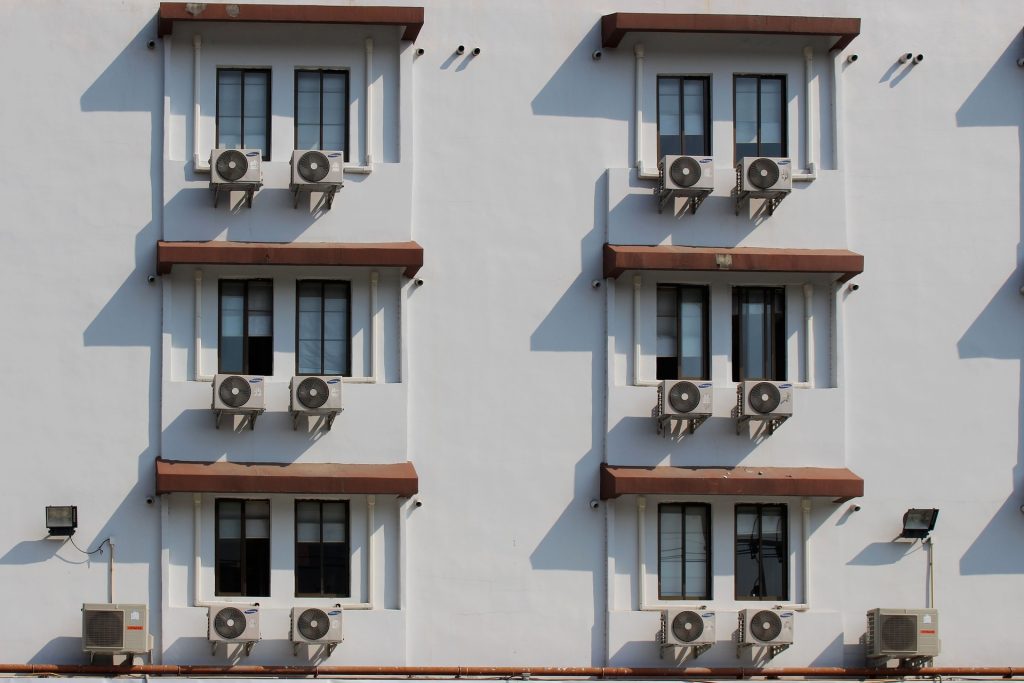
Is your air conditioner acting strangely? Do you hear the familiar whirring even after you’ve switched it off, leaving you hot, confused, and facing a potentially hefty energy bill? Fear not! This isn’t a scene from a horror movie – it’s a typical air conditioner problem, and luckily, there are solutions. This guide will equip you with the information to tackle a “zombie air conditioner” that keeps running when turned off. We’ll explore some potential reasons, offer simple troubleshooting steps, and tell you when to call a professional HVAC contractor. Understanding Your Air Conditioner Air conditioners may seem like mysterious boxes that keep us cool, but let’s look inside for a simplified explanation. An air conditioner uses a refrigerant to take heat from your home’s air and release it outside. This cycle involves four main parts: Troubleshooting Your “Zombie Air Conditioner” If your air conditioner keeps running when turned off (often referred to as short cycling), here are some common reasons: Is your AC unit running but not cooling your home? Learn how to fix it today. Simple Checks Before Calling a Professional Before you dive into more complex solutions, here are a few easy checks you can perform: Listen for Unusual Noises: A properly functioning AC unit should generate a smooth, low hum. Unusual noises like grinding, clanging, or screeching could indicate loose parts, failing components, or a refrigerant leak. If you hear any concerning noises, shut down the AC and call a qualified HVAC professional or contractor for inspection. When to Call an HVAC Specialist If the simple checks don’t solve the problem, or if you’re uncomfortable dealing with electrical wiring, components, or potential refrigerant leaks, it’s time to call a licensed air conditioner specialist in Phoenix for repair. They have the expertise needed to accurately diagnose the issue and perform repairs to get your AC back in shape. Here are some specific situations where calling an HVAC specialist is recommended: Replacing Major Components: While homeowners can replace some parts like air filters, significant components like compressors or evaporator coils typically require professional installation. An HVAC specialist can guarantee a safe, efficient replacement for your AC. Preventative Maintenance Tips Professional maintenance can prevent future problems with your air conditioner and keep it running smoothly. Here are some quick tips to extend the lifespan and optimize the performance of your AC unit: Note: You’re advised to replace/clean your air conditioner’s filters every month. Click for more in-depth information on how to troubleshoot your air conditioning system. Additional Considerations for a Smoothly Running AC For those seeking a deeper understanding of AC operation and troubleshooting, here are some additional considerations: Consider Replacement: Older ACs are less efficient. Newer models can save you money. Choose high-EER models for maximum efficiency. Conclusion A continuously running air conditioner can be frustrating and costly. By understanding the potential causes, following our troubleshooting tips, and prioritizing preventative maintenance, you can keep your cool (literally) and avoid a summer meltdown. If your DIY efforts don’t solve the problem, remember that it’s best to contact an HVAC professional to ensure your comfort and prevent more damage to your AC unit. For expert AC repair and maintenance services, contact American Home Water & Air today!
How to Clean AC Coils: 5 Tips
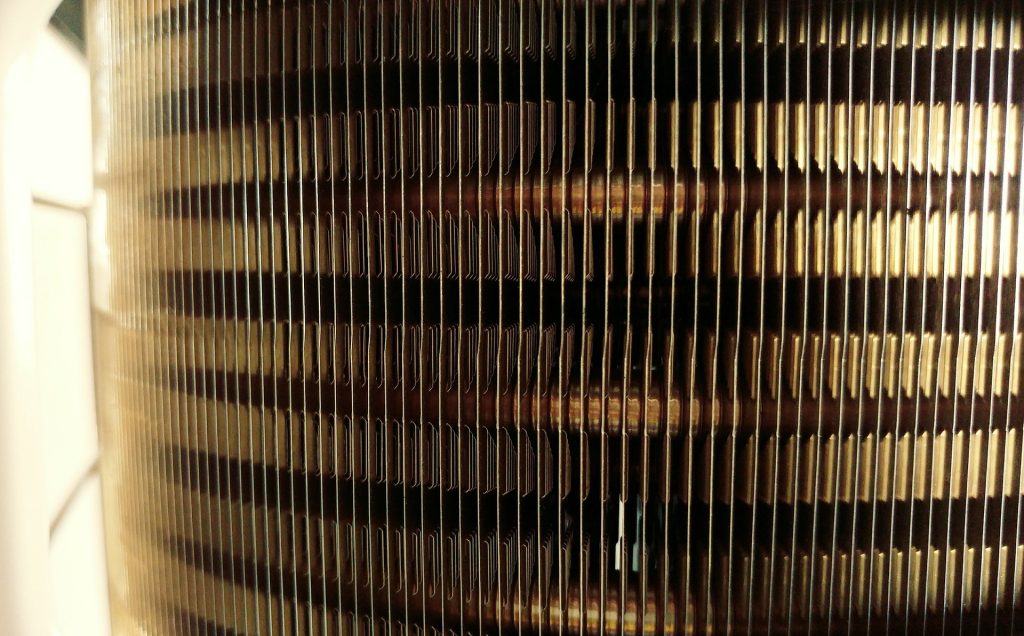
A well-functioning air conditioner is something that many of us cannot live without. When the long hot days of summer hit, there’s nothing more refreshing than stepping into a room and being hit by a wall of cold air. Like all appliances, an air conditioner requires regular maintenance to keep it in good condition and ensure it is performing at its best. Our previous article on cleaning your air conditioner provides some insights but today we’d like to focus on one key component: AC coils. If you are wondering how to clean AC coils yourself, you’ve come to the right place. Our guide provides you with a range of information so that you will know how to clean AC coils inside and outside. Our 5 tips are particularly useful and will help you to keep your air conditioner in optimum condition. Types of AC Coils Before we jump into the maintenance requirements of AC coils, it is important to understand the different types of AC coils. Knowing this information will help you to understand how to clean AC coils outside and how to clean AC coils inside. It will also help you to determine the appropriate cleaning method to use for your specific AC coil. Indoor Unit Each unit of an air conditioner has a coil that is vital to the functioning of the air conditioner. One of these is located in the indoor unit, which is the actual air conditioner that we see blowing out the air inside of a home. Furnace and Evaporator Coil The evaporator coil, also known as the cooling coil, can be found on the side of the furnace. The role of this coil is to take the heat from inside, moving it to the blower fan which cools it down. The cool air is then put back in the house to lower the overall temperature. Outdoor Unit The outdoor unit is home to the condenser coil. This coil is responsible for getting rid of hot air. Typically created with copper tubing, this coil helps to moderate the air temperature by transferring air. Why Do AC Coils Need to be Cleaned? AC coils are an essential component of any air conditioner. Unfortunately the positioning of the coils means that dust and debris gather on their surface. There are a range of reasons why these coils need to be kept clean and dirt-free: To Minimize Stress On the System When AC coils become too dirty, the compressors and fans have to work harder to maintain a cool temperature within your home. It also increases the operating temperature meaning the system is working under increasing pressure. This places stress on the entire system which can lead to greater wear and tear. The longer you ignore dirty coils, the more maintenance and repairs your air conditioner is likely to need. If you don’t know how to clean AC coils in-house, it is worth engaging a professional to conduct a service on your machine and assess its condition. American Home Water can help with air conditioners in Phoenix. To Optimize Its Ability to Regulate Temperature As dirt and debris collects over time, it can impact the coils ability to move air. This means that it will impact your air conditioner’s ability to transfer heat out and cool air in. Your house is likely to become quite humid as your air conditioner will be unable to effectively regulate the inside temperature. If you want your air conditioner to keep your home cool, it’s important to ensure your AC coils stay clean. To Minimize the Cost of Cooling The harder your air conditioner has to work, the more electricity it has to use. Dirty coils put the air conditioning system under a lot of pressure, meaning it has to work harder to maintain a cool temperature. If you want to minimize your power bills, keep your AC coils clean and the machine in good working order. This way it will run efficiently and need less electricity to operate. 5 Tips for Cleaning AC Coils Get a Maintenance Check On Your AC Coils Once a Year It is difficult to determine exactly how often to clean AC coils yourself. After all, there is no exact answer. The dirtiness of your coils will depend on how often you use your air conditioner, and this will determine how regularly they need cleaning. That being said, it is important to get an annual maintenance check from a professional to test and clean your system. This is best done before summer when your air conditioner will go through a period of heavy use. Always Check the Specifications of Your Particular AC If you’re learning how to clean AC coils in-house, always begin by checking the specifications of your specific air conditioning model. Some machines require specific cleaning methods to keep them in the best condition. You also don’t want to ruin your machine or one of your coils by cleaning it the wrong way. Clear Away Surface Debris Before using any special techniques, remove the dirt and debris you can from the surface of your coils. This can be done with your hand or you might use a coil cleaning brush that is specifically designed for this purpose. Either way, removing this debris will help you to better see the condition of the coil. Just removing this material will likely help the coil to operate more efficiently although a more in-depth clean is also likely required. Use a Method Suited to Your Machine and the Coil Different coils require different attention. For instance, if you’re wondering how to clean a coil outside, compressed air treatment followed by cleaning chemicals is probably your best bet. Indoor coils, on the other hand, often need to be accessed through an outer casing and therefore may need to be cleaned using a different approach. There is a range of cleaners available although a household detergent can also be effective. It really depends on the type of coil and the model
How to Clean Air Conditioner Drain Line Like a Pro
Having your air conditioner pumping cold air is a soothing reprieve during summertime. To ensure that your appliance will never fail you in these hot months, you have to keep it in perfect condition through routine maintenance. One of the ways to boost your AC’s performance is by keeping a clean air conditioner drain line. Your air conditioner drain line plays a vital role in the effective operation of your air conditioning system. Over time, molds and debris can build up in the line, making the air your unit expel harmful to breathe in. To keep it free of blockage, you need to learn how to clean an air conditioner drain line properly. Clean Air Conditioner Drain Line: The Basics An air conditioner works by pulling moisture from the air. The drain line of your unit is responsible for removing the condensation that the evaporator coil produces by expelling it outside the house. A clogged air conditioner drain line will result in water overflowing in the condensate pan, which can then damage your AC and even your home. Your AC’s drain line is a good breeding ground for molds to thrive. Without regular maintenance, sludge, bacteria and algae will accumulate inside. Dirt clods or wet clumps of dust can also form in the outdoor end of the drain line. If your air conditioner has not been used in a while, the drain line opening may have also become the home of certain insects. Once there is enough buildup in the drain line, the blockage may be too large for water to pass through. This water will then back up into the condensate pan and cause leakage. Clogs can also cause raised levels of humidity and dank odor coming from your unit. If left alone, this can result in serious problems with your entire air conditioning system. While air conditioner drain line clogs can become a serious problem, there are some easy steps you can follow in order to clear the issue. If unsure of what to do, however, it is best to consult an AZ drain cleaning specialist. There are technicians that provide comprehensive checkups and services for air conditioners in Phoenix within your budget. You can also check out our Lennox Air Conditioner reviews and “Trane Vs. Carrier Vs. Lennox” to find out the best AC for your home on your next purchase. Signs of a Blocked Air Conditioner Drain Line There are tell-tale signs that indicate blockage in the drain line of your AC unit. One of the most obvious is standing water. Small volume of water is not really a concern, but when there is more than usual, it may be evidence that there is something wrong with your appliance. If your unit is dripping water, it is probably because the water cannot be drained properly due to buildup. An always-full condensate pan can be an indicator that your air conditioner drain line is clogged. Since there is blockage, the water cannot proceed down the drain line and out of the house. This should be addressed right away, as it may promote mold growth in your unit. Also look for obvious signs of water damage in the house – on the floor, near the fan or around the AC. The moldy and musty smell coming from your AC is another possible sign of drain line issue. If the unpleasant smell spreads throughout your house, your central air system is probably compromised. Molds and mildew should be taken seriously, as they can worsen asthma and cause allergies. Check out this article for more information about various air conditioner smells. How to Clean an Air Conditioner Drain Line: Step by Step Using vinegar is one of the effective ways when clearing air conditioner drain lines. Vinegar kills molds and other forms of bacteria and prevents buildup formation. Do this every month to keep your AC units at peak performance. The steps are easy enough to follow. You only need about ¼ cup of vinegar poured into your drain line to dissolve all the clogs inside. You can also use a wet/dry vacuum to clear the drain. First, remove the paper filter in the vacuum to avoid ruining it. Hold the hose to the end of the drain line and plug the gap using a duct tape or a rag. Turn on the vacuum for two to three minutes, then turn it off. This will be enough to suck out any debris and unclog the drain. Check out this post for some more tips on cleaning your air conditioner. Ways to Prevent Clogs in Air Conditioner Drain Line Use High Quality Air Filters Invest in high quality air filters. Although you can save a lot with cheaper options, they do not necessarily do a thorough job filtering dust and other materials in your AC unit. With good filters, you can avoid dust from building up in the evaporator coils. This then helps prevent clogging in the drain line. Air filters should be changed regularly, every three months on average. If you have pets or smokers in the house, you should replace the filters more often. Flush the Drain Line Regularly Keep your drain line clean by flushing it with vinegar solution every three months. You can also use warm water. Refrain from using bleach, however, as they can damage the PVC plastic pipes, as well as break down the cement joining the fittings together. If you have to use bleach, make sure to dilute it with water using a 1:2 or 1:4 ratio. Bleach also has a strong smell, so you may opt to avoid it altogether. Clean AC Unit Thoroughly Regularly cleaning is the best way to prevent clogging in the air conditioner drain line outside the house. Cleaning at least once a year is usually the rule of thumb, but if you live in Arizona where air conditioning is used often, you may need to do it more frequently. Clean not only the drain line, but also
AC Blowing Warm Air in House: 8 Possible Reasons and Solutions
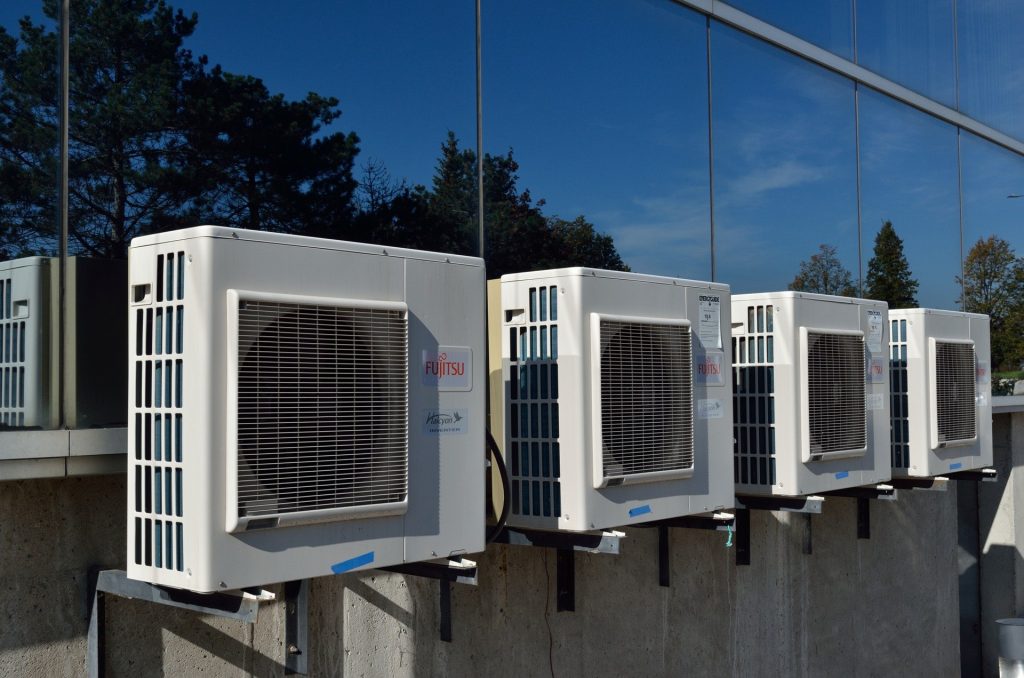
The Arizona sun is beating down, and the humidity is heavy. You crank your AC unit, expecting a refreshing blast of cool wind to combat the stifling heat. But instead, your AC sputters out warm air. Don’t panic! This frustrating situation, where your AC blows warm air instead of cool, happens more often than you think. There are several reasons why your unit might be malfunctioning, leaving you hot and bothered. Let’s face it: a broken AC during a heatwave is a nightmare. We’ve all been there, and we know how important it is to get your home comfort back on track ASAP. That’s why we’ve compiled this handy guide to help you troubleshoot the culprit behind your warm air woes. 6 Reasons Why Your AC Might Be Giving You the Warm Shoulder Dirty filter Just like a clogged filter in your car can cause problems, a dirty air filter in your HVAC system can restrict airflow and lead to unconditioned air blowing from your vents. Think of it like trying to breathe through a dusty scarf – not exactly refreshing! Solution: Switch off your AC unit and locate the filter. Most filters are easily accessible behind a front panel on the indoor unit. Replace the old filter with a clean, high-quality filter of the appropriate size. Frozen evaporator coils Frozen evaporator coils can stop cool wind from circulating, and a clogged air filter can also cause this icy situation. Solution: Switch off your AC unit and allow the ice to melt. Avoid trying to speed up the thawing process. Once thawed, a technician can identify why it froze, like a blocked filter or low refrigerant levels, and recommend the proper repairs. Clogged condenser coils Your condenser coils, located outdoors, release heat. But, like a car radiator, they can get clogged with debris, making it challenging for the unit to expel heat properly. As a result, you may notice warm air coming from your vents and a noisy compressor due to overheating. If you think your air conditioner’s condenser coil is clogged, it’s best to have a qualified technician clean it. Smoke coming from your air conditioner is a serious issue that requires immediate professional attention. Solution: Switch off your AC unit and locate the condenser coils outside your home. Carefully remove leaves, debris, or dirt from the coils using a garden hose with a gentle spray setting and avoid bending the delicate fins on the coils. Contact a professional if the coils are heavily clogged or you’re uncomfortable cleaning them yourself. Faulty AC fan Several things can go wrong with your AC fan, from a faulty motor to worn belts. If the fan isn’t circulating air efficiently, you might feel more stuck in a sauna than in a fantastic, comfortable home. Solution: A skilled technician can diagnose the specific fan issue, be it a faulty motor, worn belts, AC button flashing, or electrical problems, and perform the necessary repairs to get your fan running smoothly again. Leaky ducts Think of your air duct as the highway for cool temperatures throughout your house. If leaks or holes exist in these ducts, the cool wind escapes before reaching your vents, leaving you feeling hot and bothered. Leaking ducts can also increase your energy bills. Solution: A technician can locate and seal any leaks in your ductwork, ensuring cool air reaches all areas of your home efficiently. This can also help improve your energy efficiency. Low refrigerant levels Refrigerant is the lifeblood of the Air Conditioning system, absorbing heat and keeping things cool. Low refrigerant levels can seriously hamper your AC’s ability to function correctly, resulting in unconditioned air blowing from your vents. Solution: A qualified technician can safely add refrigerant to your AC unit and recharge the system to optimal levels. They can also identify and repair the source of the refrigerant leak to prevent future problems. DIY vs. Calling a Pro While some issues, like replacing a dirty filter, might be DIY projects, others, like fixing a refrigerant leak or replacing a faulty fan motor, are best left to the professionals. We understand the temptation to tackle everything yourself, but safety and expertise are essential for your AC unit. A qualified HVAC technician can diagnose the problem accurately and get your cool air flowing again quickly and efficiently. Remember, you’re not alone in this! Many homeowners face the warm-air blues from time to time. But with a bit of troubleshooting and (when needed) the help of a professional, you can turn that frown upside down and get back to enjoying the cool comfort of your home. Bonus Tip Regular AC maintenance is your best defense against warm air surprises. Schedule an annual inspection with a qualified HVAC professional to keep your AC unit running smoothly and efficiently all summer. AC maintenance can help improve your unit’s energy efficiency, cutting your energy costs. Keep Cool and Comfortable: AC Repair and Maintenance from American Home Water & Air Is your AC blowing unconditioned air and turning your summer into a sweaty nightmare? Don’t suffer! American Home Water & Air can help. We understand how important a cool and comfy home is, especially during the hot summer months. That’s why we’re here to identify the common culprits behind warm air and keep you feeling refreshed. Regular AC maintenance is key to preventing problems, but if you’re facing a warm AC temperature now, don’t hesitate to call us! Our qualified HVAC professionals can quickly diagnose the issue, recommend the best solution, and restore your AC to deliver cool comfort. Breathe easy and contact American Home Water & Air for a free consultation and estimate. We’ll help you beat the heat and get back to enjoying your summer! Frequently Asked Questions We know you might have lingering questions about your AC blowing warm air. Here are some common ones we hear, along with clear and concise answers: