
7 Common HVAC Airflow Problems and How to Solve Them

HVAC airflow problems can lead to excessive energy bills and problems keeping your home at a comfortable temperature. In this post, we’ll walk through some of the most common airflow issues you’ll encounter with central air conditioners and heaters. What Are HVAC Airflow Problems? While we’ve already discussed general air conditioner issues, problems relating to airflow are a bit more specific. As you may have guessed, these issues pertain to air not making it from your furnace or air conditioner to various parts of your home. While some of these issues require professional ductwork to resolve, others can be easily fixed with DIY solutions. Identifying Common HVAC Airflow Problems and Resolving Them Furnace Not Blowing Air Through Vents If your furnace comes on but doesn’t pump hot air through your vents, there are a few possible issues. The most likely of these is a malfunctioning furnace fan. To figure out if this is what you’re dealing with, here’s what you do: Turn your furnace off. Switch your thermostat to the ‘fan only’ setting. Listen to see if the fan turns on. If the fan activates (which you can’t miss as it’s typically quite loud and unmistakably comes from the furnace), you’ll know you don’t have this issue. If, however, the fan does not come on within a couple of minutes, head to your circuit breaker and see if the switch for your furnace has been activated. This would indicate that there’s an issue with your fan’s wiring, in which case you should contact a technician. If the circuit breaker hasn’t switched off, your fan or thermostat likely needs replacing. You might want to try replacing the latter first as it’s a bit cheaper. Another potential culprit of a furnace not blowing air through vents is your limit control switch. This is the module that actually communicates with your furnace fan, telling it when to turn on and off. You’ll definitely want to work with a technician to have this part replaced; their diagnosis will also help you rule out the previous two potential culprits. Some Vents Not Blowing Air in House If your fan works but some vents are not blowing air in the house, you are likely dealing with an undersized furnace or air conditioner. The nonfunctioning vents will be the ones furthest away from the unit. This is one of the reasons getting your air conditioner’s size right is so important. While an oversized air conditioner will turn on and off regularly, an undersized unit will struggle to service your home. The only permanent solution is to have the unit replaced. If you’re looking for a cheaper option to resolve an AC vent not blowing in one room, consider the following. How to Increase Airflow to One Room You can attempt to improve airflow to the affected room by closing vents in other non-essential areas. For example, if your attic has a vent and you don’t need that space to be heated or cooled, you can shut it. This will redirect some air through your ductwork and out of the affected vent. Of course, this isn’t ideal; if you ever decide to use your non-essential space, you’ll be back to square one. You should think of this more as a temporary band-aid solution while you wait until you’re able to have your furnace or air conditioner upgraded. How to Increase Airflow to Second Floor Another issue you may run into is decreased airflow to your home’s second floor. While an undersized unit, as described above, is a likely culprit here, there are also some additional considerations you should keep in mind. The first of these is your ductwork. If you live in an older home, it’s possible your ductwork may have been compromised at some point. The thin pieces of metal that make up these ducts can become ‘pinched’ or warped over time, which may lead to reduced air making it to your second floor. It’s also worth taking a look at the registers upstairs, particularly if you haven’t done so in a while. It’s surprisingly easy to close your registers accidentally; all it takes is a bump of furniture or your foot on the switch. You should also inspect the dampers inside your air conditioner’s ducts. Most air conditioners in Phoenix have thin metal disks that direct airflow. You can find them in the vents adjacent to your HVAC home controller. If one of these discs has fallen out of place and it happens to be in the vent leading upstairs, there’s your problem. You can simply slot the vent back into the tabs that hold it securely. How to Increase Airflow in Air Duct Check for Clogging Another common culprit of airflow obstruction is clogging. This is especially likely if you are experiencing different temperatures throughout the rooms in your house and/or a higher energy bill. Over time, your ducts can get clogged with dust from renovations and even foreign objects that may have been dropped in accidentally. If you suspect a blockage, remove each register in your home and see if there’s anything lying near the opening. To check deeper, you’ll need to contact an HVAC professional who knows how to inspect your ductwork without damaging it. Change Your Filters Regularly If you’ve gone months (or worse, years) without changing your HVAC filter, you may notice issues similar to what you’d experience with blockage. If that’s the case, replace the dirty AC filter immediately and see if things improve. You should always change your HVAC filters at least once every two months (possibly more if the area you live in is highly polluted or you have smokers in the house). Check for Leaks If you’ve looked into all the potential causes of airflow problems we mentioned above and can’t find the culprit, you may want to inspect for leakage. Occasionally, the joints in your ducts can expand, causing gaps. Use the methods we describe in point #9 of this checklist to inspect for leaks.
10+ Easy Air Conditioner Maintenance Tips

Air conditioner maintenance doesn’t have to be complicated. In fact, there are a number of things you can do on your own to prevent costly and untimely repairs down the road. In this post, we’ll give you a checklist for air conditioner maintenance as well as the steps for each technique. Why is Air Conditioner Maintenance Important? If you’ve read our post on common air conditioner problems, you’ll know that most failures are preceded by several warning signs. In our 30+ years of providing service for air conditioners in Phoenix, we’ve noticed that keeping a regular maintenance schedule can help you spot these warning signs early on. This can protect both your health (as in the case of a refrigerant leak, for example) and your wallet. Unfortunately, there are many air conditioning specialists who take advantage of unsuspecting clients by recommending unnecessary upgrades and procedures. Establishing even a basic understanding of air conditioner maintenance can help you avoid this. Air Conditioner Maintenance Tips for Safety Air conditioners are powerful machines that have large moving parts and use up a lot of electricity. Before we look at maintenance steps, check out these safety tips: Your air conditioner should always be disconnected from electricity before you open it up. Central air conditioners harness more than enough electricity to harm you. Failing to disconnect the unit from electricity can also cause those aforementioned large moving parts to start moving, posing mechanical risks. Air conditioner filters trap harmful particles. Make sure you continue to protect yourself from those particles by wearing a respiratory mask whenever you open the unit, even if you’re just changing filters. While most of the maintenance tips we’ll share are pretty basic, a few are somewhat complex. If you’re not confident in your ability to complete the steps safely (that includes avoiding damage to the air conditioner), don’t hesitate to contact a professional. Checklist for Air Conditioner Maintenance These steps aren’t in any particular order. You may find it helpful to do them all at once the next time you change your filters. As you get more familiar with the process, however, you’ll learn how to schedule each task depending on your air conditioner and its usage. #1. Conduct Regular Air Conditioner Unit Cleaning Debris can build up around your air conditioner over time, particularly if you have an outdoor central unit. Air conditioner unit cleaning is essential for removing leaves, branches, and general dirt that can wreak havoc over time. In addition to cleaning the unit’s exterior, you’ll want to take care of the ducts and coils. Check out this post for some detailed tips on cleaning each of these elements. #2. Change Your Filters Frequently How often do you change your air conditioner filter? Once or twice a year? That’s not enough — especially in states like Arizona where air conditioners run for most of the year. You should really be changing your air conditioner filters every 1-3 months depending on your region’s air quality. Regulatory bodies like the Environmental Protection Agency provide data on air quality throughout the United States. Look up your region on their site here and use that information to help you determine how often you should change your filters. Generally, the data is categorized as followed: Not sure what to do? Just make things easy on yourself and change your air filter every three months at a minimum. #3. Ensure Your Air Conditioner Fins Aren’t Bent On the exterior of every air conditioner, you’ll find aluminum fins. These fins help the air conditioner stay cool, which is why you need to ensure they don’t get deformed. Deformation often happens as a result of debris smacking up against the air conditioner compressor repeatedly. You can avoid this by keeping at least one foot of clearance on all sides of your air conditioner. If the fins are slightly bent, you can usually run a hand brush along them to restore their shape. If they’ve gotten severely bent, however, you’ll need to use a butter knife to twist them back into shape. Be gentle; as with any piece of thin aluminum, these fins can snap if you twist too much or too harshly. #4. Make Sure Your Air Conditioner is Level One of the less-obvious tips on this air conditioner maintenance checklist involves ensuring that your unit is constantly level. You’ll need a spirit level tool (the kind used on construction sites) to check this. Why does your AC being level matter? Well, there are two reasons. Firstly, an uneven air conditioner will continue to sink in a lopsided manner. Eventually, it may tip over and disconnect from the refrigerant line, causing a leak that can be harmful to the environment and your safety. Secondly, your air conditioner’s condenser pump won’t work properly if it’s not level. Lubricant will end up pooling in one part of your air conditioner, which prevents it from getting where it needs to go. You’ll experience premature wear on various components as a result. The one exception would be if you have a heat pump (learn more about what makes those different than air conditioners here). These are typically angled away from your property. If you place a spirit level on top of your air conditioner and get an uneven result, you’ll want to prop it up with shims. #5. Check On Your Air Conditioner’s Vibration Pads Air conditioners vibrate a lot. If you’ve never noticed this, you can thank vibration pads. These pads sit underneath your air conditioner and prevent it from vibrating against the concrete or whatever else lies underneath it. Over time, these pads can shift out of place. As part of your regular maintenance routine, readjust them so they sit in the intended position. #6. Unclog Your Evaporator Drain Your evaporator drain clears condensation that builds up during the air conditioning process. When it gets clogged, fluid builds up inside your air conditioner and can cause issues such as blowing vapor. Even if you’re not noticing
How Do Air Scrubbers Work? Everything You Need To Know
Air scrubbers have become very popular over the past few years. But how do air scrubbers work? Are they legit? In this post, we’ll explore these questions to help you understand whether you could benefit from using one of these devices in your home. What Are Air Scrubbers? An air scrubber is a piece of HVAC equipment that removes contaminants from the air inside your home. You can think of it as a supercharged air purifier. While you’d typically use a purifier to treat a single room, a scrubber treats your entire house. Types of Air Scrubbers There are two main types of air scrubbers on the market. Portable Air Scrubbers Portable air scrubbers are most commonly used during renovations or other large-scale indoor projects that might spew a lot of contaminants into the air. They’re not designed to be permanent fixtures in your home, which is why you usually see them marketed as daily or weekly rentals. You can also tell portable air scrubbers aren’t meant to be permanent based on their appearance. These are typically large industrial-looking units designed to be paired with exhaust tubes that lead the contaminated air outdoors. Integrated Air Scrubbers Integrated air scrubbers are the kind that we install as part of our air conditioner service in Phoenix. These small units connect directly to your home’s HVAC system and work constantly in the background to purify your air. Unless you’re doing a major renovation at home, this is the type of air scrubber you need. A heavy duty portable unit is overkill in most cases. How Do Air Scrubbers Work? Air scrubbers draw air from your home and pass it through a series of filters. These systems (which include PCO photacatalytic purifiers) actually kill the harmful pathogens, unlike filters that simply trap them. It doesn’t stop there, though. Air scrubbers also release ionized oxidizers that flow throughout your home. These oxidizers are negatively charged, meaning they attract positive ions like odors, smoke, and more. The ions act like those anthropomorphic soap suds you see in the Scrubbing Bubbles commercials, effectively ‘scrubbing’ your air. What Do Air Scrubbers Do? Now, you may be wondering what air scrubbers actually remove from your home. Do air scrubbers work for mold, for example? The answer is yes. Air scrubbers remove a variety of pathogens and contaminants, including mold. They can also remove allergens like dust mites, pollen, and mold spores. According to Honiron, air scrubbers are capable of removing 99% of these airborne particles. Can Air Scrubbers Remove Coronavirus Particles? Coronavirus (COVID-19) is one of the reasons air scrubbers have gotten so popular recently. There’s a lot of concern about sanitation in general. Since many experts believe that COVID-19 is airborne, people are taking their air quality very seriously. To be clear, however, it’s uncertain whether air scrubbers will actually protect you from COVID-19 if, say, someone with the disease sneezes in your home and the particles remain airborne. COVID-19 is simply too new for scientists to have a solid understanding of what kills it and what doesn’t. Here’s what we do know. Do air scrubbers work for mold and other airborne contaminants? Yes, they work very well. While one might assume effectiveness in this regard would carry over to other types of airbone pathogens, the truth is that we simply don’t know right now. Are Air Scrubbers Worth It? COVID-19 aside, an air scrubber is a valuable addition to your HVAC setup for several reasons. Let’s explore those now. Indoor Air Quality In America Is Horrendous According to the Environmental Protection Agency, concentrations of pollutants is often 2-5x higher indoors than outdoors. That’s pretty staggering when you consider the levels of smog and pollution that plague most American cities. An air scrubber (along with regularly cleaning your air conditioner) can help. Air Scrubbers Are More Effective Than Most Filtration Systems As mentioned earlier, conventional air purifiers only work in single rooms. An air scrubber is a much more economical way of purifying your entire house. The device connects directly to your HVAC system and cleans air all throughout your home. You’ll forget it’s even there! An Air Scrubber May Increase Your Home’s Resale Value You never know who will be interested in buying your home down the line. It could be someone with respiratory problems. Having an air scrubber installed is an asset in such situations. You’ll have taken care of a major concern for them before they even move in! You Might Save On Your Electricity Bill With An Air Scrubber If you find yourself constantly running exhaust fans in your kitchen to get rid of lingering odors, you might find it much more useful to simply install an air scrubber. The scrubber will do most of the work behind the scenes. How Many Air Scrubbers Do I Need? This is another common question we hear from people. For day-to-day residential purposes, a single Air Scrubber Plus (like the ones we sell) should be sufficient. If you’re using air scrubbers for a construction project, howeer, you’ll need to do some calculations. There’s a metric known as air changes per hour (ACH) that describes how many times an enclosed space’s air gets filtered per hour. Different applications have different ACH requirements. For residential purposes, experts generally recommend a minimum of 6 ACH. Clearing critical contamination levels in large facilities like hospitals often requires an ACH of 12. To determine how many air scrubbers you need, you’ll have to take this measurement and compare it to each unit’s cubic feet per minute (CFM) rating. Here’s the formula: Room volume in cubic feet multiplied by your required ACH divided by 60. The resulting number tells you how much CFM your project requires. In some cases, you’ll be able to achieve this through a single air scrubber but you may need to combine several. This isn’t a process to be taken lightly. Depending on your project, getting this calculation right could mean the difference between life and death. We’re
Window vs Central Air Conditioner: Cost & Practicality Considerations
There are a lot of factors that determine whether or not you should get one of these appliances for the summer. You might have control over some of these factors (like cost), but others might not be easy to overcome, especially if you’re renting a house or apartment. We’ll give you a detailed breakdown of each of these air conditioning units and help you choose the best one for your home and, of course, your wallet. After all, money is a scarce resource and no one wants to spend more than he/she has to. The two Main Factors to Consider When Buying an Air Conditioner When choosing between a window unit or a central air conditioner, it all comes down to the two main factors: cost and efficiency. Cost What is the average electric bill in Arizona, including the cost of running air conditioners in Phoenix, for example, and other monthly electricity bills? When choosing the best unit for your home, go for a unit that will not be so hard on your pocket in the long run. Buying and maintaining several window units (more than 5) will be more expensive than buying and maintaining a central air conditioner. Efficiency This refers to how well an air conditioner performs its duty. This includes things like the air conditioner’s size and how well it can maintain favorable room temperatures. Also, your air conditioner needs to perform at its peak condition without consuming a lot of energy. The bigger the room, the more powerful the air conditioner should be. This is especially important if you live in a hot climate; air conditioners in Phoenix, for example, run for much of the year and can rack up huge bills if inefficient. Now, let’s get down to each of these air conditioning units. 1. The Central Air Conditioner This is like one huge refrigerator that cools down and maintains the indoor temperatures of your entire house or building. The main cooling agent for an air conditioner is called the refrigerant. You might have heard of Freon (R-22) and R-410A AC unit refrigerants. These chemicals can be dangerous if they leak but are actually quite safe and useful otherwise. First, the central air conditioner absorbs the hot indoor air and passes it over coils that contain the refrigerant. The refrigerant then absorbs heat from the indoor air and cools it to favorable temperatures. The cooled air is then released back into the building or room. One central air conditioner can maintain equilibrium temperatures in multiple rooms with the help of devices known as thermostats. Thermostats monitor room temperatures and communicate the information to the central air conditioning system which then regulates the amount of cooled air supplied to each room. The average cost for a Central Air Conditioner is around $5,700. It can range from $1,700 to $10,900 depending on the size of your home/building. Pros of Central Air Conditioners Easy Automation and Consistent Room Temperatures As mentioned earlier, one central air conditioner can cool multiple rooms at once with the help of a network of vents and thermostats (a huge advantage over the window unit). This means that all rooms (offices or apartments) will have a constant supply of cool air throughout the year. This is very useful in hot southern areas or places that experience hot climatic conditions for most of the year. Maintaining the optimal temperature for large buildings such as historical sites in Scottsdale requires multiple air conditioner systems and the aid of air duct controls and smart thermostats. Plus, modern central air conditioners are automated. You don’t have to manually turn them off or on. Supply of Healthy Indoor Air Research shows that the air indoors typically contains 5 times more toxins than the air outside. Central air conditioners have inbuilt filters in the ducts that automatically filter your indoor air before cooling and releasing it back into the room. Modern air conditioners even have micro-particle filters and dehumidifiers that “purify” indoor air. Air Cooling and Heating Combo Central air conditioners are now able to cool or heat your indoor air depending on the climatic conditions outside (killing two birds with one stone). You’ll find them useful in areas that experience cold and hot seasons. There’s no need to buy and install an electric heater when you have one of these. You’ll save a lot of money that would have been used in buying and maintaining an extra unit. Cons of Central Air Conditioners It wouldn’t be a fair comparison if we didn’t include some of the crucial drawbacks that come with purchasing and installing one of these units. High Upfront Costs This is the main reason people shy away from central air conditioners. Central air conditioners require larger investments than window units. You’ll have to think hard and weigh your options before you reach out for one of these. The difference in the cost of window air conditioners vs central air conditioners is felt right from the purchasing price. A standard high-quality central air conditioner is priced at around $1,500 but can cost as much as $10,000. A window unit comes in at a way cheaper price of around $300-$1,500 with monthly running costs of about $30-$80 depending on its usage. However, if you’re planning to cool more than 5 rooms, then one central air conditioner will be cheaper in the long run. The cost of 5 window units is more than enough to pay the down payment of a central ac unit. Remember that one central air conditioner is more efficient than several window units. Installation Difficulties You need to have a very solid budget to be able to renovate and install vents in your house. According to HomeAdvisor, the national average cost for home air duct installation is $1,137, but it can rocket up to $5,000. You’ll also have to take responsibility for cleaning your air ducts at least once or twice a year to avoid dirt and allergen buildup. Also, installing a central air conditioner
3 Simple Tricks To Clean Your Air Conditioner
You can easily clean your air conditioner without spending money on a team of cleaning professionals. We know… We know… Cleaning isn’t fun, especially when you’re fighting off dust, fungi, and other micro-particles that can cause you to sneeze your nose off. We are going to show you how to easily clean your air conditioner and have it ready for the hot summer. Also, check out our Lennox Air Conditioner Reviews to find the best deals for your air conditioning unit. To make it easier, we divided the task into three simple processes that involve cleaning the three dirtiest components of your air conditioner. You’ll have to spend at least 30 minutes on each of these components. That’s a total of 90 minutes. It’s not a lot of time since you’ll be doing this only once a year (yes, cleaning your air conditioner once or twice a year is more than enough). But why should you clean your air conditioner? Dirt and debris build-up over long periods (one year) can easily clog your air conditioner’s system. Left out frozen AC lines can also cause your air conditioning unit to malfunction. If you’re not careful, your air conditioner will break down, experiencing one of these common problems, and you’ll have to pay for a replacement or repairs. Also, mold and dirt will lower your unit’s efficiency and lead to high electricity bills. In addition to that, dust and other allergens such as mold will negatively affect your health. You’ll no longer be comfortable in your house with all the sneezing and coughing that will be going on. Research shows that indoor air is generally unsafe and you’re better off camping outside. As sinister as it may sound, your air conditioner might be one of the reasons you keep getting sick. Air conditioners in Phoenix and other major American cities with heavy pollution often suffer from this issue. How To Clean Air Conditioner Ducts This is probably the messiest part of cleaning your air conditioner. After all, all the dirt, dust, debris, fungi, and bacteria is usually found in the air ducts. This is usually the case with central air conditioners (skip ahead if you haven’t installed air ducts in your house). Don’t worry, we’ll guide you on how to clean your HVAC ducts without making a mess of your home. What you’ll need: Step 1: Cover the Supply Registers and Home electronics Use plastic sheets to cover electronics such as desktops and televisions. Next, use a few cleaning cloths to cover and block all the supply registers (vent covers). This is to prevent dust and dirt from getting blown into your rooms. Step 2: Turn on the Fan This will help loosen and blow all dirt and dust from inside the ducts and onto the duct openings for easier cleaning. Step 3: Open and Clean the Supply and Return Registers Make sure you’ve switched off the fan and air conditioner. Next, open the supply and return registers and clean all the dust and dirt that has accumulated there. Use your long-handled dust brush to reach deep into the ducts and pull in all the dust and dirt. Then, use your vacuum cleaner to suck it all in. Step 4: Clean the Air Ducts First, use your long-handled dust brush to reach as far as you can and clean the air ducts. Next, use your heavy-duty vacuum cleaner (preferably with a long hose) to suck in all the dust and dirt. Then, dip your cleaning cloths in soapy water and clean as far into the ducts as your hand can reach. Step 5: Replace the Furnace Filter You’re advised to replace your furnace filter at least once a year (this is your chance). Sometimes the dirt buildup might be too much and permanently clog the filter. Finally, allow the components to dry and carefully put together the air ducts. Remember, to keep your electronics covered from dust. How to Clean Air Conditioner Coils You might not know this, but it’s at the coils where everything happens. The Air Conditioner Coils contain the refrigerant that is responsible for cooling your indoor air. Your AC first sucks in the hot indoor air and passes it over the coils. The refrigerant in the coils then absorbs the heat from the indoor air. The cool air is then pushed back into the room. Dirt and dust buildup on the coils will reduce your air conditioner’s efficiency. The layer of dirt will insulate the coils and hinder the refrigerant from absorbing heat. This will force your air conditioner to consume more electricity. The result is high electricity bills. What you’ll need: Step 1: Gain Access to Your Air Conditioner’s Coils First, switch off your air conditioner and also make sure the power supply is switched off. For Window Air Conditioner Units, the coils are usually located at the back (the part that is outside your window/ inside the wall). Follow your AC’s manual and unfasten the cover using the screwdriver. You might have to unmount the unit from the window to avoid creating a puddle of water outside your window. For Central Air Conditioners, their position will vary with each model. Check the AC’s manual. Step 2: Inspect and Brush the Coils and Fins Before you start cleaning, open your eyes and inspect the coils and fins for any sign of damage. Next, use your hand to pick out and remove large colonies of mold, dust, and dirt debris. Thereafter, pick up the coil brush and clean in a motion that is parallel to the fins found on the coils. This will help straighten out fins that might be slightly bent or out of position. Be firm but careful. Step 3: Rinse the Coils Take your garden hose and rinse the coils with water at medium pressure. This will help remove any leftover dirt particles. Step 4: Apply the Foaming Coil Cleaner Please note that there are two main types of foaming coil cleaners: Shake the bottle
What To Do When Your Air Conditioner Is Blowing Smoke
An air conditioner that’s blowing smoke can be the result of several issues, some serious and some minor. In this post, we’re going to take an in-depth look at all the steps you should follow when this issue occurs. We’ll begin by taking a look at why this typically happens to begin with. Why Is My Air Conditioner Blowing Smoke? Here are the most common reasons. #1. Clogged Drain Hole If you have an older air conditioner that’s blowing odorless white smoke, this is a likely culprit. All air conditioners produce condensation. Newer units collect this condensation in a pan and reuse it for keeping the components cool. Older air conditioners, however, have a drain hole through which the water escapes. If this drain hole gets clogged, the water stays trapped in your air conditioner. When the water comes into contact with heat inside your air conditioner, it turns into the steam that you see pouring out of the unit. While this is one of the more benign types of air conditioner smoke, you’ll still want to get the clog removed by a professional. Also, consider upgrading to a newer unit that makes more efficient use of condensation. #2. Humidity If your air conditioner’s internal humidity is lower than that of the air around its vent, you may see a small amount of fog form (read about dew points for a very scientific explanation of this phenomenon). Again, this will be odorless and doesn’t pose any immediate risk to your air conditioner or your health. You don’t need to contact a professional to have this dealt with. Instead, let your air conditioner run on high for several minutes. This helps achieve equilibrium between your air conditioner’s internal humidity and the humidity outside. If this keeps happening, though, you ought to take a closer look at your filter. A clogged filter can exasperate the situation and cause vapor to spew out of your air conditioner no matter how long you keep it running. Air conditioners in Phoenix should have their filters checked (and possibly replaced) at least once every three months. #3. Overheating If your air conditioning is blowing smoke accompanied by a strange smell, you likely have a more serious issue on your hands than simple condensation. Air conditioners are, of course, filled with electrical components. Without proper ventilation, these components will overheat and produce a burning smell. If left untreated, this will evolve into dark, strong-smelling smoke emerging from your air conditioner and perhaps some strange noises. This type of airflow problem is usually the result of a severely clogged air filter preventing proper ventilation of the unit’s components. If you notice this issue, you should immediately shut the air conditioner off and call a professional. Whatever component has been producing smoke will likely need to be replaced and, not to mention the air filter. #4. A Direct Component Issue Sometimes, your air conditioner’s circulation may be functioning just fine yet still produce smoke and a strong burning smell. If your air conditioner is on the older side, it’s likely one of the components has gotten worn out and is producing smoke. Two of the most common culprits are the fan belt (in belt-driven fans) and the fan motor itself. This type of air conditioning smoke, in addition to smelling terrible, can be toxic for you and the environment. Shut the air conditioner off immediately and get in touch with an HVAC professional. Depending on what component is to blame for the smoke, a professional may recommend replacing your entire air conditioner. #5. Electrical Failure Last on our list of reasons your air conditioner is blowing smoke, we have an electrical failure. Faulty wiring or electrical shorts can produce a fire hazard that, in turn, produces smoke and a burning smell. Leaving the system running in this condition can be very dangerous. Instead, shut it off, unplug the unit (if possible) and call a professional to have your air conditioner looked at. Air Conditioner Setting Off Smoke Alarm? Air conditioner smoke is one thing but there’s also a separate question of air conditioners setting off smoke alarms. This usually isn’t related to smoke from the air conditioner itself but rather a feature in smoke alarms designed to alert homeowners of a power surge. If your air conditioner’s electrical setup is improperly configured, it may cause a power surge whenever it kicks on. When this happens, you should disconnect the air conditioner and call an electrician (or whoever installed the unit). Something is wrong with your home’s electrical wiring and you’ll have the issue intermittently until you fix it. General Tips for Avoiding Air Conditioning Smoke Issues If you’ve landed on this page not because your AC is smoking but rather out of curiosity, here are some general tips to help you avoid the issue altogether. Change Your Filter Regularly Changing your air conditioner’s filter is very easy and cheap. In addition to preventing smoke, it will improve the air quality in your home. While checking and possibly changing your filter is recommended every three months, this is just a guideline. We encourage you to check more regularly if you live in an area with poor air quality. It’s not hard to see when an air filter is dirty, in which case you need to trust your eyes and replace the filter even if it seems to be too early. Get Yearly Checkups Find a local HVAC specialist you can trust (we hope you’ll choose us if you live in the Phoenix, Arizona area) and have them perform a checkup on your air conditioner yearly. You might even want to schedule more frequent checkups if you have an older unit. Checkups will reveal problems that might become serious down the line. It’s much better to deal with those problems on your own schedule before your air conditioner starts billowing smoke. While waiting for your scheduled check up, you can check out 4 things to do in Peoria to make
Air Conditioner vs. Heat Pump: Understanding The Difference
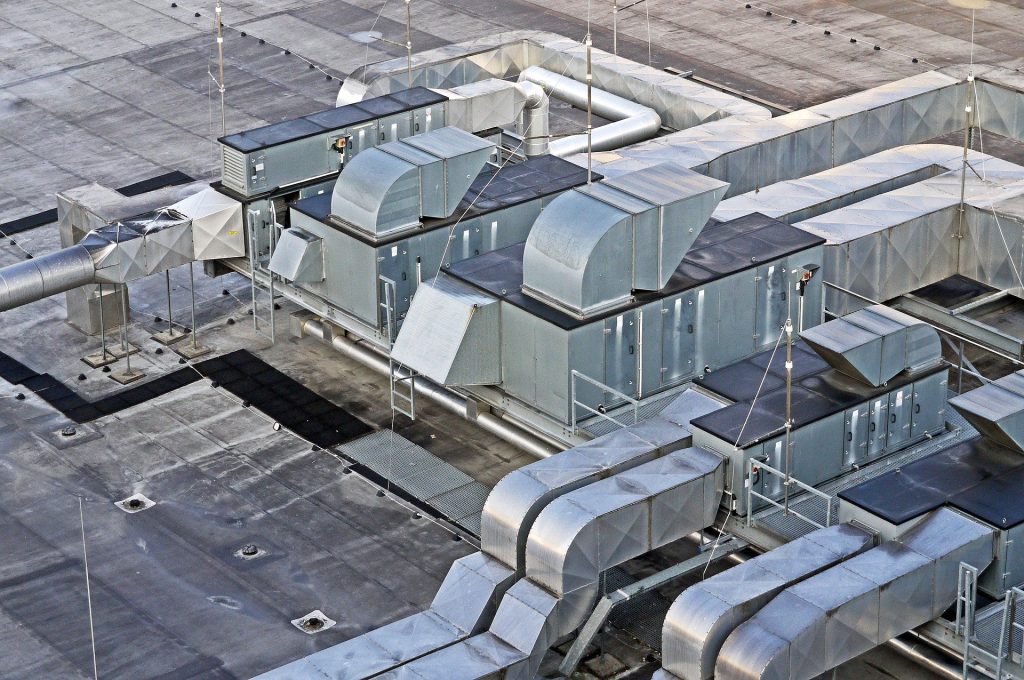
Heat pumps and air conditioners might seem like similar (or even identical) devices. However, there are several subtle differences between the two. In this post, we’ll explore those differences to help you understand which device best suits your needs. Heat Pump vs. Air Conditioner: The Basics What Is A Heat Pump vs. An Air Conditioner? Let’s start with the similarities. A heat pump and an air conditioner can both cool your home. Both devices come in two parts; one inside your home and one outside. These components work together to pump warm air out of your home. Heat pumps and air conditioners also both contain refrigerants that actively cool the inside of your home. So what’s the difference between an air conditioner vs. a heat pump? Well, a heat pump can actually run in reverse as well. In other words, it can heat your home. This is advantageous for people who live in climates where it gets a bit chilly but not enough to justify spending money on a full furnace. How A Heat Pump Warms Your Home When running in reverse, a heat pump absorbs any heat outside. It funnels that heat back into your home. Exactly where it absorbs that heat from depends on what type of heat pump you have. There are three types, which we’ll summarize briefly below. These units (also known as air-source heat pumps) draw and expels heat through the air outside your home. Water source heat pumps draw and expel air using — yup, you guessed it — a body of water. This setup usually consists of pipes laying at the bottom of the body of water. This type of heat pump relies on the ground for transferring heat. So Is A Heat Pump Also An Air Conditioner? Some people (such as our friendly neighbors up north) do refer to air conditioners as “heat pumps.” However, in the HVAC industry, most professionals refer to them separately. This is due to more than just the basic differences we’ve highlighted so far, as you’ll see in the upcoming sections. Air Conditioner vs. Heat Pump: Which Is Right For You? Here are a few factors you need to consider when choosing between a central air conditioner vs. a heat pump. Climate As briefly mentioned earlier, heat pumps are advantageous for those who live in moderate climates. If it dips below 30 degrees regularly, a heat pump (which is designed to use minimal energy) will be insufficient for keeping your home comfortable. Here’s an article for more information on “What is the coldest temperature for an air conditioner“ Here’s the issue in a nutshell. Moving heat from one climate (inside your home) to another (outside) requires very little energy if those two climates are not that far off from each other. This is why people in moderate climates (unlike Arizona, where it dips below 30 regularly during the winter months) use heat pumps as a means of reducing their home energy bills. The heating and cooling don’t need to be as intense. You can also check our article on “Window Unit vs Central Air Conditioner” for more information about air conditioner costs. Heat Pump vs. Air Conditioner Cost Heat pumps tend to cost slightly more than air conditioners in Phoenix. When comparing heat pump vs. air conditioner costs, though, you need to take into account that, under the right circumstances, a heat pump can be an ‘all-in-one’ system. In other words, in the right climate, a heat pump can save homeowners the cost of installing two units; an air conditioner and a furnace. In the wrong climate, though, a heat pump will be more expensive to run. These units run on electricity, which is often more expensive than gas. You should also be aware that, below about 40 degrees, heat pumps ramp up their electricity usage. Check our article about the average electric bill in Phoenix during the summer for more information. Additionally, heat pumps require maintenance and have a shorter lifespan than furnaces. This increases the long-term cost of using one. Environmental Concerns When comparing a heat pump vs. an air conditioner, the difference in terms of environmental friendliness is also worth considering. Despite common misconceptions, natural gas used in residential applications is actually fairly environmentally-friendly. Until we have more sustainable methods of reliably producing electricity on a large scale, using a natural gas-powered furnace will be more environmentally-friendly than running your electric-powered heat pump all year round. Maintenance Concerns In many regions of America, air conditioners run during summer and then lie dormant for the winter months. A heat pump that runs year-round will amass much more wear and tear, requiring maintenance more frequently. For example, you’ll need to change filters more often. Depending on a variety of factors (including air quality in your area), the added cost of filters alone may render any savings you get from your heat pump negligible. Serviceability No matter what HVAC system you choose, it’s imperative that you find technicians in your area capable of servicing it properly. As mentioned in this article, this can be a challenge with heat pumps. Inadequate ductwork, in particular, is a major challenge with heat pumps. Air conditioners are less finicky in this regard, whereas heat pumps become very inefficient in this scenario. Inexperienced technicians often mistakenly assume that this inefficiency is the result of low refrigerant levels. This misdiagnosis can become quite frustrating for homeowners. Your Exact Needs When choosing between a central air conditioner vs. a heat pump, you also need to consider exactly what you are hoping to achieve. If lowering your heating costs is your primary concern, you should not immediately jump up and buy a heat pump. It may be possible to lower heating costs by optimizing your insulation instead. Understanding Heat Pump and Air Conditioner Efficiency Ratings Heat pumps and air conditioners use different energy efficiency rating methods. Air conditioners rely on SEER while HSPF is the rating system for heat pumps. SEER stands for Seasonal
Air Conditioner Smells Like Gas: What To Do About This & Other Smells
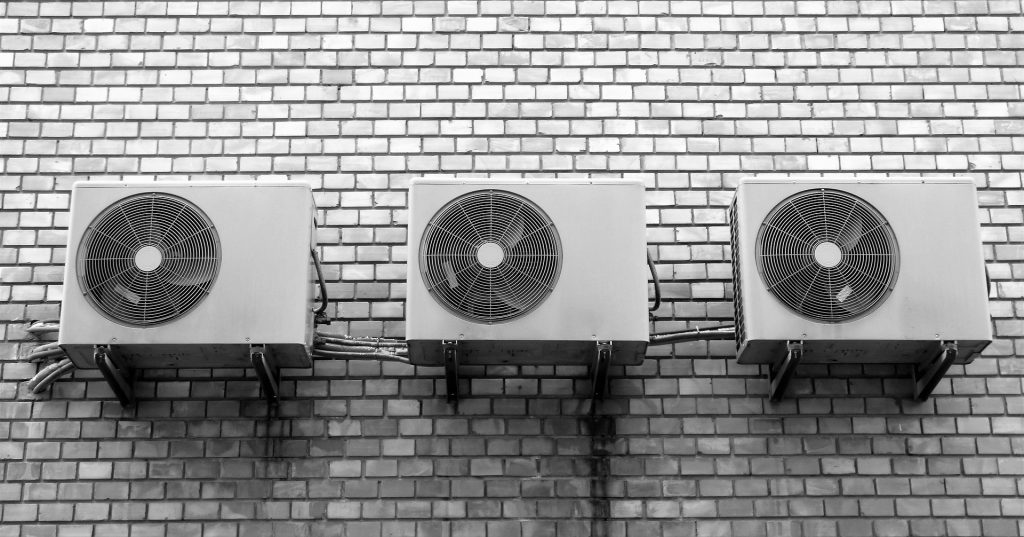
If your air conditioner smells like gas, mildew, urine, or other unpleasantries, you’d be wise to take a closer look. In this post, we’ll explore some of the common explanations for odd smells as well as what you ought to do. We’ll tackle this topic by taking a look at each smell individually. Air Conditioner Smells Like Gas/Rotten Eggs If your air conditioner smells like rotten eggs (which is perhaps the best way to describe a “gassy” smell), you are almost certainly dealing with a natural gas leak. While natural gas itself is odorless, many utility companies add chemicals that smell like rotten eggs to the mix in order to help people easily identify a leak. This has been standard practice since 294 people died at a school in Texas during the 1930s as the result of a gas leak. Despite this safety feature, natural gas explosions still happen regularly in the United States. Anything that produces a spark (such as your water heater’s pilot light) can cause the deadly ignition of natural gas in your home. What To Do About It Due to the severity of a gas leak, it’s absolutely imperative that you do the following if your air conditioner smells like rotten eggs. If the smell is very strong and has been present for some time, consider skipping the first step and simply evacuate your home. Prolonged exposure to high levels of natural gas can cause loss of consciousness and even death. Air Conditioner Smells Like Mildew If your air conditioner smells like mildew, you’re experiencing what people often refer to as “dirty sock syndrome.” While this doesn’t represent something as drastic as an imminent explosion, it’s still quite bad for your health. The smell is caused by a buildup of bacteria, moisture, and mold in your air conditioner. If your air conditioner is leaking water and you haven’t cleaned it out in a while, you’re very likely to encounter this problem. What To Do About It Of course, you don’t want to be breathing in air that’s been contaminated with bacteria such as mold. In severe instances, this can lead to coughing, wheezing, rashes, and other unpleasant symptoms. Here are the steps you should take to remedy this issue. As you can see, this process is somewhat involved and requires at least some understanding of your air conditioner’s construction. If you require assistance and live in the Phoenix, Arizona area, contact us at American Home Water and Air. We’ve been providing servicing and installation of air conditioning in Phoenix for more than 30 years. Air Conditioner Smells Like Urine Does your air conditioner smell like a shady public bathroom? How’s this for an unpleasant smell. If your air conditioner smells like urine, you are likely dealing with the mycotoxins produced by mold. This produces an ammonia-like smell that can be very strong and rather unpleasant. Mold on its own won’t produce this odor; it’s the mycotoxins, which can actually be more harmful to breathe in than the mold itself. What To Do About It Follow the steps we mentioned above for giving your air conditioner a thorough clean. Given the severity of this issue, if you have a central air conditioner you’d be wise to have an expert inspect your ductwork. Mold and mycotoxins can sometimes make their way into your ducts, in which case simply cleaning the air conditioner won’t entirely solve the issue. Air Conditioner Smells Like A Sewer If your air conditioner smells like a sewer, there is likely a ruptured sewage line somewhere near your air conditioner or your ductwork. This results in a very unpleasant methane-like smell. High levels of methane can cause nausea, loss of consciousness, and other undesirable effects. What To Do About It Air Conditioner Smells Like Smoke If your air conditioner smells like smoke, it could be one of several things. On the severe side, you could have a fire somewhere in your home. Air conditioners circulate air throughout your home, so a fire in one room will produce smoke (and hence a smoky-smell) that then gets circulated to other parts of your home. On the slightly less dire side, you could be dealing with an overheating motor. If your air conditioner hasn’t been adequately maintained, its bearings may have worn out. When this happens, the motor overheats and gives off a burning smell. Lastly, your air conditioner may just be burning off some dust. This is normal; dust builds up inside your air conditioner over long periods of non-use. When you switch it back on, you’ll notice a slight burning odor for a few minutes before it dissipates. What To Do About It If you’re dealing with the first issue (fire in your home), your next steps should be obvious; get off your phone/computer and put the fire out or call 911! The third issue requires no action from you. The dust will burn off on its own and the smoke smell will disappear within a few minutes. To resolve the second issue, contact your HVAC repair company to fix the smoke coming out of the AC. They’ll need to replace your AC motor’s bearings (or whatever part has worn out). This should be an easy fix for any experienced HVAC technician. Conclusion Strange smells from your air conditioner can range in severity from dire to moderate risk. In all cases, however, strange smells warrant additional investigation. By following the steps above, you should have a clear idea of how to proceed. If you need air conditioner replacement/installation/repair services in Phoenix, Arizona, give us at American Home Water and Air a call. We’ve been providing these services for more than 30 years and have a stellar reputation. We’ll get your air conditioner up and running — with no offensive smells — in no time!You can also check our other articles on fixing common AC problems such as AC light blinking and many more
AC Troubleshooting: Spot These Common AC Problems Before It’s Too Late
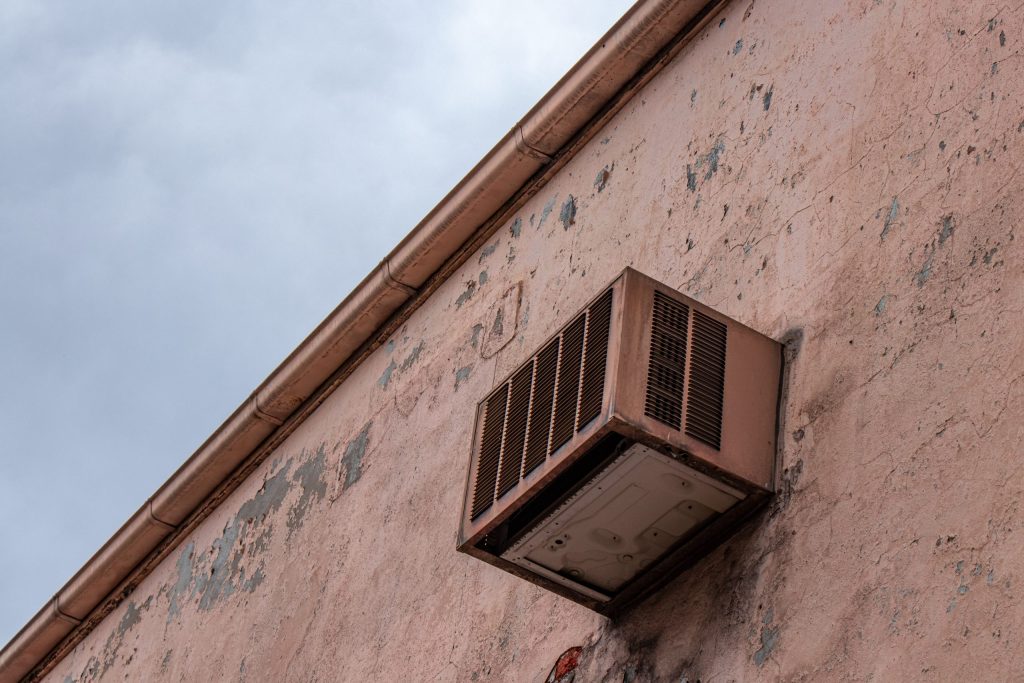
AC troubleshooting doesn’t have to be complicated. In this post, we’ll give you some tips for troubleshooting your AC unit. In some cases, you’ll be able to take your findings and repair the unit yourself. Even when you do need to call an expert, however, you’ll at least be able to better communicate the issue, saving you time and money. Let’s dive in! HVAC Troubleshooting: The Basics Before we look at common AC problems to help you troubleshoot from that angle, let’s cover some basics. Air conditioners work by sucking up the warm air inside your home. This warm air flows over pipes that contain coolants (known as refrigerants). It then flows over a heating element that adjusts the air’s temperature depending on your thermostat settings. If you’re using the air conditioner for cooling, the air will flow back into your home cooler than it originally was. As for the heat, it gets dissipated outside through fans. This is, of course, a very simplified explanation of how air conditioners work. We’re not trying to turn you into an expert on the science behind air conditioners but rather give you some context for when we upcoming sections. If you do want a more detailed explanation, check out the video below. Important: Disconnect Electricity During Air Conditioner Troubleshooting A central air conditioner uses an average of 3,500 W of electricity hourly. That’s more than enough to kill you if you don’t exercise proper precautions when troubleshooting. To eliminate this risk, make sure you disconnect your unit’s electrical supply before opening it up for inspection. You’ll need to do this either at your home’s circuit breaker or by disconnecting it from the outlet if that applies. This simple precaution shouldn’t take you more than 10 minutes but it makes HVAC troubleshooting very safe. If you do feel uncertain about troubleshooting your AC unit yourself, give us a call. We are the most trusted specialists for air conditioning repair in Phoenix, with more than 30 years of experience. AC Troubleshooting: Common AC Problems Let’s take a look at each problem based on the symptoms it produces since those symptoms are likely what’s prompted you to look into troubleshooting the unit in the first place. Improper Cooling One of the most common air conditioner problems we hear about at American Home Water and Air is a lack of proper cooling. As we discussed in great detail here, an air conditioner that does not cool properly can be the result of many mechanical failures. We invite you to check out that aforementioned article for a step-by-step diagnosis of an air conditioner that’s not cooling properly but we’ll summarize the potential issues here. Weird Noises Another common issue that might prompt air conditioner troubleshooting on your part is an odd sound coming from the unit. We’ve also written a very in-depth piece about this issue (check it out here) but, once again, we’ll summarize the key points. Before you check for either of these issues, though, check to see if your air conditioner’s isolation feet have been misplaced. This can cause a rattling noise as the bottom of the unit vibrates against whatever surface lies underneath it. Leaking In case you haven’t noticed by now, we’ve been quite busy writing super-specific articles about common home AC problems. While we encourage you to check out our piece on leaking air conditioners, here are the basic troubleshooting tips. Smelly Air Another one of the most common AC problems in houses is air that smells off. This (which people often call “dirty sock syndrome”) is a sure sign that something is awry within the unit. Common culprits to look out for when troubleshooting your AC unit include: What To Do About Common Air Conditioner Problems Central AC problems often require an expert’s eye for diagnosis and maintenance. At American Home Water and Air, we’ve been providing HVAC repair services to residents of the Phoenix area for more than 30 years. Hopefully, the troubleshooting tips we’ve mentioned above have helped you narrow your search for the cause of your AC woes. If you’re not sure what to do next and live in the Phoenix area, give us a call and we’ll be happy to lend a hand! We have the most comprehensive 40-point checkup in Phoenix.
Air Conditioning Not Cooling? Try These Easy Steps
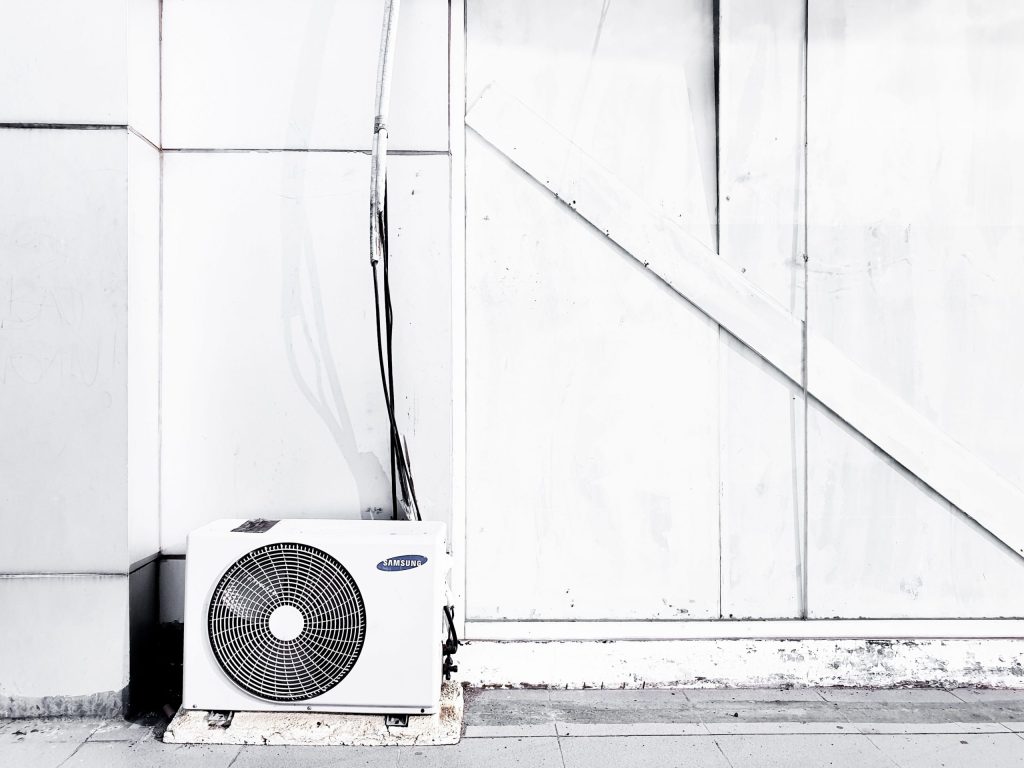
Few things disrupt comfort at home faster than an AC not cooling when you need it most. In the city of Phoenix, AZ, where the summer sun can be relentless, an air conditioner that blows warm air instead of cool air quickly becomes more than an inconvenience—it can make your home feel unbearable. If you’re asking, “Why is my air conditioner not blowing cold air?”, there are several possible reasons. At American Home Water and Air, we’ve seen these issues firsthand across thousands of Phoenix homes. Here are eight common reasons why your AC might be running but not cooling, along with troubleshooting tips to get your HVAC system back to keeping you comfortable. 1. Thermostat Problems Could Be Misleading You Sometimes, the problem isn’t with your AC system at all—it starts with the thermostat. If your thermostat settings are incorrect or the unit is malfunctioning, your air conditioning system won’t cool your home properly. A thermostat stuck on “fan” instead of “auto” may cause the system to circulate air without actually cooling it. Also, older thermostats can build up dust around their sensors, leading to inaccurate temperature readings. How to fix it: Check that your thermostat is set to “cool” and the temperature is lower than your current room temperature. Replace the batteries if needed. If the display is blank or the unit resets on its own, call a professional to inspect the wiring or replace the thermostat. If you’re using a mini split system and it’s not cooling as expected, there could be thermostat-related issues specific to ductless units. In that case, it’s worth troubleshooting the mini split that’s not cooling to identify and resolve the problem. 2. Clogged or Dirty Air Filters Restrict Cooling Clogged or dirty air filters commonly cause ACs to stop cooling. When your filter becomes clogged with dust, pet dander, and debris, it blocks airflow, forcing your system to work harder to move air through your home. That means less cold air makes it through your vents. Over time, this clogging also strains your blower motor and can lead to more serious problems. Besides making your home less comfortable, clogged filters strain your system, driving up energy bills and increasing the risk of expensive AC repair down the road. In fact, a severely restricted system can even result in your AC blowing warm air inside the house, signaling it’s time to change the filter or call for professional help. How to fix it: Inspect your air filter on a monthly basis, especially during peak summer. If it’s dirty or clogged, replace it with a new filter recommended by your manufacturer. For most homes, replacing filters every 1–3 months keeps airflow steady and air quality clean. 3. Refrigerant Leaks Can Stop Your AC From Cooling Refrigerant is the lifeblood of your AC—it absorbs heat from inside your home and releases it outside. If your system develops a leak, it won’t have sufficient refrigerant to effectively remove heat from your home, which results in the AC pushing out air that feels warm or only mildly cool. Signs of a refrigerant leak include hissing noises near the unit, ice on the refrigerant lines, or your AC running nonstop but never reaching the desired temperature. How to fix it: Refrigerant issues require a licensed HVAC contractor. If you hear hissing near the unit, see ice on refrigerant lines, or notice your AC never reaches the set temperature, call for professional AC repair in Phoenix right away. Attempting to handle refrigerants without certification is both illegal and hazardous. 4. Dirty Condenser Coils Interfere With Heat Exchange Your outdoor unit houses the condenser coils, which release the heat absorbed from inside your home. When these coils get covered in dirt, grass clippings, or dust—something all too common in Arizona—the system can’t expel heat efficiently. As a result, your AC struggles to cool your home. How to fix it: Gently rinse the condenser unit coils with a garden hose on low pressure to remove dust and debris. Make sure there’s at least two feet of clear space around your outdoor unit. For persistent buildup, schedule a professional AC coil cleaning to restore full efficiency without damaging delicate components. 5. Electrical Issues Can Cut Cooling Power From a tripped breaker to worn-out capacitors or faulty wiring, electrical problems are another frequent cause of an AC not cooling. If your air conditioner refuses to turn on at all or cycles on and off rapidly without cooling, there may be an issue with the electrical system. How to fix it: Try resetting the circuit breaker for your AC at the electrical panel. If it trips again or you hear unusual humming, contact an HVAC technician. They can safely check capacitors, wiring, and connections to restore reliable operation. 6. The AC Unit May Be the Wrong Size for Your Home An air conditioner that’s too small for your home will run continuously and still fail to cool your living space effectively. Conversely, an oversized unit will turn on and off too quickly, not staying on long enough to remove humidity. Either scenario leaves you uncomfortable and often paying higher energy bills. How to fix it: Have a professional perform a load calculation to determine if your unit is appropriately sized. They may recommend adding ductwork or replacing your system with one better suited to your home’s square footage. 7. Leaks in Ductwork Let Cold Air Escape Even if your AC is working perfectly, leaks or gaps in your ductwork could be the real reason your home isn’t getting cooler. When cool air escapes into your attic or walls instead of reaching your rooms, your system works overtime without ever achieving your set temperature. If you notice uneven cooling—like one room staying warm while others are cold—this could indicate duct leaks. How to fix it: Watch for signs like uneven cooling or dust around vents. A professional can test your ducts for leaks and seal them to improve efficiency and comfort throughout your home.