
How to Install Window Air Conditioner Insulation the Right Way
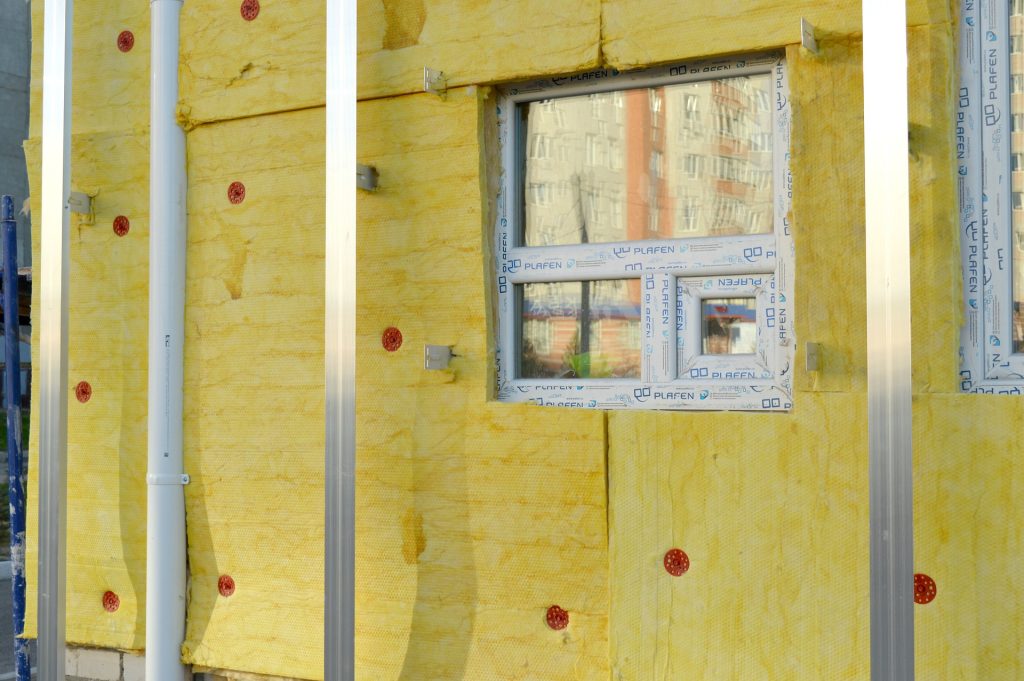
Installing window air conditioner insulation is a prerequisite for saving on heating costs during winters or cold weather. It helps to keep cold air outside and warm air inside a room. Thankfully, insulating your window AC is less costly and less time-consuming. If you fail to insulate the window air conditioner, the warm air in your room will leak around the unit’s perimeter. Also, precipitation from the outside will get indoors and reduce the AC’s efficiency. You’ll end up spending a lot of money on heating bills. The first and best way to insulate a window air conditioner is to follow installation instructions. That’s why we will first look at how to install a window AC. Afterward, you’ll learn how to insulate a window air conditioner to maximize its efficiency. Things to Consider Before Installing a Window Air Conditioner There are many things to know before buying or installing a window AC in your home, including the following factors. Size of Your Room Since window air conditioners are of different sizes, the size of your room will influence the cooling capacity of an AC needed. If your room is huge, you’ll need an air conditioner with a higher cooling capacity. However, if the room is more extensive, but the air conditioner has a lower cooling capacity, it will work harder to cool the entire space. That will reduce the efficiency and lifespan of the window AC and increase your heating bills. The BTU (British Thermal Units) is the standard unit for measuring an air conditioner’s cooling capacity, and it ranges from 5,000 BTU to 25,000 BTU. Generally, you need 20 BTUs to cool every square foot of your living space. For instance, if your room is 500 square feet big, you’ll need a window AC with a cooling capacity of 10,000 BTUs. Here are the other recommended cooling capacities for various room sizes. Room Size (Sq. ft.) Cooling Capacity (BTU) 150 – 300 5,000 – 7,000 300 – 450 7,000 – 10,000 450 – 1,000 10,000 – 18,000 1,000 – 1,600 18,000 – 25,000 Learn more about how to size an air conditioner in this post. Design of Your Window Not every window AC fits any type of window. You should first figure out your window’s style, whether it’s a double-hung, slider, or a casement design. Besides, you need to measure the height and width of the window to determine if the AC will fit. Notably, most air conditioner units fit perfectly in double-hung windows that have a lower sash. You can lower or raise the lower sash, making it easier to install an AC. So, I’ll discuss the installation of the window AC on double-hung windows. Energy Efficiency of the AC It’s no doubt that all air conditioners consume a lot of energy. However, you can save on energy costs by choosing an AC with a low Seasonal Energy Efficiency Rating (SEER). That’s why you need to check the SEER number before buying a window AC. Simply put, the SEER rating is the ratio of an AC’s cooling capacity to the amount of power consumed. For example, if an AC’s cooling capacity is 10,000 BTU and uses 1,000 watts of power, its SEER number will be 10. Read more about SEER ratings here. Window ACs with higher energy efficiency ratings can help you save electricity and lower your utility bills. An excellent example is an Energy Star certified window AC. How to Install a Window Air Conditioner for Maximum Efficiency Installing a window air conditioner seems daunting, and that’s why most homeowners in Phoenix opt for our air conditioning services. Ideally, seeking professional guidance is the best way to go. But if you insist on installing your window AC by yourself, here are some tips. Here are the tools and materials you will need to install a window air conditioner. Now that you have all the tools and materials needed let’s look at how you can install a window AC for easy insulation. Here are the steps to follow. Step 1: Inspect the Window You need to inspect the window to check if it’s in good condition. Check if there’s any obstruction on your window, including storm window screens that can damage the AC’s overhanging part on the outside. You can remove or raise the screen to protect the AC. As you inspect the window, you should also wash the glass both inside and out. That’s because you’ll probably leave it closed for a few months until when you remove the AC unit. Also, you should clear the clutter around the window to create more working space. Step 2: Mount the Window AC Unit To position the air conditioner on your window, you should follow all the manufacturer’s instructions. You’ll raise the window’s lower sash and position the AC at the center of the window. Note that you need another person to help you mount the unit. While keeping the window AC unit balanced, slide the flange at the bottom of the air conditioner until it leans on the windowsill. Then, lower the lower sash of the window until it rests on the AC’s top flange. Let your helper hold it for subsequent steps. Step 3: Screw the AC Unit on the Window Once you’ve lowered the window sash, you need to make sure that it holds the AC unit. Otherwise, the AC unit might fall when the sash gets raised accidentally. You can insert two or three screws through the AC’s upper flange into the window sash. However, you need to drill the holes first before inserting the screws to prevent the wood from splitting. Also, you should screw two small L-shaped brackets on the top of the lower sash to hold and prevent it from slipping. Step 4: Fix the AC’s Side Curtains Most window air conditioners come with two side curtains and frames. You need to fix the side curtains on the AC unit and pull them out to the window’s edges on both sides.
How To Protect Yourself From Poor Air Quality In Phoenix

Poor air quality in Phoenix is a big problem. It’s even worse for sensitive groups like babies, children, the old, and those suffering from heart or lung illnesses like asthma. They’re easily affected by foreign particles in the atmosphere, that when inhaled, get deep into their bloodstream and end up affecting their breathing systems. According to the American Lung Association, the metropolitan city of Phoenix is ranked as the 7th most ozone polluted city in Canada. What causes air pollution in Phoenix? Let’s break it down for you. When we say air pollution, we refer to the availability of particulate matter in the air apart from the air itself. For instance, air quality in Phoenix mostly contains ozone gases. Although the earth needs some ozone, it’s only valuable when it’s high up in the sky. Other substances that vary in size like the 10 and 2.5 particulate matter are also contributing factors to air pollution in Arizona. The larger the number, the bigger the particle. This means that 10 pm (particulate matter) particles aren’t big enough to be absorbed into the blood system. They mostly cause severe disorders like coughs and nose blockages on dusty days. However, the 2.5pm particles are minute (approximately twenty times smaller than the size of a human hair). This gives them the ability to penetrate further into the bloodstream. Therefore, causing a lot of harm, especially to those with underlying health problems. But why is the air in Phoenix so polluted? The air pollution in Arizona is further contributed by the topography of the land. Do some research you’ll find that Phoenix is surrounded by valleys. This places it in a position where wind rarely blows over the city. This means that all the toxic particles settle in the city with no escape. If this is the case, how will you protect yourself from the poor air quality if you live in Phoenix? The quality of your air conditioner can do a lot for you in terms of improving your indoor air and protecting yourself from respiratory diseases. Have a look at some of our HVAC services. Read on to find out more tips on you can protect yourself and your family. You can also check out our article on how to test air quality in your home for you to know what measures you should take. 1. Take care of your HVAC system A good HVAC system is all that stands between your family and all of those nasty particles outside. Make sure you change your filters regularly and have a reliable HVAC professional conduct regular maintenance. If you’re handy with tools check out this list of simple maintenance you can do yourself. You should also look into having an Air Scrubber Plus installed in your home. If you live in Phoenix, Arizona, we’d be more than happy to do that for you. The Air Scrubber Plus is the only home air filtration device certified by NASA for maintaining air quality aboard the International Space Station. That level of quality is hard to beat! Next time you replace your air filter, try one of these – the best filters around, based on our expertise and research. 2. Download a phone weather application We should all appreciate the mushrooming technology available to us in this age. It has eased lots of things which would have required a lot of input and labor. For instance, in the past decade, your common man would not have been able to tell the weather, unless he or she was a meteorologist. Today, the Arizona Department of Environmental Quality has come up with an application that shows the current condition of air pollution in specific places wherever you are. What a relief to the residents of Phoenix, we can now take measures and protect ourselves from the unseen enemy (air pollution). This software from EPA has a simple UI. Therefore, anyone can easily make use of it. When you turn on the application, a flag pops up with an associated color that indicates the quality of the air around you. It’s calibrated from zero to five hundred with the highest number meaning the worst air quality. Each span has its meaning, for instance: With the help of this application, people can easily protect themselves from air pollution in Phoenix. It has made life a lot easier for us. Are you living in an area with a lot of pollution? If you’re suffering from breathing illnesses, then you might have to relocate to another city. If not, there is still a lot you can do to improve the quality of your indoor air. 3. Avoid the burning of waste products Phoenix air pollution is not only influenced by wildfire but also, any fire one might be using, say for domestic purposes. Most of the residents have no idea of how far smoke particles can travel in the air. For example, if one lights up a fire in North Scotts dale, the smoke will travel and eventually settle in South Phoenix. This will then contribute to poor air quality in Phoenix (bear in mind, the wind rarely blows over this region, especially during stagnant weather). This forces the smoke particles to settle down, hence polluting the air. However, higher particulate matter concentration is experienced mostly in the night as compared to during the day, why? Allow us to explain. As mentioned before, Phoenix is surrounded by valleys. It’s like the bottom of a deep bowl (the lowest parts being South and Southwest Phoenix). As the warm air rises, the cold air sinks. This eventually creates an inversion (the region where the cold air below has an interface with the warm air above). So, if there were any smoke particles in the air that night, they’ll bombard with the cold air and sink together into the city. Many will be at risk of inhaling polluted air. However, this eventually breaks in the morning when the sun rises, allowing trapped air and smoke
How Long Does A Furnace Last?
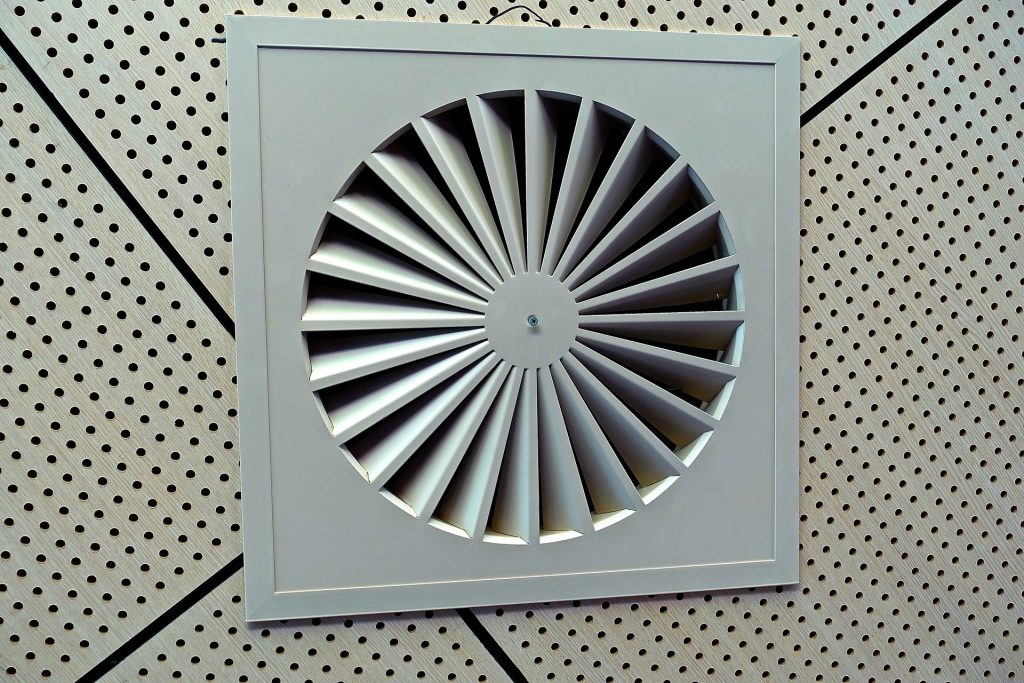
Knowing the life expectancy of your furnace is crucial for planning. Gas furnaces aren’t cheap, and it’s always best to know when yours is bound to expire. This way, you’ll not be surprised when yours dies on you. So, how long does a furnace last in Phoenix? The average life expectancy of a well-maintained gas furnace is 15-20 years. The majority of gas furnaces expire at the 17-year mark. However, this is only possible for gas furnaces that went through regular maintenance routines. How Long Does A Furnace Last? Factors to Consider Generally, a good furnace will last about 20 years. Below are some of the factors that determine how long your furnace will last: Next, you’re going to find out how and why these factors affect the life expectancy of a furnace. Hopefully, this will help you give you some control over your furnace’s lifespan, and help you come up with some ideas on how you can further prolong it. 1. Furnace Sizing “Sizing” is a term that is commonly associated with air conditioners. Most homeowners are surprised when we inform them that the same should be put to mind when they’re shopping for furnaces. “Sizing your furnace” involves making sure that the furnace is proportional to your home. Your gas furnace must be the perfect fit. If it’s too big or small, its lifespan will be greatly reduced. Oversized furnaces will suffer from “short-cycles.” This is when your furnace quickly turns off a short while after turning it on. A gas furnace that is too big for your house will end up warming the indoor air faster than it should. Your thermostats will then take note of the now warmer indoor temperatures and turn off the furnace. Unfortunately, oversized furnaces have a hard time stabilizing indoor temperatures, and it will only be a matter of time before the indoor temperatures drop and the gas furnace is once again, turned on. This will go on throughout the day and cause wear and tear as the years go by. Your gas furnace will require frequent repairs that will eat into its life expectancy. Undersized furnaces become “try-hards” and end up dying in the process. A house that is too big for the relatively small gas furnace will force the unit to work harder than it should as it strives to increase and stabilize the indoor temperatures. Just like oversized furnaces, undersized gas furnaces will end up suffering from wear and tear. It’s all in vain because undersized furnaces will never attain the required indoor temperatures. Its constant running will shorten its lifespan. Below are some of the ways you can find out if your furnace is undersized or oversized: For oversized furnaces: For undersized furnaces: 2. AFUE Rating It’s true that there some furnaces that are significantly better than others. The quality-gap in gas furnaces is just as real as it is with other consumer commodities out there. When it comes to furnace-quality, we’re mainly taking into account factors like the quality of the unit’s parts and how long they’re able to withstand wear and tear. The AFUE rating (Annual Fuel Utilization Efficiency rating) is the other thing that has a strong correlation with a furnace’s quality. In simple terms, the AFUE rating is a measure of how the unit consumes energy (fuel), and it’s efficiency as it goes about its duties. High-quality furnaces come with high AFUE ratings of around 90-97%. Furnace prices can be used to get rough estimates of the furnaces’ quality. The pricer the gas furnace, the likelier it’s going to be of higher quality. That being said, you can’t judge a furnace’s quality on its price-tag alone. Here are some of the advanced features that come with high-quality gas furnaces: The lower the furnace’s quality, the shorter the lifespan. Some manufacturers have made this very clear by producing several lines of gas furnaces each made from different materials and sold at different prices. Make sure you’re buying the best a manufacturer has to offer. 3. Quality of Installation It’s surprising just how many homeowners are ignorant about their furnace’s installation. Poor installation will easily sabotage a high-quality gas furnace. Poor installation is one of the biggest problems affecting gas furnaces in America. A poorly installed furnace will suffer from a significant efficiency decrease (up to 30% decrease). This will affect how it warms and stabilizes indoor temperatures, increase your electricity bills, and eventually die a premature death. Below are some of the installation mistakes committed by homeowners: Homeowners must take their furnace’s installation seriously. You don’t want to end up wrecking a good high-quality gas furnace because of poor installation. 4. Usage How you use it will also positively or negatively affect how long a gas furnace lasts. Heavy use will shorten its lifespan since a lot of repairs will be required to make sure it’s always up and running. This is common for undersized furnaces since they’re pushed well beyond their capabilities. Please use your furnace as instructed by its manufacturer. If it’s not enough, add another unit or upgrade to a more powerful one. 5. Repair Record Furnace’s aren’t perfect, and they can sometimes fail even after you’ve religiously followed all instructions. Repairs are a common thing with machines and electronics. However, you need to be wary of huge and expensive repairs (Repairs hitting the $500-dollar mark). Such repairs are clear signs that your furnace is rapidly deteriorating and is about to hit the wall. Upon doing the first expensive repair, it’s best if you start planning how you’ll replace the unit. Sure, your old unit might have your back for the next few years, however, you don’t want to end up spending a fortune on repairs only for the furnace to die on you in the next 5 years (Money you’d have spent on a new gas furnace that would have secured your home for the next 15 years). The more the repairs you do on your furnace, the shorter its
What Is the Best Filter for an AC?
Air conditioner filters are among the most commonly-overlooked components of HVAC systems. They do their work quietly in the background, never making any noise to indicate something’s gone awry. Nonetheless, choosing the best filter for an AC is crucial for maintaining your family’s health and wellbeing. In this post, we’ll give you some tips on how to choose. Best Filter for an AC: What to Look For Sizing Air conditioner filters come in several different sizes. Your air conditioner’s manual will typically indicate which size works best for it. No matter how good an air conditioner filter is in other regards, getting the sizing wrong renders it useless for yours so take some extra time when considering your options here. Generally, you’ll want the thickest possible filter as, in our experience, thicker filters tend to be the most efficient. Types of Filters There are four general types of air conditioner filters. Fiberglass filters are perhaps the most common due to their low cost. They consist simply of fiberglass layers within a metal grate and are great for filtering large particles but are quite inefficient for smaller ones. Pleated media filters are a step up from entry-level fiberglass ones and usually meet the minimum recommendations set by HVAC manufacturers. Next are HEPA filters, which are very efficient and can trap tiny particles like smoke and bacteria. They’re ideal for situations in which air quality is paramount (i.e. hospitals). Lastly, we have reusable air filters, which are comparable to fiberglass filters in terms of effectiveness but come at a much higher cost. Minimum Efficiency Reporting Value (MERV) An AC filter’s MERV score is also very important to consider. You don’t necessarily want to just go out and get the filter with the highest rating, either. Rather, you should read your AC’s manual and see what the maximum filter efficiency score is. The reason you don’t want to go beyond that is that you’ll open yourself up to airflow issues; a filter that’s too efficient will not allow air through efficiently. Microparticle Performance Rating (MPR) An air filter’s MPR rating indicates its efficiency in terms of removing microparticles. This will be of particular (pun intended) importance to you if you’re looking to remove smoke and bacteria from your home’s air. Filtration Capabilities It’s important to consider exactly what you’re looking to filter. Phoenix has some of the worst air in America, with particulate matter being of heightened concern for residents. As such, you’ll probably want to purchase a filter capable of handling small particles. Cost Changing your air filter regularly is a very important part of maintenance. You might find yourself neglecting that, however, if you’ve purchased an AC filter that is prohibitively expensive Why Choosing the Best Air Filters for Your HVAC System is Important Now, you may be wondering why you can’t just go to your local home hardware store and pick up any old filter. There are several reasons. #1. Achieve Better Filtration You get what you pay for with air filters. The cheapest unit on the shelf may not be the most efficient for your home. It may leave your family breathing in all kinds of harmful particles that another filter would be able to eradicate. In fact, depending on your home hardware store, there may not be any filter on the shelf that suits your needs. That’s where considering some of the online options we’ll recommend shortly can come in handy. #2. Protect Your HVAC System It’s no secret that HVAC systems are expensive to replace. Ideally, you want yours to last as long as possible so that you can avoid incurring unnecessary expenses. There’s no reason for a quality air conditioner to not last 15 years or more provided you take care of it properly. Using the correct filters is one way to achieve that. #3. Reduce Your Monthly Costs A cheap filter may need to be replaced quite frequently, which adds up. If you spend a little more when finding the best air filter for your HVAC system, you may be able to go longer before a change. Some filters are even reusable! Best Filter for an AC in Phoenix: Filtrete Micro Allergen Defense Filtrete AC filters are among the most popular in all of North America – and for good reason. They come in several variations, meaning you’ll certainly find something that meets your needs. The Micro Allergen Defense filter has a MERV of 11 and is generally sufficient for most homes, provided you take proper care of it (check out this post for more information). Best Supplementary AC Filter: Air Scrubber Plus The Air Scrubber Plus is a supplementary filter that works alongside the others in your HVAC system. One limitation of conventional air filters (even the best of the best from Filtrete) is that they only work on air that passes through them. The Air Scrubber Plus actively seeks out contaminants in your home (including on surfaces) and eradicates them. This is all done through a NASA-certified process that is entrusted for keeping astronauts safe in the International Space Station. Contact American Home Water & Air to learn more about the Air Scrubber Plus and have one installed in your HVAC unit. Other AC Filters Worth Considering If you’re still searching for the best air filter for your home AC, here are a few others that we recommend. Honeywell Honeywell is another one of the most popular AC filter manufacturers in North America. Their HVAC filters are some of the easiest to swap out. You can also find filters from Honeywell designed to last as long as a year (keep in mind, though, that you should still check on the filter monthly as it may need changing more frequently depending on your usage). Best Overall: Honeywell Elite Allergen Pleated FPR 10 Replacement Air Filter FilterBuy FilterBuy is also a very well-known and reliable filter manufacturer. They offer filters in several ranges, with Bronze being the most basic. Moving upwards, you’ll find Silver, Gold,
How to Save Money On Your Air Conditioning Bill: 10 Strategies

Running an air conditioner can be expensive, to put it mildly. As we mentioned in this article, it’s not uncommon for electricity bills in Arizona to triple during the summer months as people run their air conditioners all day. This should come as no surprise; air conditioners are, after all, very power-hungry. Of course, you probably know all that. But do you know how to save money on your air conditioning bill? By the end of this post, you will! How to Save Money On Your Air Conditioning Bill: 10 Easy Strategies #1. Clean/Replace Your Air Conditioner Filters Monthly Dirty filters force your air conditioner to work a lot harder than it should. At American Home Water and Air, we’ve seen many people underestimate just how pronounced this effect can be. Going months (or worse, years) without cleaning your filter commonly results in airflow issues. Just as importantly, you’ll also find yourself breathing in all kinds of allergens. Cleaning your filters is very simple. Even if your air conditioner has several, you’ll be done in less than an hour. We recommend cleaning or replacing your filters (depending on what the manufacturer recommends) at least once per month. See this post for more information. #2. Buy a Programmable Thermostat This is another commonly-overlooked way to reduce cooling costs. While you might think you’re doing a good job of tweaking your old-school thermostat’s settings throughout the day, a programmable one can do so much more. These devices communicate with your air conditioner constantly, adjusting the temperature as soon as it makes sense. You can also set them to reduce your air conditioner’s performance during the hours you’re typically away from home. #3. Turn Your Thermostat Back 7°-10° F According to the Department of Energy, setting your thermostat back just 7°-10° F can help you save as much as 10% annually. The goal is to keep your thermostat’s target temperature as close to that of the outdoors as possible. Now, in wetter climates, you wouldn’t feel much discomfort by setting your thermostat back 10° because air conditioners also regulate humidity. Humidity in Arizona is pretty low, though, so you may want to be a bit more liberal with your settings than what the Department of Energy recommends. Still, scale your thermostat settings back and you’ll (unsurprisingly) pay less and possibly be surprised at how comfortable your home remains. #4. Upgrade to a More Efficient Air Conditioner Air conditioners can last as long as 20 years. If you’ve been using the same one for more than a decade, however, chances are its efficiency ratings are absolutely abysmal by today’s standards. Check out our SEER rating calculator to see how much you could save by upgrading to a modern unit with a rating of 16 versus the 8 or 9 that was deemed sufficient years ago. Another option you have is to go with a solar powered air conditioner. A more efficient air conditioner will cost you more upfront but you can quickly recoup those costs. #5. Install Blackout Curtains Wondering how to save money on your air conditioning bill without spending a whole ton of money? Blackout curtains are a decent option. Chances are, you don’t use every room in your house throughout the day. Rather than keeping the blinds open all the time for the hot Arizona sun to permeate, seal those rooms off with thick curtains. You’ll likely find that your entire house gets cooler. #6. Circulate Cool Air with Ceiling Fans Some home designs (particularly older ones) aren’t very efficient when it comes to air circulation. Depending on what type of air conditioner you have, this may lead to some parts of your home being much warmer than others, which may tempt you to crank the thermostat. Instead, consider installing ceiling fans. If you live in a rental property or are otherwise unable to make these modifications to your home, some standing fans will do as well. #7. Avoid Activities That Produce Heat in Your Home If you can wait to cook, bake, and run your drying machine until after dark, you’ll find your home a lot cooler during the day. You won’t have to turn on the air conditioner as much. #8. Don’t Turn Your Air Conditioner Off Completely When You’re at Work Another little-known method for reducing air conditioning costs is to avoid switching your unit off completely when you’re away from home. The mistake people make here is coming home, realizing their home is an inferno, and then cranking their air conditioner all the way up thinking that will cool things down quickly. As we discussed thoroughly in this article, air conditioners don’t work like that. You’re much better off turning your thermostat up slightly (raising the target temperature) when you’re away from home. Your house will still be fairly comfortable when you get back and it won’t take very long to get back to optimal cooling levels. #9. Plant Trees Here’s a tip regarding how to save money on your air conditioning bill that has nothing to do with how you operate your HVAC system. Planting trees outside your home can shield certain rooms from the blazing sun. It’s really as simple as that. Check out this article from the state’s forestry department to learn about trees native to Arizona. There are many good, leafy options to choose from. #10. Don’t Run Your Air Conditioner Below 68° Here’s one last way to reduce cooling costs. Air conditioners are “happiest” running when the outside temperature is 68° or more. Below that, efficiency falls off a cliff. While most people would never run their air conditioner below 68° for comfort anyways, some people do it to get rid of condensation on their windows. Doing this regularly is not worth the added cost. Frequently Asked Questions Is it more cost-effective to keep my AC on? Air conditioners do operate more efficiently if you keep them running rather than turning them off and on regularly. Simply turn the air conditioner
Average Electric Bill in Phoenix During the Summer (Plus, How to Save)

If you live in Phoenix, you probably know that summers here can be very expensive. Temperatures can climb as high as 105°, which will send even the most seasoned Phoenicians running for the thermostat and may even cause your air conditioner to fire up when left unchecked. In this post, we’ll take a look at the average electric bill in Phoenix during the summer. We’ll also give you some tips on how to reduce your energy expenditure this time of year. Average Electric Bill in Phoenix During the Summer According to Electricity Local, Phoenix residents pay an average of 11.96 cents per kWh of electricity. As you’ll recall from our post on air conditioner energy consumption, Arizona’s blazing summers play a very large role in that comparatively high figure (see stats from across the United States here). With that in mind, it’s not uncommon to see your electricity bill more than double during the summer months. According to the U.S. Energy Information Administration, one-quarter of all household energy consumption in the state of Arizona goes towards air conditioning. That’s quadruple the national average! Unfortunately, however, determining the average electric bill in Phoenix during the summer is tricky given a lack of specific data. We can speak empirically, however, having been servicing air conditioners in Phoenix for more than 35 years. People living in 2,000 square foot homes (just slightly larger than the city’s average of about 1,600) typically spend within the ballpark of $450 per month during the peak summer months. How Much is the Average Electric Bill in Arizona? Now, if you’ve stumbled onto this page because you’re considering moving to Arizona, don’t let these numbers scare you. The state makes up for these expensive summers in the form of mild winters (if you can even really call them that). The temperature almost never dips below 40 and your lower-than-average heating costs will help even out your monthly bills to an annual average of $128. That’s still higher than the country’s $111 per month average but nowhere near what newcomers might expect after witnessing our astronomical summer cooling costs. Average Electric Bill in an Arizona Apartment Apartments are, unsurprisingly, easier to cool during the summer months than houses. You might even be able to get away with just one window air conditioner if you live in a particularly small place. To be on the conservative side (once again, we’re relying on empirical data here), you might pay anywhere from $200 to $250 during the summer months and well below $100 for heating during the cooler season. In other words, the average electric bill in a Phoenix apartment will still be comprised largely of air conditioning costs but at a much more proportional rate. Some residents prefer using heat pumps over air conditioners to lower the indoor unit costs. How to Lower Your Summer Energy Costs in Phoenix There’s no denying that paying $450 or more per month on electricity alone is quite prohibitive for some people. Rather than taking on debt or forcing your family to suffer through the sweltering heat, try some of these strategies for slashing that bill. #1. Upgrade Your AC Newer air conditioners such as Trane HVAC units come with much higher efficiency ratings (know in the industry as SEER ratings). They’ll cost you much less to run, making their higher upfront cost more than worth it in our experience. Older air conditioners have SEER ratings as low as 8 or 9, whereas newer ones in the American Southwest must have a minimum rating of 14. #2. Clean and Maintain Your AC Regularly Even a brand new air conditioner won’t achieve peak efficiency if you don’t take care of it properly. Based on our expertise, that means getting it serviced at least twice annually. Now, that might seem like overkill. But over the course of your air conditioner’s lifespan, you’ll find that these regular appointments uncover hard-to-spot issues that decrease your air conditioner’s efficiency and cost you even more in unexpected repairs. Aside from having a professional service your unit twice yearly, there are several things you should be doing yourself regularly. Chief among these is cleaning your AC filter as clogging can severely impact airflow. Check out this post for some more tips on cleaning. #3. Pay Attention to Your Home’s Insulation Poor insulation (particularly in your ductwork) can send your electricity bills skyrocketing in the summer. As part of your bi-annual inspections, a professional should gauge whether you might be having this issue and take steps to remedy it if so. #4. Automate Your Thermostat as Much as Possible Little-known-fact: Adjusting your thermostat frequently can increase your electricity bill more than you might think. There’s really no need to be tweaking the dial constantly, anyway. The U.S. Department of Energy recommends setting your thermostat to 78° when you’re at home. Automate a higher temperature when you’re not home (but don’t switch the unit off completely). In the other hand, adjusting your water heater settings can have the opposite positive effect if you set it to maximize efficiency. It’s also worth mentioning that setting your air conditioner to full blast won’t help cool your home down faster. This is a common misconception people have that’s rooted in a complete misunderstanding of how air conditioners work. The temperature you set on your thermostat does not represent how cool the air will be when it leaves your air conditioner. Rather, it is a target room temperature that your air conditioner will attempt to reach. The air coming out of your vents will only ever be 15-20 degrees cooler than when it entered. All you’re doing by cranking the thermostat up is prompting the unit to run more cycles. Check out this post to learn more. #5. Use Blackout Curtains Where Possible You probably don’t occupy every single room of your house at once during summer. Use blackout curtains in the ones that are vacant to limit the effects of the hot Phoenix sun. You can
How To Measure Room Size For Air Conditioning

Sizing an air conditioner is all about making sure your unit caters to your room size for air conditioning. It’s one of the best ways you can maximize your air conditioner’s efficiency. “Undersized” and “Oversized” are some of the terms you’ll come across in this guide. An undersized air conditioner: This is an air conditioner that is too small for the rooms or houses it’s supposed to operate in. An oversized air conditioner: This is an air conditioner that is too large/powerful for the rooms or houses it’s supposed to operate in. Why should I size my air conditioner? Efficiency is the first point. In addition to that, your air conditioner’s size will also affect its lifespan and your comfortability. Allow us to explain. Undersized air conditioners have to work harder to cool and maintain your rooms’ temperature- This, in turn, causes over-heating which negatively affects your air conditioner’s health. Moreover, you’ll also notice that your room isn’t as cool as it’s supposed to be (this can be very frustrating in the hot summers). On the other hand, oversized air conditioners will outdo themselves and create a very uncomfortable indoor environment. Do you feel sticky when indoors? That is one of the side-effects of high humidity. Your oversized air conditioner is the culprit behind it. Note: Most people go for large air conditioners thinking it will cool the air more and thus, create an enjoyable environment. However, they’re usually frustrated to end up with a sticky and uncomfortable indoor environment. What they don’t understand is that air conditioners lower indoor temperatures by absorbing both heat and humidity. Yes, an oversized air conditioner will cool the room much faster, but it won’t run long enough to dehumidify the air. Are you unsure about the right air conditioner size for your home? Reach out to the experts on air conditioning in Phoenix. BTU air conditioning room size You’ve probably heard the word “BTU” at some point. If not, allow us to explain what it means, and it’s relation to measuring room size for air conditioning. What is BTU? BTU is the short form of “British Thermal Units.” Yes, it’s a unit of measurement that allows you to measure your air conditioner’s cooling ability. Scientifically stating, BTU is the measure of the amount of energy required to heat one pound of water by a single degree. Your air conditioner’s power can be measured and stated in terms of BTUs. So you’re probably trying to figure out how to measure room size for air conditioning. We’ve got you covered. Air conditioning units BTUs and room size – what is the relation? BTUs are directly proportional to the room’s size- The larger the room, the more powerful your air conditioner should be ( the higher the BTU rating). The first step is measuring your room’s size in square feet. Simply measure the length and width in feet and multiply them to get the area. Next, multiply the area by 25 to get the BTU rating that best suits the room. For example, if your room is 10ft wide and 15ft long, the area is 150sq ft. To get the BTU rating, 150 ✕ 25 = 3750 BTUs. BTU calculators But of course, this calculation will only give you a rough estimate. For a more accurate BTU rating, we’d advise you to use a room-size air conditioner calculator known as the BTU Calculator. BTU calculators take into consideration other factors like the number of windows in the room and the type of room. There are rooms like kitchens that produce more heat and need powerful air conditioners with higher BTU ratings. Here are some additional factors considered when sizing an air conditioner for your house or room: Read What Size Air Conditioner Do I Need? 4 Easy Steps to Find Out for more information on BTUs and air conditioning. 3 Signs of an undersized air conditioner We talked about the effects of undersized air conditioners earlier on, the major one being reduced efficiency. Now that you know how to size your room, go ahead, and calculate the rough estimate of the BTU rating required. If you’re still unsure, below are some of the sure signs your air conditioner is too small for your room. 1. Your home isn’t as cool as it’s supposed to be If your air conditioner is too small, this means it’s going to absorb less air for condensing and cooling. As a result, it’s going to be very difficult for it to effectively lower the room temperature and eventually get an optimal temperature balance (it’ll even be more difficult if it’s extremely hot outside- typical with most summers around here). Your air conditioner is undersized if you find that you’re still feeling sticky even after your air conditioner has been running for hours. Stickiness is caused by high humidity plus hot air. Note: If this is the case even after you’ve proven that your air conditioner is perfectly suited for your room, call an HVAC professional, there might be another underlying problem. For more information on faulty air conditioners, read Air Conditioner Not Cooling? Try These Easy Steps. 2. Your air conditioner doesn’t automatically turn off This is an issue for those with automatic air conditioning units. Automatic air conditioners operate using thermostats. Thermostats start by measuring the room temperature and comparing it with your preferred setting. If the temperatures are high, the thermostat turns on the air conditioner which absorbs air for cooling. Once the room temperatures have cooled below the preferred setting (optimal temperature), the thermostat takes note of this and turns off the air conditioner. It will only turn on the AC if the room temperatures rise again. If your air conditioner isn’t turning off, then it’s having difficulties lowering the room temperature. Your air conditioner is undersized. 3. High electricity bills You might be wondering, “Aren’t high electricity bills associated with oversized air conditioners?” That’s true, and we’ll get to that later. Undersized air conditioners end up
Do You Need An Air Conditioner Cover? Everything You Need To Know
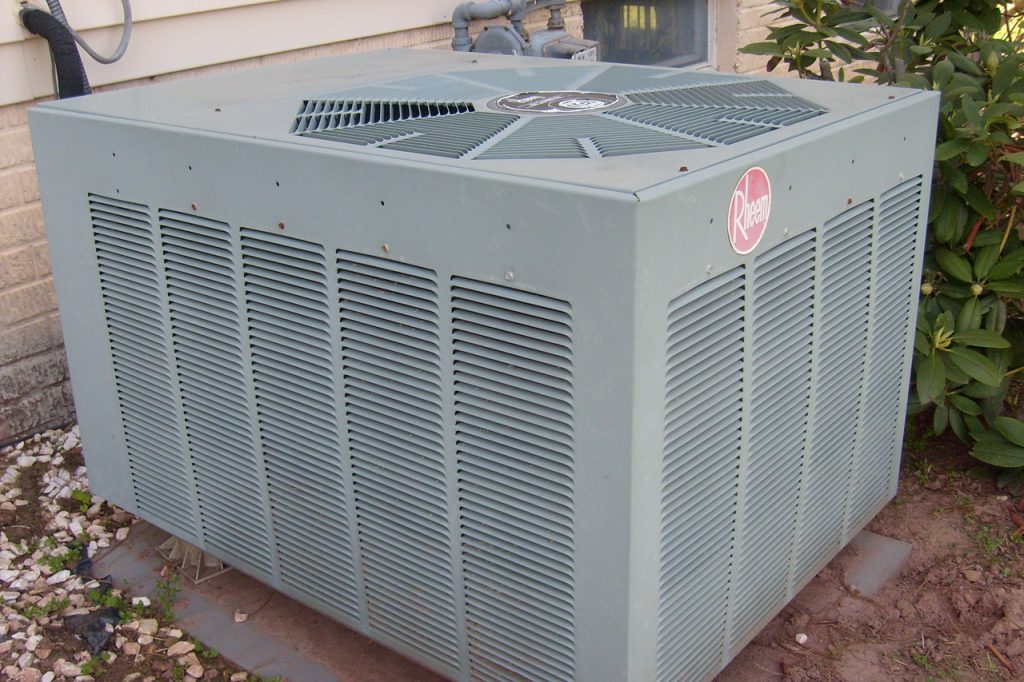
The secret to owning an efficient air conditioner is ensuring you do thorough maintenance routines. That being said, there are some who are wondering whether or not they should cover their air conditioners. For more information on this, read How Long Does An Air Conditioner Last? Everything You Need To Know. Now, you need to be careful with outside air conditioner covers. Sure, they can protect your air conditioner, however, you can permanently damage yours if you use them wrongly. So do you really need a central air conditioner cover? If so, when and how do you use one without damaging your air conditioning unit? Read on to find out. What is an air condition cover? Air conditioner covers are special enclosures that are made to protect your air conditioner from damage caused by snow, leaves, rodents, and dirt. There are all sorts of air conditioner covers out there, some are wooden and some are plastic. Do you really need a cover for your AC unit? Not really. Don’t be confused. Allow us to explain. Your air conditioner is built to resist harsh climatic conditions like heavy rain, intense snow, and the scorching heat. These air conditioners can even serve you through the armageddon! Their durability is among the few reasons why they come with hefty price tags. While contemplating about how your air conditioner can still function during the apocalypse, here are some of the most iconic places in Glendale and all of Arizona. The condenser is covered with a tough finish to prevent corrosion. Its internal features (coils and mechanics) are also built to brave the worst. Your air conditioner’s durability makes a strong argument as to why you don’t need outside air conditioning covers during the winter. That being said, there are times when you’ll have to make an effort and cover your air conditioner to protect it from other elements apart from heat, snow, and rain. Why you should not use central air conditioner covers Durability is one thing. However, poorly covering your air conditioner can permanently damage it (especially during the winter). This information comes as a surprise to many people who thought that covering their air conditioners in the winter would actually prolong their lifespan. Below are some of the reasons why you should not cover your air conditioner. 1. Rodent Infestation Covering your air conditioner during the winter is like inviting rodents for a party in your unit. Rodents will be attracted to your air conditioner as they seek refuge from the cold. It’s all fun and games until they start chewing on wires and other components. The only fun I would recommend is learning about Scottsdale’s fun facts. 2. Mold Infestation Covering your air conditioner will prevent moisture from escaping from your unit. Air conditioners were built to be free and wild in the open- To allow for wind to blow away the moisture. Moisture and dust build-up is a recipe for mold infestations that will reduce your air conditioner’s efficiency. You can count on the experts on air conditioning in Phoenix if you sense there is any problem with your unit. When is using an outside air conditioner cover a good idea? We’re sure that you’re now convinced that covering your air conditioner in the winter is a bad idea. So, when is it a good idea? Below are some of the scenarios where an air conditioner cover is necessary. 1. In the case of a blizzard Blizzards are too extreme for your air conditioner. You can help your air conditioner a bit by covering it to keep some of the snow outside. 2. In the case of hail storms Just like blizzards, hail storms are too extreme. 3. In fall (after summer) Your air conditioner was built to protect itself from rain, snow, and heat. However, it will not keep out those leaves, nuts, and seeds- They can seriously damage your condenser’s mechanics if they get stuck inside the unit. How should I cover my air conditioner? You should only cover the top of the outdoor unit and make sure the cover is at least 6 inches above the unit. Don’t cover the entire block. Don’t wrap your air conditioner with plastic covers. You’ll suffocate it. Instead, use covers made from breathable fabrics. We’d also advise you to use ply-wood covers- There are plenty of them online. Sure, you now know that you’re not supposed to cover your air conditioner in the winter. How then are you supposed to protect your air conditioner in the winter? Don’t worry. We’ve got you covered. How can I prepare my air conditioner for the winter? Phoenix isn’t known for harsh winters, however, you might be living in a place that receives inches of snow annually. Our air conditioners have our backs during the hot summers and it’s only fair if we returned the favor in the cold winters. Below are some of the ways you can “winterize” your air conditioner. 1. Make sure it’s always turned off As we all know, winter is characterized by ice and snow- basically water. You need to make sure you manually turn off your air conditioner. If it’s left on, the ice or snow will melt and find it’s way into your unit’s electrical circuit and damage it. You can manually turn off your air conditioner by flipping the switch next to your AC’s condenser. Manually turning off your air conditioner also ensures it doesn’t accidentally turn on during the oddly warm winter days. 2. Clean the unit After turning off your air conditioner, take a hose, and clean it up. You can also use a brush to scrub away all the dirt, twigs, leaves, and of course, animal poop. Your air conditioner isn’t going to be in service for quite some time. Leave it when it’s clean to prevent unnecessary breakdowns caused by blockages when you come to use it in the summer. To read more about cleaning AC units check out our article on Cleaning
What Is An Air Conditioner Pad & Do You Need One?
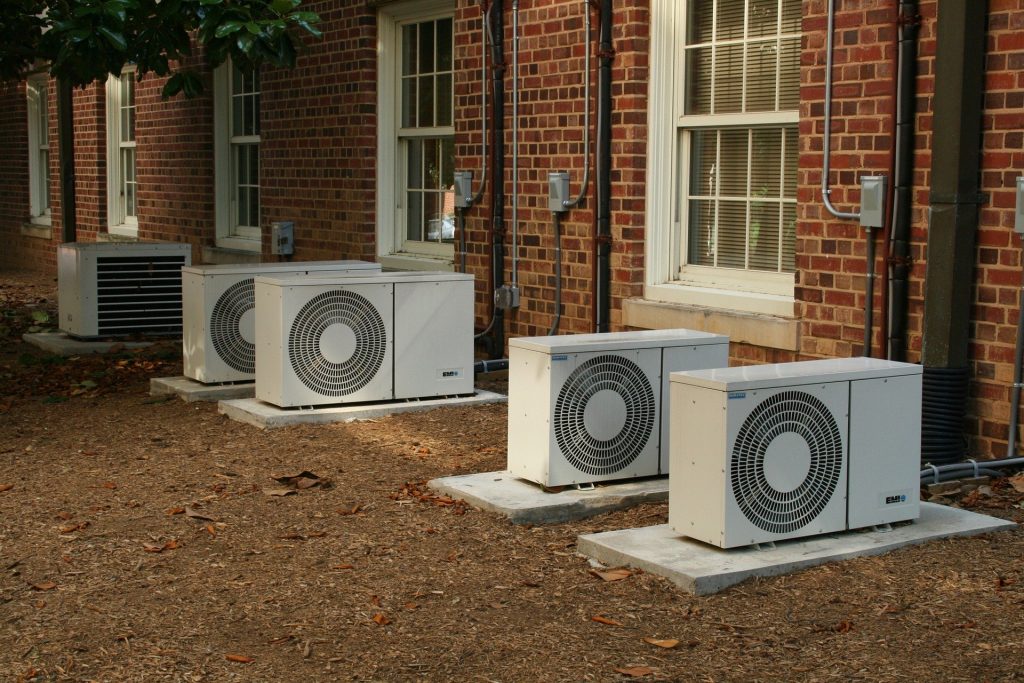
An air conditioner pad may not seem like it does much. I mean, a basic piece of rubber can’t possibly be all that important given all of the complex components in an air conditioner, right? Well, wrong. An air conditioner pad plays an important role in keeping your unit safe. This post will walk you through the basics of AC condenser pads, including installation and maintenance. What Is An Air Conditioner Pad? An air conditioner pad is a piece of material (usually concrete or recycled composite) that sits underneath your central air conditioner. It’s typically the first thing you’ll take care of during the installation process, assuming you’re installing a new central air conditioner from scratch (meaning you don’t have an existing pad). First, you should know that an AC condenser pad (referred to as such because that large exterior unit houses – yup, you guessed it – the condenser) lifts the unit slightly off the ground. This is important for two reasons. For one, it protects your air conditioner from pests. Backyards (especially in places like Arizona) are notoriously filled with all kinds of pests and critters that can get inside your air conditioner and wreak havoc. An air conditioner pad reduces the likelihood of that. Secondly, air conditioner pads reduce the AC’s vibration against the ground it rests upon. If the air conditioner made direct contact with the ground, you’d likely find that it produces weird buzzing noises and, more importantly, suffers damage. This is really what makes an air conditioner pad so important; it protects against damage that could drastically shorten the unit’s lifespan. Note: Air conditioner pads can also occasionally be found on ductless units that rest on the ground rather than being affixed to an exterior wall. You should also not confuse the type of pad we’re discussing in this article with a levelling air conditioner pad, which is used to correct deficiencies in the larger, underlying pad. Types Of Air Conditioner Pads Let’s take a look at the two most common types of AC condenser pads. Concrete A concrete pad is ideal for larger air conditioners. As you can imagine, the material is more than capable of supporting a large air conditioner’s weight. On the downside, it may not be necessary if your air conditioner’s capacity is merely enough to support a medium or small-sized home. Learn more about air conditioner size and capacity in this article. Composite Composite pads typically use recycled plastic or rubber and are well-suited towards smaller, lighter air conditioners. Don’t let their softer nature fool you, though; recycled AC pads can last just as long as their concrete counterparts, provided you have them installed correctly. If you live in the Phoenix area and aren’t sure what type of air conditioner pad is right for you, check out our services here. Air Conditioner Pad Installation Here are the steps you should follow for air conditioner pad installation if you’re going the DIY route. Step #1: Decide Whether You Really Need An AC Pad If you’re installing a brand new air conditioner, you absolutely should install a new pad (assuming you don’t have one already). If you’re looking to install one underneath an old air conditioner, however, there are some things you should consider. For one, if the unit is approaching the end of its lifespan (roughly 15 years for most air conditioners), it may be best to leave it alone until you’re ready to buy a replacement. Disturbing their conditioner could cause damage to its aging parts, which you of course don’t want. Step #2: Purchase The Air Conditioner Pad You can purchase AC pads at most home hardware stores. Choose a pad that leaves at least one foot between the perimeter and your air conditioner’s support feet. Also consider whether you want a concrete or composite pad. Keep in mind that you won’t necessarily run into issues pairing a concrete pad with a smaller AC but the reverse could cause hiccups (i.e. the pad sinking into the ground). You should expect to spend about $100 on the pad. Step #3. Level The Ground This is a very important step that many people miss. The ground underneath your AC pad should be level. Otherwise, the unit will sit at a slant and run inefficiently. This is one of the facts that can lead to an air conditioner not performing as well as its SEER rating would suggest it should. Use a level to check the ground, then place the pad on the cleared area and check to ensure that it’s level too. Otherwise, you’ll need to purchase leveling air conditioner pads, which isn’t a huge deal but just adds an extra step you can easily avoid. Step #4: Create A Compacted Gravel Or Concrete Base Some people just toss the pad down and call it a day at Step #3. This can lead to issues with water drainage so we recommend laying down a gravel base before placing the pad. If you have experience pouring concrete (or know someone who does), you can also make a more permanent base that way. If you’re going the concrete pour route, just make sure you check that it’s level before moving on. Step #5: Install Your Air Conditioner On Top Of The Pad Once you have your pad in place atop a level, reinforced base, you’re ready to install your central air conditioner unit on top of it. Follow the steps here. Step #6: Wrapping Up If you suspect (or know) you botched creating a level plane for your AC pad in the previous steps, now’s the time to add some levelling pads underneath the unit itself. The process here is pretty straightforward; you’ll just need to wedge the pads underneath. Now’s also the time to install vibration pads directly underneath the unit. While the AC pad itself will keep the unit from vibrating against the ground, these feet will prevent it from rattling against the pad. If you’re wondering why you can’t
Central Air Conditioning Installation: How To Do It Yourself
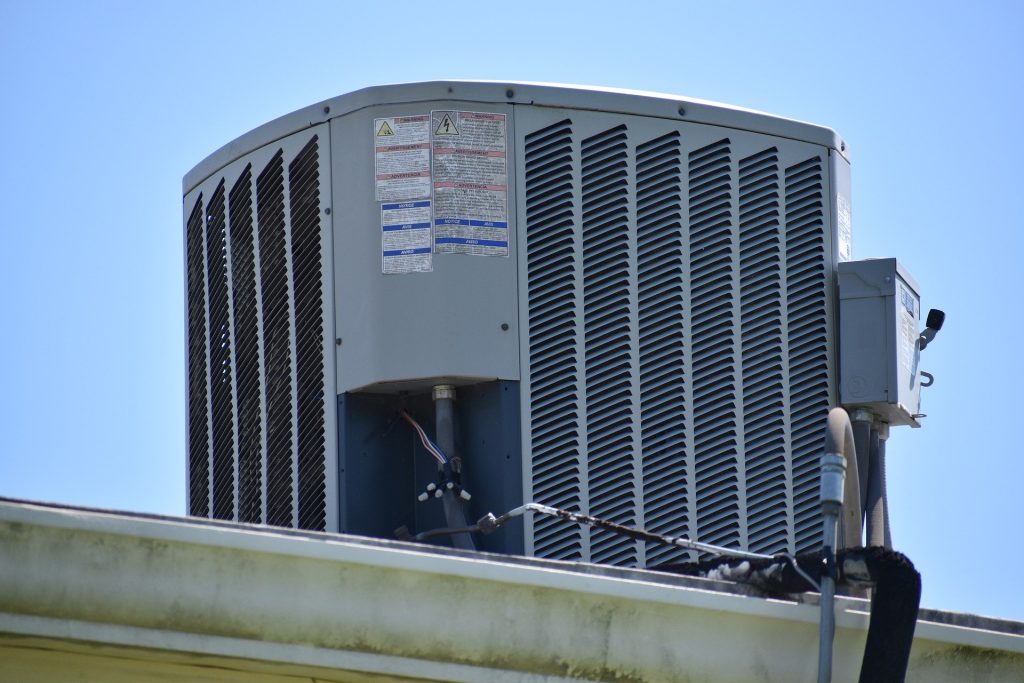
Central air conditioning is the epitome of convenience. Simply press a button and it will begin cooling your entire house – it doesn’t get much easier than that! Many people wonder whether they can install their own central air conditioning system, and the answer is that it is possible. That being said there are also perks to engaging the professionals to install it for you. We take a look at the pros and cons of both a DIY ac installation project and employing professionals, as well as how to install central air conditioning yourself. What is Central Air Conditioning and how does it work? Central air conditioning is a type of air conditioning that supplies cool air to your entire home. It is a cooling system that uses ducts to collect outdoor air, cool it down then transport it all around a house. This means your whole house is cooled at once, rather than other types of air conditioning systems that might only cool a single room or area. When it comes to central air conditioning you have two options: a split-system unit or a packaged unit. The split system unit consists of both an outdoor and indoor component, while the packaged unit is situated entirely outdoors. It might be placed on the ground in a safe area or on the roof. The packaged unit can double as a heating system if the necessary elements (coils or furnace) are added. Ducts are a vital part of central air conditioning and your house will require some significant renovations to install these if they don’t already exist. If your home already has ducts, it is quite easy to replace the existing unit with one that is more efficient. Newer models tend to use less energy and therefore reduce the cost of your bills! In fact, some modern models are estimated to use 50% less energy than their equivalent older models. If you’re looking to save on energy use, choosing a suitably sized central AC system is also important. Professional Cental Air Conditioning Installation Sometimes it’s worth getting the professionals involved. We take a look a the pros and cons of getting professionals to install your central AC so that you can see whether this option is right for you. Advantages of hiring professional to do your air conditioning installation Installing a central AC system is hard work. You’ll probably be required to do a lot of manual labour, including lifting heavy equipment, pouring a concrete foundation and even getting under the house. If this is not your idea of fun, you can pass this work over to the professionals. Just let them know what you want done and they’ll do all the physical stuff. The most manual thing you’ll have to do is pay the invoice! While the physical work of installing a central AC system can be difficult, the paperwork can be tedious. You’ll need to obtain the proper permits, which is likely to involve a number of phone calls and lengthy applications. Don’t have the time to be sitting on hold with your local government? Engage a professional. They can take care of the paperwork for you. Given their expertise in the area, they probably even know a few tricks to get through it more quickly. Like all aspects of a house, a central AC system requires ongoing maintenance to keep it in good, working condition. Professional AC installers typically offer maintenance packages with new installations. This means they’ll conduct the maintenance for however long the agreement dictates. It will be another thing off your list! Disadvantages of hiring professional to do your air conditioning installation It’s not cheap to have a professional install your central AC system. Not only will you need to pay for laboring time, but there might be a range of preparation tasks that inflate the cost of installing your air conditioning system. This might include preparing the roof or laying a concrete slab for the unit. Like with most things, you’ll be paying for convenience. It can be difficult to find a trustworthy AC installer, especially if you live in a remote area. Always do your research and obtain testimonials or references where possible. DIY AC Installation A DIY challenge can be extremely satisfying. If you are looking at installing a central AC system yourself, here are some pros and cons to consider. Advantages of doing air conditioning installation yourself Like with all DIY projects, you will save money by installing your own central AC unit. You won’t be required to pay for anybody’s time or professional expertise, however, bear in mind that you are likely to pay more for the unit itself. Most professional AC service providers have specific connections that allow them to purchase the unit for cheaper. There’s something satisfying about a DIY project. Obviously there’s the fulfilment of completing a task yourself, but there’s also the satisfaction of learning something new. If you’ve never installed a central AC unit before the whole process is likely to be a learning experience. You’ll need to investigate the materials, how to install an airconditioning unit and also how to maintain the system. Most professionals have a preferred brand or specific partner when it comes to sourcing the components of a central AC system. If you’re doing the AC installation yourself, you can choose whatever products and brands you like. Disadvantages of doing air conditioning installation yourself There’s no denying that a central air conditioning installation will take longer if you’re doing it yourself. Professional services often have a team of experts who know exactly what they are doing and have done it time and time again. If it is your first installation, you will need some time to figure things out how to install an airconditioning unit. You also might be working alone rather than with anybody else to help. If you go ahead with a DIY AC installation, you will be responsible for all paperwork. Obtaining a permit can be a complex