Is It Worth Fixing My AC?
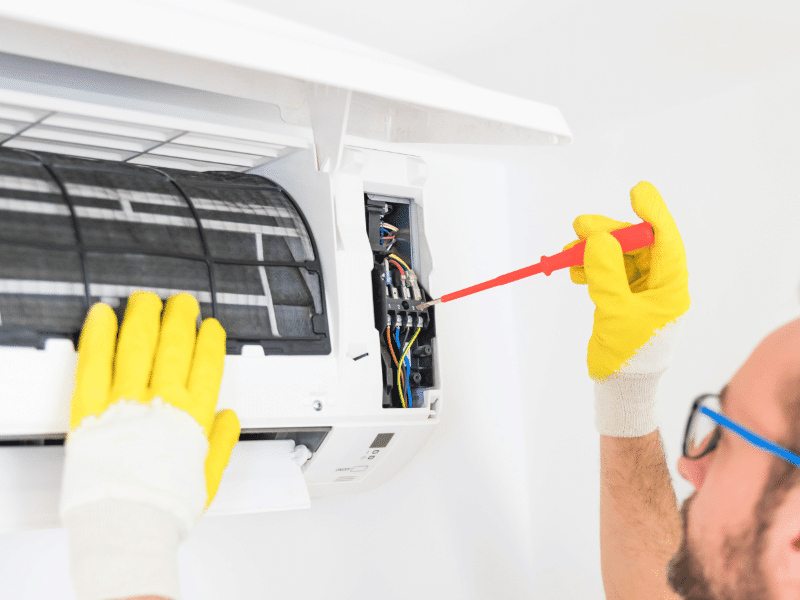
We’ve all been there: it’s the middle of a sweltering summer day, and your AC unit decides it’s the perfect time for a break. The sweat beads start to form, and you’re left wondering, “Is it worth fixing my AC, or should I just get it entirely replaced?”. This is a question that plagues many homeowners, and we’re here to help you explore the answer. We’ll tackle this topic with you, exploring the ins and outs of AC repair and replacement while sharing some valuable insights. But while this blog post will provide guidance, consulting with a professional HVAC technician in Phoenix, AZ is always the best course of action for all your AC-related concerns. Signs your AC isn’t working well Here are some signs and symptoms that your AC isn’t working as efficiently as it should be, which will help you determine whether it’s worth getting your unit fixed. If your energy bills are suddenly soaring without a corresponding increase in usage, your air conditioning unit might be working harder than it needs to. This could be due to a loss of air-conditioning efficiency, which may require professional attention. Ever notice that some rooms in your house are colder than others? This could be a sign of an inefficient AC system. Don’t just brush it off as a quirk of your home. It’s worth getting a professional to take a look. Air conditioners should run relatively quietly. If you’re hearing grinding, squealing, or other unusual noises, it’s time to contact a professional. Similarly, your AC should not produce any unpleasant odors; a musty smell could indicate mold inside your unit. If the airflow from your AC unit is weak or nonexistent, this could be an indicator of its malfunctioning. Possible reasons could include anything from clogged filters to motor malfunction. While some condensation is normal for an AC unit, noticeable leakage or a pool of water near your system is a clear sign of a problem. It could be a refrigerant leak, which could potentially harm your health, so it’s vital to get this checked out by a professional. Factors to consider when thinking about repairing vs replacing your AC Several factors come into play when deciding whether to repair or replace your AC system. Age Consider the age of your AC unit. The average lifespan of an AC unit is 10 to 15 years. If your AC unit is over a decade old and requires frequent repairs, it might be time to consider replacing it with a new, more efficient model. Frequency of repair You should also take into account the frequency of repairs. A rule of thumb, often referred to as the “$5,000 rule”, helps many homeowners make this decision. Multiply the age of your AC by the cost of the repair. If the result exceeds $5,000, replacement is generally the better option. Efficiency Consider the energy efficiency of your current unit. Newer models often contain advanced features designed to minimize energy use. If your current one has been contributing significantly to increases in your utility bills, investing in one that uses less power could be worth your while. Modern AC units are specifically designed to use energy more efficiently, thus reducing electricity usage and the environmental footprint. Furthermore, older units often contain R-22 refrigerant, which contributes significantly to global warming. Newer models, however, use environmentally-friendly refrigerants. Remember, proper disposal of the old unit is crucial to prevent the release of harmful substances into the atmosphere. Thus, upgrading your AC not only benefits your comfort and wallet but also contributes to the global fight against climate change. Greater comfort A new AC unit can greatly improve your comfort at home. With advanced features (such as programmable thermostats and variable speed motors), new AC units offer superior humidity control and temperature regulation. The cost of a new AC unit Purchasing a new air conditioning unit can vary in price due to a number of factors. These include: On average though, the cost of a new AC unit ranges in several thousands of dollars, including installation costs. High-efficiency models or those with advanced features may increase the initial purchase price. However, these could bring substantial savings on your energy bills in the long run, making them a worthwhile investment. Note that average prices are often rough estimates, and actual costs can vary. You can use AHWA’s Installation Cost Calculator to get a better understanding of how much a new unit will cost for your specific needs. If you need repairs or are ready to upgrade, trust American Home Water & Air Maintenance of your HVAC system is of utmost importance, not only for personal comfort but also for the health and safety of your home. Recognizing potential issues early on may save money on repair costs. However, upgrading to an energy-efficient model can drastically reduce your environmental impact while helping you save in the long run. Ultimately, when deciding between repair and replacement, it’s always best to consult a professional HVAC Company in Scottsdale, Phoenix & Gilbert. If you’re ready for a comfortable, cool home while also saving money and the environment, take the next step towards improved air conditioning now! We at American Home Water & Air are always ready to help. Visit our Contact Us page today and let us assist you in pursuing a cooler, more sustainable lifestyle.
Understanding Tankless Water Heater Cost Factors
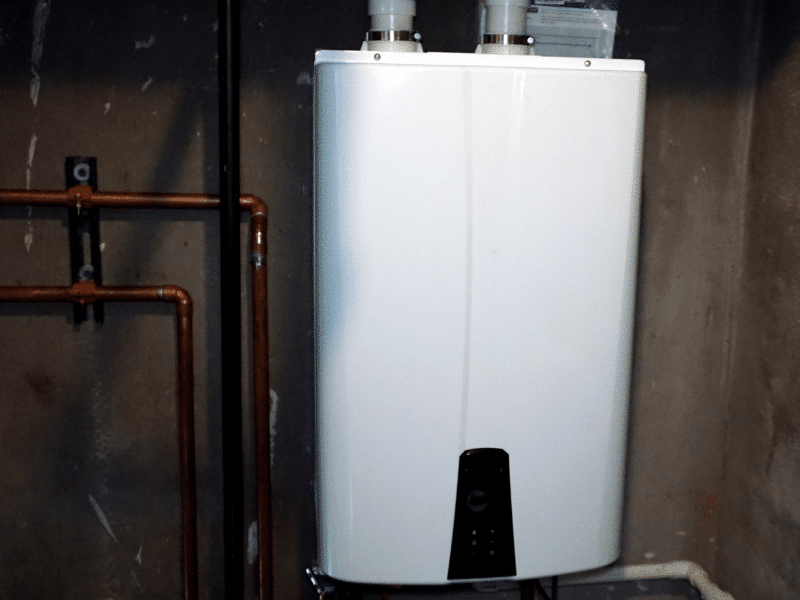
Making the switch to a tankless water heater is an excellent choice for homeowners upgrading their heating systems. These innovative on-demand water heaters deliver endless hot water, reduce energy costs, and free up space in your home. However, the cost of tankless water heater systems varies significantly based on factors such as unit type, installation complexity, flow rate, and energy efficiency. Understanding the common variables can help you budget effectively and choose the best system. In this guide, we’ll break down the cost of a tankless water heater, explore key pricing factors, and explain why this upgrade is a worthwhile investment for long-term energy savings and home comfort. The Basic Costs of a Tankless Water Heater When budgeting for a tankless water heater, it’s essential to account for both the upfront purchase price and the labor required for installation. Below is a breakdown of the average cost of different systems and potential additional expenses you might encounter. Cost Range for Different Types of Tankless Water Heaters Electric Tankless Water Heaters Gas-Powered Tankless Water Heaters Solar Tankless Water Heaters Labor and Installation Expenses Breakdown Professional Labor Costs Installation Variables Factors Influencing the Cost of Tankless Water Heaters Several factors affect the total cost of installing a tankless water heater, from the type of system you choose to the complexity of the installation. Understanding these variables can help you make an informed decision and estimate your budget accurately. 1. Type of Tankless Water Heater The type of system you choose will heavily impact the price. Electric tankless water heaters are typically more affordable upfront, with prices ranging from $230 to $800. At the same time, gas models can cost up to $2,300 due to the need for venting and gas line modifications. Solar heaters are an eco-friendly option for homes in sunny climates, though they come with a higher price tag, often exceeding $5,000. 2. Size and Capacity The size of your system is measured by gallons per minute (GPM), which determines how much hot water it can produce at once. Smaller units with a 2–5 GPM output are ideal for small households, while larger homes may require up to 10 GPM units. Systems with higher capacity typically cost more, but they ensure consistent hot water on demand for every tap and shower in your home. 3. Efficiency and Technology Modern high-efficiency heaters, like condensing tankless systems, are designed to reduce energy consumption by capturing and reusing heat. These systems are more expensive upfront but deliver long-term savings. In contrast, non-condensing units have lower initial costs but may require additional venting, which adds to the installation price. 4. Installation Complexity The labor required to install a tankless heater depends on your home’s infrastructure. Homes with existing gas lines or electrical systems suited for a new unit will incur lower costs. However, the price can rise significantly if modifications like plumbing upgrades or electrical rewiring are needed. Additional Costs to Keep in Mind Installing a tankless heater often involves additional expenses. Permit fees, vent kits, and hardware can add an extra $40 to $280 to your project. Moreover, some systems may require piping upgrades or insulation to maximize efficiency. Regular water heater maintenance, such as descaling, also helps extend the unit’s lifespan. This ensures you get the most value from your investment and avoids premature water heater replacement. Long-Term Savings with Tankless Water Heaters Although tankless water heaters have higher upfront costs than traditional storage tanks, they deliver substantial savings over time: Is a Tankless Water Heater Worth the Cost? A tankless heater is an excellent investment for homeowners who prioritize energy savings, long-term reliability, and eco-friendly water heating. While the upfront cost is higher, the benefits—including reduced energy bills, lower operating costs, consistent performance, and space-saving design—make it a valuable upgrade. With potential tax credits, energy savings, and a lifespan exceeding 20 years, tankless systems provide both immediate and long-term financial benefits. Choosing the Right Tankless Water Heater When selecting a tankless system, consider: Why Consult a Professional? A licensed plumber can: By partnering with trusted professionals who specialize in tankless water heater installation and repair, you’ll enjoy peace of mind knowing your system is correctly sized, safely installed, and optimized for maximum savings and comfort. Experience the Best with American Home Water & Air With over 35 years of experience, American Home Water & Air is Phoenix’s trusted heating, cooling, and plumbing solutions provider. We specialize in tankless water heater installation, offering transparent pricing, expert guidance, and tailored solutions for your home. Our licensed technicians ensure every system is installed to the highest standards, providing reliable hot water and long-term savings.Whether you’re upgrading to an energy-efficient water heater or need a fast and professional installation, our HVAC Contractor in Scottsdale, Phoenix & Gilbert are here to help. Contact American Home Water & Air today to schedule your consultation and discover why homeowners in Phoenix trust us for all their plumbing needs.
Get To Know The Different Types Of AC Refrigerant For Your Home
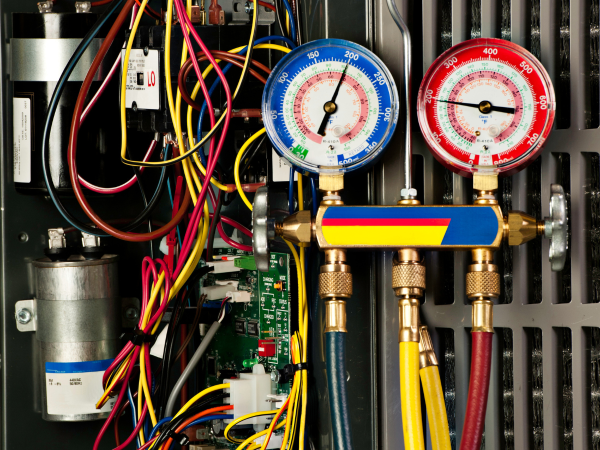
In order to ensure optimal air conditioner performance, it’s vital that the right type of refrigerant be used. Learning the difference between different types of AC refrigerant allows for informed decision-making when deciding on whether to purchase a new unit. For this reason, this blog post will examine refrigerants as a whole and will look at the different AC refrigerants for homes. What is refrigerant? Refrigerant is the liquid within AC units that absorbs the warmness of the air taken in from a space. As a process, refrigeration involves the removal of heat via transfer from one location to another through air conditioners, and refrigerant plays a key role in this process. As an example, home air conditioning works by drawing in warm air from inside spaces, circulating it over coils containing refrigerant. This refrigerant for home ACs then evaporates to absorb and dissipate the heat energy, thus cooling the air that’s then expelled into your home. This cycle repeats to maintain desired temperatures. Depending on the type of refrigerant, these liquid compounds may be composed of chemicals like chlorine, fluorine, carbon, hydrogen, propane, or isobutane. Different kinds of refrigerant are used for home air conditioning units, automobile ACs, and commercial equipment. Do I need a license for refrigerant handling? AC refrigerant for homes require a license in order to handle them safely, as refrigerants can be dangerous and toxic. It’s crucial that these hazardous substances be handled by professionals certified to work safely with them to avoid harm. States often mandate that buyers present proof of license when purchasing refrigerants to ensure that these chemicals are used according to safety regulations and best practice. This also gives homeowners and business owners additional peace of mind when hiring professionals to refill their systems. Types of AC refrigerant Here are the different types of AC refrigerants that AC units use. R-22 Also known as Freon, R-22 as a hydrochlorofluorocarbon (HCFC) refrigerant was widely used in older air conditioning systems. It can no longer be manufactured due to its environmental impacts and has been banned by the Environmental Protection Agency (EPA). If your home’s AC is one that was manufactured before 2010, it likely uses R-22 refrigerant and can only be refilled with refrigerant produced before the ban. As this resource becomes more scarce, its operating costs are expected to become more expensive over time. Thus, for many homeowners, it’s become much more practical to just get their old AC units replaced with ones that use a newer, more eco-friendly type of refrigerant. R-410A R-410A (also known as Puron), a type of hydrofluorocarbon (HFC) refrigerant, is intended to replace R-22 temporarily. The EPA announced that it, along with other HFC refrigerants, are to be phased out by 2036 according to the American Innovation and Manufacturing (AIM) Act. HFC refrigerants don’t contain chlorine, and are thus safer for the environment compared to R-22 refrigerants. However, they’re still considered greenhouse gasses and contribute to global warming. R-32 Next on our list of types of refrigerant for ACs, R-32 is another type of HFC refrigerant that will replace R-410A due to its lower Global Warming Potential (GWP) score. It’s designed to be both more energy-efficient and eco-friendly than its alternatives, being less expensive and much easier to recycle. R-744 R-744 (also known as CO2, or carbon dioxide) is used in commercial refrigeration systems, and despite its name, is an environmentally-friendly refrigerant due to its natural sourcing. It has an Ozone Depletion Potential (ODP) of 0 and a GWP of 1, providing efficient cooling capabilities without damage to the ozone layer. What is the most common type of refrigerant today? As R-22 refrigerant has been banned, more and more units today are using R-410A refrigerant. However, as mentioned, R-410A refrigerant is expected to be phased out as well in the upcoming decade for more environmentally-friendly alternatives. Hydrofluoroolefin (HFO) refrigerants are expected to take the place of HFC refrigerants, as they have the lowest ODP and GWP scores to date, with minimal environmental impact. If you want to find out what kind of refrigerant your AC unit uses, it’s usually indicated on the label of your compressor unit. If there’s no label or if you want verification, it’s best to consult an HVAC professional. Whether it’s a refrigerant refill or AC unit replacement, trust AHWA Knowledge of AC refrigerant for homes is vital to ensure the optimal efficiency of your system, with professional assistance guiding your search for the most ideal AC unit if necessary. In other words, knowing the type of refrigerant your unit uses is not only useful for helping in determining the cost of refilling refrigerant, but also whether it’s time for a unit replacement. Understanding the properties of different AC refrigerants is vital in making an educated choice regarding what kind of unit will meet the cooling needs of your home best while ensuring environmental friendliness. If you live in the Phoenix, Arizona area and need your unit’s refrigerant levels replenished or want a newer, more efficient AC unit installed, American Home Water & Air is here to help. We’ve been helping homeowners for over 35 years. Contact AHWA today!
No Water Coming Out Of Faucet: Causes & Fixes
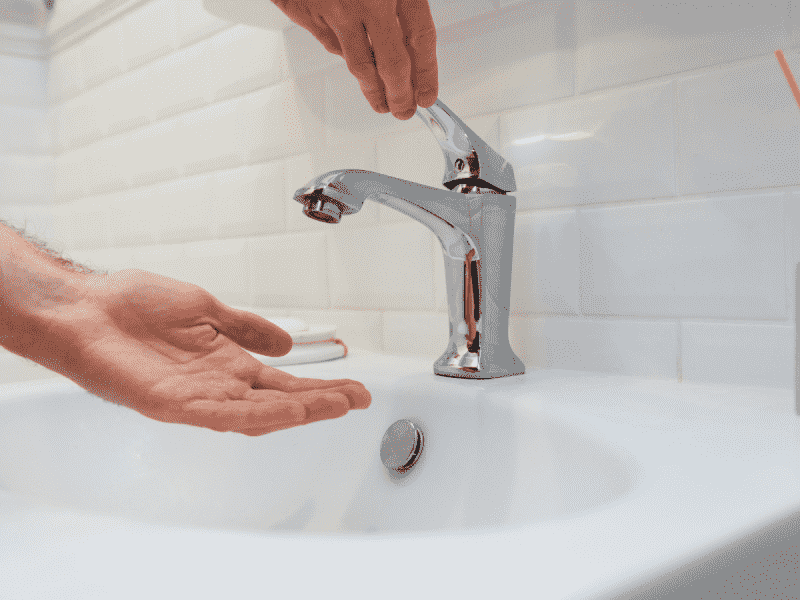
Are you finding yourself experiencing water no longer coming out of your faucet? The lack of an explanation as to what exactly has transpired can cause frustration. After all, water is essential for everyday tasks. We rely on it for bathing, cleaning dishes and surfaces in our homes, cooking meals, and keeping ourselves hydrated. So no longer having access to clean water can be incredibly disruptive to everyday life. Luckily, there are a few ways to resolve the issue of no water coming out of the faucet. This blog post will discuss possible causes and solutions to a lack of running water in your home. If you’re experiencing issues, consider contacting a professional to help resolve your problem. Causes of no water coming out of the faucet Here are a few potential causes that can prevent proper water flow. Blocked pipes One of the primary reasons for no water coming out of a tap can be blocked pipes due to the build up of sediment or debris, which obstructs flow. This can include rust, heavy metal deposits, or limescale. Closed valves Another common cause of no water coming out of faucets is closed valves, either accidentally or intentionally (when renovations or repairs are taking place, for instance). For water to flow from your faucets, all valves need to be fully opened. Malfunctioning water heater An improperly functioning water heater could be responsible for an absence of water (specifically hot water) coming from your taps, whether due to issues with the unit’s thermostat, heating functionality, or another component. Low pressure Low water pressure can also contribute to little to no water coming from your taps. This can be caused by factors like an undersized pipe, a clogged filter, or even a malfunctioning water pump. Frozen pipes Should temperatures dip below freezing, pipes can freeze up and stop water from coming out of the faucets. Prolonged periods of frozen pipes can result in the risk of further complications. Broken pipes Broken pipes may also contribute to reduced water flow and no water coming out of any taps. This can be caused by either physical damage due to an accident or corrosion from aging. This can result in leaks, which should be addressed quickly to keep your home supplied with water. Damaged faucet An improperly working faucet could also be to blame. Worn out parts or simple wear and tear over time can prevent water from properly coming out of a faucet. Clogged faucet aerators Aerators (i.e., the small screens at the end of faucets) that prevent debris from entering water sources can become blocked due to accumulations of dirt and grime build-up. The result: little to no water flow. Fixes for no water coming out of the faucet Here are some key fixes for no water coming out of faucets. Of course, most of these solutions will require the help of a professional, so it’s important to find a reliable local provider of plumbing services. Unclog your pipes If something is blocking water flow, you’ll need to have your pipes professionally unclogged. While you may be tempted to opt for a chemical drain cleaner, these mixtures can only be used in certain situations and sparingly, as overusing them can result in long-term damage to pipes. Consider hiring a professional instead. Open valves While doing work on your system, a plumber may have accidentally left your water valves closed. Once all work on the valves has been completed, it’s important to have them ensure all are open so water can freely circulate around your house. Repair water heater To resolve the issue of no water coming out of faucets, seeking professional assistance is pertinent, especially when your water heater needs to be inspected and repaired. A professional will inspect its components and can restore its performance. Thaw out frozen pipes If temperatures have fallen below freezing and your pipes have frozen, a professional can help by defrosting and thawing them out as soon as possible. They may, for example, make use of temperature-controlled heat tape and external heat sources like heat lamps. Tools like propane torches should be avoided, as they can damage the system and run the risk of starting a fire. Get your faucet replaced To fix the issue of no water coming out of any taps, have a professional replace an obsolete or damaged faucet. Faucets, after all, are central to maintaining adequate water flow, so when they’re malfunctioning, it’s important to get a faucet repair or replacement done. Unclog your faucet’s aerator To have your taps function properly, it’s essential that each faucet’s aerator remain clear at all times. Homeowners sometimes use vinegar and a brush to unclog their aerators, but if the issue persists, it’s best to have it professionally cleared. Trust AHWA with all your water flow issues No need to panic if your taps stop working and there’s no water coming out of your faucet. There are numerous potential causes, and many ways to have this issue resolved. Whenever your system needs professional assistance or repair, always contact a technician, as they’ll be trained with the right knowledge and have the right tools on hand to quickly and efficiently fix the problem you’re having. If you live in the Phoenix, Arizona area and need help with your plumbing system, consider getting in touch with American Home Water & Air. We’ve been helping homeowners for over 35 years. Contact AHWA today!
Troubleshooting A Mini Split That’s Not Cooling
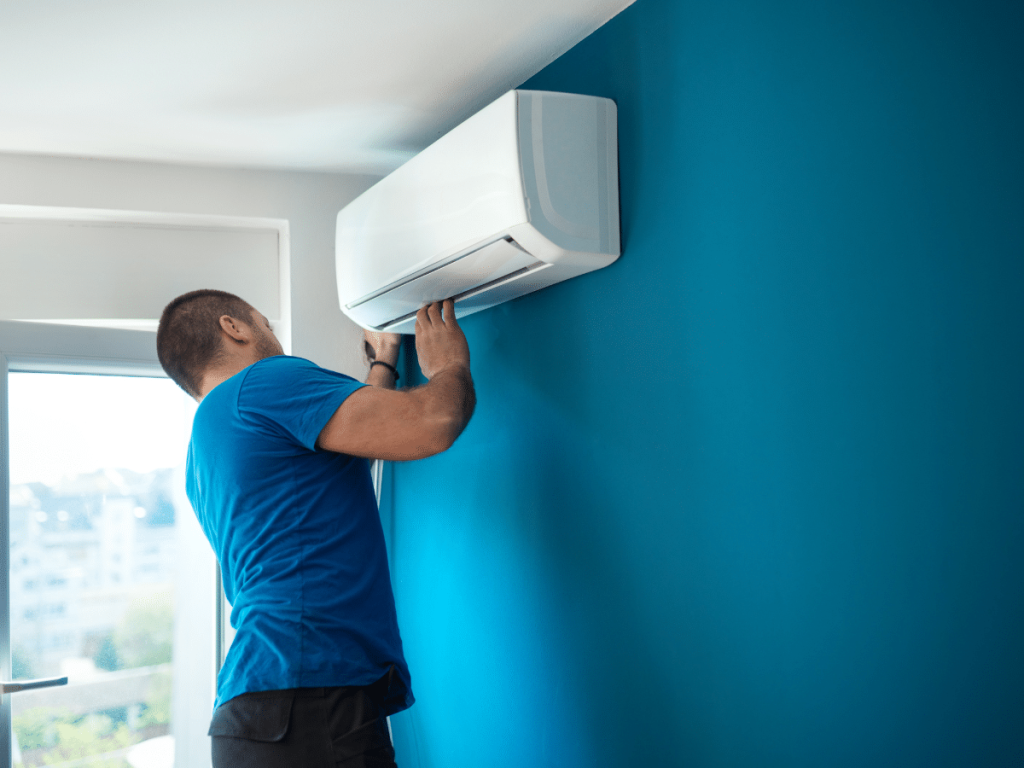
Mini splits that don’t provide adequate cooling can be highly inconvenient, especially when you need it the most. With enough knowledge and professional assistance, you can get your unit back in working condition. This blog post will address both common causes and solutions to fix a mini split not cooling. Of course, any methods for resolving issues should always be handled by a professional, as they’ll have all the right expertise and tools on hand. Common mini split problems that prevent proper cooling Here are some common problems encountered that could be preventing your mini split unit from properly cooling your home. Air flow restrictions Your mini split’s air flow could be restricted if dust or debris becomes lodged within its intake and exhaust vents. Fan blades becoming damaged can also block sufficient air flow. Dirty coils Similarly, when mini split coils become dirty or clogged up with debris, performance can quickly decrease. Have a professional regularly inspect all condenser coils for signs of accumulation which might obstruct air flow. If this is an issue, they’ll use the right coil cleaning solution to restore functionality to your unit. Low refrigerant levels If you find yourself asking, “Why is my mini split not cooling?”, the answer may lie in low refrigerant levels. When refrigerant levels fall below adequate levels, their performance becomes insufficient to effectively cool your home. Leaky or damaged lines could contribute to low refrigerant levels, acting as sources for reduced performance. Malfunctioning compressor Your mini split’s inability to properly cool could be due to issues related to its compressor, caused by broken wiring or motor failure, making replacement necessary. Thermostat issues Failing to set or calibrate your thermostat correctly can prevent your mini split from providing adequate cooling. For the best results, ensure it has been set according to recommended specifications, with temperatures set lower than ambient temps for best results. Fan speed Another reason for your new mini split not cooling could be due to fan speed. To ensure optimal operation of your mini split system, ensure the fan speed has been correctly adjusted and any dust accumulation on its blades has been cleared away. Clogged filters Clogged or dirty filters can obstruct air flow and undermine unit performance, impacting its effectiveness and efficiency. In order to optimize the performance of your mini split unit and ensure peak results, regular inspection is important. How to troubleshoot a mini split that isn’t cooling So how do you troubleshoot a mini split not cooling? Here are some things you can consider having a professional do. Resolve air flow complications Assessing the air flow of a mini split that won’t cool is the starting point of identifying why it’s malfunctioning. A professional will be able to inspect both intake and exhaust vents for air flow obstructions, as well as check fan blades that have become warped or bent which reduce circulation to take action accordingly. Restore refrigerant levels A new mini split not cooling can be resolved by restoring refrigerant levels. After all, as previously mentioned, low levels of refrigerant in your mini split can impede its effectiveness at cooling your house. Low refrigerant levels are possibly caused by leakage in the unit’s lines or damage. Have a professional check these lines thoroughly to rectify this problem as soon as possible. To restore refrigerant levels, make sure to contact an HVAC professional, as refrigerant handling requires a license due to the danger involved with handling this toxic substance. Inspect and fix damage to the unit’s compressor A mini split system’s compressor could leave your home uncooled, so have a technician inspect its condition for broken wires, motor faults, or signs that need professional repairs. Adjust thermostat settings Still struggling with your mini split not cooling? Ensure your thermostat settings are sufficient. If you notice that all the settings are correct, there may actually be damage to your thermostat. The assistance of an HVAC technician is needed in this situation. Replace or clean air filters regularly One thing you as a homeowner can do is ensure that your air filter is clean. Make sure to regularly check them to maximize the performance of your mini split system, cleaning them as needed. In most situations of addressing the non-cooling issue with your mini split unit, it’s vital to consult a professional technician. Their extensive expertise will allow them to quickly identify the cause of your issue before performing repairs if required. Having issues with your mini split unit? Contact AHWA Resolving the issue of a mini split not cooling can be daunting, but with some knowledge and some direction, it should become simpler to locate its source to fix it quickly and effectively. With assistance from an expert technician, your mini split system will soon be operating at peak performance. If you live in the Phoenix, Arizona area and are looking for professional HVAC help, contact American Home Water & Air today!
5 Common Reasons Why Your Toilet Has Weak Flush and How to Fix
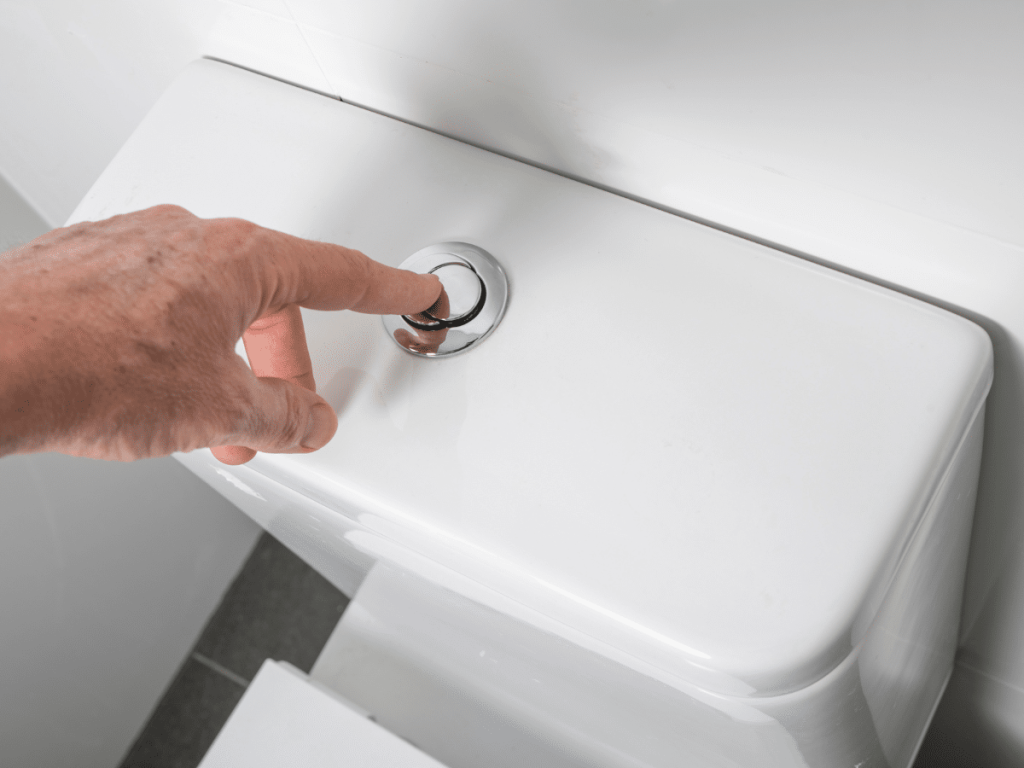
A weak and slow flushing toilet can be both inconvenient and wasteful, as it leads to wasted water and excessive consumption that ends up significantly increasing your water bill. There are multiple reasons that you could be experiencing a toilet with weak flushing. This blog post will examine some common causes and will go over how you can address this issue. Possible reasons your toilet has a weak flush Here are some common reasons why you may be experiencing weak toilet flushes. Toilet bowl leakage often results in poor flushes and incomplete draining. Cracks in the porcelain or incorrect tank installation can cause water to escape from the bowl before it can properly and fully flush any contents. This can result in you having to flush twice just to get everything down, which can be annoying at the least and costly at most when excess water is used. Toilet clogs are another possible culprit on our list of weak toilet flush causes. Too much solid waste accumulating in your toilet bowl can prevent wastewater from properly draining, which, in turn, leads to weak or incomplete flushes as water flow is obstructed. Clogs are commonly caused by excess toilet paper use, as well as objects being flushed down the toilet that ought not to be (e.g., wet wipes, sanitary napkins, cleaning products, etc.). These objects end up getting caught in pipes, hindering water flow. Low water pressure will also result in weaker flushes, as less water reaches your bowl and causes incomplete flushing. This may possibly be caused by several issues, such as broken tank valves or worn toilet tank parts. When you’re dealing with low water pressure (especially when it’s a sudden onset), it’s highly recommended to get in touch with a professional plumber so they can inspect your system to determine the cause and suggest a solution. For your toilet to function effectively, its float ball must rest directly above the discharge tube and flush valve, as well as beside the overflow tube, without touching either side of the tank. If the float ball isn’t properly adjusted, not enough water will be able to reach the toilet bowl, resulting in a toilet with poor flushes. To have the float ball adjusted, simply contact a local plumber to have them help out. They’ll have the right tools and know-how to resolve this issue. The faulty flapper is the component that regulates water flow between the tank and bowl. Over time its effectiveness can deteriorate due to either wear and tear or improper adjustment, leading to ineffective flushing performance. Additionally, rubber flappers exposed to air can crack over time. This key component of your toilet can be easily replaced by a plumber during repairs or plumbing maintenance. How to fix a weak flushing toilet Here are some weak toilet flush fixes to help resolve this issue. Check your toilet for cracks Inspect your toilet bowl and tank for cracks, as this can cause leaking and prevent sufficient flushing. If you notice any damaged parts, get in touch with a plumber so they can promptly repair or replace them. Unclog your toilet To unclog your toilet, first try using a plunger to clear any obstructions. Some clogs can be quite stubborn though, so if you find that you can’t get rid of the blockage, seek professional assistance immediately from a local plumber. Correctly align your float ball As previously mentioned, toilet flushing that’s slow and weak can be caused by an improperly adjusted float ball, as it prevents your tank from being sufficiently flushed out. For optimal results, it needs to be realigned. To do so, it’s best to have a plumber complete the job. Ensure the toilet is properly aligned and set It’s imperative that your toilet is aligned and set. Any misalignments could result in ineffective flushing due to limited bowl space. A professional plumber can help you resolve this problem to ensure maximum effectiveness in flushing. Install replacement parts Other malfunctioning parts can cause a toilet with weak flushing, so to ensure optimal functioning, it’s critical that any worn or damaged components be promptly replaced as soon as it’s noticed. This will keep your toilet running properly for years to come. Have your tank assessed If you’ve looked over your toilet tank yourself and can’t seem to find any damage or anything that’s amiss, you might want to have a plumber look over it. Having an assessment conducted on the tank is vital. What follows may be necessary modifications and changes as required to restore the proper functioning of your toilet. Need help with your toilet? Trust American Home Water & Air! A toilet with weak flushing can be incredibly inconvenient and can cost you in the long run, raising your water bill when you need to flush more than once. We hope this article has helped explain why you may be experiencing this issue. If you need help with your weak flushing toilet, consider getting in touch with American Home Water & Air’s plumbing professionals. We provide timely service and promise transparent pricing to homeowners in the Phoenix, Arizona area. Contact AHWA now!
Why Heat Pumps Need Branding: The Emerging Trends in 2023
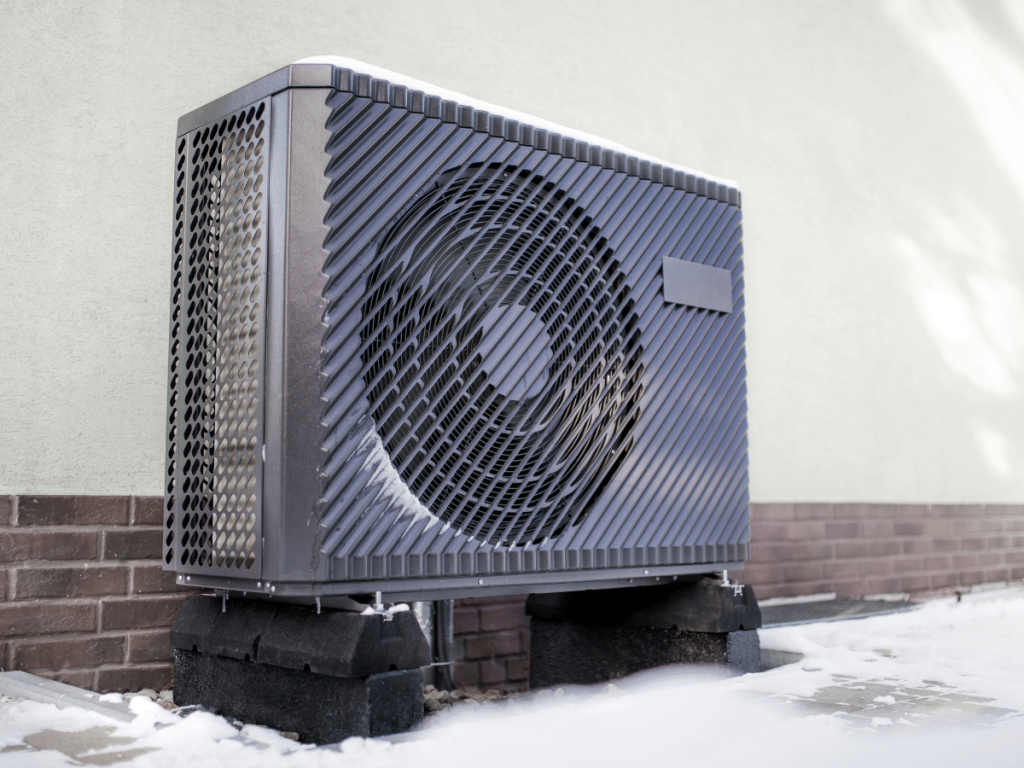
Heat pumps have proven to be invaluable as the world moves toward more carbon-neutral solutions. To ensure their continued use, however, it’s essential that these products be properly branded. This blog post will therefore go over heat pumps as a whole, as well as why heat pump branding is important in 2023. What are heat pumps, and how do they operate? Heat pumps offer an efficient means of heating and cooling homes, harnessing thermal energy from external sources like the ground, water, and air to efficiently heat or cool buildings without having to rely on traditional fuel sources like oil or gas. As an alternative source of heating and cooling, heat pumps offer several distinct advantages over traditional HVAC systems. For one, heat pumps are much more energy-efficient, as they use less power to reach desired temperatures. Additionally, these safer alternatives don’t rely on combustion-based methods in comparison to their counterparts, which is great for the environment. The fact that heat pumps can both heat and cool means they’re incredibly convenient and versatile. Add to that the fact that they tend to last longer than other HVAC systems and have a longer overall lifespan, reducing maintenance costs in the long run. Why branding for heat pumps is critical in 2023 Here are some reasons why heat pump branding is important in 2023. Establishes an identity Branding can help companies that deal with heat pumps stand out in an otherwise competitive market by giving them a distinct identity. This, in turn, increases visibility and helps with building a reputation for easier identification. In other words, developing a proper brand helps with distinction and increases the likelihood of becoming a standard household name. Builds trust Branding efforts for heat pumps that appeal to the right audience build trust among customers and make it easier to promote additional products to them. This is to say that an effective branding strategy allows for a stronger connection with target audiences, which can be beneficial in the long run for heat pump businesses. Increases credibility Successful heat pump branding also plays a pivotal role in increasing credibility, of both the company as a whole and the products being sold. Branding in the correct way shows that your company is committed to offering high-quality goods. Generates product interest As branding helps increase the brand recognition of products, this can draw in prospective buyers and inform them about the existence of heat pump technology, which would have otherwise been unheard of (especially for homeowners that have only ever had a furnace). Proper branding allows for the building and generating of interest, making effective product promotion much easier. Boosts sales Branding through methods like product messaging and heat pump ads increases product awareness, leading to more sales. Raising awareness about heat pump technology may help businesses attract additional customers to expand revenue. Builds customer loyalty Branding can also help build customer loyalty, as it asserts a company’s values and its core mission. Customers who align with a company’s image are likely to remain committed to them, increasing the likelihood of repeat purchases. Fuels innovation Heat pump businesses that leverage their brands will be effectively promoting innovation in heat pump technology. While the driving of sales, the increase in profit, and the dominance over competitors are obvious benefits, recognizable brands often boost demand and fuel innovation as alternatives and improvements spring up. As shifts towards energy efficiency and environmental consciousness become more of a priority, this will become an increasingly important benefit, as it will assist in addressing the issue of emission and carbon footprint reduction. Heat pump branding as a trend is crucial Effective heat pump branding can boost customer loyalty, create awareness, and spur innovation. As our world moves toward carbon neutrality in 2023, this will increasingly become of more immediate relevance. Businesses must brand their heat pumps effectively to stand out in the minds of customers and foster favorable reception. Branding efforts ensure customers remain loyal, so businesses looking to maximize success and remain relevant should carefully consider their branding strategies. All in all, heat pumps offer homeowners an efficient means of lowering energy consumption and costs. This is huge and creates the potential to have them be the go-to choice for heating and cooling needs. Homeowners seeking maximum comfort and efficiency through the use of a heat pump should consult an HVAC expert for installation. For this, consider American Home Water & Air. Our professionals can recommend a unit with suggestions tailored specifically for you and your home’s needs. Getting in touch with our professionals will also guarantee that your heat pump will be correctly installed to maximize unit performance and enhance longevity. Contact AHWA now!
4 Causes of Low Water Pressure in Your Home
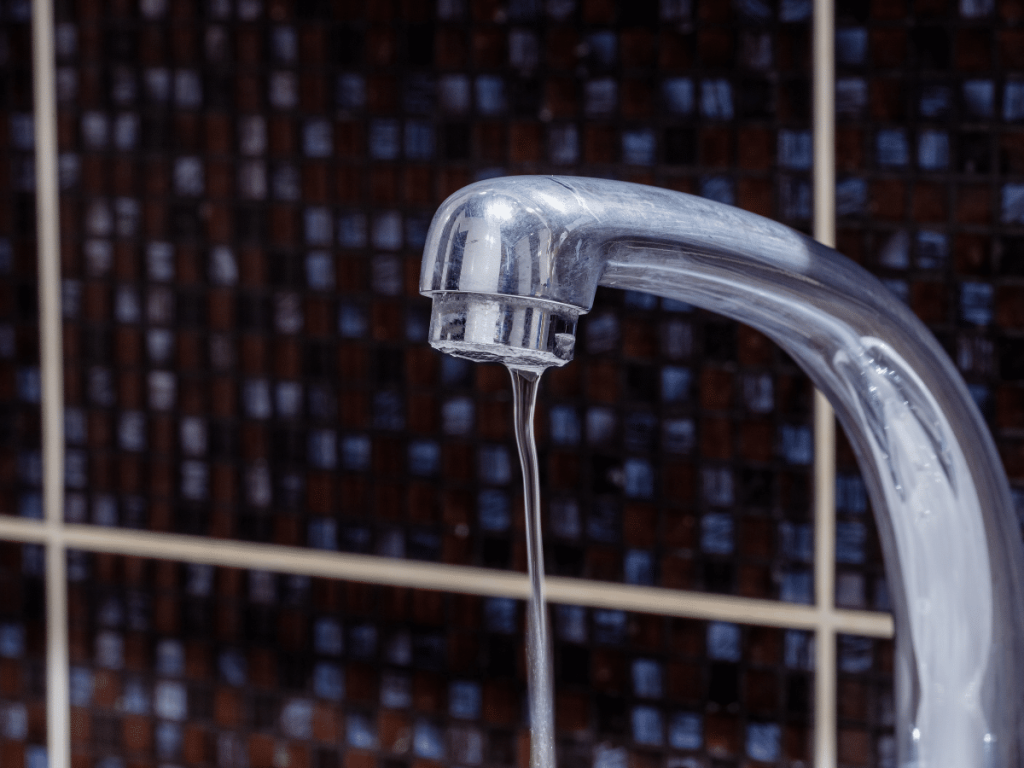
Water pressure issues can be incredibly frustrating to deal with, and ignoring this problem can lead to further difficulties down the line. To get ahead of this problem and minimize its impact, it’s important to understand its possible causes. This blog post will examine low water pressure in houses, as well as some telltale signs and what causes it so you know when it’s time to call a plumbing professional. Why low water pressure is bad Low water pressure can not only be a source of frustration, but these restrictions on water flow make everyday tasks like dishwashing, bathing, washing clothes, and watering plants more challenging. Sinks and tubs take longer to be filled with enough water, and water flow slows down the completion time of your daily chores, hampering your ability to get these activities done in a timely manner and go about your life. Low water pressure in houses can also be a key indicator of something being amiss with your plumbing system. If ignored, these issues could end up wreaking havoc over time and become irreparable, making it so you’ll need to replace components of your system (which can be incredibly costly). It’s therefore vital that a plumber evaluate and address sudden decreases in water pressure within your home. Low water pressure signs How do you know if water pressure is low in your house suddenly? Here are a few telltale indicators. Reduced water flow The most obvious sign of low water pressure is if the water output of your showerhead or faucets has diminished over time. If filling up a glass used to take 30 seconds before, but now takes longer, you’re likely experiencing water pressure issues. Variable water pressure If the pressure of your water fluctuates and changes frequently, it could indicate problems with low water pressure. This is often caused by obstructions in your plumbing system, which prevents water from moving freely through pipes and causes different levels of tension. Unusual noises Another symptom of little to no water pressure in houses is if you hear banging, whistling, or gurgling sounds when using your showerhead or faucet. This can be caused by trapped air being released when water moves through your pipes and becomes active again. Sputtering shower heads When your water pressure is too low, your shower head may sputter or spray inconsistently instead of offering a consistent stream. This could, however, point to issues with the aerator in your shower head, which should regulate and conserve the flow of water. What causes low water flow? Below are the primary factors contributing to low water pressure at home. Loss of water pressure in houses may be caused by blocked or corroded pipes. Over time, debris can build up in pipes and cause blockages that reduce available space for water flow in homes and cause variable pressure levels. Corrosion in pipes is also another possible culprit. Corrosion sees rust forming around the metal walls of pipes, which slowly wears away at them and creates the possibility of cracks (which then causes leaks). Contact a plumber immediately if you suspect that your pipes have become blocked or corroded. A plumber will flush away any sediment buildup, replace any corroded parts, and ensure you have clean drain pipes to restore normal pressure levels. Your faucet or showerhead’s aerator conserves and regulates water flow, but deposits like calcium and lime can accumulate over time and lead to clogs. It’s vital that if your aerator appears clogged, professional cleaning be requested. Another cause of low water pressure is freezing temperatures. When temperatures dip below zero, your pipes can freeze, creating blockages that result in decreased pressure. If this issue remains unchecked, it may even lead to burst pipes. It’s imperative that swift action be taken if your pipes are frozen. Turn off any faucets or sources of running water and contact a plumber as soon as possible. Water pressure can be affected by leaking pipes as well. Leaks that allow water to escape will reduce pressure by preventing more of it from reaching fixtures, ultimately decreasing the amount of water that you receive when you turn on a faucet. Leaks should be evaluated by a skilled plumber, as they will be able to determine how to best repair them to restore normal water pressure in your home. In need of plumbing assistance? Choose American Home Water & Air Understanding the causes of low water pressure in houses will allow you to better notice when you’re experiencing the issue so you can take action accordingly. American Home Water & Air is here to assist if you require professional assistance with your plumbing system. Our technicians will assess your system to identify any underlying problems before providing the best possible solutions to restore and maintain it. AHWA has been helping homeowners in Phoenix for over 35 years and provides fair, honest, and transparent pricing so you’ll always know what to expect. Contact AHWA now!
How to Clean Drain Pipes: 4 Easy Ways
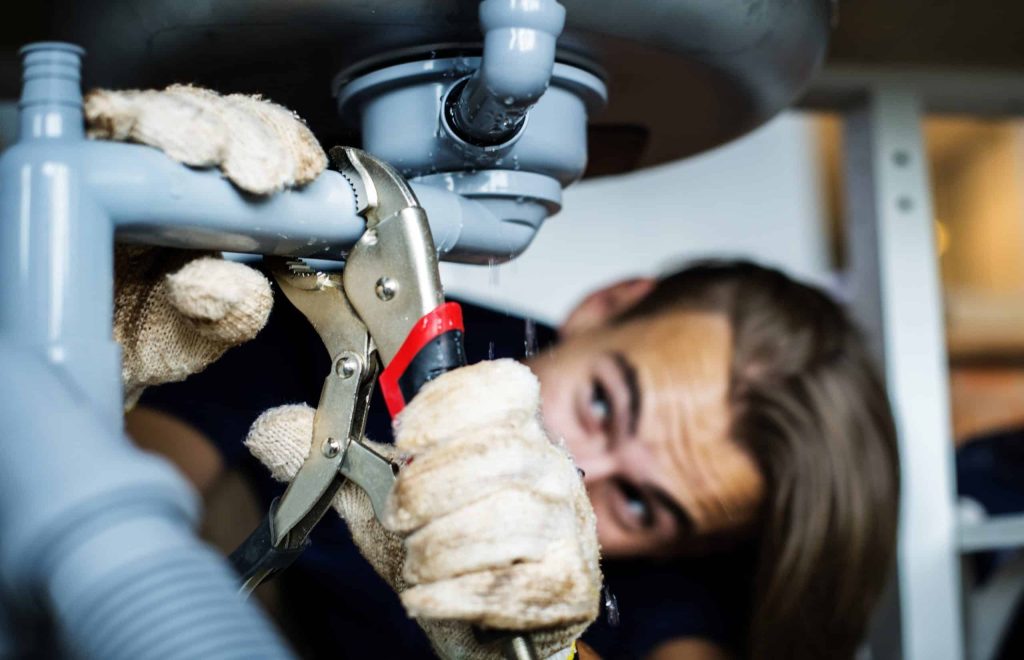
Your home’s plumbing is part of a vast and technologically advanced network that ensures you and your family have access to clean water at the right temperature, on demand. Incredible as this can seem, it’s a system that has a lot of working parts, with the pipes that carry the water across your home being one of the most important. This means that one of the most important aspects of maintaining a clean and comfortable home involves properly caring for the plumbing system by cleaning your drain pipes. In fact, understanding how to clean drain pipes effectively can save you a great deal of time, effort, and even money. In this guide, we’ll explore the most effective commercial solutions, DIY solutions, and preventative measures for keeping your drain pipes in optimal operating condition. Commercial Solutions for Cleaning Drain Pipes Commercial drain cleaners are a popular choice for many homeowners. These products come in two main forms: chemical and enzymatic cleaners that will help if you are wondering how to clean your home drain pipes. 1. Chemical Drain Cleaners Chemical drain cleaners typically contain powerful substances like lye or sulfuric acid, which can quickly dissolve stubborn blockages. They work by causing a heat reaction that breaks down the clog. While technically an effective way to clean drain pipes, they should be used sparingly, as repeated use could potentially damage your pipes due to their corrosive nature. Professionals recommend that you stay clear of these types of cleaners altogether to prevent damage to your plumbing system. 2. Enzymatic Drain Cleaners Enzymatic drain cleaners utilize eco-friendly enzymes or bacteria to eat away at the organic material causing the clog. They may take longer to work compared to chemical cleaners but are safer for your pipes and the environment. Regardless of the type of commercial cleaner you choose, remember to always follow the manufacturer’s instructions for optimal results. DIY Solutions to Clean Drain Pipes There are a couple of simple solutions to clearing a drain yourself that require little skill and are very cost-effective. 1. Homemade Drain Cleaner Homemade drain cleaners can be a more economical and environmentally friendly alternative to commercial solutions. If your clog isn’t too serious, they can be all you need to eliminate the problem. One popular method is using a mixture of baking soda and vinegar. Here is a simple step-by-step guide on how to clean drain pipes using this solution: Pour half a cup of baking soda into the drain, followed by equal white or apple cider vinegar. The combination will cause a fizzing reaction that helps to break down grime and debris. Allow the mixture to sit in the drain for 15-20 minutes to ensure it has sufficient time to act on the blockage. Rinse the drain with boiling water to remove the loosened materials. This process may need to be repeated for particularly stubborn blockages. 2. Using a Plumber’s Snake Another DIY method involves using a plumber’s snake to physically dislodge the clog. A plumbing snake, also known as a drain snake or auger, is a flexible coil of wire that can reach deep into your plumbing system to dislodge blockages. Here is a step-by-step guide on how to use a plumbing snake to clean your sink drain: First, clear out the area under your sink to give yourself ample space to work. Gather your tools: you’ll need a bucket or a towel to catch any water or debris that comes out of the pipe, and gloves to protect your hands. Remove the u-shaped drain beneath your sink and clean out any debris present and flush with hot water. In some cases, this may be all that is needed to clear your drain if the blockage was located there. Hold the handle of the snake with one hand and the wire coil with the other. Gradually feed the coil directly into the drain. Once the snake is in the drain, turn the handle clockwise to extend the wire further into the pipe. Continue to feed the wire down the drain until you feel resistance, which is likely the blockage you’re attempting to clear. Once you’ve located the blockage, keep turning the handle clockwise while pushing gently to allow the head of the snake to dislodge the clog. You may feel the blockage breaking up, or the snake may become harder to turn. After you’ve broken up the blockage, begin to retract the snake by turning the handle counter-clockwise, while gently pulling back. The clogged material should either follow the snake up and out of the drain or be broken up enough to wash away in the next flush of water. Replace the section of the u-shaped piece of plumbing you removed in step one. Run hot water down the sink for a few minutes to ensure the clog is completely cleared. If the water isn’t draining properly, you may need to repeat the process. Clear your snake drain of any debris with a paper towel and repeat the process. Remember, while a plumbing snake is an effective tool for many clogs, some stubborn blockages may require professional help. If you’re unable to clear the clog with your plumbing snake, don’t force it. Instead, consider contacting a professional plumber to avoid damaging your pipes. Preventative Measures: How to Keep Drains Clean Though any of the four efforts above will help you to clean your drain, the best option is to prevent clogs from occurring in the first place by maintaining clean drain pipes. Here are some ways to keep sink drains clean and functional: Regular Maintenance: Implement a regular cleaning schedule for your drains. Even if you don’t notice any immediate issues, preventative maintenance can help avert potential problems. Mind What Goes Down the Drain: Avoid washing down food scraps, coffee grounds, or fats and oils. These can accumulate over time and cause significant blockages. Use Drain Screens: These handy devices can catch larger pieces of debris, preventing them from entering the drain pipe. Run Hot
Average Cost of Drain Cleaning: What to Expect?
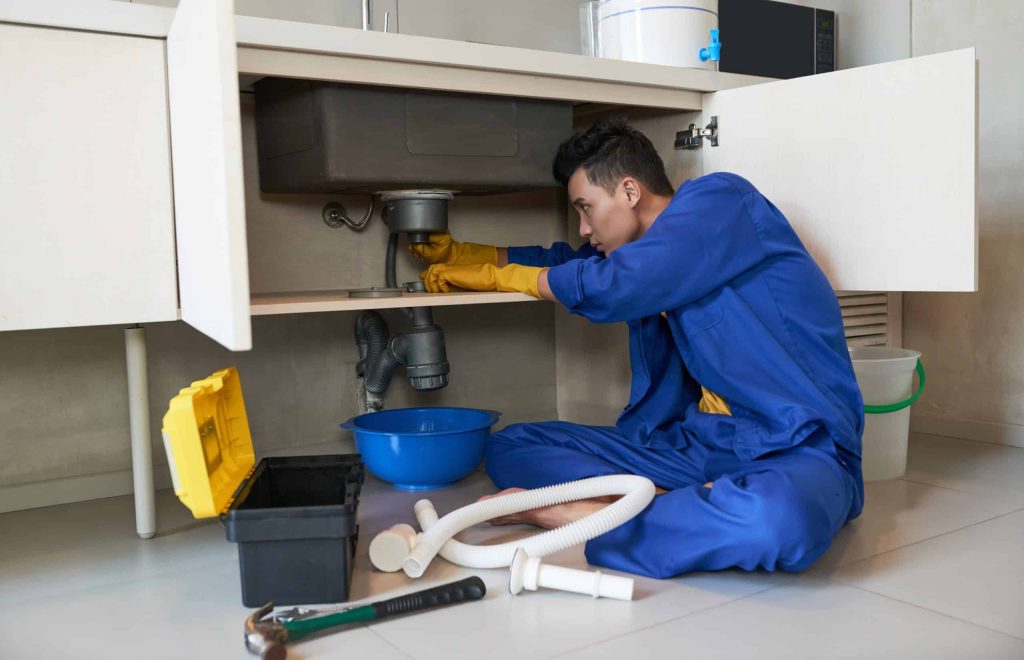
Drain cleaning is a crucial and unavoidable aspect of property maintenance; when done right, this service ensures the smooth functioning of the plumbing system, creating a healthier and more comfortable living or working environment. Despite its importance, the varying costs associated with drain cleaning can sometimes concern property owners. To offer a bit of perspective on these costs, we’ve put together some information on the average cost of drain cleaning, factors influencing these costs, and effective strategies for managing these expenses. Read on to learn more about what to expect the next time you set up a drain cleaning appointment! Average Cost of Drain Cleaning In Phoenix, the average cost of drain cleaning for residential properties typically spans between $100 and $300. This cost bracket includes basic services, such as unclogging minor blockages in bathrooms or kitchen drains. It’s important to remember, though, that these figures serve as an average range and can fluctuate based on the unique characteristics of the job at hand. The costs can rise dramatically for more complicated blockages, especially those related to the main sewer line. Homeowners dealing with such issues might need to spend between $300 and $600. Additionally, services required urgently or outside of standard working hours generally come with a higher price tag owing to the rapid response and convenience provided by a technician being called in during normal time off. Some blockages may require the use of a drain inspection camera. These cameras operate by lowering a small camera into the drain or pipe. This camera will transmit footage to a monitor that a technician can view to help identify the source of the blockage. It may also provide information about other issues that need to be addressed, such as cracks, leaks, or corrosion. Factors that Influence the Average Drain Cleaning Cost Several elements play into determining the average drain cleaning cost. Among the largest of these factors is the extent and location of the blockage. While removing a clog from a kitchen sink or a shower drain can be quite affordable, resolving a blockage in the main sewer line or underground pipes generally entails a higher cost due to the added equipment and labor required to access and remove the obstruction. The technique employed for drain cleaning also has a significant bearing on the overall cost. Drain snaking and hydro jetting are the two primary methods used in the industry. Drain snaking uses a specialized metal rod to break down and remove the clog, while hydro jetting involves a high-pressure water jet to accomplish the same task. Given its effectiveness and advanced nature, hydro jetting is more expensive compared to snaking. The service provider you choose also affects the cost. Companies might offer cheaper rates, but balancing cost considerations with the provider’s credibility, expertise, and service quality is essential. Lastly, the age and condition of your plumbing system can impact the cost. Older plumbing systems or those that haven’t been regularly maintained are often more prone to frequent and stubborn blockages. These systems might necessitate more regular cleaning or even complex interventions, thus escalating the overall annual drain cleaning costs. Average Price for Drain Cleaning: Commercial Vs. Residential It’s worth noting that the average price for drain cleaning can substantially vary between residential and commercial settings. Commercial plumbing systems are usually larger and more complex than residential ones, and any disruption due to a plumbing issue can substantially impact business operations. Work may require completion outside of normal operating hours or rushed to minimize the disruption of regular business practices. Because of these reasons, commercial drain cleaning services typically command a higher price. While a standard residential service might cost between $100 and $250, commercial drain cleaning services usually start from around $300 and can rise substantially, depending on the scope and complexity of the work involved. Proactive Measures to Reduce Drain Cleaning Costs Although professional drain cleaning services can be an essential part of your routine plumbing maintenance, there are several strategies that property owners can adopt to minimize the expense involved in such procedures. The most effective of these is regular maintenance and cautious use of the plumbing system. Preventing foreign objects and substances, such as food particles, hair, oil, and grease, from entering the drains can mitigate many common drain issues. Strainers over the drains will help prevent unwanted objects from entering and creating blockages. Households with small children can sometimes experience a particular hazard with odd items being tossed into toilets. Always check the bowl before flushing if this might be an issue in your home. Drain cleaning solutions can help maintain the health of your plumbing system. There are many commercially available items, but while some may be effective at clearing a drain, they can also damage your plumbing system. Always read the label and opt for more natural products. Even a DIY cleaner might do the trick for small blockages. Regular professional inspections can preemptively identify potential issues before they become significant problems, leading to less expensive fixes than costly repairs required for severe blockages. You should have your plumbing system inspected at least every two years, but if you have issues or experience repeated issues, you should have it evaluated and maintained more frequently. Takeaway While the average cost of drain cleaning services can vary, it’s driven by several factors, including the severity and location of the clog, the cleaning method used, and the chosen service provider. Despite these costs, remember that regular maintenance is key to avoiding severe blockages and keeping the plumbing system functioning efficiently. Ultimately, investing in timely drain cleaning and maintenance can prevent costly repairs down the line, making it a practical and cost-effective strategy for all property owners.