How Much Does a Plumbing Camera Inspection Cost?
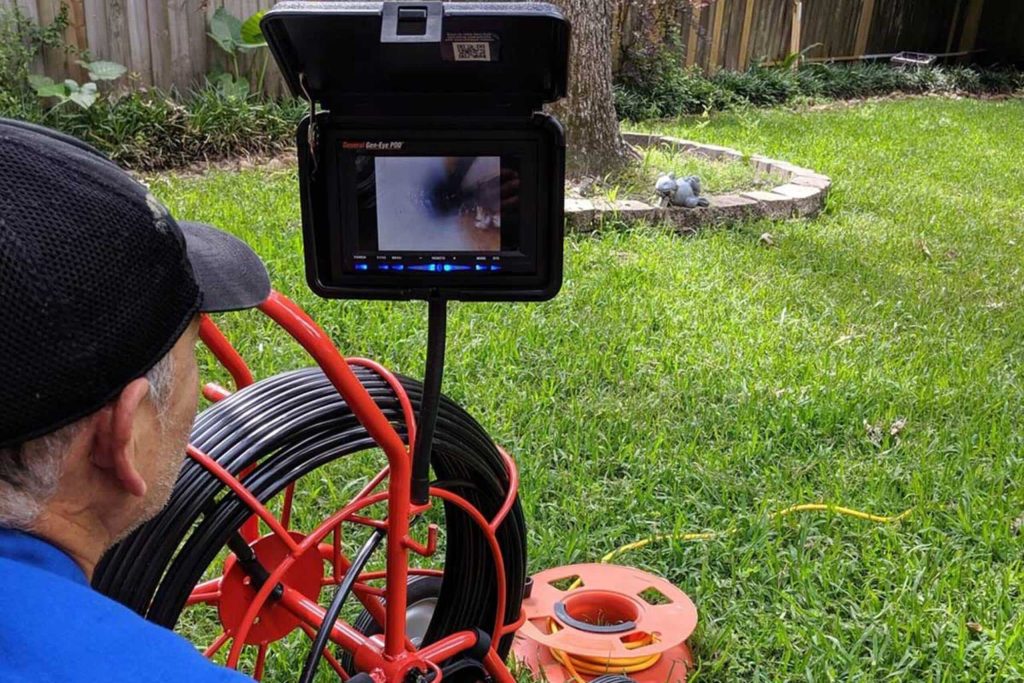
When it comes to diagnosing plumbing issues, traditional methods often involved guesswork or invasive procedures. However, advancements in technology have resulted in plumbing camera inspections becoming a popular and effective way to identify problems within sewer lines and drains. If you’re a homeowner in the Phoenix area and you’re wondering about the cost of a plumbing camera inspection, AHWA is here to provide you with the information you need. What is a Plumbing Camera Inspection? A plumbing camera inspection, also known as a sewer camera inspection or drain camera inspection, involves using a specialized camera system to inspect the interior of sewer lines and drains. This method allows plumbers to visually identify blockages, leaks, or other issues without the need for extensive digging or disruption to your property. How Does a Plumbing Camera Inspection Work? During a plumbing camera inspection, a small camera attached to a flexible cable is inserted into the sewer line or drain. The camera transmits real-time video footage to a monitor, allowing the plumber to see the condition of the pipes and detect any abnormalities. This visual inspection helps the plumber determine the cause of the problem and plan the appropriate repairs. That’s what makes the question of how much does it cost to camera a sewer line difficult to answer. There are many factors to consider, and each home is unique in this respect. How Much Does a Sewer Camera Inspection Cost? How much is a plumbing camera inspection, then? The cost of a plumbing camera inspection can vary depending on several factors, including the location, the complexity of the issue, and the plumbing company you choose. On average, in Phoenix, Arizona, a plumbing camera inspection can cost between $250 and $500 but larger-scale inspections can run as high as $3,000 depending on the difficulty of accessing the system and how far the inspection will need to extend. Keep in mind that you will also likely be looking at the costs of clearing or repairing any blockages or damages found during the inspection, which can further increase your costs. However, you can save if the inspection is done in conjunction with finding and making these repairs. Factors Affecting the Cost of a Camera Inspection There are several factors to be considered when determining the cost of a plumbing camera inspection, such as: Length of Inspection: The length of the sewer line or drain being inspected can impact the cost. Longer lines may require more time and effort, leading to a higher price. Accessibility: If the access points to the sewer line or drain are difficult to reach, such as under concrete or through tight spaces, it may increase the overall cost of the inspection. Additional Services: Some plumbing companies offer additional services along with the camera inspection, such as locating the exact position of the issue or providing a detailed report. These additional services may come at an extra cost. Time of Service: Emergency or after-hours inspections might be more expensive compared to regular business hours. If you require immediate assistance, be prepared for potentially higher costs. Benefits of a Plumbing Camera Inspection Investing in a plumbing camera inspection can provide several benefits, making the cost well worth it in the long run. Accurate Diagnosis: The camera footage provides a clear visual of the problem, allowing the plumber to diagnose the issue and develop an effective repair plan accurately. Time and Cost Savings: By pinpointing the exact location and cause of the problem, a plumbing camera inspection helps eliminate unnecessary digging or exploratory work, saving time and money on repairs. Preventive Maintenance: Regular camera inspections can identify potential problems before they escalate into major issues, allowing for proactive maintenance and preventing costly repairs down the line. Lowering Costs by Bundling Services Consider bundling services to lower the overall cost of a plumbing camera inspection. If you elect to have plumbing camera services provided as part of routine service or bundled with other repairs such as drain cleaning or replacements of damaged plumbing, you may save on some of the associated costs by not incurring additional call-out fees or receiving discounts as part of project costing. If you are having a camera inspection done as a standalone effort, it may cost you more than it would if you incorporate it into your routine maintenance or request it as a part of a larger plumbing repair project. As with many plumbing endeavors, your costs are going to depend on not only the cost of the actual camera inspection but also the costs of correcting any problems found. So, while you may be able to determine the initial costs of your plumbing camera inspection, you’ll need to employ a reputable plumbing services provider to give you an accurate estimate for any additional services you may require. DIY Camera Inspections If you’re a handy homeowner looking to save money, consider a DIY camera inspection. Some plumbing companies or equipment rental companies offer camera systems for rent but they typically start around $250 per day, and that can increase greatly with whatever additional equipment you need for the job. It’s also important to note that DIY camera inspections have limitations. They will not provide the same level of expertise and analysis as a professional inspection. Additionally, the repair costs could far outweigh the initial savings if you encounter a problem or cause additional damage to the plumbing system during the inspection. Conclusion A plumbing camera inspection is an invaluable tool when it comes to diagnosing plumbing problems within sewer lines and drains. In Phoenix, Arizona, the cost of a sewer camera inspection can vary greatly, depending on various factors such as the length of the inspection, accessibility, additional services, and the time of service. However, what you spend now might save you money later; while the initial cost may seem like an investment, the benefits of accurate diagnosis, time and cost savings, and preventive maintenance make it worthwhile. If you’re experiencing plumbing issues or want to ensure the health
Stay Ahead of MRSA & Allergies in Arizona with Air Scrubber Technology
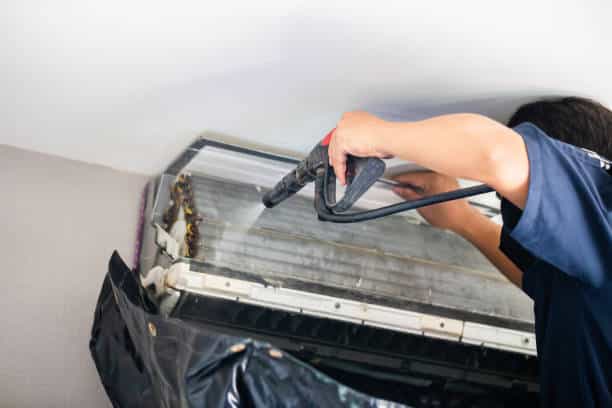
Methicillin-resistant Staphylococcus aureus (MRSA) is a type of bacteria that is resistant to many commonly used antibiotics and can cause infections in people. It can be spread through contact with an infected person, contaminated surfaces, or through the air. Left untreated, MRSA can cause a host of conditions that include skin infections, respiratory distress, sepsis, and joint infections. In severe cases, MRSA infections can lead to serious health problems, such as organ failure or even death, especially in people with weakened immune systems. It is important to seek medical attention if you suspect that you have an MRSA infection and to follow infection control measures to reduce the risk of MRSA transmission. Thankfully, there are ways to reduce the risk of illness and improve the air quality within our homes through the use of air scrubbers and related technology, which American Home Water and Air offers to its customers. MRSA Infection Prevention using Air Scrubber Technology An air scrubber is a device that uses filters or other technology to remove impurities, such as bacteria, viruses, or chemical pollutants, from the air. In the context of MRSA prevention, air scrubbers can be used to reduce the concentration of MRSA in the air and thus reduce the risk of infection. They are also beneficial as air purifiers for allergies. Air scrubbers work by drawing in air and passing it through a series of filters that trap MRSA and other pathogens. There are several different types of air scrubbers available, each using different technologies to clean the air. Some air scrubbers use HEPA filters, which are highly efficient at removing particles as small as bacteria and viruses. Other air scrubbers use UV light to kill pathogens in the air. In healthcare settings, air scrubbers can be used to help prevent the spread of MRSA and other infections by reducing the concentration of pathogens in the air. This can be especially important in areas where people with weakened immune systems are being treated, as they are at higher risk of contracting infections. It is important to note that air scrubbers are not a substitute for good hygiene practices and infection control measures, such as regular hand washing and disinfecting surfaces. However, they can be an effective tool for reducing the risk of MRSA and as air purifiers for allergies. Air Scrubber Products on the Market There are several air scrubber products available on the market, including both standalone units and air purifiers that incorporate air scrubbing technology. Some of the most popular air scrubber products include: Some air scrubber products are designed for use in specific environments, such as healthcare settings or homes, while others are more versatile and can be used in a variety of settings. It is important to choose an air scrubber product that is appropriate for your specific needs and environment. Additionally, it is important to regularly maintain and replace the filters in your air scrubber to ensure that it continues to effectively remove impurities from the air. How Can Allergy Sufferers Use an Air Scrubber? Air scrubbers act as an allergy filtration system that can help allergy sufferers by removing allergens from the air, such as pollen, dust mites, pet dander, and mold spores. These devices use various technologies to clean the air, including HEPA filters, activated carbon filters, and UV-C light. An Aerus air scrubber is a type of air purification system that uses advanced technologies to remove harmful pollutants, allergens, and other contaminants from the air. These systems feature a combination of HEPA and activated carbon filters, as well as UV-C light and photocatalytic oxidation, to provide comprehensive air cleaning. Aerus air scrubbers are designed to capture particles as small as 0.3 microns, including dust, pollen, and pet dander, and can remove volatile organic compounds (VOCs) and other chemicals from the air. These systems are often used in commercial and industrial settings but are also available for residential use to improve indoor air quality and promote better health. By removing allergens from the air, air scrubbers can reduce allergy symptoms such as sneezing, runny nose, itchy eyes, and nasal congestion. Some air scrubbers can also improve indoor air quality by removing other pollutants that can contribute to indoor air pollution and trigger health problems. It’s important to note that air scrubbers are not a cure for allergies, but they can help to reduce symptoms and improve the overall quality of indoor air. If you suffer from allergies, it’s important to talk to your doctor or an allergist to determine the best course of treatment, which may include air scrubbers, along with other measures such as medication and avoiding allergens whenever possible. Residential Air Scrubber Technology from AHWA If you or someone in your household suffers from allergies or asthma, you know how important it is to breathe clean air. Airborne allergens and irritants can trigger symptoms, causing discomfort and sometimes even dangerous health complications. One way to improve indoor air quality is by using a home air scrubber. For those with allergies or asthma, air scrubbers can provide relief by removing allergens from the air. Investing in home air purifiers for allergies can be a wise decision. Air scrubbers can help improve indoor air quality by removing allergens, irritants, and other harmful particles from the air. Air scrubbers can help reduce the concentration of harmful particles in the air, cleaning air allergies and promoting better respiratory health. Additionally, air scrubbers can help reduce unpleasant odors and VOCs, making the air in your home safer and more comfortable to breathe. If you’re interested in installing air scrubber equipment in your home, contact the professionals at AHWA for an appointment to evaluate your needs and get you on your way to improved air quality.
What Could be the Reason for the AC Not Responding to the Thermostat?
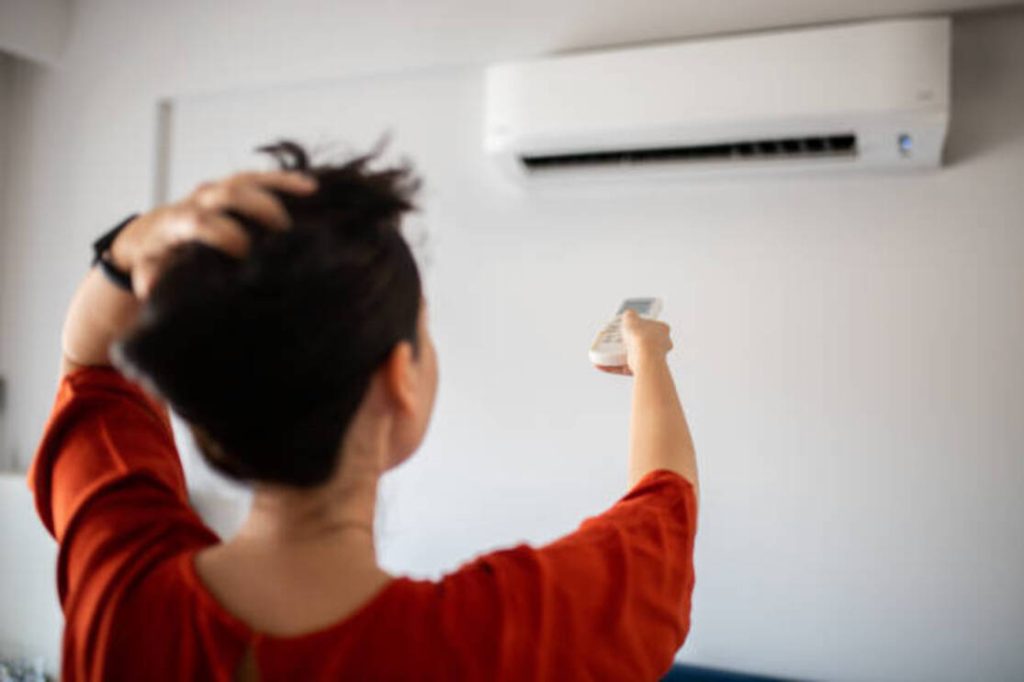
The thermostat is a critical part of any air conditioning system, as it is responsible for regulating the temperature of the home and turning the system on and off as needed. If you find yourself in a position where the AC is not responding to the thermostat, it can be frustrating and uncomfortable, particularly during the hot summer months. My Thermostat is On but No AC Why is my AC not responding to the thermostat, you might be asking. Here are some of the most common causes for a thermostat not turning on an AC system and some solutions for fixing the problem. Dead Batteries One of the most common reasons why a thermostat may fail to turn on the air conditioning system is dead batteries. If the batteries in your thermostat have died, it may not have enough power to communicate with the air conditioning system and turn it on. To fix this issue, simply replace the batteries in the thermostat and see if the system turns on. Incorrect Thermostat Settings Another common cause of a thermostat not turning on the air conditioning system is incorrect thermostat settings. If the thermostat is not set to the correct temperature or mode, it may not turn on the air conditioning system. To fix this issue, check the thermostat settings and adjust them as needed. Tripped Circuit Breaker If the circuit breaker for your air conditioning system has tripped, the system will not turn on. This can happen if there is a power surge or if the system is overloaded. To fix this issue, simply reset the circuit breaker for the air conditioning system and try turning it on again. Dirty Air Filters Air filters are designed to remove dirt, dust, and other debris from the air before it is circulated through the air conditioning system. If the air filters become clogged, they can restrict the flow of air through the system, causing it to malfunction. To fix this issue, simply replace the dirty air filters with clean ones. Changing filters every 1-3 months depending on usage should prevent a recurrence of the problem. Faulty Wiring If the wiring between the thermostat and the air conditioning system is faulty, the system may not turn on. This can happen if the wiring is old or if it has become damaged over time. To fix this issue, you may need to call a professional HVAC technician to inspect and repair the wiring. Faulty Thermostat If none of the above issues are causing the problem, the thermostat itself may be faulty. This can happen if the thermostat has become damaged over time or if it was installed incorrectly. To fix this issue, you may need to replace the thermostat with a new one. Choosing a New Thermostat Choosing a new thermostat for your air conditioning system can be a daunting task, as there are so many selections available. However, by understanding the different types of thermostats and their features, you can make an informed decision that meets your specific needs. Let’s look at some of the options on the market. Non-programmable Thermostats These thermostats will let you manually adjust the temperature of your home. They are typically less expensive than programmable thermostats but offer less flexibility in terms of temperature control. Programmable Thermostats These thermostats provide more convenience, allowing you to set different temperatures for different times of the day. For example, you can program the thermostat to turn off the air conditioning system when you are at work and turn it back on before you return home. This can help you save money on your energy bills by reducing energy consumption during times when you don’t need to cool your home. Smart Thermostats These thermostats are linked to the internet and operated through a mobile app. They typically offer more advanced features, such as learning your preferred temperature settings and adjusting them automatically. Many smart thermostats can provide energy usage reports and suggestions for reducing energy consumption. New Thermostat Options If the thermostat won’t turn on your AC and you’ve concluded that it needs to be replaced, you will want to consider some of the following features in selecting a new one. Compatibility Make sure the thermostat is compatible with your air conditioning system. Check the manufacturer’s specifications to ensure that the thermostat is compatible with the type of air conditioning system you have. Display Consider the size and readability of the display. Some thermostats have large, easy-to-read displays, while others have smaller displays that can be difficult to read. Programming Options If you choose a programmable thermostat, consider the programming options available. Some thermostats allow you to set different temperatures for each day of the week, while others only offer daily programming options. Wi-Fi Connectivity If you choose a smart thermostat, consider the Wi-Fi connectivity options. Some thermostats require a separate hub to connect to Wi-Fi, while others can connect directly to your home’s Wi-Fi network. Voice Controls Some smart thermostats offer voice control options, which allow you to adjust the temperature of your home using voice commands. When choosing a thermostat, consider the size of your home, your energy usage patterns, and your budget. It’s important to choose a thermostat that will be compatible with your air conditioning system and meet your specific needs. Which Thermostat is Best? Choosing a new thermostat for your air conditioning system requires careful consideration of your specific needs and preferences. Understanding the various types of thermostats available on the market and their features can help you make an informed decision that meets your specific needs and helps you save money on your energy bills. An AC not responding to the thermostat can be a frustrating problem, but there are several common causes and solutions. If you are unsure about how to fix the problem, it is always best to call a professional HVAC technician who can inspect the system and provide a proper diagnosis and repair. American Home Water and Air can get you back
Maximizing Energy Efficiency by Closing Air Vents: Fact or Fiction?
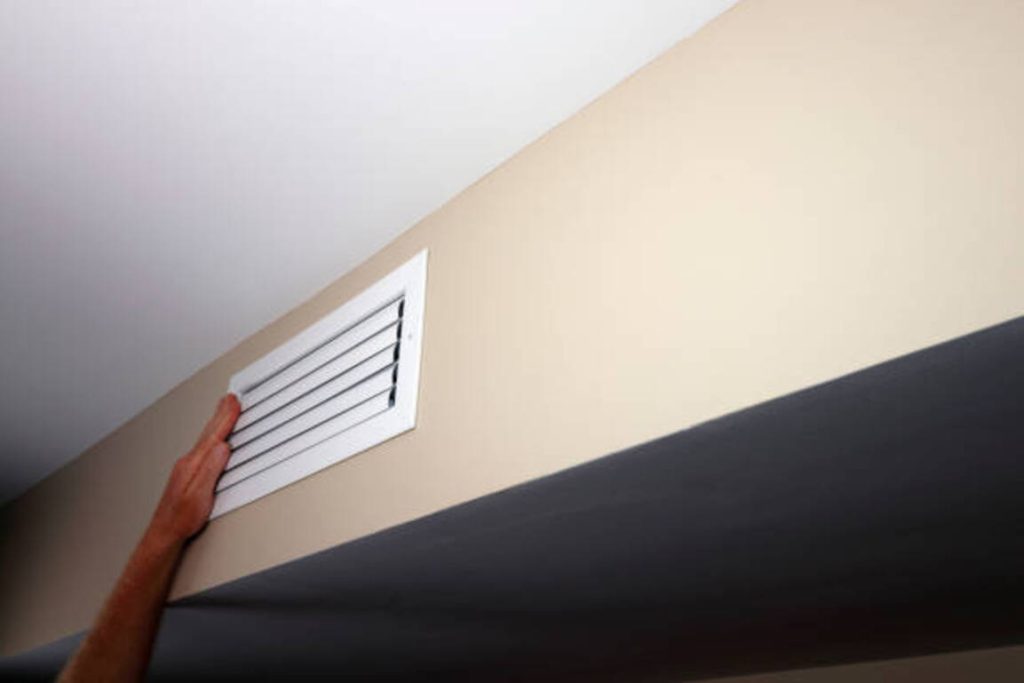
The temperature from one room of your home to another can fluctuate due to a variety of factors. One solution to this problem that is erroneously used by homeowners is closing air vents in rooms that are too warm or cold. Let’s talk a bit more about why a closed air vent isn’t a good solution and how proper air balancing can solve your issues. Does Closing Air Vents Help Cool Other Rooms? First of all, it is important to understand how heat and air flow in a house. Air is typically distributed through HVAC systems using a combination of supply vents, which release cool or warm air, and return vents, which take in air and circulate it back through the system. The goal is to achieve a balanced and consistent airflow throughout the house, which is the key to maintaining a comfortable temperature. So, does closing vents redirect air? The common misconception is that closing off the supply vents that release cool or warm air will automatically redirect that airflow to other rooms. The truth is that closing supply vents may create even more issues. When a vent is closed, it disrupts the airflow balance. This can lead to a buildup of pressure in the ductwork, which can cause leaks or even damage to the system. Closing vents can also reduce the efficiency of the HVAC system. The system is designed to work with a certain amount of airflow, and closing vents can cause the system to work harder to maintain the desired temperature. This can lead to increased energy costs and system failures. What Causes Hot and Cold Spots? There can be many causes for hot and cold spots in your home. Here are some of the most common ones. Instead of asking if closing vents redirect air, ask yourself if one of the issues below might help solve your problem. Poor Insulation Insufficient insulation can cause temperature fluctuations in a room. If heat is escaping through the walls or ceiling, it can create cold spots. Conversely, if heat is trapped in certain areas, it can create hot spots. Air Leaks Air leaks around windows, doors, and other openings can cause temperature imbalances in a room. In winter, cold air can seep in through gaps, and warm air can escape, creating cold spots. In summer, warm air can seep in and cold air can escape, creating warm spots. Thermostat Placement The location of the thermostat can also impact temperature balance. If the thermostat is located in a particularly warm or cool area of the house, it may not accurately reflect the temperature in other areas. If placed too close to an appliance that puts off heat or near a sunny window, it can throw off temperature sensors. Uneven Airflow If the HVAC system is not distributing air evenly throughout the room, it can create hot and cold spots. This can be caused by several factors, such as blocked vents or ductwork that is too small or damaged. Correcting Uneven Airflow How can you correct hot and cold spots the right way? The solution will depend on the underlying cause of the problem. Here are some practical solutions: Improve Insulation If poor insulation is causing temperature imbalances, adding insulation to the walls or ceiling can help. This can help keep heat in during the winter and out during the summer. Seal Air Leaks Sealing air leaks around windows, doors, and other openings can help prevent air from escaping or entering the room. This can help maintain a more consistent temperature throughout your home. Adjust Thermostat Placement If the thermostat is not accurately reflecting the temperature in the room, it may need to be repositioned. Ideally, the thermostat should be located in a central area of the room, away from windows and other potential sources of temperature fluctuations. Regular HVAC Maintenance Scheduling regular maintenance for your HVAC system can help prevent issues and ensure that it’s working efficiently. This may involve cleaning vents, replacing filters, and checking for leaks or other problems. If you’ve been dealing with inefficient cooling at home even after multiple service appointments, then maybe it’s also time to consider getting an upgrade with these types of energy efficient AC units. Ceiling Fans Ceiling fans can help distribute air throughout the room, creating a more consistent temperature. In the summer, they can help circulate cool air, while in the winter, they can help distribute warm air. Window Treatments Using curtains or blinds can help regulate the amount of sunlight that enters a room. This can help prevent hot spots caused by direct sunlight, while also providing insulation to keep heat in during the winter. Balance Airflow Ensuring that the HVAC system is distributing air evenly throughout the room is critical to maintaining a comfortable temperature. Airflow balancing can help improve the problem. What is Air Balancing? Does closing vents redirect air is a common question and the answer is no, but air balancing can fix the problem. If you’ve exhausted other measures and are still experiencing hot and cold spots, you may want to have air balancing completed. Air balancing is the process of adjusting the airflow in your HVAC system to ensure that it is evenly distributed throughout your home. The air balancing process typically involves these key steps: So, as we head into spring and summer and you begin to ask yourself if closing vents redirect cold air, remember that this isn’t as simple as it seems and will create more issues for you. A better solution is to address any issues that might be causing hot or cold spots and if you can’t make adjustments that correct your problem, seek help from our air balancing experts. While you can perform air balancing yourself, a qualified HVAC technician possesses the tools and equipment to do more accurate measurements and testing that will give the best results. If you feel you need air balancing done in your home, get in touch with us for assistance.
Why Isn’t My Central Heating Functioning, But My AC is?
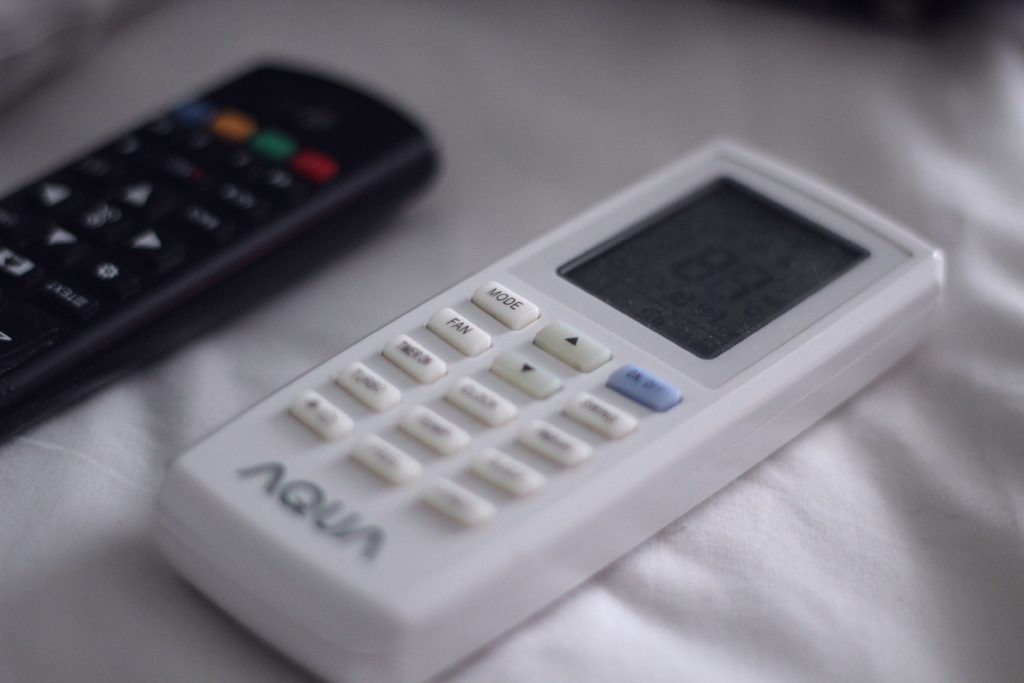
Central heating units and air conditioning units work together as a conjoined system to keep your home comfortable throughout the year but they have many components that operate independently. Therefore, it’s common for homeowners to experience issues where the air conditioning will function properly while the central heating unit won’t work. While regular, professional maintenance can help prevent the majority of central AC issues, there are several different reasons why this might happen, and troubleshooting the issue will depend on the specific circumstances. So, what do you do if your heat won’t turn on but the AC will? Central AC Works But Not the Heat If your heat won’t turn on but AC will, it could be due to one of numerous reasons. Most instances where the AC works but not the heat can be corrected by identifying and repairing one of the issues below. Thermostat Issues One of the most common reasons why your heater won’t turn on but the AC works can be traced to a problem with the thermostat. The thermostat is responsible for regulating the temperature in your home. If it’s not working correctly, it can prevent the heating system from turning on. In some cases, the issue could be as simple as the thermostat being set to “cool” instead of “heat.” If this is the case, all you need to do is switch the thermostat setting to “heat,” and your central heating unit should start working. If the thermostat is set correctly but your central heating unit still won’t turn on, you may need to check the batteries in the thermostat. If the batteries are dead, the thermostat won’t work, and your heating system won’t turn on. Replacing the batteries is a simple fix that should get your central heating unit up and running again. Clogged Air Filters One reason your central heating unit may not be functioning correctly while the air conditioning is working is a dirty air filter. Air filters are a vital component that affects the performance of both your heating and cooling systems. If your air filters are clogged with dirt and debris, your heating system may not be able to function correctly. To troubleshoot this issue, check the air filters in your central heating unit and replace them if they’re dirty. It’s generally recommended that you change your air filters every one to three months, but if you have pets or live in a dusty environment, you may need to change them more frequently. Pilot Light Issues If you have a gas-powered central heating unit, it may not be functioning correctly due to a problem with the pilot light. The pilot light is responsible for igniting the gas that heats your home, and if it’s not lit, your heating system won’t turn on. In some cases, the pilot light may be out due to a draft or other airflow issues. To troubleshoot this issue, you’ll need to check the pilot light on your central heating unit. If the pilot light is out, you can relight it by following the manufacturer’s instructions. If you’re not comfortable relighting the pilot light yourself, it’s best to call a professional HVAC technician to do it for you. Ignition System Issues If your central heating unit has an electronic ignition system, it may not be working properly due to an issue with that component. The ignition system is responsible for igniting the gas that heats your home. If it is not functioning accurately, your heating system won’t turn on. In some cases, the issue may be with a faulty igniter or a malfunctioning control board. You can address this issue by checking the ignition system on your central heating unit. If you notice any obvious issues, such as a cracked igniter, you may be able to replace the faulty part yourself. However, if you’re not comfortable working with electronic components, it’s best to call a professional HVAC technician to diagnose and repair the issue. Ductwork Issues Another possible reason why your central heating unit may not be working might be due to issues with your ductwork. If there are leaks, blockages, or other problems with your ductwork, it can prevent warm air from reaching your living spaces. This can cause your central heating unit to work harder than necessary, resulting in increased energy bills and reduced efficiency. You’ll need to perform an inspection of your ductwork for any visible signs of damage or blockages. You can also check for leaks by turning on your heating system and feeling for drafts around your ducts. If you notice any issues, it’s best to call a professional HVAC technician to repair or replace the damaged sections. In short, if your heat won’t turn on but your AC will, there can be a number of reasons for your central heating’s failure while your air conditioning continues to work properly. These include issues with your thermostat, air filters, pilot light, ignition system, or ductwork. Troubleshooting the issue will depend on the specific circumstances in your home, but in some cases, it’s possible to fix the problem yourself by following the manufacturer’s instructions. Preventing Central Heating Failures Regular maintenance and inspection of your heating and cooling systems can help prevent these issues from occurring in the first place. It’s also essential to change your air filters regularly and keep your ductwork clean and free from obstructions. By taking care of your heating and cooling systems, you can ensure that your home stays comfortable throughout the year and that your energy bills remain under control. If you are unable to determine the cause of your problems after having checked the potential issues listed above, it’s always best to consult with a professional. American Home Water and Air for your HVAC needs If you’re having issues with your central heating not functioning, our well-trained and experienced HVAC technicians are always available to get your system up and running again with as little fuss as possible and provide you with continued maintenance or
Air Conditioner is Cooling but Not Removing Humidity: What to do?
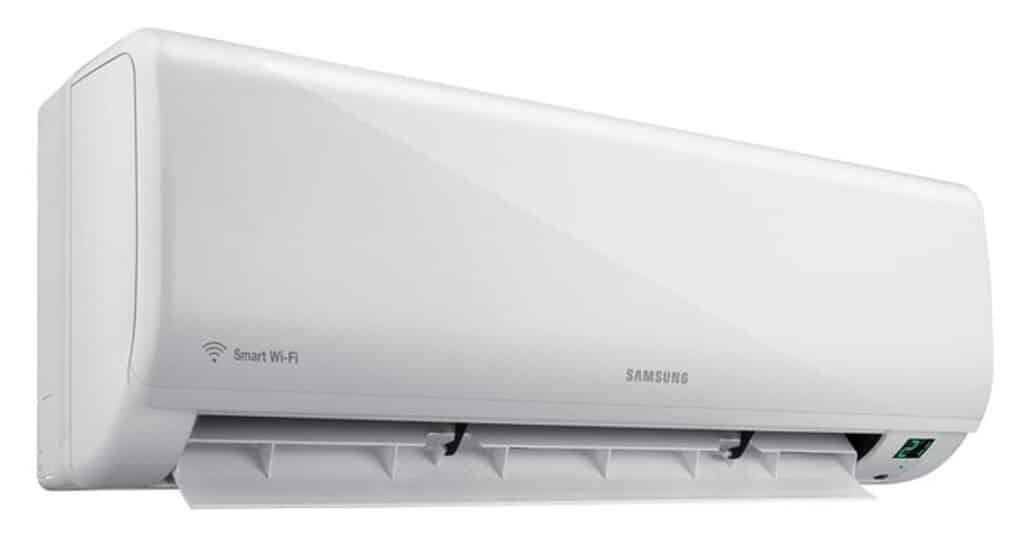
Humidity is a common problem in many homes, especially in summer. It can cause discomfort, damage to furniture and other items, and even health issues. If you’re experiencing high humidity in your home, it’s important to understand what’s causing it, why your air conditioning system may not be removing it, and the steps to prevent the problem, such as regular maintenance. Read on to learn more about why your house is humid with the AC running. Why is My House so Humid with the AC On? Several issues can cause high humidity in a house with the AC running. If you find that your AC is cooling but not removing humidity, you may be experiencing one of the issues below: Weather conditions: High humidity levels indoors are often a result of high humidity levels outside. When the air outside is humid, it can seep in through open windows and doors, cracks, and other gaps. Lack of ventilation: Poor ventilation can trap moisture and humidity, leading to high levels of humidity inside. This can be particularly problematic in bathrooms and kitchens, where moisture is created by the routine use of water and steam escaping from showers. Improper insulation: Poor insulation can lead to temperature disparities, which can cause condensation and moisture buildup. This can be especially apparent in attics and crawl spaces. Water leaks: Leaks from plumbing, roofs, or windows can cause moisture to accumulate, leading to high humidity levels. Any of these issues can create excess humidity in your home which will need to be removed to prevent issues like mold, bacteria, or damage. Why Isn’t The Air Conditioning System Removing Humidity? While air conditioning systems are designed to remove humidity from the air, there are several reasons why they may not be effective. If you are in a situation where you are wondering why your house feels humid with the AC running, you might find the answers to your question in one of the reasons below. Oversized or undersized unit: If your air conditioning system is too large or too small for your space, it may not be able to remove humidity effectively. An oversized AC unit will cool the air too quickly, leaving moisture behind. An undersized AC unit will not be able to cool the air adequately to remove moisture. Poor maintenance: If your air conditioning system is not maintained regularly, it may not be functioning at its optimal level. Dirty filters, clogged drains, and other issues can prevent the system from removing humidity effectively. Thermostat issues: If your thermostat is improperly set or malfunctioning, your AC system may not be removing humidity as well as it could. For example, if the fan is set to “on” instead of “auto,” it will circulate humid air throughout the home instead of removing it. Aging systems: If your air conditioning system is old or inefficient, it might not remove humidity effectively. Older systems aren’t always designed to remove humidity as most modern units do. Systems that have lost efficiency due to age, use, or lack of proper maintenance, might not be able to cool the air sufficiently to remove moisture. How to Correct the Problem If have asked yourself, “Why is my house so humid with the AC on?” and considered the possible problems, you can now look for a solution. If you are experiencing high humidity levels in your home, there are several steps you can take to correct the problem: Use a dehumidifier: A dehumidifier effectively removes moisture from the air in your home. These devices pull in humid air, remove the moisture, and then release the drier air back into the room. Improve ventilation: Installing exhaust fans in bathrooms and kitchens, opening windows, and adding ventilation systems can help to reduce humidity levels in the home. Add or replace insulation: Adding insulation to walls, attics, and crawl spaces will help prevent hot and cold spots and reduce moisture buildup. Seal air leaks: Repairing any air leaks in your home will help to prevent moisture buildup and reduce humidity levels. Don’t skip maintenance: Regular maintenance of your air conditioning system, including cleaning the filters, checking the refrigerant levels, and ensuring proper drainage, will keep it functioning at its optimal level and removing humidity effectively. Upgrade your system: If your air conditioning system is old or inefficient, replacing it with a new, more efficient system with a high SEER rating can help to improve how well humidity is removed from your indoor air. Here are how some of the different AC systems stack up when it comes to removing humidity: When in doubt, contact American Home Water and Air High humidity levels in the home can be a major problem, leading to discomfort, damage to furniture and other items, and even health issues. By understanding the issue and taking steps to rectify the situation, you can reduce humidity levels and enjoy more comfortable, healthy indoor air.However, if you’re still having ongoing issues with humidity, American Home Water and Air’s expert HVAC technicians are more than happy to help you with any issues you are experiencing with humidity so that you can stop asking why is my house so humid with the AC running. So give us a call – we can make sure your AC is running properly in no time!
Does My Air Conditioner Need a Surge Protector?
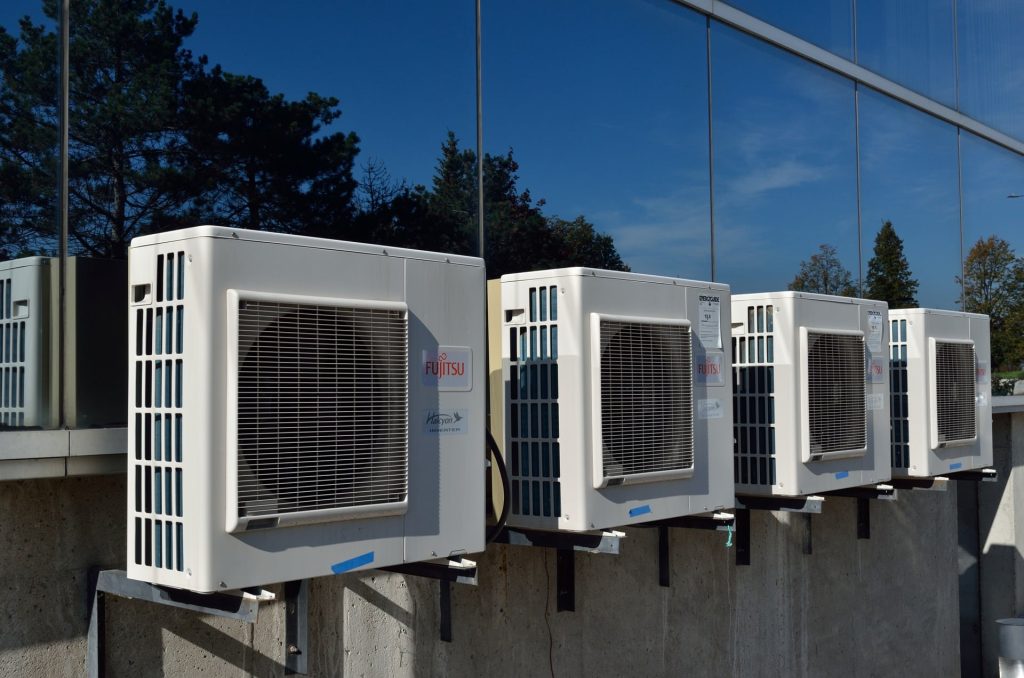
As the weather warms up in Arizona over the coming summer months, many people will begin to turn on their air conditioning systems to keep cool. With this increased use of power, it’s essential to protect your electronics from power surges and that includes your HVAC system. Power surges can cause damage that may lead to expensive repairs or replacements. One way to prevent this is by using surge protectors for your HVAC systems. What Causes Power Surges? Power surges are sudden increases in voltage that can damage or destroy electronic devices in your home. Several situations can create a power surge, including: Lightning Strikes: Lightning can strike power lines, causing a sudden increase in voltage that can travel through the electrical system and into your home’s electrical lines. This is the most common cause of power surges in homes. Electrical Grid Issues: Problems with the electrical grid, such as power outages, power fluctuations, and power switching, can all cause power surges. These issues can occur for many reasons, including weather conditions, equipment failure, and maintenance work. Electrical Appliances: Large appliances such as refrigerators, air conditioners, and washing machines can cause power surges if they draw too much power or if there is a fault in their internal wiring. Faulty Wiring: Faulty wiring in your home that is old, worn, or damaged can cause power surges. Wiring can also create a surge if it has been installed or grounded improperly. Downed Power Lines: Downed power lines can come into contact with the ground or other objects. This can cause a sudden increase in voltage coming into your home. Power Company Equipment: Power company equipment such as transformers, generators, and circuit breakers can fail, causing a sudden increase in voltage that can travel into your home. No matter where a power surge originates, HVAC surge protectors can help to mitigate the damage and protect your AC system. Additionally, having a professional electrician inspect and maintain the electrical system in the home can help to identify any potential issues that could lead to power surges and prevent them from occurring in the first place. What Kind of Damage Can a Power Surge Cause to an AC? In homes without surge protectors for air conditioners in place, power surges can cause considerable damage to AC systems by overloading and damaging electrical components. Some of the potential damage that power surges can cause to your HVAC system include: Compressor: The compressor is one of the most critical components in an HVAC system, and it can be particularly vulnerable to power surges. Without surge protectors for air conditioners, homeowners risk overloading the compressors, causing them to fail. Control board: The control board is responsible for regulating the operation of the HVAC system. A power surge can damage the control board, leading to issues with the operation of the system. Thermostat: The thermostat is responsible for controlling the temperature in the home. A damaged thermostat can cause the HVAC system to run inefficiently, leading to higher energy bills. Blower motor: The blower motor is responsible for circulating air through the HVAC system. A power surge can damage the blower motor, causing it to run inefficiently or fail altogether. Wiring: Power surges can damage the HVAC system’s wiring. Damaged wiring can lead to issues with the operation of the system, including short-circuiting and potentially causing a fire. Power surges can also cause issues with the HVAC system that can decrease efficiency, increase wear and tear, and reduce lifespan. It’s essential to protect your HVAC system from power surges by using air conditioner surge protectors. What Do HVAC Surge Protectors Do? A surge protector is a device designed to protect electronic devices from power surges. It works by diverting excess voltage away from your devices in order to prevent damage. Surge protectors for AC units and other appliances come in different shapes and sizes. While most people think of power strips as surge protectors, this is not always the case. Not all power strips provide surge protection and surge protectors for air conditioning systems are installed directly on your unit’s circuit breaker system rather than plugging into a wall somewhere. Here are some things to keep in mind when using a surge protector for air conditioner systems: Surge protectors for air conditioners are essential in protecting them from power surges. Power surges can cause significant damage to your air conditioning system, leading to expensive repairs or replacements. By using a surge protector designed specifically for air conditioning systems, you can divert excess voltage away from your system and prevent damage. Taking Steps to Prevent Power Surges In addition to using a surge protector, there are other steps you can take to protect your air conditioning system from power surges. One of the most effective ways to prevent power surges is to turn off your air conditioning system during a storm. Another way to protect your air conditioning system is to have it inspected and maintained regularly by a professional. Professional HVAC technicians like the ones at American Home Water and Air can check for any potential issues that could lead to power surges and recommend ways to prevent them. They can also clean and replace any dirty or worn parts that could be causing your air conditioning system to work harder than it needs to, which can put additional strain on the system and increase the risk of power surges.
What To Do When Furnace Clicks but Doesn’t Turn On
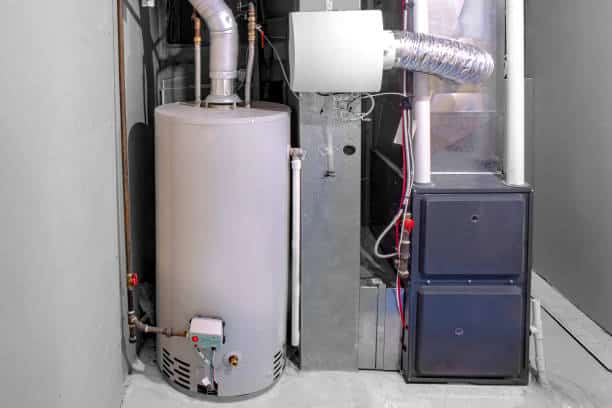
It can be disheartening to turn on your heat only to find that the furnace clicks but the blower won’t start. Not only is this inconvenient, but it can be very uncomfortable for your family to be without heat on a cold night while they wait for a service call. There are several reasons why your furnace clicks but doesn’t turn on, and it’s important to be able to recognize these issues and know what you can do to troubleshoot. American Home Water and Air has put together some key factors to consider and steps you can follow in case your furnace clicks but doesn’t turn on. Thermostat Issues If your thermostat clicks but no heat or air comes on, the thermostat may not be working properly or may not be set correctly. Make sure that the thermostat is set to “heat” and that the temperature is set higher than the current room temperature. Ignition Problems If the furnace clicks but doesn’t come on, your pilot light may be the problem. You’ll need to make sure it hasn’t gone out. If your furnace has an electronic ignition, the ignition control module may be faulty. Here’s how to check the pilot light on your furnace: If the pilot light will not stay lit, or you have any other concerns, it is best to contact a professional HVAC technician to diagnose and fix the issue. Blocked Air Filter Another reason why a furnace clicks but doesn’t come on is that you have a dirty or clogged air filter. This can restrict airflow to the furnace, causing it to shut off to prevent overheating and damaging the unit. Replace the air filter if it appears dirty. Here’s how to change your furnace air filter: It’s a good idea to change your furnace air filter every 1-3 months to keep your furnace running efficiently and improve your home’s air quality. During periods of heavy use, if you have pets in your home, members of your household have allergies, or if you’re having work done that may stir up dust and debris, you might want to change your filter more often. Blower Problems If your furnace is making clicking noise and no heat is coming on. The blower motor may be faulty or the belt that drives it may be loose or broken. Your furnace cannot operate if the blower isn’t functioning properly. Electrical Problems The furnace may not be getting power, there may be a blown fuse, or a circuit breaker may be tripped. Check the electrical panel to see if you can correct any of these simple issues. Preventive Maintenance One of the best ways to avoid hearing that clicking noise when you turn on your furnace is to keep your furnace properly serviced and maintained. Here are some steps you can take to prevent issues with your furnace that cause it to click instead of functioning properly. Takeaway By following these steps, you can help prevent issues with your furnace that cause it to click and keep it running efficiently and safely. However, if you do encounter issues, the experts at American Home Water and Air are ready to assist. Just give us a call or request service online to get your furnace back up and running ASAP.
Heat Pump Pros and Cons
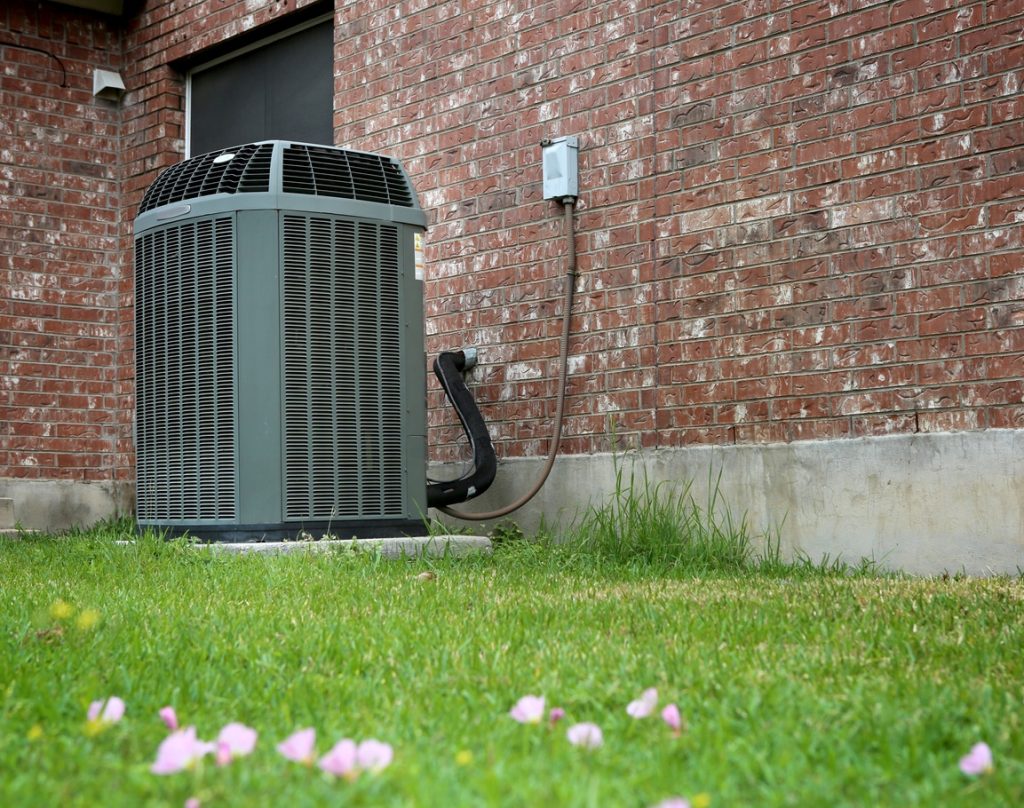
Heat pumps can be a great way to heat and cool your home, but like any other system, they have their advantages and disadvantages. Here are some of the most important heat pump pros and cons: Heat Pump Benefits There are many reasons to install a heat pump in your home, so to discuss heat pump pros and cons, let’s start with the advantages. Heat Pump Disadvantages What are the disadvantages of a heat pump? Here are some of the most prominent issues. Many heat pump pros and cons depend on your specific needs and circumstances. It is always best to consult a knowledgeable HVAC expert to determine if a heat pump is the right choice for your home. Heat Pump Efficiency When talking about energy efficiency, you can’t beat heat pumps. They are more energy-efficient than other heating systems for several reasons: Heat pumps offer significant energy savings when compared to other heating appliances, and they are an environmentally friendly option that can help reduce your carbon footprint and lower your energy bills. Geothermal Heat Pumps If considering a heat pump, you should also look into the geothermal variety. The main difference between geothermal heat pumps and regular heat pumps is the source of heat they use to heat and cool a building. While regular heat pumps extract heat from the outdoor air to provide warmth in the winter and remove heat from the indoor air to provide cooling in the summer, geothermal heat pumps use the earth’s constant temperature to heat and cool your home. Regular heat pumps can be air-source or water-source, depending on where the heat exchange takes place. Air-source heat pumps extract heat from the outdoor air and transfer it indoors using a refrigerant, while water-source heat pumps extract heat from water drawn from a nearby body of water or a well and transfer it indoors. Geothermal heat pumps use a ground loop system to extract heat from the ground, which remains at a relatively constant temperature throughout the year. A series of pipes are buried in the ground and filled with a liquid, which absorbs heat from the ground and carries it to the heat pump, where it is used to heat or cool a building. Because the ground temperature remains relatively constant, geothermal heat pumps are even more energy efficient than regular heat pumps. Like their heat pump counterpart, geothermal heat pumps also come with their own pros and cons. Geothermal heat pump pros and cons include the following: Geothermal Heat Pump Pros Geothermal Heat Pump Cons American Home Water and Air for Your Heat Pump Installation If you are considering either type of heat pump, you’ll find they are an excellent choice on many levels. While they aren’t always an ideal choice for climates where temperatures drop significantly in the winter, they are worth considering for the milder weather in Arizona. Contact your HVAC professionals at AHWA if you’d like to learn more about getting a heat pump installed in your home. We can help you find the best option to fit your needs and budget.
Electric Heating vs. Gas Heating: What Are the Main Differences?
Many homeowners find themselves making a serious comparison using electric heating vs. gas heating. While gas has traditionally been the main option for most, it’s true that electric heating has become a much more viable option for those looking to modernize or improve their energy efficiency. But how do you make a decision between these two options? American Home Water and Air has the answers. We’ll go over the main differences between these two options, as well as the factors that should be taken into consideration before making a final decision. Read on to learn more so you can make the right choice based on your situation! Heating System: Factors to Consider Gas heating and electric heating are two common types of heating systems that are used to heat homes and buildings. “Is electric heat cheaper than gas?” is a commonly asked question about the two systems but there are other factors to consider. When looking at electric vs gas heating, there are several differences, including: Issues with gas heating systems can include the risk of gas leaks, which can be dangerous, and the need for regular maintenance and repair. For those uncomfortable with using gas, electric heating may be the answer. However, issues with electric heating systems can include the cost of electricity and the potential for power outages during periods of high demand. Heating with Electricity vs Gas: Operating Costs The cost of operating a gas furnace versus an electric furnace can vary greatly depending on a number of factors, including the price of natural gas and electricity, the size of the home, and the efficiency of the furnace. However, as a general comparison, the cost of operating a gas furnace in Phoenix, Arizona is likely lower than that of operating an electric furnace. In Phoenix, the average cost of natural gas is approximately $0.40 per therm, while the average cost of electricity is approximately $0.14 per kilowatt hour. The cost of heating a home with a gas furnace will depend on the efficiency of the furnace and the size of the home, but a highly efficient gas furnace could cost as little as $200 per year to operate, while a less efficient gas furnace could cost as much as $500 per year. The cost of heating a home with an electric furnace will also depend on the efficiency of the furnace and the size of the home, but a highly efficient electric furnace could cost as much as $800 per year to operate, while a less efficient electric furnace could cost as much as $1,500 per year. It is important to note that these are only rough estimates, and the actual cost of operating a gas or electric furnace in Phoenix, Arizona will depend on several factors, including the local cost of natural gas and electricity, the efficiency of the furnace, the size of the home, and the climate. It is recommended that homeowners consult with a heating and cooling professional to determine the actual cost of operating a gas or electric furnace in their homes. Heating with Electricity vs Gas: Maintenance Both gas and electric furnaces require regular maintenance to ensure optimal performance and efficiency. However, gas furnaces tend to require more maintenance than electric furnaces. Gas furnaces require regular inspections to check for gas leaks and to clean the burners. The air filter also needs to be replaced regularly, and the furnace may need to be serviced to address any issues with the pilot light, blower motor, or other components. On the other hand, electric furnaces tend to require less maintenance, as they do not have the potential for gas leaks and do not have as many moving parts as gas furnaces. However, they still require regular maintenance, such as cleaning and replacing the air filter, and periodic inspections to check for any issues with the heating elements, blower motor, or other components. Heating with Electricity vs Gas: Energy Efficiency The energy efficiency of a heating system depends on several factors, including the type of furnace, its age, and its efficiency rating. However, gas furnaces tend to be more energy efficient than electric furnaces in general. Gas furnaces can be up to 97% efficient, meaning that almost all of the energy in the natural gas is converted into heat. High-efficiency gas furnaces are usually equipped with variable-speed blowers and sealed combustion chambers, which help reduce energy consumption and increase efficiency. Electric furnaces are typically less energy efficient, as they convert only about 95% of the electrical energy they consume into heat. The efficiency of an electric furnace can also be impacted by the age of the furnace and its efficiency rating. It is important to note that the actual energy efficiency of a furnace will depend on several factors, including the type of furnace, its age, its efficiency rating, and how well it is maintained. Heating with Electricity vs Gas: Environmental Impact The environmental impact of a heating system depends on several factors, including the source of the energy used to power the furnace and the efficiency of the furnace. Gas furnaces that use natural gas from renewable sources, such as biogas, can be more environmentally friendly than electric furnaces that rely on non-renewable sources of electricity, such as coal or natural gas. However, the overall environmental impact of a gas furnace will also depend on the efficiency of the furnace and the emissions generated during the extraction and transportation of natural gas. Electric furnaces that rely on renewable sources of electricity, such as wind or solar, can be more environmentally friendly than gas furnaces. The environmental impact of an electric furnace will also depend on the efficiency of the furnace and the efficiency of the electrical grid. Endnote When evaluating the differences in electric or gas heating, it is important to consider both the source of the energy used to power the furnace and the efficiency of the furnace when evaluating its environmental impact. You can also read our article if you’re planning