Furnace Is Making Noise? Here’s What to Do
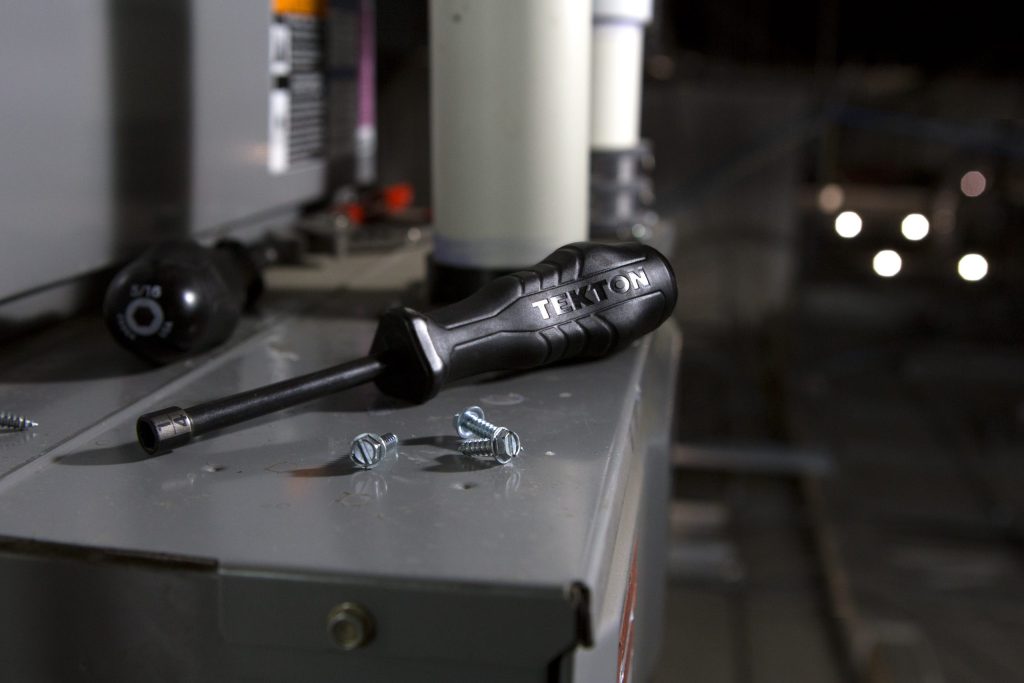
Furnaces, like most other household equipment, can run into issues. This can be either from wear and tear or simply a fault in the system. When this happens, the furnace develops mechanical issues, which may cause your furnace to start making noise. Depending on the underlying issue, the furnace may start making a loud buzzing noise or pitching noise. At American Home Water and Air, we have come up with a few reasons why your furnace is making noise and what to do when that happens. However, we advise that you get a professional to do any repairs. Repairing it yourself can save on costs, but a malfunctioning furnace is a ticking time bomb and is very dangerous for you and your family if not fixed correctly. In some cases, furnaces can even cause fires. Is Your Furnace Making Noises? Here’s What to Do Your furnace is most likely making noise as a result of a damaged component. Here are some of the elements that might be why that irritating buzzing or loud pitching noise. Ruined Capacitor A capacitor is a small device used to store the electricity required to start the motor. The capacitor is responsible for the ignition of the furnace. If it is spoiled or damaged, it may cause a clicking or buzzing sound as it struggles to start. Damaged or Worn-out Transformer A transformer is a device that converts input voltage from the socket to the correct voltage required by your furnace. Over time, you may start noticing a humming sound from your furnace caused by the electric current flowing through your transformer. This sound is a sign that the transformer is wearing out or is damaged and needs replacement. Attempting to fix the transformer on your own is not advisable. Damaged Blower Motor A damaged blower motor is a common cause of your furnace’s buzzing, humming, or rattling noises, especially if not properly maintained. A blower motor breaks down if it is not cleaned regularly or it doesn’t have enough lubrication. Parts of the blower motor that are easily damaged include the belt or the motor bearings. Regardless of the broken component, it is advisable to shut down your furnace and consult a professional. If your furnace produces a high-pitched noise, this could be because the blower is not getting enough air. Restricted airflow is mainly caused by dirt or dust blocking the air filter or the air return vents. It would help if you first tried to clean the air vents; it could be time to clean or completely replace your air filter if this doesn’t work. The noise from your furnace may also be a result of poor installation. This is especially common for the motor fan. If loosely installed, it may cause a regular noise. If this is the case, the best option would be to call an HVAC technician. However, a furnace blower has some “normal” noise. Therefore, it is essential to understand and distinguish between the noise so as not to cause a false alarm. Loose Components After a while, various components such as nuts, bolts, joints, belts, and seams may get loose. They get loose due to the constant vibrations of the furnace. This may even be caused by dropping the furnace during transportation or installation. If loose components of the furnace are not properly fixed, they can cause loud and consistent buzzing noises over time. They may even lead to a complete breakdown of your furnace, which will then force you to replace the whole thing! Loose components can also cause a grinding noise. This happens when two metals are banging on each other. This is dangerous as it can lead to further physical damage to the furnace. Loose components are best fixed by HVAC professionals who know what they are doing. This is because tightening a bolt more than is required for a part like a belt might lead to other furnace problems. These are some of the major causes of why your furnace might be making a buzzing noise. While there is a temptation to try and fix this yourself, it is advisable to get a professional to handle any repair and maintenance issues. At American Home Water and Air, we have professionals who are great at what they do and will go the extra step to ensure they’ve sorted out all your HVAC needs. Frequently Asked Questions About Furnace Noises To reduce most of the above noises, you need to fix the specific problem. The best option would be to consult an HVAC technician. Technicians are equipped and have the necessary “know-how” required to fix a faulty furnace. Yes! Some noises are considered normal. This is because furnaces, like most machines, are made up of several parts. When these parts are working together, they tend to make small noises that are considered normal. It could be difficult trying to distinguish ominous furnace noises from normal furnace noises. If noise is loud, irregular, and distracting, it might be a bad furnace noise. Most furnaces are designed to minimize the noise they emit. However, if there is a noise you are not so sure about, the best choice is to consult an HVAC technician. Luckily, at American Home Water and Air, we have qualified and affordable HVAC technicians with years of experience who can handle any job without a problem. We are an all-around company offering all HVAC installation, maintenance, and repair services in Phoenix. Call us today!
How Often Should I Replace My Furnace and Why?

When the chilling weather sets in, everyone remembers their home’s heating system. The system has to endure heavy use for the next several months. But, is the heating system in good shape to keep your home warm throughout the freezing winter? The furnace is the central part of your home’s heating system, if it breaks down in the middle of winter, the experience can never be pleasant. Ensuring that everything is functional through regular checks and proper maintenance can save you loads of unwanted stress and costs. So, how often should you replace a furnace for optimal, uninterrupted service? Well, different experts and manufacturers will give varying timelines on how often to replace a furnace. The one thing they all agree on is that proper maintenance keeps the unit operational for a long time. Furnace Maintenance Like any other machine, the operations of a furnace depend significantly on upkeep. Compare the furnace with a car’s engine. How well you maintain your engine determines for how long it serves you efficiently. A properly maintained HVAC furnace can stay functional for decades without requiring significant repairs or replacements. While at some point it will need replacement, you can delay this—saving on both money and inconvenience. The good thing about routine maintenance is that it helps you save money and ensures that the warranties stay intact. Simple acts such as keeping your furnace clean, ensuring that it’s free from debris, dust, or any other objects hindering proper functioning can go a long way. A clean space might also help prevent some emergencies like fires from flammable materials kept too close. You are always advised to follow a comprehensive maintenance plan to avoid worrying too much about your furnace if it breaks down or needs maintenance. This will ensure that proper furnace maintenance, safety inspections, and tune-ups are performed every year by a professional. Always schedule a furnace inspection before the start of the cold season to ensure that everything is running smoothly. What’s the Average Lifespan for Your Furnace? Typically, your furnace can last for around 15 to 20 years. This will, however, depend on various factors such as the type of furnace, maintenance, operation time, and load capacity. This means some furnaces will last longer than others, even under the same working conditions. Some old furnace models with heat exchangers made from the heavy iron cast have longer life spans, going up to 40 years. The only disadvantage with such old models is their lower efficiency levels. Newer models tend to work better, consuming less energy, and produce better results. On average, electric furnaces tend to last for 20 to 30 years. On the other hand, gas furnaces are estimated to last for 10 to 15 years. This clearly shows that the type of a furnace, combined with other environmental and operational factors, influences your furnace’s lifespan. Note: the furnace doesn’t work alone. It works as part of a larger team of components that makes up the overall HVAC system. And a malfunction of any of these components might mean a breakdown of the entire system. Therefore, ensure that each component of the heating and air conditioning system is well maintained and properly functioning. You don’t want to incur an expensive repair cost because of a simple filter that could have been checked and replaced early enough. The Best Time for Furnace Replacement When should I replace my furnace? This is a big question that bothers so many HVAC system owners. The fact is that there is never a single time that’s best for furnace replacement. This is because different furnaces will break down earlier than expected, while others last much longer. How do you manage this to ensure that you are not left in the cold during the dead of winter? As we have mentioned earlier, proper maintenance of your system will help increase your furnace’s longevity. Typically, most furnaces will last for about 15 to 20 years with routine checks. These checks ensure that any minor problem with the furnace is detected early enough and rectified. This way, the furnace remains functional for a long time. Also, when you set up routine maintenance visits, experts can anticipate and advise you on the best time to plan for a replacement. So, how can you know that your furnace is due for replacement? Signs that Your Furnace Needs Replacement Age is the first significant sign that you need to replace your furnace. For instance, if the average lifespan for your furnace is 10-15 years, you should start getting ready once it hits the ten years mark. Remember, even with the best maintenance, natural wear and tear eventually lead to a replacement. When weighing between the cost of repair and that of maintenance, this rule should apply: if the repair costs are over 50% of the total cost of buying a new furnace, you should buy and install a new one. The older your furnace is, the less the percentage of its cost will be to that of a new one. How efficient is your furnace? If you notice that your furnace is no longer as efficient, it might be the right time to replace it. This may happen even way before reaching its anticipated life span. An inefficient furnace will translate to increased energy bills and less heating of your house. Holding on to an inefficient furnace will only lead to loss of money and compromised comfort. It’s only prudent to install a new one to ensure you continue enjoying optimal comfort from your HVAC system. Once you notice your system is constantly breaking down, requiring significant repairs, it’s high time to replace the furnace. Like any other mechanical system, getting a new system will prove to be more cost-effective when the repairs become too frequent and costly. As the furnace gets older, even repairs won’t completely restore the efficiency of the furnace. Therefore, don’t wait until it’s too late. Check out our guide to troubleshooting Trane furnace for more information
Furnace Leaking Water? Here Are The Common Culprits
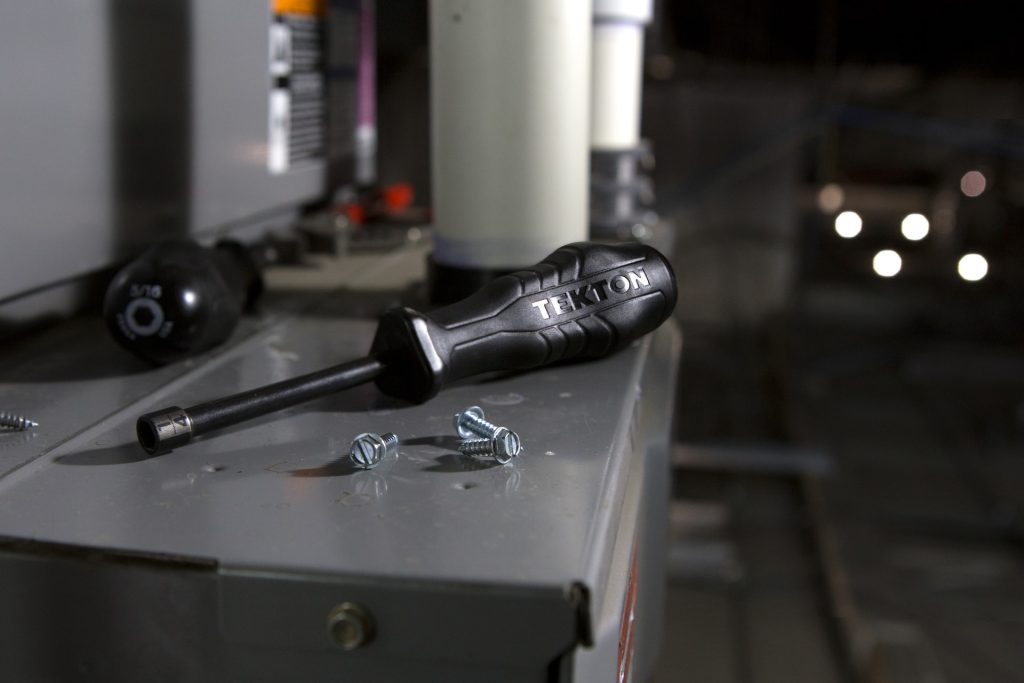
Water Leaking from Furnace Your furnace is most likely the main component of your heating system. We rely on our furnaces to keep us warm and regulate the overall temperature of our homes. We expect our furnace to work seamlessly within our home, as we almost never want to deal with our home not being the perfect temperature. On the same page, leaking water is one of the most common nightmares for homeowners. Leaking or running water can cause huge problems with almost every aspect of your home. When these two situations combine, you’re sure to have a rough time. Luckily for you, we’ve compiled some basic information for you about your furnace leaking water. We’ll walk you through the basic types of furnaces, and why they have different problems. Then, we’ll talk about the most common types of water leaks for furnaces. Once you have a grasp on all that information, we will walk you through what your next steps should be. Furnace Basics For the purposes of this discussion, we’re going to talk about 3 types of furnaces, with 2 important subcategories. We want you to get a better understanding of what the basic types of furnaces are so that you’re more informed about what the potential causes for a water leak could be. Firstly, we’d like to explain the difference between single-stage, two-stage, and modulating furnaces. Single-stage furnaces are very common. They make up the most cost-efficient type of furnace. In practice, you set this type of furnace to a temperature you’d like your home to be at. If the ambient temperature is below the desired temperature, your furnace will switch on and go full-blast until it reaches the temperature. There’s no fine-tuning involved. Two-stage furnaces have the obvious advantage of having two operational settings. They usually have a ‘high’ and a ‘medium’ setting. This allows a little more control, in terms of reaching and maintaining the desired temperature setting. Modulating furnaces are even more specific in the way they operate. Their flame settings modulate based on how close your temperature is to your desired temperature. This means they can run less aggressively, and do a better job of maintaining the temperature you’re looking for. The two sub-types of furnace you should be familiar with are high-efficiency and conventional. Conventional furnaces vent out the exhaust from the heating process out of your home after the heating process has finished. High-efficiency furnaces use a heat exchanger to continue heating the air using that exhaust gas before venting. They are most complex and can have different problems than conventional furnaces, but they are much more efficient. Reasons for a Leak When looking at the reasons for a furnace to be leaking, we have to start by looking at condensate. Condensate is essentially water that is created as a by-product of the heating process that your furnace undergoes to heat the air in your home. High-efficiency furnaces have a couple of areas where a possible issue could arise. The condensate that they create is normally pumped out of your house, through a condensate line. These lines do nothing but pump condensate. If you’re seeing water around your furnace, this is the first place you should look. If the line is broken, clogged or otherwise inoperable, then the condensate has to go somewhere else. This would cause it to leak out. Another potential problem in the same area would be your condensate pump. This device is what pumps the condensate away from your furnace, through the condensate lines. If it’s not working, then the condensate will gather and pool somewhere undesirable. Next, we’ll outline the one possible problem a conventional furnace could be having: the vent. Similar to how a high-efficiency furnace vents the water away, conventional furnaces do the same with gasses. If the vent isn’t the right size, or if it’s blocked somehow, the gasses will spend too long in the vent, where they cool and create condensation. Over time, this condensation will leak out, and potentially create puddles of water. If you have a humidifier on your furnace, you could be having a problem there. Essentially, your humidifier adds water vapour to the heated air to make it less dry. Most humidifiers operate mainly in the winter months. Similar to our earlier potential problems, if your humidifier isn’t moving the water it uses effectively, eventually it’ll build up, spill out, and cause leaks or puddles. What You Should Do Now that you understand the differences between types of furnace and some of the most common issues with them, we can start to make a plan of action on how to address our furnace problems. The first and perhaps most important thing to bear in mind is that furnace problems are unlikely to go away on their own. This is especially true for issues where your furnace is leaking water. Leaking water can cause all kinds of problems by itself, so you want to address the issue as soon as possible. Shut the Furnace Off You want to make sure that your system is off, to help with the diagnosis and cleanup of the issue. Most furnaces have an on/off switch on the main control panel. This is usually located on the front or side of your furnace. It might be that you have to shut off the associated electrical breaker for your furnace. Clean Up! Next, we recommend you clean up the water around your furnace. You do not want to leave standing water in any area of your home, especially the basement. While you’re cleaning up, you should keep your eyes peeled for where the source of the water is. You should be able to find where most of the water is coming from. This is especially helpful to do now, as finding and fixing the source of the leak is the only way to prevent water damage in your home. Check your Filter! While your furnace is off, and after you’ve cleaned up the unwelcome
Trane Furnace Troubleshooting Guide: How to Diagnose & Fix Common Issues
Trane furnaces are renowned for their durability and exceptional performance, keeping your home warm and comfortable throughout the coldest months. But like any mechanical system, they can develop issues over time. Understanding how to troubleshoot common furnace problems can save you time and money, especially when the outside temperature is freezing. In this guide, we’ll walk you through the most common Trane furnace problems, how to identify them, provide helpful troubleshooting tips, and show you when to call a pro—so you can enjoy peace of mind all winter long. Understanding Your Trane Furnace: Key Components Before diving into troubleshooting, it’s important to familiarize yourself with the main components of your Trane furnace. Knowing how these parts work together can help you identify where things might go wrong: By understanding how these parts function, you’ll be better equipped to pinpoint potential issues and perform basic troubleshooting. However, if you’re unsure about resolving the issues, professionals specializing in heating repair or heating installation can provide the expertise you need. Common Trane Furnace Issues and How to Diagnose and Fix Them Furnace Not Turning On A furnace that refuses to turn on is one of the most frustrating issues. Here are the most common causes: Furnace Not Producing Heat If your furnace runs but doesn’t produce heat, there could be several causes: Furnace Displaying Error Codes Trane furnaces, such as the XR80 and XR90 models, use flashing lights to indicate specific errors. These codes help homeowners and technicians diagnose issues quickly: Each of these error codes corresponds to a specific problem that can often be diagnosed with a little research. If the issue persists, it’s best to call an HVAC company to ensure your furnace runs safely. Strange Noises from the Furnace Unusual sounds coming from your furnace may indicate that there’s an underlying issue: When to Call a Professional for Trane Furnace Troubleshooting While many Trane furnace issues can be solved with basic troubleshooting, some problems require the expertise of a professional HVAC technician. You should call for professional help if: Even if the issue seems minor, it’s always safer to consult an HVAC professional, especially when dealing with gas components or electrical systems. In some cases, repairing or replacing a heating system might be the best solution. Understanding the average cost to replace heating and air conditioning can help you make a more informed decision on whether a replacement or repair is right for your situation. Preventive Maintenance to Avoid Future Issues To minimize the risk of future problems, regular furnace maintenance is key. Here are some maintenance tips to keep your Trane furnace running efficiently: Investing in a regular furnace maintenance plan can help extend the lifespan of your furnace and prevent costly repairs. If you are thinking about replacing your current furnace, it’s worth looking into the best furnace and AC systems as well as the cost of having a new furnace installed. Conclusion: Keeping Your Trane Furnace in Top Condition Your Trane furnace is built to last, but that doesn’t mean it’s maintenance-free. By staying on top of routine care and knowing how to troubleshoot common issues, you can keep your system running efficiently and avoid unexpected breakdowns.Whether you’re dealing with minor issues or want the peace of mind that everything is working as it should, keeping your Trane furnace in top shape is always worthwhile. And if you’re unsure about a heating repair or replacement, don’t hesitate to contact our team at AHWA for support.