How Much Does a New Furnace Cost in 2025?
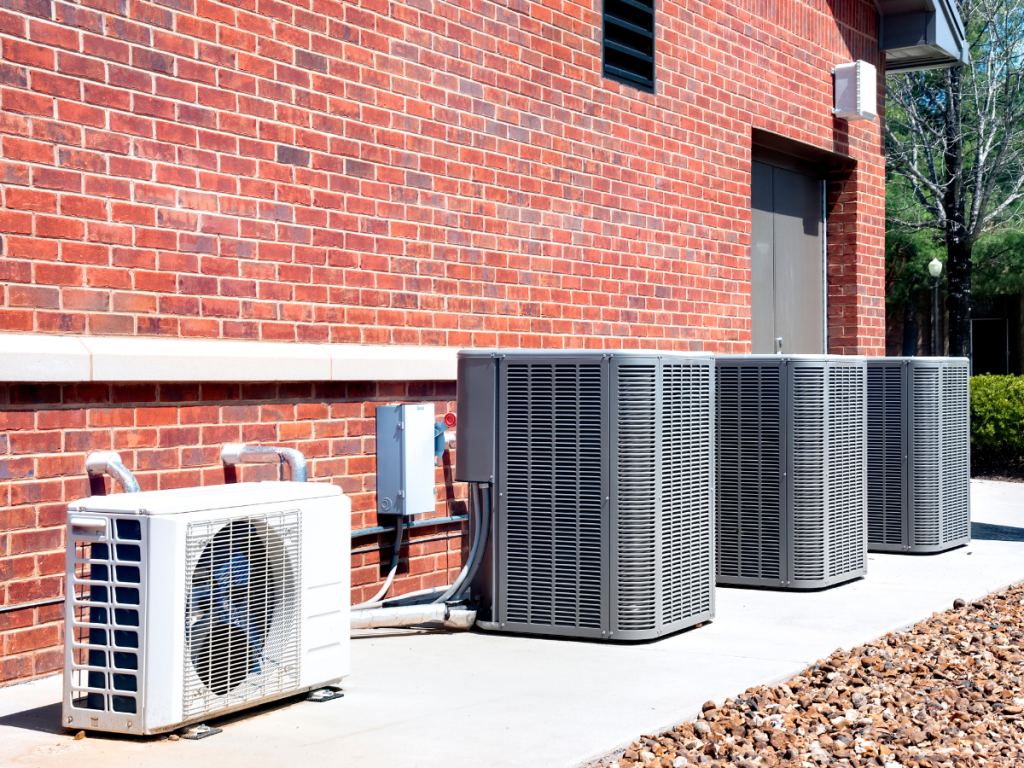
In 2025, furnace replacement remains one of the most significant investments for homeowners. Whether your existing furnace is making noise or showing signs of wear, or you’re considering upgrading to a more energy-efficient model, understanding the average cost of a new furnace is crucial for making an informed decision. In this article, we’ll break down everything you need to know about furnace replacement costs, including the factors that affect the cost, the different types of furnaces, and why professional installation matters. What Affects the Average Cost of a New Furnace? Furnace installation costs are influenced by several key factors. Each element impacts the final price, from the type of furnace to your home’s specific needs. If your current system is still functional, it may be worth considering heating repair to extend its lifespan. However, when it’s time to replace your furnace, understanding the various factors that influence the cost will help you make a well-informed decision. Here are the main factors that affect the cost of a new furnace: 1. Type of Furnace: Gas, Electric, Oil, or Propane? The type of furnace you choose is one of the most significant factors affecting its cost. Gas furnaces are the most common and typically offer a good balance between efficiency and cost. Electric furnaces may have a lower initial cost but could result in higher operating expenses. Oil and propane furnaces may be required in areas without access to natural gas lines, and their fees can vary. 2. Furnace Size The size of your furnace impacts both the upfront cost and long-term efficiency. A larger unit will cost more initially due to the materials and installation labor required. However, a furnace that’s the correct size for your home can save you money over time by heating more efficiently. To ensure you select the right size, an HVAC professional will perform a Manual J load calculation, which takes several factors into account, like your home’s square footage, insulation, and window placement. 3. Efficiency Ratings and Features Furnaces come in different efficiency ratings, commonly known as AFUE (Annual Fuel Utilization Efficiency). A higher AFUE means the furnace uses energy more efficiently, potentially reducing your utility bills over time. High-efficiency models will cost more upfront but can save you money in the long run. Additional costs for advanced features such as smart thermostats or variable-speed blowers may be worth considering based on your long-term goals. 4. Installation Complexity and Labor Costs Beyond the furnace itself, installation is a significant portion of the total cost. Installation complexity varies based on the existing ductwork in your home, any necessary system upgrades, and local labor rates. For example, if the installation requires significant modifications, such as adding vents or upgrading electrical components, the cost will naturally rise. How Much Does a New Furnace Cost in 2025? The average cost to replace heating and air conditioning systems that homeowners expect to pay for a new furnace replacement in 2025 is anywhere from $2,500 to $7,500, depending on the factors mentioned earlier. Here’s a breakdown of what you can expect: 1. Gas Furnaces Gas furnaces remain the most popular choice due to their reliability and cost-efficiency. The average cost of a new gas furnace typically ranges from $3,000 to $6,000, including installation. These systems are known for their efficiency and are suitable for most homes. 2. Electric Furnaces Electric furnace units tend to be less expensive to install, with an average cost ranging from $2,000 to $4,000. However, it’s worth noting that electricity can be more expensive than gas in some areas, leading to higher long-term operating costs. They are a good option for smaller homes or areas where gas is not readily available. 3. Oil Furnaces Oil furnaces are less common but still a viable option for homes without access to natural gas lines. These systems typically cost between $4,000 and $7,000. While oil prices can fluctuate, modern oil furnaces are efficient and provide consistent heating in rural or remote areas. 4. Propane Furnaces Propane furnaces are much like gas furnaces, but they use propane as a source of fuel. The average cost of a new propane furnace typically ranges from $3,000 to $5,000. Propane furnaces are ideal for areas without natural gas lines and are a reliable option for heating homes. Like gas and oil, propane prices can vary, affecting long-term operational costs. 5. High-Efficiency Furnaces High-efficiency furnaces, with an AFUE rating of 90% or higher, are ideal for homeowners looking to save on energy bills in the long run. While the initial price may range from $5,000 to $10,000, these furnaces pay off in energy savings over time. How to Choose the Right Furnace for Your Home Choosing the right furnace goes beyond just considering the price. You also need to think about the size of your home, your heating needs, and your long-term energy savings. Here’s what you should keep in mind: 1. Climate Considerations In Arizona, where summers can be scorching and winters chilly, selecting a furnace with the appropriate capacity and efficiency rating is essential. If you live in a region with colder winters, investing in a high-efficiency or two-stage furnace could save you money over time. 2. Furnace Size and Capacity The furnace you choose should be appropriately sized for your home. A furnace that’s too small will not heat your home effectively, while a unit that’s too large may waste energy. A professional HVAC technician in Scottsdale and surrounding areas can select the right furnace size for your space. 3. Energy Efficiency With rising energy costs, many homeowners are looking for ways to reduce their monthly bills. High-efficiency furnaces, while more expensive upfront, can significantly reduce your energy consumption and lower your long-term heating costs. Why You Should Hire a Professional to Install Your Furnace While replacing a furnace may seem like a DIY project, installing a furnace is highly technical and should only be done by professionals. Here’s why: Investing in professional installation ensures that your furnace works properly from
What To Do When Furnace Clicks but Doesn’t Turn On
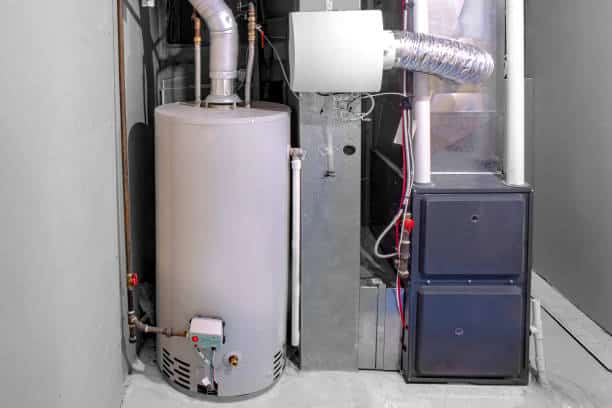
It can be disheartening to turn on your heat only to find that the furnace clicks but the blower won’t start. Not only is this inconvenient, but it can be very uncomfortable for your family to be without heat on a cold night while they wait for a service call. There are several reasons why your furnace clicks but doesn’t turn on, and it’s important to be able to recognize these issues and know what you can do to troubleshoot. American Home Water and Air has put together some key factors to consider and steps you can follow in case your furnace clicks but doesn’t turn on. Thermostat Issues If your thermostat clicks but no heat or air comes on, the thermostat may not be working properly or may not be set correctly. Make sure that the thermostat is set to “heat” and that the temperature is set higher than the current room temperature. Ignition Problems If the furnace clicks but doesn’t come on, your pilot light may be the problem. You’ll need to make sure it hasn’t gone out. If your furnace has an electronic ignition, the ignition control module may be faulty. Here’s how to check the pilot light on your furnace: If the pilot light will not stay lit, or you have any other concerns, it is best to contact a professional HVAC technician to diagnose and fix the issue. Blocked Air Filter Another reason why a furnace clicks but doesn’t come on is that you have a dirty or clogged air filter. This can restrict airflow to the furnace, causing it to shut off to prevent overheating and damaging the unit. Replace the air filter if it appears dirty. Here’s how to change your furnace air filter: It’s a good idea to change your furnace air filter every 1-3 months to keep your furnace running efficiently and improve your home’s air quality. During periods of heavy use, if you have pets in your home, members of your household have allergies, or if you’re having work done that may stir up dust and debris, you might want to change your filter more often. Blower Problems If your furnace is making clicking noise and no heat is coming on. The blower motor may be faulty or the belt that drives it may be loose or broken. Your furnace cannot operate if the blower isn’t functioning properly. Electrical Problems The furnace may not be getting power, there may be a blown fuse, or a circuit breaker may be tripped. Check the electrical panel to see if you can correct any of these simple issues. Preventive Maintenance One of the best ways to avoid hearing that clicking noise when you turn on your furnace is to keep your furnace properly serviced and maintained. Here are some steps you can take to prevent issues with your furnace that cause it to click instead of functioning properly. Takeaway By following these steps, you can help prevent issues with your furnace that cause it to click and keep it running efficiently and safely. However, if you do encounter issues, the experts at American Home Water and Air are ready to assist. Just give us a call or request service online to get your furnace back up and running ASAP.
Electric Heating vs. Gas Heating: What Are the Main Differences?
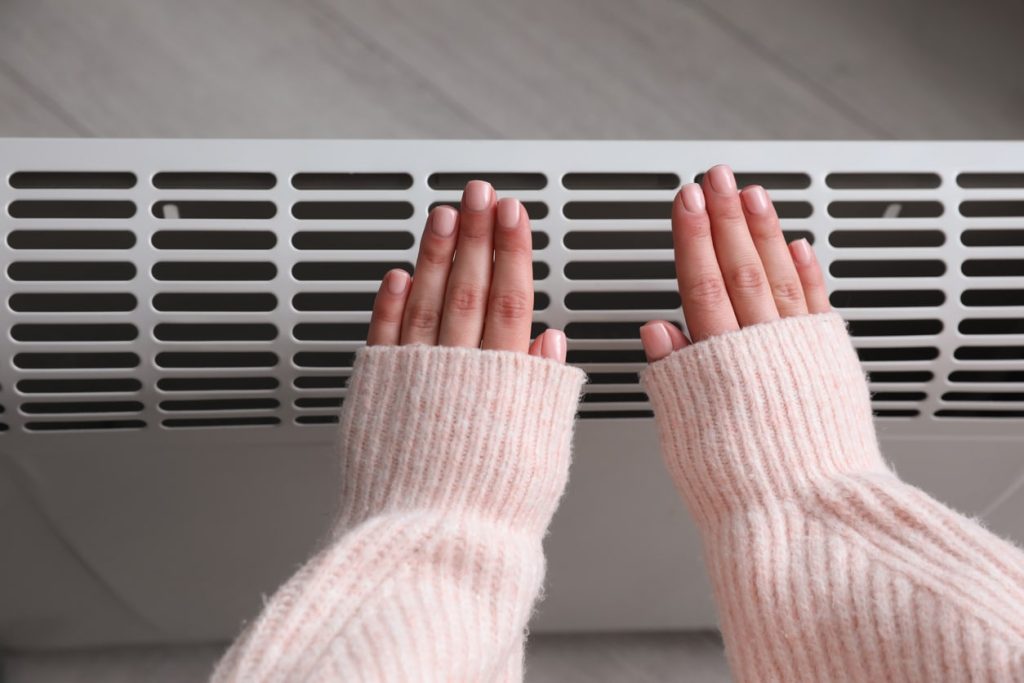
Many homeowners find themselves making a serious comparison using electric heating vs. gas heating. While gas has traditionally been the main option for most, it’s true that electric heating has become a much more viable option for those looking to modernize or improve their energy efficiency. But how do you make a decision between these two options? American Home Water and Air has the answers. We’ll go over the main differences between these two options, as well as the factors that should be taken into consideration before making a final decision. Read on to learn more so you can make the right choice based on your situation! Heating System: Factors to Consider Gas heating and electric heating are two common types of heating systems that are used to heat homes and buildings. “Is electric heat cheaper than gas?” is a commonly asked question about the two systems but there are other factors to consider. When looking at electric vs gas heating, there are several differences, including: Issues with gas heating systems can include the risk of gas leaks, which can be dangerous, and the need for regular maintenance and repair. For those uncomfortable with using gas, electric heating may be the answer. However, issues with electric heating systems can include the cost of electricity and the potential for power outages during periods of high demand. Heating with Electricity vs Gas: Operating Costs The cost of operating a gas furnace versus an electric furnace can vary greatly depending on a number of factors, including the price of natural gas and electricity, the size of the home, and the efficiency of the furnace. However, as a general comparison, the cost of operating a gas furnace in Phoenix, Arizona is likely lower than that of operating an electric furnace. In Phoenix, the average cost of natural gas is approximately $0.40 per therm, while the average cost of electricity is approximately $0.14 per kilowatt hour. The cost of heating a home with a gas furnace will depend on the efficiency of the furnace and the size of the home, but a highly efficient gas furnace could cost as little as $200 per year to operate, while a less efficient gas furnace could cost as much as $500 per year. The cost of heating a home with an electric furnace will also depend on the efficiency of the furnace and the size of the home, but a highly efficient electric furnace could cost as much as $800 per year to operate, while a less efficient electric furnace could cost as much as $1,500 per year. It is important to note that these are only rough estimates, and the actual cost of operating a gas or electric furnace in Phoenix, Arizona will depend on several factors, including the local cost of natural gas and electricity, the efficiency of the furnace, the size of the home, and the climate. It is recommended that homeowners consult with a heating and cooling professional to determine the actual cost of operating a gas or electric furnace in their homes. Heating with Electricity vs Gas: Maintenance Both gas and electric furnaces require regular maintenance to ensure optimal performance and efficiency. However, gas furnaces tend to require more maintenance than electric furnaces. Gas furnaces require regular inspections to check for gas leaks and to clean the burners. The air filter also needs to be replaced regularly, and the furnace may need to be serviced to address any issues with the pilot light, blower motor, or other components. On the other hand, electric furnaces tend to require less maintenance, as they do not have the potential for gas leaks and do not have as many moving parts as gas furnaces. However, they still require regular maintenance, such as cleaning and replacing the air filter, and periodic inspections to check for any issues with the heating elements, blower motor, or other components. Heating with Electricity vs Gas: Energy Efficiency The energy efficiency of a heating system depends on several factors, including the type of furnace, its age, and its efficiency rating. However, gas furnaces tend to be more energy efficient than electric furnaces in general. Gas furnaces can be up to 97% efficient, meaning that almost all of the energy in the natural gas is converted into heat. High-efficiency gas furnaces are usually equipped with variable-speed blowers and sealed combustion chambers, which help reduce energy consumption and increase efficiency. Electric furnaces are typically less energy efficient, as they convert only about 95% of the electrical energy they consume into heat. The efficiency of an electric furnace can also be impacted by the age of the furnace and its efficiency rating. It is important to note that the actual energy efficiency of a furnace will depend on several factors, including the type of furnace, its age, its efficiency rating, and how well it is maintained. Heating with Electricity vs Gas: Environmental Impact The environmental impact of a heating system depends on several factors, including the source of the energy used to power the furnace and the efficiency of the furnace. Gas furnaces that use natural gas from renewable sources, such as biogas, can be more environmentally friendly than electric furnaces that rely on non-renewable sources of electricity, such as coal or natural gas. However, the overall environmental impact of a gas furnace will also depend on the efficiency of the furnace and the emissions generated during the extraction and transportation of natural gas. Electric furnaces that rely on renewable sources of electricity, such as wind or solar, can be more environmentally friendly than gas furnaces. The environmental impact of an electric furnace will also depend on the efficiency of the furnace and the efficiency of the electrical grid. Endnote When evaluating the differences in electric or gas heating, it is important to consider both the source of the energy used to power the furnace and the efficiency of the furnace when evaluating its environmental impact. You can also read our article if you’re planning
How Much Does a New Furnace Cost in 2023?
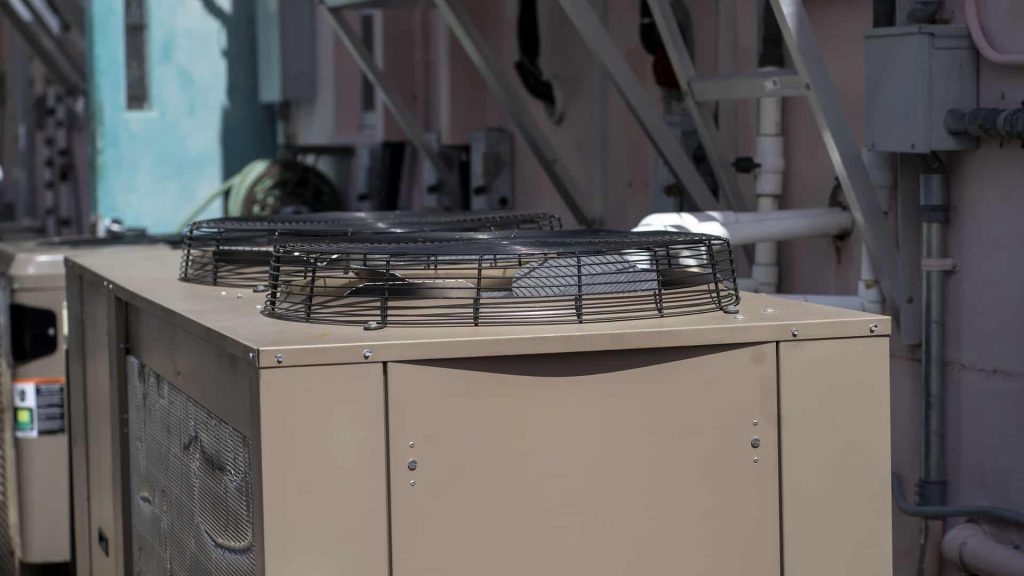
If you’re wondering how much is a new furnace going to cost you, the general answer is somewhere between $2,800 and $7,000, with an average cost of $4,700, including installation. However, many factors affect new furnace costs. These can include the type of furnace, the fuel source, the size of the unit, and the efficiency rating. Let’s take a look at each of these factors in detail, and discuss how they can affect the overall cost of a new furnace. You’ll need to consider the following factors that go into the cost of your replacement when researching how much to replace a furnace. Another thing you should keep in mind is the impact of inflation on the prices of HVAC systems. Type of Furnace One of the most significant factors that can affect new furnace costs is the type of furnace. There are several different types of furnaces available, each with its own advantages and disadvantages. Gas Furnaces Gas furnaces are the most common type of furnace and they tend to be less expensive than electric or oil-fired furnaces. They also tend to be more efficient and have lower operating costs. Electric Furnaces Electric furnaces are also common, though less so than gas furnaces. They tend to be more expensive upfront than gas furnaces, but they have lower operating costs and are easier to maintain. Oil Furnaces Oil Furnaces are less common than gas furnaces but offer an alternative to natural gas or propane as fuel. They may be more expensive to operate and maintain compared to gas furnaces depending on fuel prices. Fuel Source Another factor that can affect the new furnace costs is the fuel source. Natural gas is the most common fuel source for furnaces, and it tends to be the most affordable. Propane is also a popular fuel source, but it can be more expensive than natural gas. Oil is less common as a fuel source for furnaces, but it can still be used in some areas. Size of the Unit The size of the unit is also a significant factor in determining the cost of a new furnace. A larger furnace will typically cost more than a smaller furnace, as it will require more materials and labor to install. However, it is important to note that a larger furnace may also be more efficient, which can lead to lower operating costs in the long run. During your HVAC installer’s assessment of your furnace needs, they will do a Manual J load calculation using industry standards set by ACCA. This calculation takes more than just the size of your home into account. It also considers the number of windows and doors in your home, the layout, the insulation, and other factors. This will determine the size unit required to properly heat and cool your home. A larger system is going to cost more but you can run into serious issues with malfunctions and poor efficiency if you fail to install the recommended size system for your home. Efficiency Rating The efficiency rating of a furnace can also have a big impact on the cost. Furnaces with a higher efficiency rating will typically cost more upfront, but they will also have lower operating costs and will save you money in the long run. Furnaces are rated by their annual fuel utilization efficiency (AFUE) which is a measure of how much of the fuel used by the furnace is converted into heat, compared to how much is lost through exhaust. A furnace with a 90% AFUE rating, for example, will convert 90% of the fuel it uses into heat, while 10% will be lost through exhaust. Variable Speed Systems Variable speed HVAC systems are designed to automatically adjust their fan speed to meet the heating or cooling needs of your home. This allows them to operate more efficiently and effectively than traditional HVAC systems, which typically only have one fan speed. The cost of a variable-speed HVAC system will depend on many factors, including the size of the residence, the complexity of the system, and the cost of installation. On average, variable-speed HVAC systems tend to be more expensive than traditional systems, but they can also offer significant energy savings over time, which can help to offset their higher upfront costs. Additionally, some utility companies offer rebates or incentives for the installation of energy-efficient HVAC systems, which can lower the overall cost. Installation The cost of installation is also a significant factor in determining the overall cost of a new furnace. The installation process can vary depending on the type of furnace, the location of the furnace, and the complexity of the installation. A professional and experienced HVAC contractor should be consulted for the installation, which will also include additional costs. One such addition affecting furnace replacement costs is matching the right equipment to your specific needs and existing systems to ensure that you are getting the most cost-effective solution and a proper installation. This can have a significant impact on your overall costs, as you may be encountering a situation where your HVAC technician may be matching upgraded equipment to older components such as existing ductwork, or having to remove existing components and replace them with more appropriate ones. This is especially true when you are dealing with existing antiquated components or switching from one type of system to another. For instance, there can be additional costs for removing certain components from a gas-fueled system if you decide to switch to an electric system. Likewise, it can cost more to have additional components added to shift to a gas-fueled system. Warranty The furnace’s warranty can also impact the final cost. The length of warranty and the coverage area can vary significantly among different brands and models. It is important to compare and consider the warranty before making a final decision. You may also wish to pay for additional warranties beyond those included by the manufacturer or installer to provide more coverage for your system. Consult with
Gas vs Electric Furnace: Which One to Choose
If you are looking at installing a new furnace and wondering whether you should go with a gas furnace vs electric furnace, you’ll want to look at the pros and cons of each. The best way to do this is to consider the differences in installation, cost of maintenance, and energy efficiency of each. Gas vs Electric Furnace – The Mechanics The most obvious difference when discussing gas vs electric furnaces is the source of fuel but there is far more to the way they operate than this. Gas furnaces utilize combustion to create heat. The essential components of a gas furnace are the gas line that leads to the appliance, the gas valve that controls the flow of fuel, an ignition system, and various components that facilitate the creation and distribution of heating. One such component is the heat exchanger which permits the furnace to extract the heat safely to provide heat to your home. Some gas furnaces may even have dual heat exchangers, which adds the capability of generating more heat without an increase in fuel byproducts. An electric furnace contains an air handler with heating coils added. It may serve as auxiliary heat while the real heating workhorse is an electric heat pump. When heating coils heat up, air blows across them, sending warmer air outward to heat your house. When discussing furnaces, gas, or electric, that is pretty much where the differences end. Other than these core components, both types of furnaces have many similar gauges and valves that operate the unit or exist as safety measures to prevent overheating or severe malfunction. Gas vs Electric – Maintenance Whether you have a gas or electric furnace, you will want to have routine maintenance performed annually. Only the nature of the maintenance performed will be different. A gas furnace will require inspection of the flame sensor, igniter, burners, and pilot light. The heat exchanger must be examined for any leaks that might allow deadly gases to escape into your home. A heat pump is utilized in both the heating and cooling process employed by your HVAC system, so it is best to have it maintained twice a year rather than just once. Each service should be scheduled, ideally, shortly before you begin to use the system for the first time each year. Most maintenance is performed in the spring and fall before the heavy use that follows in summer and winter. Issues such as leaking refrigerant and dirty condenser coils will not only diminish the energy efficiency of your heat pump but can cause much more serious operational problems. Gas vs Electric – Costs In general, gas furnaces are more costly than electric furnaces regarding purchasing and installation prices. Depending on the model and size you need for your home, this price difference can often be nominal. The real difference in costs comes from how much each system costs to operate. Typically, gas furnaces are far cheaper to use than electric furnaces due to the differences in the cost of gas and electricity. Gas vs Electric – Pros and Cons Each type of furnace has its own pros and cons. Some of them have already been covered in the previous paragraphs but there are others. Let’s take a look at some of them. Electric Furnaces Pros Cons Gas Furnaces Pros Cons Which System Is the Better Choice? There is no simple answer to this question. The decision as to whether you should purchase a gas or electric furnace will depend on many factors specific to your situation. If you are upgrading, you may want to go with whatever system you already have in place. If you are in a new house, you may be asking the question: “Do I have a gas or electric furnace?” The answer to this question can be determined by simply looking at your furnace while it is in operation. A gas furnace has a small window and you will be able to see the small blue flame of the pilot light through it. Electric furnaces have no such window. If you are looking at a new house build and trying to choose, you should look at the cost of a new system, the cost of energy to operate it, and whether you have access to natural gas lines. You may also consider a propane-fueled furnace with a standalone tank in the absence of natural gas lines. Ask for quotes for any systems you want to consider and do some research based on the energy efficiency ratings of those you have available to you to determine approximate operating costs. Endnote The most important consideration in choosing between gas and electric furnaces is choosing the one that will keep you comfortable, happy and meet your budget needs. The good thing is that it is not a choice you need to make alone. Whether you are replacing your existing furnace or preparing for a new installation, a knowledgeable professional from AHWA can help you determine your best options and answer any questions you have about the particulars of any system you want to consider.
Best Thermostat Temperatures & Settings for Fall in Arizona
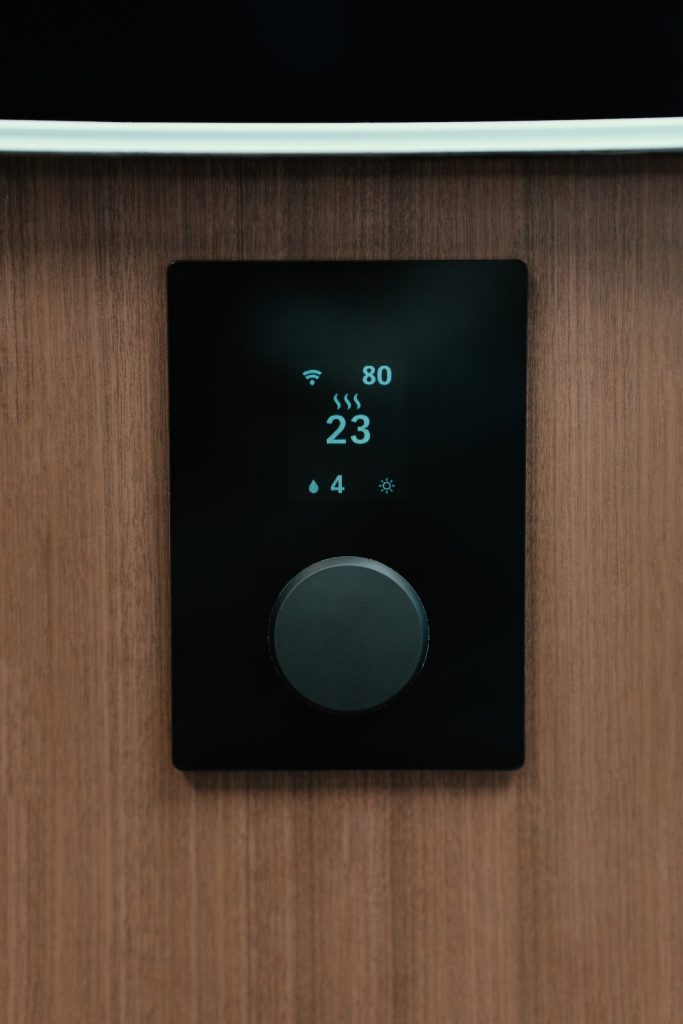
As summer slips away and Arizona inches into fall, the temperature range from day to night can make it more difficult to maintain your home at a temperature that is both comfortable and energy efficient. If you are wondering what to set your thermostat to in the fall, here are some tips to help guide you toward an answer. Energy History The first thing you’ll need to consider when figuring out the best thermostat setting for fall is the energy efficiency of your HVAC system. Your heating and cooling systems make up around half of your home energy usage, according to the Department of Energy. As the biggest source of energy consumption in your home, the efficiency of your HVAC system is vital to keeping down the costs of maintaining a comfortable temperature in your home. If your system is in good working order, then you’ll want to determine the best thermostat setting for your HVAC system. Since we are now into the fall, we’ll focus our discussion on the current season. The question then is what should your thermostat be set at in the fall? The best place to start is with a review of your past energy use. Look at what you’ve paid for electric, gas, or other fuel sources for each month and compare those costs to the average temperature for the matching period. You’ll be able to see the highs of summer when you are using more HVAC and winter when you are using more heating but focus on the in-between months that make up the fall season. Without the spikes before and after fall, it might be difficult to determine the ideal thermostat setting for fall. However, this is one of the best times to save on your energy costs. Aim for the temperature settings you were using on the lowest energy bills. Weathering the Weather It’s no secret that the more you can adjust your temperature so that you are using your HVAC system the least, the more money you will save. A simple adjustment of between seven to ten degrees for at least eight hours a day can result in savings of as much as 10% on your energy bill. The best way to do this is to simply keep your home at a temperature setting that may be a bit warmer or cooler than you would like while you are out of the house. While turning off your system is not recommended, adjusting the temperature while you are away from home and won’t notice the change can lower your energy bill without creating discomfort while you are home. Unlike the highs of summer and the lows of winter, the natural temperature of the fall months makes it an ideal time to make changes that won’t create unnecessary energy consumption. However, keep in mind that it is never a good idea to make drastic temperature adjustments. Make smaller, gradual increases or decreases as needed to achieve the ideal home environment. Programmable Thermostats In discussing adjustments to your home temperature, we’d be remiss not to mention the beauty of programmable thermostats that will do the work for you. Once you’ve determined the ideal temperature and what times of the day are best for adjusting while you are away from home, you can automate your changes with a programmable thermostat. Fall temperatures in Arizona can be quite warm in the daytime and much cooler at night. The ability to set your thermostat to alter the temperature in your home accordingly will help to optimize your energy efficiency. You can create a schedule based on the extended forecast and update it periodically when there are changes significant enough to require it. Ideally, your home temperature is best set around 78 degrees for warmer weather and 68 degrees when it is cooler. While these are good base temperatures to start with if you don’t have an energy history to review, you will want to adjust based on your preferences and the energy efficiency of your home. Smart Thermostats If you want to get ahead of the game, consider investing in a smart thermostat. You can take all the calculations and guesswork out of figuring out the best thermostat setting for fall by letting your thermostat do the work for you. This handy HVAC temperature controller will detect changes in your home and adjust the temperature as needed. If you want the least amount of hassle and peak energy efficiency, this type of smart device is ideal. Not only will it decrease your energy use, but it will also let you monitor your home temperature when you are away. This is especially beneficial if you are away for a long period and want to adjust the temperature to a more comfortable level for your return home. It can also let you know if there has been a problem in your absence so you can plan for repairs. Energy Efficiency In talking about energy efficiency, it is not enough to simply determine what temperature to set your thermostat in the fall and make the adjustment. There are factors outside your HVAC system that will affect your energy costs. Leaks, inadequate insulation, poor circulation, lack of proper maintenance, and other issues can affect efficiency in even the most state-of-the-art HVAC system. There is only so much work an ideal thermostat setting can accomplish. If outside issues that affect how well your HVAC system is working for you aren’t corrected, you will be hard-pressed to achieve the energy efficiency you desire. Periodic walkthroughs of your home to assess problems can help prevent unnecessary costs. Routine HVAC maintenance will keep your system performing at its best. If you are concerned that you aren’t getting optimal use out of your HVAC system at the lowest costs, consider having a home energy audit done. With current incentives offered by recent legislation, this is a great time to have your home evaluated and correct issues that may be affecting your energy efficiency.
Causes Your Furnace Smells and What You Should Do About It

It is likely that you are here reading this because you’ve just discovered that your furnace smells. There is nothing worse than turning on your furnace and finding your home filled with a weird smell coming from the furnace. Many things can cause furnace smells, and not all of them are a problem once the odor has cleared. Let’s look at some of the reasons your furnace smells bad so you can properly identify the problem before calling in a furnace repair. Cracked Heat Exchanger Your furnace is only as good as the sum of its parts; if one of its components fails, the whole system can fail. An early indication of this impending doom is the chemical smell from a cracked heat exchanger. A damaged heat exchanger can produce a scent similar to that of formaldehyde. If you detect this odor in your home, consult a professional immediately. Failure to replace this component will reduce efficiency and lead to fires or deadly carbon monoxide leaking into your home. Dampness Where your furnace sits may have something to do with the odor. If it is located in a damp part of your home, moisture can get into it. Once the furnace is turned on and gets hot, this moisture will burn off and spread the smell of dampness throughout the heating vents. The smell will lessen and disappear as the moisture evaporates. Dust Whether your HVAC has gotten older, been abused, or suffered damages leading to poor operation, repairs to keep it running can add up quickly. While most HVAC systems require some repairs and maintenance, this should not be allowed to become excessive. If you find yourself making constant repairs, especially if some of them are the same ones time after time, you should look at how much those repairs have cost. If they add up to more than half the price of a replacement, it is time to upgrade your system. Gas Leaks If you use natural gas as fuel for your furnace, you may experience a smell similar to that of rotten eggs. This comes from the purposeful treatment of natural gas with sulfur and measures gas companies take to give this usually odorless gas a distinct odor. The horrid odor is intentional. It lets homeowners know that they have a leak almost immediately. If you smell sulfur after turning your furnace on, exit your home immediately. You’ll need to call your gas company and an HVAC expert to correct the problem before re-entering your home. Polluted Intake If your furnace has an intake that brings air in from outside your home, there is the potential for contamination. Smells near the intake system can be sucked into your home, creating furnace smells. This might be okay if you’re pulling in the smell of your rose bushes, but it’s not so nice if you’re pulling in odors from a sewer grate or a deceased animal. You’ll need to locate and eliminate the smell to correct the problem. Mold If your furnace is constantly exposed to moisture, mold can easily develop within it. The smell, if given off through your furnace, is similar to that of the dampness noted earlier, but it can last much longer. If you find yourself experiencing an earthy or musty smell for an extended period, you will need to locate the mold and remove it. It will not burn off like simple moisture. Blockages Different furnace smells can develop based on the nature of the blockage. If your chimney is blocked, smoke will filter back into your home. If an animal or pest has gotten stuck inside the system, it may begin to decompose and smell rotten. You’ll need to turn off the system and call a professional to inspect and remove the obstruction. Dirty Filters Your furnace contains various filters that help clean the air in your home. Like any other filter, these get dirty over time. If your filter becomes clogged, not only will it not operate efficiently, but it will also begin to smell like whatever is clogging it. Additionally, furnace filters can break down and might smell of motor oil. Changing the filter should correct the issue, but if it doesn’t, you may have a more serious problem, such as an oil leak which needs to be attended to by a professional. Overheating Electrical or hot metal smells from your furnace are a sign of trouble. You should never ignore these kinds of smells as they signify your furnace is overheating. The automatic shutoff may be faulty and failing. Turn your unit off and have it checked by a qualified HVAC technician. Contaminated Vents Smells emanating near a vent intake can get sucked into the register and pushed through the system, flowing back out into other areas of the house. Even those present outside a vent where the air is blowing across them can push the smell into the air. One of the most common causes of this comes from pets or babies. Has your dog fouled near a vent? Has a dirty diaper pail or cat litter box been placed too close? Removing any smells near a vent should eliminate these kinds of furnace smells. If you are unable to locate the origin of the smell and it persists, you should contact a professional for assistance. Conclusion You should never have a persistent smell coming from your system. If you are experiencing unpleasant odors that don’t quickly disappear, you should always have a licensed HVAC technician examine your system and provide answers for the problem. While some furnace smells may be more unpleasant than harmful, those persistent smells left unattended can lead to more serious troubles. Sometimes, you may be endangering your health by letting them persist. The moment that you have to ask yourself, “Why does my furnace smell?” is the same moment that you should begin seeking answers. That smell coming from the furnace could be your earliest warning sign that there is a problem that
How To Light a Furnace: Easy Step-by-Step Guide
Furnaces are great systems to heat your home and are sure to keep you toasty warm all winter long — unless the pilot light goes out, that is. If this happens to you, don’t panic. Relighting your furnace’s pilot light is a lot easier than you think. Just follow this super easy step-by step-guide on how to light a furnace. How to light the pilot light in your furnace Here are the easy steps for how to light the pilot light on your furnace. To do this, you will need a long-necked lighter and a fire extinguisher. You are unlikely to need the fire extinguisher, but you should have one nearby while trying to relight the pilot light. Now let’s get down to how to light a furnace: Step #1: Do the initial checks Sometimes we can get all the signals or symptoms that a pilot light has gone out only to discover that isn’t really the problem. Before attempting to relight your pilot, make sure you do a thorough check of your furnace and thermostat system to ensure that lighting a furnace is the correct course of action. One thing to do is to make sure that your furnace is connected properly to the electric and gas sources. You should also double-check that the pilot light is indeed unlit. The pilot light may be fine in some cases, and the furnace may be functioning properly, but the thermostat may just need new batteries. Step #2: Locate your furnace’s instruction label Every furnace is designed with a visible and clear instruction label on it. The instructions located on this label will give a detailed description of how to light your furnace. Sometimes the instruction label can be small and difficult to read, though. If that’s the case, or you simply can’t find your furnace’s instruction label, we recommend printing out this article and keeping it close to your furnace in case the pilot light goes out again. Step #3: Locate the pilot light The pilot light should be located towards the bottom of your furnace. It should be clearly labeled “Pilot” and should also have an “On/Off” switch very close by. If your pilot light is out, make sure you turn this switch to the “Off” position and wait at least five minutes before proceeding to step three. This is very important. A pilot light is a small flame that is constantly burning, whether your furnace is generating heat or not. This small flame is sustained by releasing a small amount of fuel in a constant stream. The pilot light is then used to provide the necessary flame for burning the fuel when your furnace is turned on to generate heat. If the pilot light goes out, the small but constant stream of fuel meant to power it will still release gas into the surrounding area until the pilot switch is turned off. Waiting for five minutes after you turn your pilot switch off allows this built-up fuel to disperse and prevents you from causing an explosion or a fire. In the meantime, you can locate the reset button, which should be found close to the switch you flipped off. Again, this waiting period is the most important step in this guide for how to light a gas furnace. Step #4: Re-light the pilot After the five minutes have elapsed and the gas has dispersed, turn the switch back to “On.” Note: your switch may say “Pilot” instead of “On.” Once you’ve turned the switch to “On,” hold down the “Reset” button while you bring your lit long-necked lighter to the pilot opening. This process should light the pilot in your furnace. As soon as the pilot light has been lit successfully, you can release the pressure on the “Reset” button. Important considerations and notes There are a few things to keep in mind when trying to relight your pilot light. Conclusion and final thoughts Most furnaces that are functioning properly won’t require you to relight the pilot light more than a few times in their life span. Most furnaces last about 15 years after installation with regular use, and it’s more likely that you’ll need to light the pilot light more frequently at the end of a furnace’s lifespan. Relighting the pilot light can seem like an intimidating task, but as you learned by following the steps above, it’s actually quite simple. Despite the fact that it’s simple enough to execute, it is still a potentially dangerous operation to attempt if you don’t follow the safety protocol. Therefore, you need to be sure that you carefully follow all of the steps and the safety recommendations listed above.
A Troubleshooting Checklist for a Furnace Blowing Cold Air
If your furnace is blowing cold air, and you’ve already done some troubleshooting but still can’t figure out why, then your furnace needs to be thoroughly checked. A complete troubleshooting guide should help you solve the cold air troubles within a short time. We’ll share a complete checklist of things to look for when having a problem with your furnace. Why Is My Furnace Blowing Cold Air? First, it’s crucial to find out why your furnace is blowing cold air to choose a befitting solution. Some of the common causes of this cold air problem include: One or all of these malfunctions could be the reason your furnace is blowing cold air. You should check and rectify every looming problem to ensure that your furnace can produce warm air again. Here’s a complete troubleshooting checklist for your furnace. Check the Furnace Power The first thing to check is furnace power. Make sure it’s turned on and working correctly. If your furnace is electric, check the circuit breaker box in the house for a tripped breaker switch that may have caused an outage of electricity supply to the furnace unit. Check furnace switches and furnace wall plugs for power. If the furnace is gas-powered, ensure there is sufficient airflow by checking furnace intakes or furnace outlets. If these aren’t present, call a repair company immediately because this could be indicative of a more severe malfunction, such as carbon monoxide infiltration within your house or leaking fuel gas. Again for gas-powered furnaces, turn the furnace off and relight it with a match or lighter to ensure there are no leaks in your fuel line. If you smell gas when turning on the furnace, do not attempt to light the stove yourself because this could result in an explosion. Check the Thermostat Settings Turn up your thermostat’s temperature to see if it is set too low for the furnace to kick in properly. If you have an older model, this may be why your furnace won’t turn on. Some old models only have settings that indicate either “off” or “on,” whereas newer furnace models may have settings for low, medium, and high. Your thermostat could be on low settings, hence the furnace blowing cold air. If you have a furnace used for both heat and air conditioning, check the thermostat settings to see whether there’s an option for fan-only mode. If your furnace still blows cold air after turning up your thermostat’s temperature settings and checking that it isn’t set on low, then check your furnace settings and furnace wiring. Some furnace models have this setting, so it could be the reason why your furnace isn’t blowing hot air. If it’s set to fan-only, change the furnace settings to allow the furnace to blow warm or hot air and see if this remedies the problem. Check the Furnace’s Circuit Breaker Head to your furnace’s circuit breaker panel (or where you switch power off) and check whether it has tripped. If this is the case, then resetting the furnace will cause it to start working again. Check the Furnace Filter Another reason why the furnace is blowing cold air could be a dirty furnace filter. If you have not cleaned the furnace filter for quite some time, it might be clogged with debris and need to get replaced right away. Check whether this remedy has helped by switching on your furnace’s fan and furnace blower. Check the Furnace’s Inlet Ducts If your furnace still blows cold air, you might need to check whether there is a blockage in the furnace’s intake ducts. Blocked furnace intake ducts could be preventing adequate airflow. You can disconnect each of these ducts and clean them with a vacuum cleaner. Check Fuel Level If your gas furnace is blowing cold air and won’t shut off, check the furnace’s fuel level in its tank. The furnace may blow cold air due to a low gas furnace supply if it is running out of fuel. If your electric furnace is blowing cold air, ensure there are no tripped circuit breakers or blown fuses. These might be preventing adequate power supply from getting into your furnace unit, thus causing the furnace to blow cold air. Rectify Overheating Issues Ensure that the furnace’s heat exchanger is not overheating. If it does, your furnace may be blowing cold air due to an overheated furnace heat exchanger. A faulty gas furnace pressure switch might also overheat and cause the furnace unit to blow cold air. Ensure that this part is clean and free from debris build-up as well. Check the Furnace’s Gas Pressure Your furnace might be blowing cold air due to a high furnace gas pressure or nitrogen oxide concentration in the furnace chamber or too low an amount. Check with your furnace manufacturer for more information on setting up gas pressures correctly. Ensure there are no Obstructions Present in Furnace Vents If you have central air conditioning in your home, the furnace may be blowing cold air because of an issue with this system instead. It is also possible that there are obstructions present in furnace vents. Ensure that all furnace vents are clean and free from debris build-up before calling a professional for help if the furnace itself is blowing cold air. Call a Furnace Repair Company for Help If you’ve tried everything above, but the furnace is still blowing cold air, it may be time to call a furnace repair company for help. There could be further issues present that require professional attention. However, if your furnace has been working fine despite these factors for years without issue, it may be time to consider replacing your furnace with a more energy-efficient model. Ensure your furnace is always under maintenance and constant inspection to minimize surprise breakdowns and cold air problems.
Is Your Furnace Blower Motor Squealing? Here’s How You Fix It
A properly functioning furnace makes zero noise. You might even forget it’s there, working in the background to maintain an optimal temperature in your house. Image source: Ryan R., CC BY-SA 4.0, So, what could be wrong when you hear your furnace blower motor squealing? Well, that high-pitched squealing sound from your central air conditioning system might be because of the following reasons: So, how do you solve or remedy the squealing sound? Let’s take a deeper look. How to Fix Furnace Blower Motor Squealing The first and best thing to do once you hear the noise is to contact an expert to ensure a proper diagnosis. Based on the diagnosis, the expert will advise you on the best solution for your problem. However, here are the most viable solutions to your furnace’s squealing noises. Worn-out blower motor bearings are a major cause of the furnace blower squealing. This happens as the bearings wear out from the continuous friction of the blower motor during operation. If this is the case with your furnace, the solution would be to replace the bearings. If you smell something odd, hear the squealing noise, or feel a change in the air movement, it’s wise to call for an HVAC technician. A thorough inspection will determine what is causing these issues. How to Change Worn-Out Motor Bearings If you have some knowledge in this field, you can easily fix these bearings yourself. However, if you don’t, seeking the services of an HVAC system professional is always recommended. This is because replacing the motor bearings requires you to disassemble the blower motor. Sometimes, the bearings are in good shape, but the system is not sufficiently lubricated. Generally, the blower motor works by pushing warm air from your furnace into your home’s air ducts for distribution. For this reason, the blower motor ought to be adequately lubricated all the time. Also, it should be lubricated using the recommended lubricant to ensure proper function and enhanced performance. Although this can be a DIY project, an expert’s opinion is always desirable to ensure everything is checked. The project requires you to carefully remove and oil the blower motor, thus reducing the noise. For the belt-driven furnace motors, the same squealing sound might arise if the belt is loose. This means that you’ll need to adjust the blower belt to reduce the noise and ensure smooth operation. Also, after years of blowing warm air into your house, the blower belt might get damaged. This might require you to replace the belt entirely to guarantee the continued performance of your furnace. Caution: While it’s possible to change the belt yourself and reduce the furnace fan squealing, it’s not advisable to do so. If you suspect that the squealing results from a damaged fan belt, you should always seek the help of an expert to examine your system’s lower belt. The technician will also make the necessary adjustments, repairs, or even replacements. How to Tighten a Loose Blower Belt Before you start tightening the fan belt, you need to inspect and determine that it’s the cause of the squealing. Here are the steps you should follow: Furnace Maintenance The best way to ensure that your central air system continues to operate optimally is through proper maintenance. Don’t neglect to check the system regularly to ensure that everything is in good shape. Having a qualified HVAC technician inspect and conduct maintenance on your air heating system will go a long way in guaranteeing optimal temperatures in your house. Other Common Furnace Noises Besides the furnace blower squeaking, you might also hear some of these noises from your furnace. Clicking Noise Clicking noise from your furnace may result from two major issues. Contact an HVAC specialist to inspect and restore the right alignment of the parts. Rattling Sound A rattling noise can result from the balancing weights on the blower motor wheels being thrown off. These weights are for maintaining balance on the blower motor to allow it to run properly and efficiently. The rattling sound can also be caused by stray metal pieces or loose screws inside the housing cabinet. Therefore, ensure that a qualified technician inspects the system for you.