
Eliminating Water Leakage from a Mini-Split Air Conditioner
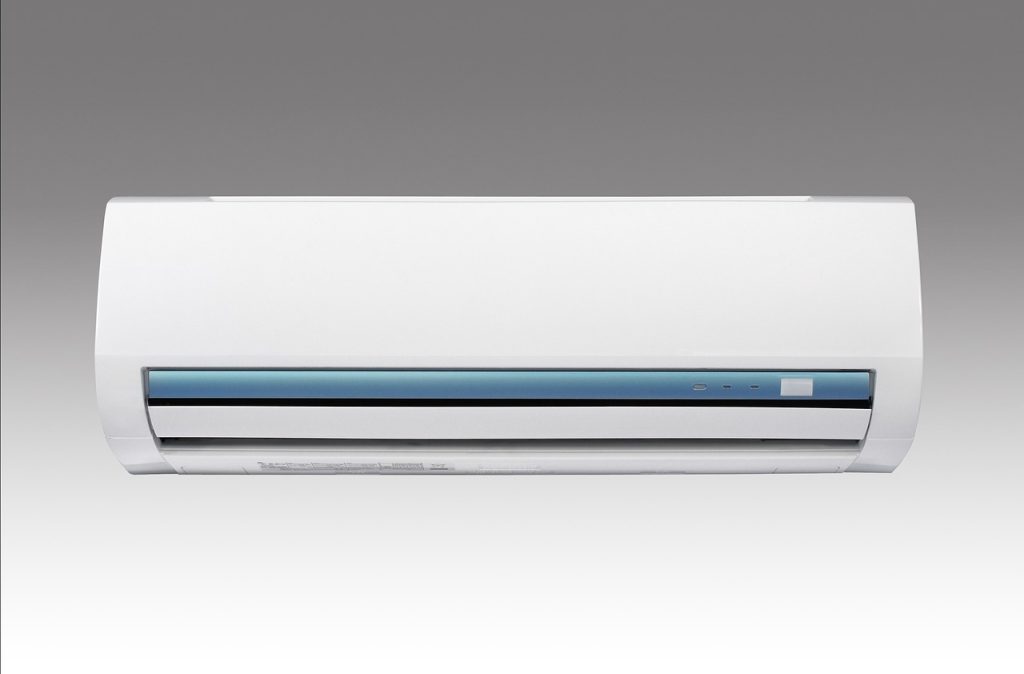
Ductless mini splits are one of the most effective and energy-efficient solutions to your heating and cooling needs on the market today. Mini split systems are versatile, compact, and operate without the need for the ductwork required by traditional HVAC systems. However, like any system, they can experience problems from time to time. One of those problems is encountering a situation where your mini split is leaking water. While there are some problems that you can easily repair, others will require a service call from a qualified HVAC technician. Dirty Filter A filter that is full of dirt and debris will be too clogged for air to move through it properly. When the airflow becomes obstructed like this, the coil will freeze. After the coil thaws, the ice that builds up on it will melt and leak from the unit. You can keep your mini split from leaking water by keeping your filter clean. Your owner’s manual should provide you with maintenance guidelines but most filters need to be cleaned twice per month. How to Clean Your Mini Split Filter In addition to leading to leaks, a dirty filter causes your system to work harder than it should. This means higher utility costs, poor air quality, and a reduced life span of the unit. To keep your filter clean and avoid your mini split dripping water, follow this guide on how to clean your mini-split filter: 1. Turn the system off Though it is not likely you will encounter a shock just by removing the filter, there is always the possibility that you might encounter a fault of which you were unaware. Turning off the system is merely a standard safety measure to prevent any chance of electrocution. 2. Locate the front panel The filter’s location may vary depending on the brand of mini split you have installed. Most are located beneath the front panel of the indoor unit. 3. Remove the filter Open the front panel, being careful not to touch the metal parts. Use a soft, dry cloth to wipe down the inside area. Pull the filter out of the unit. 4. Clean the filter Use mild detergent and water to flush out the dust and debris from the filter. Be sure to rinse it thoroughly once you are done. Place the filter in an area out of the sunlight to dry. 5. Reinstall the filter Return your clean and dry filter to the mini split unit, making sure it snaps into place. Some models may have clips that keep it locked in. With the filter back in position, close the front panel and turn your unit back on. This should stop your mini split AC from dripping water. Blocked Drainage Pipe The inside unit of your mini split has a coil that pulls moisture from the air during the cooling process. There is a drainage pipe that carries this moisture outside. If this drain gets clogged, the water will not drain properly. Instead of the water dripping outside, it backs up and drips down your wall. If your system seems to be cooling properly, any leak you see is likely because of a clogged drain. Here’s how to stop your mini split AC from leaking water. How to Clean a Blocked Drainage Pipe 1. Gather your tools You will need a screwdriver, duct tape, a vacuum, and a water bucket. 2. Remove the casing With the system powered off, open the control panel and remove the filter. Remove the screws that hold the casing in place. 3. Remove the drainage line The drainage line is usually found at the bottom of the unit. Remove any screws that are holding it in place. Pull the hose downward, unwrapping any tape securing it, and allow any water backed up inside to flow into a bucket. 4. Clean the drainage line Use your vacuum to suck out any dirt and debris that have accumulated in the line. 5. Reassemble the unit and test Once the drainage line is clear, reassemble the unit just as it was before and test it to see if your mini split is still leaking water. Leaks Requiring Professional Service In some cases, you may have more extensive issues that are causing your mini split to leak. If you are knowledgeable, you may be able to address some of these yourself, but most are better left to a professional. Tainted Thermostat A buildup on your mini split’s remote control thermostat can cause the system to fail at regulating its temperature effectively. You should have it professionally cleaned to correct the problem. Clogged Indoor Unit The indoor unit of your mini split includes a fan that can get clogged by dust and debris. If this happens, the system cannot blow out the air it is designed to produce and may begin to leak. If you are comfortable getting into the inner workings of the unit, you might be able to clean it yourself. Otherwise, contact a licensed HVAC technician. Refrigerant Leaks You may have developed a refrigerant leak which has resulted in your unit becoming low on refrigerant. This can cause the inside condenser to leak profusely. What you are mistaking for a water leak might actually be a refrigerant leak. You can tell the difference because a loss of refrigerant will also cause your unit to not cool. If you are losing refrigerant, contact a professional as exposure to refrigerants is a health hazard. Leaking Seals Your ductless mini split may develop leaks around the door seal if it has gotten ripped or worn. If you have opened the access panel to the system, the panel gasket may have been damaged. A professional can quickly repair your seals. Damaged Drain Pan Your mini split’s drain pan holds the condensate that forms from the coil’s contact with humid air. This pan can develop rust or become damaged over time, leaving it to leak fluids rather than storing them until they exit through the drain line. You
Single Stage vs Two Stage Air Conditioner
Single stage and two stage air conditioners can both provide the cooling you need to survive a hot Arizona summer, but a two stage air conditioner can provide you with a much more comfortable home environment with low energy costs. Let’s discuss it further. What is a two stage air conditioner? Also known as a dual stage system, a two stage AC system utilizes a compressor that works at two different speeds. The compressor pumps refrigerant through your air conditioner to cool your home. On high, it runs at 100% capacity. At low, it runs at between 60-70% capacity. The two stage air conditioner works at high or low stages, depending on the level of cooling your home requires. So, on days that are warm enough to increase the temperature in your home but not truly hot, this type of air conditioner will initiate at the higher stage for faster cooling but then will switch over and mostly run at a lower stage to provide less cooling at a more energy-efficient level. When the temperature outside is substantially higher, the two stage air conditioner will run at full capacity for a longer period to get your home cooled down and then switch to its lower stage to keep the temperature regulated throughout the day. Basically, the time spent at each stage will depend on how much warmer it is outside than whatever your thermostat is set at in the area you are cooling, so the full capacity setting isn’t used very much unless the outside temperature is significantly higher than your thermostat setting. Single Stage vs Two Stage Air Conditioner As discussed, an air conditioner with two stages will spend most of the time on the lower level, running at less than 2/3 of its capacity. This is because it achieves the temperature selected for your home and then kicks back in whenever it slips below that temperature using its lower setting. A single stage air conditioner always operates at full capacity. Whether it has been off and has to bring a room back down to its preferred temperature or it only needs to cool it down slightly, it always operates at full tilt. Once the ideal temperature is achieved, the compressor will shut down and not kick back in again until it is needed—once again, at full speed—its only speed. Two Stage Air Conditioner Advantages Now that you understand the differences between single stage and two stage air conditioners, you may still have questions about why it matters which you choose. The answers to this are multi-faceted. Your air conditioning system will do a lot more work on long, sizzling summer days than it is in the cooler months of the year. This is where the two stage air conditioner excels. Dehumidification—One of the features of a two stage air conditioner is on-demand dehumidification. This feature allows you to maintain a higher temperature setting while still keeping the humidity low in your home. This decrease in moisture helps prevent mold and other air pollution that can thrive, leading to health issues. Energy Savings—This contrasts with single stage air conditioners that work at only one speed. You can manually turn them off when you don’t need as much cooling, but they will run at full capacity whenever they are on. With the two stage air conditioner, it takes less energy for it to keep your home cool. Increased Life Span—The advantage of the two speed air conditioner is that you aren’t overcooling your room and thus, using more energy than necessary or creating extra wear and tear on your unit that might result in a reduced lifespan. Noise Reduction—Though both types of air conditioner will be a bit noisier than standard cooling methods such as a central AC unit or mini-split ductless AC systems, the two stage air conditioner still has an advantage over the others. The lower stage of the unit is quieter than the higher stage. Since the lower stage is where this model operates most of the time, it is quieter for most of its operating time. Deciding Between a Single stage vs Two Stage Air Conditioner Remember that when deciding between a single stage vs. two stage air conditioner, a two stage air conditioner is designed for optimal comfort and efficiency. It accomplishes this by running its outdoor compressor and circulation fan and its indoor fan at full capacity when needed for more rapid cooling, but once it has cooled the area to its desired temperature, it switches to its lower stage settings to maintain the correct temperature. This second setting falls somewhere between 60-70 percent of full capacity. Thus, operating at a slower speed most of the time it’s in use. The two stage air conditioner functions at low speed for longer periods to keep your home comfortable. Compared to one stage air conditioning, which always cools at full speed, this means it is working more often to cool the air and remove moisture while still using less electricity. For this reason, a two stage air conditioning system is more efficient at keeping you cool and comfortable in your home for less money. You save on energy, but you also save on wear and tear that can create the need for repairs or earlier replacement of the unit. A one stage air conditioner always operates at full capacity. It pulls electricity at 100% every time it kicks on, thereby increasing energy costs. While you will pay a bit more for a two-stage air conditioner than its less expensive one-stage counterpart, the money you save on energy and maintenance, in the long run, will more than makeup for the initial expense of the system. You can also check our article on “Mini split ac vs central air” which might help you in choosing the right AC.
Modern Indoor Air Quality Solutions
If you want to improve the air quality in your home, it may be worth checking out this guide. American Home Water & Air is your HVAC service in Phoenix, Arizona, providing you with excellent ways to improve your HVAC indoor air quality. If you want indoor air quality solutions that are guaranteed to work in your favor, you’re in the right place. Improved air quality can do wonders for those who may have health and allergy issues linked to poor air quality, be it indoors and outdoors. These solutions may involve inspecting your HVAC system and potentially hiring a professional to make any needed improvements. Most of these solutions are DIY, so they should be fairly easy for you to implement. With that said, here is a list of modern indoor air quality solutions to consider: Change the AC filter First off, the dirty AC filter will need to be changed. It will collect and filter a lot of the air pollutants that are common throughout homes. It can get to the point where these pollutants can gain access into your home once the filter is no longer useful. That’s why it is important to inspect them periodically to determine when a good time to change them may be. Does AC improve air quality? It definitely does, as long as the filter is in good working order. Change the other air filters for other appliances as well Other air filters should also be changed when needed, and there may be several throughout your home that require it. Many household appliances may have air filters of their own including kitchen vents, dryers, and even vacuum cleaners. You can be sure that changing out your air filters will certainly increase indoor air quality ventilation. Don’t believe us? Try it out for yourself, and you’ll see what we mean. Use stove vents when cooking Did you know that depending on your cooking space and ventilation setup, you could be spreading indoor pollutants whenever you cook in your kitchen? This is usually due to the gas that powers your stove range. Specifically, the pollutants known as nitrogen dioxide and even carbon monoxide, which are released in small amounts when cooking, can be harmful to your health if they build up. While most kitchen setups are designed to prevent this, when combined with specific types of cooking, you might find these gasses building up during long cooking sessions. High levels of carbon monoxide can also lead to carbon monoxide poisoning, which can be dangerous to your health. If you are running a gas stove, you’ll want to use your stove vents and exhaust. Alternatively, you can switch to an electric stove, which will greatly reduce the amount of these gasses that are being released. Humidity control If there are areas where humidity is high in your house, a dehumidifier gets the job done. Not only that, controlling humidity in your home will keep the mold growth at bay. Mold growth can severely reduce the air quality and trigger all kinds of illnesses and allergies. The more humidity that’s reduced in your home, the better the air quality will be. Mold growth can lead to expensive remediation measures if you fail to monitor or prevent any growth from happening. Do the best you can and inspect potential problem areas including inside your air ducts. Install a carbon monoxide detector in your home Revisiting the issue with carbon monoxide from earlier, you’ll want to install a carbon monoxide detector inside your home. The gas is odorless, colorless, and tasteless. But it can be fatal. For this reason, installing and monitoring a detector will be your best bet against carbon monoxide. At the same time, you may want to check out any problem sources including boilers, heating appliances that are badly fitted or maintained, or any blockage in your chimney. Speaking of deadly gasses, it wouldn’t hurt to have a radon test done to see if there are high levels of it kicking around. Vacuum regularly Regularly cleaning your house can also increase the air quality in your home. Vacuuming should be one of those things you should normally do regularly. You have plenty of vacuums these days that will have air filters built in. Not to mention, it also does a good job of getting rid of dirt and dust. Plus, dust mites won’t be much of a problem. Have your HVAC system maintained regularly This is definitely a job best left up to the professionals. It comes at a cost, but an HVAC cleaning service near Surprise, Arizona might just be one of the best indoor air quality solutions today. Let’s just say it’s worth every penny for a regular service. Also, it wouldn’t hurt to have the air ducts cleaned regularly and clean the AC drain lines as well. You pay for what you get with professional service, but it’s always worth the investment if you’re looking to keep the air quality in your home better than ever. Consider using air purifiers Many homeowners will use air purifiers that can help increase the air quality throughout their whole homes. Find one that fits your preferences, needs, and budget and you’ll have one of the best ways to keep air pure in your home. Prohibit smoking indoors Needless to say, cigarette smoke can release toxins into the air. Even second hand smoke can be a cause for lung cancer and all kinds of health problems. If you smoke, do it outside. If you know someone who smokes, implement the ‘smoke outside only’ rule in your home. No exceptions at all. Also, make sure you are consistent with this. We may slip up at times and smoke indoors once in a while, and it’s fine. But remember that for maintaining air quality in your home, it’s better to keep your smoking sessions outside the home. Improve your home’s air quality today Hopefully, these indoor air quality solutions prove to be helpful in improving your home.
How To Check For Mold In Air Ducts and 4 Ways To Eliminate It
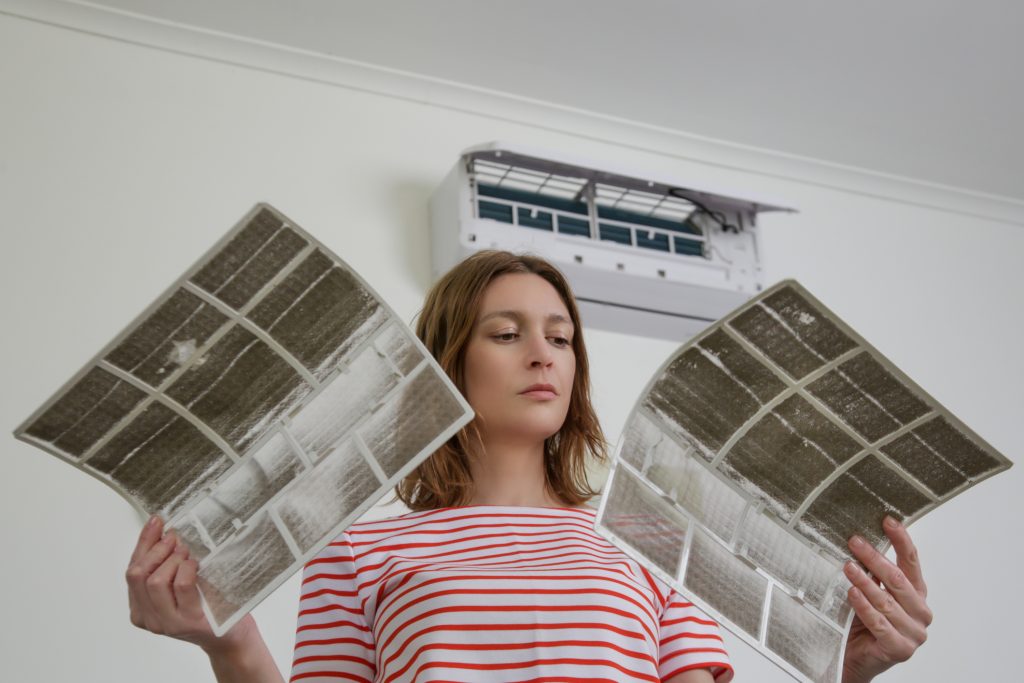
Mold on air vents is not something you want to keep around. Especially when people in your household can be sensitive to it, exposure to mold can trigger plenty of health issues. That’s why you must learn how to check for it and eliminate it as soon as possible. As your air duct professionals near Glendale, Arizona, we’ll share with you tips on how to do that. We’ll also share with you four ways to eliminate it completely. Mold should never be in your home, but it can grow if the conditions allow it. Typically, it shows up in places that are cool and damp. This is why mold in AC vents can be common if the right measures aren’t taken to prevent it. To find out more about finding out if you have mold in air ducts and how to eliminate it fast, keep reading. What are the signs of mold in your air ducts? If you want to prevent something like black mold in air vents, it’s important to know the signs. Let’s take a look at the following so you know what to keep an eye (or nose) out for: Visible mold Any visible signs of mold on air vents should be one of the top things to look out for. With enough time and the right conditions, mold spores will usually settle inside the vents and appear as spots in different colors. Some of them will be white, black, or green, and just because you can’t see it on the outside of your vents doesn’t mean growth may not exist on the other end. That’s why you should make sure to properly check for mold on air vents by removing the cover from the vents and looking inside. Mold in AC vents can’t be easily visible unless you remove the cover and shine a light inside. Mold inside the AC or furnace Continuing on, you’ll have to look inside the AC or furnace for any mold. If the inside is damp and dark, that’s ground zero for almost any type of mold growth. Also, we highly suggest checking out the evaporator coils and drain pans since you may be able to find potential mold in your AC vents in those places as well. Besides common locations like these, it’s possible to find mold growth even in unexpected places. If you find any, that’s when you should enlist the help of a mold remediation expert, regardless of whether the growth is severe or not. Musty odor when HVAC is running If you are running your HVAC and smell a musty odor, the potential for mold in the vents is high. Mold has an odor that is considered to be earthy or musty. The odor won’t be good on the nose, but it’s one of the more recognizable signs that mold growth is present and can be detected easily. If the mold is growing in the ducts, the smell might even spread throughout rooms that are near the source of the growth. Any strange smells similar to that of mold in your rooms means you should check nearby vents immediately, as it could be a telltale sign you have mold in the air ducts. Allergy symptoms or illness occurs As mentioned before, if you are allergic to mold, your symptoms will emerge. It can also cause other symptoms. Allergy symptoms you may suffer from can include sneezing, coughing, watery and itchy eyes, and breathing difficulties. However, you might suffer more troublesome conditions apart from these, such as severe nausea, vomiting, diarrhea, and fatigue. For these reasons, it is important to stop using the HVAC system if any of these symptoms occur. If any mold growth is discovered, do not activate your system until it is free of any mold. Ways to eliminate mold from HVAC system Find the mold source Finding the mold source can be a challenge. Most of the time, the source can be usually associated with water leaks. Find any leak spots that may be close to your air ducts or the HVAC system itself. Once found, you’ll want to fix the issue with the help of a professional. Speaking of which, let’s move on to the next step. Hire a professional to test for mold Although you can test the mold yourself, DIY mold testing kits aren’t always fully reliable and thorough enough to ensure you don’t have mold in your vents. If you must, enlist the help of a professional to test and eliminate mold inside your air ducts. Contact your local mold removal services if needed If the test for mold is positive, then mold you’ll need removal or water damage restoration services. Please make sure the HVAC system remains off until this process. This will greatly reduce any risk of the mold spreading. Mold removal services will follow the right steps and protocols to remove mold safely and effectively, and they have the proper tools and attire to get the job done. This makes it easy to remove mold safely without any added risk to you or your household. Take preventative measures While mold removal may not be a DIY task, preventative measures can definitely be put in place beforehand. This includes cleaning the drip pans regularly, checking for leaks throughout your entire piping system and in areas where condensation usually occurs. You may want to seal these areas if needed. Furthermore, you’ll want to consider purchasing a dehumidifier. Run it in areas that can be susceptible to regular mold growth. Lastly, you can invest in regular air duct cleaning, which you can get done professionally. Keep in mind that air duct cleaning doesn’t come cheap. You’ll be looking at spending anywhere from $300 to $500 for a visit. But an ounce of prevention is worth a pound of cure, as they always say, and the same goes for preventing future mold growth in your home. Be sure to take the right preventative measures and things will be fine. American
HVAC Air Balancing, Everything You Need To Know
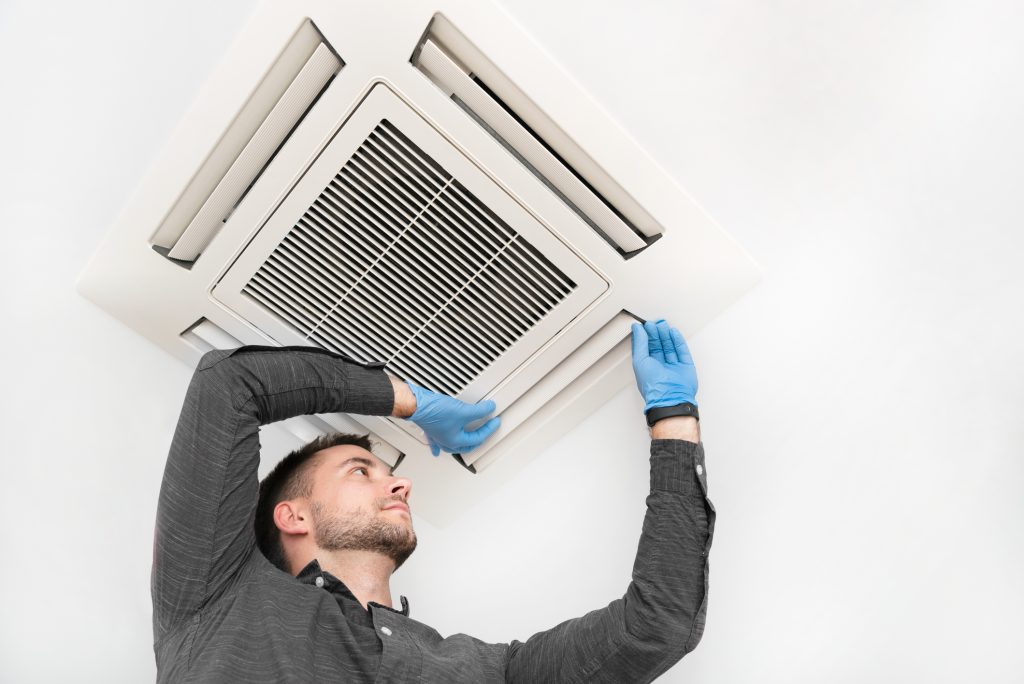
If you don’t know what air balancing is, no worries. We’ll explain what it is shortly. As your HVAC service in Phoenix, Arizona, we know what we’re talking about when it comes to home heating and cooling. Air balancing is something that can be beneficial to your home. When done right, you’ll feel comfortable in every room. You’ll feel cool in the summer and warm in the winter. This is a good solution for dealing with any prominent hot or cold spots in your home, which are signs of an air imbalance. If you want to get rid of them in your home, keep reading. What is air balancing? Air balancing is where you can adjust the HVAC system in every room of your house. This ensures that your whole house gets the right amount of hot or cold air. Overall, you want your whole house to be as comfortable as possible. Your residential HVAC system should be balanced out when it’s initially installed. As needed, adjustments to your HVAC system are common. However, you might not be able to have the temperature set to 70 degrees in every room. Try as you may, something may seem a little off. Air balance is key so you can get rid of any warm or cold spots in your house, no matter where they are. What are the advantages of air balancing Let’s take a look at the following advantages you can experience if you decide to do any air balancing in your home: Better comfort levels If you do any air balancing, this may increase all kinds of comfort throughout the entire home. In the summer, you may find yourself in a room that doesn’t get adequate air conditioning. So you move to someplace cooler. With air balancing, that won’t be the case. You can stay in that room for as long as you like and feel comfortable. If you want to know how to fix a hot room quickly, chances are air balancing gets the job done. Increased air quality Better air quality is one of the best perks to have for air balancing. Especially if you are allergic to dust, mold, or pollen, air balancing will lower the amounts of these allergens that come from the outside and gain access inside through various means. Increased HVAC system lifespan Everyone wants their HVAC system to last a long time. There’s no doubt that you can get it done. Air balancing will definitely help decrease the amount of dust and mold buildup that will occur within your system. Aside from that, increasing the efficiency of your airflow will also help add more years of service to your HVAC system. Is it possible to do air balancing yourself? Short answer: yes and no. The long answer: there is one way to do it by yourself. This includes making adjustments to your dampers. The other way to do it will require professional assistance. If you need air balancing done, your HVAC specialist near Glendale, Arizona will have an expert come to your house to get the job done. We can perform air balancing testing to see if we can make a good adjustment. We’ll make sure that every house in your home is comfortable. It’s technically possible for you to do things yourself, but some other things could be best left to the professionals, especially if you need to make sure you’re checking for everything you need. When you’re unsure of what to do, calling American Home Water & Air may be your best bet. You can also check out our other articles to learn more tips and facts about Air conditioners and HVAC systems such as “What is the coldest temperature for an air conditioner“ How to DIY Air Balance Your House If you decide to go the DIY route, you can adjust the dampers in each room inside your house. This also includes adjusting your system’s duct lines as well. To adjust the dampers, you’ll want to take a look at your vents. Close the diverters of every vent you have to force less air into the room while providing more of it to other rooms. It’s as simple as a pull of a lever. Now, adjusting the duct lines is completely different. You need to turn the lever to where the disk located inside the line is flattened. This will ensure plenty of air flow is provided by the duct line. When to get it balanced by a pro? There may come a time when air balancing can be left to the professionals. Your HVAC professionals near Scottsdale will inspect the entire system and perform the necessary tests. From there, they’ll determine what needs to be done to air balance your home in the best way possible. They may include simple damper adjustments and adjusting the speed of your fans. It can also involve major work such as replacing your supply lines or installing new dampers. Your HVAC unit may undergo major changes as well. Regardless, you’ll want to be ready to consider setting money off to the side for any professional air balancing. Air balancing prices will range anywhere from $75 to $100 per opening in your home. On average, you may expect to pay anywhere from $750 to $2000. The more vents you have in each room (or throughout the house), the more you’ll likely pay. Also, the ease of access to your HVAC lines may play a factor in how much you’ll pay. Get your HVAC air balanced now American Home Water & Air are your HVAC professionals in Phoenix, and we’re ready to test your home’s air balance whenever you need it. Want better air quality and comfort throughout your house? There’s no better HVAC professional to go to for that. Try making adjustments on your own if needed. It may be cost-effective and the best course of action. But if nothing seems to be working, that’s when you can rely on the professionals to
Solar Powered Air Conditioner, the Future of HVAC?
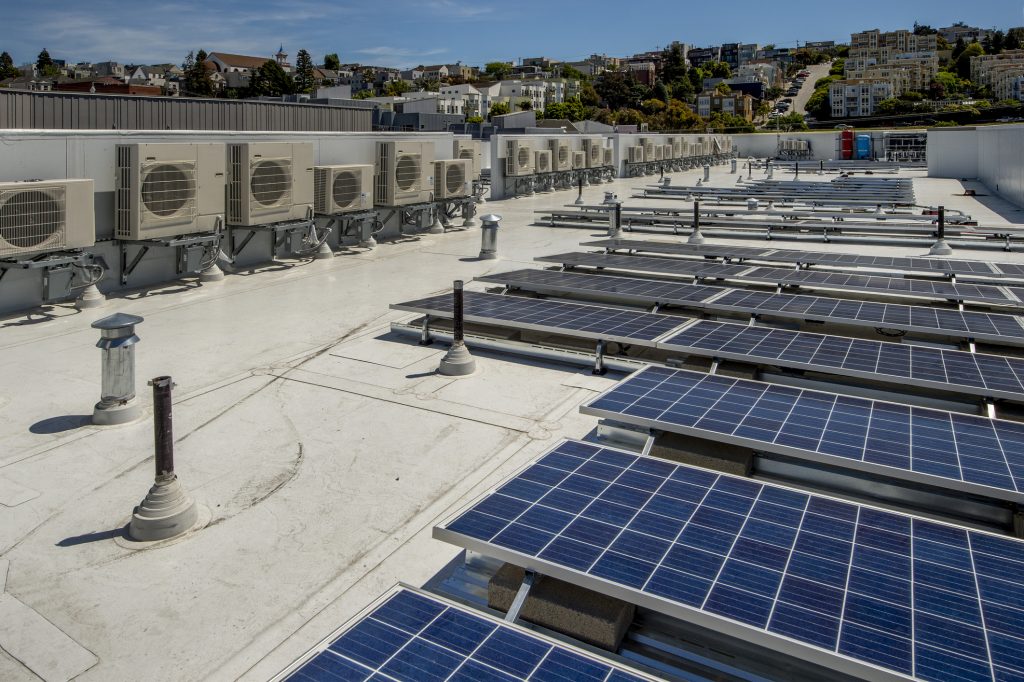
When alternative energy resources are suggested, it comes as no surprise that we talk about solar energy as the main option. Solar energy seems to be all the rage these days, perhaps for a good reason. Does this mean we’ll see a solar powered air conditioner as the norm for many households? The answer may be a resounding yes. We’ll be discussing solar power air conditioners, including their pros and cons. Many of them are being powered by regular electricity for the time being. With clean energy being the go-to option for the environmentally conscious, we may very well be preparing for what could be the future of HVAC. Could a solar powered air conditioner be the most cost-effective solution compared to electricity? Let’s discuss this further so you get a good idea of what they can do for you. What are solar powered air conditioners? A solar powered air conditioner will run on solar power (how else). As for how many solar panels it may need to operate, the answer is: it depends. For example, three solar panels will contain at least 320 watts apiece. At this rate, you could be able to use an air conditioner that can cool off a studio apartment or a small home. The larger the space, the more solar panels you’ll need for your solar AC. Keep this in mind if you consider a solar powered air conditioner yourself. How long have solar powered air conditioners been on the market? Solar powered air conditioners have been on the market for a few years. During its development, they have run into certain issues that had delayed their imminent appearance on the market. An example is that solar power was considered inconsistent when working with single-speed compressors. Because of this, newly designed compressors were created to help work with solar power. The fans will run at various speeds during their operation and can operate directly with solar power itself. What is the current price for a solar powered air conditioner? Solar powered air conditioner prices will vary depending on the brand. Some of these prices will exclude any installation fees that retailers can include. SolarAir World will have air conditioners priced at no less than $1700 (excluding installation). GREE and HotSpot Energy will have systems that start out at around $1800 (both excluding installation fees as well). So it is important to consider not only which solar AC unit will fit your budget but rather who will charge it for installation alone. The rates will differ from one installer to another. Find the one that will fit your budget better and go from there. If you need a good amount of money to save up for a solar AC unit, we recommend that you at least save up to $2000. This may be enough not only to cover the initial unit but cover any installation costs. As you shop around for installers, you may set more money off to the side if needed. Who are solar powered air conditioners for? Not everyone may be able to use a solar powered air conditioner. This may have you asking: is it something for me? The good news is that even with a small space, you can still use one. Even if you cannot install full solar panels for your home, you can still use a solar air conditioner with a few panels to start out. Those who have homes off the grid will also take advantage of these. If you are looking to spend less money on their utility bills, it’s clear that using solar energy will be a plus. Especially during the summer months when using an air conditioner is obviously needed. Who better than to call a professional if you need a solar power air conditioner or a cooling system installed? American Home Water and Air offers the best air conditioner installation and repair services near Phoenix, Arizona, and we’re just one phone call away from putting something together so you can enjoy cool air while living off the grid. Is purchasing a solar air conditioner really worth it? Yes, purchasing a solar air conditioner can be worth it for most users. But not everyone will take advantage of it for one reason or another. If you want to save money on your utility bill while reaping the rewards, a solar air conditioner may be right for you. What rewards, you ask? How about a federal tax credit that can save you a ton during tax time. Plus, you’ll also get free energy powered to your home for as long as the solar panel system can operate. How’s that for a deal? But there’s a noticeable drawback that we’ll need to address. When comparing solar air conditioners to solar panel systems, the latter’s solar payback period is less. It can take about 10 years to pay back the system with a solar panel system installed, whereas solar air conditioners can take double the time. However, if your cooling costs are covered, this shouldn’t be much of a problem. It all comes down to the financials to help determine whether or not purchasing a solar air conditioner is really worth it. To help make the final determination, you can find a solar calculator that will crunch the numbers for you to ensure if solar power is the right move going forward. Is Solar Powered Conditioning Right For You? Call us If you are considering the idea of installing a solar powered air conditioner in your home, call American Home Water and Air. We are your air conditioner experts near Scottsdale, Arizona, preparing our customers for the future. You may consider this as one of the best investments you’ve ever made to your home. Solar power is growing in popularity. It’s only a matter of time when more homes will go off the grid and enjoy the benefits of it all. Don’t wait; contact us at 602-993-0083, and we’ll get started with the process.
Air Conditioner Smells Like Gas: What To Do About This & Other Smells
If your air conditioner smells like gas, mildew, urine, or other unpleasantries, you’d be wise to take a closer look. In this post, we’ll explore some of the common explanations for odd smells as well as what you ought to do. We’ll tackle this topic by taking a look at each smell individually. Air Conditioner Smells Like Gas/Rotten Eggs If your air conditioner smells like rotten eggs (which is perhaps the best way to describe a “gassy” smell), you are almost certainly dealing with a natural gas leak. While natural gas itself is odorless, many utility companies add chemicals that smell like rotten eggs to the mix in order to help people easily identify a leak. This has been standard practice since 294 people died at a school in Texas during the 1930s as the result of a gas leak. Despite this safety feature, natural gas explosions still happen regularly in the United States. Anything that produces a spark (such as your water heater’s pilot light) can cause the deadly ignition of natural gas in your home. What To Do About It Due to the severity of a gas leak, it’s absolutely imperative that you do the following if your air conditioner smells like rotten eggs. If the smell is very strong and has been present for some time, consider skipping the first step and simply evacuate your home. Prolonged exposure to high levels of natural gas can cause loss of consciousness and even death. Air Conditioner Smells Like Mildew If your air conditioner smells like mildew, you’re experiencing what people often refer to as “dirty sock syndrome.” While this doesn’t represent something as drastic as an imminent explosion, it’s still quite bad for your health. The smell is caused by a buildup of bacteria, moisture, and mold in your air conditioner. If your air conditioner is leaking water and you haven’t cleaned it out in a while, you’re very likely to encounter this problem. What To Do About It Of course, you don’t want to be breathing in air that’s been contaminated with bacteria such as mold. In severe instances, this can lead to coughing, wheezing, rashes, and other unpleasant symptoms. Here are the steps you should take to remedy this issue. As you can see, this process is somewhat involved and requires at least some understanding of your air conditioner’s construction. If you require assistance and live in the Phoenix, Arizona area, contact us at American Home Water and Air. We’ve been providing servicing and installation of air conditioning in Phoenix for more than 30 years. Air Conditioner Smells Like Urine Does your air conditioner smell like a shady public bathroom? How’s this for an unpleasant smell. If your air conditioner smells like urine, you are likely dealing with the mycotoxins produced by mold. This produces an ammonia-like smell that can be very strong and rather unpleasant. Mold on its own won’t produce this odor; it’s the mycotoxins, which can actually be more harmful to breathe in than the mold itself. What To Do About It Follow the steps we mentioned above for giving your air conditioner a thorough clean. Given the severity of this issue, if you have a central air conditioner you’d be wise to have an expert inspect your ductwork. Mold and mycotoxins can sometimes make their way into your ducts, in which case simply cleaning the air conditioner won’t entirely solve the issue. Air Conditioner Smells Like A Sewer If your air conditioner smells like a sewer, there is likely a ruptured sewage line somewhere near your air conditioner or your ductwork. This results in a very unpleasant methane-like smell. High levels of methane can cause nausea, loss of consciousness, and other undesirable effects. What To Do About It Air Conditioner Smells Like Smoke If your air conditioner smells like smoke, it could be one of several things. On the severe side, you could have a fire somewhere in your home. Air conditioners circulate air throughout your home, so a fire in one room will produce smoke (and hence a smoky-smell) that then gets circulated to other parts of your home. On the slightly less dire side, you could be dealing with an overheating motor. If your air conditioner hasn’t been adequately maintained, its bearings may have worn out. When this happens, the motor overheats and gives off a burning smell. Lastly, your air conditioner may just be burning off some dust. This is normal; dust builds up inside your air conditioner over long periods of non-use. When you switch it back on, you’ll notice a slight burning odor for a few minutes before it dissipates. What To Do About It If you’re dealing with the first issue (fire in your home), your next steps should be obvious; get off your phone/computer and put the fire out or call 911! The third issue requires no action from you. The dust will burn off on its own and the smoke smell will disappear within a few minutes. To resolve the second issue, contact your HVAC repair company to fix the smoke coming out of the AC. They’ll need to replace your AC motor’s bearings (or whatever part has worn out). This should be an easy fix for any experienced HVAC technician. Conclusion Strange smells from your air conditioner can range in severity from dire to moderate risk. In all cases, however, strange smells warrant additional investigation. By following the steps above, you should have a clear idea of how to proceed. If you need air conditioner replacement/installation/repair services in Phoenix, Arizona, give us at American Home Water and Air a call. We’ve been providing these services for more than 30 years and have a stellar reputation. We’ll get your air conditioner up and running — with no offensive smells — in no time!You can also check our other articles on fixing common AC problems such as AC light blinking and many more
Easy Steps To Fix A Leaking Air Conditioner
If your air conditioner is leaking, you’ll be relieved to know that there are a number of simple explanations. In some cases, you’ll be able to solve the issue yourself while in others, you’ll need the help of a professional. In this post, we’ll walk you through the most common explanations for a leaking air conditioner unit. This will help you plan your next steps from an informed standpoint. Common Reasons Your Air Conditioner Is Leaking How you deal with a leak all depends on what is escaping from the unit: gas or water. Air Conditioner Leaking Water? Check the Condensate Drain Line The most common cause of an air conditioner leaking water is a clogged condensate drain line. This line is responsible for allowing condensation to escape from your air conditioner. It is connected to the condensate drain pan, which is where the water builds up before being expelled through the line. If the line is clogged, however, the water will build up in this pan and overflow, resulting in the leak. This isn’t the only explanation for an air conditioner that’s leaking water, however. If it’s not the drain line, it may be the drain pan. If this pan has been perforated or otherwise damaged, it’s likely not holding water properly. How To Fix A Leaking Air Conditioner That’s Leaking Water The condensate drain pipe is very easily accessible. You can usually find it in the form of a white PVC pipe jutting out of your home. If you see no such pipe, refer to your unit’s owner’s manual to see if it may be attached to the air conditioner itself. Simply attach a dry/wet vacuum cleaner to the pipe and allow it to remove the blockage. If that doesn’t eliminate the water leakage, replace the air conditioner’s filters. Occasionally, the filters get so dirty that they block airflow to the evaporator coil, which in turn causes water leakage. If your air conditioner is still leaking despite these fixes, you’ll need to have an expert look at and potentially repair one or more of the following: Air Conditioner Leaking Freon? Seek Professional Help Immediately While you may be able to fix a water leak yourself, a freon leak can be more concerning and requires the immediate help of a professional. In Phoenix, air conditioners commonly use refrigerant freon to provide cooling effects. Freon leaks aren’t very common but they can impact your family’s health. For this reason, we’ll spend a good amount of time discussing them here. Signs Of A Freon Leak To confirm your suspicions of an air conditioner leaking freon, look for the following: As we discussed in this article, a refrigerant leak can also cause your air conditioner to turn on and off rapidly. If any of the above symptoms are accompanied by this, it may confirm your suspicions. Health Risks Associated With A Freon Leak If you have an indoor air conditioning unit, a freon leak can impact your family’s health. Potential issues include refrigerant poisoning, which bears symptoms such as: Severe occurrences of these symptoms are rare with unintentional inhalation. In other words, you may only experience these symptoms mildly if your exposure to freon is limited to what’s leaking into the air throughout your home. Keep in mind, though, that children may play near air indoor air conditioners not knowing there’s a leak. Intentional inhalation of the freon can cause these and more symptoms, including breathing difficulty and loss of consciousness. Common Causes Of A Freon Leak One common culprit of freon leaks is the improper installation of your air conditioning unit. Poor soldering is usually to blame as freon can escape through improperly sealed areas. Another potential cause of a freon-leaking air conditioner unit is any kind of physical damage. This is especially true of a central air conditioner leaking freon since lawnmowers and the elements can perforate the unit. Formaldehyde corrosion is another possible culprit. The acid creates small holes in your air conditioner’s metal and freon can leak out. How To Fix A Leaking Air Conditioner If Freon Is Involved If you have an indoor system, minimize exposure to the freon as much as possible. Evacuation isn’t always completely necessary but shut the system off, open your windows, and place fans around the home to ventilate it properly and get the freon out. Next, call a professional. If you’re in the Phoenix, Arizona area, you’re probably aware of the poor air quality in Phoenix which takes a toll on your air conditioner unit. We encourage you to give American Home Water and Air a call. We have more than 35 years of experience solving all kinds of air conditioner issues, including leaks and freon refills. A freon leak is not something you can solve by yourself but our professionals can have your system operational in no time. Air Conditioner Leaking: Conclusion After reading this guide, you should have a solid understanding of what to do if your air conditioner is leaking. If the unit is leaking water, a clogged condensation line is the likely culprit. Attach a dry/wet vac to the line, which should clear the clog. If that doesn’t work, change the filters. If that doesn’t solve the issue either, contact a professional to investigate some of the other potential causes. If your air conditioner is leaking freon, however, you should immediately contact a professional. Freon leaking indoors can have adverse health effects on your family while outdoor leaks decrease the system’s efficiency and harm the environment. At AHWA, we have trained professionals in several service areas around the Phoenix metropolitan area providing top notch HVAC and plumbing in Sun City, Glendale, Scottsdale, Mesa, and many more. Found this useful? Also check out Water Softener Replacement: Everything You Need to Know, Vacuuming AC systems without a pump and Hot Water Heater Not Working? Here’s What to Do.
Air Conditioner Making Loud Buzzing Noise: What To Do?
In Phoenix, air conditioners are an essential home appliance. So it’s natural to be concerned when your air conditioner is making a loud buzzing noise. In this post, we’ll provide you some guidance on how to deal with a buzzing AC unit, including when to call a professional. Common Reasons Your Air Conditioner is Making a Loud Buzzing Noise #1. AC Humming Can Be Caused by Loose Components One common cause of AC humming is loosely-secured internal components. Bearings, for example, can vibrate when not secured properly within the unit, producing a continuous hum. The same goes for a failing motor or starting capacitor. What To Do Unless you’re a trained professional, it can be difficult to accurately and safely identify which AC components are responsible for the humming. If you’re in the Phoenix area, contact American Home Water and Air and we’ll have a technician solve the issue promptly. Outside of Phoenix and the surrounding areas, call up your local trusted HVAC service provider. #2. An Air Conditioner Humming Inside Can Be the Result of Debris If your outdoor AC is making a humming noise inside, it’s possible debris has gathered in the condenser coils. The wind has a way of blowing leaves and twigs into the coil openings and even further inside the machine. What To Do If you suspect the debris has made its way inside the unit, you’ll need to have a professional open it up safely. First, however, brush away any debris yourself with a small-handle broom and give the coils a good cleaning with water and coil foam cleaner. If this solves the issue, you’re good to go! Clean the coils periodically to avoid it happening again. #3. Refrigerant Leak: Another Common Cause of Air Conditioner Buzzing Refrigerant leaks can cause your AC’s internal components to freeze and vibrate more than they should. This can also occur if your unit has been running for too long, as is prone to happen during Phoenix’s long and hot summer months. Read this article on how to save on air conditioning bills during the summer months in Phoenix. What To Do If your air conditioner is humming inside and you’ve had it on for a long period of time, first turn it off for a few hours. This should be enough time for the internal components to thaw if they are indeed frozen. If the AC keeps making a humming noise from inside, you’ll need to have a professional investigate for a potential leak. #4. AC Unit Humming But Not Turning On? It’s Possible An Electrical Issue If your AC unit is humming but not turning on, it’s a fairly reliable sign of an electrical issue. The contractor relay switch (which lies in the outdoor unit and connects to your home thermostat) is a common culprit for buzzing noises. It’s also possible that electrical connections are to blame for your AC unit humming but not turning on. What To Do Regardless of what the issue turns out to be, if you suspect it’s electrical you should definitely contact a professional. Attempting to service your AC’s electrical components on your own can put your safety and the unit’s proper function at risk. If you’re wary of calling a professional for financial reasons, consider some of the other methods we recommended above (like cleaning the coils) to see if that solves the problem. #5. Improperly-Configured or Broken Compressor Another common reason your air conditioner is buzzing but not running could be a broken or improperly configured compressor. The compressor is what ensures your unit’s refrigerant is at the right pressure and temperature. If the compressor is receiving an improper voltage, buzzing can occur. The compressor can also break over time and is one of the more commonly replaced AC components. What To Do Contact a professional and have them look at your compressor if your air conditioner is buzzing but not running and the DIY solutions we mentioned above haven’t helped. #6. Missing AC Unit Isolation Feet At the base of most AC units, you’ll find rubber feet. These can crack (particularly in the Arizona heat) over time and cause your AC unit to vibrate improperly, which produces a buzzing sound. What To Do These rubber feet (technically called “isolation pads” or “anti-vibration pads”) can generally be replaced without the help of a professional. Make sure you cut off the unit’s electricity while you do the installation for optimal safety. The process is much easier with an extra pair of hands since you’ll need to tilt the AC unit to install these anti-vibration pads. Other Common AC Noises Buzzing isn’t the only sound a malfunctioning AC makes. Here’s a quick rundown of other common sounds that signify an issue. Screaming If your AC is making a loud mechanical screaming noise, worn-out bearings may be to blame. Another common culprit is a slipped belt between the unit’s blower and motor. Either issue requires professional attention. Rattling If the sound you hear is a less consistent rattling, something has almost certainly come loose within your AC. It could be a bearing or even a stone that got sucked into the unit somehow. Either way, contact a professional and have them open the unit up to remove the item. Repeated Clicking Your air conditioner naturally clicks when it shuts on and off. If you hear it clicking randomly, a relay switch could be faulty. A technician can replace or repair this switch with ease. You can read our article on “AC unit blows hot air” if you feel like your AC is not cooling the way it did before the noise issues. Air Conditioner Making A Loud Buzzing Noise: Conclusion If your air conditioner is making a loud buzzing noise, there are many possible explanations. In this post, we listed a few of the most common ones. Because of the wide range of possibilities, you need a technician you can trust — one that won’t try to sell you “fixes” that
AC Turning On and Off? Here is What to Do
When your air conditioner turns on and off right away, it can be incredibly frustrating. In addition to leaving your home with inadequate cooling, the issue (known as “short cycling”) wastes electricity. In this post, we’ll clue you in on the most common causes of short cycling. We’ll also tell you about the methods for dealing with it — and when you’re better off contacting a professional. Common Reasons Your AC Turns On and Off Timer Issue While it may seem silly, some homeowners don’t realize their AC units come with a timer and automatic shutoff functionality. As such, their AC keeps turning on and off because it is literally programmed to! Before you do anything else, it’s worth reviewing your AC unit’s manual to ensure you’re not overlooking what could be a very simple fix. It’s rare but this does happen. Poorly-Placed Thermostat If your AC keeps turning on and off, there’s a good chance you’re experiencing a thermostat issue. It makes sense; your thermostat is, of course, what tells your AC how to function and when to turn on. If your thermostat is located near an air vent or window, it may be getting an inaccurate temperature reading. What to Do You’ll need to work with a technician to move the thermostat to a more suitable location. At American Home Water and Air, we’re the most trusted experts for servicing thermostats and air conditioners in Phoenix. This is one repair you’re better off leaving to us (or an expert in your region if you live elsewhere). Refrigerant Leak Another common cause of your AC turning on and off is a refrigerant leak. More specifically, it’s the pressure fluctuations caused by such a leak that creates issues. Most AC compressors have a switch that will shut the unit off in cases of low pressure. When the unit is off, the pressure will rise again and cause it to switch back on. If you’re wondering ‘why does my air conditioner keep turning on and off by itself,’ and the thermostat isn’t the problem (i.e. your system previously ran well for years), this is the most likely issue. What to Do This issue requires a technician’s expertise to fix as well. They’ll need to find the source of the leak and repair it. Your Air Filter Needs Changing If your air conditioner turns on and off right away, the unit’s filter is another common culprit. Dirt and debris in the filter restrict the unit’s air intake, causing seized coils that trigger a premature shutoff. That’s why it’s essential to replace and clean your air conditioner filters regularly. What to Do If it’s your outside AC unit that’s turning on and off, accessing the filter may involve removing the large cover. This can be dangerous for both you (electrocution) and your AC unit (debris getting sucked into it). For that reason, you’re better off relying on a technician to fix an outside AC unit that keeps turning on and off. If you have a smaller indoor unit or a central system, you may be able to unplug it and inspect (or even replace) the filter yourself. Refer to your unit’s instruction manual. This might involve cleaning your filters but clogged up AC drain lines can also cause your air conditioner to turn off. It is recommended that you inspect and clean air conditioner drain lines and filters to prevent your AC unit from switching on and off. To avoid this issue, consider changing the dirty AC filter at least once a month. Problems with Your Condenser Coils As with your AC’s filter, its condenser coils tend to collect debris and dirt if you don’t make an effort to clean them regularly. If this is the reason your AC turns on and off, the dirt is forcing the system to work harder. Eventually, it overheats and shuts off. What to Do Because AC condenser coils are located on the machine’s exterior, you can usually do quite a bit of cleaning on your own. Wipe away debris with a small brush and then use foam coil cleaner and a hose. An Oversized AC Unit An oversized AC will cool your home very quickly. In other words, it won’t need to run as consistently to get the job done. This may seem like a plus but it’s actually a major downside. Frequent starting and stopping will waste energy and cool your home improperly. It will also cause humidity issues in your home. What to do About It Of course, your best bet is to replace the system with a properly-sized one. If this isn’t possible, you still have some options, though. You can find the average cost to replace your air conditioning unit by clicking on the link provided. You can somewhat compensate for an oversized AC unit by installing a standalone humidifier. If your unit comes with a variable-speed blower, you may also be able to adjust it. You may also be able to add ducts leading to another part of the house that is not traditionally cooled. You can also install an air conditioner pad to prevent moisture from the yard that can cause a malfunction to the system. Before settling on a solution, contact a professional — preferably not the person who sold you the oversized system, to begin with or else they might probably sell you a defective HVAC system (it’s better to avoid your AC from blowing up smokes) Not Sure What The Issue Is? Call a Professional These are just some of the more common issues that contribute to an AC turning on and off repeatedly. If you’re unable to diagnose the problem, your best bet is to contact a professional. It may cost you but ignoring the issue would, too; an AC that keeps switching on and off will waste energy and be incredibly inefficient especially for your window air conditioner insulation. Prevention is Key As with most things systems-related, preventing issues (such as your AC blowing a