Why Is My Central Air Working But Not Heat?
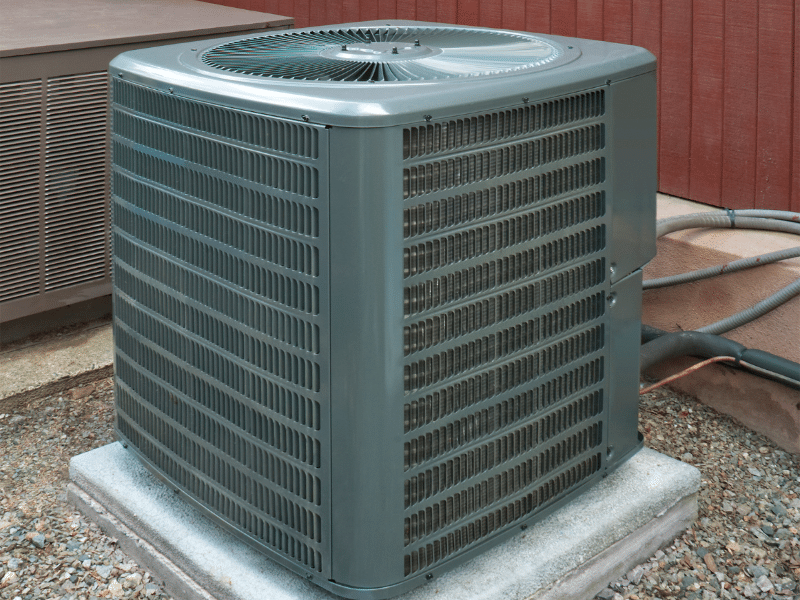
Has your central air system left you shivering in the cold, even though it works perfectly when the weather gets too hot? It’s a common issue that many homeowners face, and it can be quite puzzling. In this blog post, we’ll explore some of the most common reasons your HVAC system might be blowing cold air instead of warming your home. Remember, it’s always best to contact a professional when dealing with HVAC problems in your home for safe and efficient solutions. Stick around to learn more and stay cozy. How central air and heating work We all love stepping into a comfortably warm home on a chilly winter’s day or a refreshingly cool house in the sweltering summer heat, don’t we? The magic behind this comfort is the often-overlooked central air and heating system. Think about your home as a large refrigerator. Sounds strange, right? But it’s a pretty good comparison. When your central air and heating system is in cooling mode, it absorbs the heat from inside your home, just like a refrigerator keeps your food cool by removing the heat from within. It then releases this absorbed heat outside, effectively cooling down your home’s interior. Here’s a real-world example to illustrate this. Imagine you’re sipping on a hot cup of coffee, but it’s too hot, and you want to cool it down. You blow on it, right? As you blow, your breath absorbs some of the heat from the coffee and carries it away, cooling your coffee. Just like you, the central air and heating system breathes in the hot air from inside the house, absorbs the heat, and breathes it out outside your home. During colder months, the process is reversed by the heating system. It pulls in cold air from your home, heats it up, and circulates the warm air throughout your home, giving you a snug and toasty environment. It’s a bit like snuggling up in a warm blanket fresh out of the dryer. The air, much like the blanket, absorbs the heat and wraps your home in warmth. After understanding how central air and heating work, you might be tempted to troubleshoot your furnace and tamper with the system when something goes wrong. However, remember that dealing with these systems requires specific expertise. Just like you wouldn’t attempt to fix your own car’s engine without proper knowledge, don’t try to handle your HVAC system’s problems. Always contact a professional if issues arise to ensure your home’s comfort is restored safely and efficiently. 5 common reasons your central air works but not your heating Here are some common reasons for your central air working, but not your heating. The simplest explanation could be that your thermostat is set to ‘cool’ instead of ‘heat’. It might seem obvious, but it’s an easy mistake to make, especially if you have recently been cooling your home. If your thermostat isn’t set correctly, it can cause your HVAC system to blow cold air even in the winter. If your furnace filter is clogged, it can restrict airflow, causing the furnace to overheat and shut down the heating element. The blower stays on to cool down the furnace, leading to cold air circulating. Regularly changing your filter (recommended every 1-3 months) can prevent this issue. A faulty ignition system can prevent your furnace from producing heat. This could be due to issues with an intermittent pilot light or a hot surface igniter. If you’re not getting a flame when your heating system kicks on, it could be an indication of an ignition problem. If there’s a problem with the gas supply, your furnace can’t produce heat. You should check if the gas valve is turned on and if the gas supply to your home is working. Do not attempt to fix gas problems yourself; instead, contact a licensed HVAC professional. Damaged or leaky ductwork can allow the warm air to escape before it reaches its destination. Moreover, cold air from unheated areas of the house can enter the ductwork, resulting in cold air being blown out. Regular ductwork inspection and maintenance can help prevent this issue. Is your central air working but not heat? Contact American Home Water & Air A range of issues, from thermostat malfunctions to broken ductwork, can result in your HVAC system blowing cold air during winter. Regular upkeep, encompassing filter replacements, inspection of the ignition system, monitoring the gas supply, and maintenance of the ductwork, can help prevent these issues. Nevertheless, due to the complex nature of HVAC systems, professional assistance is highly recommended when problems arise. Stay warm and ensure your comfort by addressing these potential concerns with your heating system. If you live in the Phoenix, Arizona area, consider American Home Water & Air as a reliable provider for all your HVAC needs in Phoenix, and surrounding areas. We’ve been working for over 30 years to provide homeowners with timely and transparent service. If you’re experiencing issues with your system, contact us today!
Stay Ahead of MRSA & Allergies in Arizona with Air Scrubber Technology
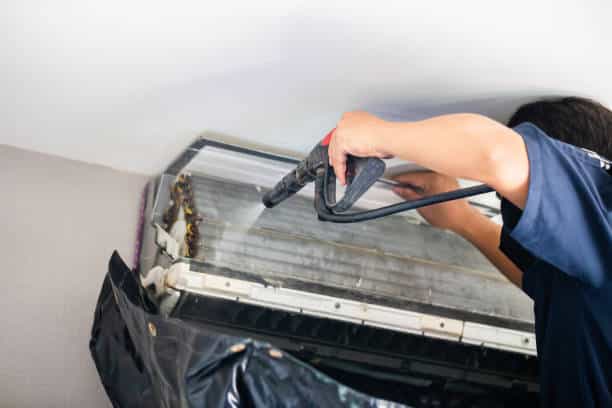
Methicillin-resistant Staphylococcus aureus (MRSA) is a type of bacteria that is resistant to many commonly used antibiotics and can cause infections in people. It can be spread through contact with an infected person, contaminated surfaces, or through the air. Left untreated, MRSA can cause a host of conditions that include skin infections, respiratory distress, sepsis, and joint infections. In severe cases, MRSA infections can lead to serious health problems, such as organ failure or even death, especially in people with weakened immune systems. It is important to seek medical attention if you suspect that you have an MRSA infection and to follow infection control measures to reduce the risk of MRSA transmission. Thankfully, there are ways to reduce the risk of illness and improve the air quality within our homes through the use of air scrubbers and related technology, which American Home Water and Air offers to its customers. MRSA Infection Prevention using Air Scrubber Technology An air scrubber is a device that uses filters or other technology to remove impurities, such as bacteria, viruses, or chemical pollutants, from the air. In the context of MRSA prevention, air scrubbers can be used to reduce the concentration of MRSA in the air and thus reduce the risk of infection. They are also beneficial as air purifiers for allergies. Air scrubbers work by drawing in air and passing it through a series of filters that trap MRSA and other pathogens. There are several different types of air scrubbers available, each using different technologies to clean the air. Some air scrubbers use HEPA filters, which are highly efficient at removing particles as small as bacteria and viruses. Other air scrubbers use UV light to kill pathogens in the air. In healthcare settings, air scrubbers can be used to help prevent the spread of MRSA and other infections by reducing the concentration of pathogens in the air. This can be especially important in areas where people with weakened immune systems are being treated, as they are at higher risk of contracting infections. It is important to note that air scrubbers are not a substitute for good hygiene practices and infection control measures, such as regular hand washing and disinfecting surfaces. However, they can be an effective tool for reducing the risk of MRSA and as air purifiers for allergies. Air Scrubber Products on the Market There are several air scrubber products available on the market, including both standalone units and air purifiers that incorporate air scrubbing technology. Some of the most popular air scrubber products include: Some air scrubber products are designed for use in specific environments, such as healthcare settings or homes, while others are more versatile and can be used in a variety of settings. It is important to choose an air scrubber product that is appropriate for your specific needs and environment. Additionally, it is important to regularly maintain and replace the filters in your air scrubber to ensure that it continues to effectively remove impurities from the air. How Can Allergy Sufferers Use an Air Scrubber? Air scrubbers act as an allergy filtration system that can help allergy sufferers by removing allergens from the air, such as pollen, dust mites, pet dander, and mold spores. These devices use various technologies to clean the air, including HEPA filters, activated carbon filters, and UV-C light. An Aerus air scrubber is a type of air purification system that uses advanced technologies to remove harmful pollutants, allergens, and other contaminants from the air. These systems feature a combination of HEPA and activated carbon filters, as well as UV-C light and photocatalytic oxidation, to provide comprehensive air cleaning. Aerus air scrubbers are designed to capture particles as small as 0.3 microns, including dust, pollen, and pet dander, and can remove volatile organic compounds (VOCs) and other chemicals from the air. These systems are often used in commercial and industrial settings but are also available for residential use to improve indoor air quality and promote better health. By removing allergens from the air, air scrubbers can reduce allergy symptoms such as sneezing, runny nose, itchy eyes, and nasal congestion. Some air scrubbers can also improve indoor air quality by removing other pollutants that can contribute to indoor air pollution and trigger health problems. It’s important to note that air scrubbers are not a cure for allergies, but they can help to reduce symptoms and improve the overall quality of indoor air. If you suffer from allergies, it’s important to talk to your doctor or an allergist to determine the best course of treatment, which may include air scrubbers, along with other measures such as medication and avoiding allergens whenever possible. Residential Air Scrubber Technology from AHWA If you or someone in your household suffers from allergies or asthma, you know how important it is to breathe clean air. Airborne allergens and irritants can trigger symptoms, causing discomfort and sometimes even dangerous health complications. One way to improve indoor air quality is by using a home air scrubber. For those with allergies or asthma, air scrubbers can provide relief by removing allergens from the air. Investing in home air purifiers for allergies can be a wise decision. Air scrubbers can help improve indoor air quality by removing allergens, irritants, and other harmful particles from the air. Air scrubbers can help reduce the concentration of harmful particles in the air, cleaning air allergies and promoting better respiratory health. Additionally, air scrubbers can help reduce unpleasant odors and VOCs, making the air in your home safer and more comfortable to breathe. If you’re interested in installing air scrubber equipment in your home, contact the professionals at AHWA for an appointment to evaluate your needs and get you on your way to improved air quality.
What Could be the Reason for the AC Not Responding to the Thermostat?
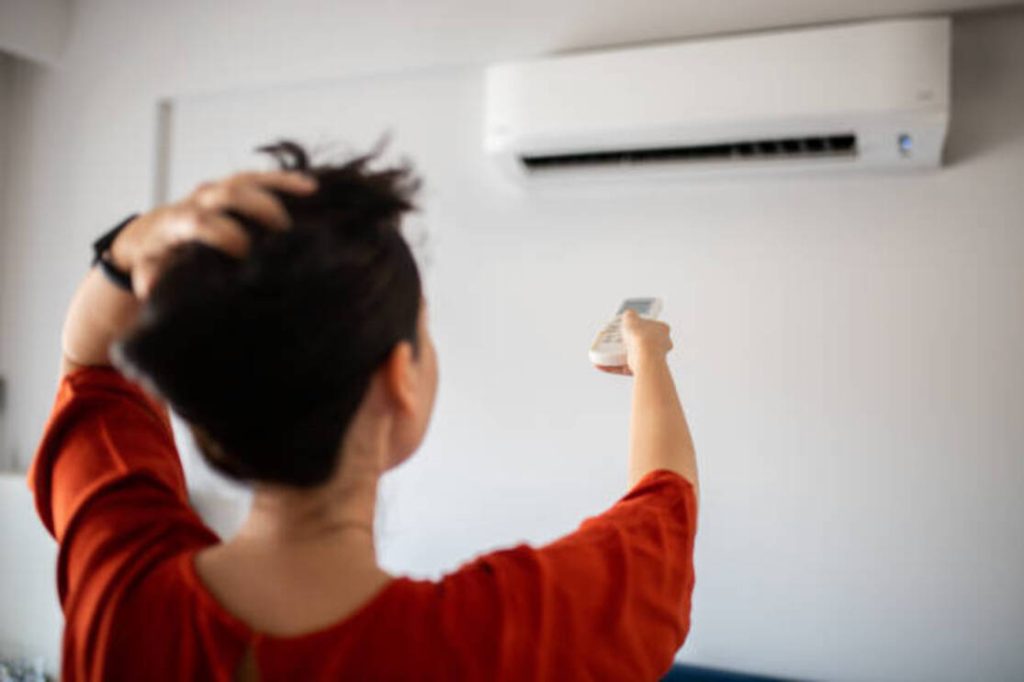
The thermostat is a critical part of any air conditioning system, as it is responsible for regulating the temperature of the home and turning the system on and off as needed. If you find yourself in a position where the AC is not responding to the thermostat, it can be frustrating and uncomfortable, particularly during the hot summer months. My Thermostat is On but No AC Why is my AC not responding to the thermostat, you might be asking. Here are some of the most common causes for a thermostat not turning on an AC system and some solutions for fixing the problem. Dead Batteries One of the most common reasons why a thermostat may fail to turn on the air conditioning system is dead batteries. If the batteries in your thermostat have died, it may not have enough power to communicate with the air conditioning system and turn it on. To fix this issue, simply replace the batteries in the thermostat and see if the system turns on. Incorrect Thermostat Settings Another common cause of a thermostat not turning on the air conditioning system is incorrect thermostat settings. If the thermostat is not set to the correct temperature or mode, it may not turn on the air conditioning system. To fix this issue, check the thermostat settings and adjust them as needed. Tripped Circuit Breaker If the circuit breaker for your air conditioning system has tripped, the system will not turn on. This can happen if there is a power surge or if the system is overloaded. To fix this issue, simply reset the circuit breaker for the air conditioning system and try turning it on again. Dirty Air Filters Air filters are designed to remove dirt, dust, and other debris from the air before it is circulated through the air conditioning system. If the air filters become clogged, they can restrict the flow of air through the system, causing it to malfunction. To fix this issue, simply replace the dirty air filters with clean ones. Changing filters every 1-3 months depending on usage should prevent a recurrence of the problem. Faulty Wiring If the wiring between the thermostat and the air conditioning system is faulty, the system may not turn on. This can happen if the wiring is old or if it has become damaged over time. To fix this issue, you may need to call a professional HVAC technician to inspect and repair the wiring. Faulty Thermostat If none of the above issues are causing the problem, the thermostat itself may be faulty. This can happen if the thermostat has become damaged over time or if it was installed incorrectly. To fix this issue, you may need to replace the thermostat with a new one. Choosing a New Thermostat Choosing a new thermostat for your air conditioning system can be a daunting task, as there are so many selections available. However, by understanding the different types of thermostats and their features, you can make an informed decision that meets your specific needs. Let’s look at some of the options on the market. Non-programmable Thermostats These thermostats will let you manually adjust the temperature of your home. They are typically less expensive than programmable thermostats but offer less flexibility in terms of temperature control. Programmable Thermostats These thermostats provide more convenience, allowing you to set different temperatures for different times of the day. For example, you can program the thermostat to turn off the air conditioning system when you are at work and turn it back on before you return home. This can help you save money on your energy bills by reducing energy consumption during times when you don’t need to cool your home. Smart Thermostats These thermostats are linked to the internet and operated through a mobile app. They typically offer more advanced features, such as learning your preferred temperature settings and adjusting them automatically. Many smart thermostats can provide energy usage reports and suggestions for reducing energy consumption. New Thermostat Options If the thermostat won’t turn on your AC and you’ve concluded that it needs to be replaced, you will want to consider some of the following features in selecting a new one. Compatibility Make sure the thermostat is compatible with your air conditioning system. Check the manufacturer’s specifications to ensure that the thermostat is compatible with the type of air conditioning system you have. Display Consider the size and readability of the display. Some thermostats have large, easy-to-read displays, while others have smaller displays that can be difficult to read. Programming Options If you choose a programmable thermostat, consider the programming options available. Some thermostats allow you to set different temperatures for each day of the week, while others only offer daily programming options. Wi-Fi Connectivity If you choose a smart thermostat, consider the Wi-Fi connectivity options. Some thermostats require a separate hub to connect to Wi-Fi, while others can connect directly to your home’s Wi-Fi network. Voice Controls Some smart thermostats offer voice control options, which allow you to adjust the temperature of your home using voice commands. When choosing a thermostat, consider the size of your home, your energy usage patterns, and your budget. It’s important to choose a thermostat that will be compatible with your air conditioning system and meet your specific needs. Which Thermostat is Best? Choosing a new thermostat for your air conditioning system requires careful consideration of your specific needs and preferences. Understanding the various types of thermostats available on the market and their features can help you make an informed decision that meets your specific needs and helps you save money on your energy bills. An AC not responding to the thermostat can be a frustrating problem, but there are several common causes and solutions. If you are unsure about how to fix the problem, it is always best to call a professional HVAC technician who can inspect the system and provide a proper diagnosis and repair. American Home Water and Air can get you back
Maximizing Energy Efficiency by Closing Air Vents: Fact or Fiction?
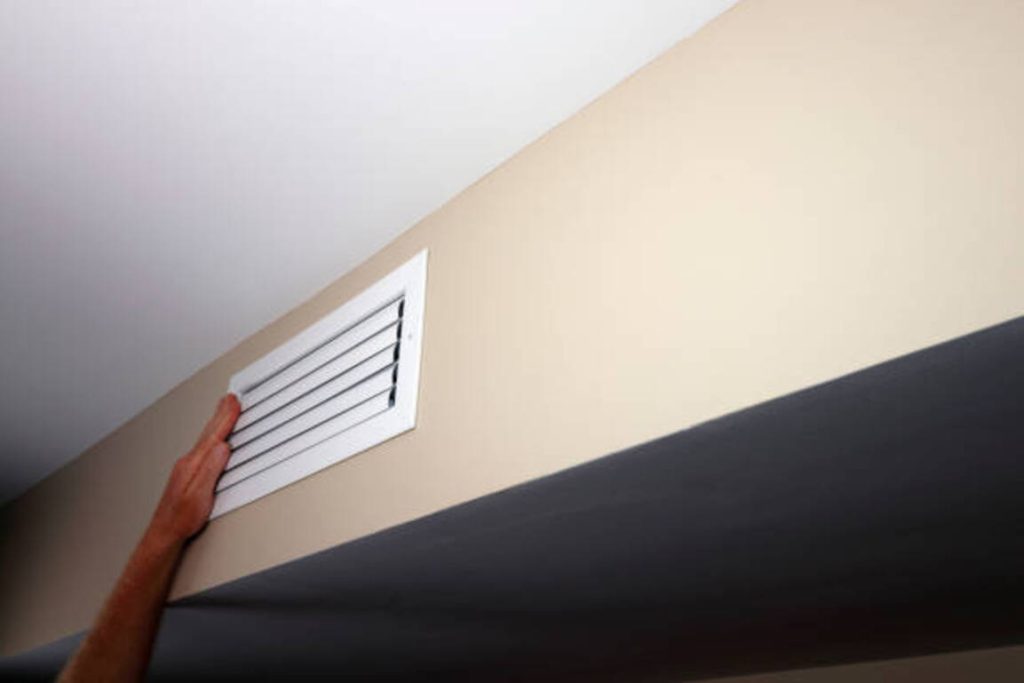
The temperature from one room of your home to another can fluctuate due to a variety of factors. One solution to this problem that is erroneously used by homeowners is closing air vents in rooms that are too warm or cold. Let’s talk a bit more about why a closed air vent isn’t a good solution and how proper air balancing can solve your issues. Does Closing Air Vents Help Cool Other Rooms? First of all, it is important to understand how heat and air flow in a house. Air is typically distributed through HVAC systems using a combination of supply vents, which release cool or warm air, and return vents, which take in air and circulate it back through the system. The goal is to achieve a balanced and consistent airflow throughout the house, which is the key to maintaining a comfortable temperature. So, does closing vents redirect air? The common misconception is that closing off the supply vents that release cool or warm air will automatically redirect that airflow to other rooms. The truth is that closing supply vents may create even more issues. When a vent is closed, it disrupts the airflow balance. This can lead to a buildup of pressure in the ductwork, which can cause leaks or even damage to the system. Closing vents can also reduce the efficiency of the HVAC system. The system is designed to work with a certain amount of airflow, and closing vents can cause the system to work harder to maintain the desired temperature. This can lead to increased energy costs and system failures. What Causes Hot and Cold Spots? There can be many causes for hot and cold spots in your home. Here are some of the most common ones. Instead of asking if closing vents redirect air, ask yourself if one of the issues below might help solve your problem. Poor Insulation Insufficient insulation can cause temperature fluctuations in a room. If heat is escaping through the walls or ceiling, it can create cold spots. Conversely, if heat is trapped in certain areas, it can create hot spots. Air Leaks Air leaks around windows, doors, and other openings can cause temperature imbalances in a room. In winter, cold air can seep in through gaps, and warm air can escape, creating cold spots. In summer, warm air can seep in and cold air can escape, creating warm spots. Thermostat Placement The location of the thermostat can also impact temperature balance. If the thermostat is located in a particularly warm or cool area of the house, it may not accurately reflect the temperature in other areas. If placed too close to an appliance that puts off heat or near a sunny window, it can throw off temperature sensors. Uneven Airflow If the HVAC system is not distributing air evenly throughout the room, it can create hot and cold spots. This can be caused by several factors, such as blocked vents or ductwork that is too small or damaged. Correcting Uneven Airflow How can you correct hot and cold spots the right way? The solution will depend on the underlying cause of the problem. Here are some practical solutions: Improve Insulation If poor insulation is causing temperature imbalances, adding insulation to the walls or ceiling can help. This can help keep heat in during the winter and out during the summer. Seal Air Leaks Sealing air leaks around windows, doors, and other openings can help prevent air from escaping or entering the room. This can help maintain a more consistent temperature throughout your home. Adjust Thermostat Placement If the thermostat is not accurately reflecting the temperature in the room, it may need to be repositioned. Ideally, the thermostat should be located in a central area of the room, away from windows and other potential sources of temperature fluctuations. Regular HVAC Maintenance Scheduling regular maintenance for your HVAC system can help prevent issues and ensure that it’s working efficiently. This may involve cleaning vents, replacing filters, and checking for leaks or other problems. If you’ve been dealing with inefficient cooling at home even after multiple service appointments, then maybe it’s also time to consider getting an upgrade with these types of energy efficient AC units. Ceiling Fans Ceiling fans can help distribute air throughout the room, creating a more consistent temperature. In the summer, they can help circulate cool air, while in the winter, they can help distribute warm air. Window Treatments Using curtains or blinds can help regulate the amount of sunlight that enters a room. This can help prevent hot spots caused by direct sunlight, while also providing insulation to keep heat in during the winter. Balance Airflow Ensuring that the HVAC system is distributing air evenly throughout the room is critical to maintaining a comfortable temperature. Airflow balancing can help improve the problem. What is Air Balancing? Does closing vents redirect air is a common question and the answer is no, but air balancing can fix the problem. If you’ve exhausted other measures and are still experiencing hot and cold spots, you may want to have air balancing completed. Air balancing is the process of adjusting the airflow in your HVAC system to ensure that it is evenly distributed throughout your home. The air balancing process typically involves these key steps: So, as we head into spring and summer and you begin to ask yourself if closing vents redirect cold air, remember that this isn’t as simple as it seems and will create more issues for you. A better solution is to address any issues that might be causing hot or cold spots and if you can’t make adjustments that correct your problem, seek help from our air balancing experts. While you can perform air balancing yourself, a qualified HVAC technician possesses the tools and equipment to do more accurate measurements and testing that will give the best results. If you feel you need air balancing done in your home, get in touch with us for assistance.
Why Isn’t My Central Heating Functioning, But My AC is?
Central heating units and air conditioning units work together as a conjoined system to keep your home comfortable throughout the year but they have many components that operate independently. Therefore, it’s common for homeowners to experience issues where the air conditioning will function properly while the central heating unit won’t work. While regular, professional maintenance can help prevent the majority of central AC issues, there are several different reasons why this might happen, and troubleshooting the issue will depend on the specific circumstances. So, what do you do if your heat won’t turn on but the AC will? Central AC Works But Not the Heat If your heat won’t turn on but AC will, it could be due to one of numerous reasons. Most instances where the AC works but not the heat can be corrected by identifying and repairing one of the issues below. Thermostat Issues One of the most common reasons why your heater won’t turn on but the AC works can be traced to a problem with the thermostat. The thermostat is responsible for regulating the temperature in your home. If it’s not working correctly, it can prevent the heating system from turning on. In some cases, the issue could be as simple as the thermostat being set to “cool” instead of “heat.” If this is the case, all you need to do is switch the thermostat setting to “heat,” and your central heating unit should start working. If the thermostat is set correctly but your central heating unit still won’t turn on, you may need to check the batteries in the thermostat. If the batteries are dead, the thermostat won’t work, and your heating system won’t turn on. Replacing the batteries is a simple fix that should get your central heating unit up and running again. Clogged Air Filters One reason your central heating unit may not be functioning correctly while the air conditioning is working is a dirty air filter. Air filters are a vital component that affects the performance of both your heating and cooling systems. If your air filters are clogged with dirt and debris, your heating system may not be able to function correctly. To troubleshoot this issue, check the air filters in your central heating unit and replace them if they’re dirty. It’s generally recommended that you change your air filters every one to three months, but if you have pets or live in a dusty environment, you may need to change them more frequently. Pilot Light Issues If you have a gas-powered central heating unit, it may not be functioning correctly due to a problem with the pilot light. The pilot light is responsible for igniting the gas that heats your home, and if it’s not lit, your heating system won’t turn on. In some cases, the pilot light may be out due to a draft or other airflow issues. To troubleshoot this issue, you’ll need to check the pilot light on your central heating unit. If the pilot light is out, you can relight it by following the manufacturer’s instructions. If you’re not comfortable relighting the pilot light yourself, it’s best to call a professional HVAC technician to do it for you. Ignition System Issues If your central heating unit has an electronic ignition system, it may not be working properly due to an issue with that component. The ignition system is responsible for igniting the gas that heats your home. If it is not functioning accurately, your heating system won’t turn on. In some cases, the issue may be with a faulty igniter or a malfunctioning control board. You can address this issue by checking the ignition system on your central heating unit. If you notice any obvious issues, such as a cracked igniter, you may be able to replace the faulty part yourself. However, if you’re not comfortable working with electronic components, it’s best to call a professional HVAC technician to diagnose and repair the issue. Ductwork Issues Another possible reason why your central heating unit may not be working might be due to issues with your ductwork. If there are leaks, blockages, or other problems with your ductwork, it can prevent warm air from reaching your living spaces. This can cause your central heating unit to work harder than necessary, resulting in increased energy bills and reduced efficiency. You’ll need to perform an inspection of your ductwork for any visible signs of damage or blockages. You can also check for leaks by turning on your heating system and feeling for drafts around your ducts. If you notice any issues, it’s best to call a professional HVAC technician to repair or replace the damaged sections. In short, if your heat won’t turn on but your AC will, there can be a number of reasons for your central heating’s failure while your air conditioning continues to work properly. These include issues with your thermostat, air filters, pilot light, ignition system, or ductwork. Troubleshooting the issue will depend on the specific circumstances in your home, but in some cases, it’s possible to fix the problem yourself by following the manufacturer’s instructions. Preventing Central Heating Failures Regular maintenance and inspection of your heating and cooling systems can help prevent these issues from occurring in the first place. It’s also essential to change your air filters regularly and keep your ductwork clean and free from obstructions. By taking care of your heating and cooling systems, you can ensure that your home stays comfortable throughout the year and that your energy bills remain under control. If you are unable to determine the cause of your problems after having checked the potential issues listed above, it’s always best to consult with a professional. American Home Water and Air for your HVAC needs If you’re having issues with your central heating not functioning, our well-trained and experienced HVAC technicians are always available to get your system up and running again with as little fuss as possible and provide you with continued maintenance or
Air Conditioner is Cooling but Not Removing Humidity: What to do?
Humidity is a common problem in many homes, especially in summer. It can cause discomfort, damage to furniture and other items, and even health issues. If you’re experiencing high humidity in your home, it’s important to understand what’s causing it, why your air conditioning system may not be removing it, and the steps to prevent the problem, such as regular maintenance. Read on to learn more about why your house is humid with the AC running. Why is My House so Humid with the AC On? Several issues can cause high humidity in a house with the AC running. If you find that your AC is cooling but not removing humidity, you may be experiencing one of the issues below: Weather conditions: High humidity levels indoors are often a result of high humidity levels outside. When the air outside is humid, it can seep in through open windows and doors, cracks, and other gaps. Lack of ventilation: Poor ventilation can trap moisture and humidity, leading to high levels of humidity inside. This can be particularly problematic in bathrooms and kitchens, where moisture is created by the routine use of water and steam escaping from showers. Improper insulation: Poor insulation can lead to temperature disparities, which can cause condensation and moisture buildup. This can be especially apparent in attics and crawl spaces. Water leaks: Leaks from plumbing, roofs, or windows can cause moisture to accumulate, leading to high humidity levels. Any of these issues can create excess humidity in your home which will need to be removed to prevent issues like mold, bacteria, or damage. Why Isn’t The Air Conditioning System Removing Humidity? While air conditioning systems are designed to remove humidity from the air, there are several reasons why they may not be effective. If you are in a situation where you are wondering why your house feels humid with the AC running, you might find the answers to your question in one of the reasons below. Oversized or undersized unit: If your air conditioning system is too large or too small for your space, it may not be able to remove humidity effectively. An oversized AC unit will cool the air too quickly, leaving moisture behind. An undersized AC unit will not be able to cool the air adequately to remove moisture. Poor maintenance: If your air conditioning system is not maintained regularly, it may not be functioning at its optimal level. Dirty filters, clogged drains, and other issues can prevent the system from removing humidity effectively. Thermostat issues: If your thermostat is improperly set or malfunctioning, your AC system may not be removing humidity as well as it could. For example, if the fan is set to “on” instead of “auto,” it will circulate humid air throughout the home instead of removing it. Aging systems: If your air conditioning system is old or inefficient, it might not remove humidity effectively. Older systems aren’t always designed to remove humidity as most modern units do. Systems that have lost efficiency due to age, use, or lack of proper maintenance, might not be able to cool the air sufficiently to remove moisture. How to Correct the Problem If have asked yourself, “Why is my house so humid with the AC on?” and considered the possible problems, you can now look for a solution. If you are experiencing high humidity levels in your home, there are several steps you can take to correct the problem: Use a dehumidifier: A dehumidifier effectively removes moisture from the air in your home. These devices pull in humid air, remove the moisture, and then release the drier air back into the room. Improve ventilation: Installing exhaust fans in bathrooms and kitchens, opening windows, and adding ventilation systems can help to reduce humidity levels in the home. Add or replace insulation: Adding insulation to walls, attics, and crawl spaces will help prevent hot and cold spots and reduce moisture buildup. Seal air leaks: Repairing any air leaks in your home will help to prevent moisture buildup and reduce humidity levels. Don’t skip maintenance: Regular maintenance of your air conditioning system, including cleaning the filters, checking the refrigerant levels, and ensuring proper drainage, will keep it functioning at its optimal level and removing humidity effectively. Upgrade your system: If your air conditioning system is old or inefficient, replacing it with a new, more efficient system with a high SEER rating can help to improve how well humidity is removed from your indoor air. Here are how some of the different AC systems stack up when it comes to removing humidity: When in doubt, contact American Home Water and Air High humidity levels in the home can be a major problem, leading to discomfort, damage to furniture and other items, and even health issues. By understanding the issue and taking steps to rectify the situation, you can reduce humidity levels and enjoy more comfortable, healthy indoor air.However, if you’re still having ongoing issues with humidity, American Home Water and Air’s expert HVAC technicians are more than happy to help you with any issues you are experiencing with humidity so that you can stop asking why is my house so humid with the AC running. So give us a call – we can make sure your AC is running properly in no time!
Does My Air Conditioner Need a Surge Protector?
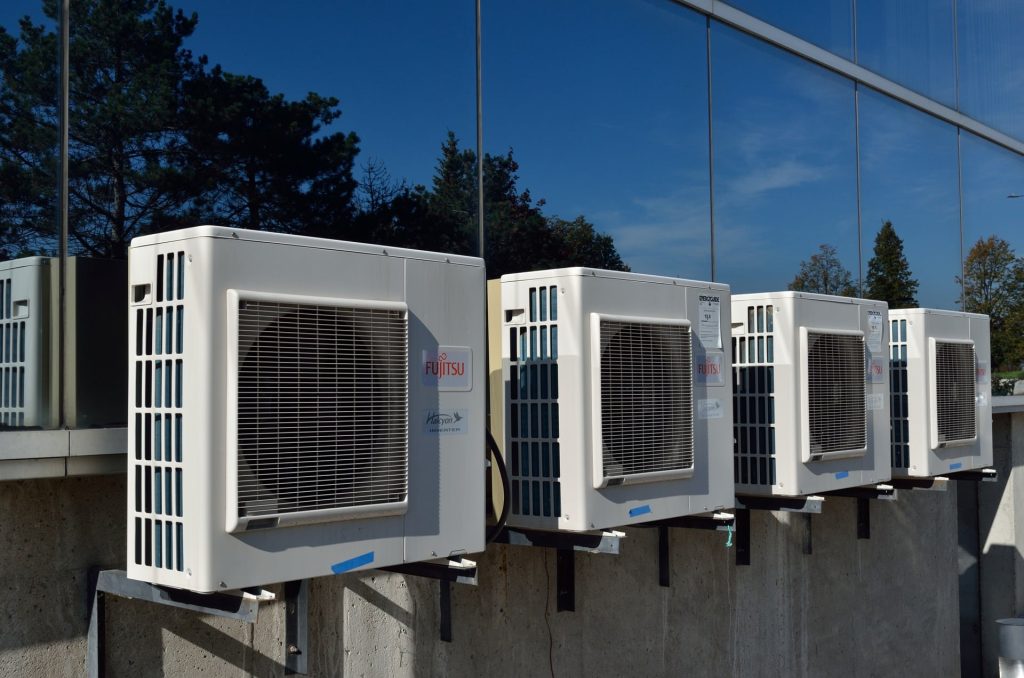
As the weather warms up in Arizona over the coming summer months, many people will begin to turn on their air conditioning systems to keep cool. With this increased use of power, it’s essential to protect your electronics from power surges and that includes your HVAC system. Power surges can cause damage that may lead to expensive repairs or replacements. One way to prevent this is by using surge protectors for your HVAC systems. What Causes Power Surges? Power surges are sudden increases in voltage that can damage or destroy electronic devices in your home. Several situations can create a power surge, including: Lightning Strikes: Lightning can strike power lines, causing a sudden increase in voltage that can travel through the electrical system and into your home’s electrical lines. This is the most common cause of power surges in homes. Electrical Grid Issues: Problems with the electrical grid, such as power outages, power fluctuations, and power switching, can all cause power surges. These issues can occur for many reasons, including weather conditions, equipment failure, and maintenance work. Electrical Appliances: Large appliances such as refrigerators, air conditioners, and washing machines can cause power surges if they draw too much power or if there is a fault in their internal wiring. Faulty Wiring: Faulty wiring in your home that is old, worn, or damaged can cause power surges. Wiring can also create a surge if it has been installed or grounded improperly. Downed Power Lines: Downed power lines can come into contact with the ground or other objects. This can cause a sudden increase in voltage coming into your home. Power Company Equipment: Power company equipment such as transformers, generators, and circuit breakers can fail, causing a sudden increase in voltage that can travel into your home. No matter where a power surge originates, HVAC surge protectors can help to mitigate the damage and protect your AC system. Additionally, having a professional electrician inspect and maintain the electrical system in the home can help to identify any potential issues that could lead to power surges and prevent them from occurring in the first place. What Kind of Damage Can a Power Surge Cause to an AC? In homes without surge protectors for air conditioners in place, power surges can cause considerable damage to AC systems by overloading and damaging electrical components. Some of the potential damage that power surges can cause to your HVAC system include: Compressor: The compressor is one of the most critical components in an HVAC system, and it can be particularly vulnerable to power surges. Without surge protectors for air conditioners, homeowners risk overloading the compressors, causing them to fail. Control board: The control board is responsible for regulating the operation of the HVAC system. A power surge can damage the control board, leading to issues with the operation of the system. Thermostat: The thermostat is responsible for controlling the temperature in the home. A damaged thermostat can cause the HVAC system to run inefficiently, leading to higher energy bills. Blower motor: The blower motor is responsible for circulating air through the HVAC system. A power surge can damage the blower motor, causing it to run inefficiently or fail altogether. Wiring: Power surges can damage the HVAC system’s wiring. Damaged wiring can lead to issues with the operation of the system, including short-circuiting and potentially causing a fire. Power surges can also cause issues with the HVAC system that can decrease efficiency, increase wear and tear, and reduce lifespan. It’s essential to protect your HVAC system from power surges by using air conditioner surge protectors. What Do HVAC Surge Protectors Do? A surge protector is a device designed to protect electronic devices from power surges. It works by diverting excess voltage away from your devices in order to prevent damage. Surge protectors for AC units and other appliances come in different shapes and sizes. While most people think of power strips as surge protectors, this is not always the case. Not all power strips provide surge protection and surge protectors for air conditioning systems are installed directly on your unit’s circuit breaker system rather than plugging into a wall somewhere. Here are some things to keep in mind when using a surge protector for air conditioner systems: Surge protectors for air conditioners are essential in protecting them from power surges. Power surges can cause significant damage to your air conditioning system, leading to expensive repairs or replacements. By using a surge protector designed specifically for air conditioning systems, you can divert excess voltage away from your system and prevent damage. Taking Steps to Prevent Power Surges In addition to using a surge protector, there are other steps you can take to protect your air conditioning system from power surges. One of the most effective ways to prevent power surges is to turn off your air conditioning system during a storm. Another way to protect your air conditioning system is to have it inspected and maintained regularly by a professional. Professional HVAC technicians like the ones at American Home Water and Air can check for any potential issues that could lead to power surges and recommend ways to prevent them. They can also clean and replace any dirty or worn parts that could be causing your air conditioning system to work harder than it needs to, which can put additional strain on the system and increase the risk of power surges.
How Long Do Goodman Air Conditioners Last?
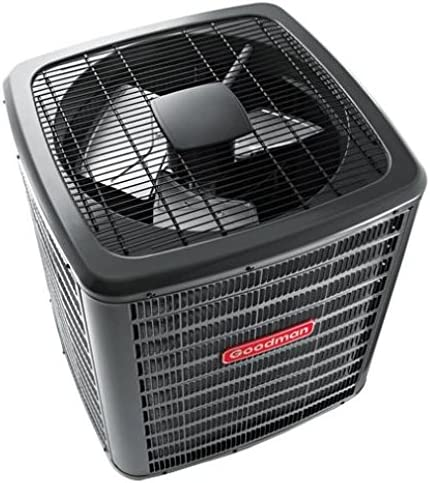
HVAC systems are one of the most important purchases a homeowner can make. One of the biggest questions asked of technicians about Goodman HVAC units is “How long do Goodman air conditioners last?” Before we discuss the Goodman AC life expectancy, let’s first talk a bit about Goodman Manufacturing, its history, and its quality control practices. Goodman Manufacturing Goodman Manufacturing has been in business since 1975 when it was founded by Harold Goodman. The company was built on a foundation of reliability and affordability. Though the company was sold to Daikin Industries in 2012, it continues to adhere to those principles. HVAC equipment produced and sold by Daikin is tested thoroughly and sold with an extensive warranty against defects. Goodman HVAC equipment is known for its affordability, superior warranty coverage, and a broad range of equipment choices. The Daikin-owned Goodman Air Conditioning and Heating Company is a budget-friendly choice for homeowners seeking a high-quality energy-efficient option that they can rely on. Each unit manufactured by Goodman is thoroughly tested before leaving the facility, assuring quality and excellence, especially if getting it through an HVAC provider like AHWA. Purchase costs for Goodman HVAC systems continue to be some of the most affordable in the marketplace today thanks to their sales model setup as a distributor-dealer that allows them significant control over their quality. This also gives them a greater ability to provide warranties that are far more extensive than those provided by most competitors. Goodman Warranties The quality of Goodman HVAC systems is so good that they include a lifetime warranty for their core HVAC components, meaning that your unit will be replaced at no cost if key parts like your compressor or heat exchanger. Additional parts are covered anywhere from 2 to 10 years. Goodman not only strives to provide quality, but they also stand behind their products for years to come. Goodman Quality Goodman HVAC systems offer a lot of value despite their lower price point. Their units are rated between 14 and 24.5 SEER. Though Goodman air conditioners are a bit noisier than some of their more expensive counterparts, they don’t reach more than 70 decibels even if operating under stress. For comparison, this is no louder than a dishwasher or washing machine. Goodman HVAC systems are sold all across the globe, though they are manufactured only in Houston, Texas. All Goodman equipment is sold mainly by distributors rather than dealers to assure proper installation by a licensed, professional HVAC contractor. While this may seem inconvenient to those who would like to do their own installation, it is a part of the reason that Goodman can provide such an extensive warranty. There are a few Goodman-approved dealers that sell their equipment but even these are only allowed to sell to contractors who have completed Goodman quality courses every six months. Goodman Features In addition to assuring Goodman HVAC systems are installed properly, their equipment comes with built-in features that add even more value to your purchase: How Long Does a Goodman AC Unit Last So, the question is still how long do Goodman air conditioners last? You probably already have a good idea from the information above but let’s clarify it a bit more. Goodman air conditioners have a long life expectancy thanks to the excellence in manufacturing and quality assurance measures taken before each unit leaves the Goodman facility. Each piece of equipment Goodman builds is made with only the most durable materials and workmanship. How long do Goodman air conditioners last? The simple answer is that a Goodman air conditioner will last around 10 to 15 years. However, if you adhere to a schedule of routine maintenance and use the system properly, you may get up to 25 years of use due to the quality that goes into its manufacturing. When discussing how long does a Goodman air conditioner last, you need to be aware of some of the problems that may reduce life expectancy and how you can deal with them. Goodman Air Conditioner Issues Just as with all HVAC systems, there are certain issues that may arise. If you are aware of them and deal with them quickly, they should not affect the lifespan of your Goodman air conditioner. While poor sizing and improper installation can also be issues, these aren’t usually a problem with Goodman equipment due to the requirement for professional installation. An experienced HVAC installer will ensure that the size and installation are proper for your space. The answer to how long do Goodman AC units last isn’t cut and dry, but with proper care, you can be certain you’ll get your money’s worth and then some.
Common Goodman Air Conditioner Problems (And How to Fix Them)
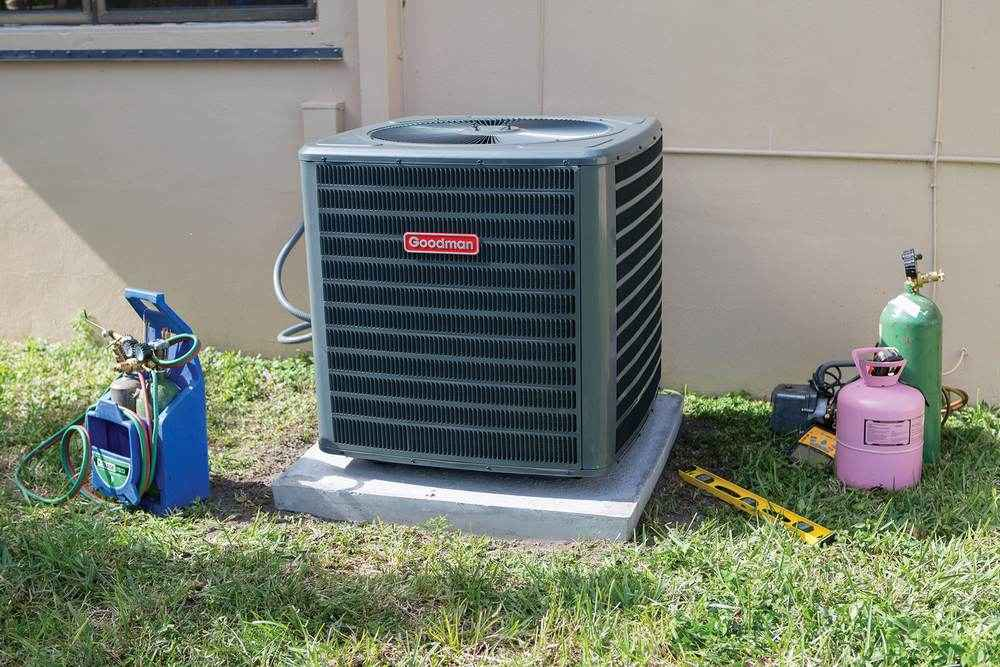
Goodman is a well-known name in the HVAC industry, offering reliable cooling solutions for homes nationwide. However, like any air conditioning system, even a Goodman AC unit can encounter issues, especially after years of heavy use or irregular maintenance. Whether you’re dealing with reduced cooling, odd noises, or airflow issues, this guide breaks down the most common problems homeowners face with their Goodman air conditioners—and what you can do before calling a professional. 1. Goodman Air Conditioner Not Turning On It’s a hot day in Phoenix, and your Goodman AC unit won’t power on. Before you panic, run through a basic troubleshooting checklist: If none of these resolve the issue, the problem may lie with a faulty capacitor, thermostat wiring, or the unit’s power supply. Electrical issues like these are best left to an HVAC tech for an AC repair, as improper repairs could worsen the damage or void your warranty. 2. Weak or Inconsistent Airflow Weak airflow is one of the most reported Goodman air conditioner problems—and for good reason. It affects your comfort, indoor air quality, and energy efficiency. Try these solutions: In some cases, poor airflow can be a sign that your current unit is no longer sized correctly or functioning efficiently for your home. If you’ve recently renovated or added square footage, consider whether it’s time to explore a more suitable air conditioning installation that better matches your home’s cooling needs. 3. Goodman AC Not Cooling Properly If your system is running but not cooling, it’s likely an issue with one of the internal components, such as the evaporator coil or refrigerant levels. Here’s what you can do: Sometimes, your AC unit may be running, but only the fan is working, while no cool air comes through. If that’s the case, understand why your central air is working but not producing heat, as the symptoms may overlap. Important: If these steps don’t solve the issue, you may have a refrigerant leak or compressor problem. These should only be handled by certified HVAC professionals. 4. Unusual Noises from the Unit Goodman air conditioners are typically quiet, so strange sounds usually mean something’s wrong: If you’ve recently noticed persistent or loud compressor noises, you should familiarize yourself with the potential causes of the noisy AC compressor and identify if it’s normal or a red flag. DIY fixes for noises are limited, especially when moving parts are involved. To avoid making the issue worse, turn off the unit and schedule a service visit. 5. Leaking Water or Excess Moisture AC systems naturally produce condensation, but if you notice puddles or moisture buildup, something’s off. If you notice repeated water buildup, contact a technician. Allowing moisture to linger can lead to mold or even water damage around your HVAC system. 6. High Indoor Humidity One of the key benefits of an air conditioner (AC) unit is its ability to control humidity. If your Goodman AC isn’t doing the job, check for: These aren’t always DIY fixes, so don’t hesitate to consult a professional to recalibrate or inspect your unit. Understanding Goodman AC Error Codes Many newer Goodman models come with diagnostic LED indicators or display error codes. These codes can help identify the problem quickly. To make use of this feature: When to Call a Professional While some Goodman air conditioner problems can be resolved with a filter change or a reset, others require professional intervention, especially when electrical parts, refrigerant, or internal damage are involved. AHWA always recommends consulting with licensed HVAC technicians for any repairs that go beyond simple maintenance. Not only does it protect your safety, but it also preserves your unit’s warranty. If you’re wondering whether it’s worth repairing your system or replacing it, you can check the average life expectancy of a Goodman air conditioner to guide your decision. Final Thoughts: Don’t Ignore the Signs Recognizing the warning signs of a struggling Goodman air conditioner early can save you from bigger headaches—and higher costs—later. Whether it’s weak airflow, strange noises, or poor cooling, taking action quickly is key.Need help from a trusted HVAC expert? Contact American Home Water & Air today for reliable service, routine maintenance, and system checkups that keep your Goodman AC running like new.
Can the Air Conditioner Cause Carbon Monoxide in Your House?
Can you get carbon monoxide poisoning from an air conditioner? Carbon monoxide is well known for its deadly effects. There are few who haven’t heard the tales of households who have succumbed to this colorless, odorless killer. The best way to prevent being affected by this dangerous gas is to be informed and take precautions to prevent it from occurring in your home. If you are among those who are wondering, can you get carbon monoxide poisoning from an air conditioner, you are in the right place. Let’s talk about some of the things you need to know when it comes to answering “can an AC produce carbon monoxide?” Can Air Conditioners Cause Carbon Monoxide? So, does your air conditioner produce carbon monoxide? No, there is no carbon monoxide in an AC unit. However, the performance of your furnace is another matter. Understanding how carbon monoxide forms and preventing it from doing so are the keys to protecting your household and we have plenty of tips to help you do just that. Carbon Monoxide Sensors While carbon monoxide (CO) sensors are a good idea, they don’t provide complete protection from this deadly gas. Low levels of carbon monoxide will not set off many sensors. They are programmed to respond only to significant levels of CO. This is the reason that those with these types of hard-wired detection devices are told to leave their home immediately if the alarm sounds. However, even low levels of CO can be harmful, especially if there is prolonged exposure to them. Breathing carbon monoxide, even at low levels, can create symptoms such as excess fatigue, recurring headaches, and nausea. It can also cause heart pain in those who have heart conditions. If members of your household begin experiencing these symptoms, don’t hesitate to seek medical attention. What To Do If You Suspect a Carbon Monoxide Leak Because carbon monoxide is colorless, odorless, and tasteless, you will need to rely on other ways to detect its presence. Once you have learned how to check for CO leaks, you will need to know how to go about remaining safe and getting help for the problem. Here are some signs you can look for before feeling any symptoms of carbon monoxide poisoning: Ignoring these signs can result in you and your family being exposed to carbon monoxide for a dangerous amount of time. Carbon monoxide poisoning can feel a lot like a hangover and should be treated immediately. If you feel you may have been exposed to carbon monoxide from an AC unit, you should act quickly. Open all doors and windows and get the members of your household outdoors into the fresh air. Quickly open all windows and doors to let any buildup of the gas dissipate. Visit the doctor to address your symptoms. Do not return home until you’ve had the CO levels in your home checked, especially if you are diagnosed with carbon monoxide poisoning. Once you’ve handled the immediate problem and it is safe to return to your home, do not use your furnace until it has been inspected. How to Prevent Carbon Monoxide Leaks Because so many carbon monoxide leaks originate from heating systems and problems with ventilation, proper HVAC service can help prevent CO leaks from ever occurring. Here are some tips for preventing carbon monoxide leaks in your home: Furnace Maintenance Before the start of each heating season, you should have your furnace and any other fuel-burning appliances inspected by a certified HVAC technician. If you have a fireplace, you should have it and the chimney inspected, as well. Regular inspections and maintenance will prevent carbon monoxide leaks from ever becoming a problem. It also allows your HVAC technician to become familiar with your equipment, so they can note any changes between visits quickly. Inspect Heat Exchangers When scheduling your furnace maintenance, be sure to request that the heat exchanger also be inspected. The heat exchanger in a gas or oil furnace is one of the most common sources of carbon monoxide leaks. What does the heat exchanger do? During the heat combustion process, the heat exchanger is responsible for venting any poisonous gases out of your home, away from the heating ducts that would bring them into your living space. A heat exchanger that has become corroded, cracked, or developed holes will not stop your furnace from working, but it will allow carbon monoxide to escape into the breathable air within your home. Clean the Flues and Vents Blockages in your chimney flue or vents can be another source of carbon monoxide leaking into your home. Dust, debris, and grime in your ventilation systems can combine to form a blockage, clogging the path deadly gases would normally take to exit your home. In some instances, you may even have small animals, birds or even insects build nests inside these areas, blocking the vents. Regular inspections allow your HVAC service provider to find and eliminate these issues before they result in a hazardous situation for your family. Takeaway To recap the answer to the question “Can you get carbon monoxide poisoning from an air conditioner?” The answer is a resounding “no.” However, you can get it from an ill-maintained furnace. There is no greater asset to preventing potentially deadly carbon monoxide from getting into your home than having it inspected, cleaned, and serviced regularly. The fall months before you turn on the furnace for those cold winter months is an ideal time to have maintenance performed. Any creatures that have taken up residence during the warm spring and summer months, any buildup and any damage can be located and corrected before the first use of the season. You can always contact the professionals at American Home Water and Air to inspect your furnace and repair the cause of the leak.