What You Need To Know About Phoenix Water Hardness
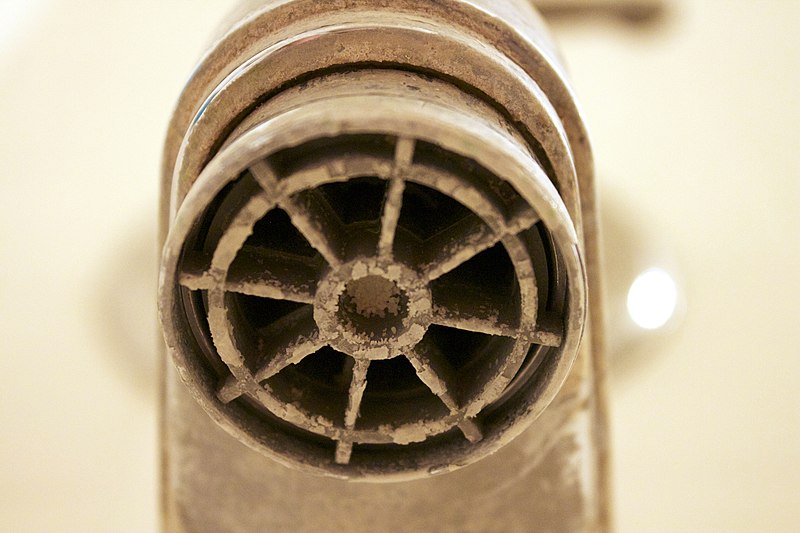
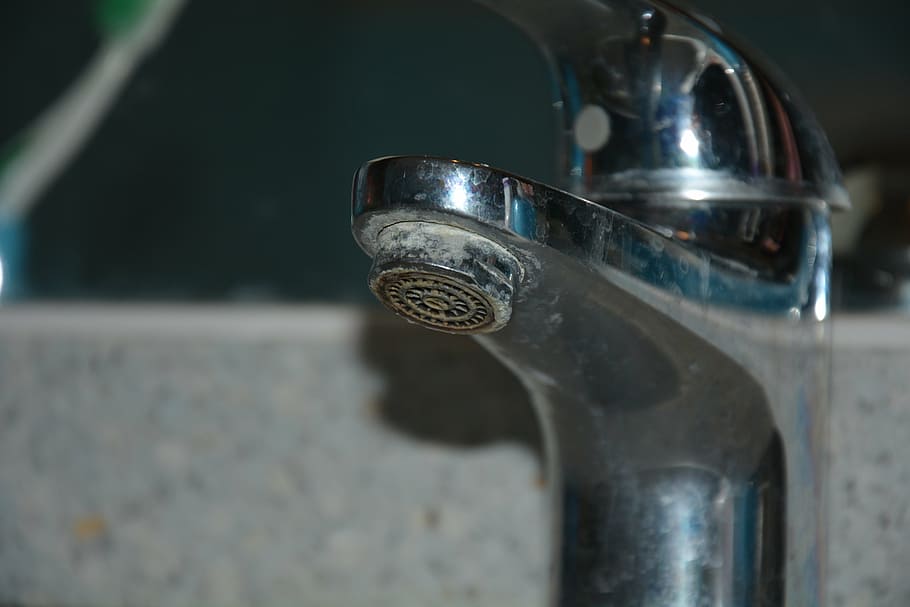
Is it safe to drink the water in Phoenix? If so, how hard is the water in Phoenix? Is there anything you can do to improve your water quality? Read on. We have the answers. Phoenix is home to more than 1.5 million people who trust the Arizona Department of Environmental Quality—the body charged with ensuring that the residents are supplied with clean and high-quality water. First, you need to acknowledge that the water here in Phoenix is predominantly hard. In fact, we can say we have a critical hard water problem. Arizona receives about 8 mm of rainfall per year, which isn’t enough to cater to the needs of all those people. As a result, the government resorted to groundwater sources commonly referred to as Aquifers. This increased the water supply in Phoenix. However, it came at a cost. The groundwater was found to be significantly harder than surface water (200 to 10,000 PPM). What is water hardness? Water hardness is the measure of calcium and magnesium concentration in water. Those are the two main minerals responsible for water hardness. The higher the concentration, the “harder” the water. Water that has little magnesium and calcium ions is called Soft Water. You’ll always find people trying to figure out which of the two is healthier for human consumption. Is it hard water or soft water? We’ll get into that later on. How is hard water measured? The “hardness” of water is measured in terms of grains per gallon (gpg) or parts per million (ppm). Water is “hard” if it’s found to have approximately 14.6 grains per gallon (gpg). The hardness of the water in Phoenix ranges from 13 to 17 gpg. Proof that the water here is significantly harder than the water in the surrounding areas. You can find more information from the annual Phoenix Water Quality reports. How hard is your tap water? Water hardness is not something you can see with your naked eyes. You have to test to figure out where your tap water stands on the hardness scale. To do this, you’ll have to buy a water hardness testing kit or do some simple tests at home. The most popular hard water test is the Soap Test. All you have to do is pour some of your tap water into a transparent container. Add some drops of pure liquid soap and shake vigorously. Don’t use detergents. They usually contain additives that will temper the results. After shaking, let the water settle and look for studs and water clarity. “Softer” water has more studs and is crystal clear. On the other hand, hard water has fewer studs and is somewhat cloudy. What are the effects of hard water in Phoenix? Some of the minerals found in hard water are indeed good for our bodies. In addition to that, we’d advise you to use hard water instead of soft water when watering your houseplants or garden. Nevertheless, even with those positives, soft water is still the best for household use. Hard water destroys plumbing systems and appliances As mentioned earlier, hard water contains calcium and magnesium ions. These ions are responsible for the formation of limescale—your worst enemy. Limescale is a hard, ugly, and chalky substance formed from calcium and carbonate ions found in hard water. The deposits are usually found on and around water spots like faucets, showerheads, and of course, pipes. The more you use hard water, the more the limescale builds up in your pipes until they’re completely sealed, and you start experiencing clogs and blockages. The only way to fix this is by replacing your plumbing system. The limescale layer will also shorten the life span of appliances such as kettles and water heaters. It’s so bad that it can shorten the lifespan of an appliance by 50%! Hard water is bad for your skin and hair The hard water in Phoenix is bad for skin and hair. The concentration of minerals in hard water will suck the water from your skin and hair, causing hair dehydration and scaly skin. Are you suffering from a dry and itchy scalp? Then your tap water might be the culprit. Also, the pH levels of hard water will tamper with your skin’s pH levels and cause skin irritation. It’s much worse for people with eczema. Hard water stains houses and clothes Do you now see how hard water can destroy your home? The minerals found in hard water also tamper with cloth fabrics. Weakening and discoloring them. What do you think causes the brown and light-red stains on your showerheads and taps? Hard water is the culprit. How can you deal with the water hardness in Phoenix? Water softening is the answer to hard water. Water softening involves the removal of the highly concentrated minerals present in hard water. This means you’ll no longer have to deal with limescale deposits that are harmful to your home and health. Water softeners are your best shot at fighting water hardness in Phoenix. How does a water softener work? Water softeners remove water hardness through a process known as Ion Exchange. In short, the calcium and magnesium ions are exchanged for sodium ions. The process takes place inside a tank that contains beads known as resins. The result is “softened water” incapable of forming limescale deposits. Are water softeners harmful to your health? The biggest concern that people have with soft water is the extra sodium that comes from the ion exchange process. To clear things up, we’d like to state that only a negligible amount of sodium is added to your tap water. Sheldon G. Sheps M.D, at the Mayo Health Clinic, clearly stated that a cup of soft water (8 ounces) has less than 12.5 milligrams of sodium. According to the Food and Drugs Administration, that is very low sodium. Soft water is safe to drink unless you’re suffering from high blood pressure or other illnesses that require you to lower your sodium intake. Do you still
How To Choose A Phoenix Water Softener Company
So many professionals promise more and deliver less. Therefore, we took it upon ourselves to come up with a guide on how to choose the best Phoenix water softener company. Water softeners come in all shapes and sizes. Some are high quality, and some are low-grade. Choosing the right water softener company for all your water treatment services will guarantee you a high-quality water softening system. What to look for when choosing a water softener company in Phoenix Licensing and certification How else will you if the water softener company is up to the task? When asking for the price quotation, don’t be afraid to enquire about their license and experience. You’ll also need to check whether or not the water softeners they sell are certified. Look for certifications from reputable organizations like the Water Quality Association (Look for the WQA Gold Seal). Customer reviews How do they treat their clients? Do they deliver on their promises? A water softener company with a lot of negative reviews is a bad idea. Understanding how the company operates will smoothen a lot of things in the future, especially when it comes to their customer care and support. Their aftercare services Will they stay by your side post-installation? Are there any hidden costs and charges you should be aware of? Ask them what they charge for their maintenance services and how they go about servicing installed water treatment and softening systems. Good companies are transparent about this. The quotation Before you go hunting for a water softener company in Phoenix, research how much it would roughly cost you to install a water softener. Next, ask for price quotations from several water softener companies and see who is reasonable with their pricing. Be wary of very cheap services (they’re more likely to be of low quality). Instead, go for a water softener company that is affordable and satisfies all the other factors we’ve mentioned. Continue reading to understand more about water hardness and water softeners. That way, unscrupulous water softener companies will not be able to take advantage of your lack of knowledge on this subject. What is hard water? For those who are new to this, hard water is water with a high concentration of magnesium and calcium ions. In case you didn’t know, we have a critical hard water problem here in Phoenix, Arizona. Indeed, we can say that the water over here is significantly harder than the water in the surrounding areas. The level of hardness of household water in Phoenix is around 210 to 350 Parts Per Million. On the water hardness scale, that’s “very hard water.” Is hard water suitable for household use? Hard water is indeed recommended for garden use. In addition to that, it’s also a rich reservoir for natural minerals and elements that are good for our bodies. However, despite hard water having those few benefits, it’s still not good for household use. Why? Hard water isn’t good for our skin and hair. In addition to that, hard water will destroy your home. Why is hard water not recommended for household use? As mentioned earlier, hard water is rich in mineral ions such as magnesium and calcium. The calcium and carbonate ions present in hard water are building blocks of a nasty substance called Limescale. Limescale is a chalky, white, and at times, light brown substance that can wreck a home. You must have come across this substance if you live in Phoenix, use tap water, and yet install a water treatment and softening system. Limescale is found on and around water zones like bathroom tiles, faucets, and showerheads. Look inside your kettle or water heater, and you’ll spot a “dirty layer” on top of the appliance’s inner walls. That substance is limescale. Did you know that a layer of limescale will decrease your water heater’s efficiency by 50%? In addition to that, limescale will cost you a lot in terms of electricity bills. Have you been struggling with dry hair and skin for some time now? Then, hard water might be your culprit. The minerals in hard water will not only tamper with your skin’s pH levels, but they’ll also suck the moisture from your skin and hair. So, what is the solution to all these problems? Soft water—it’s the only way you can stay away from the negative side effects of the “very hard water” in Phoenix. Soft water and water softeners Soft water is the opposite of hard water. It’s water that has little to no magnesium or calcium ions. Therefore, it’s incapable of forming Limescale deposits. Also, it’s the most recommended water for household use in Phoenix. Water softeners are the systems responsible for the removal of the dissolved mineral ions. They can soften hard water and make it usable in and around your home. Most water softeners use the Ion exchange process to remove the dissolved mineral ions. However, there are many other types of water softeners in the market. Salt water softeners Salt water softeners are the most common type of water softeners. They soften hard water through the ion exchange process. The ion exchange process involves passing hard water through resin beads. In the resin beads, the calcium and magnesium ions are replaced by sodium ions. The amount of sodium added to your tap water by salt water softeners is extremely small. Therefore, soft water is safe to drink. Nevertheless, we’d advise you to go for salt-free water softeners if your doctor sternly advises you to watch your sodium intake. Salt-free water softeners Technically speaking, these aren’t water softeners. They’re more of descalers and only work to breakdown the already formed Limescale. Unlike water softeners that change the chemical composition of water to prevent Limescale formation, descalers introduce charged particles into your water. The charged particles then break down the limescale buildup in your plumbing system. Salt-free water softeners use Potassium-Chloride instead of Sodium salts. Sure, salt-free water softeners, a.k.a descalers, would be a good option if the
Water Softener Loop Installation: Your Ultimate Guide
Purchasing a water softener is the best option for any household located in an area with a high water hardness level. Once you buy a new water softener, you need to make sure that your house is ready. The main element you should check out is if you have a water softener plumbing loop. A water softener plumbing loop separates the water for indoor activities from the one that goes to the outdoors of your home. This brings endless benefits since the water you will use for watering your plants or grass won’t be softened. There is no need to worry because hard water will not harm your plants since they can deal with those types of hard minerals. The best part is that a water softener plumbing loop ensures that all the incoming water goes through your water softener. This loop will also protect all your appliances and faucets from the damaging effects of hard water. If you don’t have a loop, it is time to consider a water softener loop installation. However, before making this decision, you need to make sure you don’t have one already in your home. That’s why before giving you an installation guide, we are going to tell you all you need to know about a water softener loop. Where is my water softener loop located? When you are unsure whether you already have a loop in your house, you can simply go to the garage or the mechanical room to investigate. If you don’t find it there, there is no way it will be hiding in some other corner of your house. In the garage, you are going to look for what looks like a “U” shaped tube. These loops can be coming out of a wall or sticking out from the floor. If you don’t live in a region where there are hot temperatures all year long, you could find the loop on the outside of your home. Most of the houses built in the last few years already come with a water softener plumbing loop, which means you won’t have to worry about installing one. If you bought the land and you are building your own house, it is essential to ask the contractors for a water softener loop installation. If your house doesn’t have a loop, you could still have a water softener, but it is not what we recommend. A loop helps conserve water, which is good for an eco-friendly environment and translates into a longer lifespan for your water softener. Even though below, you will find a guide on how to install a water softener loop, we advise that you hire a professional for this task. A water softener loop installation involves knowledge on how pipes work, and only an expert will know how to install it without damaging your plumbing system. Water softener loop installation cost The cost of a water softener loop will depend on two factors, the size and what other items are involved. Here the size doesn’t necessarily refer to the loop. It is also talking about the job, which means how long it will take and how complicated it will be. Overall, a water softener loop installation cost can go anywhere from $600 to $2000. There are various factors that determine that price, like does it need to be re-routed? Where is the existing plumb, and how far is it from where you want to install the loop? If you have any questions, you can always call the top water companies, and certified experts will tell you all you want to know about loop installation as well as help you pick the best water softener for your home. Water softener loop maintenance If you think it is not a good idea to install a water softener plumbing loop because it will mean more water softener maintenance, you are wrong. A water loop requires minimal maintenance and, in return, brings endless benefits. The only thing you need to do once in a while is to check if there are no leaks in your loop that could damage your whole system. When there is a leak, it is better to call the experts and repair it right away. In some cases, especially if your water loop is installed in the garage where the low winter temperatures could freeze it. It is better to insulate the loop. What happens if you don’t have a water softener loop? Many people wonder if not having a water loop will influence the installation of their water softener. Even some ask if not having a loop will be an obstacle to getting the water softener they need. Luckily, as we mentioned before, you don’t need a loop to install your water softener. However, not having a loop will be a disadvantage when the water company delivers your new water softener. When you don’t have a plumbing loop, your water softener will have to be attached to your house’s main water supply. This limits your options on where the water softener will be located because, from the place you choose, the professional installing your water softener will have to put plumbing lines connecting it to the main supply. If you have a single-story home, you have more options than a two-story, but there are other factors that you need to consider, such as walkways and attic access. Because you don’t have a loop, you will have to get a full line. In terms of cost, a full line installation could be between $400 and $900, but this depends on your supply location. It is going to be cheaper if your water supply goes through your garage wall because it will be easy to install your water softener. However, if it is on the opposite side of your house or in the middle, the full line will require more materials and time. How to install a water softener loop Now that we have looked at all the important information you need
Descaler vs. Water Softener: What You Need to Know
Dealing with the effects of hard water can be exhausting. Your laundry doesn’t get clean, you have to work extra hard to clean your bathroom, and there are soap spots in your glassware. Maintaining your house becomes a total headache. However, water hardness is not the only issue, contaminants in your water can also be damaging to your health. That’s why today we will tell you all about two types of filtration systems, water descaler vs water softener. Both can help you solve these problems, but which one is perfect for your home? There are several differences between a descaler vs a softener, but before taking an in-depth look into how each one works, you need to understand what water hardness is. If you have ever experienced hard water problems, you know this water causes build-up on your surfaces and damages your appliances. But, it is vital to learn exactly what hard water is, to tackle the problem. Hard water is the type of water that carries calcium and magnesium minerals. There are different levels of hard water, depending on the area that you live in. These levels go from soft to very hard, and their official measure is grains per gallon (GPG). To find out your water hardness, you could call your municipality or purchase a test kit online. Once you know your water hardness level, this information will help you choose between a descaler vs water softener. We understand that this decision can be overwhelming if you don’t know what to look for or the main differences. Don’t worry. Here you will find everything you need to know about water softener vs water descaler, starting with their benefits. Descaler vs water softener: What are the benefits? Descalers and water softeners deal with hard water and scale deposits in their own way, using different techniques. Depending on your hard water level, you might prefer one over the other, but here we will tell you the benefits you will enjoy with either of them. These systems will protect your plumbing system and your appliances from wrecking. This means no more costly regular repairs. Also, having a water softener or a descaler will improve your health and skin appearance. The best part is that cleaning your house from now on is going to be quick and easy since you won’t have to deal with the calcification that hard water creates on your surfaces. These are the benefits that you will find with both filtration systems. Now that we have looked at the similarities of these systems. It is time to analyze their different features to decide which one is the best option for your household. Water Descalers vs Water softener: Main Difference Before getting into the process of a descaler vs a water softener and which system is better for specific circumstances, you should learn the differences between a water softener vs descaler. The main difference between these systems is that a water softener will eliminate all the hardness in your water, which means your GPG count will end up in zero. A water descaler will not reduce your GPG count but rather prevent all the secondary effects of hard water. Also, a water softener vs a descaler will need more space in your home. A water softener needs two tanks to work while a descaler is smaller and has fewer limitations regarding location. A water softener will need regular maintenance while a descaler needs minimal checks. But you can always ask your water company to create a schedule for you. To learn more about the types of water softener and their maintenance, click here. Descaler vs. Softener Water Softener A water softener consists of two tanks. One that has resin beds, and the other is the brine tank. Through ion exchange, your water softener will change the chemical composition of the water. First, your house’s incoming water will enter the tank with the resin beds charged with sodium ions. When the water goes through the resin beds, they will trap the calcium and magnesium minerals and replace them with sodium. When your resin beds are filled with minerals, the brine tank will create a solution to clean them. This process is called regeneration. The brine tank needs bags of salt to create the solution and charge the resin beds with sodium. Although the amount of sodium in your water is minimal, if you have a low sodium diet, we recommend using potassium instead of salt. With a water softener, the water’s taste will change, you will have lather again, and there won’t be any more soap scum. Then in which cases is it better to use a water softener vs a descaler. When is it better to use a water softener? Even though you can get a water softener for any household, there are specific situations in which getting a water softener is your only choice. If you decide to purchase a water softener, you need to keep in mind that you will have to spend more money on their maintenance and salt bags for the brine tank. Also, there would be more water consumption because your water softener will need it to clean the resin beds during the regeneration process. However, you should know that a water softener brings more benefits than disadvantages to your home. Water Descaler As we mentioned before, a descaler vs a softener will not eliminate the minerals that produce hardness in water. That’s why most people also call water descalers, water conditioners. A water descaler’s main task is to prevent the calcium and magnesium minerals from creating build-ups and scale deposits, apart from eliminating contaminants in water. To accomplish this, a water descaler uses several types of technologies. Some can be magnets placed in your pipes; others use a low voltage current. The last ones will create crystals that avoid scaling in your surfaces, this is known as templed crystallization. The first two types of water descalers will use a magnetic field to
Water Softener Replacement: Everything You Need to Know
Water softeners are the kind of appliance that needs to be working at all times. However, even with the top water softeners in the market and regular maintenance schedules, you will eventually need a new one. Different signs can tell you whether you need a water softener replacement or repair, and we will teach you how to identify them. Having a water softener at home is essential if you want to improve your water quality without all those hard water minerals that can impact your health. If you take care of it, a water softener can last from 10 to 15 years. Keep in mind several factors can influence the lifespan of your water softener, such as water hardness and usage. Every year the efficiency of your water softener will reduce about 1 to 2%. If you purchased your appliance a decade ago, it might be time to consider a water softener replacement. Especially if you start noticing soap spots in your glassware, or if your skin gets itchy due to the water in your home. You must never assume a replacement is the only option. Sometimes your device might just need valves cleaning, more salt on the brine tank or new resin. Make sure you do a complete inspection before deciding you need a water softener replacement. To help you, we have put together a guide on all the things you need to know about water softener replacement. When to replace a water softener? When there are growing scales in your tub’s surfaces or your laundry becomes more difficult to clean, those are clear indicators that you need to go and check what is wrong with your water softener. Most of the problems you will be able to fix, but you can contact the top experts in the industry if you feel lost. In this guide, we will talk about other types of signs apart from the common ones, which will indicate when to replace your water softener. No lather in your wash This is a great way in which you can tell if your water softener is working. When you have a soft water supply, it will be easy to create bubbles when you are showering, and you won’t need much shampoo to create lather in your hair. If that doesn’t happen and you need to use more soap or shampoo, you are probably getting hard water instead of soft. Doing laundry is a headache If your washing machine requires frequent repairs through the year, that can be a sign that hard water is damaging it, and that’s when you should verify if you need a water softener replacement. Other indicators can be your laundry’s appearance after washing it and the lather amount during the cycle. Keep an eye for yellow or stiff laundry and also if it is harder to eliminate the stains. To know if there is a lack of lather, you can simply stop your washing machine in the middle of the cycle, and if there is not a regular amount of bubbles. Then your water softener is not working as it should. Residue buildups in your pipes Often if you have hard water in your area and you don’t have a water softener, you will notice that your pipes have crusty material around them. Even though most people don’t pay attention to it and classify it, as usual, we are here to tell you it is not. Hard water is full of calcium and magnesium minerals, which produce those buildups around your pipes and faucets. That’s why next time you are cleaning your kitchen or your bathroom, you should inspect these places. In case you encounter this chalky material, it means your water softener needs some maintenance, or it is time to buy a new one. Bad water taste If you had experience with hard water before, you could have noticed it tastes different compared to soft water. This is because the minerals that cause hardness in water are eliminated and replaced with sodium, this does not mean its salty water, but it does change how water tastes. A big warning sign that your water softener needs servicing or a complete replacement is when you drink tap water from your kitchen, and suddenly the taste changes. Beware that this will only work if you don’t have another filter installed in your kitchen. For instance, if you have a reverse osmosis filtration system in your kitchen, you will not notice something is different since this device will give you a smooth taste. Now that you know all the signs of when should a water softener be replaced. You can go and check if any of them are occurring at the moment. If, after a complete assessment and maintenance, your water softener still needs repairs. Don’t think about it twice. Call your water company and ask for a quote for a new water softener. In case you decide to do a water softener replacement, you can let the professionals install it, or you can follow the instructions below and do it yourself. Step-by-step guide to replace a water softener When you replace your water softener, it is vital that you check the current types of water softener and whether there are system changes. A modern water softener has automatic regeneration, and even some models don’t consist of two tanks anymore. That’s why replacing your water softener should be the same process as when you bought it for the first time. Ask all the questions, get different quotes and make sure to get the size you need. After buying the new device, here is a step-by-step to do a water softener replacement. When should a water softener be replaced? Conclusion With this guide, you have all the information you need to identify when your water softener needs replacement and all the instructions for installing your new device. Replacing your water softener will be an added expense that maybe you were not expecting, but it would be
Is Your Water Softener Clogged? Here’s What to Do
A water softener is a primary appliance for any home, and when it is no longer able to remove water hardness, it will interfere with your daily activities. When you notice that your water doesn’t have the same quality as before, it could mean your device needs maintenance, repairs, or maybe it is only a common issue like a water softener clogged. In this article, we will focus on what to do when your water softener is clogged. A clogged water softener is not something you need to worry too much about. This happens to even the best water softeners in the market, and it can originate from factors you can control, such as the weather. You can try different things to fix your clogged water softener, and the good news is that you can perform the majority of them with items you have at home. The best way to know if there is something wrong with your water softener is by looking out for soap spots in your glasses or some growing scales on your house’s surfaces. It is important to remember that you can avoid any issues in your water softener with regular maintenance. However, even with frequent inspections through the year, it is probable that you will have to deal, at least once, with a clog in your water softener. Before jumping to conclusions and diagnosing a clogged water softener, you need to make sure there isn’t another reason why your water softener stopped working. The first step you should take is checking what is wrong with your water softener. Diagnosing the problem There are two kinds of water softener designs you can find either online or in your city’s stores. One of them is going to have two tanks. In the first one, you will have the resin beds responsible for trapping calcium and magnesium minerals from hard water. When these resin beds are filled, they will need cleaning. The brine tank will take care of that, ensuring you have soft water whenever you need it. The other kind of water softener will have resin beds and the brine solution in the same tank. This means that both the regeneration process and the water softening happen in the same place. Here you can learn more about the types of water softeners in the market. The main factor you need to keep in mind when diagnosing your water softener is its regeneration process. Depending on the kind of water softener you purchase, your regeneration process can be automatic or mechanical. If you bought your water softener in the last few years, you probably have an automated system that keeps track of your water usage and regenerates when it hits a certain amount of litres. In case you have an older water softener, you will have to program the regeneration process when the company installs it in your home. When the water softener is clogged, it is usually a salt mass in the brine tank that does not allow the water to flow, but that is not the only possibility. It could also mean the water softener drain is clogged or even the pipes. The best way to know what is happening is by keeping an eye on your water softener’s regeneration schedule. Clogged water softener: How to fix it If you notice an irregular schedule of regeneration and the water is not flowing through your brine tank. Your first thought might be calling your water company and getting it fixed right away. However, there are some things you can try at home before asking for backup. Water Softener clogged with salt This one is the most common type of clogging issue you will encounter. As you now know, you need salt in your brine tank, so your softener can undergo regeneration. In this process, these salt pellets allow your brine tank to create a brine solution to clean the resin beds. Sometimes changing weather conditions and high humidity levels will affect the composition of the salt. When this happens, the salt will turn into a solid mass at the bottom of your tank, preventing any water from flowing through your tank and going back out with the brine solution. This will stop the regeneration process, and consequently, you won’t have any soft water at home. Luckily, to solve a clogged water softener, you don’t need a professional. You can do it. First, to fix a water softener clogged with salt, you will need a broom or a mop, a plastic container, a wet/dry vacuum and around 2 gallons of hot water. When you have all the materials, just follow these simple instructions: You might have to repeat these steps more than five times to get rid of the clog. Water softener clogged pipes Even when a salt clog is a recurring problem, you will find there could also be clogged pipes attached to your water softener. If this is the issue, you will notice that your brine tank’s water level is higher than it should be. To clear these water softener clogged pipes, you will need to clean the valve injector. When your injector is clogged, it will prevent suction during the brine cycle affecting the regeneration process. Here, you will take out the injector and look through the hole. If you can’t see, then you will have to clean it with a pin or needle. Water softener drain clogged If the water you receive at home has high iron levels, you will likely have a clogged control valve. To identify this issue, you will need to check your brine tank and see if there is an overflow. If that is the case, clean the control valve. Now your water softener should be working again. These solutions should be enough to fix your water softener. If it is still not running, you need to contact experts to come and take a look. Since your water softener is an appliance you use every day, you should learn
Best Water Softener for Arizona Homes

Living in Arizona comes with its own unique set of challenges when it comes to water. If you’ve noticed mineral build-up on faucets, dishes, or skin, you may be dealing with hard water. But don’t worry—you’re not alone! Many homeowners in Arizona face the same issue; fortunately, there’s a solution: a water softener system. In this post, we’ll explore what makes Arizona’s water so hard, how to choose the best water softener system for your home, and which systems can help you improve your tap water quality. Understanding Arizona’s Hard Water Arizona is known for its hard water, which means the water supply contains high levels of minerals like calcium and magnesium. These hard water minerals are the culprits behind those stubborn soap scum marks in your bathroom, the build-up in your pipes, and the wear-and-tear on your appliances, impacting tap water quality. Hard water also affects Phoenix’s water taste, making a water softener system an essential upgrade for Arizona homeowners. How to Determine Your Water Hardness Before selecting the best water softener for your Arizona home, it’s essential to know the exact hardness of your water. Water hardness is measured in grains per gallon (GPG), and Arizona generally falls into the “hard” or “very hard” categories. To determine your water hardness, call your local water provider for the most accurate information or use a water hardness test kit (which is quick and easy to use). Once you know your water hardness level, you can select the right solution for your home. Water Treatment Options for Arizona Homes When it comes to treating hard water, there are three primary systems to choose from: water softeners, water filtration, and water purification. Each system addresses different issues, and the one that’s right for you depends on your specific needs. 1. Water Softeners: The Best Choice for Hard Water in Arizona Water softeners are the most effective solution for dealing with Arizona’s hard water. These systems work by replacing calcium and magnesium with sodium (or potassium) through an ion exchange process. The result? Softer, more manageable water throughout your home. The most significant advantage of water softeners is that they tackle the core problem of hard water, helping to prevent mineral build-up on your appliances, pipes, and skin. They are a great investment for Arizona homeowners who want to protect their plumbing and improve their water quality. Note: Water softeners are fantastic for reducing hardness but do not remove harmful bacteria or other contaminants. For additional purification, you may want to combine a softener with a filtration or purification system. 2. Water Filters: Ideal for Removing Contaminants If you’re concerned about chemicals or contaminants in your water — like chlorine, lead, or heavy metals — a water filtration system might be needed. These systems remove unwanted impurities and improve the taste and quality of your water. However, keep in mind that water filters do not soften water. If you have hard water, you’ll still need a softener in addition to a filtration system. 3. Water Purification: For Health-Conscious Households Water purification systems are designed to eliminate viruses and bacteria from your water. These are ideal for families with young children or anyone concerned about waterborne illnesses. While purification systems provide clean, safe water, they don’t soften it. So, if you’re facing hard water problems in Arizona, you’ll still need to consider a softener for full protection. Types of Water Softeners: Which One is Best for You? Now that you know why a water softener is essential, let’s dive into the types of systems available and help you decide which one is the best water softener for your Arizona home. 1. Salt-Based (Ion Exchange) Water Softeners Salt-based water softeners, also known as ion exchange softeners, are the most popular option in Arizona. These systems use two tanks: one filled with resin beads and the other with salt pellets. The resin beads attract and remove the calcium and magnesium from the water, replacing them with sodium. These types of systems are highly effective at softening water and can last up to 15 years with proper maintenance, contributing to their long lifespan. If you’re considering this option, learn more about choosing the best water softener salt for optimal results. Tip: If you’re on a low-sodium diet, consider using potassium chloride pellets instead of salt. They contain no sodium and are a healthier alternative. 2. Salt-Free Water Softeners (Conditioners) Salt-free water softeners or conditioners don’t remove hard minerals from your water. Instead, they “condition” the minerals, preventing them from sticking to surfaces in your home. While they’re better than nothing, salt-free softeners are less effective in Arizona due to the region’s hard water. These systems may help prevent mineral build-up but won’t fully soften the water like a salt-based system. 3. Reverse Osmosis (RO) Filtration Reverse osmosis systems are typically used for more minor water needs, like drinking water or cooking. These systems filter out contaminants, improving taste and safety. However, reverse osmosis systems don’t soften water. If you have hard water throughout your whole home, you’ll need a separate softener. Choosing the right system depends on your needs, lifestyle, and how much maintenance you’re willing to take on. Each type has strengths, so assessing which one fits your home best is a good idea. Tips for Choosing Your Water Softener To make the right choice, consider these key factors while picking out your next water softener: Size and Capacity: Ensure your chosen system can handle your home’s water usage. A larger household may need a more robust system to soften water effectively across all faucets. Maintenance Requirements: Salt-based softeners require regular salt refills and periodic maintenance, while salt-free conditioners are often lower maintenance. Water Conservation: For eco-conscious homeowners, high-efficiency models are a great choice. They reduce the amount of salt and water used, helping conserve resources and lowering long-term costs. Conclusion Dealing with Arizona’s hard water can be challenging, but taking steps to soften your water can make
How To Tell If Your Water Softener Is Working
Is it safe to drink soft water? Do you know how dangerous it is to use a faulty water softener? Not only are you drinking hard unfiltered water, but you’re also at risk of consuming the toxic substances that may pass through an “expired” water softener. Can you drink tap water in Arizona? It is generally recommended that you avoid tap water as it could contain dangerous substances, however, if you have an up-to-date water softener in place, then it is generally safe to consume. What is even more shocking, is the fact that most homeowners are not even keen when it comes to ensuring that regular maintenance routines are done. Yet, they expect their trusted devices to live on and keep serving them for decades. So, how long does a water softener last? Somewhere around 10-15 years. However, very few water softeners actually hit the double-digit age. Unlike other appliances that will clearly show when something is wrong, water softeners are ever-silent. It’s not shocking to come across a household that has been unknowingly using a faulty water softener for several years. How do you know if your water softener is working? How do you know when your water softener needs to be replaced? Is a water softener worth it? What are the signs of a faulty water softener? What are some of the common unnoticeable problems in water softeners? Read on to find the answers. How to tell if your water softener is working properly We’ll list some of the things you can check to figure out if your water softener is working. 1. Check if your “softened” water is still easy to lather It’s one of those simple, but effective tests that will immediately let you know if your water softener is still working. Take a bucket-full of water and add a reasonable amount of soap. Stir the mixture and see if the bubbles produced will be a lot or less than normal. Few bubbles are a sign that the water is hard to lather- A clear sign that your water softener is faulty or not working. When lathering becomes hard, you’ll find that you’re forced to use more detergent when doing laundry. Or, more shampoo when taking a shower. 2. High-quality laundry work Speaking of laundry, you need to be wary of the type of water you’re using for your laundry. High-quality laundry is a sign that your water softener is still working. On the other hand, low-quality laundry is a sign that your laundry machine is back to using hard water- This will only happen if your water softener is not working. Discolored, scratchy, stiff, and easily torn clothes are a sign that hard water is being used. The impurities in hard water will mess up your clothes’ fabric structure. 3. Clean pipes, faucets, toilet, tiles, and sinks Hard water usually forms limescale on these surfaces- It’s an ugly-looking chemical compound that sucks the beauty and life from a home. Of course, this is only relevant depending in the area you live in. You may want to find out what type of water flows though your water system. you can use this water quality report for Maricopa as an example on how to find out what to expect in your local water. The formation of limescale is a sure sign that hard water is being used in your household. In this case, your water softener is not working. Limescale formation worsens in piping systems. Continuous passage of hard water in pipes will leave behind limescale residue that piles up over time. If you’re not careful, it might even block and damage your household’s pipe system. 4. You still experience the unique taste of soft water People who prefer soft water to hard water know exactly what we’re talking about. Soft water has a unique taste that greatly differs from hard water. Some say it has a dull taste and others like it. To many, hard water has a strong (almost salty) taste- Ths is because of the dissolved mineral ions found in hard water. If you’re drinking soft water, be keen on its taste. A noticeable change is a sign that something is up with your water softener. Next, we’ll be going through some of the common unnoticeable problems in water softeners. You need to spot them early enough before they fatally damage your water softener. Common water softener problems 1. Leaks It’s easy to live with leaks for years without spotting them. In fact, most water softener leaks aren’t as a result of damage- They’re brought about by poor installation, hence are easy to fix. You need to inspect your entire system (especially for those with whole house water softening systems). Check the pipes, tanks, taps, and any other place you might suspect. 2. No regeneration cycles Regeneration is a crucial process for water softeners. It’s when your water softener takes time to remove the “filtered” mineral ions that were removed from hard water during the softening process. If a water softener fails to carry out its regeneration cycles, softening will no longer take place- You’ll end up with the hard water you’re trying so desperately to avoid. A sure sign of this is salty tasting water because of the high mineral ion concentration. There is a special timer that lets your water softener know it’s time to regenerate- This is usually during the night- Times when water is least required in the household. Every water softener has its way of letting you know that it’s about to carry out its regeneration cycle. Go through the manufacturer’s guide. It’s usually a specific sound that comes just before the process is initiated. 3. Low pressure Probably the most annoying water softener problem to ever hit households. Now, several things can cause this menacing problem. An undersized water softening system: You need to be careful when shopping for a home water softener. Take time to calculate your household’s water consumption rate. It’s also worth taking into
Is A Water Softener Worth It? The Hard Facts
If you live in a place like Phoenix, you’re probably at least somewhat familiar with the concept of water softeners. But is a water softener worth it? Do you truly need one? Today, we’ll answer these questions and more to help you decide. Is A Water Softener Worth It? The Basics Water softeners work by reducing mineral concentrations that can lead to things like limescale and dry skin. They are a very common household appliance in regions like the American Midwest and Southwest, both of which have extremely mineral-rich water as a result of their geological composition. Interestingly enough, however, hardness does not make water undrinkable. It may taste a bit odd and occasionally have some unpleasant-looking particles in it but you can absolutely drink it without any negative health effects arising as a direct result of the mineralization. In light of this, is a water softener worth it? The answer is yes. Let’s explore why. Why Are Water Softeners Worth It? While drinking hard water won’t negatively impact your health, its presence in your home can cause substantial damage. Have you ever found it difficult to scrub your skin because the soap just won’t lather? You can probably trace the issue back to hard water. Are your hair and skin brittle despite your regular use of care products? Hard water can cause that too due to the minerals acting as an irritant. You can read more about these and other negative effects of hard water here. Hard water affects much more than your skin and hair, though. It causes limescale buildup in appliances like your water heater, which can make them run inefficiently and shorten their lifespans. Your dishwasher and laundry machines will also need to work much harder than usual, which will increase your energy bills. In light of these and the many other negative effects of hard water, it’s not hard to see why softeners are considered so essential in places like Arizona. It’s not uncommon for people to save hundreds of dollars in their first year after installing a softener when you add up all the benefits. Let’s look at the numbers next. Is A Water Softener Worth The Money? A good water softener will cost you upwards of $1,000 to install (see our detailed pricing here). While that’s certainly a lot of money, the right unit will pay for itself over the course of a few years and serve you reliably for as many as 20 years. That works out to less than $100 per year for as long as the softener lasts. Remember, the softener might save you hundreds of dollars per year in energy bills and detergent usage. Even when you factor in the price of salt, which you’ll need a new bag of roughly every three months (check out our guide to choosing wisely here), the answer to “is a water softener worth the money?” is a resounding, unwavering “yes” in cities like Phoenix, Arizona. Location Matters A quick look at the United States Geological Survey (USGS) map below will reveal why water softeners are so prevalent in states like Arizona. Out west, we have some of the country’s hardest water due to our region’s geological makeup. This makes water softeners an absolute necessity in Arizona, whereas someone in a state like Maine can easily do without one. Things can vary drastically within some states, however (look at Florida, which has some purple spots indicating low hardness but then some white and red ones indicating higher levels. That’s why it’s a good idea to conduct testing on your water supply before you go out and purchase a softener. How To Get The Most Out Of Your Water Softener While a water softener is absolutely worth the cost, you’d still be wise to save money where you can. Here are some tips. Choose The Right Unit The First Time One of the most common water softener gaffes (particularly when buying and installing one on your own) is miscalculating the size. An undersized unit won’t produce as much soft water as needed while an oversized unit will simply cost more than you really needed to spend. Check out this post for some tips on properly sizing a water softener based on your needs. You should also choose the best-quality water softener you can afford. Remember, a good unit can last as long as 20 years. An extra $200 can be money well spent if it means your unit lasts that long rather than giving out after a few years. Take your time with choosing the right water softener. You won’t regret it. Maintain Your Water Softener You’ll get the most out of your water softener when you take proper care of it. Get familiar with your unit and learn how to recognize when it’s malfunctioning. Clean your water softener regularly as well to get rid of buildup that might cause it to stop functioning properly. The good news about water softener maintenance is that you can do most of it on your own. Save for some major repairs, these units (particularly the ones we carry) are quite user-friendly. Check out this post for some detailed tips on making your water softener last as long as possible. Combine Your Water Softener With A Filter As great as water softeners are, they’re not designed to be a one-stop-shop solution for all of your home’s filtration needs. The membranes are really intended to filter out sediment and minerals rather than contaminants like dissolved organics. If you force your softener to remove these contaminants it was never intended to, you’ll end up wearing it down much faster. Consider using something like a reverse osmosis filter alongside your water softener to keep it running optimally. Is A Water Softener Worth It? Conclusion We hope this post has done a good job of demonstrating why water softeners are absolutely worth it in parts of America that have particularly hard water. That includes states like Arizona, much of the Midwest,
Average Water Bill in Phoenix (Plus How to Lower Yours)
Knowing the average water bill in Phoenix, AZ is helpful for identifying whether your systems are in good shape. In other words, a bill far above the average rate indicates that your water-handling appliances may need some attention. In this post, we’ll dive into the data and tell you what to do if your water bill seems excessive. Average Water Bill in Phoenix, AZ According to a 2019 report, the average Phoenix family spends $41.69 on water per month. Since then, the municipal government has approved a 6% hike which works out to an additional $2.37 per month for the average customer. Phoenix residents pay a monthly service charge based on their meter size. That fee covers six units of water (4,488 gallons) from October to May and 10 units (7,480) from June to September. Here are the monthly service charges as of 2020: Meter Size Within City Core Outside City Core 5/8″ $4.64 $6.96 3/4″ $6.03 $9.05 1″ $8.81 $13.22 1 1/2″ $15.77 $23.66 2″ $24.13 $36.20 3″ $43.62 $65.43 4″ $71.46 $107.19 6″ $141.06 $211.59 Source: City of Phoenix If your water consumption goes beyond what’s included in the monthly charge, you’ll pay the following rate per 748 gallons: Time of Year Within City Core Outside City Core December to March $3.20 $4.80 April to November $3.73 $5.60 June to September $4.09 $6.14 Source: City of Phoenix Phoenix residents also pay an environmental charge of $0.62 per 748 gallons of water used. These rates are quite reasonable, especially when you consider that we live in a desert! Throughout the United States, the average American family spends roughly $70.39 a month on water costs. So we’re not doing too bad at $41.69. You’ll appreciate that in light of the very high electricity costs in Phoenix. With that said, water rates can vary wildly throughout the Phoenix Metropolitan Area. This includes plumbing in Cave Creek, Glendale, Scottsdale, Mesa, etc. It all comes down to which region you live in and what entity owns the rights to service it. Still, the city-wide numbers are a pretty good baseline. Why Were Rates Increased? Rates are increasing in order to account for shrinkage in the Colorado River, which is one of the major sources for water in Phoenix. The rate increase is intended to pay for infrastructure costs that will redirect water from other sources to regions that previously relied on the Colorado River. Average Water Bill in Arizona Wondering how Phoenix stacks up against Arizona as a whole in terms of water costs? Fairly well, considering the average water bill in Arizona is $39.25 (at 7,500 gallons). So you’ll pay a bit more living in Phoenix but it’s not exorbitant by any means. How to Lower Your Water Bill in Phoenix If you’re paying much more than the average water bill in Phoenix, here are some tips for getting things under control. #1. Install a Water Softener Water softeners are absolutely essential in Phoenix. We have some of the most mineral-rich water in the United States, which forces your appliances (including your water heater) to work much harder than they should. You’ll also have to shower longer and scrub harder on those dishes. Check out this post for more information about why hard water is so detrimental to life in Phoenix. Then, check out this article for more information about installing water softeners. #2. Maintain Your Water Softener If you already have a water softener and your bill is still high, it’s worth looking at its condition. Make sure you’re using the right water softener salt – and refilling the brine tank as specified in the softener’s manual. If you’re still having issues, get in touch with us at American Home Water & Air. We’ve been installing and repairing water softeners for more than 30 years. #3. Inspect Your Appliances Your water softener is far from the only appliance that can contribute to exorbitant water bills in Phoenix. Other appliances you should inspect include: If your furnace humidifier is leaking or overly active, it will almost certainly lead to a sudden spike in your monthly water bill. Even the smallest dishwasher leak can cause a drastic rise in your water bill (plus, not to mention, significant water damage to your floors, cabinetry, and walls). Water heaters tend to last roughly 15 years with proper maintenance. Eventually, however, they typically start to corrode and leak from the inside, which will send your water bill through the roof. As mentioned earlier, a buildup of sediment can also force your water heater to work harder than it needs to. In addition to installing a water softener (or inspecting your old one), consider doing a water heater flush. This will get rid of any sediment that’s built up in your heater over the years. Toilets are another common culprit when it comes to high water bills given how much water they use. If one of your toilets is leaking, that can be enough to increase your water bill substantially. You should also consider upgrading to more efficient toilets if you’ve been using the same ones for decades. Check out this article for a breakdown on how substantially efficient toilets can reduce your bill. #4. Remember That Your Bill Will Fluctuate Seasonally If it’s July and you’re wondering why your bill is much higher than it was in October, there could be a very simple reason – seasonality. Remember, the average water bill in Phoenix figures we quoted earlier take into account the seasonal pricing that utility companies charge. So if the spike coincides with with a change in season, it may be completely normal. #5. Make Sure Your Meter is Accurate Water meters can malfunction occasionally. If your search for leaks and other issues does not reveal anything out of the ordinary, make note of the level on your water meter. Then, fill a large container with water and ensure that the increase indicated on your meter is accurate based on the container’s size. If