
How to Assess Your Water Softener’s Performance
Key Takeaway: To determine if your water softener is working, check for silky water texture, steady salt level reduction, and regular regeneration cycles. If you observe spotting on dishes or decreased water flow, it may indicate the softener is not working properly. Regular maintenance and professional check-ups help ensure optimal performance and prevent common issues. How to Assess Your Water Softener’s Performance Hard water can significantly impact household efficiency and enjoyment. When water contains high levels of minerals like calcium and magnesium, it can lead to limescale buildup in appliances and plumbing. This buildup may reduce the efficiency of water heaters and dishwashers, increasing energy bills and maintenance costs. An efficient water softener helps combat these effects by reducing mineral content, enhancing the performance and lifespan of household appliances. Having an effective water softener is crucial for maintaining home comfort and efficiency. It’s important to ensure that your water softener is working correctly to avoid common issues associated with hard water. This article aims to help homeowners identify whether their water softener is functioning optimally. We’ll explore signs of proper operation, potential problems, and troubleshooting tips to keep your system running smoothly. Water softeners offer numerous benefits, including improved appliance efficiency and reduced maintenance costs. Learning more about water softeners and their benefits can help you understand how these systems enhance your home’s water quality. By recognizing the signs of a properly functioning water softener, you can ensure your home remains efficient and comfortable. Recognizing Proper Regeneration The regeneration process in a water softener is crucial for its functionality. During regeneration, the system flushes out the minerals it has collected from your water supply, ensuring it continues to soften water effectively. This process involves replacing the minerals with sodium ions from the salt in the brine tank. Regular regeneration prevents limescale buildup, which can otherwise lead to clogged pipes and inefficient appliances. Indicators that your water softener is regenerating properly include consistent usage patterns and expected salt level drops. If you notice that salt levels in the brine tank are decreasing at a steady rate, it suggests that the system is working as intended. Additionally, you should hear the softener cycling through its regeneration process at regular intervals, typically during low water usage times like overnight. Maintaining your water softener ensures it operates efficiently. Regular checks and adjustments can prevent issues with regeneration. For more detailed guidance on keeping your system in top condition, explore water softener maintenance tips. By understanding these indicators and maintaining your system, you can prevent common problems and ensure your water remains soft and efficient. Common Issues Indicating Problems When a water softener is not working effectively, homeowners often notice several common issues. One of the most apparent signs is spotting on dishes after they come out of the dishwasher. This occurs because hard water minerals are not being adequately removed, leaving behind residue. Another common issue is decreased water flow, which may result from mineral buildup in pipes or appliances. Statistics show that many households experience these issues due to improperly functioning water softeners. For example, studies indicate that up to 85% of homes in the United States have hard water, making these problems quite prevalent. Addressing these concerns promptly can prevent further complications and maintain household efficiency. Potential solutions include professional consultations to diagnose and resolve these issues effectively. Sometimes, a simple adjustment or repair can restore your system’s functionality. If leaking issues arise, understanding the reasons behind leaks can guide you toward a solution. Consulting a professional ensures you have all the information needed to make informed decisions about maintaining your water softener. Interesting Facts about Water Softeners and Hard Water Water softeners play a vital role in improving household efficiency by reducing limescale buildup and extending appliance lifespan. Learn more about the benefits of water softeners. Proper regeneration is crucial for water softeners to function effectively, ensuring consistent water quality and preventing limescale. Discover useful maintenance tips to keep your system running smoothly. Spots on dishes and decreased water flow are common signs of water softener issues. Address potential leaking problems with practical solutions. Testing water quality helps determine the effectiveness of your water softener and tailor specific treatments. Understand the regional water hardness concerns. Regular professional maintenance ensures optimal performance of water softeners, preventing significant issues. Know the signs that indicate plumbing maintenance is needed. Evaluating and managing salt levels is essential for effective water softener operation. Follow steps for adding salt to your system. Testing Water Quality Testing water quality provides valuable insights into how well your water softener is functioning. Homeowners can conduct simple tests using store-bought kits that measure hardness levels, or they can opt for professional testing for a more comprehensive analysis. These tests help determine if the softener effectively addresses impurities and maintains optimal water quality. Understanding the specific contaminants in your water allows you to tailor treatments to your needs. For instance, Maricopa residents may face unique challenges due to regional water hardness. Reviewing Maricopa’s water hardness can offer insights into local conditions and guide appropriate solutions. Regular testing not only confirms that your softener is working but also helps identify potential issues before they escalate. By staying informed about your water’s condition, you can ensure that your system operates efficiently and continues to provide the benefits of softened water. Professional Maintenance and Service Regular professional maintenance extends the life of your water softener and ensures it operates at peak efficiency. Routine checks should include inspecting valves, checking salt levels, and ensuring the resin bed is functioning properly. These steps help prevent more significant issues that could lead to costly repairs. Consulting experts for maintenance provides tailored advice, ensuring you have all the information needed to make informed decisions about your system. Professionals can identify subtle signs of wear or inefficiency that homeowners might miss, offering solutions before problems arise. In addition to softener-specific checks, regular plumbing maintenance can further enhance system performance. Addressing plumbing issues promptly reduces the risk of leaks or
Water Softener With Reverse Osmosis: Good Idea? Or Waste Of Money?
If you are dealing with hard water issues, keep reading. There’s a better way to improve your water quality. The answer is a water softener with reverse osmosis. If you don’t know what it is, don’t worry. We’ll explain the system and how it works throughout this guide. By the time you’ve finished reading this, you may consider having a whole-home reverse osmosis system installed in your home. Not only will installing one will soften your water, but it will also yield all kinds of benefits in the process. Keep reading to find out how to get a water softener with reverse osmosis system installed in your home. Let’s discuss what reverse osmosis is first before going further. What is Reverse Osmosis? Reverse osmosis is a type of water filtration. The name reverse osmosis describes the process that water undergoes to become filtered. Reverse osmosis water is flavorless and one of the purest types of water you can drink. Some people love the hard edge of mineral water. Others prefer their water to be tasteless and odorless. If you prefer tasteless and odorless water, you may enjoy reverse osmosis water. This type of water purification is nothing new. In fact, it can be dated back to its discovery in the mid-18th century. However, it was originally used for desalinating seawater back in the 1950s. In other words, it was intended to remove salt and other contaminants from the ocean, which was considered a water supply for those living in the coastal United States. Reverse osmosis is also used for liquids such as alcohol to help increase the proof levels. Reverse Osmosis Filters Out More Than Carbon Filter Some of the things that reverse osmosis filters include: Every municipal center has different water additives. You should contact your local municipality to get a report on the water contents. Some sources of drinking water have nitrate, perchlorate, arsenic, and hexavalent chromium. There is a link between these chemicals and various cancers. A carbon filter does not have the capability of removing trace amounts of many chemicals. For this reason, many people elect to use reverse osmosis. The Benefits Of Reverse Osmosis If you don’t have a whole-house reverse osmosis system set up, you are certainly missing out on some benefits. Let’s take a look at what it can do for you: It can remove almost all of the contaminants If you are worried about your water containing harmful contaminants, worry no longer. A reverse osmosis system can definitely get the job done. By the time the water comes out of the tap and into your glass, you’ll have the purest drinking water possible. Healthier skin and hair With soft water, thanks to reverse osmosis, your skin and hair will look and feel healthier. Hard water can do quite a bit of damage. It saves you money If you hate spending a ton of money on water wasted, then there is good news. Reverse osmosis can reduce that. In fact, the money you spend having a whole-house reverse osmosis system installed will pay for itself within the first year of operation. Is Reverse Osmosis Water Hard or Soft? Reverse osmosis water is soft. Many homeowners install a whole-home water softener system independent of reverse osmosis. Water softeners are applied to entire home systems to reduce buildup that can cause problems. Although reverse osmosis installation is possible for an entire home, there are other more cost-effect water softeners. Water Softener Reverse Osmosis Combo By now, you probably realize that water softener and reverse osmosis systems are similar. Water softeners use a chemical process called ionization. Ionization is the process by which magnesium and calcium turn into salt. The difference between a water softener and a reverse osmosis system is the process of filtering versus conditioning. Reverse osmosis physically filters unwanted minerals from the water source. Water softeners use conditioning to alter the existing water source. Conditioning is more eco-friendly because existing water remains in the system. Reverse osmosis is less eco-friendly because the unwanted water becomes waste. A water softener reverse osmosis combo is possible. Many homeowners choose to install a water softener on the whole-home system. When you apply a water softener to a home system, the entire water supply undergoes ionization. The next step of the water softener reverse osmosis combo is to apply reverse osmosis to individual faucets. The softened water will filter through the reverse osmosis faucet and cause less waste. A water softener reverse osmosis combo is also more cost-effective than buying either option individually. Conclusion If you are in search of softer water, you’re in for a treat. A water softener and reverse osmosis system may be just what you need in your home. American Home Water & Air can help. Contact us and let us install your whole-home reverse osmosis water system and help you save money.
How to Get Rid of Mold in Water Softener Brine Tank
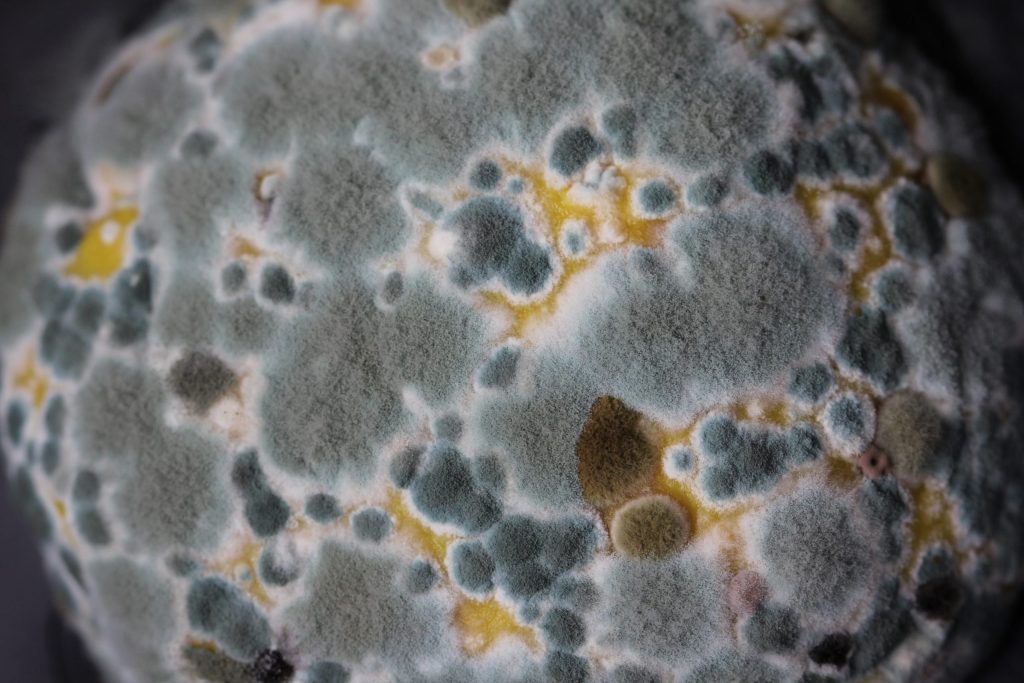
You’ve had your water softener brine tank installed for a while now, and it’s been working great. But now you’ve noted dark spots. Could it be what you think? You guessed it right; the dark spots in your water softener tank (near the water line in the brine or salt) are mold. No one likes the idea of mold, fungi, or bacteria. Especially not on appliances, pipes, or fixtures that deliver water for consumption. But how do you get rid of mold in a water softener? Will the water still be fit for consumption? Should you clean it out? Just before you go on worrying about it, follow these simple steps to get rid of it. What Causes Mold in Water Softener Brine Tank? It’s unpleasant to think of mold in your water softener. Although this isn’t bound to happen often, it’s more likely to occur if your water softener tank hasn’t been used or cleaned for a while. In some cases, the dark spots could also be dirt. Nevertheless, if your water softener tank is oxygen-rich and there are organic substances, simple mold spores will start to grow. Hard water contains a lot of impurities and organic materials that mold lives off, and that’s all mold needs to grow into a colony. While mold growth may be something out of your control, it can build up over time. The good thing is, mold can be prevented and flushed out with regular cleaning and maintenance. Is Mold in My Water Softener Brine Tank Harmful? While simple mold spores in your water softener may seem harmless, if left untreated for long they may turn to be harmful. If grown excessively, mold will cause a sour or moldy smell when you run the water. This could also cause adverse health effects. Further, if completely mold-infested, it will be costly to replace appliances and other water fixtures. With that in mind, it is essential to prevent mold from growing or spreading in your water softener brine tank. How Do You Get Rid of Mold in Water Softener Tank? Clean the Water Softener Tank Using Bleach This method, which is often referred to as the “bleach cycle,” involves using bleach on the whole system to cleanse it. To lay out some ground rules, ensure you refer to your softener’s manual to confirm if the manufacturer approves the use of bleach before proceeding with this method. If your softener allows you to run a “bleach cycle,” ensure it’s turned on. To be sure of this, first quickly read your manual on how to turn it on. Then, all you need for this method is to put your bleach in the brine tank, close the lid, and trigger manual regeneration of the system. Take note of the amount of bleach to use here: If you use this method, make sure you don’t drink the water from your taps until the regeneration process is complete. While this method may work well to cleanse and sanitize the water softener, it’ll not get rid of any dark spots from your softener. The best method to get rid of that involves cleaning the entire brine tank. How Should You Clean the Water Softening Tank? Cleaning the water brine tank is the best way to get rid of mold from your water softener system. It’s a maintenance procedure that not only cleans mold and other dirt but also helps keep the tank clean in the future. Cleaning it all out will give you a nice, fresh start with your water softener. While this should come without a mention, it’s best to clean the brine tank before a salt refill to avoid any salt wastage. Follow these steps to clean your water softener: By now, all residue and dark spots along the sides of the tank should be gone. Generally, you want to dilute approximately 50-100 mg of bleach with every liter of water. Your brine tank is now clean and it’s time to reconnect all water lines. Bottom Line If your water softener is starting to show some dark stains near the brine tank, then there’s mold in your water softener. It’s best to clean that out. The steps above illustrate how you clean a water softener to get rid of mold using bleach. That way you’ll continue to enjoy water free of contamination and dirt. Following regular cleaning and maintenance will help your water softener run smoothly for years.
Water Softeners vs Water Conditioners: Which One Has Better Value?
Hard water is a significant problem faced by about 85% of homeowners in the United States. It is not just bad for your health, but it also damages the pipes and fixtures within your home, which leads to clogged pipes and shortens the life cycle of appliances. Is it safe to drink soft water? Contaminated water is the other aspect that should be a major concern. Not only can it taste and smell bad, but it can also cause sensitivity, and in the worst scenarios, it can lead to severe health problems. Several systems are available to soften or purify water. However, selecting an ideal fix from a myriad of solutions available in the market can be a confusing prospect. In this water conditioner vs. water softener article, our primary objective is to explain the terms and show you the difference between the two. Know What You Need – Water Softener vs. Water Conditioner Before buying either it is important to understand what exactly is the problem and what do you need to fix it. To know the exact product you need, you have to first identify the issue. All you need to know is if the water is just contaminated and needs cleaning or it is hard water and needs to be softened. It is important to consider through your options which might be a water softener loop installation or replacing worn out soft water systems. Some of the major signs that indicate water is hard: 1. If there is scaling around drains in the kitchen, on the showerhead, and bathtub drain. 2. If soap scum buildup on bathtub tiles, sinks, and shower curtains. 3. If the water heater stops working due to mineral buildup on it. 4. If you feel itchiness or dryness in your skin. 5. If you find spots on your dishes Both water conditioners and water softeners can help you get rid of many problems with hard water. Now let’s understand the terms and then we’ll walk you through water softener vs. water conditioner. What Is A Water Conditioner? A water conditioner is a type of water filter that cleans and improves the quality of water. It does not remove the minerals that make the water hard, instead, it changes the composition that stops crystals from scaling. There are different types of water conditioners in the market with different features. For instance, one type of conditioner may remove chemicals such as sodium to prevent appliances whereas another may remove chlorine and hydrogen sulfide to change the taste of water. This might be the best solution for you if you want low running costs, low maintenance, and overall improvement of drinking water. What Is A Water Softener? A water softener is a device designed to remove hard minerals from water. It removes hard minerals such as calcium and magnesium from the water and replaces them with ions of sodium and potassium. This elimination process is called ion exchange. A salt-based water softener consists of a resin bed, a brine tank, and an electronic module. This mineral-free water does not contain limescale and causes any corrosion problems in your home appliances and pipes. Before installing a water softener, you need to weigh between the pros and cons of each of the hard water systems. Water Conditioner vs. Water Softener – Similarities Prior to moving on to the differences, let’s first understand the similarity between the two treatment systems. Bothe water conditions and softeners are used to deal with the everyday problems of hard water. When water becomes rich in minerals such as silica, magnesium, calcium, etc., hardness occurs. These minerals give rise to several problems in pipe fixtures, heat-exchange surfaces, and pipes in buildings. First, with time scaling builds up in the pipes, and they get clogged. Second, limescale accumulation on any heating element insulates them and thus prevents them from working efficiently. Both of them require minimal maintenance, and they can be used for the lifetime of the house or until the quality of water deteriorates and becomes hard again.
5 Questions To Ask A Water Softener Company Before Buying One
Hard water can be difficult to deal with. While it is not a major health concern, it can cause skin irritations. Also, hard water corrodes your plumbing system leading to the leach of toxic metals and chemicals into your water. Remember that ‘icky’ feeling after every shower and the feel of stiff clothes even after a few washes? Definitely not how you imagine living for the rest of your life. Luckily, hard water issues can be solved. However, choosing the best hard water solution is not so easy. If you are looking for hard water softeners, here are some questions to ask a water softener company before making that purchase. Understanding the cause of hard water is the initial step towards solving the problem. Hard water occurs when amounts of dissolved calcium and magnesium are present in water. When water washes over Calcium Carbonate (CaCO3) and Magnesium Carbonates (CMgo3), it dissolves and carries positively charged magnesium and Calcium ions. The result is a reaction between water, soap or other detergents that cause scum. Other minerals that cause water hardness include Iron, Aluminum, Zinc and Copper. Like we mentioned, hard water contains high levels of calcium and magnesium. As such, the hardness varies depending on your area, which also translates to the intensity of the effects in your home. One of the major effects of hard water in your household is the presence of soap scum. Scrubbing showers, faucets and even sinks for long periods can get tiring. You may also have scale build-up on plumbing fixtures, scum on silverware, dishes, glassware and even in the bathroom. This can be hard to clean up and often requires lots of detergents. Another effect of hard water is the use of soap and detergents with little or no lather. This means that you get to spend lots of soap or even shampoo to create the preferable lather, which ends up being more time-consuming and expensive. Have you taken a look at your laundry? You may notice that your favourite white shirt is no longer as striking after a few washes. With time, hard water makes laundry dull. And due to the mineral build-up, the life expectancy of your fabrics and clothes is potentially reduced. Your appliances may also start to wear out due to the scale-build-up, not to forget the scale build-up on your plumbing fixtures, which necessitates frequent plumbing repairs. Yes. It is vital to know the level of water hardness before purchasing a water softener. If your water is supplied by the municipal water company or an independent water provider, you can request the results of their water test. But if the water is supplied privately, you should test the water hardness level and the presence of other impurities via home test kits or a water testing company. If you have a well, check for mineral content, nitrates, lead, and even bacteria. Carrying out a water hardness test not only lets you know of the level of hardness but also the presence of chemicals and other impurities in the water. This ensures that you find the right softener for your household. It also lets you know whether you need water filtration added to your water system based on the level of impurities detected. The size and type of water softener is not a one-size solution. It varies based on the needs of every household. The first thing that your specialist will consider is the level of water hardness and water quality. This refers to the volume of magnesium and calcium, often reported in grams per gallon or milligrams per litre, that is dissolved in the water. This information will be available after a water hardness test. Water consumption in your household is another factor that comes into play. The water consumption rate per household can be calculated based on the monthly water bill. A water softener that is too small means that you will frequently run out of soft water, require more maintenance, and even reduce the service life. This does not mean that getting a water softener that is too large is safe either. What is the regeneration frequency of the water softener system? If you purchase an undersized softener, it will regenerate more often making the chemical components overwork. This in turn reduces the lifespan of the system. Water softeners are worthwhile investments. However, just like any other appliances or device, they can only last so long. Eventually, they may present electrical problems, breakdown of components, or even complete system breakdown. If well maintained, your water softener can last long. Most water softeners have a 10- 15 years lifespan. After the lapse of this period, common breakdowns may be an indicator of a needed replacement. The lifespan of a water softener depends on the use as well as the quality of water in a household. Softening extremely hard water may reduce the lifespan of your water softener. However, this does not mean that regular care and maintenance should be ignored. You need to be keen on tell-tale signs that the water softener is not performing optimally. For instance, if you notice a reduction in the amount of lather, skin irritations or a different taste of water, then you need to have it checked or replaced. Luckily, you can prolong the lifespan of your water softener by changing the filter, adding the regenerant when it runs out, and removing the hardened salt bridges when adding salt. However, regardless of how often you undertake maintenance, you should never let your water softener work too hard. And this starts by getting the right water softener based on your needs. Bottomline A water softener is a great and vital investment. Funds spent on soap & detergents not to mention constant repairs on your plumbing system add up in the long run. However, you need to ensure that you purchase a water softener that is right for your household needs. And that begins by working with qualified and reputable specialists.
Is Well Water Safe To Drink In Arizona?
The highest percentage of tap water in Arizona (around 60%) comes from surface water. However, the remaining 40% is sourced from groundwater. This is a significant concern, especially considering that various researches have shown groundwater in Arizona to contain a harmful carcinogen known as chromium VI. This chemical was made quite famous by Erin Brockovich, who worked tirelessly to build a case in 1993 against PG&E (Pacific Gas & Electric Company) in California. This lawsuit even inspired the creation of Erin Brockovich’s film in 2000, starring Julia Roberts. So, does Chromium VI make groundwater in Arizona too unfit to drink? Well, not necessarily. While exposure to the chemical can lead to pneumonia, skin burns, and even some instances of cancers, there is a brighter side. This water is treatable, and the state’s standards and regulations ensure that it is. In this piece, we will try to handle and answer one of the most pressing questions in Arizona for both locals and visitors. Is it Safe to Drink Well Water in Arizona? Despite being treated at the municipal level, the water that gets to our homes is not always 100% safe. So, whether it’s contaminants, or high amounts of hard minerals, treating the water at home is always a great idea. This will ensure that whatever might have escaped the filtering process doesn’t affect your household. While the main contention on Arizona well water is chromium VI, it’s not the only contaminant in the water. Hardness, which can cause grave problems to a home’s plumbing and fixtures, is also a problem in the water. Luckily there are several methods you can use to eliminate these threats from your household. These include: Water Softeners When dealing with hardness in water, water softeners are the way to go. These instruments are designed to remove hardness elements in the water, mainly calcium and magnesium ions. Home water softeners are also known as ion exchange units, as they help remove the positively charged ions of magnesium and calcium from household water. Typically, water softener devices contain resin beads, which attract and trap these ions, letting mineral-free water pass the filter. These resin beads are either charged with sodium or potassium and can be recharged once used for a while. The whole process entails replacing the existing calcium and magnesium ions in the tap water with potassium or calcium. And, this leads us to the next question. Doesn’t the process increase the water’s salinity? And the answer is No. Water softeners use minimal amounts of sodium or potassium to filter the hardness ions. Studies show that even “very hard water” doesn’t require too much sodium to make it soft. Typically, only around 12.5 milligrams of sodium is used per glass of water. So, is well water safe to drink in Arizona? Well, if water hardness was your concern, then water softeners sort out your problems. But, one concern about the softeners remains. Don’t these Water Softeners Remove Essential Minerals from the Water? The World Health Organization recommends that drinking water should at least have 10% of magnesium and calcium. If you are concerned about this, the truth is that softeners remove almost every bit of these elements. But this doesn’t mean you can’t drink water with these minerals from your tap water. There are two ways around this. One – use an ionizer or other forms of water treatment that don’t scrap every bit of these ions from the water. Some systems will reduce the water hardness but allow some small amounts of minerals to pass through. Secondly, you can create a by-pass on your plumbing, which most water softeners will have, to allow freshwater with minerals to bypass the softener. This way, you can drink your mineral-rich water while saving your plumbing and water fixtures in the house. Reverse Osmosis Filtration Systems This water treatment system answers this question exhaustively – is it ok to drink well water in Arizona? Unlike a water softener that only deals with water hardness issues, an RO system tackles both water quality and hardness. Reverse osmosis is like the standard method for water filtering. In fact, it’s the method used by bottled water companies. The process is not only efficient but also cost-effective. The RO filtration system removes various contaminants in the water, including the feared chromium VI, bacteria, viruses, foul odor, hard minerals, and even heavy metals. This means that you’ll have dealt with water quality, as well as its hardness. Hard water is known to cause clogging and corrosion on the plumbing system, leading to unnecessary early repairs that could be expensive. Also, it makes it hard to use detergents, which makes laundry days unpleasant. How does an RO System Work? The system contains three distinct filtering parts. These include one semi-permeable membrane set between two carbon filters. The first carbon filter deals with large sediment, which might clog the filtering membrane. Once these are removed, the water passes through the membrane, which removes all the contaminants that passed through the carbon filter. The third stage is another carbon filter, post-filter, which ensures that nothing gets beyond the membrane reaches the taps. An RO filtering process will remove around 99.9% of contaminants, handle the bad smell, and remove hardness. This way, you can enjoy pure freshwater that is both soft and tasty. It’s the most effective way to ensure you are drinking healthy water, especially in places like Arizona. So, why is well water safe to drink in Arizona? Reverse Osmosis answers that question. Water-Borne Diseases in Arizona The hard fact is, groundwater in Arizona is responsible for several illnesses. This is especially if people drink well water without treating it. Here are some of these illnesses: This water-borne illness results from the Giardia parasite. Its main symptoms will include nausea, diarrhea, stomach cramps, and gas. The signs are visible about three weeks of infection and will last for several more weeks. According to the Arizona Department of Health Services, this illness affected 57 people in
How Do Water Softeners Affect Septic Systems?
Due to calcium, magnesium, and other hard elements in our water sources, water softeners have become quite common in many homes. Water softeners help make the water soft by removing or reducing the amount of these elements that get to our plumbing system. This, on the other hand, makes it ideal for laundry, cleaning, drinking, showers, etc. Hard water not only makes soaps and detergents less effective but also results in scum formation, which affects the color of your garments. Also, it leads to various problems in the plumbing system as the minerals corrode the pipes and appliances. This subsequently leads to leakages or clogging of the system, necessitating costly repairs. With water softeners, all these problems are solved, and you can enjoy using soft and clean water in your home. However, there have been several concerns about the relationship between a water softener and septic systems. How does softening your water affect your septic system? But first, here are some vital statistics to note. Important Facts and Statistics to Note Effects of Water Softeners on Septic Systems Over the years, as early as the 70s, various studies have been conducted to determine the effects a water softener would have on your septic system. These studies have had varying results about the issue. Some of the earlier studies indicate that these two systems don’t affect each other. However, newer studies have come out to dispute these findings. They claim that, in reality, water softeners have effects on septic systems. Earlier research mistakenly used aerobic bacteria instead of aerobic ones, leading to some misguiding findings. To remove the hard elements from water, we add sodium. Experts believe that this sodium has serious effects on both the anaerobic digester and the drain field’s hydraulic conductivity. Since septic tanks are not designed with excess hard water regeneration in mind, the backwash might also result in hydraulic overloading. Other negative effects of water softeners on septic tank systems include: All this shows the negative effects of water softener salt and septic systems. But how can you rectify this? Is it possible to have both systems working harmoniously without affecting the other? Let’s find out. Solutions to the Water Softener and Septic Systems Problem Both of these systems are pretty much important in our homes. The effects of hard water in our homes could be more devastating if water softeners were not installed. But how do we eliminate the problems these softeners pose for the septic systems? 1. Install Modern Water Softeners Newer water softeners are always more efficient than older versions. This means that they will require less sodium chloride in the softening process, thus causing less salinity in septic tanks. Less salinity in the septic means a reduced effect on the anaerobic bacteria. This, on the other hand, allows the bacteria to properly do its intended work – digestion of the organic waste. 2. Substitute Sodium Chloride with Potassium Chloride Instead of using sodium chloride as the softening agent, Potassium Chloride would be an excellent substitute. While it might be a bit pricier, it offers a solution for several issues. One, your household is safe from consuming too much sodium chloride. And two, less sodium chloride reaches your septic tank. Also, Potassium chloride doesn’t easily cause hydraulic conductivity as the amount needed to cause the effect is way too much compared to sodium chloride. 3. Set your System’s Regeneration Based on Water Flow Most people set their water softeners to automatically regenerate after several minutes. This might cause an unnecessary increase in the amount of backwash. The higher the amount of backwash, the more the amount of sodium chloride that goes into the septic tank. You can tackle this by setting the system to regenerate based on demand or necessity. This will significantly reduce the amount of backwash. 4. Only Treat the Necessary Water While you might be tempted to soften every drop of water getting into your home, it’s not always necessary. Softening water that gets into the house might reduce the amount of sodium chloride used and reduce negative effects. For instance, it’s not a must you treat the water being used outdoors to water the garden, lawn, flowers, etc. You can use this in its hard form. 5. Get a Bigger Septic Tank Designing a larger septic tank than the actual one needed can go a long way in accommodating the load from the water softener’s backwash. This way, the hydraulic effect won’t have much effect on the septic system’s absorption capacity. 6. Avoid Soil Containing High Clay Content The septic system’s absorption area shouldn’t contain high levels of clay soil. The hydraulic conductivity of clay soils is relatively low, thus not the best quality for a leach field. However, sometimes it’s not always possible to avoid clay soil completely. When this is the case, ensure you avoid a leach field rich in montmorillonite (swelling clay). The less a soil contains this type of clay, the less it will be affected by the water softening agents (potassium or sodium chloride) 7. Reroute the Backwash Away from the Septic System With the help of a professional, you can redirect your backwash brine from the septic tank. This is if you want to prevent any failures in your septic system. Many people will say that this is a complex and expensive process, but it certainly isn’t. An expert can make some minor adjustments to your water softener and plumbing system to ensure that a pipe directly discharges the backwash brine into a designated discharge container. This might prevent many problems you would have to deal with if the backwash reaches drains into that septic tank. So, while the problem between the water softener systems and septic tanks might seem too complex, one can find a simple solution. Any combination of these tips can help you enjoy the services of these two systems without interferences.
How Much Does Water Softener for Well Water Cost?

Hard water in our homes can be quite problematic. Right from reacting with cleaning products, causing soap buildups, to degrading your home’s plumbing systems and other appliances, it’s a mess when not corrected. Luckily with water softeners, all these problems can be a thing of the past. But, what if you are dealing with well water? Is the water softener for well water similar to that used in softening municipal water? And if not, how do the prices compare? Whether for municipal or well water, what matters is the mineral content in that water. So, the type and cost of the water softener will depend on what minerals you are dealing with and the level of concentration. To help us get a clear picture of the cost of water softener systems for well water, let’s explore some facts together. The Cost of Water Softener System for Well Water The cost of installing a water softener for well water in your home depends on various factors. This means that there’s no single standard price for well water softeners. Some of the factors used to categorize the cost of water softeners include the mineral content in water, type, and brand of the water softener, capacity, and efficiency of the unit, etc. Let’s dive in and see how these factors will affect the cost of installing a new water softener for your well water. Well Water Softener Price by Type Different types of whole house water softeners will attract varying costs. These are average cost estimates for the five most popular water softeners for your well water. Type of Water Softener Cost Range (Including Installation) Salt-based Iron Exchangers $800 – $2000 Salt-free Softeners $800 – $4000 Electronic Descalers $200 – $600 Water Distillers $50 – $2000 Reverse Osmosis $1000 – $2800 These are the most popular, affordable, and reliable water softener types in the market. And while some people tend to avoid using salt in softeners, salt-free softeners tend just to conceal the damage eventually caused by the hard water. As for the cost, the systems’ ROI (return on investment) is faster, based on their efficiency and effectiveness in removing water hardness. These water softeners remove calcium and magnesium concentrate from water, leaving it soft and suitable for consumption and other home uses. They use an “ion exchange” process, which substitutes the hardness-causing minerals with common salt (sodium chloride). Depending on the size of your place, the purchase and installation of this device will cost you between $800 and $2000. Unlike the Ion Exchanger Softeners, which use Sodium chloride, salt-free water softeners use potassium to neutralize calcium and magnesium concentrations in your water. Typically, Potassium does not remove the elements. Rather, it neutralizes the ions and prevents their build-up as water flows along with your plumbing. However, they will still accumulate in regions where water is stagnant. This will cost you between $800 and $4000. They are considerably expensive than salt-based softeners. Also, they are ideal for septic tanks and safe for low-sodium diet people and the environment. This is the most wallet-friendly way of dealing with your well’s water hardness problem. Instead of using water softening media like salt and resin, this process uses electric pulses created by an electric unit wrapped around the waterline to treat your hard water. The electric pulses work the same way as the TAC resin beads in a salt-free water softener—concealing the hardness-causing metals and preventing them from sticking onto your plumbing. This will cost you between $200 and $600 to install. Water distillers are also categorized as water softener systems. These devices use heat to separate pure water from the hard minerals and heavy metal distillates. It creates water vapor at temperatures near boiling point to separate the elements. While they are easy to install, water distillers don’t tackle all chemical hardness and are considerably slower. This makes them ideal only for drinking water. You’ll part with around $50 to $2000 to have one in your house. While a whole house reverse osmosis system isn’t necessarily a water softener, it’s still a perfect solution for your hard water problem. The system, which will cost you between $1000 and $2800 to install, uses several filtration stages to filter and treat the water. This includes a reverse osmosis filtration media, from where it gets its name. Only the smallest water elements can pass through the media, blocking and flashing away the rest of the particles, including calcium and magnesium. They cost less than some water softeners, and they do much more than just water softening. Other Factors Affecting the Cost of Well Water Softener When choosing the best water softener for well water, there is more to consider than simply the type and process of water softening. Here are the other factors that will influence the cost of that installation. Harder water means more work in softening it. This translates to a larger water softener. In addition, the desired water flow rate will determine the size of a softener you install. If you want to maintain enough pressure to allow the shower, washing machine, kitchen faucets, etc., to work simultaneously, you need a bigger unit. The bigger the size, the more money you’re likely to spend. While you don’t need an overly complex water softener, some features are necessary and might raise the cost of that water softener. For instance, a digital control head on a softener will allow easy monitoring and configuration. In addition, a metered system regenerating as per previous water conditions is desirable. This is because it alters the amount of softening media, based on mineral saturation. The more features a device offer, the pricier it is likely to be. Brands will charge different prices based on popularity and trust among customers. However, some brands will overprice their products, even when they have similar features to those of much cheaper brands. Before you commit to buying a water softener for your well water, do enough comparisons. This will help you to determine if
How to Install Water Softeners in Pre-plumbed Houses
Almost always, the water we consume in our homes comes from underground sources (rivers, streams, and aquifers). This means that this water flows or sits on rocks containing various minerals, elements, and other contaminants. Most of these elements dissolve in this water and may find their way to our taps. While water purification gets rid of most of the harmful contaminants, it’s never 100% effective. Several minerals or metals, such as calcium and magnesium compounds (carbonates, sulfates, and bicarbonates), are not eliminated. Water containing such elements is known as hard water. Hard water can cause various problems in your household if not addressed. For instance, it causes corrosion to your pipe, stains your fixtures, triggers skin problems, and makes it difficult for detergents to foam. But, that doesn’t have to worry you too much. Here, we explore how to install a water softener in pre-plumbed houses to ensure your hard water problem is solved. What is a Water Softener, and What Does it Do? A water softener is a gadget installed in a home’s plumbing system to help treat hard water. Mainly, this mechanical system helps to remove minerals that go past the purification process, including calcium and magnesium. This turns the hard water into softened water ready for home consumption. A water softener comes as a complete water filtration system that removes minerals from the water in a process known as ion exchange. First, the hard water from your water main enters a mineral tank, flowing through some circular plastic beads. The beads are polystyrene made, containing a sodium ion. Since the beads are negatively charged (anions), they attract the magnesium and calcium elements, which are positively charged (cations). So, as the hard water (containing calcium and magnesium) passes through these resin beads, the minerals are attached to the beads, turning the water “soft.” This means that the water coming out of the water softener’s mineral tank is free from the minerals making it hard. It has been softened and made suitable for any home use. Problems Caused by Hard Water In the absence of a water softener, hard water can wreak havoc on your home’s water system and fixtures. First of all, the minerals cause some scale build-up in your plumbing, clogs the pipes, and reduces water pressure. Even worse, the scale negatively affects your plumbing fixtures like faucets, sinks, dishwashers, and other water appliances, significantly reducing their lifespan. Primarily, hard water damages hot water appliances. This is because hot hard water helps the minerals solidify, forming hard deposits inside the hot water appliances. In the case of a water heater, the deposits start to crack and stretch as temperatures rise. This causes a popping sound, which only means that your water heater is on its way to destruction. Hard water can also damage your skin and using detergents in your home might also become impossible. The minerals in the water prevent detergents from foaming, which makes laundry hard. Ultimately, hard water will cost you dearly as you keep repairing your plumbing and installing new appliances and fixtures. Therefore, a water softener is undoubtedly a crucial device to install in your water system. So, how easy is it to install a water softener in your house? Let us take a deeper look. How to Install a Water Softener in Pre-Plumbed House If hard water has been a significant challenge in your household, here is a guide on installing a water softener in pre-plumbed houses. Requirements: With these items, you are now ready to do your installation. Let’s get into it: Step 1: Shut Off the Main Water Supply Line Before anything else, make sure that no water is flowing through your pipes. This will help prevent leakages in your plumbing or flooding your house. You should drain all the water by running the taps on the lowest parts of the house. Step 2: Turn Off the Power to Your Electric Water Heater For those with electric water heaters, always ensure that you turn it off from the main switch. Don’t continue with the installation without doing so. Step 3: Identify the Installation Point for Your Water Softener The location can be influenced by the type of water softener you want to install. If it’s a whole-house system, you should install it next to the entry point of your home’s primary water line. Typically, this is a point before the water goes to the heater, to ensure that only softened water goes into the heater. Step 4: Cut the Main Water Line Cut the main water line by fastening a pipe cutter on it and rotating. While doing so, ensure that you’ve placed a bucket beneath it to help collect any water that may trickle down from the pipe. By cutting the main water pipe it gives you space to install the elbow fittings. Step 5: Put Your Water Softener into Place Bring in the water softener and ensure that it’s well located in the exact place you want to install it. Also, make sure that it sits on level ground. Step 6: Installing the elbow fitting Fixing the elbow fitting is easy and enables you to direct the water into the filter. Also, you can install a bypass valve, which allows water to pass the water softener without going through it. Step 7: Measure, Cut, and Install the Pipes Leading to the Bypass First, you need to measure the length of the pipes, enough reach to the bypass valve from the unit, and cut them. Then, connect compression fittings and nipples to improve the grip of these pipes to the water softener. Lastly, install the pipes, and ensure they fit well. Step 8: Connect the Drain Hose After connecting your pipes to the water softener and installing the bypass valve, you still need a drainpipe on the system. Connect a drainpipe around 2 inches from the system’s drain hole. This will ensure that no brine water is drawn back to the softener. You can use the following
Maricopa, AZ Water Hardness Report
Maricopa, AZ’s water hardness is not a secret. If you’ve ever heard anyone talk about water hardness or mention a hard water problem but don’t know what it is exactly, this is a subject that is worth taking some time to educate yourself on. When you hear about hard water problems it sounds like it’s bad for you. In reality, water hardness does not lead to health effects. It rather points to an undesirable aesthetic quality. What Is Water Hardness? Water hardness indicates how hard water is. Now you’re probably thinking, isn’t water soft? What is meant by hardness is a high content of dissolved minerals, such as calcium and magnesium in the water. The reason we even talk about water hardness is because of the potential effects these minerals have on your water quality at home. Measuring Water Hardness Water hardness is measured on a scale by milligrams of calcium carbonate per liter. Maricopa County, AZ Water Hardness There are some areas in the United States which are bad hotspots for hard water. It all depends on your county’s water sources and the concentrations of minerals in the soil. Maricopa County, AZ’s water hardness level is high. The county’s water comes from three sources: the Salt/Verde River System, the Colorado River System, and groundwater. Groundwater usually contains a lot of dissolved minerals. Phoenix Water hardness is highest in Phoenix within the county. In fact, Phoenix is among the worst in the country for hard water. Most of the other cities in Maricopa County have moderately high levels of hard water and it has been a concern for some time. Their water levels are at 170-284 PPM, which is the data from the 2019 Water Quality Report. Scottsdale In the city of Scottsdale, the water hardness levels are very high. Most of the water comes from groundwater, but the city has decided not to treat the water hardness. Due to the fact that treatment is expensive and most of Scottsdale’s water is used for outdoor purposes, it wouldn’t be cost-effective. Glendale According to the published 2019 Water Quality Report, the water hardness level ranges from 116-290 parts per million (PPM). This puts Glendale, like the other cities in Maricopa County in the hard to very hard category. The city regularly monitors water quality and treats the water according to priority. Water hardness is an aesthetic issue and therefore doesn’t get treated. Water treatment is left to the personal choice of individual homes and businesses. Chandler The city of Chandler in 2019 had a water hardness range from 108 – 559 mg/L. The report also indicates that their water goes through seasonal changes in flavor. The city regularly monitors the water to keep the number of algae at a low level and to prevent a bad drinking water taste. Where Does Water Hardness Come From? Water hardness originates when groundwater is the source of water. As water passes through soil and rock, it dissolves minerals. These minerals stay in the water and by the time the water reaches the city water supply, it enters with high levels of dissolved calcium, magnesium, and some other minerals. Hard Water vs. Soft Water Hard water is confusing at first because we never think of water as hard. As a liquid, it isn’t hard to touch. The reason it’s called hard is since it comes with a high level of dissolved calcium, magnesium, as well as some other minerals. Soft water is the opposite, which means it has a lower amount of these dissolved minerals, which is in the 0-60 mg/L category. However, it is possible to notice that hard water can have a bit of a “hard” feel. It’s not hard, but in contrast to soft water, it can leave a film. Also, many people notice when they switch to soft water that their water is slippery or silkier. This is why soft water is named such. For a detailed comparison of hard and soft water, click here. The Effects of Hard Water There aren’t severe effects of hard water on a person’s health. There aren’t any health effects at all. Hard water is included in the aesthetic section of water quality assessments. The aesthetic factor of water quality indicates the quality of taste, odor, and hardness, but typically doesn’t have to do with health risks. Effects on Skin Hard water is arguably “good” when it comes to drinking water since it can be beneficial for certain people to take in more minerals. Regarding effects, they are undesirable effects on hair and skin. When you wash your hands, do the dishes, or take a shower, you might notice that your skin becomes dry and has film on it, which means it may take longer to wash the soap out. Also, it can cause eczema. Effects on Hair and Clothing Hard water is also known to be poor water for washing your hair, as it dries it out and doesn’t have a great clean look. Hard water also wears out clothing in the laundry. Effects on Plumbing Furthermore, it can damage your plumbing. It leaves hard-to-clean spots on fixtures, allows limescale buildup, which can destroy the efficiency of appliances and plumbing in your home. Knowing these effects, you can feel at peace that you haven’t been harmed health-wise until now, but it’s perhaps time to consider that you want to aesthetically improve your water quality. If you’re worried about these effects and are unsure if your home has hard water, then you can do a few things to confirm the water hardness in your area. Some are at-home methods that won’t take more than a few minutes to read. You can even check simply by washing your hands to see if they feel drier after, and after a shower to pay attention to whether your hair feels dry. The Solution of Soft Water If you’re considering a better quality of water for aesthetic purposes, and you should, then you can get it by investing