How to Reset Tankless Water Heater: Easy Step By Step Guide
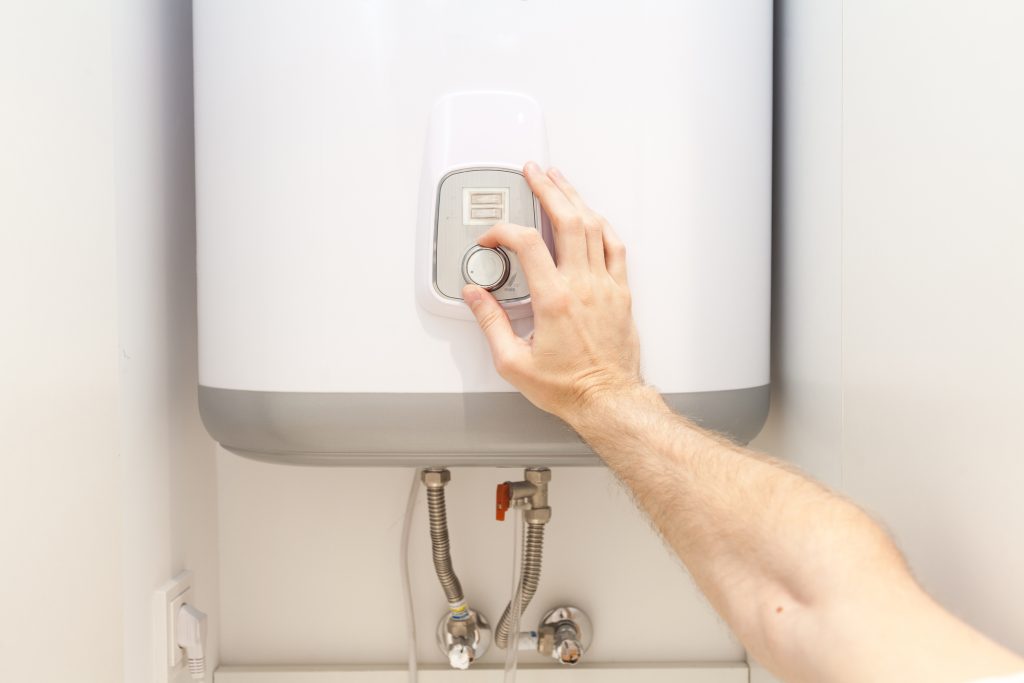
If your tankless water heater doesn’t appear to be working properly, don’t panic just yet. The easiest possible solution could be resetting it. In this guide, we’ll discuss how to reset a tankless water heater. For homeowners who require further support, American Home Water & Air can repair or even carry a new tankless water heater installation in Phoenix if it comes down to it. Either way, we’re here to help you solve the problem and make sure that your tankless water heater is back up and running. Here’s what you need to know to reset a tankless water heater. Step 1: Disconnect the Tankless Water Heater Disconnect the tankless water heater from electricity. Disconnecting the tankless water heater is a safety measure. Ensure there is no electricity going to the heater when you inspect the unit. Look around the unit for the cable that connects the unit to a power source. An older tankless water heater will be attached to the breaker box. If the tankless water heater is attached to the breaker box, flip the switch to OFF. This way, you ensure there is no power going to the tankless water heater. You can proceed when the tankless water heater is disconnected from the power source. Step 2: Find and Remove Cover Plate Older models of tankless water heaters will have cover plates. Remove the cover plate with a Phillips or flathead screwdriver. The cover plate sits on the front of the unit to protect the interior from the exterior. Once you locate the cover plate, you will see at least two screws keeping it in place. Remove the screws and the cover plate and set them aside. You will reattach the cover plate later. If there is no cover plate, continue to the next step. Step 3: Take Out Insulation When you remove the cover plate, you are likely to find insulation. Insulation acts as another barrier between the cover plate and the water heating unit. Remove the insulation from the tankless water heater. Inspect the insulation for any signs of moisture. Any signs of moisture can be indicative of other problems. If there is moisture, contact your plumber for advice. If there is no insulation, continue to the next step. You can contact your plumber if insulation is something you want to add to your system. Step 4: Locate the Reset Button The tankless water heater reset button is located on the front or right side. The good news is that pretty much all of them have this button. If you cannot find the reset button on the front or right side, look at the back of the machine. If you cannot find the reset button, call customer service. The manufacturer of the tankless water system can help you find the reset button. When you locate the reset button, you can press it. Step 5: Ensure the Tankless Water Heater is in Reset Mode After you locate and press the reset button, ensure your tankless water heater is in reset mode. Reset mode is crucial because it enables the tankless water system to restart existing processes. In reset mode, the internal processes will restart and reboot. An effective reset is key to getting the tankless water heater working. You will see a light on the tankless water heater. If the light on the tankless water heater goes from red to green, you are successful. After the light changes from red to green, wait ten seconds before proceeding to the next step. Do not forget to wait ten seconds—this gives your tankless water heater time to reset. Call your plumber for further assistance if the light does not go from red to green. There may be a larger problem at hand that your plumber can fix. Step 6: Change the Thermostat The thermostat on the tankless water heater will vary depending upon the model. Most tankless water heaters have a knob. The knob changes the temperature of the thermostat. Locate the knob on the thermostat and turn it clockwise. Turn the knob as far clockwise as it will go. Once the knob is all the way clockwise, this indicates a maximum setting. Again do not forget to wait ten seconds. When you wait ten seconds, your tankless water heater has time to reset. Step 7: Check for Power Outages in the Home The tankless water heater could be representing a larger power issue. Check for other power outages in your home. You could be having electrical problems that have only manifested in the tankless water heater. Check the breaker system and see if any switches are in the wrong position. Flip any switches to restore electricity to all units. If the above steps do not work, it is time to call your plumber. Your plumber knows of common issues that tankless water heaters face, and as a result, they are in a unique position to help with the problem. Conclusion A tankless water system is an essential component of your home. Sometimes, water unexpectedly runs cold. A tankless water heater does not store water, so these problems often are indicative of a unit issue. Knowledge of how to reset a tankless water heater will make life easier. You can also check out our other guide if you’re looking for more information on how to troubleshoot your tankless water heater. Hopefully, these seven steps for how to reset a tankless water heater have helped fix the issue. If you have tried using this process and nothing is working, your next step is calling us. American Home Water & Air is your go-to plumbing service in Arizona that will take the next steps to fix the problem. Contact us today for more information.
Understanding What Size Tankless Water Heater Your Home Needs
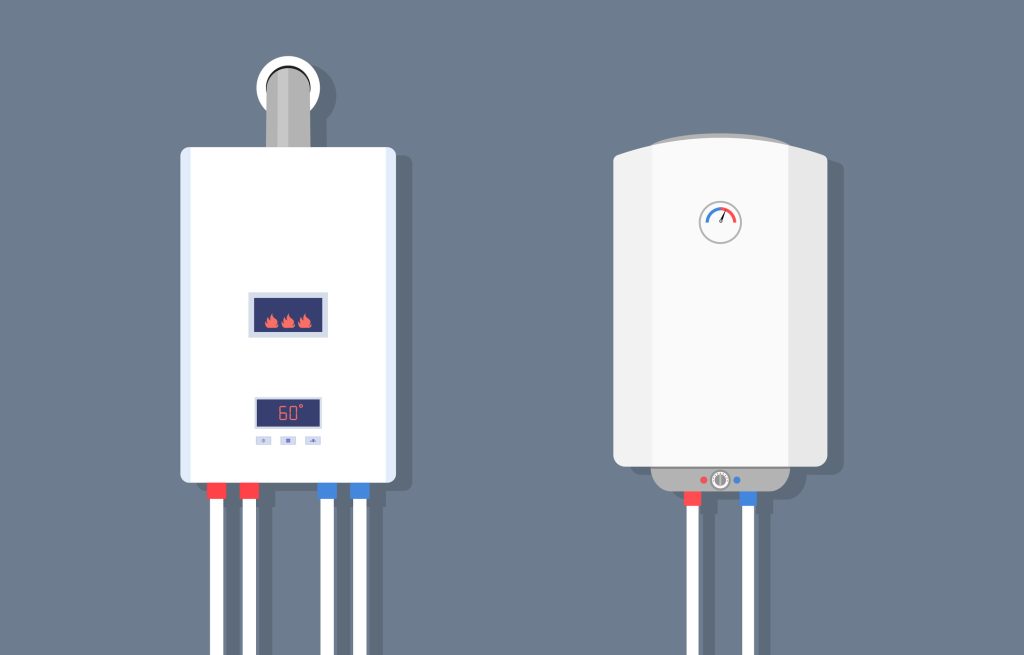
One of the benefits of a tankless water heater is that it is much smaller than a traditional water heater — 80 percent smaller. Not only does a tankless water heater take up less space, but it is also more efficient. You can save water by opting to use a tankless water system. However, that is not all; a tankless water heater lasts a long time without maintenance. With all of these perks, it is obvious why a tankless water heater is a coveted system for homeowners. But how can you understand what size tankless water heater your home needs? Let’s take a look at the following to help you find out what size water heater you’ll need for your home. What Size Tankless Water Heater Do I Need?: Size Factors The size of a tankless water heater depends on several factors. One of the factors involved is the size of the home. Another factor in determining the right tankless water heater size is the function of the heater. Other variables to consider are the location of the heater and any ventilation. When you know more about each factor, you can choose the perfect size for your home. To determine the size of tankless water heater you need, you need to consider the gallons per minute. The gallons per minute (GPM) is the amount of hot water a tankless water heater can heat in one minute. A tankless water heater does not have a storage tank with a predetermined amount of water. Instead, a tankless water heater gets water from a supply and lets it flow into your home. To determine the size of tankless water heater you need, you must consider how many people are in the household. Family Members More people in the home equals a bigger tankless water heater. But remember, bigger is not always better. You will only spend extra money on electricity or gas if you get a large tankless water heater. Try to match the needs of your household with your tankless water heater. The ideal tankless water heater possesses efficiency and cost-saving properties. A water specialist will help you make the best choice for your house. Another consideration in determining the proper size of a tankless water heater is the number of appliances in your home. For example, there may come a time when someone is taking a shower while an appliance is on that also uses water. A tankless water heater heats a supply of water as the water enters your home. While a tankless water heater does not run out of hot water, it can be overwhelmed. If you overwhelm the tankless water heater, you use more hot water than supply. To avoid overwhelming a tankless water heater, you must consider the number of hot water appliances, such as your washing machine and dishwasher. The combination of appliance use and any shower or faucet use is complex. Consider these factors when determining the size of a tankless water heater. Average Tankless Water Heater An average family of four can use a tankless water heater that provides seven gallons per minute. Where do professionals get the seven gallons of hot water number? The average family of four uses 6.5 gallons per minute. To be safe, a seven-gallon per minute estimate gives the family of four a half-gallon more than is necessary. It is better to err on the side of caution than to overwhelm the tankless water heater. To err on the side of caution, get a tank slightly larger than the needs of your family. A plumbing expert can help you make these determinations. Also, the size of the water heater you’re going to install might also affect the cost of tankless water heating. Gallons Per Minute The flow rate is the gallons of water per minute (GPM) that are supplied to the home. The water that comes into your home is groundwater. The temperature of groundwater varies around the United States. The reason for the temperature variance is the different climates across the United States. The groundwater temperature is important because it dictates how much the groundwater will need to be heated by the tankless water heater. That is why a tankless water heater sizing chart is helpful. It will help you determine the answer to the question: “How big of a tankless water heater do I need?” Colder groundwater needs to be heated more than warmer groundwater. A tankless water heater sizing chart combines the groundwater temperature of your area with the gallons per minute. You must combine the GPM flow number with the groundwater temperature to make inferences about tankless water heater size. Conclusion If a tankless water heater is something you need, knowing how to size a tankless water heater is necessary. American Home Water & Air has specially trained technicians that will help determine the size of the tankless water heater you’ll need before it’s installed. We’ll walk you through the entire process, including choosing which water heater works best for your needs.
Indoor vs. Outdoor Tankless Water Heater
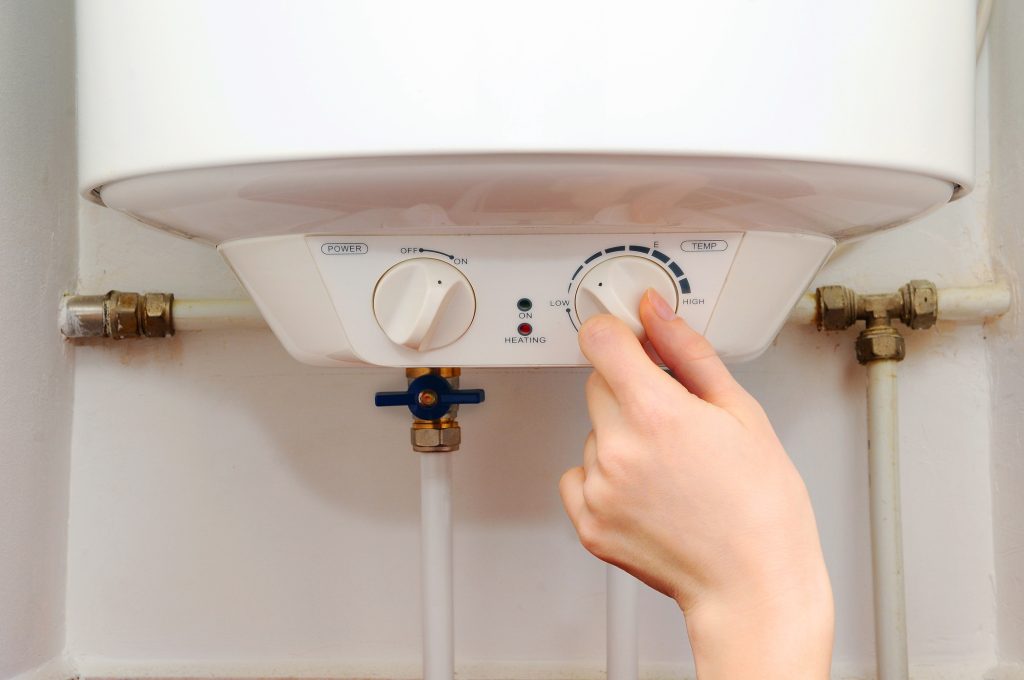
If you are weighing the pros and cons of an indoor vs. outdoor tankless water heater, you’re in the right place. In this guide, we’ll talk about how tankless water heater installation in Phoenix, AZ, may be the smartest decision you can make as a homeowner. Tankless water heaters may be beneficial for many reasons. For one, it can save you plenty of space (especially if you don’t have much in your basement to begin with). Or maybe you just want no clutter whatsoever. In any case, having a tankless water heater is one thing; deciding whether it should be indoors or outdoors is another challenge. We’ll help you make that decision here. Let’s dive right in and discuss what you need to do if you are leaning towards one or the other. What To Do If You Need A Tankless Water Heater Indoors? An indoor tankless water heater is a consideration in new construction. Most indoor water heaters are point-of-use systems, which means the systems work exactly where they sit. As such, an indoor tankless water heater must be close to the faucet with which it will work. It is easier to customize an indoor tankless water heater in new construction. New construction will not feature walls that require moving or immovable objects and fresh paint jobs. If you have a specific bathroom that you want to heat or a new washing machine that you wish to install, an indoor tankless water heater can work. You must have space to set up the indoor tankless water heater. Although tankless water heating systems are 80 percent smaller than traditional water heating systems, they still take up space. You must have the room to accommodate your indoor tankless water heating system. For these reasons, an indoor water heater is a consideration in new construction where flexibility is endless. What An Outdoor Tankless Water Heater Can Do For You An outdoor tankless water heater can withstand different weather conditions like snow, rain, and heat. However, exterior tankless water heaters require some maintenance. You will have to maintain your outdoor tankless water heater and be prudent during cold weather. An outdoor tankless water heater is ideal in existing homes because it is easier to install. Many indoor tankless water heaters are point-of-use systems. A point-of-use system must be close to a water source. If not already built-in, an indoor tankless water system has unique considerations, and an existing home may not meet these accommodations. For these reasons, an outdoor tankless water system is often a preference in existing structures. What Is The Difference Between An Indoor and Outdoor Tankless Water Heater? The difference between indoor and outdoor tankless water heaters is more than meets the eye. Both indoor and outdoor systems are efficient and long-lasting. A tankless water system is much more efficient than a traditional system and saves 30 percent more water. Being ecologically friendly is important, but this is not the only benefit. If you have a tankless water heater, you can take solace in the fact that it will last years beyond a traditional water heater. Perhaps this long-lasting nature is a testament to the tankless water heater’s previously discussed efficiency. For homeowners who care about water heater size, a big selling point of tankless water heaters is that they take up 80 percent less space than traditional water heaters. The smaller nature of tankless water heaters allows some people to tolerate indoor tankless water heaters. Others find the unassuming nature of a tankless water heater acceptable for an outdoor tankless water heater arrangement. An outdoor tankless water heater will most likely be a whole-house tankless water heater. A whole-house tankless water heater supplies and heats water for the entire house. A water specialist will inform you of the solution that will work best for your home. The choice between having a tankless water heater inside or outside will depend on the homeowner’s individual preference and feasibility. An indoor tankless water system must be close to the water source. In some situations, an indoor tankless water system is simply unfeasible. Because of construction constraints, an outdoor tankless water system may be the only option. The good news is that both indoor and outdoor tankless water systems are more efficient than a traditional water heater and smaller than a traditional water heater. This means you do not have to sacrifice quality with an indoor or outdoor tankless water heater. Conclusion Now that you know the difference between an indoor vs. outdoor tankless water heater, you will be able to make an informed decision as to what system will work best for your home. Consider American Home Water, a premier air conditioning, heating, and plumbing expert in Phoenix. We can make sure that you get the tankless water heater that will be perfect for your home. Whether you are building a new home or making renovations, you’ll need a water heater that will save you space, money, and time.
Why Is My Water Heater Overheating?
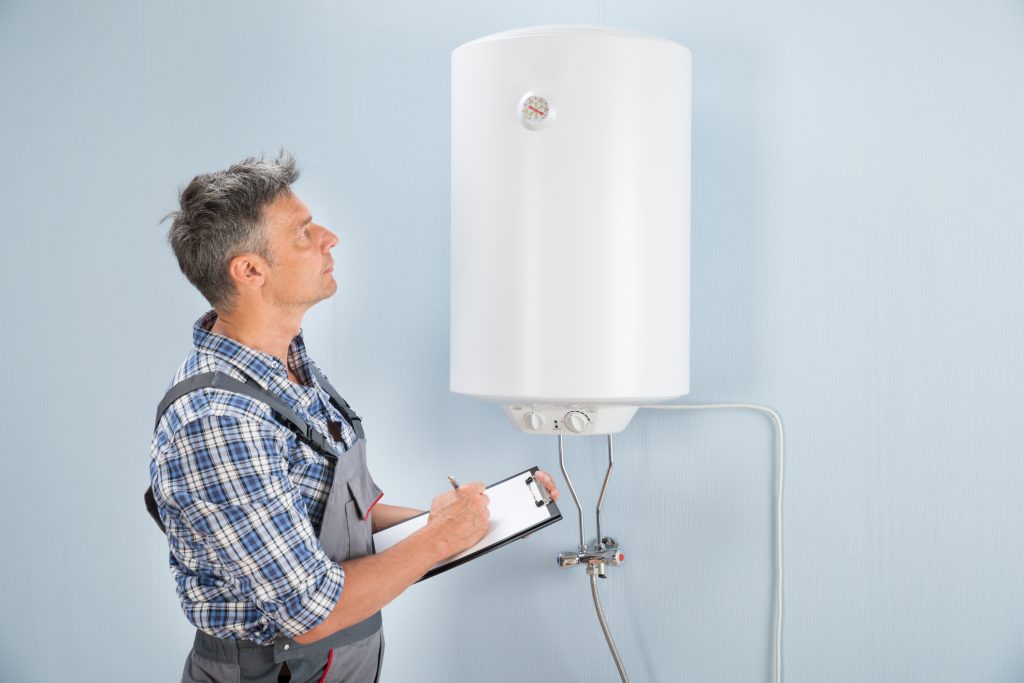
It’s morning and you’re barely awake. The first thing you do is hop in the shower to get ready for the day. The water starts to warm up and the water is hotter than normal. You think you turned the knob a bit too far. But you make a quick adjustment and add a bit of cold water. That’s better. You hop out, wash your face with warm water. But there is scalding hot water from the tap. Now you know this wasn’t an accident. Your water heater that’s suddenly scalding hot might be a sign of a problem. Your water heater is overheating. Yes, warm water or even hot water is fine. But when it gets too hot, that can be an issue. Plus, you could get badly burned from it. Let’s take a look at the following reasons why your gas water heater may be overheating. What could be causing your water heater to overheat? So what exactly could be causing all this trouble? Let’s take a look at the following issues: Setting is too high The first cause of a water heater overheating is that the temperature is set too high. The average water heater is set to 120 degrees Fahrenheit. A higher setting on your water heater will lead to suddenly scalding hot water. Luckily, the water heater that is set to a high temperature is an easy remedy. You can lower the temperature of your water heater if it is set too high. If the thermometer is not set at a high temperature, you can continue down the list of causes. Mineral build-up The second cause we’ll look at is mineral buildup. Groundwater has minerals and sediment that settle at the bottom of the water heater. The mineral buildup will prevent your water heater from working efficiently. As a result of mineral buildup, you should flush your water heater annually. If the temperature is not set too high, check for mineral buildup as the culprit of your hot water heating issues. Broken pressure valve The third cause may be a broken pressure valve. The pressure valve regulates the temperature of the water by raising the temperature of groundwater as it enters the home. A faulty pressure valve will impede the water heating process because there is no water regulation. A faulty pressure valve will cost a lot of money in unnecessary water heating bills. To restore your water heater to its normal state, fix your pressure valve as soon as possible. Gas water heaters vs. electric water heaters: What’s the problem? Another factor to consider is whether your water heater is gas or electric. Consider the power source because gas and electric water heaters operate differently. As a result of different methods, the mechanisms involved in a gas water heater are different than those of an electric water heater. You can proceed once you know whether you have an electric water heater or a gas water heater. Gas water heaters A gas water heater overheating is usually a result of gas supply, the pilot light, the thermometer, the safety, or the dip tube. The first thing to check is if there is a supply of gas going to your water heater. If the gas water heater does not have gas, it cannot heat. Another factor is the pilot light flame. Sometimes, the pilot light flame gets extinguished, and the water heater won’t work properly. Check to see the status of the pilot light flame ignition. You can also check the thermometer temperature, which should be set to 120 degrees Fahrenheit. Another contributing factor to water overheating is the safety shutoff valve. Gas water heaters have safety shutoff valves that prevent the water heaters from overheating. A faulty safety shutoff valve will not prevent the water from overheating and will result in scalding hot water. Finally, there could be a problem with the dip tube. The dip tube brings water from the top of the heater to the bottom of the heater. At the bottom of the heater, the water heats up. A fault dip tube will not effectively engage in this process. Check the gas supply, pilot light, thermometer, safety, and dip tube, if your gas water heater is overheating. Electric water heater An electric water heater overheating is a specific problem with unique causes. The most common causes may include, but are not limited to, an improperly set thermometer, malfunctioning pressure relief valve, or sediment buildup. An improperly set thermometer means that the temperature is too high or too low. If the thermometer is set too high, scalding hot water will enter the home. If the thermometer is not at 120 degrees Fahrenheit, make the appropriate change. Another cause of electric water overheating is a malfunctioning pressure relief valve. A malfunctioning pressure valve fails to regulate the water in your home, resulting in hot or cold water. A plumber or water specialist can fix your malfunctioning pressure relief valve before it becomes a more costly repair. Finally, mineral buildup at the bottom of the tank can cause your electric water heater to overheat. Water circulation in the electric heater causes sediment buildup at the bottom of the tank. Water Heater Problems? Contact Us If you need help with your water heater overheating, American Home Water & Air is your go-to plumbing service. Our professional technicians will check out the issue and fix it as soon as possible. Don’t wait any longer before the problem gets worse. Call us today at 602-993-0083 for more information.
Do Tankless Water Heaters Run Out of Hot Water?
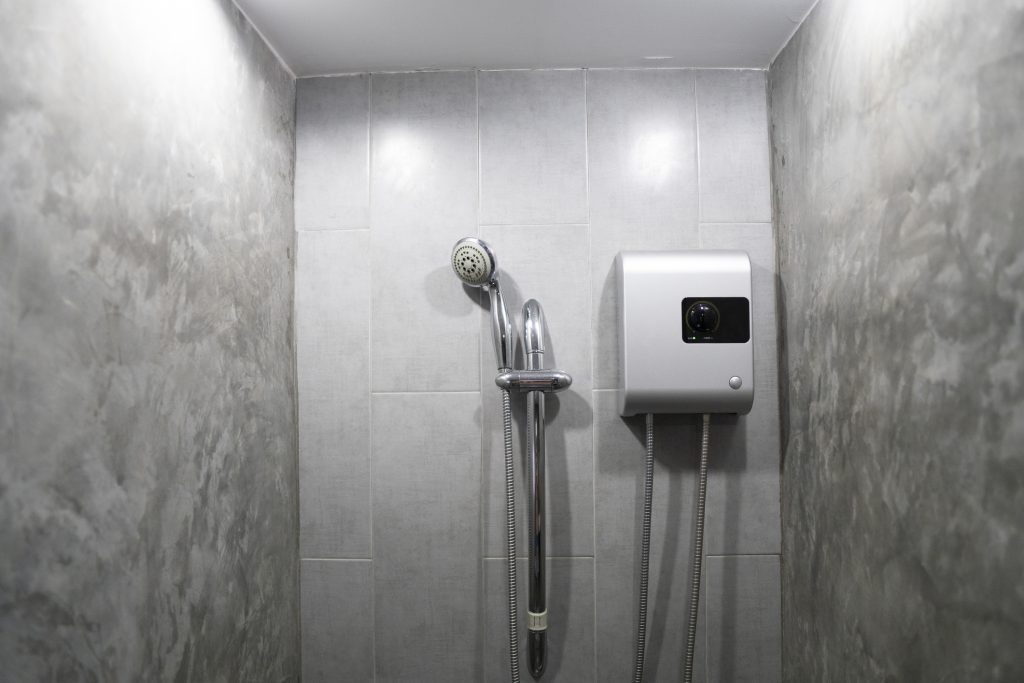
If you have a tankless water heater or are thinking about getting one installed, you may have asked yourself: Do tankless water heaters run out of hot water? We’ll answer this question shortly. Most people love taking a warm bath or shower. It’s comfortable, enjoyable, and a welcoming feeling after a hard day’s work. If you have a tankless water heater, it helps to have consistently warm water. Having a never-ending hot water heater is possible. American Home Water & Air can help make that happen so that you have a hot water heater that never runs out. However, let’s answer that million-dollar question first and foremost: Do tankless water heaters run out of hot water? No, tankless water heaters can never run out of hot water. This is because, unlike tanks, tankless water heaters do not store water. How Does A Tankless Water Heater Actually Work? You’re probably asking yourself: how do these tankless water heaters actually work? Let’s explain the useful elements that make it all happen so every shower you take at home is always warm from start to finish. Electricity Thankfully, there is a technological advancement that can allow for endless hot water. You read correctly. If you have suffered through a lukewarm or cold shower, you know the pain of a shower that ends too quickly. There is a solution: a tankless water heater. A tankless water system heats water via gas or electricity, just like a heating system with a water tank. The difference is that the former intakes water and heats as needed, whereas the latter stores water at all times. A tankless heating system may be exactly what you need. Keep reading to see the benefits a tankless heating system can provide, including unlimited hot water. Inner Workings To understand a water heater, you must first understand the inner workings of a heating system. Most hot water systems feature a water heater storage unit. Water heater tanks are especially prevalent in apartment buildings and other shared home arrangements. Because of these heating systems, people must divide up shower time accordingly. A storage tank holds water for times when hot water is necessary. A tank comes in a predetermined size. A tank can fit in a basement or even a closet. This tank of water is kept warm by either natural gas or electricity. When the water tank runs out, it refills and takes time to reheat. Because the tank does not store unlimited water, there are times where there is no hot water in the tank. As a result, the hot water runs out fast, and the home does not have access to hot water. A tankless water heater does not store water. Therefore, a tankless water heater does not run out of hot water. The preference between a tankless water heater and a water system with a tank is up to you to decide. You Don’t Need To Wait Any Longer For Hot Water The days of waiting for the water to warm up are over. Even better, you don’t have to worry about running out of oil and letting the water go cold in the process. Without a storage tank, you will have no worries about depleting a finite amount of water that you reserve in your home. Even better, they are easy to maintain. So if it appears to be not working, you might have a good idea of what to do. There are limitations to a tankless water system, however. A tankless water system has a supply that dictates how much water can heat per minute. The amount of water heated per minute is measured in gallons and varies depending on the heating source—gas or electricity. Gallons Per Minute The average tankless water system supplies 2-5 gallons of hot water per minute. Blasting all faucets simultaneously would cause a problem because of the 2-5 gallon per minute limitation. Work with your water specialist to determine how much your tankless water heater will supply. Another consideration regarding your water system is whether it uses gas or electricity. Much like a water heating system with a tank, a tankless system gets fuel from electricity or gas. Gas and electricity have different heating mechanisms and allow varying gallons per minute. The gallons per minute, or GPM, dictates the flow rate of hot water into the home. Determining specificities will ensure the best possible water heating experience. Do tankless water heaters run out of water? Hypothetically, tankless water heaters do not run out of water, as long as there is a water supply. Of course, a tankless water heater can be overwhelmed. When a tankless water system is overwhelmed, the demand is too high. An example of the potential for overwhelming the hot water system would be running five showers at once. Multiple simultaneous showers are normal in high-traffic areas like gyms or hotels. In a home, the water specialist evaluates the water supply and demand. After effectively calculating the supply and demand of your home, a water specialist will install heating water services on your home. Conclusion Do tankless water heaters run out of water? To repeat, they don’t. Now that you know the answer, you can make an informed decision as to whether a tankless water heater installation is right for you. American Home Water & Air is your Arizona plumbing service that will supply you with unlimited warm water—no more waiting for the water to warm up or relying on other factors. Now that’s a wonderful thing to have.
Hot water runs out fast? These are the most likely culprits
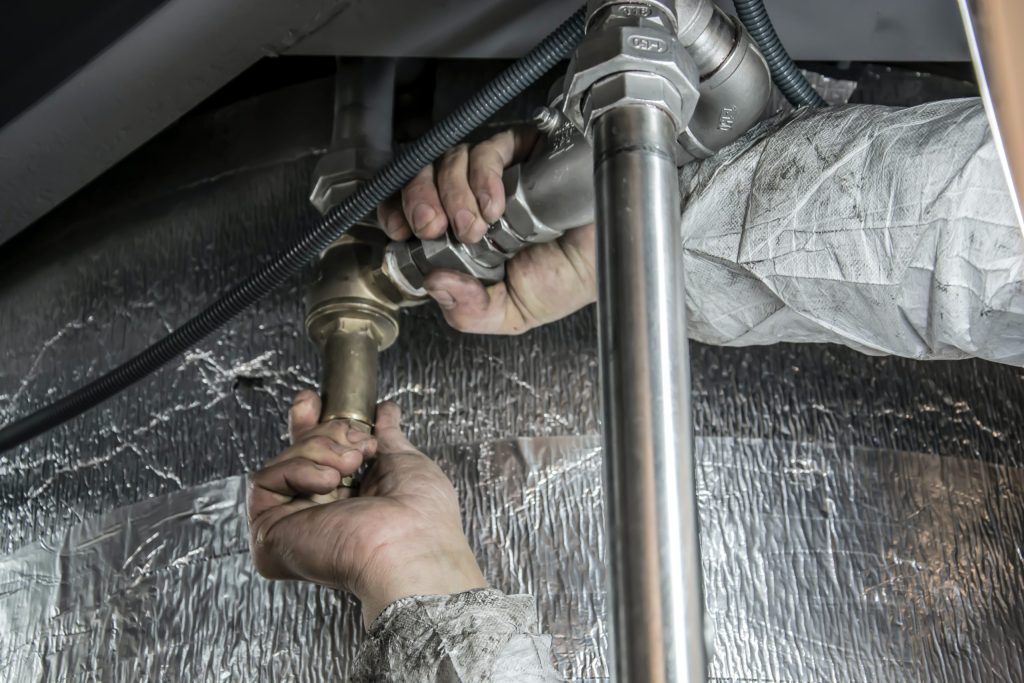
Many of us take hot water for granted. We turn on the tap, and it comes out, ready to use in a matter of seconds. However, if you find that your hot water runs out quickly or doesn’t get very hot, then you may have an issue with your water heater. Keep in mind that it’s not always easy to tell if you have a problem. There are many reasons hot water runs out fast, and it can be challenging to determine what the issue is without having a plumber come in. Therefore, always hire a licensed professional to come out and take care of the issue. Otherwise, you risk further damage or injury from trying to fix it yourself. Visit this page for further information about water heater repair. The following are some of the most likely culprits when hot water runs out fast in your home: The thermostat is set too low. This is the most common reason you might find yourself running out of hot water in your home, and it’s also the easiest one to solve. If you’re only getting cold water when you turn on a faucet or showerhead, then the chances are good that your thermostat is set too low to accommodate the amount of hot water your family uses. It is important to note that if you are using a tankless water heater, which heats up with electricity instead of gas, the switch-over to electric heating takes longer than it would for a conventional water heater. Your tank is too full. Another common reason why hot water runs out too fast is that your water heater tank is full. If you have a 40-gallon capacity or less, it’s possible that there isn’t enough space for the incoming water to heat up and flow into the shower or tap, which results in cold showers. You need to flush the tank for a larger capacity by turning on your taps and letting them run for about five minutes. If that doesn’t do anything, it might be time to invest in a larger water heater or call the plumber. Moreover, it is advised to flush the tank every six months. You don’t have enough insulation around the tank. Insulation is essential to prevent heat loss in the water tank. A lack of insulation means that your heater will have to work harder when it’s cold outside and, therefore, will run out of hot water faster. Some people complain about bad insulation because they can’t afford a new or upgraded system at this time. Still, you don’t need an expensive solution — good quality tube-style wool insulation will help reduce energy loss. The wrapping should be applied all around the storage cylinder, including the concrete collar pipe where applicable (it may not be necessary if existing insulation is adequate). Tube-style wool has high thermal performance compared to other materials because it traps pockets of air, which act as an insulator. The burner isn’t working correctly. If the burner is not working correctly, it will have a hard time heating water. This can cause hot water to run out quickly from your tank during a shower or even just by running the faucet. If you are experiencing this issue, there is most likely a problem with the burner, so it would be wise to contact a faucet replacement specialist. What’s more, you should call a professional to get it fixed. If the burner is not working correctly, it will have a difficult time heating water. Too much sediment has built up inside the heating element and needs to be cleaned. Sediment build-up is also a common reason why a water heater runs out of hot water fast. Again, this is usually not visible to the naked eye, but you can check for it. You will need a screwdriver and pliers with rubber gloves (to avoid getting burned). You can conduct a regular checkup by inspecting the heating element for sediment build-up every year, which will help prevent problems from developing over time. If there is not enough hot water when faucets are turned on at full force, then it’s likely that sediment has caused a problem with heat transfer. In that case, turn the power supply off before performing the above-mentioned steps. There’s a problem with the gas line or electrical connection. This is a common problem with water heaters. The gas line or connection to the electrical outlet is a common reason for the lack of hot water that should be looked at immediately. This problem can typically be resolved within minutes by turning off power from your breaker box, disconnecting the hose between the wall and heater unit, checking all connections for leaks using soapy water (if you see bubbles, there’s a leak), then tightening as needed. Suppose it seems like this was just an issue that built up over time due to corrosion or other problems in your plumbing system. In that case, it might be worthwhile to call in a plumber who has experience working on older systems like yours to check things out further. Conclusion Now that you’ve learned the most likely culprits, you can start looking for them if you find your water heater is running out of hot water. If these issues are present, you’ll need to find a solution to get your hot water back on track. Always make sure to do your research and find a professional if you don’t feel comfortable fixing the problem yourself. In some cases, it can be as simple as checking out an easy-to-fix leak from underneath the water heater tank, so knowing how to shut off the gas or power can save you time and money.
Navien tankless water heater reviews, price, and insights
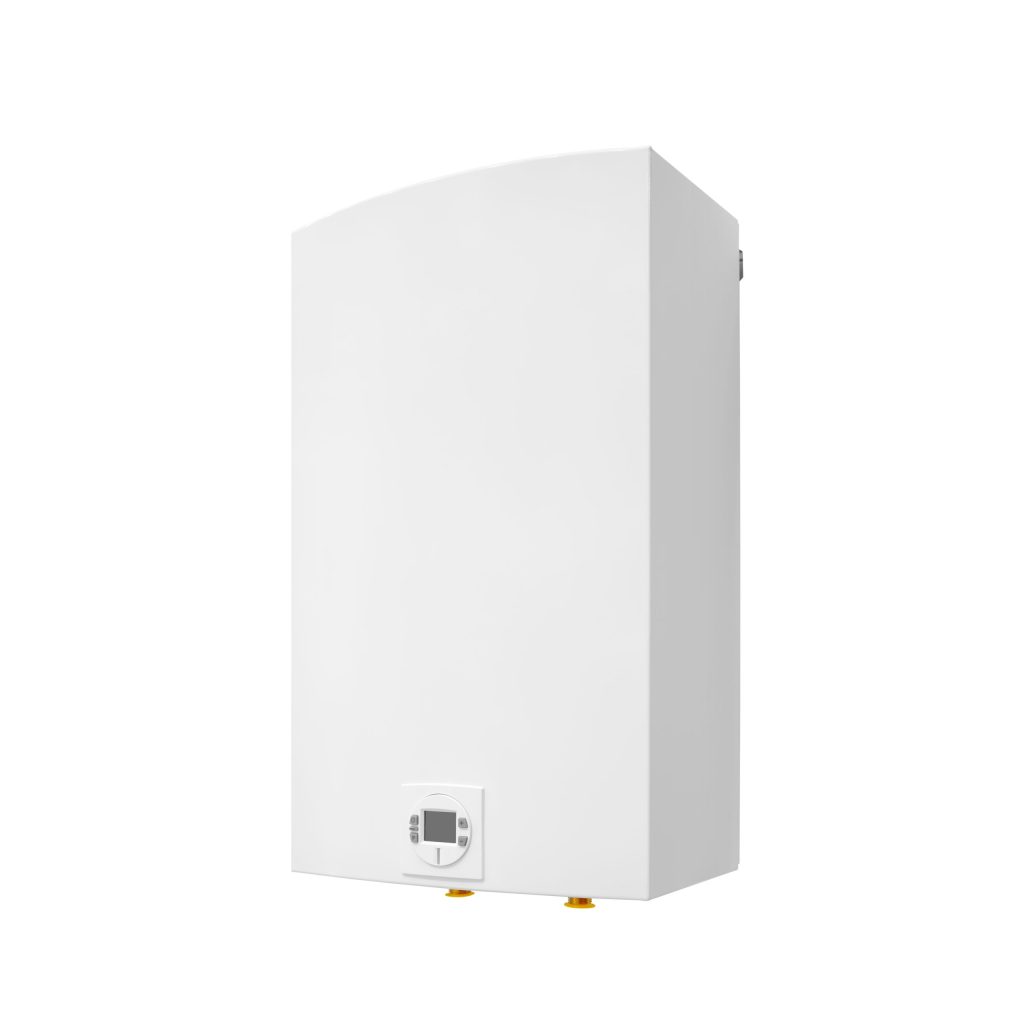
Navien is a company that specializes in tankless water heaters. This means you get hot water on demand and no longer have to wait for your tank to fill up before you can take a shower or do the dishes. Navien has been around for over 30 years, and they have gained expertise in their product category. Navien’s tankless water heaters are great for those who have a large household or live somewhere where energy costs are high. Let’s jump into Navien tankless water heater reviews and see what Navien offers in terms of tankless water heaters. Navien NPE-240S This Navien tankless water heater offers high condensing efficiency. It has many great features, including supporting multi-story homes, having an energy-efficient design, and providing hot water quickly. So, when selecting the best water heater for your regular usage, the Navien NPE-240S is an excellent option. It has a significant flow rate and an efficient energy factor so that you can expect excellent results. So, if you have a big family, this could be a worthy investment. Pros: ● Eco-friendly (CO and NOx reducing technology) ● Durable ● Instantaneous hot water Cons: ● Expensive Navien NPE-180S The Navien NPE-180S is one of the best tankless water heaters you can buy. It has a lot to offer, starting with its low maintenance and ease of installation. In addition, the Navien NPE-180S is highly efficient in both gas and electric models, helping homeowners save about 60% on their energy costs compared to standard storage-type tanks. The Navien NPE-180S is also ENERGY STAR® qualified, a welcomed addition that saves homeowners even more money. If you’re searching for a product that offers the proper flow rate for your everyday needs, the Navien NPE-180S is an excellent option. It’s especially appropriate for small families with seven to eight faucets connected to the heater. Pros: ● Low Maintenance ● Easy Installation ● 8.4 GPM Cons: ● Could use a boost in GPM usable period Navien NPE-240A This option is one of the most affordable in the Navien lineup and is a great budget option if you don’t need all of the features that come with other models. It also has an incredibly compact design that helps save space – which can be beneficial for some homes or basements where there isn’t much room for extra appliances. Finally, this model comes standard with adjustable temperature control, so it’s perfect for when you want to take long showers (up to 30 minutes) without worrying about your hot water running out. The Navien NPE-240A is a fantastic choice if you’re on a budget. When it comes to energy usage, it’s very efficient. The cold weather performance is not ideal, but the product is deemed an excellent option in this price range. Pros: ● Low NOx emissions ● 12.2 gallons/minute at 35 °F. ● Energy efficient Cons: ● Only last for an hour max with showers Navien NPE-210A The Navien NPE-210A is a tankless water heater that provides an impressive flow rate of 10.1 gallons per minute. It’s also highly energy-efficient, with its high efficiency condensing heat exchanger technology allowing it to operate without the use of power. This unit is easy to install and has an attractive design that blends well into any home decor theme. This model only comes in one color option — white — so you won’t be able to choose your favorite shade or make your new appliance stand out from everything else in the room. When it comes to your typical usage, the Navien NPE-210A appears to be an excellent option. Furthermore, the interior components are composed of high-quality materials, making them highly useful for daily use. If you have five to six faucets connected to the product, it is a decent option. Pros: ● 10.1 GPM at 45°F ● Eco-friendly ● Simple to install Cons: ● Not the greatest for subfreezing weather What is a tankless water heater? A tankless water heater heats water as it flows through the unit. These heaters are far more energy-efficient than traditional tanks, and they typically save homeowners 40-60% on their gas bills each year. The Navien water heaters are some of the greatest on the market today. Tankless water heaters provide a continuous supply of hot water, and they use about as much energy as a light bulb. Navien tankless gas water heaters are well-known for their reliability and efficiency. These devices can last upwards of 25 years if properly maintained and installed by professionals in the industry. Is Navien a good tankless water heater? Navien tankless water heater prices are higher than those of traditional units, but a long list of benefits can outweigh the initial cost. For example, some models use propane or natural gas, and excess energy from these units can earn you tax credits on your utility bill. In addition to this financial benefit, many customers report lower monthly bills since their Navien’s heating capacity has been used for several appliances in their home (hot tubs, dishwashers, etc.). Other significant benefits include increased safety with no risk of flooding due to broken plumbing lines and reduced environmental impact by cutting out wasted energy through standby mode. Pros and cons of Navien tankless water heaters Navien tankless water heaters have a few pros and cons. Navien has been in the business for years, so they are one of the most trusted companies on this list. Their best model comes with an impressive ten-year parts warranty that includes labor and material costs associated with repairing or replacing defective components. As long as you purchase your unit through a reputable supplier, then there’s minimal risk involved when buying from this company. Pros: ● Great warranty ● Reputable company ● Reliable water heaters Cons: ● No water
Water Tanks 101: Different Types of Hot Water Tanks
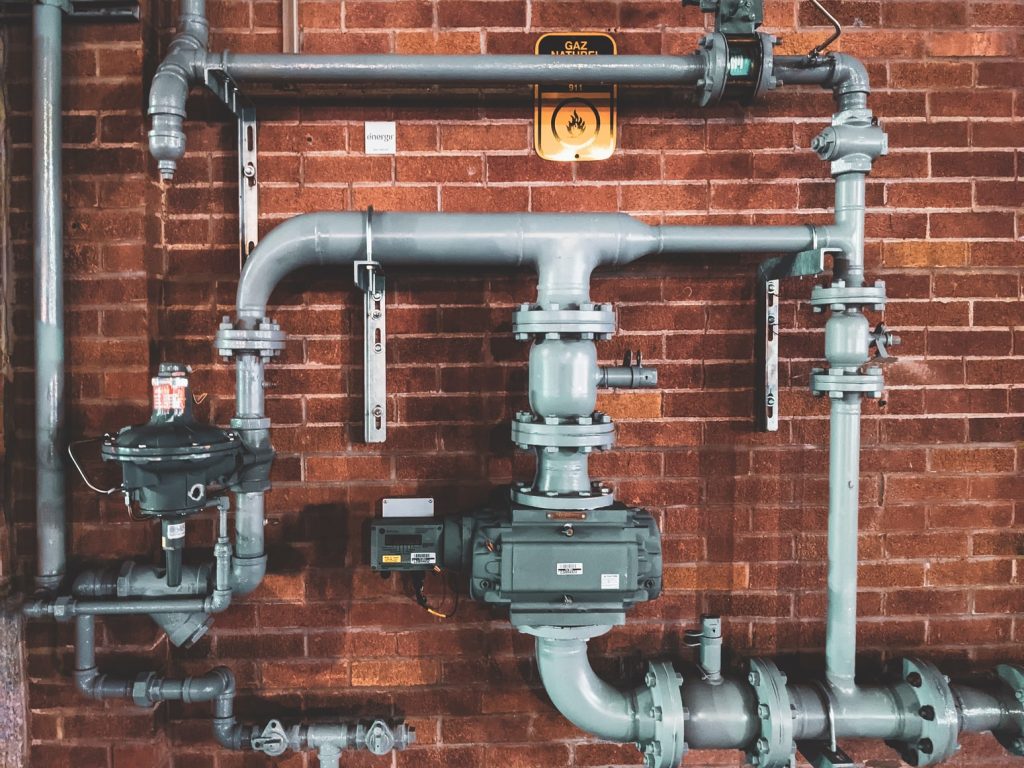
A hot water tank is one of the most essential pieces of equipment in your house. Besides providing hot water on demand for your everyday needs, it saves you time that would otherwise be wasted manually heating water every time you need to wash or bathe. But there is a lot to take into account when selecting a hot water system that you may not be aware of. Besides, this isn’t something you buy very often. So, if you’re in the market for a new water heater for your home and wondering what options you have, this guide is for you. We’ll uncover the different types of hot water tanks and how you can find one that fits your household needs. You can also check out this article if you’re looking for information on hot water heater expansion tanks. Main Types of Hot Water Tanks There are five types of hot water tanks available to homeowners, all of which vary based on their functionality and how they heat water. Let’s look at how they differ so you’ll be better placed to choose the one that fits you and your home. Tankless Hot Water Tanks As the name suggests, tankless hot water tanks use no tank to deliver hot water. Instead, tankless water heaters use super-heated coils to instantaneously provide hot water. These water tanks differ from tank water systems in that they offer an almost limitless hot water supply on demand. Pros: Imagine not having to wait up any time you need hot water. That’s possible with on-demand water tanks. And since tankless heaters don’t require any tanks, that means you will save more space. Given that tankless heaters only heat water when needed, they use up less energy. These tanks will also serve you longer—more than 20 years compared to conventional water heaters, which last 10 to 15 years Cons: While tankless can adequately accommodate a small household, it may not meet your demands if you have large hot water needs. Here’s where the challenge arises; if you have two plumbing fixtures running simultaneously (say your dishwasher and shower), the hot water is likely to go cold. To continue enjoying hot water, you may need to install tankless units each for every appliance. In addition, it’ll cost considerably more (almost double) to install a tankless tank compared to other traditional hot water tanks. Caution: To ensure proper functioning and reliability of your tankless water heater, ensure to flush the system regularly, preferably once a year, to eliminate accumulated mineral deposits. Conventional Hot Water Tanks Also called traditional storage tank water heaters, conventional water tanks are the most common water heaters. The tanks feature insulated storage that keeps the water hot after heating. Pro: Compared to other hot water tank alternatives, conventional hot water tanks will cost less to acquire and install unless, of course, you opt for a highly modern one. If well maintained, they will deliver steady performance over time. Cons: Conventional hot water tanks require energy to maintain water temperature. By the end of the day, they consume a lot of energy. Apart from that, the hot water available with conventional hot water tanks is determined by the size of the heater tank. The larger your water needs, the larger size of your water tank and the more space you’ll need in your home. Because traditional storage tanks hold water for extended periods, they’re vulnerable to water damage. Lack of regular professional maintenance could lead to rust and corrosion compromising your health and the functionality of the water heater. Solar Hot Water Tanks Solar water heaters are powered by the sun. They require the mounting of solar panels (on the roof or in the yard) that collect and transfer energy to heat the water in the insulated water tank. Pros: So far, all the hot water systems we’ve covered use non-renewable energy. If you’d like to use the most energy-efficient option, solar is definitely it. Solar-system water heaters will save you energy costs as they rely on solar energy. Another huge advantage of solar hot water tanks is the incentives and rebates you enjoy in state and federal tax credits. Cons: Solar systems require gas or electricity backup to heat your water if the solar panels don’t collect enough energy. Additionally, they’re expensive to purchase and install and could take you a few years of saving in power costs to break even. Caution: If you live in extremely cold regions (or regions with more rainy days than sunny ones), you might have to pass on this one. Even in sunny regions, the solar performance will be compromised on gray days. Heat Pump Water Heater You may know heat pumps as systems that control indoor temperature. But what you may not know is they are also used to provide hot water. Heat pump water heaters, also known as hybrid water heaters, use heat collected from the environment to heat water. They’re unique in that they only require electricity to move the heat collected to the water tank. How efficient! Pros: Heat pump water heaters have the potential to save you money as they use 60% less energy than conventional water heaters. Cons: Like solar energy, a heat pump may not be best for cold regions and places in your home, such as the basement. In fact, they’re only installed in temperatures that range from 40 to 90 degrees. Given how expensive these systems are, be ready to take a few years before your electricity bill savings can match your investment. Price aside, as heat pumps are placed on top of water heaters, you’ll need at least 8 feet from the floor to the ceiling for it to be installed and to operate safely and efficiently. Condensing Water Heater You may confuse them for conventional heaters, but condensing water heaters operate uniquely. They function by collecting hot exhaust gases from your home, typically expelled through the flue, and redirecting them to the heat exchanger inside the tank. As
New Homeowner’s Guide to Water Heater Sizing
Are you thinking of buying a water heater for your house? Well, whether it’s a first-time installation or a replacement project, you need to choose the right sized heater. Having the correct-sized water heater guarantees that all your home’s hot water needs are met effectively. But how do you identify the correct water heater for your home? No need to worry! This article explains all the necessary steps you need to follow in your water heater sizing and purchase process. Here we will focus on how to size two main types of water heaters including: This will help us understand better how to size a water heater, no matter the type. How to Determine Water Heater Size Generally, these types of water heaters are sized according to how much water, in gallons, they can hold. For instance, residential water heaters will hold between 30 to 80 gallons. However, when determining the right tank water heater size for your house, you must also consider these two main factors: Peak hour demand is just as the name suggests – the amount of hot water your household uses during high-demand times of the day. Calculating or understanding this figure will help you determine what size of a water heater you need. For example, each member of the household can use 12 gallons of water showering. So, if 4 people in the house take a shower in the morning, the total number of gallons used will be 12 multiplied by 4, which is 48 gallons. This means that if the peak hour demand is 48 gallons, your tank water heater should be able to provide more than this amount during the peak hour. On the other hand, your household’s FHR (first-hour rating) measures the amount of hot water that your water heater can supply to your household per hour. And, it’s different from your hot water tank’s capacity. The FHR rating is determined by several factors, including the tank’s capacity, burner or element size, and fuel type. It’s good to note that the FHR ratings for an oil or gas-powered heater will be higher than an electric-powered one. Your household’s FHR ratings should always be higher than the corresponding peak hour demand. Therefore, if you have a peak hour demand of 48 gallons, be keen to choose a water heater with a higher FHR rating – let’s say above 55 gallons. Also known as on-demand water heaters, there is a different way to determine the best size for these heaters. For starters, since they don’t have a storage tank, the system heats the water as it flows to the desired outlet. For this reason, instead of using the tank’s capacity to determine the best size for a household, we use these factors: The first step is to determine how many hot water devices you wish to use at any given time. Then, add up the devices’ flow rates to determine your household’s total desired flow rate. This is the same rate that your tankless water heating system should be able to offer. For instance, let’s assume you expect to run the following hot water devices simultaneously: This means that the desired water flow for your tankless water heater should be 0.75+2.5+2, adding up to 5.25. Getting a water heating system with a flow rate above 6.5gpm (gallons per minute) is desirable. Maximum temperature rise is the difference between the incoming water temperature and your desired household’s water temperature. For instance, assume the incoming water is 50 degrees, and you want the water heated to 120 degrees. This means that you need a water heater with a maximum temperature rise of 70 degrees. Now, combining the two factors, you’ll need a tankless water heater with a flow rate of 5.25 gallons per minute and a max temperature rise of 70 degrees. Note: Cooler incoming water or faster flow rates can influence the temperature of the water running on distant faucets. A thermostatically controlled water heater is recommended as it varies the water output temperature as needed. Commercial Water Heater Sizing Getting the correct water heater size for commercial applications can be a bit more complex than it is with a residential one. Firstly, there is a vast range of commercial water heaters on the market. And secondly, the mode of operation in commercial settings (like a restaurant or hotel) is different from that of a home. So, what factors should you keep in mind when sizing a commercial water heater? The main determining factors to look for include the following: This stems down to the amount of hot water a tank can store, as well as the amount of power it needs to heat that water. You must find the right combination of these two aspects. But, to know the exact size of water heater you need, it’s crucial first to find out how much hot water you need. A professional commercial water heater installer can help you determine your business’ hot water needs by assessing several factors, including: All these and more will guide the expert in determining the best water heater for your business in terms of type, gallons, necessary BTUs, and the physical size of the water heater. For instance, some businesses, such as hotels, will use considerable hot water during peak hours. On the other hand, a busy salon requires hot water all day. This means that water heater sizing will differ significantly.
Why Does My Water Heater Smell?
Imagine going home after a long day, looking forward to taking a much-needed hot shower, only to notice a foul odor. You check where it’s coming from and it’s your water heater! There’s nothing that ruins a relaxing hot bath more than that rotten egg smell that you just can’t expel. If your water heater is reeking of sewer odor, rotten eggs, bleach, gas, or even fish, don’t worry, you’re not alone. Water heater odors are a common occurrence in households. It also happens in faucets and other fixtures where running water passes through. But why does it happen and how do you address it? We lay it all down in this article. Cause of Foul Odors from Water Heaters Foul water heater smells are signs of a deeper underlying problem. There are a few culprits that can be blamed for it. Among them are: Sulfate Bacteria Water that stays stagnant in the tank causes the buildup of hydrogen sulfide, a hazardous gas that reeks a strong odor and can also damage your appliances. But how did this get in your water heater, you ask? Water has traces of sulfate, it being a naturally occurring ion. This is harmless and cannot usually be detected. However, sulfate can turn into dangerous hydrogen sulfide when there are high levels of sulfur-reducing bacteria in the water and if your water heater’s anode rod is corroded. If you have any of these two problems, these would explain the rotten egg smell. High Levels of Chlorine If your water heater is reeking a strong chemical or bleach smell, the underlying issue has something to do with chlorine. Most water supplies have small amounts of chlorine used to eliminate bacteria and when levels reach more than 5.0 ppm, it can be harmful to use and much less consumed. Another culprit is shock chlorination, which happens when high levels of chlorine are added to wells or plumbing systems. This is usually done after strong rain or storms to prevent the growth of bacteria. In case of shock chlorination, the chemical smell should resolve on its own as it dissipates within the water system. Pollution or Decaying Organic Matter If rotten egg smells or chemical odors are not your problems, but you’re facing a far worse odor, you might be dealing with decaying organic matter or water pollution. A fishy and earthy water heater smell may be a sign of bacteria, algae, and fungi building up in your heater, shower fixture, faucets, and water tank. Here lies the importance of routine maintenance for these fixtures to get rid of anything that can decay in the pipes and affect the quality of your water. Leakages or Contamination If the foul odor you’re smelling reeks of gas or fuel, you’re facing a very rare but serious issue that you need to get checked. This may be because of a gas leak near your area or other landfill contaminations. Have a professional take a look at your water heater if you are facing this odor. How to Remove the Foul Smell Rotten egg or sewer odors can easily be eliminated by sanitizing your water heater. The issue is lying right inside it, so you will need to clean the tank with a chemical solution. Hydrogen peroxide works best. Do note that it’s best to engage the services of professionals to do this procedure, especially if you are not familiar with the interior functions of your water heater. This can be a dangerous DIY project if you don’t do it properly. However, if you are well-versed in water heater functions, below are the steps to get rid of the foul odor. If you have an electric water heater, flick off the manual switch. If you have a gas heater, turn it to pilot control. Close the cold water inlet valve before you begin. Relieve pressure in your water heater’s tank by opening the hot water faucet and the temperature and pressure valve. In most models, these are located on top of the appliance. Drain some water out to make way for the hydrogen peroxide solution. Remove the temperature and pressure relief valve and the anode rod from the rest of the water heater. This is also a good time to check your anode rod for corrosion, which might be the culprit for the foul odor. Replace corroded anode rods to prevent the issue from happening again. Check the tank capacity of your water heater and add 1 to 2 pints of 3% hydrogen peroxide solution for every 40 gallons of water. Pour the solution into the outlet pipe opening or the temperate and pressure relief valve opening. When you’re done adding the solution, reassemble the water heater by returning the parts that you removed. Open the cold-water inlet and fill up the tank with water. When full, close the inlet valve. For 1 to 3 hours, allow the mixture to settle and do its work. After waiting 1 to 3 hours, open the cold-water inlet valve and open the hot water faucets. This will allow the hot water supply to mix with the solution. Drain the rest from the tank. When the mixture is drained, fill up the tank with freshwater. Leave it for 15 minutes and then drain the water from the tank again. Turn on the switch of your water heater or switch the control back. Check if the water heater is functioning. This should eliminate the foul odor from your water heater. If it doesn’t, call a professional to help. Conclusion A foul odor coming from water heaters can easily be prevented with routine maintenance. Make sure that you sanitize your heaters every now and then to get rid of the bacteria penetrating your water supply. It’s wise to engage the services of a professional to ensure that your water heaters and other appliances are working optimally. Contact us for high-quality HVAC, air conditioning, water softener, and water heater services at affordable prices.