Why Is My Central Air Working But Not Heat?
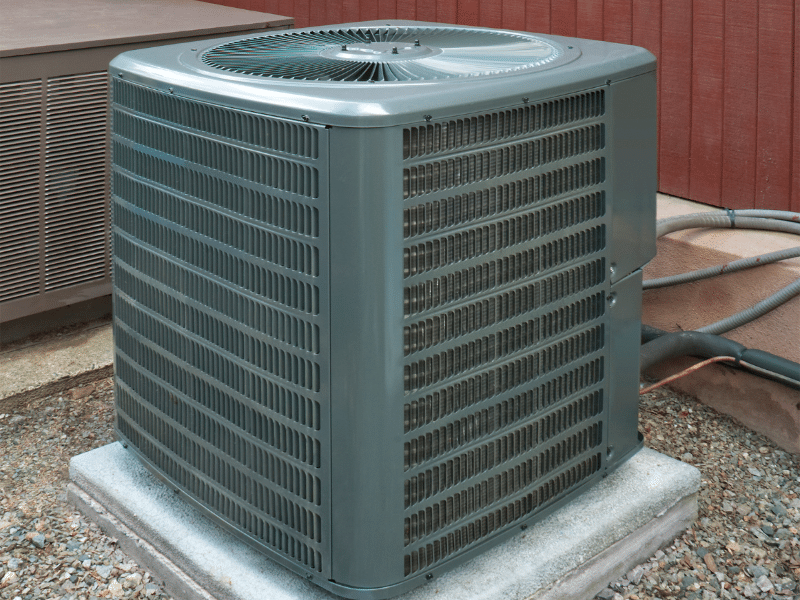
Has your central air system left you shivering in the cold, even though it works perfectly when the weather gets too hot? It’s a common issue that many homeowners face, and it can be quite puzzling. In this blog post, we’ll explore some of the most common reasons your HVAC system might be blowing cold air instead of warming your home. Remember, it’s always best to contact a professional when dealing with HVAC problems in your home for safe and efficient solutions. Stick around to learn more and stay cozy. How central air and heating work We all love stepping into a comfortably warm home on a chilly winter’s day or a refreshingly cool house in the sweltering summer heat, don’t we? The magic behind this comfort is the often-overlooked central air and heating system. Think about your home as a large refrigerator. Sounds strange, right? But it’s a pretty good comparison. When your central air and heating system is in cooling mode, it absorbs the heat from inside your home, just like a refrigerator keeps your food cool by removing the heat from within. It then releases this absorbed heat outside, effectively cooling down your home’s interior. Here’s a real-world example to illustrate this. Imagine you’re sipping on a hot cup of coffee, but it’s too hot, and you want to cool it down. You blow on it, right? As you blow, your breath absorbs some of the heat from the coffee and carries it away, cooling your coffee. Just like you, the central air and heating system breathes in the hot air from inside the house, absorbs the heat, and breathes it out outside your home. During colder months, the process is reversed by the heating system. It pulls in cold air from your home, heats it up, and circulates the warm air throughout your home, giving you a snug and toasty environment. It’s a bit like snuggling up in a warm blanket fresh out of the dryer. The air, much like the blanket, absorbs the heat and wraps your home in warmth. After understanding how central air and heating work, you might be tempted to troubleshoot your furnace and tamper with the system when something goes wrong. However, remember that dealing with these systems requires specific expertise. Just like you wouldn’t attempt to fix your own car’s engine without proper knowledge, don’t try to handle your HVAC system’s problems. Always contact a professional if issues arise to ensure your home’s comfort is restored safely and efficiently. 5 common reasons your central air works but not your heating Here are some common reasons for your central air working, but not your heating. The simplest explanation could be that your thermostat is set to ‘cool’ instead of ‘heat’. It might seem obvious, but it’s an easy mistake to make, especially if you have recently been cooling your home. If your thermostat isn’t set correctly, it can cause your HVAC system to blow cold air even in the winter. If your furnace filter is clogged, it can restrict airflow, causing the furnace to overheat and shut down the heating element. The blower stays on to cool down the furnace, leading to cold air circulating. Regularly changing your filter (recommended every 1-3 months) can prevent this issue. A faulty ignition system can prevent your furnace from producing heat. This could be due to issues with an intermittent pilot light or a hot surface igniter. If you’re not getting a flame when your heating system kicks on, it could be an indication of an ignition problem. If there’s a problem with the gas supply, your furnace can’t produce heat. You should check if the gas valve is turned on and if the gas supply to your home is working. Do not attempt to fix gas problems yourself; instead, contact a licensed HVAC professional. Damaged or leaky ductwork can allow the warm air to escape before it reaches its destination. Moreover, cold air from unheated areas of the house can enter the ductwork, resulting in cold air being blown out. Regular ductwork inspection and maintenance can help prevent this issue. Is your central air working but not heat? Contact American Home Water & Air A range of issues, from thermostat malfunctions to broken ductwork, can result in your HVAC system blowing cold air during winter. Regular upkeep, encompassing filter replacements, inspection of the ignition system, monitoring the gas supply, and maintenance of the ductwork, can help prevent these issues. Nevertheless, due to the complex nature of HVAC systems, professional assistance is highly recommended when problems arise. Stay warm and ensure your comfort by addressing these potential concerns with your heating system. If you live in the Phoenix, Arizona area, consider American Home Water & Air as a reliable provider for all your HVAC needs in Phoenix, and surrounding areas. We’ve been working for over 30 years to provide homeowners with timely and transparent service. If you’re experiencing issues with your system, contact us today!
Why Heat Pumps Need Branding: The Emerging Trends in 2023
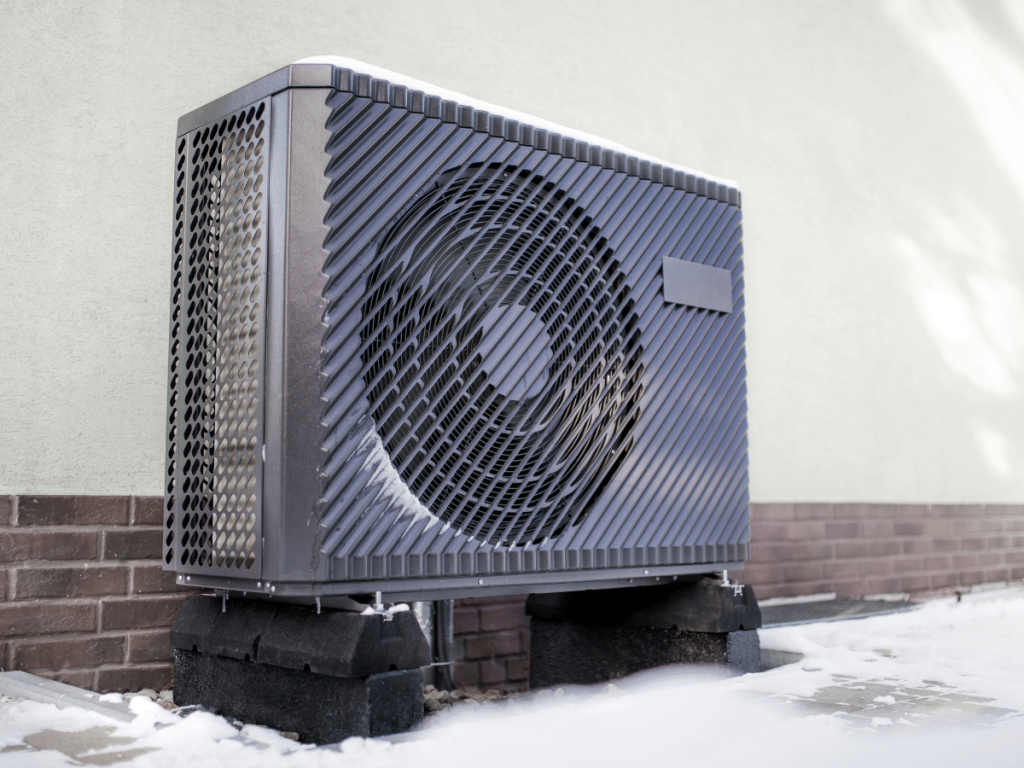
Heat pumps have proven to be invaluable as the world moves toward more carbon-neutral solutions. To ensure their continued use, however, it’s essential that these products be properly branded. This blog post will therefore go over heat pumps as a whole, as well as why heat pump branding is important in 2023. What are heat pumps, and how do they operate? Heat pumps offer an efficient means of heating and cooling homes, harnessing thermal energy from external sources like the ground, water, and air to efficiently heat or cool buildings without having to rely on traditional fuel sources like oil or gas. As an alternative source of heating and cooling, heat pumps offer several distinct advantages over traditional HVAC systems. For one, heat pumps are much more energy-efficient, as they use less power to reach desired temperatures. Additionally, these safer alternatives don’t rely on combustion-based methods in comparison to their counterparts, which is great for the environment. The fact that heat pumps can both heat and cool means they’re incredibly convenient and versatile. Add to that the fact that they tend to last longer than other HVAC systems and have a longer overall lifespan, reducing maintenance costs in the long run. Why branding for heat pumps is critical in 2023 Here are some reasons why heat pump branding is important in 2023. Establishes an identity Branding can help companies that deal with heat pumps stand out in an otherwise competitive market by giving them a distinct identity. This, in turn, increases visibility and helps with building a reputation for easier identification. In other words, developing a proper brand helps with distinction and increases the likelihood of becoming a standard household name. Builds trust Branding efforts for heat pumps that appeal to the right audience build trust among customers and make it easier to promote additional products to them. This is to say that an effective branding strategy allows for a stronger connection with target audiences, which can be beneficial in the long run for heat pump businesses. Increases credibility Successful heat pump branding also plays a pivotal role in increasing credibility, of both the company as a whole and the products being sold. Branding in the correct way shows that your company is committed to offering high-quality goods. Generates product interest As branding helps increase the brand recognition of products, this can draw in prospective buyers and inform them about the existence of heat pump technology, which would have otherwise been unheard of (especially for homeowners that have only ever had a furnace). Proper branding allows for the building and generating of interest, making effective product promotion much easier. Boosts sales Branding through methods like product messaging and heat pump ads increases product awareness, leading to more sales. Raising awareness about heat pump technology may help businesses attract additional customers to expand revenue. Builds customer loyalty Branding can also help build customer loyalty, as it asserts a company’s values and its core mission. Customers who align with a company’s image are likely to remain committed to them, increasing the likelihood of repeat purchases. Fuels innovation Heat pump businesses that leverage their brands will be effectively promoting innovation in heat pump technology. While the driving of sales, the increase in profit, and the dominance over competitors are obvious benefits, recognizable brands often boost demand and fuel innovation as alternatives and improvements spring up. As shifts towards energy efficiency and environmental consciousness become more of a priority, this will become an increasingly important benefit, as it will assist in addressing the issue of emission and carbon footprint reduction. Heat pump branding as a trend is crucial Effective heat pump branding can boost customer loyalty, create awareness, and spur innovation. As our world moves toward carbon neutrality in 2023, this will increasingly become of more immediate relevance. Businesses must brand their heat pumps effectively to stand out in the minds of customers and foster favorable reception. Branding efforts ensure customers remain loyal, so businesses looking to maximize success and remain relevant should carefully consider their branding strategies. All in all, heat pumps offer homeowners an efficient means of lowering energy consumption and costs. This is huge and creates the potential to have them be the go-to choice for heating and cooling needs. Homeowners seeking maximum comfort and efficiency through the use of a heat pump should consult an HVAC expert for installation. For this, consider American Home Water & Air. Our professionals can recommend a unit with suggestions tailored specifically for you and your home’s needs. Getting in touch with our professionals will also guarantee that your heat pump will be correctly installed to maximize unit performance and enhance longevity. Contact AHWA now!
Why Isn’t My Central Heating Functioning, But My AC is?
Central heating units and air conditioning units work together as a conjoined system to keep your home comfortable throughout the year but they have many components that operate independently. Therefore, it’s common for homeowners to experience issues where the air conditioning will function properly while the central heating unit won’t work. While regular, professional maintenance can help prevent the majority of central AC issues, there are several different reasons why this might happen, and troubleshooting the issue will depend on the specific circumstances. So, what do you do if your heat won’t turn on but the AC will? Central AC Works But Not the Heat If your heat won’t turn on but AC will, it could be due to one of numerous reasons. Most instances where the AC works but not the heat can be corrected by identifying and repairing one of the issues below. Thermostat Issues One of the most common reasons why your heater won’t turn on but the AC works can be traced to a problem with the thermostat. The thermostat is responsible for regulating the temperature in your home. If it’s not working correctly, it can prevent the heating system from turning on. In some cases, the issue could be as simple as the thermostat being set to “cool” instead of “heat.” If this is the case, all you need to do is switch the thermostat setting to “heat,” and your central heating unit should start working. If the thermostat is set correctly but your central heating unit still won’t turn on, you may need to check the batteries in the thermostat. If the batteries are dead, the thermostat won’t work, and your heating system won’t turn on. Replacing the batteries is a simple fix that should get your central heating unit up and running again. Clogged Air Filters One reason your central heating unit may not be functioning correctly while the air conditioning is working is a dirty air filter. Air filters are a vital component that affects the performance of both your heating and cooling systems. If your air filters are clogged with dirt and debris, your heating system may not be able to function correctly. To troubleshoot this issue, check the air filters in your central heating unit and replace them if they’re dirty. It’s generally recommended that you change your air filters every one to three months, but if you have pets or live in a dusty environment, you may need to change them more frequently. Pilot Light Issues If you have a gas-powered central heating unit, it may not be functioning correctly due to a problem with the pilot light. The pilot light is responsible for igniting the gas that heats your home, and if it’s not lit, your heating system won’t turn on. In some cases, the pilot light may be out due to a draft or other airflow issues. To troubleshoot this issue, you’ll need to check the pilot light on your central heating unit. If the pilot light is out, you can relight it by following the manufacturer’s instructions. If you’re not comfortable relighting the pilot light yourself, it’s best to call a professional HVAC technician to do it for you. Ignition System Issues If your central heating unit has an electronic ignition system, it may not be working properly due to an issue with that component. The ignition system is responsible for igniting the gas that heats your home. If it is not functioning accurately, your heating system won’t turn on. In some cases, the issue may be with a faulty igniter or a malfunctioning control board. You can address this issue by checking the ignition system on your central heating unit. If you notice any obvious issues, such as a cracked igniter, you may be able to replace the faulty part yourself. However, if you’re not comfortable working with electronic components, it’s best to call a professional HVAC technician to diagnose and repair the issue. Ductwork Issues Another possible reason why your central heating unit may not be working might be due to issues with your ductwork. If there are leaks, blockages, or other problems with your ductwork, it can prevent warm air from reaching your living spaces. This can cause your central heating unit to work harder than necessary, resulting in increased energy bills and reduced efficiency. You’ll need to perform an inspection of your ductwork for any visible signs of damage or blockages. You can also check for leaks by turning on your heating system and feeling for drafts around your ducts. If you notice any issues, it’s best to call a professional HVAC technician to repair or replace the damaged sections. In short, if your heat won’t turn on but your AC will, there can be a number of reasons for your central heating’s failure while your air conditioning continues to work properly. These include issues with your thermostat, air filters, pilot light, ignition system, or ductwork. Troubleshooting the issue will depend on the specific circumstances in your home, but in some cases, it’s possible to fix the problem yourself by following the manufacturer’s instructions. Preventing Central Heating Failures Regular maintenance and inspection of your heating and cooling systems can help prevent these issues from occurring in the first place. It’s also essential to change your air filters regularly and keep your ductwork clean and free from obstructions. By taking care of your heating and cooling systems, you can ensure that your home stays comfortable throughout the year and that your energy bills remain under control. If you are unable to determine the cause of your problems after having checked the potential issues listed above, it’s always best to consult with a professional. American Home Water and Air for your HVAC needs If you’re having issues with your central heating not functioning, our well-trained and experienced HVAC technicians are always available to get your system up and running again with as little fuss as possible and provide you with continued maintenance or
What To Do When Furnace Clicks but Doesn’t Turn On
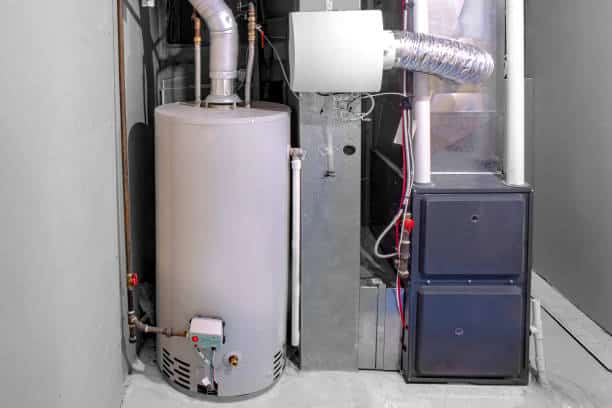
It can be disheartening to turn on your heat only to find that the furnace clicks but the blower won’t start. Not only is this inconvenient, but it can be very uncomfortable for your family to be without heat on a cold night while they wait for a service call. There are several reasons why your furnace clicks but doesn’t turn on, and it’s important to be able to recognize these issues and know what you can do to troubleshoot. American Home Water and Air has put together some key factors to consider and steps you can follow in case your furnace clicks but doesn’t turn on. Thermostat Issues If your thermostat clicks but no heat or air comes on, the thermostat may not be working properly or may not be set correctly. Make sure that the thermostat is set to “heat” and that the temperature is set higher than the current room temperature. Ignition Problems If the furnace clicks but doesn’t come on, your pilot light may be the problem. You’ll need to make sure it hasn’t gone out. If your furnace has an electronic ignition, the ignition control module may be faulty. Here’s how to check the pilot light on your furnace: If the pilot light will not stay lit, or you have any other concerns, it is best to contact a professional HVAC technician to diagnose and fix the issue. Blocked Air Filter Another reason why a furnace clicks but doesn’t come on is that you have a dirty or clogged air filter. This can restrict airflow to the furnace, causing it to shut off to prevent overheating and damaging the unit. Replace the air filter if it appears dirty. Here’s how to change your furnace air filter: It’s a good idea to change your furnace air filter every 1-3 months to keep your furnace running efficiently and improve your home’s air quality. During periods of heavy use, if you have pets in your home, members of your household have allergies, or if you’re having work done that may stir up dust and debris, you might want to change your filter more often. Blower Problems If your furnace is making clicking noise and no heat is coming on. The blower motor may be faulty or the belt that drives it may be loose or broken. Your furnace cannot operate if the blower isn’t functioning properly. Electrical Problems The furnace may not be getting power, there may be a blown fuse, or a circuit breaker may be tripped. Check the electrical panel to see if you can correct any of these simple issues. Preventive Maintenance One of the best ways to avoid hearing that clicking noise when you turn on your furnace is to keep your furnace properly serviced and maintained. Here are some steps you can take to prevent issues with your furnace that cause it to click instead of functioning properly. Takeaway By following these steps, you can help prevent issues with your furnace that cause it to click and keep it running efficiently and safely. However, if you do encounter issues, the experts at American Home Water and Air are ready to assist. Just give us a call or request service online to get your furnace back up and running ASAP.
Electric Heating vs. Gas Heating: What Are the Main Differences?
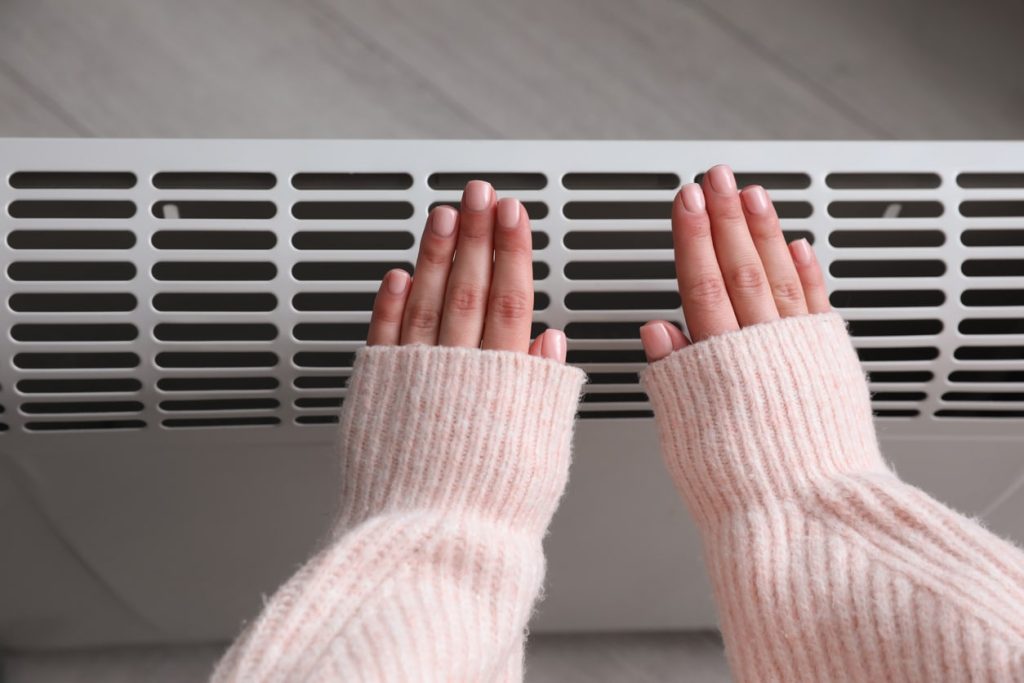
Many homeowners find themselves making a serious comparison using electric heating vs. gas heating. While gas has traditionally been the main option for most, it’s true that electric heating has become a much more viable option for those looking to modernize or improve their energy efficiency. But how do you make a decision between these two options? American Home Water and Air has the answers. We’ll go over the main differences between these two options, as well as the factors that should be taken into consideration before making a final decision. Read on to learn more so you can make the right choice based on your situation! Heating System: Factors to Consider Gas heating and electric heating are two common types of heating systems that are used to heat homes and buildings. “Is electric heat cheaper than gas?” is a commonly asked question about the two systems but there are other factors to consider. When looking at electric vs gas heating, there are several differences, including: Issues with gas heating systems can include the risk of gas leaks, which can be dangerous, and the need for regular maintenance and repair. For those uncomfortable with using gas, electric heating may be the answer. However, issues with electric heating systems can include the cost of electricity and the potential for power outages during periods of high demand. Heating with Electricity vs Gas: Operating Costs The cost of operating a gas furnace versus an electric furnace can vary greatly depending on a number of factors, including the price of natural gas and electricity, the size of the home, and the efficiency of the furnace. However, as a general comparison, the cost of operating a gas furnace in Phoenix, Arizona is likely lower than that of operating an electric furnace. In Phoenix, the average cost of natural gas is approximately $0.40 per therm, while the average cost of electricity is approximately $0.14 per kilowatt hour. The cost of heating a home with a gas furnace will depend on the efficiency of the furnace and the size of the home, but a highly efficient gas furnace could cost as little as $200 per year to operate, while a less efficient gas furnace could cost as much as $500 per year. The cost of heating a home with an electric furnace will also depend on the efficiency of the furnace and the size of the home, but a highly efficient electric furnace could cost as much as $800 per year to operate, while a less efficient electric furnace could cost as much as $1,500 per year. It is important to note that these are only rough estimates, and the actual cost of operating a gas or electric furnace in Phoenix, Arizona will depend on several factors, including the local cost of natural gas and electricity, the efficiency of the furnace, the size of the home, and the climate. It is recommended that homeowners consult with a heating and cooling professional to determine the actual cost of operating a gas or electric furnace in their homes. Heating with Electricity vs Gas: Maintenance Both gas and electric furnaces require regular maintenance to ensure optimal performance and efficiency. However, gas furnaces tend to require more maintenance than electric furnaces. Gas furnaces require regular inspections to check for gas leaks and to clean the burners. The air filter also needs to be replaced regularly, and the furnace may need to be serviced to address any issues with the pilot light, blower motor, or other components. On the other hand, electric furnaces tend to require less maintenance, as they do not have the potential for gas leaks and do not have as many moving parts as gas furnaces. However, they still require regular maintenance, such as cleaning and replacing the air filter, and periodic inspections to check for any issues with the heating elements, blower motor, or other components. Heating with Electricity vs Gas: Energy Efficiency The energy efficiency of a heating system depends on several factors, including the type of furnace, its age, and its efficiency rating. However, gas furnaces tend to be more energy efficient than electric furnaces in general. Gas furnaces can be up to 97% efficient, meaning that almost all of the energy in the natural gas is converted into heat. High-efficiency gas furnaces are usually equipped with variable-speed blowers and sealed combustion chambers, which help reduce energy consumption and increase efficiency. Electric furnaces are typically less energy efficient, as they convert only about 95% of the electrical energy they consume into heat. The efficiency of an electric furnace can also be impacted by the age of the furnace and its efficiency rating. It is important to note that the actual energy efficiency of a furnace will depend on several factors, including the type of furnace, its age, its efficiency rating, and how well it is maintained. Heating with Electricity vs Gas: Environmental Impact The environmental impact of a heating system depends on several factors, including the source of the energy used to power the furnace and the efficiency of the furnace. Gas furnaces that use natural gas from renewable sources, such as biogas, can be more environmentally friendly than electric furnaces that rely on non-renewable sources of electricity, such as coal or natural gas. However, the overall environmental impact of a gas furnace will also depend on the efficiency of the furnace and the emissions generated during the extraction and transportation of natural gas. Electric furnaces that rely on renewable sources of electricity, such as wind or solar, can be more environmentally friendly than gas furnaces. The environmental impact of an electric furnace will also depend on the efficiency of the furnace and the efficiency of the electrical grid. Endnote When evaluating the differences in electric or gas heating, it is important to consider both the source of the energy used to power the furnace and the efficiency of the furnace when evaluating its environmental impact. You can also read our article if you’re planning
How Much Does a New Furnace Cost in 2023?
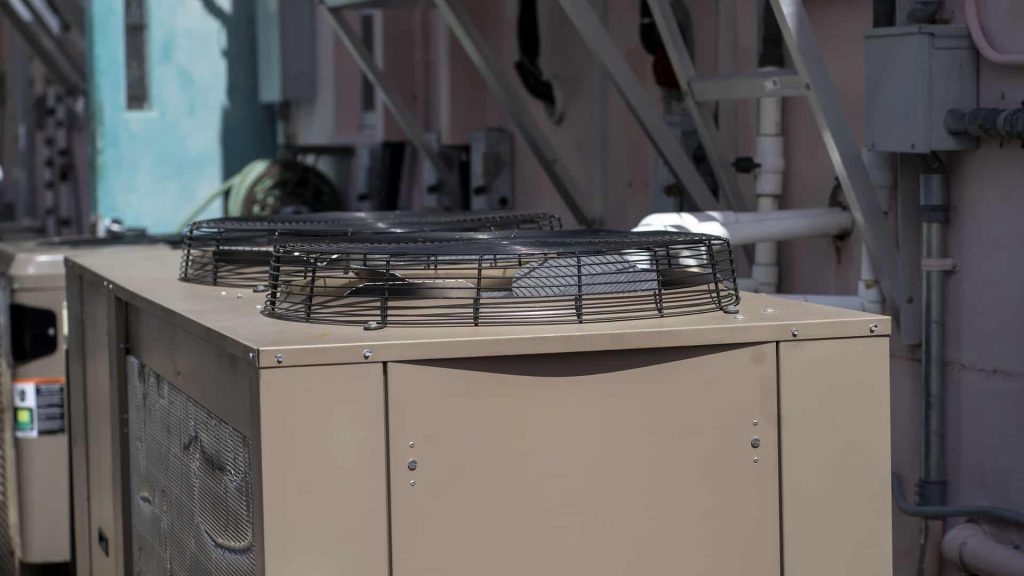
If you’re wondering how much is a new furnace going to cost you, the general answer is somewhere between $2,800 and $7,000, with an average cost of $4,700, including installation. However, many factors affect new furnace costs. These can include the type of furnace, the fuel source, the size of the unit, and the efficiency rating. Let’s take a look at each of these factors in detail, and discuss how they can affect the overall cost of a new furnace. You’ll need to consider the following factors that go into the cost of your replacement when researching how much to replace a furnace. Another thing you should keep in mind is the impact of inflation on the prices of HVAC systems. Type of Furnace One of the most significant factors that can affect new furnace costs is the type of furnace. There are several different types of furnaces available, each with its own advantages and disadvantages. Gas Furnaces Gas furnaces are the most common type of furnace and they tend to be less expensive than electric or oil-fired furnaces. They also tend to be more efficient and have lower operating costs. Electric Furnaces Electric furnaces are also common, though less so than gas furnaces. They tend to be more expensive upfront than gas furnaces, but they have lower operating costs and are easier to maintain. Oil Furnaces Oil Furnaces are less common than gas furnaces but offer an alternative to natural gas or propane as fuel. They may be more expensive to operate and maintain compared to gas furnaces depending on fuel prices. Fuel Source Another factor that can affect the new furnace costs is the fuel source. Natural gas is the most common fuel source for furnaces, and it tends to be the most affordable. Propane is also a popular fuel source, but it can be more expensive than natural gas. Oil is less common as a fuel source for furnaces, but it can still be used in some areas. Size of the Unit The size of the unit is also a significant factor in determining the cost of a new furnace. A larger furnace will typically cost more than a smaller furnace, as it will require more materials and labor to install. However, it is important to note that a larger furnace may also be more efficient, which can lead to lower operating costs in the long run. During your HVAC installer’s assessment of your furnace needs, they will do a Manual J load calculation using industry standards set by ACCA. This calculation takes more than just the size of your home into account. It also considers the number of windows and doors in your home, the layout, the insulation, and other factors. This will determine the size unit required to properly heat and cool your home. A larger system is going to cost more but you can run into serious issues with malfunctions and poor efficiency if you fail to install the recommended size system for your home. Efficiency Rating The efficiency rating of a furnace can also have a big impact on the cost. Furnaces with a higher efficiency rating will typically cost more upfront, but they will also have lower operating costs and will save you money in the long run. Furnaces are rated by their annual fuel utilization efficiency (AFUE) which is a measure of how much of the fuel used by the furnace is converted into heat, compared to how much is lost through exhaust. A furnace with a 90% AFUE rating, for example, will convert 90% of the fuel it uses into heat, while 10% will be lost through exhaust. Variable Speed Systems Variable speed HVAC systems are designed to automatically adjust their fan speed to meet the heating or cooling needs of your home. This allows them to operate more efficiently and effectively than traditional HVAC systems, which typically only have one fan speed. The cost of a variable-speed HVAC system will depend on many factors, including the size of the residence, the complexity of the system, and the cost of installation. On average, variable-speed HVAC systems tend to be more expensive than traditional systems, but they can also offer significant energy savings over time, which can help to offset their higher upfront costs. Additionally, some utility companies offer rebates or incentives for the installation of energy-efficient HVAC systems, which can lower the overall cost. Installation The cost of installation is also a significant factor in determining the overall cost of a new furnace. The installation process can vary depending on the type of furnace, the location of the furnace, and the complexity of the installation. A professional and experienced HVAC contractor should be consulted for the installation, which will also include additional costs. One such addition affecting furnace replacement costs is matching the right equipment to your specific needs and existing systems to ensure that you are getting the most cost-effective solution and a proper installation. This can have a significant impact on your overall costs, as you may be encountering a situation where your HVAC technician may be matching upgraded equipment to older components such as existing ductwork, or having to remove existing components and replace them with more appropriate ones. This is especially true when you are dealing with existing antiquated components or switching from one type of system to another. For instance, there can be additional costs for removing certain components from a gas-fueled system if you decide to switch to an electric system. Likewise, it can cost more to have additional components added to shift to a gas-fueled system. Warranty The furnace’s warranty can also impact the final cost. The length of warranty and the coverage area can vary significantly among different brands and models. It is important to compare and consider the warranty before making a final decision. You may also wish to pay for additional warranties beyond those included by the manufacturer or installer to provide more coverage for your system. Consult with
What is Emergency Heat and When Should You Use It?
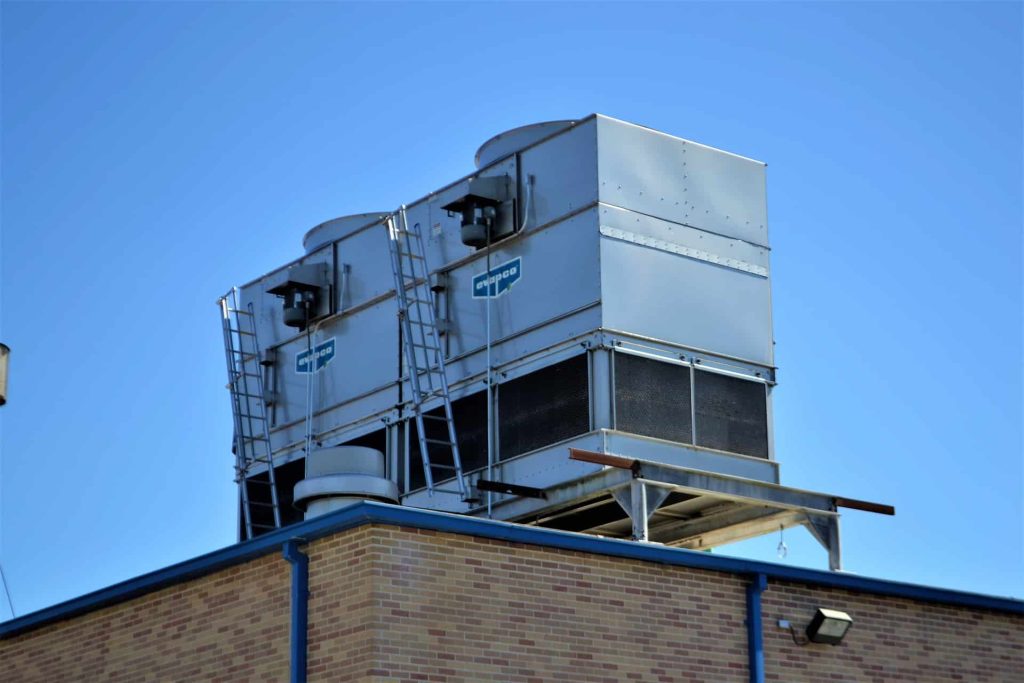
What is emergency heat is a common question asked by homeowners. Emergency heat is a backup heating system that is designed to kick in when the primary heating system fails. It is typically used in homes that have a heat pump as their primary source of heat, so it is simply a heat pump emergency heat. This also means that it makes heat pumps that much more essential within the household, and they should always be well-maintained and serviced by professionals like the ones at AHWA. Now, lets break down what emergency heat is, how it works, and when you should use it. What is Emergency Heat? A heat pump is a device that extracts heat from the air or ground outside and uses it to heat your home. While heat pumps are highly efficient and can provide ample heat during mild weather, they can struggle to keep up during extremely cold weather. This is where emergency heat steps in to provide assistance. Emergency heat is typically a resistance heating element, like an electric strip or gas furnace, that can provide heat even when the outside temperature is well below freezing. It is connected to the heat pump and can be activated when the temperature falls below a certain point, when the heat pump is not working properly or when it is manually triggered by the homeowner. How Emergency Heat Works When the temperature outside drops to a certain level, typically between 30 and 40 degrees Fahrenheit, the thermostat will switch from the heat pump to the emergency heat source. This can happen automatically, or it can be manually activated by the homeowner. When the emergency heat is activated, the heat pump stops running and the backup heating system takes over. This system will typically be less efficient than the heat pump and may use more energy to heat the home. However, it will provide the necessary heat to keep the home warm during extremely cold weather. When to Use Emergency Heat It’s not always necessary to use emergency heat, and in fact, doing so can be costly and inefficient. Here are a few situations in which it may be appropriate to activate the em heat on the thermostat. Extremely Cold Weather If the temperature outside falls well below freezing, and your heat pump is struggling to keep up, it may be necessary to activate emergency heat. Heat Pump Failures If your heat pump is not working properly, it may be necessary to use emergency heat until it can be repaired or replaced. If your heat pump is not working properly, you should contact a professional to repair or replace the unit. Extended Absences If you will be away from your home for an extended period of time during extremely cold weather, it may be a good idea to activate emergency heat to keep your pipes from freezing. It’s important to note that, if you are going to be away for a period of time, you should set your thermostat to a lower temperature to save energy, and only use emergency heat if it’s extremely cold outside. Power Outages If a power outage causes your heat pump to stop working, activating emergency heat can keep your home warm until power is restored. How to Manually Activate Emergency Heat The process for activating the emergency heat on a heat pump will vary depending on the specific model and make of your unit. You should consult the owner’s manual or contact the manufacturer for specific instructions. However, generally speaking, activating the emergency heat on a heat pump typically involves switching on the emergency heat setting on the thermostat or control panel from “auto” or “heat” to “emergency heat.” Some systems may also have a separate switch or button for activating emergency heat. Why Emergency Heat May Stay On When it comes to heating your home, emergency heat is a feature that can be both a blessing and a curse. While it is designed to provide an extra source of heat when your regular system fails or is not working properly, it can also be frustrating when it stays on for an extended period of time. Here are some reasons why your emergency heat may run continuously. Malfunctioning Thermostat One of the most common reasons that emergency heat stays on is a malfunctioning thermostat. The thermostat is responsible for communicating with the heat pump and telling it when to switch between emergency and regular heat. If the thermostat is not working properly, it may not be able to detect that regular heat is available and will keep the emergency heat running. Heat Pump Failures Another reason emergency heat may stay on is that the heat pump itself is malfunctioning. If the heat pump is not working properly, it may not be able to provide regular heat and the emergency heat will kick in to take its place. Icy Equipment If the outdoor unit of your heat pump becomes iced over, it may not be able to provide regular heat. This will cause the emergency heat to turn on. When the ice melts, the regular heat should turn back on. Clogged Air Filters If the air filter in your heat pump is dirty, it can restrict airflow, causing the heat pump to work harder than it should. This can cause the emergency heat to turn on as a safety measure. What to Do When Emergency Heat Stays On If your emergency heat stays on for an extended period of time, it is important to address the problem as soon as possible. The first step is to check the thermostat and make sure it is set to the correct mode. If the thermostat is functioning properly, the next step is to check the heat pump and outdoor unit to see if they are iced over or if the air filter is dirty. If you are unable to find the problem or fix it yourself, you should call a professional HVAC technician to diagnose and
How the Inflation Reduction Act Will Affect Heat Pump Prices
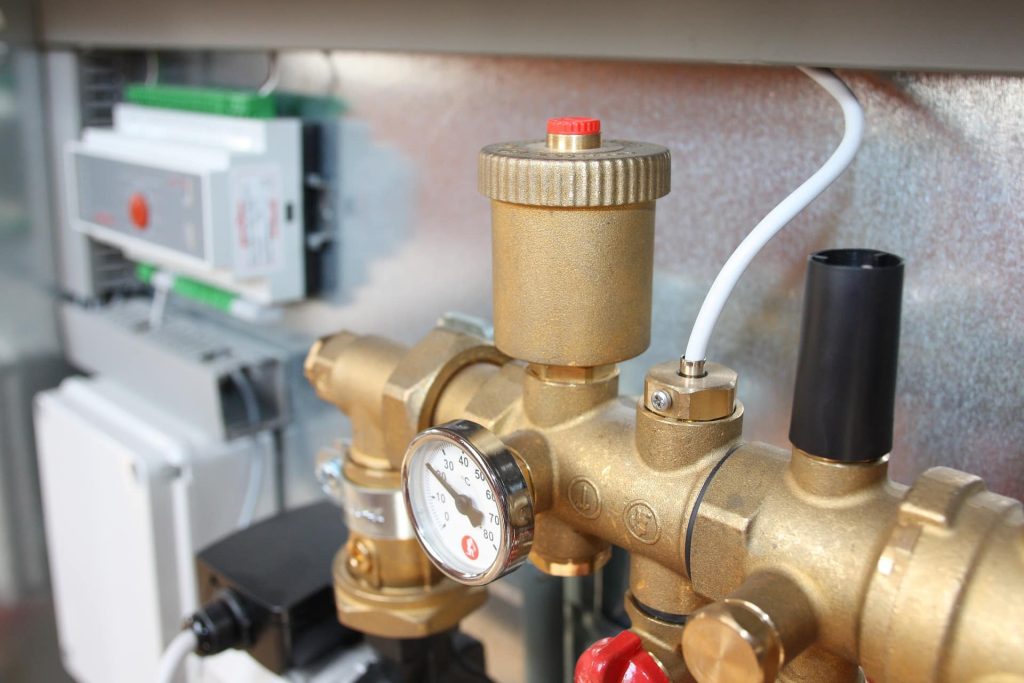
President Biden signed the Inflation Reduction Act of 2022 (IRA) on August 16, 2022, This is one of the largest measures ever taken by the federal government to address climate change. $369 billion is being invested into cleaner energy technology and improvements to energy efficiency. The Inflation Reduction Act HVAC incentives are something you’ll want to know about and take advantage of if you are looking to install or upgrade your current heating and cooling system or make related improvements in your home. What Upgrades are Covered by the IRA? HEEHRA Explained The High-Efficiency Electric Home Rebate Act (HEEHRA) is the portion of the IRA that includes the financial incentives for heat pump purchases. If you qualify, you can get an instant rebate for as much as $8,000 on any heat pump you choose right when you make your purchase. This means no paperwork for refunds. Your incentive is taken right off the top of the price. The amount you are allowed under HEEHRA depends on your household income and the heat pump model you purchase. How Much Am I Qualified to Receive? Households earning 80% or below of the median income for your area will receive the full rebate amount of $8,000. Those with an income that falls above 80% up to 150% of the median income for your area will receive 50% of this amount or $4,000. The area income for Maricopa County is currently around $88,800, so households with an income of $71,400 or below will qualify for the full rebate while those above this amount but below $133,200 will qualify for half. Even those who don’t meet these income requirements are eligible for some incentives. If your income surpasses 150% of the median income for your area, you can still claim up to a 30% tax credit, not to exceed $2,000, for the purchase of a new heat pump. You can also lay claim a tax credit for HVAC replacement for 2022 if you installed a heat pump before the new year. The rebate is especially useful for low-income homeowners, as the rebate provided exceeds the average cost of a new heat pump in many cases. This means that you could be getting a new heat pump at zero cost to you. How Will the IRA Affect Heat Pump Prices? The IRA is intended to help reduce inflation and stabilize prices. It can affect the prices of heat pumps by influencing the cost of the materials and components that are used to manufacture them, as well as the cost of labor and transportation. Read further to learn more about the Inflation Reduction Act heat pump program and its effects. Impact on Materials and Components One way that the Inflation Reduction Act heat pump rebates can affect heat pump prices is by influencing the cost of the materials and components that are used to manufacture them. When the cost of these materials and components increases, manufacturers may have to raise the prices of their heat pumps to compensate. This is because the cost of producing heat pumps is directly tied to the cost of the materials and components used to make them. Impact on Labor and Transportation Another way that the Inflation Reduction Act heat pump incentives can affect heat pump prices is by influencing the cost of labor and transportation. When the cost of labor and transportation increases, manufacturers may have to raise the prices of their heat pumps to compensate. This is because the cost of producing heat pumps is directly tied to the cost of labor and transportation. Impact on Competition The inflation reduction act also can have an impact on competition within the industry, by providing a more stable economy, it will open the market for new entrants, creating more competition, this competition can lead to lower prices for the consumers. Heat Pump Usage Heat pumps have traditionally been more popular in southern states where the climate is milder during the winter. Earlier heat pumps were not designed to function well in extremely cold climates, so they have not previously been a great option for Northern climates. However, the latest heat pump technology allows them to operate even in temperatures well below zero. They can also be used as a backup with an existing HVAC system and still qualify for IRA incentives. Why is the IRA Funding Heat Pumps? The IRA was passed to help fund emerging renewable energy systems including solar, wind, and hydropower. These energy sources produce zero carbon emissions, qualifying them as green energy. It is all a part of the government’s efforts to move away from fossil fuels such as gas and increase the use of clean energy supplies. A huge step toward making this happen is providing homeowners with incentives to upgrade to more energy-efficient appliances and systems. What Are the Benefits of a Heat Pump? In addition to being more energy efficient to operate, heat pumps have some other advantages over their traditional heating system counterparts. How to Get Your Heat Pump Rebate HEEHRA rebates have been given to state governments to dole out to their citizens. Currently, the mechanism for claiming rebates has not been established. It is expected to be in place in Spring 2023, with the Department of Energy issuing guidelines to states once they are set and the rebates being made available shortly after that.
What You Need to Know About Inflation and Rising HVAC Prices
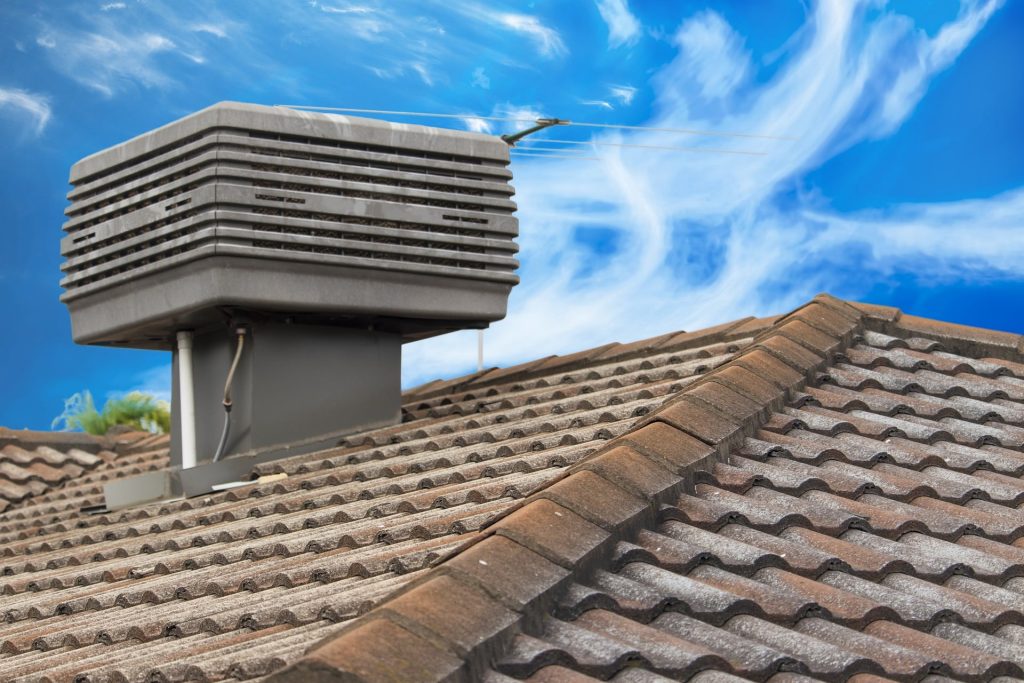
HVAC systems are a crucial aspect of any home, providing comfort and maintaining indoor air quality. However, as prices for goods and services rise due to inflation, the cost of owning and maintaining an HVAC system can also increase. In this article, we will discuss how the continued rise of inflation in 2023 affects HVAC prices and what homeowners can do to mitigate these costs. What is Inflation? Inflation is when the general price level of goods and services in an economy increases at a steady rate over a period of time. When prices rise, each dollar spent allows you to purchase fewer goods and services, resulting in a decrease in purchasing power. Inflation is measured by the Consumer Price Index (CPI) or the Producer Price Index (PPI). World events such as pandemic recovery and destabilization of countries essential to the supply chain will continue to push inflation higher in 2023. 2022 saw a 7-8% increase in the rate of inflation and this is expected to continue as we head into a recession, driving up the cost of doing business for everyone. The cost of materials, labor, and manufacturing will be reflected in HVAC prices across the country and these costs will push the price paid by end consumers higher, as a result. Impact of Inflation on HVAC Systems As inflation rises, the cost of materials, labor, and energy used in the production and installation of HVAC systems also increases. This can lead to an increase in HVAC prices for installing a new system, as well as higher costs for repairs and maintenance. One of the main materials used in HVAC systems is metal, which can become more expensive as inflation increases. The cost of steel, for example, has been known to fluctuate based on market conditions and can contribute to rising prices for HVAC systems. Additionally, as the cost of energy increases, the cost of operating HVAC systems can also go up, resulting in higher utility bills for homeowners. Another factor that can contribute to HVAC price increases is the cost of labor and fuel. As inflation increases, the cost of wages and benefits for HVAC technicians and installers can also rise. The cost of fuel to arrive at job sites will also add to the costs incurred by HVAC providers. This can lead to higher prices for installation and repair services as those in the heating and cooling business are forced to pass along their added costs to customers. HVAC Price Increase 2023 It is no secret that the pandemic and other world events have created financial hardships for everyone. Small businesses have felt it too. HVAC companies have dealt with supply and labor shortages and rising costs due to inflation. This adds up to increased prices for homeowners and, in some cases, longer waits for HVAC services In Arizona, inflation rates and the implementation of new energy efficiency standards that have come into effect for 2023, have driven up costs significantly. So, when we talk about increased pricing for 2023, we would be remiss if we didn’t also address the new regulations that have come into place at the beginning of the year. New HVAC Regulations for 2023 Regulations that took effect at the start of 2023 require that all HVAC systems in the country have a seasonal energy efficiency ratio (SEER) between 14 and 15. Though Arizona legislators are saying the new requirements are damaging to an already tough real estate market. They are pushing for a six-month extension to provide additional time to comply, but it has not yet been granted. These new requirements, combined with the required phasing out of certain refrigerants used in residential air conditioning systems, mean those in the HVAC industry are faced with an increased number of customers who require replacement systems that meet the new standards. Though these newer systems are manufactured to meet increased energy efficiency and be more environmentally friendly, the costs added by a rise in inflation and other factors will result in heftier price tags for homeowners. Many suppliers are anticipating increased costs of as much as 20%, meaning higher prices for homeowners in 2023. Mitigating the Impact of Inflation While the news isn’t great for HVAC businesses or customers, there are some things homeowners can do to mitigate the impact of inflation on HVAC prices. Purchase Energy-Efficient HVAC Systems One of the best ways to reduce the cost of operating HVAC systems is to invest in energy-efficient models. These systems use less energy to heat and cool your home, which can help to reduce utility bills. American Home Water and Air can help you navigate rough inflation waters by continuing to offer prices that remain as affordable as possible given supply and labor costs. We also offer financing plans to help you pay for your HVAC replacement should you need one. Regular Maintenance Regular maintenance of your HVAC system can help to prolong its lifespan and prevent costly repairs. Keeping your system in good working condition can reduce the need for expensive repairs and replacements. This may provide you with more time to budget for a future system that meets the new standards. If your system is having problems or hasn’t been serviced lately, now is the time to make an appointment for an inspection and yearly maintenance. Invest in Insulation Another important factor in the cost of heating and cooling your home is the amount of insulation in your walls, ceilings, and floors. Investing in adequate insulation can reduce the cost of operating your HVAC system by making your home more energy efficient. Seal or Block Air Leaks Seal air leaks around windows, doors, and cracks where heat can escape and cold air can get in to increase your HVAC system’s energy efficiency. Where you are unable to seal an air leak, take measures to block it with weather stripping, draft excluders, or heavy curtains. Contact AHWA for the best service in today’s economy The continued rise of HVAC prices throughout 2023
Switching From Gas Heat to Electric Heat: What to Expect
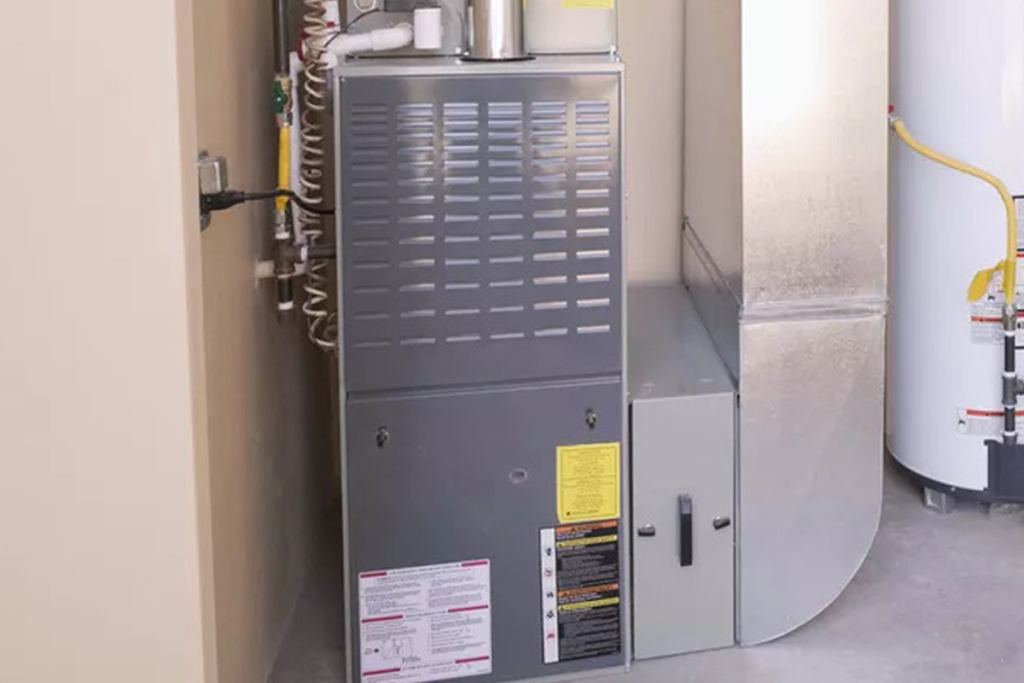
It may seem like a huge endeavor to convert your gas furnace to electric, especially if you’ve had a gas furnace for a long time. However, with the growing movement to move away from fossil fuels, many people are considering switching from a gas to an electric furnace. Gas has been viewed as the cheaper alternative for heating for many years, but with efforts to reduce emissions in an attempt to combat global warming, many people are looking into what they can do to reduce environmental pollution at home. Modern electric furnaces are far better for our natural surroundings, install easily, require little maintenance, and come with very versatile programming that lets homeowners establish zones where they can adjust temperatures individually. Switching from gas heat to electric heat can be a great decision for those who wish to make their homes more environmentally friendly. It can be the perfect stepping stone to later incorporating solar panels that greatly reduce high utility bills caused by heating in the cold winter months. Let’s take a look at what you need to consider before you convert a gas furnace to an electric one. Making the Switch The first task at hand if you decide to convert a gas furnace to an electric furnace is going to be the removal of your existing appliance. While this might seem like a major task, it is not as complicated as it sounds. Licensed contractors will first need to disconnect your home from the gas main and remove all of the existing equipment. Then an HVAC technician will install the components for an electric system which may require electrical upgrades to accommodate the new furnace. Your existing ductwork can be utilized by the new system unless there are issues with it that require replacement. Benefits of Switching to an Electric Furnace There are several benefits to switching to an electric furnace from your previous gas furnace. They include the following: Does Gas Heat Feel Warmer? Gas furnaces produce heat that is much hotter than that generated by electric furnaces. Combustion in a gas furnace can create temperatures of as much as 200 degrees Fahrenheit, meaning it can heat your home fast. However, much of that heat is lost as it flows through your duct system. Though electric heat may not be capable of warming up your home as fast as its gas counterpart, it has no problem achieving and maintaining a suitable temperature as long as you have selected the correct size for your home. A certified HVAC installer from American Home Water and Air will help you assess your needs to provide you with the best choice for your space and budget. Is Electric Heating More Expensive? Generally speaking, electric furnaces are more expensive to run than their gas counterparts. However, you must also consider that the heating provided is far more effective. For every kilowatt of energy your electric furnace consumes, it creates an equal unit of heat giving it an Annual Fuel Utilization Efficiency (AFUE) rating of 100%. The AFUE for even the most efficient gas furnace ranges from 90% to 98.5% What is the Monthly Cost of Electric Heat? There are a lot of variables that affect how much you will pay for electric heating each month. You must first determine the wattage of your electric furnace. If this isn’t readily available, multiply the furnace’s amps by the voltage to get the watts. You can further convert this to kilowatts by dividing it by 1000. Once you have this number, find out the cost of electricity per kilowatt-hour charged by your utility company. Multiply this number by the kilowatts calculated above to get your price per kilowatt-hour. From here, estimate how many hours per day you use your furnace and multiply this usage by the price per kilowatt-hour above. This will give you a fair estimate of how much it costs to heat your house each day. Multiple it by the number of days in a month to get an approximate monthly cost for heating your home with an electric furnace. How to Save More on Heating Costs A decision to convert a gas furnace to an electric furnace may have you concerned about the added operating costs, but there are additional measures you can take to reduce your heating bill this winter. Switching from a gas furnace to an electric furnace can come with added costs, but if you are looking to get away from fossil fuels and feel safer with your heating system, the added energy costs can easily be offset by these additional measures.