
Residential Pipe Sizing Chart Guide
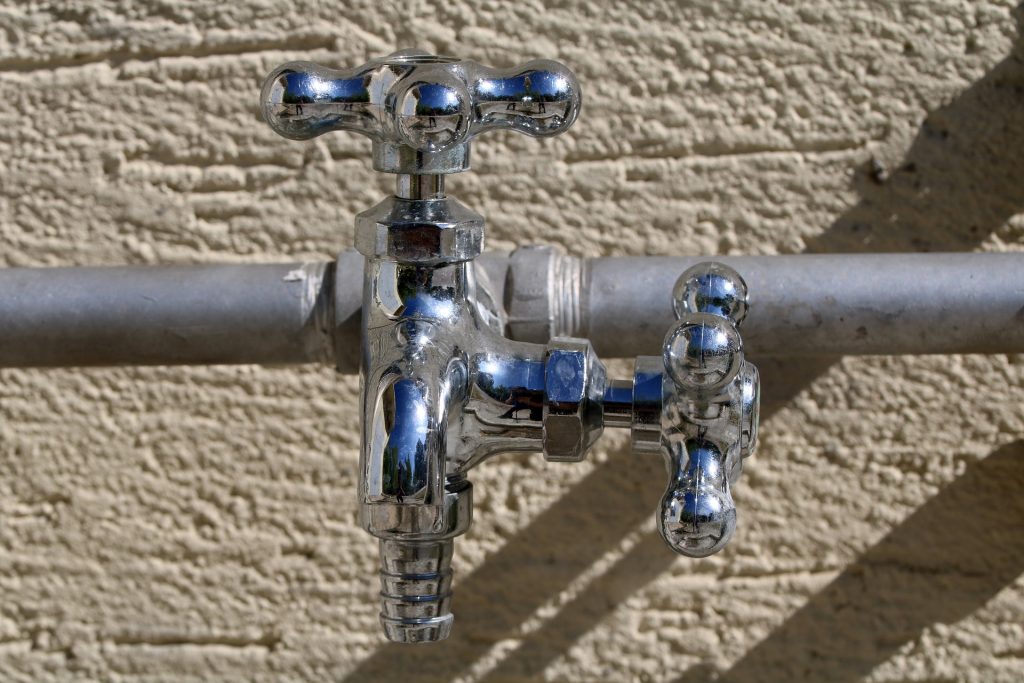
Your home plumbing system includes all the pipes installed between the main water line that provides water from the city or county and the entrance to the sewage system that carries away your waste. When installing or repairing your plumbing system, you will want to assure you use the appropriate water pipe sizing by consulting with a standard water pipe sizing chart. There are several factors that influence the decision of what size pipe to use. In addition to a standard pipe sizing chart, builders employ local plumbing codes, water pressure factors, and your building structure to determine what water pipe sizes to use. These uniform selections will make it easier for you to locate the correct replacement on a pipe sizing chart when replacing pipes. What Size Pipe Do I Need? If you are replacing a pipe in your home, the easiest solution is to simply purchase the same size pipe and reinstall it. However, if you are adding something new, you’ll need to know what is the best size pipe to use. Before you start a new project, you should first consider the water pressure in your home. Your local building code can provide you with what is called a fixture unit that shows you the cubic feet of water used per minute of any given appliance or fixture. You can use this information to determine what type and size pipe is best for your project. If your project is on a larger scale than just a single appliance, you’ll want to consult a pipe sizing chart, but first, you’ll want to determine the fixture unit ratings discussed above and estimate the length of the pipes needed to supply them. Generally speaking, the main pipeline from the street to your home is either ¾ or 1 inch in diameter. Supply pipes are ¾ inch in diameter and individual components are ½ inch in diameter. Your water pressure decreases by about a half pound per square inch for every foot a pipe extends above your water supply, which is especially important when running new lines to an upper-level area of your home. What this means is that pipes being run to second or third floors might need to be larger than what you’d use on a ground floor or in a basement. Once again, you should consult with your local building code’s pipe sizing chart for the proper pipe sizes to use or contact a plumbing expert, but the chart below will give you some idea of the usual pipe sizes. Fixture or Appliance Cold Water Pipe Hot Water Pipe Toilet 3/8” Bathtub ½” ½” Bathroom Sink 3/8” 3/8” Shower ½” ½” Kitchen Sink ½” ½” Dishwasher 3/8” to ½” 3/8” to ½” Washing Machine ½” ½” Laundry Sink 1/2” ½” Water Heater ¾” What Sort of Pipe Should I Use? PEX This non-recyclable pipe is an inexpensive cross-linked polyethylene pipe used to supply water. It is rigid enough to handle water pressure but flexible enough to snake through walls, ceilings, and crawlspaces. Because of its flexibility, it must be well supported. It must be installed properly since any leaks can be disastrous to walls or ceilings. It is color-coded, making it easy to determine whether a pipe is carrying hot (red) or cold (blue) water. It can be cut easily and joined with copper pipe where needed. PVC This inexpensive polyvinyl chloride piping is used for drain or vent lines. It is lighter to work with than the galvanized steel pipe used before it gained popularity. It is easy to cut and install using glue solvents, which means that you’ll have to cut and replace those sections if repairs are needed later. It must be well supported with all fittings installed accurately and tested. Diameters are marked on the outer surface of the pipe for ease of selection. This pipe can degrade in sunlight, so be sure it has been stored properly before purchase and covered well during installation. Copper Rigid copper pipe is usually used for water supply lines in the home. It is easily cut with a hacksaw or a tube cutter designed for the purpose. This pipe is connected by soldering it, which means you will require expertise in that area and careful safety must be observed. However, copper handles heat exceptionally and endures under pressure. Copper is more expensive, but is recyclable and holds value as scrap. ABS Acrylonitrile butadiene styrene pipe is most often used for vents and drain lines. It looks very similar to PVC pipe, but it is black and stronger than PVC. It is an excellent choice for exterior underground use and has a high tolerance for heat. It must be properly installed and supported and can only be used on the exterior of the home for non-potable water. Because it is thinner and highly flexible, it can be prone to breakage more so than other options. Galvanized Steel and Cast Iron If you have an older home, you might find one of these two types of pipes in places. Galvanized steel pipe was used for years as multi-purpose piping for drains, supply lines to tankless water heaters in Phoenix, gas lines, and other purposes. The ends of this type of pipe are threaded and screwed together using fittings. Cast iron pipe was used for sewers and drains. It can still be found in some homes and continues to be used in commercial or large-scale residential buildings. It is heavy and hard to cut, plus it will eventually rust through over time, though it will take quite some time depending on the environment in which it is used. It is usually replaced by ABS if it needs to be upgraded. Armed with this information, you should be able to at least begin planning your project. With the right tools, you can complete the addition of any new appliance or fixture yourself. However, you might be better served in the long run by having a quality plumber perform
What Size Water Heater Do I Need?

The water heating system is one of the most important parts of a home. It operates in the background of our home and it keeps our hot water flowing. When it’s working, we almost never notice it. We should be giving thanks every time we have a warm shower, do the dishes, or use hot water in any other way. Because we’re mostly accustomed to having the hot water we need when we need it, we might not even think about our hot water heater until something goes wrong with it. When we look at how our water heating system works, one of the key aspects of understanding the system involves learning how to size a hot water heater. Whether you’re building a new home or renovating an existing one, you will want to know what size water heater you’ll need. Pursuant to that, we’re going to help you by teaching you some of the key elements of the hot water heater sizing process. We’ll explain some of the details surrounding tank size, how to estimate your usage, the first-hour rating, and more. After that, we’ll explain some of the specifics of tankless options, and how to determine if they’re a good fit for you or not. One thing that we would strongly recommend is getting in touch with professionals for your hot water heater installation. This is most likely not a task you would want to do yourself, as some of the worst home DIY disasters have to do with water. American Home Water & Air are experts when it comes to installing hot water heaters, and can help you choose the best fit for you, based on your budget and requirements. Water Heater Tank Size The first thing you should be looking at if you’re considering buying a new water heater is tank size. Tank size refers to the amount of water that a hot water heater can store. The tank capacity is usually given in gallons. Estimating by residents To effectively begin your estimation, you can start by simply counting the number of residents. If you have 2 residents regularly using the hot water, you can expect you need a water heater with a capacity of around 30 gallons. 2-4 users means you would want around 50 gallons of capacity, and 3-5 people would need closer to 60 gallons. If you have more than 5 people, just keep adding ~10 gallons to the total. This should give you a basic understanding of your hot water requirements, but there are some further steps you should consider. Next, we’re going to talk about the most misunderstood way in which hot water heaters are measured. First Hour Rating The First Hour Rating is one of the most important factors you need to understand if you’re trying to figure out how to size a water heater. In simple terms, the first hour rating refers to the amount of hot water your heater can produce in one hour. This is important because hot water heaters might not work the way they’re commonly perceived to work. Many people think that a hot water heater fills its tank up, then heats the water for you to use. But the truth is slightly different. Really, when the water in the tank is heated and then used, your heater gets to work right away making more hot water. The first hour rating helps us to understand how quickly the hot water heater makes more hot water. The first hour rating refers specifically to the amount of hot water that can be produced in one hour. You should be looking for a hot water heater that has a first hour rating equal to or greater than the amount of water required for your busiest hour of hot water usage. Hot Water Habits To understand your hot water usage, you should try to come up with a calculation of the average amount of hot water you’re using in a day. For example, a bath could take 15-25 gallons, whereas running your washing machine might take around 30 gallons of hot water. When you consider the maximum usage, you can start to get an idea of how much available hot water you’ll need. To help lower this number, you can start by considering some hot water habits. You don’t want to be showering, running your dishwasher, and washing your clothes all at once. The more effectively you split up those tasks throughout the day, the better your hot water heater will operate. If you have a busy household or a tight schedule, you might want to look at a hot water heater with a bigger tank, and a higher first hour rating. Tankless Options One possible solution is to look at tankless water heaters in Phoenix. Tankless water heaters are exactly what they sound like. They’re water heaters that don’t have a tank! Instead, they only heat water as it’s needed. A tankless water heater has more to do with the first hour rating we were talking about earlier than with storage capacity. If you like what you’re reading, check out more of our articles such as ” Adjusting water heater settings“.
Water Heater Rebates in Arizona for 2021
Water heaters make up a crucial component of your HVAC system. We rely on water heaters to do as their namesake suggests, and heat our water. Since they’re so essential to normal life in your home, you really can’t avoid having one. That being said, they can be expensive. That’s why we’ve gathered some information about rebates for you. We’ll let you know ahead of time that some more research will probably be needed on your part. We can point you in the right direction, and give you some examples of rebates and tax credits that are available for other models, but in the end you will likely have to do some additional research. We’re going to explain some of the key information about why there are appliance rebates. Then we’ll give you a broad guide on how to claim rebates. After that, we’ll run through the rebates that are currently available in Arizona, as well as information on how to find future rebates. So if you’re interested in helping the environment, and saving money, read on. Why do I Get a Water Heater Rebate? In very broad terms, most of the rebates you can access for your appliances come from the Energy Star program. Energy Star is a voluntary program run by the Environmental Protection Agency in the United States. In essence, the program exists to help incentivize replacing older, less energy-efficient models of appliances with more modern ones. Since about half of the energy a household uses comes from heating and cooling, this is an important goal. In practice, this is facilitated to the consumer in the form of a rebate. You receive a rebate equal to some portion of the purchase price of a new appliance. Hot water heaters use plenty of energy, so they’re certainly a big part of this program. Regardless of how important you feel the initiative is, this translates to more money in your pocket after a purchase of a new appliance. How To Claim the Applicable Rebate In many cases, the way that you claim a rebate is by contacting the company that supplies your gas. Since many of the rebates are connected to your gas company, it makes sense for them to administer some of them. To receive the federal tax credit for non-solar water heaters, you should start by checking out the Energy Star Federal tax credit guidelines here. Energy star will be able to supply you with some basic information, but the tax credits themselves are administered by the IRS. To claim the tax credits, you’ll have to fill out the applicable forms. If you have an accountant file your taxes, you should reach out to them and let them know that you’ve purchased Energy Star applicable appliances and wish to apply for the appropriate tax credits. If you prepare your own taxes, use the Energy Star tax credit information to serve as a guide. What Are the Water Heater Rebates for Arizona? Arizona Public Service (APS) customers can check here to see what possible rebates there are. There are other types of rebates from other sources. Another possible source of rebates comes if you’re a customer of Southwest Gas. Check their rebate and promotion page to see what rebates are applicable. Energy Star rebates are available here. You just need to input your zip code to find the applicable rebates. There are some tankless water heater rebates in Arizona specifically for Noritz tankless water heaters. Head over to Noritz’s rebate center for more information. Other models of tankless water heaters may be able to receive rebates, you just have to do some research on your specific model. As far as solar water heater rebates in Arizona, head to SRP’s solar water heater rebate guide. Again, when looking at installing a solar water heater, and the rebates that are available in Arizona, do some research ahead of time. By now you should have realized that the key to getting rebates for your water heater depends almost entirely on the model and your energy provider. Anyone can apply this information in the following ways: Choose a water heater that has rebates associated with it. Whether you’re building your first home, undergoing a renovation, or anything in between, you should be looking at water heater models for which you can receive rebates and/or tax credits. Check with your Energy Provider Many rebates are available through your energy provider. They can give you guidance on which types of rebates are available. If rebates are important to you, consider doing research on a couple of different energy providers, and the rebates they can offer you. In Conclusion We hope that this guide has been informative and helpful. We want to make sure you understand the basics of water heater rebates in Arizona. Through our research, we learned that the specifics of each available rebate are different, and require individual research. If you learn about your water heater, you too can enjoy the benefits of rebates and tax credits for an appliance that almost everyone has and uses every day. If you spend some time and learn about the water heating systems on the market, it’s easy to feel overwhelmed. We hope that with the basic information we’ve provided you, you’ll be able to move forward with receiving your rebates. Frequently Asked Questions Do water heaters qualify for a tax credit? In many cases yes. Follow the above information to find as many of the applicable tax credits and rebates as possible. How do I get my water heater rebate in Arizona? In many cases, you can get the rebate directly from the retailer, from the Federal government, or from your energy provider. Research the make and model of your water heater as well as the energy providers in your area to find the available rebates. Are there solar water heater rebates in Arizona? Yes, there are! Check on your individual model to see if you’re covered under any rebate plans. Each different
How to Do A Water Heater Flush Safely
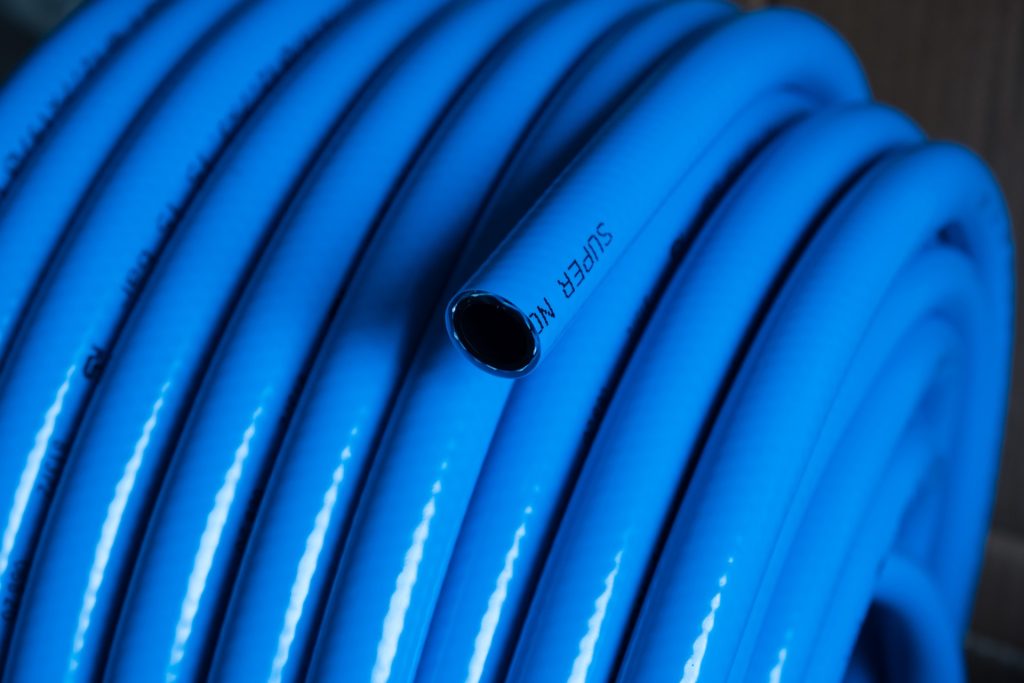
Your water heater is what provides all the essential hot water to your house when you need it. The times you realize how important it truly is can often be when it isn’t working or is backed up. To make sure your water heater is working properly, you have to make sure to flush it out to ensure it works at its best capacity. To help you understand the basics of water heater flushing, we will first look at why it is so important and how often you should go about doing it. We will then walk you through a general guideline for flushing your own water heater so it can perform efficiently. Why Do You Need to Do a Hot Water Heater Flush? With extended use, water heaters begin to accumulate sediment and buildup that is naturally found in the water supply. What happens in the heater is that sediment can buildup and clump together causing either inefficiency or damage to the unit. This is especially common with water heaters in Phoenix, which has very sediment-rich water. Flushing out your heater prevents excessive sediment buildup and ensures that you are able to operate the unit with better efficiency and less worry of failure. It is possible that some of the most common water heater problems you are experiencing could be resolved by a simple flush. Water Heater Flush Cost As you’ll see, a water heater flush costs nothing considering you can do it yourself with just a few easy steps. How Frequently Should You Do a Hot Water Heater Flush? Considering how essential your water heater is, you shouldn’t put off flushing out your system for too long. Every water heater has a different lifespan but making sure you do regular water heater cleanouts will help it reach its intended lifespan. On average, you should look to flush your heater every few years. If you want to ensure the best performance for your unit, flushing it once a year would be ideal and these next steps will show you how easy that can be. Steps for Performing a Water Heater Cleanout/Flush Shut Off Gas Just like any other appliance in your home, your heater will have some power being supplied to it for operation. Depending on your unit, you may have to do just one of these steps during a water heater flush or possibly more. Shutting off your gas will ensure that the unit is not receiving any gas and can’t heat up or leak. Cutting off the power to your unit can usually be done through your circuit breaker where you should have a labeled switch for the heater. This will prevent any electrical issues from happening as you work on the unit. Remembering this step will ensure a safe working environment for whoever is completing the flush. Open a Hot Water Faucet You need to trick your system into thinking it needs to be running, so you must open a hot water faucet in your house to do this. Water will pour out, but it will not be heater at the time of the procedure. This step is also very important as it prevents a vacuum from forming in the pipework that could cause unwanted air bubbles in your water system. Turn Off the Cold Water Valve Your water heater will have a supply valve that leads into the unit for supplying cold water. When performing the flush, you will want to shut this valve off. It should be located either on or near your unit and will generally be towards the top. It will look like a standard faucet valve and could potentially be colored blue to represent cold water. Turning this valve off prevents water from flowing into the unit during the flush which would make the whole process a lot messier. Connect a Hose to the Heater The next step is to locate your spigot. This will be at the bottom of the unit and will look like a normal hose faucet. You may want to place a bucket under this before starting anything else as it could start to drip as soon as the cap is removed. You need to find a garden hose that can screw onto this spigot as that is the easiest way to drain the system. If your heater is higher up in your house, gravity should be able to let the water flow. If the unit is in your basement, a pump may be needed to help the water get out of the unit. Make sure you have the end of the hose placed in some sort of bucket or containment area, so it does not spill everywhere. Water Heater Flush for Sediment: Drain the Tank At this time, you can begin to drain the unit by turning the spigot that the hose is connected to. As the water drains out of the tank, you can use this time to see the conditions that your heater may be experiencing. If the water is mostly clear and normal looking, your water heater is probably in good shape. However, water that is darker and that contains sediment could be a much bigger issue. If you are emptying the tank and there is a significant amount of solid material coming out, the inside of the tank could be much worse than you’ll be able to solve with a simple water heater flush for sediment. This is where you will likely want to call a professional to inspect the tank for more serious issues and buildup. Note: If you’re doing tankless electric water heater flush, you’ll obviously be skipping this step. Flush the System Now that the water is out of the system, you are going to begin to flush the unit out. Remember the cold-water spigot you previously turned off? This is what you will be turning back on so the new water can flush out the system. It is advised to empty out the old bucket and check
Hot Water Heater Not Working? Here’s What to Do
Every house has a water heater that works hard and all throughout the day to make sure that we have hot water when we turn the faucet. However, these appliances are not invincible and can struggle just like any other large home appliance. Today we will take a look at some common issues people face when their water heaters are not working. These can range from super easy fixes to potential replacement needs, so we’ll look at a range of potential causes There is no need to panic as most common water heater problems are easily resolvable. Let’s start off this discussion with why having a properly functioning water heater is so important. Hot Water Heater Not Working: Overview A hot water heater not working can be caused by any number of issues that we will look at later. For now, let’s look at why a water heater is so important. Without a properly functioning water heater, your house will have no supply of hot water anywhere. This means no warm showers or warm faucets for washing your hands. These are highly inconvenient to everyday life and are a nuisance to deal with. However, more serious issues can arise that are much more dangerous than just not having a warm shower. Issues can be as simple as a little leak, but they can also be much direr and lead to serious consequences. It is important to take decisive action at the first sign of trouble with your water heater just to be safe. Something as simple as a valve not turned enough could be all you need to check out. Regardless of the issue, let’s now take a look at the possible issues your water heater may be facing and how to deal with them. Hot Water Heater Not Working: What to Do Water Heater Not Getting Hot If you are trying to get hot water from a faucet in your house and only cold water is coming out, there is clearly an issue with your water heater. While this may seem like a big deal, it is actually one of the easier issues to address when it comes to water heater faults. The first way we can look into this problem is to check and see if your circuit breaker has issues. Since most modern units require electricity to operate (this is true even if your water heater that’s not working is gas-powered), they won’t produce hot water unless a power source is active. To check if this is the issue, go to your circuit breaker and make sure the power going to your water heater is in the on position. If the switch is off, it means that the breaker tripped, and you should turn the power back onto the heater after checking for any faulty wires. If that is not the issue, it could be that one of the heating elements failed. If one of these fails, you will need a professional to come and replace it for operation. You can also check the temperature dial that may indicate the water got too hot and damaged the element or triggered the breaker to turn off. Hot Water Heater Not Working: Too Little Hot Water Not having enough hot water is a relatively minor issue. A water heater not getting hot enough is usually to be blamed on the thermometer built into the unit. This tells the heater when to stop making water if it reaches a certain temperature. Turn up the temperature a small amount under normal circumstances and be aware that the winter usually requires more temperature to keep the water warm. An alternate issue could be that you have used all of the water that can be stored in your tank. These tanks require about 30 minutes to reheat a full tank once it has been used, so that would explain the lack of water if you recently used a lot of hot water. Strange Sounds A water heater has almost no moving parts, so there should not be any noise coming from them. If you begin to hear your water heater hissing or making strange sounds, it’s time to take action. The most common cause of sounds coming from a water heater is air being stuck in the tank due to a buildup of sediment. When sediment builds up in a water heater, it holds onto air that is later released as the tank heats up. This sediment can be prevented by regularly flushing your tank about once a year to remove any sediment. Flush the tank out to get rid of it and call a professional if the sound remains after a flush. Strange Smells Strange smells coming from your water or heater area can suggest a few things. The most obvious thing it tells us is that the tank is dirty. This can be because of sediment building up due to hard water or in worse situations, it could mean corrosion. Try flushing out the heater to clear out the sediment and replace the anode rod. If a strange smell continues after cleaning and replacement of the anode, corrosion is likely, and you may need an entirely new tank. Note: If your water heater that’s not working is gas-powered and you notice a strange rotten egg-type smell, you should evacuate your home and contact emergency services immediately. This could be a sign of a natural gas leak, which can be very deadly. Leaks Leaking is a fairly obvious sign of an issue, but it isn’t a death sentence for your tank. Check the tank well and try and locate the source of the leak. A leaking tank is not something you can repair (you’ll need to get a new water heater), but you can repair issues like piping and other issues. As mentioned above, the anode element of your water heater can be replaced and may be the issue. It can be hard to notice any leakage unless you go looking
Water Heater Hissing? Do This Immediately!
Have you noticed that your water heater is making a hissing noise? Before you jump to any conclusions, let us reassure you that there are a range of reasons why it could be doing this. Yes, some water heater hissing sounds are an indication of a bigger problem that will, unfortunately, require repair or replacement of your water heater. However, there are some reasons why your water heater may be making a hissing sound that is completely normal or only requires a small fix. We take a look at each of the reasons why your hot water heater might be hissing so you can determine whether it is functioning properly or requires further action. Water Heater Hissing: Possible Reasons Tank water heaters (learn about the difference between them and tankless here) often make hissing sounds when they are being refilled. If you’ve noticed that your hot water heater hissing sounds only occur after activities like a long shower, the unit is likely to be functioning correctly. There is a logical explanation for this. As hot water is used, the tank begins to empty. It is then refilled by cold water. If you run the dishwasher or have a shower, a lot of hot water is removed from the tank in one go. This means that a large amount of cold water is added back in to replenish it. The hot tank suddenly contains a lot of cold water, causing condensation to form on the outside surface. As this moisture collides with the hot tank, it creates a hissing sound. The more condensation, the louder the sound. So if you are hearing these noises only after large activities of hot water usage, it’s probably just the condensation. Take note that there are a couple of situations that are likely to cause greater condensation and thus greater hissing noises. The first is when the water heater is too small for your household. If you have a big family or use a lot of hot water, you obviously need a hot water heater that can accommodate this. If it is too small, it will need to refill more regularly. This means that there is likely to be more condensation and water heater hissing. Secondly, hissing can be worse when the water heater tank is being refilled by particularly cold water. For instance, in the middle of winter the incoming water is likely to have a very low natural temperature. This increases the likelihood that there will be a lot of condensation and thus hissing noises. Now if you’ve noticed that your water heater hissing is occurring at all times of the day, rather than solely after it gets emptied, then you might be facing a larger issue. If there is a crack in your tank, water may be leaking out and causing hissing noises in much the same way that condensation does. The sound is made when the water touches the hot surfaces of the tank. To identify this problem, check your water heating for hissing and leaking. As mentioned above, the hissing is likely to occur at all different times and not just when it is getting refilled. You should also look for water that is escaping and see if there’s any moisture trickling down the tank or gathering in a puddle at the bottom. If you do have a leaking tank, it is important to get this repaired as soon as possible before the leak gets worse or your tank bursts completely. Unfortunately, this issue is especially common with old water heaters (learn how long these units typically last here). Another cause of hot water heater hissing is a build-up of sediment. Now if this is the cause, you’ll be hearing more than just hissing. The hissing noise will be accompanied by a range of popping noises that are occurring in the tank. Essentially, this problem happens when sediment gathers on the bottom of the tank. All of the minerals in the water bond together and settle on the tank’s floor. Over time, more and more minerals are collected and the layer thickens. A thick layer of sediment causes water bubbles to get trapped and these turn to steam. The hissing and popping noises are caused by this process happening within the tank. This particular problem is much more common in areas that have ‘hard’ water. If you find it difficult to lather soap in your home, this is likely to be caused by hard water. Hard water has a large mineral component and therefore is more likely to result in a sediment buildup in your water heater tank. To resolve this problem you will need to consult a professional. They will be able to tell you whether your water heater needs replacing or if a flush can help to fix the buildup. If you are looking for water heating installation in Phoenix, contact us today. Finally, the hissing noise might be coming from the temperature and pressure valve on your water heater rather than the heater itself. If this is the case, it may indicate that the water coming out of the heater tank is too hot. A temperature and pressure valve is a safety feature to control the temperature of your water heater. If the water in the tank gets too hot, it will open to release some of the pressure and avoid the tank exploding. This action results in a hissing noise as the pressure is released. In order to fix this problem, you will need to lower the temperature on your water heater. This will result in less pressure building up within the tank and therefore the valve won’t be working as hard. Typically, hissing through the valve becomes an issue when the water temperature is set at 140 degrees or higher. Lowering this temperature to 120 degrees is likely to make a big difference and allow the water heater to operate at a more comfortable level. That being said, we strongly advise that you do
Gas Water Heater vs. Electric: What’s Better For Your Home & Wallet?

The ‘natural gas water heater vs. electric’ debate can seem a bit confusing. After all, the end result with either is the same (your water gets hot) so surely they must be more or less interchangeable? Not quite. In this post, we’re going to explore the difference between gas and electric water heaters to help you decide which is best for your home. We won’t just stop there, though; this article will also touch on tankless, heat pump, and solar water heaters to give you a full picture of your available options. Gas Water Heater vs. Electric: Why Should You Care? First, let’s address the question raised in the first sentence of this article: whether or not the debate even matters. Well, your water heater is responsible for up to 18% of your energy use at home, according to the U.S. Department of Energy. As such, ensuring you have the most efficient unit based on your needs (your neighbor’s needs may not be the same as yours) can save you a substantial chunk of money every month. Of course, when choosing between a gas water heater or an electric one, you also need to consider the cost of the unit itself. Different types of water heaters come in at different price points, which may heavily influence your ultimate decision as well. Gas Water Heater or Electric: Factors To Consider Let’s look at each type of water heater individually to establish an understanding of their characteristics before we compare them head-to-head. In the interest of transparency, we’ll note that our Phoenix water heaters include both electric and gas-powered units. In other words, we don’t have a preference; we’re more interested in helping you decide which unit is truly right for your home. Gas Water Heaters As its name would suggest, this type of water heater uses natural gas. Cold water enters the tank and gets heated by a gas burner. As the water warms, it rises to the top of the tank and is led through a discharge pipe and out of your faucets or showerheads as needed. Now, this is a very simple explanation of how water heaters work. If you’ve read our article about pilot light malfunction, for example, you’ll know that water heaters come with some very ingenious mechanisms that ensure safe function. While gas water heater explosions do happen, these mechanisms (which are very advanced in modern water heaters) make this fairly unlikely. This is to say that gas water heaters are very efficient and effective at cooling your home. While we’ll explore cost in great detail, later on, it’s worth pointing out in this section that natural gas tends to be much cheaper than electricity. This is another huge plus for gas water heaters. Electric Water Heaters Standard electric water heaters (we’ll look at tankless ones in an upcoming section) operate in much the same way as gas units, save for the obvious. Instead of using a gas burner to start the convection process, electric water heaters use a heating element. Aside from that, electric and gas water heaters have the same components. Their source of power is a pretty major distinction, though, since — as mentioned earlier — electricity tends to cost much more than natural gas in the United States. Plus, when your electricity goes out, so will your hot water. This doesn’t happen with most standard gas water heaters; even though those units may use some electricity, they can function independently. This is something to keep in mind if you’re considering an electric water heater but live in an area that experiences frequent power outages. Gas Water Heater vs. Electric Cost Gas water heaters tend to be just slightly more expensive than their electric counterparts. For example, we price a 40-gallon gas water heater at $999 while an electric 40-gallon comes in at $950. You only really begin to see a difference in cost when you consider energy consumption. Because gas water heaters don’t use electricity, users typically more than recoup any excess amount they paid for one over an electric unit. Gas Hot Water Heater vs. Electric: The Verdict Surely that’s it, then, right? Gas hot water heaters are more energy-efficient than electric ones, costing less in the long run, so they must be the way to go! Not necessarily. If your water heater needs to fit within a very tight space, an electric water heater would be advantageous as they tend to be much smaller. Electric water heaters also don’t require venting, which makes them much cheaper and easier to install. If you’re in desperate need of a new water heater but are also strapped for cash, the cost of a gas water heater vs. an electric one may prompt you to spring for the latter. Other Types Of Water Heaters to Consider While the gas hot water heater vs. electric debate reveals more similarities than differences, comparisons between other types of heaters are more drastic. Gas Water Heater vs. Electric Tankless/Gas Tankless When comparing a gas water heater vs. an electric tankless, you should know that the latter works based on demand. It still uses an electric heating element to warm your water but it only does so when the system determines you need hot water (i.e. when you open a tap). Because of this, electric tankless water heaters direct as much as 98% of their electrical intake towards absolutely heating your water. In other words, electric tankless heaters are extremely energy efficient. Gas tankless water heaters are very efficient too but only utilize about 85% of their electrical intake for heating water. Of course, there’s a catch. A few, actually. First, electric tankless water heaters can be very expensive to buy, install, and run. They require substantial electrical work, which also makes them less intuitive for inexperienced folks to maintain. Energy Star states that tankless heaters save users an average of $1800 over the unit’s lifespan. Installation and electricity costs may whittle those savings down to a negligible
What Is the Recommended Water Heater Temperature?
Most of us don’t give a second thought to our hot water temperature settings—until we’re dealing with scalding hot water or running out of warmth during a shower. But finding the recommended water heater temperature can impact more than just comfort. It can help you save money, improve safety, and even prevent harmful bacteria from growing in your water tank. So, what’s the sweet spot? And why does it matter so much? Let’s break it down in a way that’s easy to understand—and even easier to apply in your own home. Why Water Heater Temperature Settings Matter While most of us rarely think about it, the temperature of your water heater plays a big role in: Many homeowners inherit the factory settings of a new water heater and never think to adjust it. However, the default setting—often 140°F—isn’t ideal for every household. Let’s explore what the ideal temperature is and why. What’s the Recommended Water Heater Temperature? The U.S. Department of Energy suggests adjusting your water heater to a temperature of 120 degrees Fahrenheit. This temperature hits the sweet spot for most households: That said, there isn’t a one-size-fits-all answer. The ideal water heater temperature depends on who lives in your home and how you use hot water. Key Considerations in Choosing the Right Temperature Here’s how to decide whether 120°F is right for you or if you might need to go slightly higher or lower: Homes with Children or Elderly Adults Stick to 120°F or lower. Both young children and seniors are more vulnerable to burns. Even brief exposure to water above 130°F can cause third-degree burns in seconds. Households with Weakened Immune Systems Consider setting the temperature to 130°F–140°F. At these levels, bacteria like Legionella have a harder time surviving. Just be sure to use thermostatic mixing valves at taps to reduce scalding risk. Large Households or Homes with High Hot Water Demand If hot water runs out quickly, a slightly higher setting (125–130°F) can help keep everyone comfortable, especially during back-to-back showers or when using appliances like dishwashers. If you’re regularly running out of hot water, it may be a sign your current unit is nearing the end of its useful life. Here’s a guide on how long water heaters last and what to expect when planning a replacement. Cold Climate or Long Pipe Runs Cold water in the pipes can cool as it travels through winter or in larger homes. Slightly increasing the temperature can help compensate. Risks of Getting the Temperature Wrong Let’s look at what can happen when your water heater isn’t set properly: Too Hot (Over 140°F) Too Cold (Under 120°F) Overheating your system can also lead to more frequent repairs and higher utility bills. In Arizona, where water usage is high year-round, it’s worth understanding the average yearly cost of operating a water heater to make smarter energy choices. How to Check and Adjust Your Water Heater Temperature You don’t need to be an expert to check your water heater settings. Here’s how: Step 1: Measure the Temperature Step 2: Locate Your Water Heater Controls Gas Water Heater Electric Water Heater Tankless Water Heater If your unit stops producing hot water suddenly, know how to reset a tankless water heater before assuming it needs repairs. Adjusting Safely: A Few Tips Find the Balance That Works for You The recommended water heater temperature of 120°F is a great starting point for most homes. It strikes a balance between comfort, safety, and energy efficiency without compromising performance. That said, your household’s needs may vary. At American Home Water & Air, we encourage you to find the setting that works best for you—and when in doubt, we’re always here to help. If you’re unsure about adjusting your system or considering a repair or a full system replacement, our licensed technicians specialize in water heater installation and repair services tailored to your home’s specific needs and energy goals. Contact our team today to ensure your hot water system is working efficiently, safely, and reliably.
7 Reasons Your Water Heater Pilot Light Keeps Going Out
There is nothing as annoying as starting a chilly day with a cold shower. You might have just discovered that the pilot light keeps going out. Thousands of customers are disappointed by their water heaters that die off just months after installation. Is it normal to have your water heater die on you? No! Your heater should easily hit the 10-year mark without any major issues. Very few manufacturers are capable of producing such high-quality water heaters. Check out these fine water heaters in Phoenix. What Is The Pilot Light? The Pilot Light is the heart of your water heater. It’s a small blue flame that burns petroleum gas to produce heat. Without this flame, there would be no heat, and thus no warm water. So, What Are The Reasons Your Water Pilot Light Keeps Going Out? Not only will we name the possible problems, but we’ll also give you their solutions. Please note: Check if your water heater is still under warranty. If it is, return it to the supplier/manufacturer for repairs or total replacement. Safety precaution: First, turn off the main gas supply valve to prevent deadly leaks. Wait for 5 minutes for the heat and gas to disperse. 1. An Unclean Pilot Tube It’s a common problem with almost all water heaters. Don’t worry, there is nothing wrong with your heater. It’s just dirt build-up. The Pilot tube supplies gas to the pilot light for combustion. The flame will go out if the tube is clogged with dirt or debris. Sometimes, the tube might be partially clogged and supplying very little gas for combustion- No wonder your pilot light keeps going out. The Solution: Thorough cleaning should do the trick. Use a slender needle to gently unclog the tube. Clean until the passage is open. You need to be patient. Some pilot tubes can be very dirty, and you’ll need to clean them several times. Once you’re done, put it back and light your water heater. The flame should be blue and steady. 2. A Dirty Thermocouple The thermocouple is the brain of your water heater. It’s responsible for closing the gas valve when it senses the pilot light is off. The thermocouple is triggered by an electric current produced by the pilot light. It acts as a safety device to prevent gas leaks. Therefore, a dirty thermocouple might be the reason why your water pilot keeps going out. A layer of dirt and grime can hinder the electric current from reaching the thermocouple. As a result, the gas supply will be cut off and the pilot light will go out. No hot water on a cold Monday morning. The solution: Again, you’ll have to do some cleaning. First, turn off the main gas supply valve and wait for the thermocouple to cool. Take a new sand-paper and scrub off all the dirt and grime. 3. A Kinked Thermocouple After cleaning, make sure you check on the thermocouple’s position. Also, check if it’s slightly bent. The thermocouple needs to be near the pilot light for it to receive heat and open the gas valve. If it’s too far away, heat will not be received and, therefore, an electric current will not be produced. The thermocouple will conclude that the pilot light is off and thus, close the valve and cut off the gas supply. The solution: First, cut off the gas supply, switch off your heater, and wait for the thermocouple to cool off. You’ll have to manually bend or straighten the thermocouple back to position. It needs to be close enough to the pilot light that it slightly touches or wraps around the blue flame. 4. A Broken Thermocouple So, you’ve cleaned and straightened your thermocouple but still, your water pilot keeps on going out. You should now come to terms with the fact that your thermocouple might be broken. But before you give up on your thermocouple, do a diagnostic test with a multimeter. If the voltage supplied by your thermocouple is way less than 20MV, then the device is surely broken and needs to be replaced. The Solution: You can move the thermocouple close to the pilot light if the multimeter reading is close to, but not at 20MV. If the reading is way below 20MV, then you have no choice but to replace the damaged part. 5. Flex Tube Issues The flex tube is a long tube that connects the gas controller to the burner that houses the pilot light and thermocouple, among other pieces. Gas will not be supplied to the burner for combustion if the flex tube is damaged or clogged. Fortunately, flex tube faults aren’t as common as thermocouple issues. This is why you have to check and make sure your thermocouple is in great condition before you pay attention to the flex tube. The Solution: Straighten all kinks on the flex tube. It’s also wise to look for any visible damage that might cause gas leaks. Gas leaks will reduce the amount of gas reaching the burner. It might be the reason why your furnace pilot light keeps going out or flickering. 6. A Faulty Main Control Valve Possibly the rarest problem you can encounter. You’re advised to first check the pilot tube, thermocouple, and flex tube before you start tampering with this part. The Main Control Valve Unit hardly ever crashes. However, don’t rule it out just yet, it might be the reason why your water pilot keeps going out. The Main Control Valve is responsible for regulating the heater’s gas and water pressure. It’s the soul of your water heater. It starts the whole process by first supplying a small amount of gas to the pilot light. If the gas is lit, it fully opens the main valve to provide a steady supply of gas. A faulty main control valve will unexpectedly close the gas valve, cut the gas supply, and create a weak flickering flame. Signs of a faulty main control valve include: The solution:
Can Your Water Heater Explode? Warning Signs & Prevention
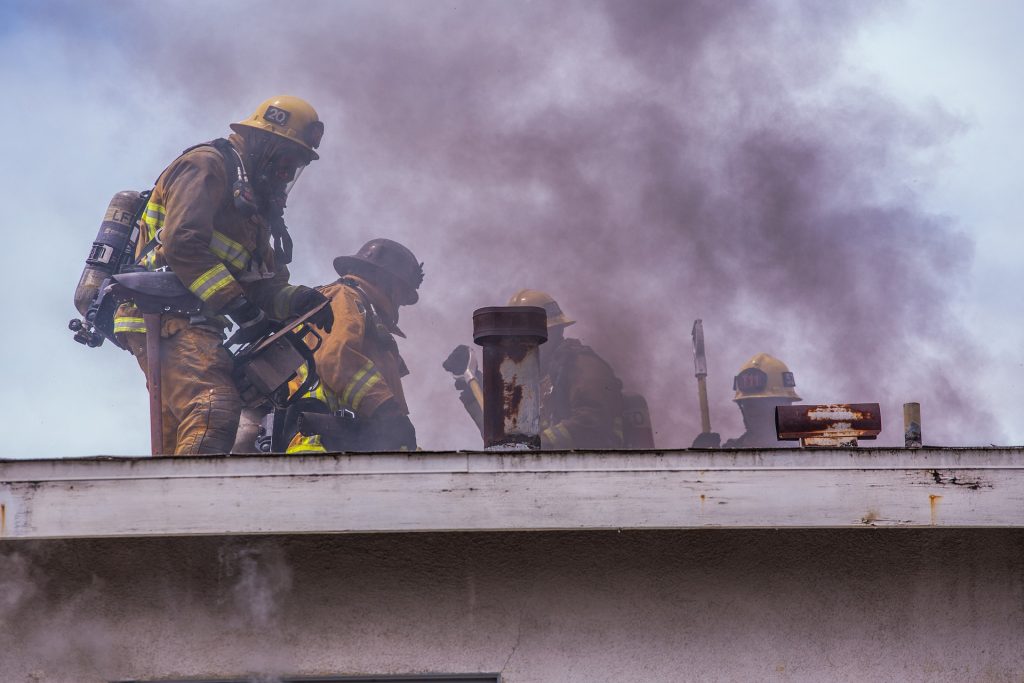
A hot water heater explosion can cause serious damage, physical injury, and even death. Thankfully, there are very clear preventative measures and warning signs to keep in mind. In this post, we’ll tell you everything you need to know about preventing such an explosion and even what to do should it occur. Water Heater Explosion Causes A water heater explosion produces enough force to completely destroy your home. Water heaters rely on both pressure and high temperatures. A water heater explosion often occurs when either (or both) of these factors reach dangerous levels that cannot be resolved through safety mechanisms like the temperature and pressure relief valve. In one common explosion scenario, excessively high temperatures produce a buildup of gas inside the water heater. If the temperature and pressure relief valve is clogged (typically with sediment), the excess gas won’t be able to escape. It continues to build until the tank effectively becomes a bomb. The results can be devastating. Anyone near the water heater will likely be hit with a combination of scalding hot water and debris, not to mention the incredible force with which these explosions occur. Serious injury is virtually guaranteed and one would be lucky to escape death. Even those not in the same room as the water heater are at risk of death or injury. Exploding heaters can shoot up like a rocket, piercing right through your home’s roof and landing several blocks away. As you can imagine, this isn’t exactly healthy for the structural integrity of your home. Take a look at the video below for a demonstration of just how severe a gas or electric water heater explosion can be. Less severe explosions can occur if sediment or rust fester inside your hot water heater tank. Both compromise the heater’s structural integrity and function, which can cause water to gush out of the unit, damaging your home and potentially causing serious injury. Note: A Water Heater Gas Explosion Is Something Different A water heater gas explosion occurs when gas from the heater (or any other source really) has filled the room and a spark (usually from the pilot light but it can also come from, say, a lighter) ignites it. In such a case, the explosive force itself doesn’t originate from within the tank. It can still be quite deadly, though. Such explosions routinely level homes and kill all occupants. As it relates to your water heater, these explosions occur as a result of a faulty thermocouple. Read more about that in our article about common water heater problems. Water Heater Explosion Statistics While reliable hot water heater explosion statistics can be difficult to track down, they happen often enough that you hear about them in the news frequently. As of writing, it’s only February 2020 and there are already several news stories from 2020 detailing such incidents. It happened in Russia, California, Illinois, and Alaska, to name a few occurrences. Such explosions are also common enough to warrant substantial investments and research concerning solutions. So while we’d never suggest that you ought to be afraid of your water heater exploding at any moment, it is a very real issue that you should be aware of. To help increase your awareness, let’s now explore some of the common warning signs. Water Heater Explosion Warning Signs Pressure Relief Valve Leakage A leaking pressure relief valve is one of the primary water heater explosion warning signs to look out for. Such a leak indicates that the valve is unable to properly handle the pressure within the tank for one reason or another. As you’ll recall, this is one of the most common causes of severe tank explosions. A Consistent Popping Noise Water heaters in Phoenix are especially susceptible to sediment. The water in Arizona is especially hard, meaning it contains lots of sediment. If you don’t have a water softener installed, this sediment will build up in your tank and reduce its structural integrity. The popping noise is the sound of water trying to escape the sediment layer. When the layer has gotten this thick, it means that the heating element needs to work excessively to achieve the desired temperature. This sediment can also clog your temperature and pressure relief valve. When combined, the excessive temperature and improper pressure relief valve function can cause an explosion. The Pressure Relief Valve is Constantly Open As mentioned earlier, a pressure relief valve is designed to open when excessive temperatures and pressure require it. If you constantly observe the valve in an open state, this is a sign that your water heater’s temperature and pressure are out of whack. If the relief valve were to stop functioning properly, an explosion would be likely. A Leaking Tank There are many types of water heater leaks. Most of them can (but don’t always) signify that a leak is imminent. None should be taken as seriously as a leak from the tank itself, however. This is a sign that the tank itself has deteriorated substantially, either due to age or damage. Even a slight tank perforation can cause a gas or electric water heater explosion. How to Prevent a Water Heater Explosion Say you’ve noticed one of the aforementioned warning signs. What next? Well, for starters, you should disconnect the water heater’s electricity and/or gas lines if you suspect an explosion is imminent. Follow the instructions in your unit’s manual for the correct protocol concerning turning the heater off entirely. Once you’ve done that (which should reduce some of the imminent risks of an explosion), call a professional. Unless you’re trained to repair water heaters yourself, this really isn’t an issue you want to deal with on your own. In fact, many fatal incidents (such as this one in which a family lost their father and their home) occur as a result of people attempting to fix their water heaters on their own. It’s really not worth the risk to yourself and your home. Water Heater Explosions: What NOT To