
Do I Need a Whole House Reverse Osmosis System?
Do I need a whole house reverse osmosis system? This is a question that many people ask themselves when trying to find the best way to filter their drinking water. There are many different options for filtration, but not every system will work well for your needs. If you are also seeking the answer to this question, then you came to the right place. We’ll discuss what a whole house reverse osmosis system does and how it can help you drink high-quality water. Let’s delve right in. What’s a Whole House Reverse Osmosis System? A whole house reverse osmosis system is a water filtration and treatment device that you can install under your sink or throughout the home. Some people choose to install these systems because they tend to remove more contaminants than other filter types. For example, an activated carbon block filter will only reduce certain impurities such as chlorine and sediment. However, a whole house reverse osmosis system eliminates about 95% of contaminants from your water. A whole house reverse osmosis system is a point of entry (POE) system you install at the main water line to treat water for the entire home. They have a much faster flow rate than most of the water filtration systems in the market. There are many benefits of installing a whole house reverse osmosis system. If you are still wondering whether you need a whole house reverse osmosis system, you need to look at these benefits. Why You Need a Whole House Reverse Osmosis System There are numerous benefits of using a whole house reverse osmosis system to purify your water. As more people realize that tap water contains harmful chemicals like chlorine and fluoride, they’re increasingly seeking better water-purification systems. A whole house reverse system is one such system that has the following benefits. Improves Water Taste to Provide a Better Drinking Experience One of the most important benefits is that it significantly improves water taste. Reverse osmosis systems effectively remove chlorine, fluoride, and other contaminants from your drinking water supply. By doing this, the system leaves behind a better-tasting drink that’s free of harmful chemicals. Removes at least 95% of the Contaminants from your Home’s Water Systems Whole house reverse osmosis systems are effective at removing harmful chemicals and contaminants from your drinking water. This is because the system works by taking in contaminated water through several filters. Each filter is designed to remove specific impurities. After filtration, the system sends clean water back into your home’s pipelines while discarding any residue left behind. As a result, homeowners receive a cleaner water supply that’s safe to drink and enjoy. Promotes Healthier Hair and Skin Another reason you should consider a whole house reverse osmosis system is because it’s good for your skin and hair. The system can help improve the health of both by removing chlorine from water, which is known to dry out skin and damage hair over time. This type of filtration also reduces problems like eczema or acne since no harsh chemicals are left behind in the new clean water supply. Can Lower Water Bills over Time If you loathe the huge water bills you pay, you might have a significant reason to install a whole house reverse osmosis system. Since the appliance recycles more water throughout the home, homeowners use less overall and pay lower rates for each unit they consume. For this reason, it’s possible to recoup the money invested in a whole house reverse osmosis system within one or two years. Factors Affecting the Decision to Install Whole House Reverse Osmosis People generally understand that a whole house reverse osmosis system is an excellent choice for anyone who wants to enjoy better-tasting drinking water. However, the decision might be harder if you don’t know what factors will affect your purchase. Some of these factors include: Cost: What Do Whole House Reverse Osmosis Systems Cost? If you’re still wondering what whole house reverse osmosis systems cost, then it’s time to break down the numbers. Here are some of the factors that affect how much you’ll pay for a whole house reverse osmosis system: Contaminated Water Supply The water supply coming into your house can get contaminated with industrial effluents that contain heavy metals like magnesium, lead, copper, and iron. These metals can be harmful when your household consumes them in large quantities. Whole house reverse osmosis systems can significantly reduce levels of these metals from the water supply. You can use your water without having to worry about contaminants. Electricity Bill Most whole house reverse osmosis systems require a transformer to operate. Moreover, they have pumps that help in the filtration process and also consume electricity. If you are concerned about the high costs of operation at your home or office, installing a whole house reverse osmosis system is not recommended. This is because it can raise your quarterly bills significantly. However, it is still a better option than installing multiple reverse osmosis filters for specific purposes. Using separate units will spike the electricity bill and cause the water to have an unpleasant taste and odor. Installing a whole house reverse osmosis system will attract lower electricity costs in the long run when compared to using separate units. Final Thought It is essential to know your needs when purchasing a whole house reverse osmosis system. It may not be the right choice for you if you do not have any specific water filtration problem at home or in your office. However, if you live in a hard water area or near large manufacturing companies that may contaminate residential water, you’ll need a whole house reverse osmosis system.
Reverse Osmosis Water Filtration System: A Comprehensive Guide
If you’re looking for a reliable and effective way to get clean, filtered water for your entire household, consider installing a reverse osmosis water filtration system. This innovative system uses pressure to force tap water through a membrane with tiny holes, creating two separate streams. One stream contains all of the beneficial minerals and ions, while the other stream removes impurities and unwanted contaminants. If you live in Arizona and need assistance with installing a reverse osmosis system or any other water-related services, such as well drilling az, there are many reputable companies in the area that can help meet your needs. But does that entirely define what a reverse osmosis water filtration system is? It certainly doesn’t. Let’s find out more about reverse osmosis water filtration systems and how they work below. What is Reverse Osmosis Water Filtration? A reverse osmosis water filtration system is a water purification technology that uses a semipermeable membrane and pressurized water to purify water. It removes many types of dissolved and suspended chemical and biological contaminants from contaminated water. An effective reverse osmosis system also removes microorganisms from your water. It is important that the reverse osmosis water filtering system you choose also reduces heavy metals, salts, and total dissolved solids. This way, you can be sure to get clean, safe water for yourself and your family. How to Install Reverse Osmosis Water Filtration System The reverse osmosis filtration system is typically installed under the sink. It should be easily accessible because you will need to perform maintenance and clean it regularly. You can install a reverse osmosis water filtering system yourself if you have basic plumbing skills or hire an experienced plumber for this task. You’ll need the following basic tools for effective installation of the system: Preparation Steps System Installation Steps The Water Flow Test Allow reverse osmosis water to run until the storage tank on your reverse osmosis system is empty. Then turn off its faucet or shutoff valve that supplies reverse-osmosis water to your home. The final step in installing your reverse osmosis water filtration system is connecting its drain line to a drain, which will remove the reverse osmosis water after filtration. Once you’ve confirmed that water is flowing through the pipes effectively, you can proceed to clear off the working area, as this indicates a successful installation. Final Thought Reverse osmosis water filtration systems are great options for those looking to provide reverse osmosis water in their homes. A reverse osmosis system is easy to install on your own and will save you money on your utility bills as well. However, if you don’t have the basic plumbing skills and the time to install one, you can always use the help of professional installers. If you’re looking for more information about reverse osmosis systems, you can also check out our reverse osmosis troubleshooting guide.
What is Deionized Water, and What is it Used For?
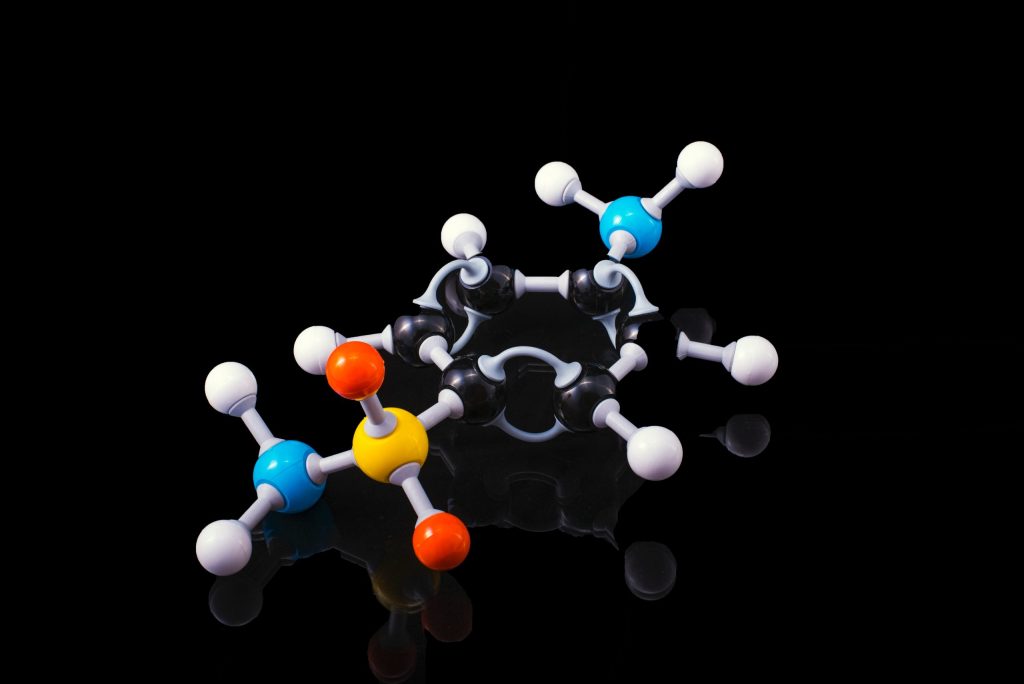
Deionized water, also called DI water, is purified water with a shallow ion content. That means it does not contain any minerals like sodium or potassium ions in the form of salts. Deionized water can be used for numerous applications in industries such as biological research and food processing. That is because it is safe to use with sensitive instruments and chemical compounds. While there’s not much reliable information about deionized water, you can trust to get the correct answers to your deionized-related questions here. In addition, you’ll learn what deionized water is and its applications at home and in industries. It is worth noting that in Phoenix, drinking water is often treated with deionization to remove impurities and minerals, making Phoenix drinking water safer and more palatable. What is Deionized Water? Deionized water is a form of pure, clean water purified by removing atoms, ions, and molecules from tap water through an ion exchange process. Deionization removes dissolved particles such as salt (sodium chloride), minerals, carbon dioxide, organic contaminants, and other impurities from water. It is a purification process used in both industrial applications and potable water production for human and industrial use. It is also sometimes known as demineralized water or DM water, reflecting the absence of minerals. Many homeowners confuse deionized water with distilled water, but these two types of water are pretty different. Deionized vs. Distilled Water Distilled water is clean water purified by boiling until its components become vapor, which can cool down into pure distilled water. On the other hand, Deionized water gets produced by passing the source water through a cation or anion exchange system, which removes all ions. The main difference between these two types of water comes in the form of purity. Deionized water is the purest form of water available and, in some cases, can be considered a type of synthetic water. However, distilled water does not contain any impurities and therefore has fewer contaminants than deionized water. What is the pH of Deionized Water? Deionized water lacks ions and so should have a neutral concentration which is pH 7. However, that’s not always the case since the water always comes into contact with atmospheric CO2 to form a weak carbonic acid, reducing the pH to 5.5. It’s important to note that the pH only drops after exposing the water to atmospheric CO2. Therefore, the initial pH reading should be a neutral pH of 7. Anything lower than that should be an indication of a faulty measuring instrument. What is Deionized Water used for? The 8 Main Uses of Deionized Water Deionized water has many industrial and residential uses that make it a must-have for many. The list below includes the primary uses of deionized water. Deionized Water used in Laboratories for Reagents One of the primary uses for deionized water is as a reagent in laboratories. It helps eliminate impurities coming from the tap or bottled waters in the laboratories for chemical reactions in lab experiments. Deionizing removes ions and other unwanted particles, which reduces chemical reactions between dissolved solids. This makes the solution purer, with fewer substances left behind. Laboratory technicians can manufacture the right medical products with a suitable chemical composition for pure and neutral water. Consider an example where a chemist wants to create saline or another solution infused into the body. In this scenario, their water must first be deionized before they use it to make saline. Using tap water that contains impurities will lead to adverse health effects for the end-user. Deionized Water used for Reverse Osmosis Systems When considering the quality of your drinking water, you may wonder about the differences between reverse osmosis vs distilled water. Reverse osmosis is a process that uses deionized water to filter out salt and other ions from the tap or bottled waters you use in your home. However, in reverse osmosis, the deionized water helps to remove the dissolved salts and oxygen in your home water. Use it to Wash Your Humidifier Using deionized water to clean your humidifier can help keep it working correctly. Demineralizing the water before you use it will eliminate any buildup that might have occurred while cleaning and prevent mineral deposits on or in the appliance. So if you want to keep your home’s humidity in check, start by taking care of your humidifier with the help of deionized water. Use it in Your Aquarium If you have an aquarium, using deionized water to give your fish a clean and healthy environment can help them live longer. Just remember that the ph water level should be between seven and eight, so it does not harm any sea life in your tank. De-mineralizing home tap water before adding it to your aquarium is a great way to keep them healthy and happy. So if you want clean home appliances that ensure your comfort, as well as healthy fish, consider adding deionized water to your daily routine for cleaner results. It’s Ideal for Cleaning Your Car Parts Another important use for deionized water is cleaning car parts like windshield, radiator, and car engine. You can equally use it to dilute concentrated antifreeze to help keep mineral salts out of your engine. Effective for Extinguishing Fire Demineralized water is also an adequate fire extinguisher. Its low electrical conductivity makes it the perfect choice for putting out fires caused by gasoline and other chemicals. Used to Reduce Heavy Metal Toxicity in the Body Deionized water is used for flushing out and reducing the toxicity of heavy metals from the body. Doctors can recommend it as part of a special diet or cleanse to help patients eliminate the excess metal concentration in their bodies. Use it to Clean Surface Tops The demineralized water is a great choice to use on surfaces that you can easily scratch. This includes countertops and wood furniture with smooth finishes. It works well for glass, metal, and plastic as well. Demineralized water also can dissolve wax, so it makes an
How To Remove Nitrates from Well Water

For all families, access to clean and safe drinking water is a necessity, not a luxury. When your access to an essential need is jeopardized, it’s easy to become panicked or worried about the outcome and effect on your family. Nitrates are one of the most common contaminants which can be found in your drinking water well supply, and well owners may face a struggle in figuring out how to remove nitrates from their well water. Fear not – We’re here to help you keep your family safe, and protect your water supply. Read on to find out the effect nitrates have on your water supply, and exactly how we can fix it. Are Nitrates in Drinking Water Harmful? Drinking water with high levels of nitrates has been associated with health risks, specifically for infants and the elderly. Elevated levels of nitrates can decrease blood cells’ ability to transport oxygen around the body. In healthy adults, scientific data surrounding the long-term health effects of nitrates are inconclusive. The dangers of consuming contaminants like nitrates are not yet fully known. Nitrates are also just one of a list of contaminants that can potentially infect drinking water. Other heavy metals, organic materials, or pesticides are commonly found in well water. Home filtration systems, like sediment or carbon filters, do not effectively remove contaminants like nitrates. How Can I Remove Nitrates From Well Water? One of the most effective methods for removing nitrates from drinking water is a process known as reverse osmosis. Reverse osmosis is a professional water filtration system, utilized and installed with great success by American Home Water & Air. It uses a thorough and complex purification system, which works extremely effectively at filtering drinking water or well water. Reverse osmosis is extremely effective at filtering well water for use in cooking, ice-making, or drinking. With reverse osmosis, you will see a significant positive change in the quality and taste of your drinking water, followed by better-tasting food and higher-quality ice. If your family needs to significantly reduce or eliminate nitrates from your water supply, then reverse osmosis is the recommended method to do so. American Home Water & Air installs reverse osmosis systems regularly and can help you to choose a filtration system that best suits your family’s needs. Our highly skilled technicians are always on hand to professionally install the right system for you. Reverse Osmosis: How Does It Remove Nitrates From Water? The process of reverse osmosis is an extremely effective and rigorous method of water filtration. During reverse osmosis, water must pass through a number of fine materials and membranes, some smaller than a single micron. So when it comes to removing stubborn contaminants like nitrates from your drinking water, this is why you can rely on a system like reverse osmosis. We ensure filtration is performed correctly and to a high standard. American Home Water & Air filtration systems have been honed to perfection over years of experience, and perform to the highest standards possible. We take no shortcuts when it comes to your family’s safety. The first step of reverse osmosis is the ‘Pre-Filtration’ stage. This stage removes larger particles of dirt or organic material from your water, ensuring you have a smooth drinking experience every time. The next step is the ‘Membrane’ stage, which is the highly effective, high-pressure filtration stage. This step helps to ensure that only the best quality drinking water reaches you and your family. The reason our reverse osmosis systems are so effective at removing nitrates is that the drinking water is forced through between 4 and 5 stages of membrane filtration during the process. This removes any and all potential nitrates or toxins which could prove harmful to your family. The final stage of reverse osmosis is the polishing stage, which ensures the final odor and taste of your water is of the highest quality possible. As you can see, reverse osmosis utilizes one of the most thorough water filtration systems available and ensures the safety of your family. What Are The Benefits of Removing Nitrates from Well Water? When you decide to opt for a reverse osmosis system by American Home Water & Air, you are putting your family’s needs first. By removing nitrates from your well water supply, the benefits you can expect are numerous. Reduce Your Exposure to Contaminants Heavy metals and contaminants in your drinking supply may build up over time, and cause damage to your family’s health. The elderly and infants are particularly vulnerable when it comes to the presence of nitrates. Your costly appliances may also suffer, with dishwashers and washing machines suffering the impact of limescale and eroding their lifespan over time. Save Money By filtering your drinking water from its source, you will eliminate the need to purchase bottled water. The cost of bottled water per gallon is almost two thousand times as expensive as tap water! Not only do you make a direct saving by filtering your water at home, you also reduce the negative impact bottled water consumption has on the environment. Improve Your Water Quality Finally, water filtered through reverse osmosis goes through a polishing stage which ensures the taste and odor is of the highest quality. You will be amazed at how much better your drinking water and food tastes when it has gone through such a rigorous filtration system. You can be guaranteed your water will be of the ultimate quality. We Can Help You Remove Nitrates From Your Drinking Water! American Home Water and Air have a wealth of experience in purifying the water supply of many happy and healthy families. We can assist you with every aspect of purifying your family’s water supply, from choosing the right filtration system for you, answering any queries or concerns you have about your water supply, and finally having our experienced technicians install our systems to the highest standards. Make the choice to put your family first today, and reach out to us to find out
How to Change a Reverse Osmosis Filter Without Breaking It

Knowing how to change a reverse osmosis filter is key if you want to harness the benefits of these systems for years to come. In this post, we’ll tell you everything you need to know about doing this, including how often you should change your filter. Why Should You Change Your Reverse Osmosis Filter? Your reverse osmosis system contains filters designed to trap sediment and other undesirable contaminants. While much of these particles get washed away (read more about that here), some will inevitably remain trapped in the filter. Eventually, the filter won’t be as effective as it should be. When this happens, you’ll find the system becomes wasteful and does not purify your water adequately. How Often Do You Change Reverse Osmosis Filters? Our reverse osmosis systems in Phoenix come with either four or five stages of filtration. This is partially what makes them so advantageous over other methods of filtration, such as distillation. Here’s a breakdown of when each stage generally needs to be replaced and the considerations you should make. Sediment Filters: Annually Sediment filters trap large particles like dirt and even some chunks of calcification. You can get away with changing your sediment filter once a year as long as you have a good water softener in place to catch most of the larger mineral buildup. If you don’t have a softener, your sediment filter is likely working harder than it should as these products are not really designed to remove heavy amounts of minerals. As such, you’ll need to check on it at least twice a year. Learn more about installing a water softener here. Carbon Filter: Annually Carbon filters remove chlorine (which does pose some health risks, as we discussed in this article), some particles, and volatile organic compounds. They also remove particles that can make your water taste and smell funny. You should change your carbon filter at least once a year to ensure those aforementioned harmful contaminants are removed. Polishing Filter: Annually No, water polishing doesn’t make your water shinier. Rather, it’s the removal of microscopic particles and contaminants that exist in very low concentrations. You can think of it as the crucial “finishing touches” that ensure your water is fully clean and safe for you to drink. How to Change the Filter on a Reverse Osmosis System Now that you know how often to change your reverse osmosis filters, let’s discuss how you actually go about doing this. These instructions are general; make sure you refer to your filter’s manual for specific directions. Step 1: Acquire the Right Replacement Filters Replacement reverse osmosis filters aren’t just one-size-fits-all. To avoid damaging your filter’s housing, buy whatever filters the manufacturer recommends. Once you buy your replacement filters, keep them in the packaging until you’re ready to use them. If you take the filter out prematurely, you’ll find that it traps dirt and air from its surroundings, which will reduce its lifespan. Step 3: When You’re Ready to Install, Wash Your Hands Thoroughly You’ll be placing the filter into a tight and damp space. As such, any bacteria you transfer from your hands onto the filter will grow and fester. To avoid this, wash your hands thoroughly with water and soap before you remove the filter from its packaging and begin the installation process. Step 4: Prepare the Reverse Osmosis System for Maintenance You’ll need to: shut off the water supply shut off the valves leading to your system’s storage tank and refrigerator (if applicable) activate the reverse osmosis bypass valve (this will allow water to continue flowing to your faucet, avoiding the filter) It’s also a good idea to place a container (such as a shallow dish) underneath the filter housing. This will catch any water that happens to spill out of the system when you unscrew it. Step 5: Pinpoint Which Housing Contains the Filter You Need to Change Most reverse osmosis units store the different types of filters in specific compartments. The exterior of each compartment should have text indicating what lies inside. After you’ve identified which of the aforementioned filters needs replacing, find the appropriate compartment and prepare for the next step. Step 6: Unscrew the Compartment in Question If the compartment’s lid or base doesn’t unscrew, check the owner’s manual to see if there’s some other mechanism through which you’re supposed to access the filter. Depending on how tightly the compartment is screwed in, you may need to use a dedicated wrench. Your reverse osmosis should have come with one appropriately-sized to fit around the housing. Note About Changing Reverse Osmosis Water Filters If you’re looking to change the actual reverse osmosis membrane, you’ll likely find that there’s a separate compartment resting horizontally above the others. Removing this membrane usually requires pushing on a tab, removing the tubing as it comes out, and then pulling the membrane out of that compartment. This membrane can often be fairly stuck in place; you might find it necessary to use a pair of pliers to get it out. Other than this step (and, naturally, the reverse of it on the replacement side), not much differs when it comes to replacing the membrane vs other types of filters. Step 7: Inspect the O-Rings Near where each compartment screws in, you’ll find at least one or two o-rings, also known as gaskets. Now’s a good time to inspect each o-ring to see if it has any tears or other types of damage. If you spot any damage, you’ll want to replace the o-ring in order to avoid leaking. If everything looks good, simply store the o-rings in a safe spot where they won’t get lost or be subjected to damage. Step 8: Remove the Existing Filter and Wash the Housing The existing filter should very easily slide out of its housing. You can toss this in the trash (make sure you look into your local disposal regulations so you throw it in the right bin). Once the existing filter has been removed, give
Is Reverse Osmosis Water Acidic? How To Test Yours
Reverse osmosis systems are among the most popular residential water filters. But is reverse osmosis water acidic? Are the masses mistaken in trusting them? Keep reading for the answers to these and more questions. Is Reverse Osmosis Water Acidic or Alkaline? Put simply, yes, reverse osmosis water is acidic. While the pH level of tap water in Arizona ranges from 7.1 to 8.4, reverse osmosis water hovers around the 6.5 mark, representing greater acidity. Is this going to have an impact on your health? Probably not. The Environmental Protection Agency states that water with a pH of 6.5 is perfectly safe to drink. This isn’t exclusive to reverse osmosis filters, by the way. Also popular are whole house filters in Phoenix, which will increase your water’s acidity as well. As you’ll see shortly, this all comes down to what these filters remove. What is Acidity, Anyway? Acidity is the opposite of alkalinity. Higher numbers on the pH scale represent greater alkalinity. The scale works logarithmically, with each number representing a 10-fold increase in alkalinity or acidity compared to the previous digit. That would make reverse osmosis water with a pH of 6.5 10 times more acidic than unfiltered water with a pH of 7.5. Before you panic and start telling all your friends to rip out their reverse osmosis systems, though, it’s worth taking a look at the pH levels of other substances: In other words, you consume liquids far more acidic than alkaline water on a daily basis. Why is Reverse Osmosis Water Acidic? Warning: This gets a bit nerdy. According to Scientific American, acidic liquids easily transfer hydrogen ions into a solution. Weak acids (like reverse osmosis water) do this very easily. Alkaline liquids work in the opposite manner. The more alkaline something is (i.e. the higher it is on the pH scale), the easier it will accept hydrogen ions. So why is reverse osmosis water acidic? Well, it’s all thanks to the filtration of alkaline mineral atoms. As we discussed in this post, reverse osmosis filters remove minerals like calcium and magnesium from your water. Should you worry about the removal of these minerals? After all, calcium and magnesium are good for you, right? While it is important that you ingest your required daily intake of those minerals, you’re not going to achieve that with water. Your body gets the bulk of its calcium and magnesium from your diet, which is why soft water is considered safe to drink, as we discussed in this guide. Would Reverse Osmosis Water Impact an Alkaline Diet? Given reverse osmosis water’s acidity, one might question whether it would counteract something like an alkaline diet. The idea behind alkaline diets (as promoted by celebrities like Victoria Beckham) is that creating an “alkaline environment” in your blood can improve your overall health. While the alkaline diet does have some benefits, according to Dr. Melinda Ratini writing for WebMD, this rationale is flawed. Nothing you eat or drink (not even reverse osmosis water) is going to have a major impact on your blood’s pH level. Your body regulates this level just fine on its own. In other words, drinking reverse osmosis water isn’t going to “throw your blood off balance” or anything of that sort. This isn’t to say an alkaline diet is totally useless, though; your health will improve as a result of the foods you eat while on this diet. It just doesn’t happen in the way you’d expect it to. In fact, the chemicals you would ingest if you didn’t have a reverse osmosis filter (or some other type of system) would impact your health much more severely than any minor acidity would. This is why reverse osmosis systems in Phoenix are so popular. Compounds like lead, arsenic, and chlorine (all of which are prevalent in America’s drinking water, as we discussed here) will harm you over the long haul. Acidity is just a byproduct of removing these minerals from your drinking water. How to Test Your Water’s Acidity While you should know by now that reverse osmosis water’s acidity shouldn’t be a major concern, you might still want to see exactly where yours falls on the spectrum. You can also check out our article about the ideal water pH level for your home as a reference. There are three reliable methods for doing this. Let’s take a look at them. pH Strips When you soak a pH test strip in any given liquid (your reverse osmosis water, in this case), it will change color based on where it falls on the acidity-alkalinity spectrum. Your best bet would be to buy a strip designed to test within the 5.5-8.5 range, in which your reverse osmosis water will likely fall. If you get a strip that tests too broadly, you may find it hard to distinguish between the hues that would give you an accurate idea of your water’s measurement. Litmus Paper Litmus paper works similarly to a pH strip, only with less accuracy. When you soak litmus paper, it will simply turn one of two colors based on whether it’s acidic or alkaline. Keep in mind that reverse osmosis water is a relatively weak acid. Depending on what type of litmus paper you choose, your water may not even show up as acidic. Local Testing Facility What a lot of people don’t realize is that many American cities have local water testing services run out of universities or local government facilities. As we discussed in our article on hard water testing, you can send your water into these facilities and have it analyzed. The results you’ll get from these sources will be much more accurate than the approximations you’d find with pH strips and litmus paper. Bonus Method: Red Cabbage You can also perform an approximate test of your water’s pH level using — believe it or not — a piece of red cabbage. Red cabbage contains a pigment that will change color based on the pH level of whatever