Hydro Jetting Explained: What It Is, How It Works, and When You Really Need It
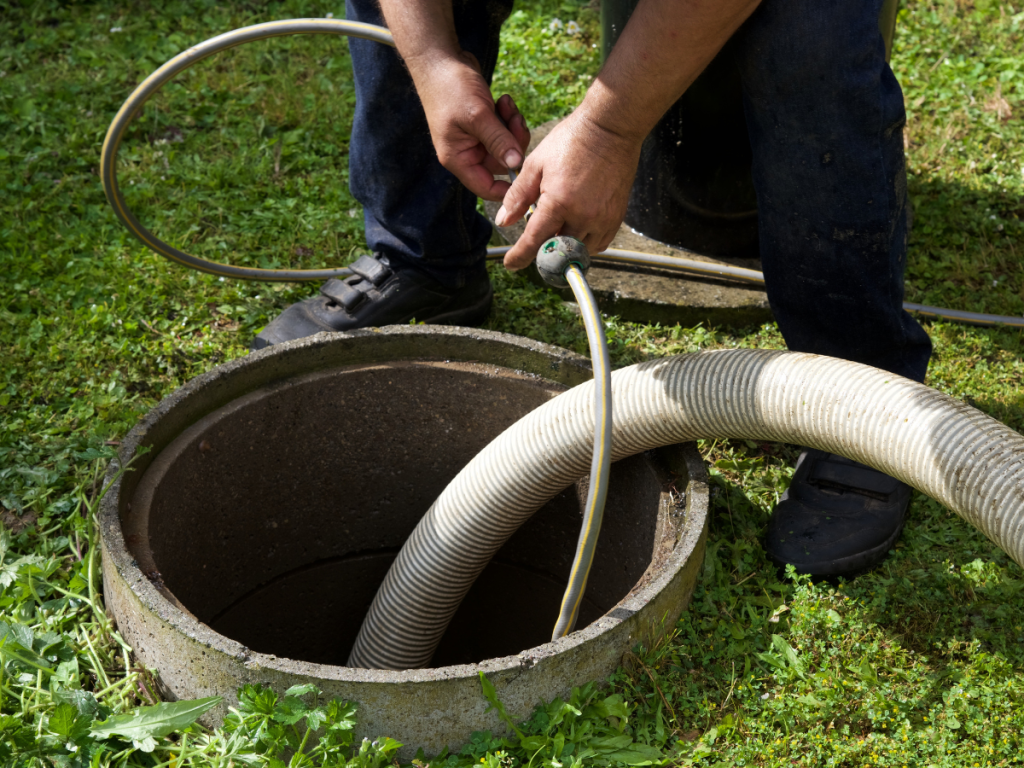
If you’ve ever struggled with a drain that won’t stay clear or a sewer line that keeps backing up, you know how frustrating stubborn plumbing problems can be. In Arizona’s busy households and businesses, these issues are more common than you might think. That’s where understanding what hydro jetting is and how it works can make all the difference. This powerful plumbing solution clears tough blockages that traditional methods can’t handle. Let’s take a closer look at what hydro jetting means, how it works, and when it’s truly the best option for keeping your pipes healthy and clog-free. What Is Hydro Jetting? If you’ve ever dealt with a kitchen sink clog that wouldn’t budge, you’ve probably wondered if there’s a more effective way to unclog it than a plunger or drain snake. That’s where hydro jetting services come in. Hydro jetting is a professional drain cleaning method that uses pressurized water—often up to 4,000 PSI—to thoroughly clean the inside of pipes. It’s a safe, efficient, and eco-friendly solution to eliminate grease, sludge, roots, and debris that are causing clogged drains or slow drainage. So when people ask, “What is hydro jetting?”—the simple answer is: It’s a powerful plumbing solution that blasts away buildup and restores clean pipes to near-new condition. How Does Hydro Jetting Work? Hydro jetting might sound high-tech, but the process is pretty straightforward (when done by a professional plumber). Here’s how it works: Before starting the process, a licensed plumber will use a camera to inspect your pipes. This allows them to locate the blockage, determine its cause, and ensure your plumbing is in good condition to handle high-pressure water jetting. A flexible hose equipped with a nozzle that sprays in multiple directions is then inserted into the pipe. Once the system is powered on, high-pressure water shoots forward to break through clogs and backward to scrub the pipe walls, flushing debris out of the system. Unlike snaking, which cuts a narrow path through a clog, hydro jetting washes the entire interior of the pipe. It clears away years of accumulated grease, hair, soap residue, and even intrusive tree roots. One of the main benefits of hydro jetting is that it thoroughly cleans and removes debris that could lead to future clogs, helping you avoid repeat service calls. It’s also considered a cost-effective drain cleaning option for homeowners dealing with frequent backups or tough blockages. Think of it like pressure-washing the inside of your plumbing system. It’s a safe, eco-friendly process too, since it relies solely on water — no harsh chemicals required. What Types of Blockages Can Hydro Jetting Remove? Hydro jetting is incredibly effective at clearing: It’s commonly used in both residential plumbing and commercial systems—and especially useful for restaurants or older homes with frequent drain issues. This deep, pressurized cleaning is something snaking simply can’t achieve — a snake might punch a hole through a clog, but it often leaves debris behind that soon causes another blockage. Hydro jetting, on the other hand, cleans out the entire pipe system. When Do You Really Need Hydro Jetting? Hydro jetting isn’t for every situation, but when it’s the right fit, it can save you time, money, and serious headaches. Here are some signs it might be time to consider hydro jetting: Important Note: Hydro jetting isn’t recommended for damaged or fragile pipes. That’s why a camera inspection is critical before doing the job. At American Home Water & Air, we always ensure your system is a good candidate before starting any high-pressure cleaning. Hydro Jetting vs. Traditional Drain Snaking Feature Hydro Jetting Drain Snaking Power High-pressure water (4,000 PSI) Mechanical coil Scope of Cleaning Full-pipe diameter Small path through the clog Long-Term Results Removes all buildup May leave residue behind Suitable for Grease/Sludge Yes No Risk of Pipe Damage Low (with inspection) Minimal In short, snaking is a quick fix, while hydro jetting provides deep, longer-lasting results. Why Hydro Jetting Could Be the Smartest Solution for Your Plumbing If you’re dealing with clogged drains, slow water flow, or suspect deeper issues in your sewer system, hydro jetting might be the answer. It’s thorough, effective, and a cost-effective solution to keep your home’s plumbing running smoothly. But remember—this isn’t something to tackle on your own. Reach out to a licensed pro like the team at American Home Water & Air, and we’ll help you decide if hydro jetting is the right fit for your home. Need help now? Let’s clear things up—literally. Call us today or schedule a service to talk with a certified plumber about your hydro jetting needs. Frequently Asked Questions About Hydro Jetting Is Hydro Jetting Safe for My Home? Absolutely—but only when a trained, licensed plumber does it. The high pressure involved in hydro jetting means that it should never be a DIY project. Improper use can cause pipe damage, especially if the plumbing is already compromised. At AHWA, our plumbing pros use careful diagnostics, the right tools, and expert techniques to make sure the job is done safely and effectively. How Often Should I Schedule Hydro Jetting? For most homes, hydro jetting every 1–2 years is a good preventative measure—especially if you’ve had issues with slow drains or grease buildup in the past. Commercial properties like restaurants may benefit from more frequent cleaning methods due to heavier use. If you’re unsure, a professional inspection can help determine the best schedule for your drain cleaning. Can Hydro Jetting Remove Tree Roots? Yes, hydro jetting can break up and flush out small to moderate tree root intrusions. However, if the roots have caused cracks or significant pipe damage, further repair or pipe replacement may be needed. That’s why a camera inspection is always performed first—to assess the condition of your plumbing before using high-pressure water. Is Hydro Jetting Better Than Snaking a Drain? Hydro jetting offers a deeper, more thorough clean compared to traditional drain snaking. While snaking simply punches through a clog, hydro jetting cleans the whole diameter of the pipe, removing
No Water Coming Out Of Faucet: Causes & Fixes
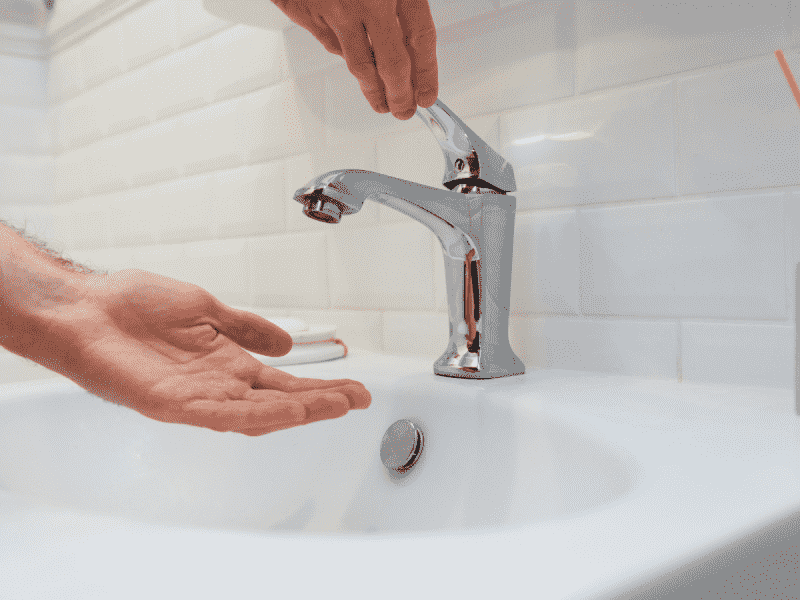
Are you finding yourself experiencing water no longer coming out of your faucet? The lack of an explanation as to what exactly has transpired can cause frustration. After all, water is essential for everyday tasks. We rely on it for bathing, cleaning dishes and surfaces in our homes, cooking meals, and keeping ourselves hydrated. So no longer having access to clean water can be incredibly disruptive to everyday life. Luckily, there are a few ways to resolve the issue of no water coming out of the faucet. This blog post will discuss possible causes and solutions to a lack of running water in your home. If you’re experiencing issues, consider contacting a professional to help resolve your problem. Causes of no water coming out of the faucet Here are a few potential causes that can prevent proper water flow. Blocked pipes One of the primary reasons for no water coming out of a tap can be blocked pipes due to the build up of sediment or debris, which obstructs flow. This can include rust, heavy metal deposits, or limescale. Closed valves Another common cause of no water coming out of faucets is closed valves, either accidentally or intentionally (when renovations or repairs are taking place, for instance). For water to flow from your faucets, all valves need to be fully opened. Malfunctioning water heater An improperly functioning water heater could be responsible for an absence of water (specifically hot water) coming from your taps, whether due to issues with the unit’s thermostat, heating functionality, or another component. Low pressure Low water pressure can also contribute to little to no water coming from your taps. This can be caused by factors like an undersized pipe, a clogged filter, or even a malfunctioning water pump. Frozen pipes Should temperatures dip below freezing, pipes can freeze up and stop water from coming out of the faucets. Prolonged periods of frozen pipes can result in the risk of further complications. Broken pipes Broken pipes may also contribute to reduced water flow and no water coming out of any taps. This can be caused by either physical damage due to an accident or corrosion from aging. This can result in leaks, which should be addressed quickly to keep your home supplied with water. Damaged faucet An improperly working faucet could also be to blame. Worn out parts or simple wear and tear over time can prevent water from properly coming out of a faucet. Clogged faucet aerators Aerators (i.e., the small screens at the end of faucets) that prevent debris from entering water sources can become blocked due to accumulations of dirt and grime build-up. The result: little to no water flow. Fixes for no water coming out of the faucet Here are some key fixes for no water coming out of faucets. Of course, most of these solutions will require the help of a professional, so it’s important to find a reliable local provider of plumbing services. Unclog your pipes If something is blocking water flow, you’ll need to have your pipes professionally unclogged. While you may be tempted to opt for a chemical drain cleaner, these mixtures can only be used in certain situations and sparingly, as overusing them can result in long-term damage to pipes. Consider hiring a professional instead. Open valves While doing work on your system, a plumber may have accidentally left your water valves closed. Once all work on the valves has been completed, it’s important to have them ensure all are open so water can freely circulate around your house. Repair water heater To resolve the issue of no water coming out of faucets, seeking professional assistance is pertinent, especially when your water heater needs to be inspected and repaired. A professional will inspect its components and can restore its performance. Thaw out frozen pipes If temperatures have fallen below freezing and your pipes have frozen, a professional can help by defrosting and thawing them out as soon as possible. They may, for example, make use of temperature-controlled heat tape and external heat sources like heat lamps. Tools like propane torches should be avoided, as they can damage the system and run the risk of starting a fire. Get your faucet replaced To fix the issue of no water coming out of any taps, have a professional replace an obsolete or damaged faucet. Faucets, after all, are central to maintaining adequate water flow, so when they’re malfunctioning, it’s important to get a faucet repair or replacement done. Unclog your faucet’s aerator To have your taps function properly, it’s essential that each faucet’s aerator remain clear at all times. Homeowners sometimes use vinegar and a brush to unclog their aerators, but if the issue persists, it’s best to have it professionally cleared. Trust AHWA with all your water flow issues No need to panic if your taps stop working and there’s no water coming out of your faucet. There are numerous potential causes, and many ways to have this issue resolved. Whenever your system needs professional assistance or repair, always contact a technician, as they’ll be trained with the right knowledge and have the right tools on hand to quickly and efficiently fix the problem you’re having. If you live in the Phoenix, Arizona area and need help with your plumbing system, consider getting in touch with American Home Water & Air. We’ve been helping homeowners for over 35 years. Contact AHWA today!
5 Common Reasons Why Your Toilet Has Weak Flush and How to Fix
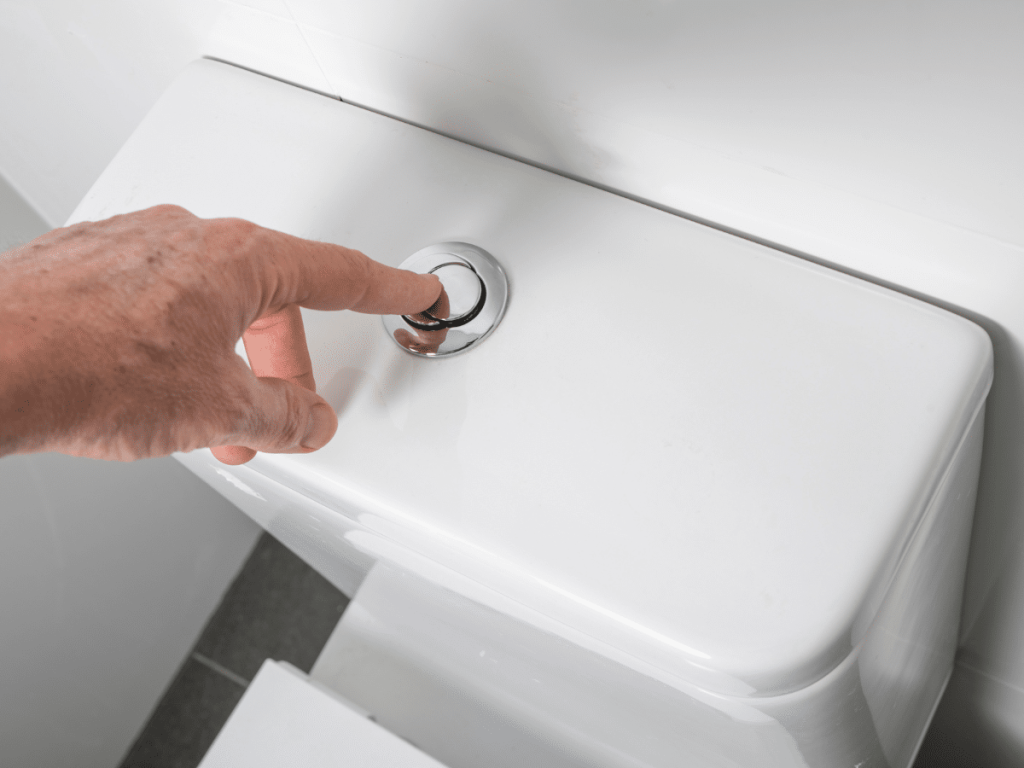
A weak and slow flushing toilet can be both inconvenient and wasteful, as it leads to wasted water and excessive consumption that ends up significantly increasing your water bill. There are multiple reasons that you could be experiencing a toilet with weak flushing. This blog post will examine some common causes and will go over how you can address this issue. Possible reasons your toilet has a weak flush Here are some common reasons why you may be experiencing weak toilet flushes. Toilet bowl leakage often results in poor flushes and incomplete draining. Cracks in the porcelain or incorrect tank installation can cause water to escape from the bowl before it can properly and fully flush any contents. This can result in you having to flush twice just to get everything down, which can be annoying at the least and costly at most when excess water is used. Toilet clogs are another possible culprit on our list of weak toilet flush causes. Too much solid waste accumulating in your toilet bowl can prevent wastewater from properly draining, which, in turn, leads to weak or incomplete flushes as water flow is obstructed. Clogs are commonly caused by excess toilet paper use, as well as objects being flushed down the toilet that ought not to be (e.g., wet wipes, sanitary napkins, cleaning products, etc.). These objects end up getting caught in pipes, hindering water flow. Low water pressure will also result in weaker flushes, as less water reaches your bowl and causes incomplete flushing. This may possibly be caused by several issues, such as broken tank valves or worn toilet tank parts. When you’re dealing with low water pressure (especially when it’s a sudden onset), it’s highly recommended to get in touch with a professional plumber so they can inspect your system to determine the cause and suggest a solution. For your toilet to function effectively, its float ball must rest directly above the discharge tube and flush valve, as well as beside the overflow tube, without touching either side of the tank. If the float ball isn’t properly adjusted, not enough water will be able to reach the toilet bowl, resulting in a toilet with poor flushes. To have the float ball adjusted, simply contact a local plumber to have them help out. They’ll have the right tools and know-how to resolve this issue. The faulty flapper is the component that regulates water flow between the tank and bowl. Over time its effectiveness can deteriorate due to either wear and tear or improper adjustment, leading to ineffective flushing performance. Additionally, rubber flappers exposed to air can crack over time. This key component of your toilet can be easily replaced by a plumber during repairs or plumbing maintenance. How to fix a weak flushing toilet Here are some weak toilet flush fixes to help resolve this issue. Check your toilet for cracks Inspect your toilet bowl and tank for cracks, as this can cause leaking and prevent sufficient flushing. If you notice any damaged parts, get in touch with a plumber so they can promptly repair or replace them. Unclog your toilet To unclog your toilet, first try using a plunger to clear any obstructions. Some clogs can be quite stubborn though, so if you find that you can’t get rid of the blockage, seek professional assistance immediately from a local plumber. Correctly align your float ball As previously mentioned, toilet flushing that’s slow and weak can be caused by an improperly adjusted float ball, as it prevents your tank from being sufficiently flushed out. For optimal results, it needs to be realigned. To do so, it’s best to have a plumber complete the job. Ensure the toilet is properly aligned and set It’s imperative that your toilet is aligned and set. Any misalignments could result in ineffective flushing due to limited bowl space. A professional plumber can help you resolve this problem to ensure maximum effectiveness in flushing. Install replacement parts Other malfunctioning parts can cause a toilet with weak flushing, so to ensure optimal functioning, it’s critical that any worn or damaged components be promptly replaced as soon as it’s noticed. This will keep your toilet running properly for years to come. Have your tank assessed If you’ve looked over your toilet tank yourself and can’t seem to find any damage or anything that’s amiss, you might want to have a plumber look over it. Having an assessment conducted on the tank is vital. What follows may be necessary modifications and changes as required to restore the proper functioning of your toilet. Need help with your toilet? Trust American Home Water & Air! A toilet with weak flushing can be incredibly inconvenient and can cost you in the long run, raising your water bill when you need to flush more than once. We hope this article has helped explain why you may be experiencing this issue. If you need help with your weak flushing toilet, consider getting in touch with American Home Water & Air’s plumbing professionals. We provide timely service and promise transparent pricing to homeowners in the Phoenix, Arizona area. Contact AHWA now!
4 Causes of Low Water Pressure in Your Home
Water pressure issues can be incredibly frustrating to deal with, and ignoring this problem can lead to further difficulties down the line. To get ahead of this problem and minimize its impact, it’s important to understand its possible causes. This blog post will examine low water pressure in houses, as well as some telltale signs and what causes it so you know when it’s time to call a plumbing professional. Why low water pressure is bad Low water pressure can not only be a source of frustration, but these restrictions on water flow make everyday tasks like dishwashing, bathing, washing clothes, and watering plants more challenging. Sinks and tubs take longer to be filled with enough water, and water flow slows down the completion time of your daily chores, hampering your ability to get these activities done in a timely manner and go about your life. Low water pressure in houses can also be a key indicator of something being amiss with your plumbing system. If ignored, these issues could end up wreaking havoc over time and become irreparable, making it so you’ll need to replace components of your system (which can be incredibly costly). It’s therefore vital that a plumber evaluate and address sudden decreases in water pressure within your home. Low water pressure signs How do you know if water pressure is low in your house suddenly? Here are a few telltale indicators. Reduced water flow The most obvious sign of low water pressure is if the water output of your showerhead or faucets has diminished over time. If filling up a glass used to take 30 seconds before, but now takes longer, you’re likely experiencing water pressure issues. Variable water pressure If the pressure of your water fluctuates and changes frequently, it could indicate problems with low water pressure. This is often caused by obstructions in your plumbing system, which prevents water from moving freely through pipes and causes different levels of tension. Unusual noises Another symptom of little to no water pressure in houses is if you hear banging, whistling, or gurgling sounds when using your showerhead or faucet. This can be caused by trapped air being released when water moves through your pipes and becomes active again. Sputtering shower heads When your water pressure is too low, your shower head may sputter or spray inconsistently instead of offering a consistent stream. This could, however, point to issues with the aerator in your shower head, which should regulate and conserve the flow of water. What causes low water flow? Below are the primary factors contributing to low water pressure at home. Loss of water pressure in houses may be caused by blocked or corroded pipes. Over time, debris can build up in pipes and cause blockages that reduce available space for water flow in homes and cause variable pressure levels. Corrosion in pipes is also another possible culprit. Corrosion sees rust forming around the metal walls of pipes, which slowly wears away at them and creates the possibility of cracks (which then causes leaks). Contact a plumber immediately if you suspect that your pipes have become blocked or corroded. A plumber will flush away any sediment buildup, replace any corroded parts, and ensure you have clean drain pipes to restore normal pressure levels. Your faucet or showerhead’s aerator conserves and regulates water flow, but deposits like calcium and lime can accumulate over time and lead to clogs. It’s vital that if your aerator appears clogged, professional cleaning be requested. Another cause of low water pressure is freezing temperatures. When temperatures dip below zero, your pipes can freeze, creating blockages that result in decreased pressure. If this issue remains unchecked, it may even lead to burst pipes. It’s imperative that swift action be taken if your pipes are frozen. Turn off any faucets or sources of running water and contact a plumber as soon as possible. Water pressure can be affected by leaking pipes as well. Leaks that allow water to escape will reduce pressure by preventing more of it from reaching fixtures, ultimately decreasing the amount of water that you receive when you turn on a faucet. Leaks should be evaluated by a skilled plumber, as they will be able to determine how to best repair them to restore normal water pressure in your home. In need of plumbing assistance? Choose American Home Water & Air Understanding the causes of low water pressure in houses will allow you to better notice when you’re experiencing the issue so you can take action accordingly. American Home Water & Air is here to assist if you require professional assistance with your plumbing system. Our technicians will assess your system to identify any underlying problems before providing the best possible solutions to restore and maintain it. AHWA has been helping homeowners in Phoenix for over 35 years and provides fair, honest, and transparent pricing so you’ll always know what to expect. Contact AHWA now!
Types of Plumbing Noises: Causes and Solutions
If you’re having issues with your plumbing making different types of noises, such as hisses, thumps, clangs, or thuds, it’s important to consider that you might have some functional issues taking place. If you can’t decipher what the noises might indicate, don’t worry: the professionals at AHWA can help! We understand that noisy plumbing can indicate everything from minor issues to signs of major problems. When in doubt, give us a call to come take a look and make sure everything’s working okay. In the meantime, here’s a quick overview of the types of plumbing noises you might encounter and what they mean. Usual Plumbing Noises in Your Home Plumbing usually prefers to be the strong silent type, but it sometimes kicks up a bit anyway—especially in older homes where the plumbing has aged a bit. Not every noise is bad, so it’s important to know what you should be concerned about and what is normal. Let’s look at some common plumbing noises you might hear in your home. Harmless Plumbing Noises These noises are nothing to worry about. If you understand them, you won’t be so worried about them being potential problems. Banging – A single or multiple loud bangs when you close a water tap is a perfectly normal sound. Swishing – The sound of water flowing through the pipes can sometimes be audible, especially if the house is otherwise quiet. Splashing – A toilet tank refilling can create small splashing sounds. Pressurized water leaving a valve can also make a splash when hitting still water on the other side. Gurgling – You may hear a gurgling noise coming from your pipes or waste traps. This is common with new plumbing systems and ones that had been drained or refilled, perhaps after recent work has been done. Rattling – If you have a shower pump, it may make a bit of noise as it vibrates against a surface. Make sure you’ve moved it away from this type of contact and the problem will be resolved. Creaking – No, that creaking board in your house when no one is walking is probably not a ghost. It’s more likely being caused by hot-water pipes under your floorboards as they expand and then contract again. Noises That Require Attention These noises are an indication that there may be a more serious problem down the line. Consult a professional plumber like AHWA to help you determine their origin and make any necessary repairs. Gurgling – If the gurgling is coming from a drain, you might have a clog in your drain or even in a sewer line. Hammering – Do you hear a loud clunk or clang when your dishwasher or washing machine stops filling or you turn off a faucet? You might be experiencing overly high water pressure that has blown out the air usually present near valves. If left unchecked, you could develop a leak over time due to the “water hammer” this creates. You may be able to fix this yourself by simply replacing the missing air pockets. Follow the steps below: This should correct the problem. If you continue to experience the hammering noise, then you’ll want to consult a professional for more assistance. Clanging – If your home has old copper piping, you may experience clanging noises created by the contracting and expanding of the metal when you use hot water. The heat results in the pipes expanding and rubbing against brackets, connecting joints, or supports. This is normal and nothing to worry about, but if the noise bothers you, there are some things you can do to minimize it. Ticking – First comes the ticking and then comes the BOOM! A ticking noise might mean you have a faulty water meter, but it can also signal loose or unstable pipes that can cause bigger problems if not repaired. Squealing – Air in the water lines can create a high-pitched squeal that can sound very odd and out-of-place. It could also be that your pressure-reducing valve needs to be replaced. Thumping – Plumbing noises in the wall, such as thumping, can indicate a host of problems, such as pressure build-up in specific sections or something being stuck in the piping. Call a professional before the problem escalates. Running water – The sound of running water can usually be traced back to a broken flush valve in the toilet that needs to be replaced. Swishing – High water pressure or high pump pressure can create a swishing noise as water runs through the pipes. A plumbing professional can reduce the water flow or pump pressure for you and eliminate the noise and reduce wear and tear on your plumbing. Whistling – If your showerhead or faucet whistles at you, it’s not just being flirtatious. It’s usually telling you that there is a clog somewhere that needs to be cleared or replaced. Knocking – Your water heater might get a bit wild if sediment builds up. This is not only annoying, but it causes extra wear and tear on the appliance, reducing its efficiency and reducing its lifespan. You can flush it yourself following maintenance instructions or call a professional to check it out. Rattling – Water moving around your home creates pressure and friction against the pipes. If those pipes aren’t fitted together properly because they’ve come loose or were improperly installed, then you may get an annoying rattling sound as the pipes vibrate. You can fix this yourself if you can get to the fittings and tighten them, it may solve the problem. If not, it’s time to call a professional. At the end of the day, you’ll find that many plumbing noises in the pipes are normal and not a cause for concern. That being said, if you hear one outside of what you’ve found to be normal in your home, then you need to call a professional like AHWA to assess the situation and make any necessary repairs.
Sewer Smell in the Bathroom? 6 Easy Fixes
If you’ve ever dealt with a recurring or persistent odor emanating from your bathroom, you may have asked the same question most of us have asked at some point: Why does my bathroom smell like sewage? There can be several reasons for that sewer smell in bathroom spaces. While most of us immediately think our toilet smells like a sewer because of their function, it could just as well be any other fixture with an exit into your drainage system or several of them. That means that, in addition to your toilet, you’ll want to consider your shower and sink drains. In most instances, you can take care of the problem yourself or do a toilet repair. If you try all of these and your bathroom still smells like sewage, try some simple remedies before turning to a plumber to investigate possible more serious causes. How does the bathroom smell? If it has the odor of spoiled eggs, you may have bacteria in the water that has backed up from the drain system. A gassy sewer smell in bathroom spaces could mean there’s an issue with the p-trap on your sink, which could be affecting your toilet. A toilet that smells like urine might mean the wax ring sealing it around the floor drain is leaking. Let’s look at the solution for each of these issues, as well as some other simple solutions. 1.Your P-trap is empty If your bathroom has a gassy smell, your sink drain may be the culprit. The p-trap beneath your sink is that little u-shaped section of the drainage pipe. This section holds a small amount of water and sometimes that water can evaporate. With no water in the trap to protect from sewage smells from rising back up, your bathroom can fill with the stench it usually prevents. To fix the problem, simply pour one quart of water down each of the drains in your bathroom to refill the traps. Alternately, pour 1 cup of white vinegar and 1 cup baking soda down the drain to eat away the bacteria, then flush it away. Pour these directly into the toilet, baking soda first, as they will bubble up when mixed. Let them work for about 20 minutes and then flush. 2.Your toilet bowl needs to be cleaned The simplest answer for a stinky bathroom may just be that the toilet requires cleaning. Even if it has been recently cleaned, let’s face it, sometimes it needs to be cleaned again due to use. You can create a natural solution for cleaning using ingredients you likely already have on hand, such as white vinegar or lemon use, or use one of your own, but your first step should be to clean your toilet inside and out, from top to bottom. 3.Urine has collected around the base of your toilet Use a paste made from baking soda and lemon juice to clean around the bottom of the toilet where the base meets the floor. Also, rub it around the seat and inside the rim. Let it sit for ten minutes and then use white vinegar in a spray bottle to spray on the areas where you smeared the paste. The three ingredients will foam for a few minutes. Once they seem to stop working their magic, wipe the remainder away with a wet cloth. 4.Your toilet bowl needs heavier deodorizing Sometimes your bathroom may smell just because it’s a bathroom and that comes with the territory. Try some natural deodorizers to cure the problem. A few drops of essential oil in your toilet water can work wonders. Just let the oil sit for a few minutes and then flush. Cloves, cedar, and lavender contain both antifungal and microbial properties that may help with bacteria problems. 5.There is bacteria in the toilet water Does your bathroom smell like spoiled eggs? That rotten egg smell is created by a gas called hydrogen sulfide. Bacteria that has formed in the drain and sewer lines is what gives off this foul odor. You’ll need to disinfect your pipes to get rid of it. You can use white vinegar or bleach to fix this problem. Simply pour about a half cup of one or the other into the toilet’s s-bend or drain and let it sit for an hour, then flush. 6.Your toilet drain may have a build-up not reached by general cleaning If the bathroom smells like urine, it will only get stronger if left to accumulate. It will not only stink up your bathroom, but it will permeate into the rest of your home if not eliminated quickly. A simple homemade toilet drain cleaner may take care of the problem. Pour ½ cup lemon juice with ½ cup baking soda into the toilet, baking soda first. The two ingredients will bubble up and work their magic to clean any residue that might be creating the offensive odor in your bathroom. Let them sit for ten minutes and then flush. Not only will this help to rid your toilet of an unpleasant smell, but it can also help break up simple clogs that may be further down the drain and kill bacteria. The key to eliminating the odor in your bathroom is to identify it and then treat the issue using one of the solutions above or with a preferred sink enzyme cleaner. This can often be a matter of just trying different things until one of them works. If you’ve gone through all of the practical solutions and there is still a sewer smell in bathroom areas, it’s time to call a plumber to address what may be a much more significant issue. You may have a blockage further down into your drainage system that will need to be addressed by a professional, or your wax ring may need to be replaced. If either of these is the case, you won’t want to delay as they will only get worse with time. In some cases, you may want to
Plumbing 101: How Your House Plumbing System Works
There is no single answer to the question “How does plumbing work?” Each home is set up differently based on internal configuration. However, it’s easier to cover the basic commonalities and differences in your home’s plumbing system. As a result, we’ll aim to comprehensively discuss and break down Plumbing 101 for the average reader. Whether you are looking at doing a bit of DIY work or needing to hire a plumber, you will want to understand the basics of your plumbing system so you can discuss your needs and explore your options. Let’s talk about some of the things you’ll want to know about your house’s plumbing. Plumbing 101: What is Plumbing? Home plumbing involves two systems. One is your water supply system, and the other is your drainage system. These two make up the core of your home plumbing. Water Supply System Your water supply system brings fresh water into your home, from a city or county water supply or a well. If you purchase water from your city or county it is supplied via the main pipeline that usually runs alongside your street. The water is then transported from this main line through a smaller supply line that connects to your home. This is where your home’s plumbing begins. While the main water supply is the responsibility of the provider, everything outside the main is yours to install and maintain. If you are using a well, the pipes pumping water from it are a part of your home plumbing system. Drainage System Though they are considered a part of your plumbing system, your water supply system and your drainage system are not connected—and for good reason. Instead, you have what plumbers refer to as bridge fixtures. You know these by more common names: sinks, faucets, washing machines, etc. Your water supply will enter a fixture, but will not leave using the same pipes. Instead, it filters through the bridge fixture and exits through separate drainage pipes. While your incoming water may be pressurized, your drainage system is mostly gravity-based and relies on the flowing water to push the contents that enter it down the line and out of your home through a series of pipes, traps, and vents. Interior Plumbing: The Kitchen Most of your kitchen’s plumbing is behind the walls or hidden beneath cabinets. It consists of incoming cold water lines connected to the supply line running from your water source and hot water lines that are connected to the water heating system you have in your home. You may have other items connected to the incoming cold water line such as a dishwasher, coffee maker, or ice maker in your fridge. Your sink empties into your home’s drainage system through a larger pipe that feeds out to the main drain line. There may also be a separate line running to a washing machine. Interior Plumbing: The Bathroom Like your kitchen, your bathroom faucets in sinks and showers are fed from the same cold water line that supplies your kitchen sink. In most instances, your toilet also fills from this source, although a few homes may utilize a secondary source to fill their toilet tanks, like from a well that isn’t fit for drinking. The drainage system in your bathroom connects through pipes to the same main drainage line as your kitchen sink and shower. This is why any blockages present may push back out through different places than where they exited. In short, if you have drainage from your toilet backing up into your sink or shower, it’s not a simple fix like if you have a bit of hair stopping up the trap in your sink. Your problem is likely located much deeper in your system, either in the main drainage leading to your city or county’s sewage system or in your septic tank. You’ll need to call a professional right away. Tips for Maintaining Your Plumbing Water Heater Maintenance – Drain or flush your water heater at least twice per year. Sediment that builds up in your water heater can reduce its efficiency and shorten its lifespan in addition to causing damage, especially in a tankless variety. Check for leaks and if you see signs of problems, call a plumber. Winter Is Coming – Make sure your pipes are protected so they don’t freeze. Frozen water expands and can burst pipes that are in hard-to-get places, doing great damage as they thaw. Install strainers – Strainers placed on drains will keep debris from entering and clogging up pipes. Be sure to check and replace them as needed, as they will wear down over time. Clean Your Pipes – There are a lot of pipe cleaning products on the market, but some are ineffective, and others are far too harsh. Opt for a natural enzyme-based cleaner to keep your drains clear and keep them in good working order for years to come. Instead of harsh chemicals, enzyme cleaners put harmless bacteria in your plumbing that will break down clogs and send them away. Keep the Pressure Up – If you notice a reduction in water pressure and there is no indication that this is a result of something your supplier has done—they usually will post on their website if there is a temporary issue affecting your pressure—you need to call a plumber immediately. Failure to do so could result in even more damage from leaking or broken pipes. Likewise, too much pressure can be a problem. Have a plumber install a pressure reduction valve. Outside Plumbing Lines – Know where your plumbing lines are located before planting trees where roots may grow into them or digging where you may hit a pipe. If there are already trees near your line, you may want to have a professional come out and snake them regularly as a preventative measure. Don’t Flush That! – Make sure everyone in your home knows not to flush items that may clog your toilet’s drainage system or fill your septic tank.