
Spray Foam Insulation vs. Blown-In: 5 Key Differences
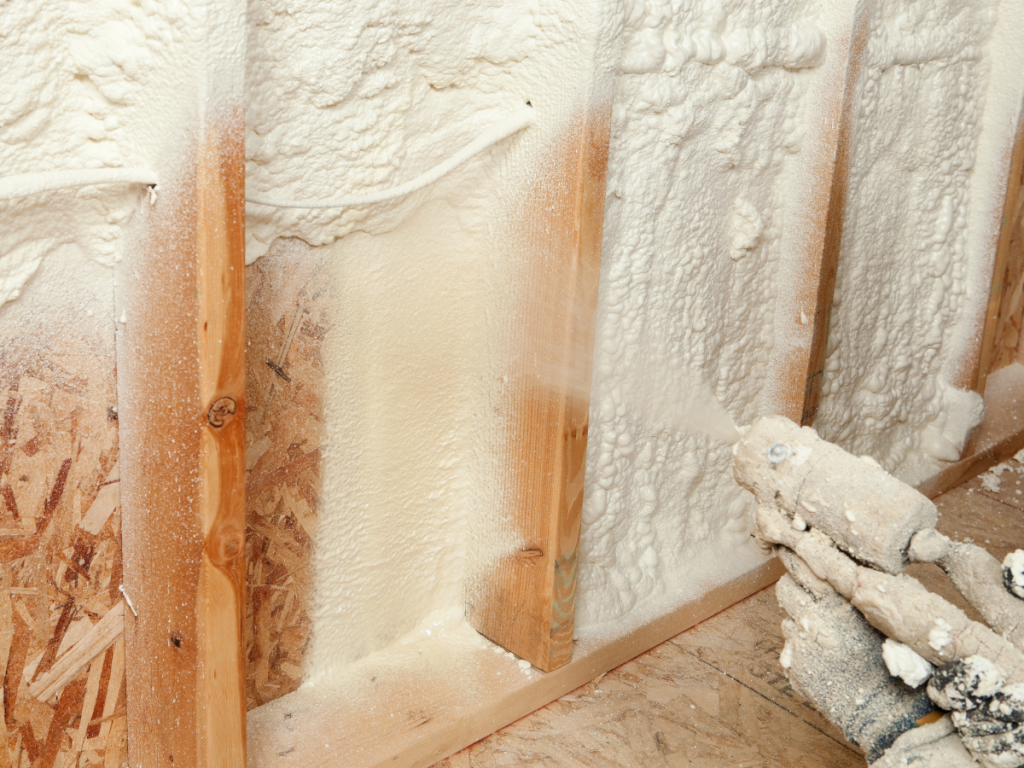
When it comes to insulation options for your home, deciding between spray foam insulation and blown-in insulation is a common dilemma for homeowners. Both effectively enhance energy efficiency and improve comfort, but each has distinct advantages and disadvantages. Understanding these key differences can help you make an informed choice that best fits your home’s needs. In this post, we’ll explore the five key differences between spray foam insulation and blown-in insulation, providing essential insights into choosing the right product for your upcoming new home project. What is Insulation, and Why Does it Matter? Before going over the specifics of spray foam insulation vs. blown-in insulation, it’s essential to understand why insulation is crucial for your home. Insulation helps prevent heat transfer and maintains a comfortable temperature by regulating heat flow. For example, choosing the right attic insulation solutions enhances your home’s energy efficiency. Since the attic is a significant source of heat loss or gain, it directly impacts both comfort and energy expenses. Heat transfer occurs through three primary methods: Insulation acts as a barrier against these heat transfer methods, making it essential for maintaining an energy-efficient home. It helps trap heat in the winter and keeps your home cooler in the summer. This improves comfort and reduces the strain on your HVAC system, which can help you reduce your energy bills. Effective insulation helps maintain proper air flow, reducing the need for constant temperature adjustments. Spray Foam Insulation: The Expanding Solution Spray foam insulation is one of the most advanced insulation options available today. It is typically made from polyurethane foam and expands when applied, filling even the tiniest cracks and gaps in wall cavities, nooks, and joists. Benefits of Spray Foam Insulation Spray foam insulation is known for its high performance in sealing areas where traditional insulation may fall short. The key benefits include: Drawbacks of Spray Foam Insulation Despite its impressive benefits, spray foam insulation does come with some downsides: Blown-In Insulation: The Versatile Choice Blown-in insulation, also known as loose-fill insulation, is made from small particles that are blown into place using specialized equipment. The material options for blown-in insulation include fiberglass, cellulose, and mineral wool, each with unique properties. Benefits of Blown-In Insulation Blown-in insulation is popular for its ability to reach tight and hard-to-access spaces. Its key advantages include: Drawbacks of Blown-In Insulation While blown-in insulation is a popular option, it also has some limitations: Comparing Cost: Spray Foam vs. Blown-In Cost is often a major consideration when deciding between spray foam insulation vs. blown-in insulation. Here’s a general breakdown of the cost factors: Although spray foam insulation provides exceptional energy efficiency and long-term advantages, blown-in insulation remains a cost-effective choice for many homeowners, especially those looking to insulate an attic or other large space. Which Insulation is Right for Your Home? The decision between spray foam insulation vs. blown-in insulation depends on several factors: Conclusion Choosing between spray foam insulation and blown-in insulation depends largely on your home’s specific needs and your budget. While spray foam offers higher R-values, better air sealing, and long-term durability, blown-in insulation is a more affordable and eco-friendly option with good energy efficiency. It’s advisable to consult a professional insulation contractor to ensure you choose the best option for your home. At American Home Water & Air, we understand that insulation is a significant investment. Whether you’re leaning toward spray foam or blown-in insulation, we’re here to help you make an informed decision. Contact us today for more information or to schedule a consultation!
What Is Blown-In Insulation? Everything You Need to Know
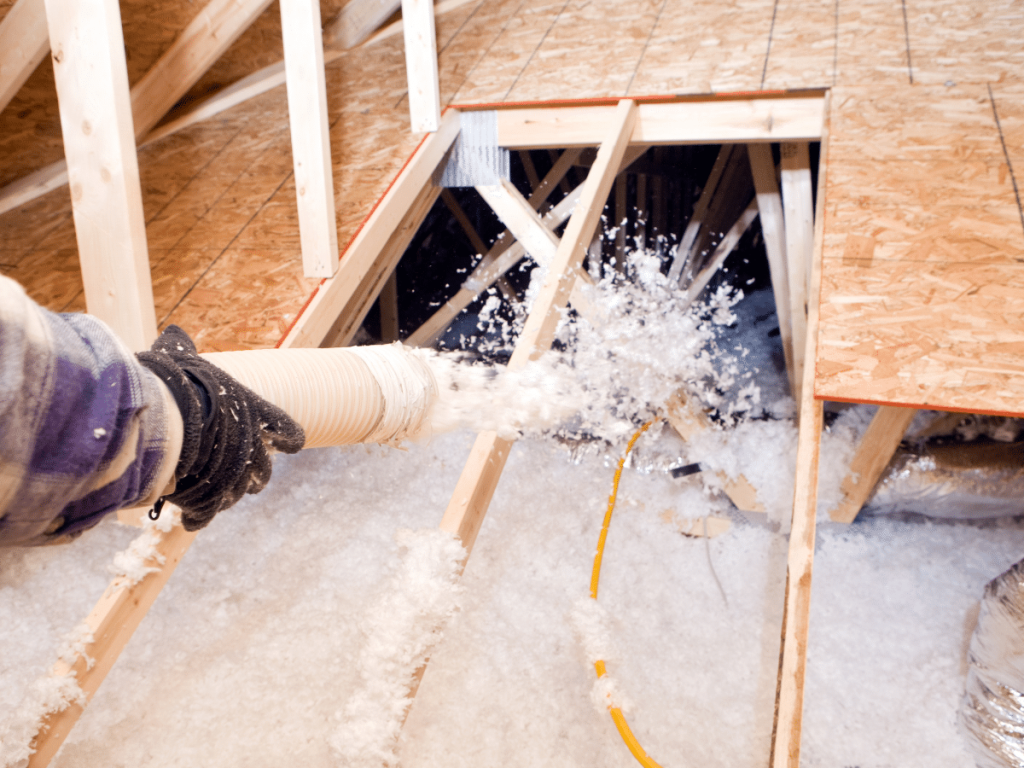
If you’ve been researching ways to boost your home’s energy efficiency or make your indoor space more comfortable year-round, you’ve likely encountered the term blown-in insulation. But what exactly is it, how does it work, and is it the right choice for your home, especially if you live in places with extreme weather swings like Arizona? In this guide, we’ll explain everything you need to know about blown-in insulation, including its materials, installation process, pros and cons, and cost. Whether you’re building new or upgrading your current insulation, this article will help you make an informed decision. What Is Blown-In Insulation? Blown-in insulation—also called loose-fill insulation—is a method of insulating your home using small, loose particles that are literally “blown” into spaces using a special blowing machine. Unlike traditional batts or rolls of insulation, blown-in insulation material conforms to whatever space it fills, making it ideal for attics, wall cavities, and hard-to-reach areas like crawl spaces. This type of insulation can improve your home’s R-value, which measures how well a material resists heat flow. The higher the R-value, the better the insulation performs, keeping your home warmer in winter and cooler in summer. How Does Blown-In Insulation Work? To install blown-in insulation, technicians use a machine called an insulation blower. Here’s how it works: Because of its flexibility, blown-in insulation is particularly effective in existing homes, where opening up walls might not be practical. Types of Blown-In Insulation Materials Not all blown-in insulation is created equal. Depending on your goals—whether it’s maximum energy savings, eco-friendliness, fire resistance, or cost-efficiency—you’ll want to choose the right material for your specific needs. Here’s a breakdown of the most common types of blown-in insulation and what sets them apart: 1. Cellulose Insulation Cellulose is one of the most widely used blown-in insulation materials, for good reason. It’s a smart, eco-friendly choice, made primarily from recycled materials like newspaper and treated with fire retardant and mold-resistant additives. Cellulose insulation is an excellent option for attic insulation, as it provides good coverage and efficiency in hard-to-reach spaces like attics. 2. Blown-In Fiberglass Insulation Composed of ultra-fine glass fibers, blown-in fiberglass is a lightweight and budget-friendly option that performs well in dry climates, such as Arizona. While it’s similar in cost to cellulose, it may settle more over time, which can affect performance in certain applications. Note: Watch for reduced effectiveness over time if not properly installed 3. Mineral Wool Insulation (Rock Wool) Made from industrial slag or molten rock spun into fibers, mineral wool offers excellent thermal insulation, top-tier fire, and sound resistance. It’s heavier and more expensive than cellulose or fiberglass, but its durability and performance often justify the cost. Note: Contains some recycled content, but not biodegradable 4. Eco-Friendly Alternatives If sustainability is a top priority, there are several biodegradable and renewable blown-in options worth considering. These include sheep’s wool, recycled cotton (often denim), cork granules, aerogel, and plant-based spray foams like icynene. Note: Consider some products like aerogel are niche and may not be widely available Now that you’re familiar with the different materials available, let’s weigh the pros and cons to see if blown-in insulation is the right fit for your home. Pros and Cons of Blown-In Insulation: What to Expect Before you decide whether blown-in insulation is right for your home, weigh the benefits against potential drawbacks. Every insulation material and method has trade-offs, and understanding them helps you make a more informed choice. Pros Cons Blown-in insulation offers excellent coverage, but it’s essential to consider how it compares to other insulation types. For example, spray foam insulation is another popular choice, but its cost and installation process differ significantly. Comparing these options—like spray foam vs. blown-in insulation—can help you determine the best fit for your home. Best Applications for Blown-In Insulation: Why It Works So Well in Attics and Walls When it comes to improving your home’s insulation, blown-in insulation shines in specific areas—particularly attics and existing wall cavities. Here’s why: 1. Attic Insulation Blown-in insulation is one of the most effective ways to insulate your attic. It covers the floor like a thick blanket, helping to trap indoor air and reduce heat gain during Arizona’s scorching summers. It can also be layered over existing fiberglass batts to boost your home’s overall thermal performance without removing the old material. Benefits of attic application: 2. Wall Cavity Insulation If your home has older walls without proper insulation, blown-in insulation is often the only practical retrofit solution. Instead of tearing down drywall or exterior siding, small holes are drilled to blow insulation directly into wall cavities. Once filled, the holes are plugged and can be patched or painted. Benefits of wall cavity insulation: Note: In older homes, wall cavities may contain obstructions like wiring or fire blocks. A skilled installer will know how to navigate around these to ensure complete coverage. Cost of Blown-In Insulation One of the most common follow-up questions to “What is blown-in insulation?” is, “How much will it cost me?” Average Costs in Arizona In Arizona, the cost of blown-in insulation ranges from $0.60 to $2.30 per square foot, depending on the material used: Material Average Cost per Sq. Ft. Fiberglass $0.50 – $1.10 Cellulose $0.60 – $2.30 Rock Wool $1.40 – $2.10 Sheep’s Wool $1.50 – $3.10 Attic insulation for a 1,000 sq. ft. home may cost between $600 and $1,200. Wall insulation could add to that, depending on labor and access. The effectiveness of your attic insulation can vary depending on the material you choose. Understanding what constitutes the best attic insulation for your home can help ensure you’re investing in the right solution for long-term energy savings. Though the upfront cost may seem steep, blown-in insulation pays off by lowering your energy bills and helping your HVAC system run more efficiently—especially in Arizona’s scorching heat. Should You Install Blown-In Insulation By Yourself? While renting an insulation blower and installing it yourself is technically possible, especially for attic spaces, professional installation is strongly recommended. A