Why Heat Pumps Need Branding: The Emerging Trends in 2023
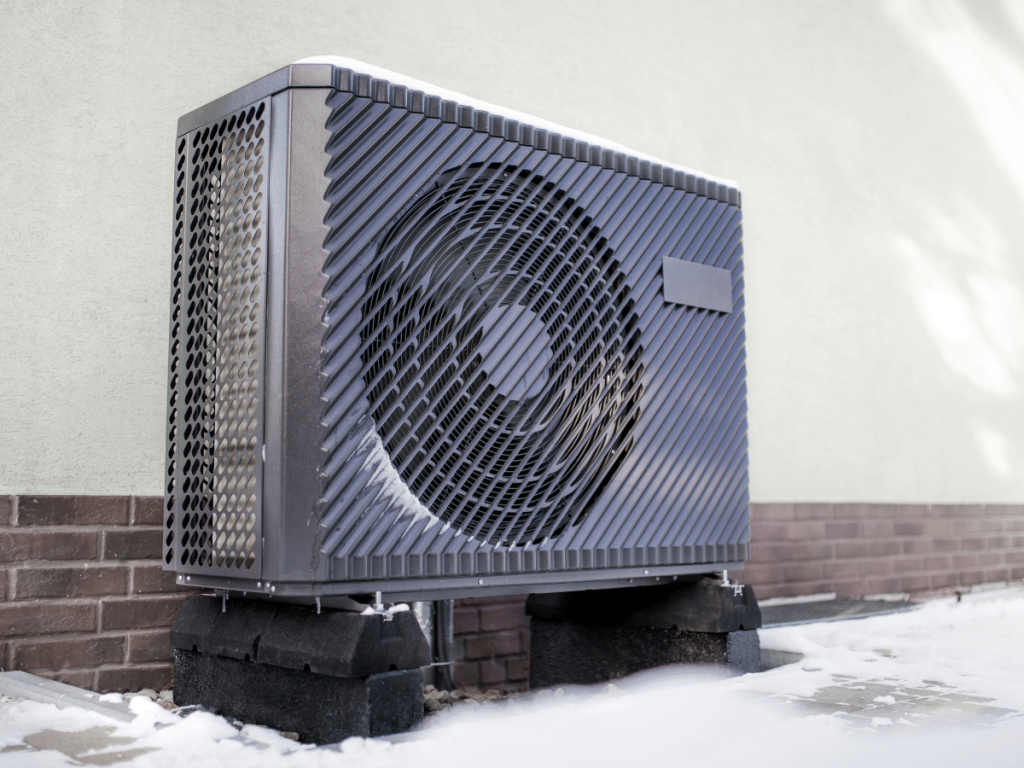
Heat pumps have proven to be invaluable as the world moves toward more carbon-neutral solutions. To ensure their continued use, however, it’s essential that these products be properly branded. This blog post will therefore go over heat pumps as a whole, as well as why heat pump branding is important in 2023. What are heat pumps, and how do they operate? Heat pumps offer an efficient means of heating and cooling homes, harnessing thermal energy from external sources like the ground, water, and air to efficiently heat or cool buildings without having to rely on traditional fuel sources like oil or gas. As an alternative source of heating and cooling, heat pumps offer several distinct advantages over traditional HVAC systems. For one, heat pumps are much more energy-efficient, as they use less power to reach desired temperatures. Additionally, these safer alternatives don’t rely on combustion-based methods in comparison to their counterparts, which is great for the environment. The fact that heat pumps can both heat and cool means they’re incredibly convenient and versatile. Add to that the fact that they tend to last longer than other HVAC systems and have a longer overall lifespan, reducing maintenance costs in the long run. Why branding for heat pumps is critical in 2023 Here are some reasons why heat pump branding is important in 2023. Establishes an identity Branding can help companies that deal with heat pumps stand out in an otherwise competitive market by giving them a distinct identity. This, in turn, increases visibility and helps with building a reputation for easier identification. In other words, developing a proper brand helps with distinction and increases the likelihood of becoming a standard household name. Builds trust Branding efforts for heat pumps that appeal to the right audience build trust among customers and make it easier to promote additional products to them. This is to say that an effective branding strategy allows for a stronger connection with target audiences, which can be beneficial in the long run for heat pump businesses. Increases credibility Successful heat pump branding also plays a pivotal role in increasing credibility, of both the company as a whole and the products being sold. Branding in the correct way shows that your company is committed to offering high-quality goods. Generates product interest As branding helps increase the brand recognition of products, this can draw in prospective buyers and inform them about the existence of heat pump technology, which would have otherwise been unheard of (especially for homeowners that have only ever had a furnace). Proper branding allows for the building and generating of interest, making effective product promotion much easier. Boosts sales Branding through methods like product messaging and heat pump ads increases product awareness, leading to more sales. Raising awareness about heat pump technology may help businesses attract additional customers to expand revenue. Builds customer loyalty Branding can also help build customer loyalty, as it asserts a company’s values and its core mission. Customers who align with a company’s image are likely to remain committed to them, increasing the likelihood of repeat purchases. Fuels innovation Heat pump businesses that leverage their brands will be effectively promoting innovation in heat pump technology. While the driving of sales, the increase in profit, and the dominance over competitors are obvious benefits, recognizable brands often boost demand and fuel innovation as alternatives and improvements spring up. As shifts towards energy efficiency and environmental consciousness become more of a priority, this will become an increasingly important benefit, as it will assist in addressing the issue of emission and carbon footprint reduction. Heat pump branding as a trend is crucial Effective heat pump branding can boost customer loyalty, create awareness, and spur innovation. As our world moves toward carbon neutrality in 2023, this will increasingly become of more immediate relevance. Businesses must brand their heat pumps effectively to stand out in the minds of customers and foster favorable reception. Branding efforts ensure customers remain loyal, so businesses looking to maximize success and remain relevant should carefully consider their branding strategies. All in all, heat pumps offer homeowners an efficient means of lowering energy consumption and costs. This is huge and creates the potential to have them be the go-to choice for heating and cooling needs. Homeowners seeking maximum comfort and efficiency through the use of a heat pump should consult an HVAC expert for installation. For this, consider American Home Water & Air. Our professionals can recommend a unit with suggestions tailored specifically for you and your home’s needs. Getting in touch with our professionals will also guarantee that your heat pump will be correctly installed to maximize unit performance and enhance longevity. Contact AHWA now!
What Should You Do When Your Heat Pump’s Aux Heat Keeps Coming On?
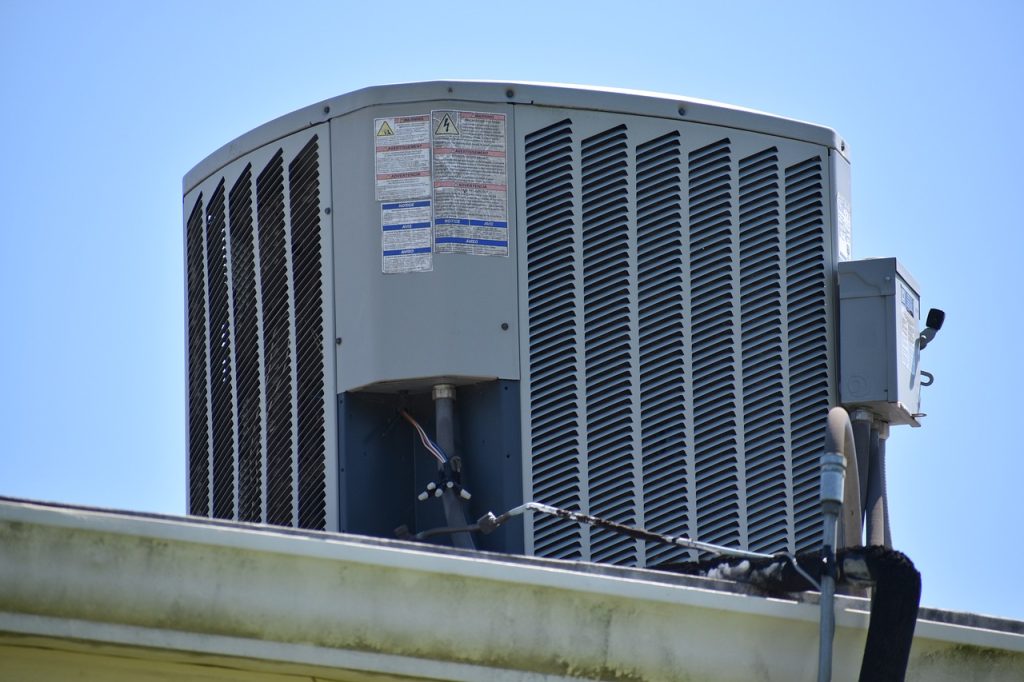
Homeowners often find themselves wondering “why does the aux heat keep coming on?” The fact is that your auxiliary heat exists to provide a burst of heat when it is needed. In Arizona, this isn’t something that happens often, but is it bad if the auxiliary heat comes on? If you find that your auxiliary heat is running constantly or you think it is running much more often than it should, you will want to find out what is causing the problem. Here’s what you need to know. What is Auxiliary Heat? Auxiliary heat is a feature that is most useful to homes found in milder climates than what you will find in Phoenix. Still, even here, temperatures can get low enough that your heat pump’s auxiliary heat function will kick on to warm up your house quickly to combat a rapidly dropping temperature outside. This, understandably, leads people to ask the question “is it bad if auxiliary heat comes on?” Typically, heat pumps employ a reverse cycle to maintain the preferred temperature you’ve set on your thermostat. This is the most efficient way to heat homes in warmer climates where the winter temperatures aren’t as persistently low as other areas of the country. However, this process can be slow to do its job, so your auxiliary heat steps into the gap and uses your electric system to give it a kickstart, rapidly turning up the temperature. Auxiliary Heat Comes On And Stays On If you are experiencing your auxiliary heat coming on more often than you think it should, you may be wondering how do I stop my auxiliary heat from coming on. There are specific circumstances that can cause your auxiliary heat to kick in and run, some are listed below: Temperature Increases Any adjustment to your thermostat of more than a few degrees can send our auxiliary heat into action. This gets things going while your heat pump catches up. The auxiliary heat will jump in and start bringing the temperature up right away instead of you having to wait. It comes in handy for situations where you’ve set your temperature a little lower, such as while you are at work, and then want to quickly warm it back up once you arrive home. Sudden Drop in Temperature If there has been a sudden drop in the outdoor temperature, it may be hard for your heat pump to do its job alone. The auxiliary heat will provide a much-needed assist, providing some extra power to get quick warmth into your home. This isn’t often necessary in weather above freezing, but in instances where the temperature dips toward 35°F or less, you may see the auxiliary heat kick in to help. Frozen Heat Pump The majority of heat pumps contain sensors to detect frozen coils. If there is a problem of this nature, the unit will go into defrost mode. The hot air inside your home will be redirected to frozen components to thaw them. In this event, the auxiliary heat can engage to help keep your home warm while part of its resources is being used to heat the part of the system in need. Some heat pumps will have an indicator that lets you know if this is occurring. This isn’t something you are likely to see much in the Phoenix area, but it’s possible if the weather becomes particularly frigid with snow and ice. Heat Pump Emergency Mode There is an emergency setting on most heat pumps. If this is engaged, the auxiliary heat will come on. Sometimes, this happens by accident and you can just turn it back off. If you turn it on for a good reason, let it run for as long as you need it, but you should try to limit it. If you are having to run it too often, you likely have other issues that need to be addressed. Auxiliary Heat Malfunctions If your auxiliary heat hasn’t come on for one of the reasons listed above or you can’t figure out why your auxiliary heat has come on, there is a problem that you need to have addressed by a licensed professional. When deciding is it bad if the auxiliary heat comes on, you need to consider why it has come on and if it should be. The signs that you need to request a service call are as follows: Auxiliary Heat is On but There is No Heat If your auxiliary heat has turned on but no heat is coming through, there is a problem with your system. There is likely something wrong with the auxiliary system itself because it is not operating as intended. Turn your system off and call for an HVAC technician to come out and make repairs. Auxiliary Heat Comes On And Stays On Your auxiliary heat is a backup function. It should rarely run. If the heat pump auxiliary heat is always on there is a problem. If you find that it is running constantly, it may be stuck or not receiving proper signals. You will need to request an inspection and repairs. Excessive Electricity Bills You may have many appliances within your home space that waste electricity, but your HVAC unit is one of the biggest consumers of power. If your auxiliary heat is running constantly, it is pulling even more power than is necessary and driving up your energy costs. This can add up over the winter months if you don’t have it addressed. Auxiliary Heat on Instead of AC If your auxiliary heat is kicking on in the middle of the summer when your air conditioning is running, this is a serious problem. There is no reason why this should happen, so if it does, you’ll want to turn off the system and request service. Thermostat Changes Don’t Engage Auxiliary Heat If you change your thermostat by more than a few degrees and your auxiliary heat doesn’t kick in, there is a problem that will require service. Takeaway If
Is A Noisy Heat Pump A Cause For Concern?
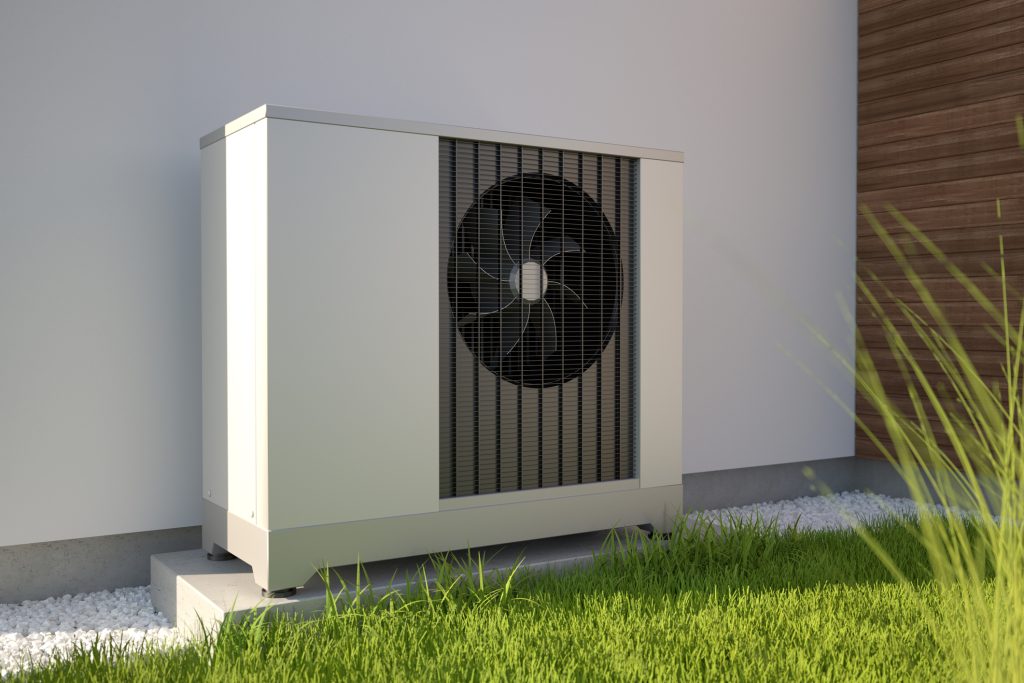
If you’re dealing with a noisy heat pump, keep reading! As your best choice among heating specialists near Phoenix, Arizona, we definitely have some info for you to keep in mind. There’s no greater feeling than keeping warm during the times when cool weather settles in (especially in Arizona). However, there can be times when a heat pump making a lot of loud noise can be distracting, and even annoying. What could be the cause? And more importantly, how can you get it to stop? In this guide, we’ll dive into what may trigger these issues and what you can do to troubleshoot them. If all else fails in terms of troubleshooting, you can rely on American Home Air and Water, your resident heating expert near Glendale, Arizona, to help you figure out the issue and take care of it from there. Remember that a properly functioning heat pump should be quiet when it’s in operation. Anything but that, and you know that you’ve got a problem on your hands. Let’s dive right in and take a look at what you can do with a noisy heat pump. How do you know when a noisy heat pump can be an issue? A potential problem can definitely cause noise from a heat pump. A noisy heat pump fan can be a symptom of something even bigger than you might expect. But don’t worry – this can be something you can try to fix yourself most of the time. Keep in mind that if all your efforts fail and your heat pump is still making a lot of loud noise, it’s best to call the professionals at AHWA. We’re experts at HVAC repairs, including heat pump issues. With that said, here are some things to look for: A louder than usual heat pump If the heat pump sounds louder than normal, you’ll hear a consistent whooshing sound. Typically this happens when the valves inside the pump are shifting. This may also happen when the heat pump itself enters defrost mode. Noises are heard when it turns on or off Whether it kicks on or shuts off, you’ll notice a noise that may occur at the same time. This can be scary if it’s something you are not used to, but you’ll quickly learn to recognize when it happens. How much noise is made can often depend on the type of compressor being used. Some heat pumps with a scroll-type compressor will also make noises when operational. Typically, these will sound more like clicks and taps when the pump shuts off. If the pump turns on, the noises will be more rickety, something like putting a sneaker in a dryer and starting it up. The overall effect may sound like the entire unit is bouncing around, but this is normal and part of its normal function. Metal on metal sounds If the heat pump sounds like metal rattling against each other, this may be one of those times when a noisy heat pump fan can be a problem. If this happens, you’ll want to shut off the heating unit as soon as possible. From there, you’ll need to take a look at the fan. The noises can be caused by the fan making contact with an object. Typically, this can be a loose component or other small objects inside the unit. Either way, you do not want to keep the fan running under any circumstances in this situation. Otherwise, you risk destroying not only the fan itself but also the motor. Repairing this can be very expensive. Humming noise If the heat pump is humming, you can easily solve the problem after identifying the underlying cause. If there are any vibration noises, you can place rubber pads where needed to buffer them. If the sounds are rattling louder, you could consider checking to see if the cover panel is secured properly. If it isn’t, make sure to go ahead and tighten the screws. These are just a couple of common solutions. If nothing else seems to work and the noises persist, you should consider calling a professional like AHWA. Buzzing, gurgling, or grinding sounds If your heat pump makes intermittent buzzing noises, this can be due to what may be going on inside the pump. Your components, such as the coils, could be having an issue. If it’s gurgling, check if the refrigerant charge levels are low. Last but not least, if you hear any grinding, check to see if the motor is working properly. These grinding sounds can mean that the motor may be on its last legs. It’s important that you check your heat pump regularly to stay on top of these issues. Some of these may happen right under the radar. And we won’t notice them until it may be too late. Maintenance tips If you want to keep things in good shape, we have some maintenance tips for you to consider. Here’s what you should do regularly: Final Thoughts If you notice a noisy heat pump, then you can usually resolve most problems if they end up being simple fixes like what we’ve covered. However, it’s important to act on it as soon as you pick up on it before further damage is caused. If the simple fixes are not enough, you can contact American Home Water & Air. We are your heat unit experts near Scottsdale, Arizona, that will help figure out the problem if all options are exhausted. If you are having trouble with your heat pump, contact us. Contact us today at 602-993-0083, and we’ll be happy to help you with your heat pump needs.