Heat Pump Pros and Cons
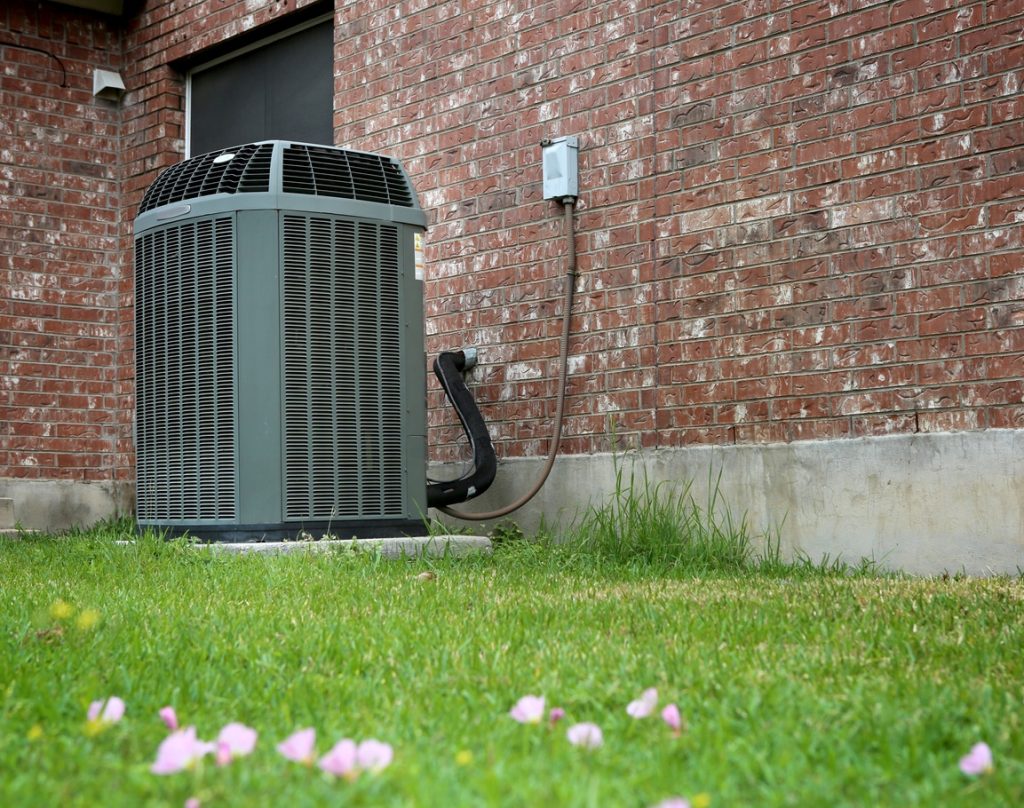
Heat pumps can be a great way to heat and cool your home, but like any other system, they have their advantages and disadvantages. Here are some of the most important heat pump pros and cons: Heat Pump Benefits There are many reasons to install a heat pump in your home, so to discuss heat pump pros and cons, let’s start with the advantages. Heat Pump Disadvantages What are the disadvantages of a heat pump? Here are some of the most prominent issues. Many heat pump pros and cons depend on your specific needs and circumstances. It is always best to consult a knowledgeable HVAC expert to determine if a heat pump is the right choice for your home. Heat Pump Efficiency When talking about energy efficiency, you can’t beat heat pumps. They are more energy-efficient than other heating systems for several reasons: Heat pumps offer significant energy savings when compared to other heating appliances, and they are an environmentally friendly option that can help reduce your carbon footprint and lower your energy bills. Geothermal Heat Pumps If considering a heat pump, you should also look into the geothermal variety. The main difference between geothermal heat pumps and regular heat pumps is the source of heat they use to heat and cool a building. While regular heat pumps extract heat from the outdoor air to provide warmth in the winter and remove heat from the indoor air to provide cooling in the summer, geothermal heat pumps use the earth’s constant temperature to heat and cool your home. Regular heat pumps can be air-source or water-source, depending on where the heat exchange takes place. Air-source heat pumps extract heat from the outdoor air and transfer it indoors using a refrigerant, while water-source heat pumps extract heat from water drawn from a nearby body of water or a well and transfer it indoors. Geothermal heat pumps use a ground loop system to extract heat from the ground, which remains at a relatively constant temperature throughout the year. A series of pipes are buried in the ground and filled with a liquid, which absorbs heat from the ground and carries it to the heat pump, where it is used to heat or cool a building. Because the ground temperature remains relatively constant, geothermal heat pumps are even more energy efficient than regular heat pumps. Like their heat pump counterpart, geothermal heat pumps also come with their own pros and cons. Geothermal heat pump pros and cons include the following: Geothermal Heat Pump Pros Geothermal Heat Pump Cons American Home Water and Air for Your Heat Pump Installation If you are considering either type of heat pump, you’ll find they are an excellent choice on many levels. While they aren’t always an ideal choice for climates where temperatures drop significantly in the winter, they are worth considering for the milder weather in Arizona. Contact your HVAC professionals at AHWA if you’d like to learn more about getting a heat pump installed in your home. We can help you find the best option to fit your needs and budget.
Modern Indoor Air Quality Solutions
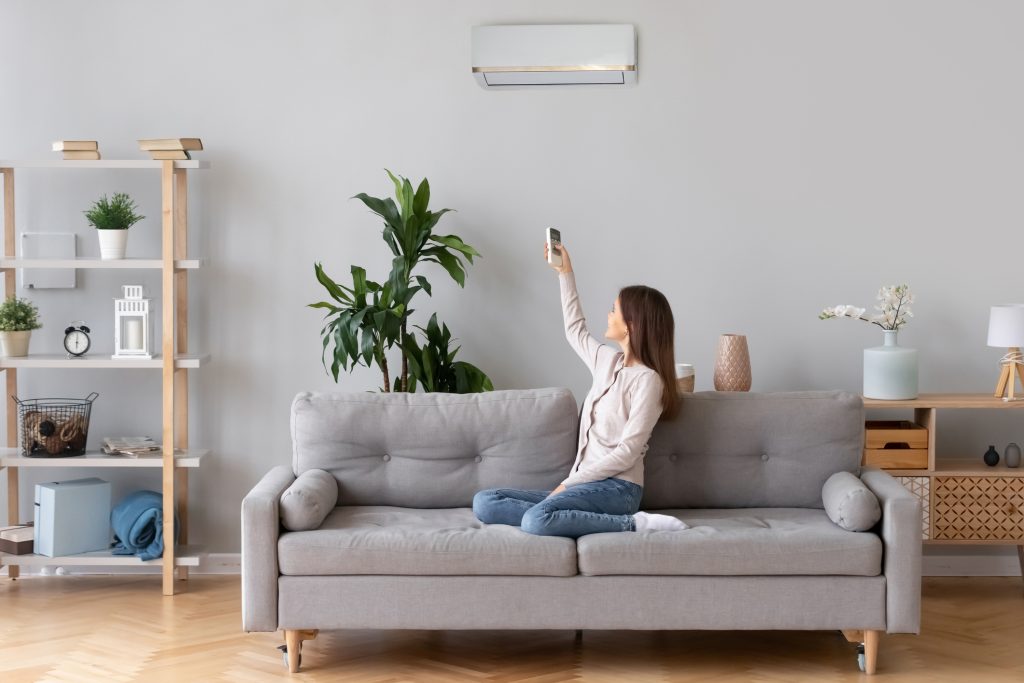
If you want to improve the air quality in your home, it may be worth checking out this guide. American Home Water & Air is your HVAC service in Phoenix, Arizona, providing you with excellent ways to improve your HVAC indoor air quality. If you want indoor air quality solutions that are guaranteed to work in your favor, you’re in the right place. Improved air quality can do wonders for those who may have health and allergy issues linked to poor air quality, be it indoors and outdoors. These solutions may involve inspecting your HVAC system and potentially hiring a professional to make any needed improvements. Most of these solutions are DIY, so they should be fairly easy for you to implement. With that said, here is a list of modern indoor air quality solutions to consider: Change the AC filter First off, the dirty AC filter will need to be changed. It will collect and filter a lot of the air pollutants that are common throughout homes. It can get to the point where these pollutants can gain access into your home once the filter is no longer useful. That’s why it is important to inspect them periodically to determine when a good time to change them may be. Does AC improve air quality? It definitely does, as long as the filter is in good working order. Change the other air filters for other appliances as well Other air filters should also be changed when needed, and there may be several throughout your home that require it. Many household appliances may have air filters of their own including kitchen vents, dryers, and even vacuum cleaners. You can be sure that changing out your air filters will certainly increase indoor air quality ventilation. Don’t believe us? Try it out for yourself, and you’ll see what we mean. Use stove vents when cooking Did you know that depending on your cooking space and ventilation setup, you could be spreading indoor pollutants whenever you cook in your kitchen? This is usually due to the gas that powers your stove range. Specifically, the pollutants known as nitrogen dioxide and even carbon monoxide, which are released in small amounts when cooking, can be harmful to your health if they build up. While most kitchen setups are designed to prevent this, when combined with specific types of cooking, you might find these gasses building up during long cooking sessions. High levels of carbon monoxide can also lead to carbon monoxide poisoning, which can be dangerous to your health. If you are running a gas stove, you’ll want to use your stove vents and exhaust. Alternatively, you can switch to an electric stove, which will greatly reduce the amount of these gasses that are being released. Humidity control If there are areas where humidity is high in your house, a dehumidifier gets the job done. Not only that, controlling humidity in your home will keep the mold growth at bay. Mold growth can severely reduce the air quality and trigger all kinds of illnesses and allergies. The more humidity that’s reduced in your home, the better the air quality will be. Mold growth can lead to expensive remediation measures if you fail to monitor or prevent any growth from happening. Do the best you can and inspect potential problem areas including inside your air ducts. Install a carbon monoxide detector in your home Revisiting the issue with carbon monoxide from earlier, you’ll want to install a carbon monoxide detector inside your home. The gas is odorless, colorless, and tasteless. But it can be fatal. For this reason, installing and monitoring a detector will be your best bet against carbon monoxide. At the same time, you may want to check out any problem sources including boilers, heating appliances that are badly fitted or maintained, or any blockage in your chimney. Speaking of deadly gasses, it wouldn’t hurt to have a radon test done to see if there are high levels of it kicking around. Vacuum regularly Regularly cleaning your house can also increase the air quality in your home. Vacuuming should be one of those things you should normally do regularly. You have plenty of vacuums these days that will have air filters built in. Not to mention, it also does a good job of getting rid of dirt and dust. Plus, dust mites won’t be much of a problem. Have your HVAC system maintained regularly This is definitely a job best left up to the professionals. It comes at a cost, but an HVAC cleaning service near Surprise, Arizona might just be one of the best indoor air quality solutions today. Let’s just say it’s worth every penny for a regular service. Also, it wouldn’t hurt to have the air ducts cleaned regularly and clean the AC drain lines as well. You pay for what you get with professional service, but it’s always worth the investment if you’re looking to keep the air quality in your home better than ever. Consider using air purifiers Many homeowners will use air purifiers that can help increase the air quality throughout their whole homes. Find one that fits your preferences, needs, and budget and you’ll have one of the best ways to keep air pure in your home. Prohibit smoking indoors Needless to say, cigarette smoke can release toxins into the air. Even second hand smoke can be a cause for lung cancer and all kinds of health problems. If you smoke, do it outside. If you know someone who smokes, implement the ‘smoke outside only’ rule in your home. No exceptions at all. Also, make sure you are consistent with this. We may slip up at times and smoke indoors once in a while, and it’s fine. But remember that for maintaining air quality in your home, it’s better to keep your smoking sessions outside the home. Improve your home’s air quality today Hopefully, these indoor air quality solutions prove to be helpful in improving your home.
Air Scrubber vs. Air Purifier Differences: Which One is Right for You?
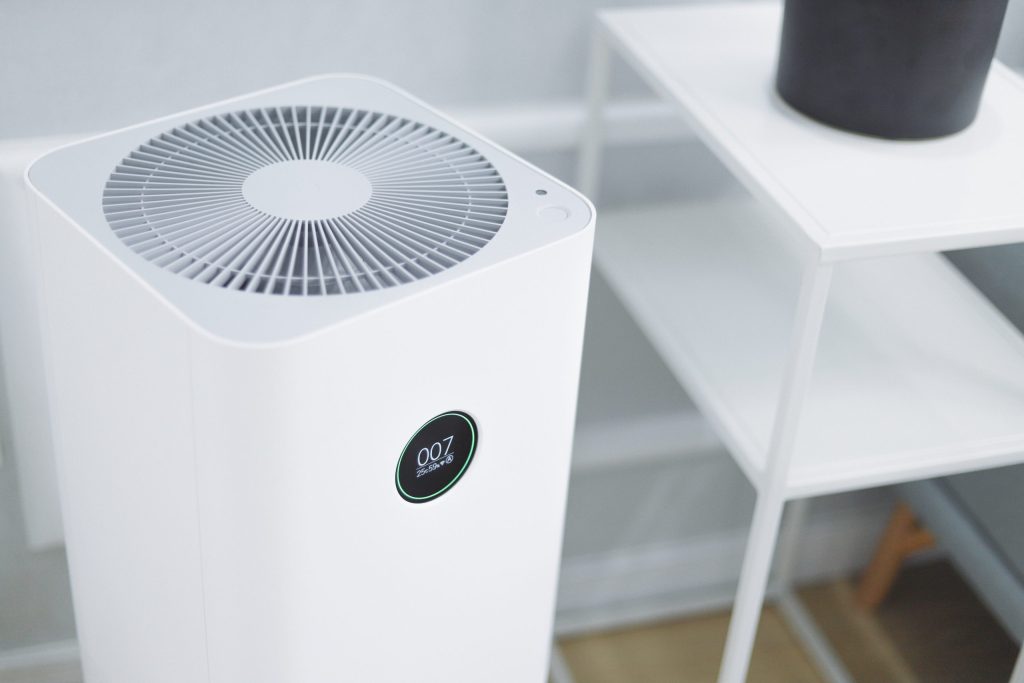
The debate to determine which is better between an air scrubber vs. an air purifier will never end soon. Air scrubbers and air purifiers help clean the air, but there are some key differences between them. For instance, air purifiers work by trapping particles in a filter, while air scrubbers work by emitting ozone into the room to kill bacteria and viruses. Which one is right for you? In this article, we’ll discuss the difference between these two types of machines, how long you should run them, and which type is ideal for your needs. But before we get into the details, let’s first find out what these devices are. What’s an Air Purifier? An air purifier is a device that you can use to clean the air in your home. Homeowners often use them in areas with an unusually high amount of dust, pollen, or mold spores floating around. People with asthma and allergies commonly use them because they effectively remove these irritants from the air. What’s an Air Scrubber? An air scrubber is a specific air purifier that uses activated carbon to remove toxins from the surrounding environment. It works very similarly to your faucet water filter, which removes contaminants so that you can drink clean and healthy tap water. Air Scrubbers vs. Air Purifiers There are many ways air scrubbers and air purifiers relate and differ from each other. Here are a few key points to consider. Air Scrubbers Can Work in Both Large and Small Spaces; Purifiers are Limited Air scrubbers are generally designed to cover larger spaces, not just one room. They can work in both commercial and residential spaces thanks to their large airflow capabilities. On the other hand, purifiers can only effectively clean a limited amount of space at any given time. Depending on which model you choose, they usually purify the air around 200 square feet of space or less. Therefore, if you’re looking for an air purification solution for your residential space, an air purifier is the ideal option. Are Air Scrubbers Great for Both Indoor and Outdoor Environments? When you choose an air scrubber, it improves your indoor air quality and helps purify the planet. That means when you clean your home with a proper air scrubbing device, you not only eliminate contaminants in the air inside your home but outside as well. On the other hand, an air purifier is ideal for your air quality inside the home alone. An air purifier’s powers and capabilities are limited to confined spaces, making them only effective for indoor use. Air Scrubbers are More Efficient than Air Purifiers Air scrubbers can purify the air of any room up to four times per hour. In comparison, air purifiers can only work one to two times per hour. Air scrubbers are also better than air purifiers in catching smaller particles such as mold and bacteria, making them more efficient for allergy sufferers. In addition, many air purifiers come with a pre-filter that needs changing after each use. You’ll also have to regularly replace these filters throughout the year for optimal performance of your device. In other words, air purifiers are expensive, while air scrubbers are cost-efficient. Is an Air Scrubber Safer for Children and Pets Than an Air Purifier? Most air scrubbers don’t have a child lock safety feature, so they may put children and pets at risk. If the device is unsecured, kids can easily reach it and push buttons that increase the fan speed or change its settings without your knowledge. On the other hand, air purifiers come with child/pet lock features to help protect them from children and pet interference when you’re away. If you have pets, you should know that most animals are susceptible to smells and odors. They could be irritated by strong scents coming from an activated air purifier. Air Scrubber vs. Air Purifier: Which One’s Best for You? Depending on your air purification needs, you can always choose between an air scrubber and a purifier. Air scrubbers remove contaminants from the air while keeping odors and scents intact. An air scrubber will always meet large-scale and small-scale air purification needs, making it a better option than a purifier. It has a higher air-purifying efficiency and is more durable. Since air scrubbers have more pros than air purifiers, they stand out as the better for homeowners with large-scale needs and for commercial setups. Air Scrubber vs. Air Purifier: FAQs Some of the most common questions homeowners ask about air scrubbers and air purifiers include: How Long to Run an Air Scrubber? An air scrubber should be run for a minimum of 24 hours and a maximum of 48 especially when removing dust particles, pollutants, and mold from the air. How Long to Run an Air Purifier? You should run an air purifier for about 12 to 24 hours before cleaning it for the next cycle. Air purifiers need regular maintenance, which means you’ll have to pause the purification process now and then to reinstate it to perfect working conditions. Do Air Scrubbers Eliminate Mold? Air scrubbers will eliminate mold easily, provided that they have enough airflow and original HEPA filters. Anything less than that will present challenges when dealing with mold elimination. Bottom Line Air purifiers and scrubbers are both important devices that everyone should have. They both work to create a healthy environment by removing dust particles, polluting agents, and mold from the air you breathe daily. For commercial setups and large-scale air purification needs, it’s best to use air scrubbers. Air purifiers will be your best shot if your needs are much less extensive.
How Do Air Scrubbers Work? Everything You Need To Know
Air scrubbers have become very popular over the past few years. But how do air scrubbers work? Are they legit? In this post, we’ll explore these questions to help you understand whether you could benefit from using one of these devices in your home. What Are Air Scrubbers? An air scrubber is a piece of HVAC equipment that removes contaminants from the air inside your home. You can think of it as a supercharged air purifier. While you’d typically use a purifier to treat a single room, a scrubber treats your entire house. Types of Air Scrubbers There are two main types of air scrubbers on the market. Portable Air Scrubbers Portable air scrubbers are most commonly used during renovations or other large-scale indoor projects that might spew a lot of contaminants into the air. They’re not designed to be permanent fixtures in your home, which is why you usually see them marketed as daily or weekly rentals. You can also tell portable air scrubbers aren’t meant to be permanent based on their appearance. These are typically large industrial-looking units designed to be paired with exhaust tubes that lead the contaminated air outdoors. Integrated Air Scrubbers Integrated air scrubbers are the kind that we install as part of our air conditioner service in Phoenix. These small units connect directly to your home’s HVAC system and work constantly in the background to purify your air. Unless you’re doing a major renovation at home, this is the type of air scrubber you need. A heavy duty portable unit is overkill in most cases. How Do Air Scrubbers Work? Air scrubbers draw air from your home and pass it through a series of filters. These systems (which include PCO photacatalytic purifiers) actually kill the harmful pathogens, unlike filters that simply trap them. It doesn’t stop there, though. Air scrubbers also release ionized oxidizers that flow throughout your home. These oxidizers are negatively charged, meaning they attract positive ions like odors, smoke, and more. The ions act like those anthropomorphic soap suds you see in the Scrubbing Bubbles commercials, effectively ‘scrubbing’ your air. What Do Air Scrubbers Do? Now, you may be wondering what air scrubbers actually remove from your home. Do air scrubbers work for mold, for example? The answer is yes. Air scrubbers remove a variety of pathogens and contaminants, including mold. They can also remove allergens like dust mites, pollen, and mold spores. According to Honiron, air scrubbers are capable of removing 99% of these airborne particles. Can Air Scrubbers Remove Coronavirus Particles? Coronavirus (COVID-19) is one of the reasons air scrubbers have gotten so popular recently. There’s a lot of concern about sanitation in general. Since many experts believe that COVID-19 is airborne, people are taking their air quality very seriously. To be clear, however, it’s uncertain whether air scrubbers will actually protect you from COVID-19 if, say, someone with the disease sneezes in your home and the particles remain airborne. COVID-19 is simply too new for scientists to have a solid understanding of what kills it and what doesn’t. Here’s what we do know. Do air scrubbers work for mold and other airborne contaminants? Yes, they work very well. While one might assume effectiveness in this regard would carry over to other types of airbone pathogens, the truth is that we simply don’t know right now. Are Air Scrubbers Worth It? COVID-19 aside, an air scrubber is a valuable addition to your HVAC setup for several reasons. Let’s explore those now. Indoor Air Quality In America Is Horrendous According to the Environmental Protection Agency, concentrations of pollutants is often 2-5x higher indoors than outdoors. That’s pretty staggering when you consider the levels of smog and pollution that plague most American cities. An air scrubber (along with regularly cleaning your air conditioner) can help. Air Scrubbers Are More Effective Than Most Filtration Systems As mentioned earlier, conventional air purifiers only work in single rooms. An air scrubber is a much more economical way of purifying your entire house. The device connects directly to your HVAC system and cleans air all throughout your home. You’ll forget it’s even there! An Air Scrubber May Increase Your Home’s Resale Value You never know who will be interested in buying your home down the line. It could be someone with respiratory problems. Having an air scrubber installed is an asset in such situations. You’ll have taken care of a major concern for them before they even move in! You Might Save On Your Electricity Bill With An Air Scrubber If you find yourself constantly running exhaust fans in your kitchen to get rid of lingering odors, you might find it much more useful to simply install an air scrubber. The scrubber will do most of the work behind the scenes. How Many Air Scrubbers Do I Need? This is another common question we hear from people. For day-to-day residential purposes, a single Air Scrubber Plus (like the ones we sell) should be sufficient. If you’re using air scrubbers for a construction project, howeer, you’ll need to do some calculations. There’s a metric known as air changes per hour (ACH) that describes how many times an enclosed space’s air gets filtered per hour. Different applications have different ACH requirements. For residential purposes, experts generally recommend a minimum of 6 ACH. Clearing critical contamination levels in large facilities like hospitals often requires an ACH of 12. To determine how many air scrubbers you need, you’ll have to take this measurement and compare it to each unit’s cubic feet per minute (CFM) rating. Here’s the formula: Room volume in cubic feet multiplied by your required ACH divided by 60. The resulting number tells you how much CFM your project requires. In some cases, you’ll be able to achieve this through a single air scrubber but you may need to combine several. This isn’t a process to be taken lightly. Depending on your project, getting this calculation right could mean the difference between life and death. We’re