Why Does Phoenix Water Taste Bad? How to Make Tap Water Taste Better
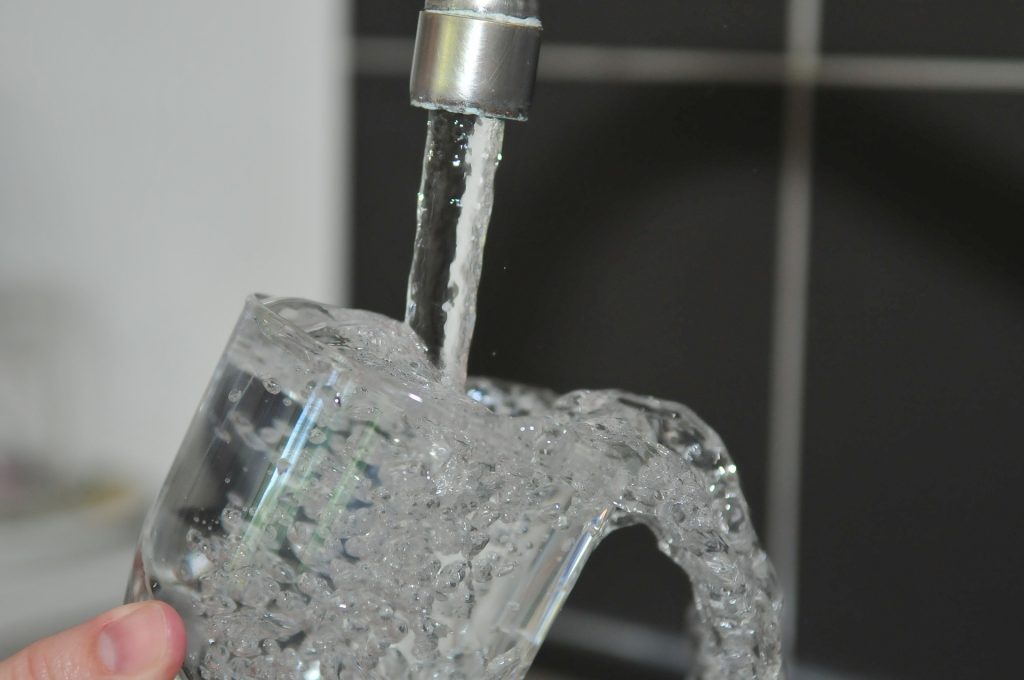
Did you know that pure water has no taste? If your water has some taste, it’s essential to know how to make tap water taste better. Drinking water is a must-have to beat the in Phoenix. Thankfully, there are many ways to improve the taste of tap water, especially if you live in a place like Phoenix, Arizona. Sources have revealed that most taps in Phoenix produce water with an unpleasant taste. But that doesn’t mean Phoenix water is unhealthy to drink. So, you don’t need to worry about anything as you can still make the water taste sweet and better. In this guide, we’ll discuss some of the reasons Phoenix tap water tastes bad and how to make the water taste better. Keep reading to gain more insights into the topic. Why Does Phoenix Water Taste Bad? If you live in the Phoenix area, you are probably wondering, “Why does Phoenix water taste bad?” The bad taste in water could be as a result of the following factors. Now, let’s delve a bit deeper into each of the causes of bad taste in water. In the Phoenix area, tap water contains naturally occurring minerals which get dissolved or absorbed from the ground into the water system. Such minerals include calcium and magnesium, which are even responsible for water hardness in the region. If you drink tap water with some of these dissolved minerals, it will taste salty. Some people would say that it tastes bitter. Although the hard water doesn’t pose significant risks to human health, the hard water can cause devastating impacts in your home. In a nutshell, here are some of the negative impacts of hard water (dissolved minerals). It’s no secret that every water treatment plant in the Phoenix area adds chlorine into tap water to disinfect it. When added to water, chlorine kills all the microorganisms present, including viruses and bacteria. However, it can also add a ‘bleachy’ taste into water. Chlorine plays a significant role in maintaining the quality of drinking water that runs through pipes to different homes in Phoenix. As water leaves treatment plants, it tends to have high chlorine concentrations, which then reduces as it moves along pipes. If you live near a water treatment plant, the chances are high that the chlorine taste will be stronger than if you stay farther. Also, if your senses of smell and taste are very strong, you’ll always know if the chlorine levels in your tap water have changed. Also, the chlorine taste in tap water can be more noticeable during the days when water usage is very high. That’s because the water will be reaching you quicker. So, the chlorine taste will be stronger than when the water remains standing in pipes. If the chlorine taste in tap water is unbearable, you can fill a jug with the tap water and store it in your fridge. Ensure that you keep the jug covered during refrigeration, but not for over 24 hours. The water will chill, lose the chlorine taste, and taste better. Although consuming high concentrations of chlorine can be harmful, the trace amounts in tap water is safe for consumption. Thankfully, the Environmental Protection Agency regulates the amount of chlorine used in tap water to make it safe. The age and type of material used in plumbing systems have also influenced the taste of tap water in the Phoenix area. If you use metallic plumbing systems in your home, such as copper, zinc, iron, and manganese, they can cause bitter tastes when leached. If your home’s plumbing system consists of copper, it can corrode over time and cause the water to taste bad. Notably, homeowners will only taste copper at concentrations of 1.3 milligrams per liter, but such levels don’t pose any significant risk to human health. Also, the use of a galvanized plumbing system may cause zinc to dissolve in tap water when the pipes corrode. Iron and manganese occur naturally in most water sources, but they cannot cause health problems when available in low concentrations. In most cases, you’ll feel the bitter and sharp tastes of metals when you install new metal pipes in your plumbing systems. However, the metallic taste will reduce with time as pipes develop a protective layer of metal oxide to prevent it from dissolving further. How to Make Tap Water Taste Better Although drinking tap water is economical and environment-friendly, dissolved minerals and chlorine can make it taste bad. Thankfully, there are many ways to make your water taste sweeter. You no longer have to buy bottled water for drinking at home. Here are the four best ways to make your tap water taste better. As one of the most effective filtration processes, reverse osmosis can make tap water in Phoenix to taste sweeter. The process helps to remove chlorine and dissolved minerals that cause the water to be hard and taste bad. Additionally, reverse osmosis filtration can remove potentially harmful chemicals and other contaminants present in water. Such impurities can pose significant risks to your health. Some of the contaminants include radium, lead, chromium, barium, and arsenic. In the Phoenix area, reverse osmosis filters remove up to 97 percent of organics, heavy metals, and pesticides present in water. If you live in the region, install the filtration system in your home to enrich the taste of food and spend less on bottled water. So, how does the reverse osmosis filtration works? Let’s break it down. Installing a reverse osmosis filter in your house will provide a permanent solution to the strange taste of your water tap. However, there are other filtration processes that can also purify tap water. Carbon activation involves heating or steaming of carbon to open pores and increase its surface area to hold more contaminants. When incorporated in carbon filters, activated charcoal will remove contaminants available in the tap water, including chlorine. According to NSF, activated carbon filters can remove around 60-80 chemicals. Also, the Environmental Protection Agency (EPA) in
How to Change a Reverse Osmosis Filter Without Breaking It

Knowing how to change a reverse osmosis filter is key if you want to harness the benefits of these systems for years to come. In this post, we’ll tell you everything you need to know about doing this, including how often you should change your filter. Why Should You Change Your Reverse Osmosis Filter? Your reverse osmosis system contains filters designed to trap sediment and other undesirable contaminants. While much of these particles get washed away (read more about that here), some will inevitably remain trapped in the filter. Eventually, the filter won’t be as effective as it should be. When this happens, you’ll find the system becomes wasteful and does not purify your water adequately. How Often Do You Change Reverse Osmosis Filters? Our reverse osmosis systems in Phoenix come with either four or five stages of filtration. This is partially what makes them so advantageous over other methods of filtration, such as distillation. Here’s a breakdown of when each stage generally needs to be replaced and the considerations you should make. Sediment Filters: Annually Sediment filters trap large particles like dirt and even some chunks of calcification. You can get away with changing your sediment filter once a year as long as you have a good water softener in place to catch most of the larger mineral buildup. If you don’t have a softener, your sediment filter is likely working harder than it should as these products are not really designed to remove heavy amounts of minerals. As such, you’ll need to check on it at least twice a year. Learn more about installing a water softener here. Carbon Filter: Annually Carbon filters remove chlorine (which does pose some health risks, as we discussed in this article), some particles, and volatile organic compounds. They also remove particles that can make your water taste and smell funny. You should change your carbon filter at least once a year to ensure those aforementioned harmful contaminants are removed. Polishing Filter: Annually No, water polishing doesn’t make your water shinier. Rather, it’s the removal of microscopic particles and contaminants that exist in very low concentrations. You can think of it as the crucial “finishing touches” that ensure your water is fully clean and safe for you to drink. How to Change the Filter on a Reverse Osmosis System Now that you know how often to change your reverse osmosis filters, let’s discuss how you actually go about doing this. These instructions are general; make sure you refer to your filter’s manual for specific directions. Step 1: Acquire the Right Replacement Filters Replacement reverse osmosis filters aren’t just one-size-fits-all. To avoid damaging your filter’s housing, buy whatever filters the manufacturer recommends. Once you buy your replacement filters, keep them in the packaging until you’re ready to use them. If you take the filter out prematurely, you’ll find that it traps dirt and air from its surroundings, which will reduce its lifespan. Step 3: When You’re Ready to Install, Wash Your Hands Thoroughly You’ll be placing the filter into a tight and damp space. As such, any bacteria you transfer from your hands onto the filter will grow and fester. To avoid this, wash your hands thoroughly with water and soap before you remove the filter from its packaging and begin the installation process. Step 4: Prepare the Reverse Osmosis System for Maintenance You’ll need to: shut off the water supply shut off the valves leading to your system’s storage tank and refrigerator (if applicable) activate the reverse osmosis bypass valve (this will allow water to continue flowing to your faucet, avoiding the filter) It’s also a good idea to place a container (such as a shallow dish) underneath the filter housing. This will catch any water that happens to spill out of the system when you unscrew it. Step 5: Pinpoint Which Housing Contains the Filter You Need to Change Most reverse osmosis units store the different types of filters in specific compartments. The exterior of each compartment should have text indicating what lies inside. After you’ve identified which of the aforementioned filters needs replacing, find the appropriate compartment and prepare for the next step. Step 6: Unscrew the Compartment in Question If the compartment’s lid or base doesn’t unscrew, check the owner’s manual to see if there’s some other mechanism through which you’re supposed to access the filter. Depending on how tightly the compartment is screwed in, you may need to use a dedicated wrench. Your reverse osmosis should have come with one appropriately-sized to fit around the housing. Note About Changing Reverse Osmosis Water Filters If you’re looking to change the actual reverse osmosis membrane, you’ll likely find that there’s a separate compartment resting horizontally above the others. Removing this membrane usually requires pushing on a tab, removing the tubing as it comes out, and then pulling the membrane out of that compartment. This membrane can often be fairly stuck in place; you might find it necessary to use a pair of pliers to get it out. Other than this step (and, naturally, the reverse of it on the replacement side), not much differs when it comes to replacing the membrane vs other types of filters. Step 7: Inspect the O-Rings Near where each compartment screws in, you’ll find at least one or two o-rings, also known as gaskets. Now’s a good time to inspect each o-ring to see if it has any tears or other types of damage. If you spot any damage, you’ll want to replace the o-ring in order to avoid leaking. If everything looks good, simply store the o-rings in a safe spot where they won’t get lost or be subjected to damage. Step 8: Remove the Existing Filter and Wash the Housing The existing filter should very easily slide out of its housing. You can toss this in the trash (make sure you look into your local disposal regulations so you throw it in the right bin). Once the existing filter has been removed, give
Is Reverse Osmosis Water Acidic? How To Test Yours
Reverse osmosis systems are among the most popular residential water filters. But is reverse osmosis water acidic? Are the masses mistaken in trusting them? Keep reading for the answers to these and more questions. Is Reverse Osmosis Water Acidic or Alkaline? Put simply, yes, reverse osmosis water is acidic. While the pH level of tap water in Arizona ranges from 7.1 to 8.4, reverse osmosis water hovers around the 6.5 mark, representing greater acidity. Is this going to have an impact on your health? Probably not. The Environmental Protection Agency states that water with a pH of 6.5 is perfectly safe to drink. This isn’t exclusive to reverse osmosis filters, by the way. Also popular are whole house filters in Phoenix, which will increase your water’s acidity as well. As you’ll see shortly, this all comes down to what these filters remove. What is Acidity, Anyway? Acidity is the opposite of alkalinity. Higher numbers on the pH scale represent greater alkalinity. The scale works logarithmically, with each number representing a 10-fold increase in alkalinity or acidity compared to the previous digit. That would make reverse osmosis water with a pH of 6.5 10 times more acidic than unfiltered water with a pH of 7.5. Before you panic and start telling all your friends to rip out their reverse osmosis systems, though, it’s worth taking a look at the pH levels of other substances: In other words, you consume liquids far more acidic than alkaline water on a daily basis. Why is Reverse Osmosis Water Acidic? Warning: This gets a bit nerdy. According to Scientific American, acidic liquids easily transfer hydrogen ions into a solution. Weak acids (like reverse osmosis water) do this very easily. Alkaline liquids work in the opposite manner. The more alkaline something is (i.e. the higher it is on the pH scale), the easier it will accept hydrogen ions. So why is reverse osmosis water acidic? Well, it’s all thanks to the filtration of alkaline mineral atoms. As we discussed in this post, reverse osmosis filters remove minerals like calcium and magnesium from your water. Should you worry about the removal of these minerals? After all, calcium and magnesium are good for you, right? While it is important that you ingest your required daily intake of those minerals, you’re not going to achieve that with water. Your body gets the bulk of its calcium and magnesium from your diet, which is why soft water is considered safe to drink, as we discussed in this guide. Would Reverse Osmosis Water Impact an Alkaline Diet? Given reverse osmosis water’s acidity, one might question whether it would counteract something like an alkaline diet. The idea behind alkaline diets (as promoted by celebrities like Victoria Beckham) is that creating an “alkaline environment” in your blood can improve your overall health. While the alkaline diet does have some benefits, according to Dr. Melinda Ratini writing for WebMD, this rationale is flawed. Nothing you eat or drink (not even reverse osmosis water) is going to have a major impact on your blood’s pH level. Your body regulates this level just fine on its own. In other words, drinking reverse osmosis water isn’t going to “throw your blood off balance” or anything of that sort. This isn’t to say an alkaline diet is totally useless, though; your health will improve as a result of the foods you eat while on this diet. It just doesn’t happen in the way you’d expect it to. In fact, the chemicals you would ingest if you didn’t have a reverse osmosis filter (or some other type of system) would impact your health much more severely than any minor acidity would. This is why reverse osmosis systems in Phoenix are so popular. Compounds like lead, arsenic, and chlorine (all of which are prevalent in America’s drinking water, as we discussed here) will harm you over the long haul. Acidity is just a byproduct of removing these minerals from your drinking water. How to Test Your Water’s Acidity While you should know by now that reverse osmosis water’s acidity shouldn’t be a major concern, you might still want to see exactly where yours falls on the spectrum. You can also check out our article about the ideal water pH level for your home as a reference. There are three reliable methods for doing this. Let’s take a look at them. pH Strips When you soak a pH test strip in any given liquid (your reverse osmosis water, in this case), it will change color based on where it falls on the acidity-alkalinity spectrum. Your best bet would be to buy a strip designed to test within the 5.5-8.5 range, in which your reverse osmosis water will likely fall. If you get a strip that tests too broadly, you may find it hard to distinguish between the hues that would give you an accurate idea of your water’s measurement. Litmus Paper Litmus paper works similarly to a pH strip, only with less accuracy. When you soak litmus paper, it will simply turn one of two colors based on whether it’s acidic or alkaline. Keep in mind that reverse osmosis water is a relatively weak acid. Depending on what type of litmus paper you choose, your water may not even show up as acidic. Local Testing Facility What a lot of people don’t realize is that many American cities have local water testing services run out of universities or local government facilities. As we discussed in our article on hard water testing, you can send your water into these facilities and have it analyzed. The results you’ll get from these sources will be much more accurate than the approximations you’d find with pH strips and litmus paper. Bonus Method: Red Cabbage You can also perform an approximate test of your water’s pH level using — believe it or not — a piece of red cabbage. Red cabbage contains a pigment that will change color based on the pH level of whatever
What Is Limescale & How Can You Get Rid Of It?
Did you know that irritated skin and dull hair are side effects of continuous exposure to limescale? But wait, what is limescale to begin with? In this post, we’ll give you all the details, including how to get rid of this annoying build-up. What Does Limescale Look Like? You must have seen it around your house. It’s a white, chalky, but hard substance usually found on and around water spots such as toilet bowls, sinks, taps, bathroom tiles, and inside appliances like washing machines and kettles. It’s a nasty stain that makes your house look old and neglected. Sometimes limescale can have a pink or even red-brown appearance (like rust). This build-up is very crusty and hard to remove, which is how you can tell it apart from food or other types of build-up. What Causes Limescale? Limescale is composed of calcium and carbonate ions. This compound is found in hard water. It first exists as calcium bicarbonate which is then broken down to the insoluble calcium carbonate. What’s the Difference Between Hard and Soft Water? Hard water aka “raw water” is water rich in minerals and salts. It’s the tap water directly supplied to your house from your municipality’s water treatment plant. Calcium and magnesium ions make a huge percentage of hard water’s ion concentration. It’s these concentrations that are responsible for the formation of limescale. On the other hand, soft water lacks calcium and magnesium ions. It’s hard water that has been “softened” to remove the highly concentrated minerals and salts. In other words, soft water can’t cause limescale. If you want to learn more about the differences between hard water and soft water, check out this post. Can Limescale Deposits Kill You? Fortunately, limescale isn’t poisonous. However, some medical experts suspect that continuous consumption of limescale in hard water can cause kidney stones. Further, limescale can wreak havoc on your home via build-up on various surfaces. Here’s a quick rundown of its negative effects. 1. Ugly white and colored stains everywhere Did you know that every year, approximately 13 kilograms of limescale precipitate and harden in your home? You need to be more careful with water-prone places like sinks and toilets. Limescale also has a bad habit of forming brown dirty rings in toilets and sinks. It can also clog your shower head and discolor your precious tiles. This looks horrible and can be very difficult to clean. 2. Limescale deposits destroy appliances Limescale will form on any surface that has been exposed to hard water. The infection is even faster in heating appliances like kettles that easily decompose the soluble calcium bicarbonate into the insoluble calcium carbonate. Limescale build-up in appliances can reduce their efficiency by a whopping 30%! Your kettle will now require a lot of energy to heat water because of the insulating limescale layer. Limescale can even destroy your washing machine. In addition to that, Limescale deposits will damage your cloth fibers and dull their colors. 3. Faulty showers, taps, and plumbing systems Accumulated limescale can easily clog your showerhead holes, faucets, and plumbing systems. Layers of limescale will keep on accumulating until your pipes are completely sealed. If this happens, your only option is to unclog or replace your plumbing system (a very costly affair). Which is why you should contact American Home Water & Air’s for professional bathtub and shower repair services immediately once you notice these issues. 4. Bad skin and hair Most people don’t know this, but hard water affects the quality of their skin and hair, as we discussed in this post. The high concentration of minerals and salts hardens your hair and makes it dull and brittle. Limescale in hard water can also penetrate your hair and cause scalp irritation. Limescale also clogs your skin pores. Not only does this steal the glow from your skin, but it also makes it rough, dry, and prone to skin irritation. How to Get Rid of Limescale Deposits We’ll tell you everything you need to know about soft water and water softeners and how you can install one in your home to get rid of limescale. Test Your Water The only way to know if you need to install a water softener is to test your tap water. Water testing will give you insight into what is dissolved in your water, such as ion concentration and information on bacteria and chemical toxins that are harmful to your body. You can buy a water testing kit from your local water treatment store. However, it’s cheaper to check if your nearby soil and water conservation center or university offers water testing services. They will also provide more detailed results compared to simple water testing kits. Can Water Softeners Protect You from Contaminants? No, water softeners only remove highly concentrated minerals from tap water. Your tap water needs to be purified before going through the water softening system. You’ll have to install a water treatment system like a Filtration or a Reverse Osmosis System to deal with harmful bacteria and parasites. Do Water Softeners Affect Taste and Odor? Soft water, indeed, has a slightly different taste than hard water. Soft water has a somewhat dull taste because all the mineral ions have been removed. These mineral ions are the flavor ingredients that give hard water its refreshing taste. This is all subjective, however. Some people actually prefer the taste of soft water. In our experience, it’s also quite easy to grow accustomed to. If you really don’t like the taste, however, there’s another option. Commonly called ‘descaler systems’ in Phoenix, these units crystallize the minerals in your water as opposed to replacing them with salt. Choosing the Best Water Softener for Your Home We wrote all about choosing the correct size water softener here. We’ll give you a brief overview below. First, determine the water softener’s capacity by calculating your household’s daily water usage. You can easily do this by multiplying the average water consumption of one person by the number of
The Truth About Reverse Osmosis Waste Water
Water filtration skeptics are quick to make the argument that reverse osmosis wastes water. But is this really the case? In this post, we’ll take a close look at this question to figure out where skeptics are right and where they’re wrong. Why Does Reverse Osmosis Waste Water? The Basics As you’ll see by the end of this article, the idea of reverse osmosis waste water isn’t a total myth but rather a misleading claim and exaggeration of facts. Reverse osmosis is a process through which water gets forced through a series of extremely fine membranes. Water’s composition allows it to pass through these membranes, leaving larger particles (contaminants like heavy metals, sediment, etc) behind. Where does reverse osmosis waste water fit into the equation? Well, something has to wash all those contaminants away. Water happens to be a fairly useful substance for washing things. Reverse Osmosis Waste Water Ratio For every gallon of purified water your reverse osmosis system produces, it will likely have used roughly four gallons. There are several factors affecting exactly how much water your reverse osmosis system “wastes,” though. One of the most important is water pressure; anything below 35-40 PSI will be less efficient. Another factor is your reverse osmosis filter’s condition. Worn out valves will cost you efficiency, too, while a well-maintained system keeps discharged water to a minimum. Through these and other measures (such as reusing the discharged water), you can reduce the reverse osmosis waste water ratio drastically. Why The Reverse Osmosis “Waste Water” Argument Is Misleading Misinformed naysayers who claim (despite ample evidence to the contrary) that municipal tap water is perfectly safe to drink are quick to pounce on the idea of reverse osmosis systems being highly wasteful and inefficient. This is misleading for several reasons. Firstly, reverse osmosis systems in Phoenix, AZ and many other American cities are crucial for your health, much like showering and cleaning your dishes. Your home’s water supply is the tool you use for these activities. In the process of completing these tasks, water will inevitably be spent. This is a good way to look at water filtration systems. They don’t waste water, they use it. Keep in mind that we’re referring to reverse osmosis on a residential scale here. On larger industrial scales (reverse osmosis is, for example, used in desalination), reverse osmosis waste water is a concern for the environment. Of particular concern is what happens to the discharge water at these scales. How Much Water Does Reverse Omsosis Waste & How Can You Minimize It? Earlier, we hinted at a few strategies for minimizing the amount of water your reverse osmosis filter discharges. In this section, let’s take a closer look at these and more strategies. #1. Recycling Discharged Water There are several ways to “recycle” discharged water. Some filters recirculate discharge water, continually using it in the filtration process. This can lead to increased wear and tear on the filter, however, so it’s not necessarily the best option. Another way to recycle discharged water is to funnel it to a hot water faucet or some other fixture from which you don’t require pure water. If you go with this second option, you’ll want to remember that reverse osmosis discharge water contains a higher concentration of impurities. As such, its usefulness is limited. #2. Check Your Water Pressure As mentioned earlier, low water pressure can result in higher levels of reverse osmosis discharge water. Check out this article for detailed instructions on checking your home’s water pressure. If it’s well below the ideal 35-40 PSI range, check your pressure reducing valve (find instructions for this in the above article as well). If everything looks fine there, get in touch with your local water authority to find out if there are pressure issues at their facilities. #3. Perform Regular Maintenance On Your Reverse Osmosis Filter Reverse osmosis filters aren’t “set it and forget it” products. They’re not high-maintenance either; you just need to check on them every once in a while. First things first, get familiar with your system. Most good reverse osmosis filters (including the ones we sell) use as many as five stages. Each stage has a different types of filter designed to catch different types of particles. Reverse osmosis membranes can last as long as two years but most other filters (including sediment, carbon, and polishing) should be changed roughly every year or so. When you change these filters, you should also take the opportunity to give the entire system a good cleaning. Remove all filters (keep the housings in place) and then pour one cup of hydrogen peroxide into the filter. Then, let it run through at least two cycles. When you take good care of your reverse osmosis filter, it will not only waste less water but last longer as well; it’s not unusual to see a well-cared-for filter last as long as 15 years. Is Reverse Osmosis Worth The Added Cost? There would always be disadvantages in water filtration systems and any systems in general, it’s the same as when you experience water heater problems in your home. Even with the above precautions in mind, there’s no denying that you will have some discharge water with your reverse osmosis system. Is it worth the added cost? Well, let’s first take a look at what the added cost actually works out to. Tap water is a bit cheaper than many people realize. As we discussed in this article, tap water in Arizona costs about $0.007 per gallon. Based on our calculations in that piece, you’ll likely spend around $1.21 per person, per year with a reverse osmosis system, assuming you have an efficient filter such as that of Big Blue and you take care of it regularly. For comparison, bottled water — which many people use as an alternative to filtering their tap water — costs $1.22 per gallon. That’s right; one gallon of bottled water will cost you more than an entire year’s supply
Is Reverse Osmosis Water Bad For You?
Is reverse osmosis water bad for you?
It’s not an unreasonable question; reverse osmosis systems remove minerals from your water and can make it taste different. These are both factors that can cause skepticism, which is why we’re going to explore this topic in detail today.