
New SEER2 Standards for Air Conditioners and Heat Pumps in 2023
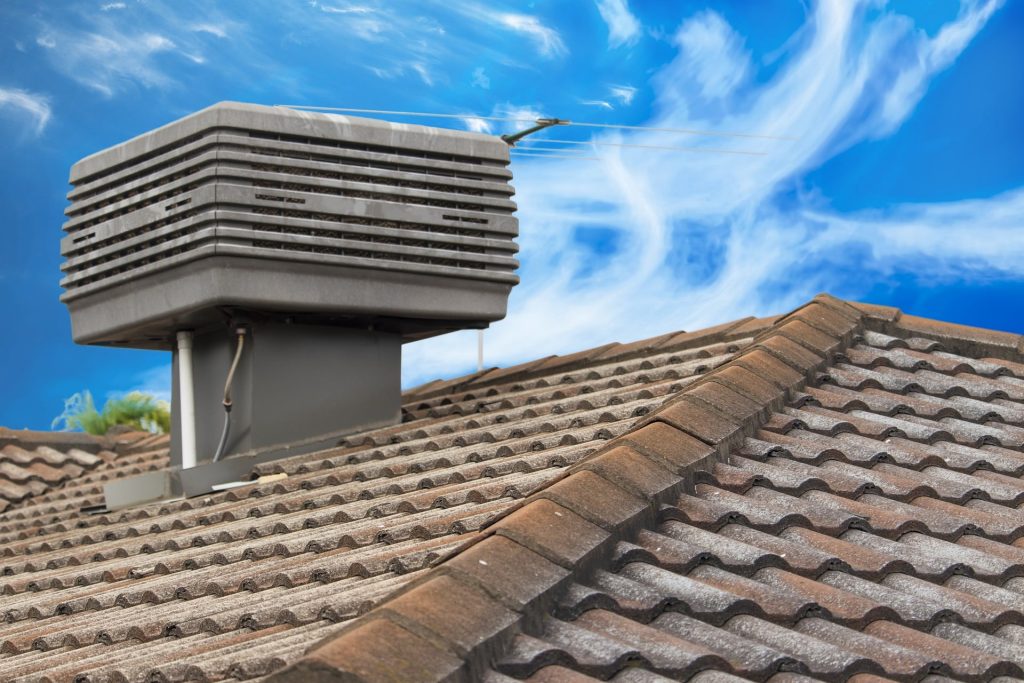
SEER (Seasonal Energy Efficiency Ratio) and SEER2 are both measures of the efficiency of air conditioning and heat pump systems. However, there are some key differences between the two standards: SEER vs SEER2 Before we talk about how the SEER2 standards affect heat pumps and air conditioners, let’s contrast and compare SEER and SEER 2 requirements. Cooling vs Heating SEER is a measure of the cooling efficiency of a system over a typical cooling season, whereas SEER2 also includes a measure of the heating efficiency of a system over an entire year. Calculation Method SEER is calculated by dividing the total cooling output of the system by the total energy consumed by the system during the same period. SEER2, on the other hand, includes the energy consumed for both heating and cooling over the entire year to obtain the overall performance of the equipment. SEER Value SEER rating typically is higher than the SEER2 rating, because most systems are more efficient at cooling than heating. An air conditioner will have a higher SEER rating than the same unit with SEER 2 rating because the SEER rating only takes into account cooling efficiency. Popularity SEER is more widely used in the industry and is the standard measure of cooling efficiency for air conditioners and heat pumps. SEER 2, on the other hand, is not as commonly used and is not an established industry standard. What Has Changed in 2023? Homeowners who have dealt with choosing a new air conditioning system or heat pump in the past are possibly familiar with the SEER standard established to advise how energy efficient their heating and cooling system is designed to be. This standard changed as of the first day of 2023. New AC units produced and sold this year will instead be assigned a SEER2 rating. SEER2 standards are intended to provide a better gauge of typical home operating conditions whereas the older SEER rating utilized very precise protocols to determine ratings in ideal conditions. SEER2 standards include updated testing means that give a better indication of how a unit will operate in the real world. This new testing involves updated criteria for minimum air handler static pressure, heat load calculations, coil-only units’ fan power, heating modes, variable speed factors, and off modes. What is the Minimum SEER2 Rating for New Systems? New HVAC regulations for 2023 require that air conditioning systems sold and installed in Arizona have a SEER rating of 15. This is equal to a SEER2 rating of 14.3, so homeowners will need to learn the difference in looking at the two standards. If you planned ahead and replaced your air conditioning system or heat pump before the changes and increased costs took effect at the beginning of the year, this won’t be of any concern to you anytime soon—unless you intend to sell your home in the next couple of years. While a system with a minimum rating of 14 installed before the end of 2022 is perfectly fine, you may find yourself in a bit of trouble if you intend to sell your home in the near future. New buyers may view your system as inefficient by current standards and steer clear of purchasing your home or they may request that the system be changed out before they will consider purchasing your property. How Do SEER2 Standards Affect AC Costs? The new SEER2-rated air conditioning units and heat pumps will also be more efficient and that means they will cost more. These costs will be driven by the increased costs of manufacturing a more efficient system, but inflation will also play a part in the increased costs. The good news is that there are some new incentives available through the Inflation Reduction Act of 2022 that can help you with the costs of replacing a heat pump and upgrading other components in your home to make it more energy efficient. How to select the right AC for SEER2 Standards Modern air conditioners are increasingly using two-speed or variable-speed technology to improve efficiency. Unlike single-stage air conditioners, multi-speed units can save you considerably more energy. Understanding the different speeds available can help you choose the best air conditioner for your needs. Single-Speed Air Conditioners Single-speed air conditioners have one fixed speed, which means that they only operate at one speed regardless of the temperature outside. These air conditioners are the most basic and economical option, making them a popular choice for those on a budget. However, they can be less energy efficient than other types of air conditioners and may not provide as much comfort in extreme temperatures. Two-Speed Air Conditioners Two-speed air conditioners have two speeds, a high speed for hot days and a low speed for milder days. These air conditioners are more energy efficient than single-speed models and can provide better comfort in varying temperatures. However, they can be more expensive than single-speed models and may not be as energy efficient as variable-speed air conditioners. Variable-Speed Air Conditioners Variable-speed air conditioners have multiple speeds that can be adjusted to match the temperature outside. These air conditioners are the most energy-efficient option, as they can adjust their speed to match the temperature outside and only use the amount of energy needed to cool the space. They are also the most expensive option. Variable-speed air conditioners also have the ability to dehumidify and filter the air better, providing better indoor air quality. Endnote When choosing an air conditioner, it is important to consider not just the initial cost but also the long-term cost, including energy efficiency and maintenance costs. Single-speed air conditioners may be the most economical option up front, but they may end up costing more in the long run due to higher energy bills. On the other hand, variable-speed air conditioners may have a higher initial cost, but they can save money in the long run through energy savings and improved indoor air quality. You can learn a lot from the SEER2 ratings that are coming
What Should be the Ideal Humidity Level in the House?
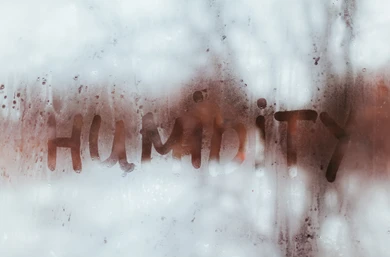
A comfortable humidity level may be fairly obvious from the standpoint of what feels comfortable for you and your family but there are other considerations of which you should be aware. If you are looking for the ideal indoor humidity, there are many factors to consider. Let’s get started by learning a bit more about humidity and its effects on your environment. To achieve the best humidity level for your household, you must first understand what humidity is, how it affects you and your home and what you can do to control it. Armed with a bit of knowledge, you can achieve the appropriate humidity level and air quality for your household and maintain it without too much effort. What is Humidity? With the rise and fall of temperatures, the air’s capacity to hold water shifts and changes. Warmer air can hold more water, while cooler air holds less water. The relative humidity is a measure of the water vapor that is present in the air in relation to what is required for full saturation at the same temperature. This is reflected as a percentage. Thus, a 50% humidity level means the air is holding half of what it is capable of holding at the same temperature. Ideal Indoor Humidity The question for most homeowners is how humid should your house be. The ideal indoor humidity ranges between 30-45%, though it may sometimes reach as high as 50%. The level of humidity you experience in your home can depend largely on the seasons. Summer humidity should be in the normal range of 30-45%, but winter humidity may hover around the 40% mark. Anything greater than this can lead to condensation issues within your home. Your inside house humidity can also depend on your home layout, your routine, and your personal preferences. The American Society of Heating, Refrigerating and Air-Conditioning Engineers (ASHRAE) lists the following levels for most homes: So, a comfortable range for the humidity in your home can fall anywhere from 30% to 60%. Anything below 30% is too dry and anything greater than 60% is too humid. However, you should be aware that humidity levels that are persistently above 50% can enable the growth of bacteria. Comfortable humidity indoors, just as the temperature you prefer, is largely a personal preference. The weather, season, location and even the materials you prefer in your clothing can all factor into what humidity you find comfortable. Humidity and Personal Well-Being Humidity is what keeps you cool during the warmer months and warm during the cooler months. High humidity on hot summer days is what causes you to perspire even when inactive. Excessive humidity can not only cause discomfort but can also lead to illness and disease. Maintaining acceptable home humidity levels will keep you healthy, even if you are periodically exposed to higher levels outside. The benefits of proper humidity levels in your home include: Effects of High Humidity on Your Home Acceptable humidity levels will also protect the interior of your home. Paintings and photos won’t risk damage. You won’t risk arcing and short circuits due to damaged electrical wires and cables. Wooden furniture and fixtures won’t be subject to warping or damage. Perhaps the most noticeable effect of high humidity in your home is the condensation you will see on walls, furniture, and windows. The excessive moisture brought on by high humidity fosters the growth of mold, mildew, and fungi which can spread rapidly, bringing with them contamination that can cause illness to everyone in the household, especially those with allergies, asthma, or other respiratory problems. The increased moisture that comes along with high humidity can have greatly increased adverse effects on these ailments. Effects of Low Humidity on Your Home Just as high humidity can be a breeding ground for virus-producing bacteria, low humidity can also be a catalyst for airborne viruses. In addition to the potential for illness, low humidity results in dry air that causes chapped lips, flaky skin, and rashes. You might also feel considerably cooler than you should because dry air takes away moisture from your skin. This will result in you adjusting the temperature unnecessarily and increasing your utility bills. The effects of low humidity on your wooden furniture, crown molding, door frames, and window frames are also unfortunate. Persistent low humidity and dry air in your home can cause furniture and fixtures to splinter and crack. Controlling Home Humidity You may not need to take active measures. In some households, your HVAC system will do all the work for you and you’ll never have to think about your home humidity level. However, if your air conditioner is cooling your home, but not removing humidity, and you don’t have the natural balance you need, you can employ additional measures such as these: Conclusion Hopefully understanding the principles of relative humidity, its effects on you and your home, and how to make the adjustments you need to in order to keep it at optimal levels, will help keep you more comfortable and give you the tools you need to stay healthy and happy. In addition to these considerations, a comfortable humidity level will result in lower utility bills and allow you to run your air conditioning and heating at more energy-efficient levels.
Tax Incentives for HVAC are Expanded in Sweeping Bill
The Inflation Reduction Act (IRA) is one of the largest bills ever addressing climate change. Passed by Congress on August 12, 2022. President Joe Biden signed the bill on August 16. This $737 billion measure invests more than $369 billion of its total spending toward energy security and climate change measures. The bill aims to drive down energy costs for end consumers, increase energy security and reduce the emissions of greenhouse gases. More than $9 billion has been made available for home energy rebates for those who invest in energy-efficient systems and technology. The bill includes ten years of tax credits for consumers with heat pumps, solar rooftops, and energy-efficient HVAC systems or water heaters. How to Take Advantage of These Incentives These types of incentives included in the bill encompass a variety of energy-efficient home improvements. Homeowners who install eligible HVAC equipment, heat pump water heaters, or components such as doors, windows, or insulation that improve a home’s energy efficiency can subtract the credit from their tax liability through the end of the year 2032. The credit each homeowner can claim totals 30% of the cost of improvements. There is an annual limit of $600 for approved HVAC equipment and $600 for building components for a total of up to $1,200 per year in credits that you can take through the end of 2032. There is no cap on the number of credits that one can take beyond the yearly limit. Homeowners who install heat pumps, heat-pump water heaters, biomass-fueled stoves, or boilers can take a credit of up to $2,000. If you aren’t sure what improvements you can make to take advantage of the credits available, the bill also allows for a $150 credit for a home energy audit. What Qualifying Improvements Can I Make? You can make many changes that will qualify for tax credits and rebates under the Inflation Reduction Act. Here are some of the most common ones that will help reduce your home’s energy costs and qualify for incentives. Repair Air Leaks This is a great time to weatherize your home. Plugging up the areas in your home where air leaks out will stop your cool air from leaking out in the summer and your hot hair from leaking out in the winter and help your existing HVAC system run more efficiently. You may have gaps along your baseboards, windows, doors, or electrical outlets. Fireplace dampers and holes where pipes enter or exit may also allow air to leak out. Repairing areas where there is a draft can provide savings on energy. While repairing some of these issues may be as simple and inexpensive as applying caulk or weather stripping, others may require more substantial effort and cost more. While you can do your own inspection, the IRA $150 rebate for a home energy audit can help if you require assistance. A qualified professional can help you locate these leaks and recommend changes to correct them. Once you know where the problems lie, you can put the IRA 30% tax credits to work up to a maximum of $1,200 a year to weatherize. If you make less than $150% of the local median income, you also qualify for up to $1,600 in rebates for any materials you may need to accomplish your goal. Window and Door Replacement Leaky windows and doors can increase your energy costs by as much as 30% each year, according to the Department of Energy. Replacing windows and doors that don’t hold in the heat or cool air can be expensive, but you will enjoy long-term savings. The IRA provides up to $600 toward window replacement and up to $250 to replace an exterior door or $500 to replace two. HVAC Upgrades Most homes’ heating and cooling appliances are the main energy consumption users. Up to 40% of the energy consumed in buildings across America stems from HVAC systems, contributing greatly to greenhouse gas emissions. Upgrading to a more energy-efficient HVAC system helps reduce these emissions. You can sometimes qualify for HVAC tax credits by installing certain wood-burning stoves. Federal rebates for HVAC systems under the IRA provide a 30% tax credit to those who upgrade to electric heat pumps. You can take up to $2,000 in credits for installing a heat pump and enjoy additional rebates of up to $8,000 as long as you meet the income requirement of making less than 150% of the local median income for your area. If you are already replacing your HVAC unit to meet new SEER requirements coming in January, be sure to take advantage of this air conditioner tax credit in 2022. Appliance Upgrades Low and moderate-income households can claim federal rebates for HVAC on electric stoves and heat pump clothes dryers of up to $840 each. Homeowners can take heat pump water heater tax credits of up to $1,750 for upgrading your existing water heater and save you additional funds on energy costs. If you have been looking to replace that old water heater, this is a great time to do so. The new heat pump rebates for 2022 can help reduce the cost of replacement. Consider Solar Power While it might be a bit of an investment to convert your existing home to a solar model, this might be an option for those who are looking to rent, buy or build. A passive solar home draws energy from banks of south-facing windows to draw in the sun’s heat during cool months. Paired with panels that provide solar energy to power a home, this can reduce home energy consumption greatly. The IRA includes a 30% tax credit for rooftop solar and geothermal heating options. This includes battery storage and larger community solar power systems that multiple homeowners share. If you are building a new home, you can take advantage of a $5,000 tax credit for developers who build solar dwellings termed Zero Energy Ready Homes. There has never been a better time to replace that old HVAC unit you’ve
Where Does Phoenix Get its Water?
Phoenix has been enduring significant drought conditions since the mid-1990s, leading many to wonder about the security of the water supply over the years and where the city’s drinking water comes from. Over the past year, Arizona has experienced some of the driest conditions in over a century. As the state’s historic drought persists, cities like Phoenix are preparing for the future and taking extra precautions, which will include a reduction to part of the Phoenix water supply, as the Colorado River continues to dry up. According to the U.S. Bureau of Reclamation, the current drought has resulted in a substantial drop in the water level at Lake Mead, a reservoir on the Colorado River. This will directly impact the Central Arizona Project (CAP)—one of Phoenix’s water supply projects. As a result, the city will be reducing this water supply source by 30% by early 2022. Amid the persistent drought in Phoenix and the exceptionally dry months that have broken an over 100-year-old record, you may have found yourself wondering: Where does Phoenix get its water, and will it be enough? This article will address the water supply, drinking water sources and future mitigation plans in this desert city. Where Does Phoenix Get its Water From? Phoenix gets its water from three sources: surface water, groundwater, and reclaimed water. Surface water Surface water refers to any water coming from the surface of natural sources, such as streams, canyons, ravines, lakes, ponds, and springs. Arizona’s Department of Water Resources has a team that specifically manages surface water and works to preserve the state’s water supply. Groundwater Groundwater is different from surface water as it lives under sand, rock, and gravel. In Phoenix, groundwater is accessed through wells. In desert cities like Phoenix, groundwater is a finite resource that cannot be significantly replenished through precipitation. Effluent (reclaimed) water Effluent or reclaimed water is water that is treated through a sewage-treatment facility. Arizona has been reusing reclaimed water since 1926 when it was used for power generation. Today, reclaimed water is used in Phoenix in certain settings like parks, or to water crops. It is important to note that this water is not suitable for drinking. Where Does Phoenix Drinking Water Come From? Phoenix’s drinking water is comprised of surface water from the Salt, Verde, and Colorado rivers, as well as groundwater from wells owned by the city. There are two main projects that are responsible for supplying the majority of drinking water to the City of Phoenix: the Salt River Project (SRP) and the Central Arizona Project (CAP). Salt River Project (SRP) The Salt River project has a long history that stems back to the early 1900s. In 1903, a group of farmers formed the Salt River Valley Water Users’ Association. They used their land as collateral to take out a loan used to build a dam in Tonto Basin. In 1917, the group signed a contract with the U.S. federal government to gain control over SRP’s water and power generation plants. In the years that followed, the group built and improved several dams along the Salt River to facilitate the need for a reliable water supply. Today, the SRP is responsible for providing much of Phoneix’s surface water supply, which is delivered to a large service area via canals and pipelines from the Salt and Verde rivers. Central Arizona Project (CAP) The Central Arizona Project (CAP) is 336 miles long and delivers surface water from the Colorado River to Phoenix, as well as other parts of central and southern Arizona. CAP was built as part of the Colorado River Basin Project Act, which was signed in 1968. As a result of the CAP system, the most populated areas of Arizona were able to access this surface water and the use of groundwater was reduced. CAP became the most substantial renewable water source in Arizona. What do Phoenix’s Water Conservation Efforts Look Like? As Phoenix is a desert city, it is prepared to deal with drought and has been doing so for more than 100 years. More recently, over the last few decades, the city was able to reduce water demand by about 30%, despite seeing a growth in population since the 1990s. This was achieved through various efforts including the following: Efficient appliances and fixtures Building homes that use water-saving appliances and plumbing is one aspect that has contributed to water conservation efforts in Phoenix in recent years. And these measures are not exclusive to homeowners. Industrial and commercial building owners in Phoenix have also made the move towards these types of water- and energy-efficient appliances and fixtures. Landscaping measures Implementing landscaping measures that require the prioritization of drought tolerant plants is another effort put in place by the City of Phoenix to reduce unnecessary water use. Landowners have been ditching lawns and plants/shrubs that require a significant amount of water to thrive, in favor of different groundcover options and plants that do not require much water. Educating the public The city has also attributed the reduction in water demand to creating opportunities to educate citizens about water conservation through city programs. The City of Phoenix promotes living a desert lifestyle. Endnote Phoenix’s overall water supply is comprised of surface water, groundwater, and reclaimed water, with reclaimed water being used only for specific purposes such as for crops. Over the years, a number of efforts have been made to improve the water supply in the city and strengthen conservation efforts through educating the public and adopting more efficient ways of living. The two main projects that contribute to Phoenix’s drinking water supply are the Salt River Project (SRP) and the Central Arizona Project (CAP), each providing significant renewable water sources. As of late, however, CAP is being negatively impacted by low water levels in the Mead River, which will result in a 30% reduction in the water supply by early 2022.
Where Does Arizona Get its Water From
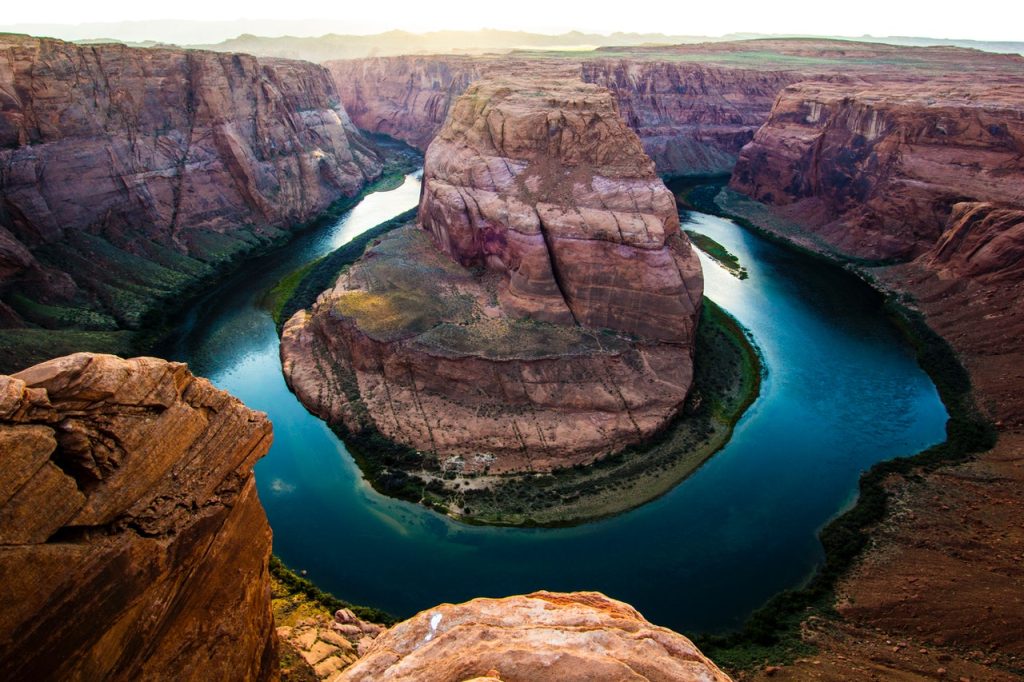
Water in Arizona is a constant issue. The basis of the issue comes from the development of areas that wouldn’t normally be thought of as wet enough for human habitation. The resilience of the human spirit and the magic of modern technology has created a diverse, modern state in an area with some of the lowest amounts of available water in the United States. In this article, we’re asking the question “where does Arizona get its water” to help you get down to the specifics of the future of water in the Grand Canyon State. Today we’re going to talk about some of the key information surrounding water in the Grand Canyon state. We’ll talk about Phoenix, as much of the important information we have surrounds Arizona’s biggest city. Then we’ll talk about the rest of the state and its water resources. We’re going to draw special attention to rural Arizona, and the plight of the farmers who call it home. Following that, we’re going to look at some of the possible future water restrictions, and what that could mean for Arizona residents. Phoenix Water Supply Most discussions about the future of water availability in Arizona begin with a discussion of Phoenix’s water. Phoenix is a marvel in terms of its management of water. Most of the water that Phoenix residents use every day comes from the Salt River Project, which uses a diverse canal system to bring water from the rivers Salt and Verde. The Central Arizona Project uses a similar system to divert water from the Colorado River. Some of the water that Phoenix uses also comes from groundwater sources. Phoenix is also leading the research on reclaimed water, and the many uses for it. Phoenix is one of the most critically planned water usage areas in the United States. Strict planning and complex actions to husband the water resources are important for Phoenix. One such plan is the Phoenix Drought Response Plan Drought Response The Phoenix Drought Response Plan is part of the Phoenix City Code and represents a comprehensive set of plans, measures and actions that outline how Phoenix can continue to manage its limited water resources. It basically outlines the fact that Phoenix has been dealing with drought conditions since its founding. It outlines how Phoenix has managed and diversified its water resources, and encouraged water conservation and efficiency amongst both the civilian and commercial sectors. The Drought Response Plan also outlines what further drought conditions would look like, and their possible impact on life in Phoenix. Part of that is effective record keeping and the outlining of what steps Phoenix can take to increase the efficacy of its water resources. The big takeaway is that reduction in water consumption rates has been and will continue to be Phoenix’s best strategy towards maintaining water availability. Rural Water Supply In other parts of Arizona, the Arizona Department of Water Resources helps to administer the Arizona Drought Preparedness Plan. This plan covers all aspects of developing water supply and encouraging conservation. Part of the complexity of Arizona’s water supply issues comes from the great agricultural industry in the state. Cotton and hay make up a large portion of the crops, but beans, corn, beef and greens are all part of the cornucopia that Arizona produces. Looking just at the usage amounts, agricultural enterprises consume more than 70% of the water that comes from the Colorado River into Arizona. This is obviously a huge burden, and the agricultural sector has consistently been the first area to feel cutbacks and reductions in the availability of water. Because of the increasing pressure on water sources in Arizona, farms have also turned to groundwater as a source of water. It’s more challenging to know how those efforts are going, as underwater sources are somewhat more challenging to measure than river canals. Drought resistant crops and complex watering systems are being investigated, but the fact remains that increased conservation efforts are the main way to make sure Arizona has enough water moving forward. Water Restrictions in the Future The fact is that future water restrictions are likely in one form or another. There are many types of restrictions that are available, both outlined in the drought plans and not yet considered. Simply put, conservation, cooperation and overall reductions are planned by many in the upcoming years, as the water situation in Arizona becomes increasingly dire. There are federal and state sources of funding being considered as a sort of compensation for those who have their water allocations cut. Much of the cutbacks that are being considered are being pushed onto the agricultural sector. Financial compensation could help them to retrofit old systems that use water to make them more efficient. Compensation could also help them dig and maintain new sources of groundwater. Water Conservation In many ways, the key to helping these situations is linked to conservation. Most of the conservation efforts that Arizona residents have undertaken in the last 50 years have been effective, but increased efforts are still required. We’ve prepared some tips on how you can effectively conserve your own water, and many more are available online. The key takeaway is that you need to be aware of it every time you’re using water. Outdoor Spaces This makes up one of the most important areas where conservation can be practiced. Lawns and gardens made up of native Arizona plants are seeing an increase in representation. This is mostly due to the fact that native plants will generally require less water, and can better withstand drought conditions. Lawns should be kept smaller and longer, as less surface area and better shade can help to better utilize the available water. Inside the Home Low flow and energy-efficient appliances have gained popularity and momentum in Arizona, partially as a result of growing concerns over water availability. Making sure that these devices have been installed by professionals is also important, as is proper maintenance. Small leaks can be key areas where water
Common Water Issues in Arizona
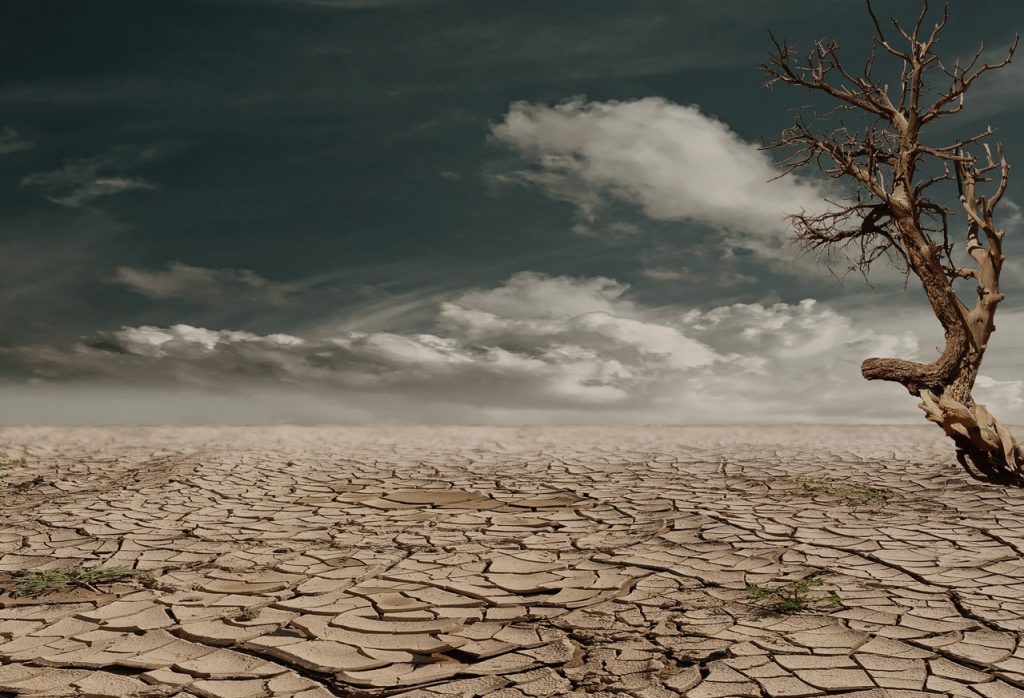
Arizona is fairly well-known as a dry state. The entire Southwest has less and less water available each year. This is not a new problem and has only been of increasing concern for the last few years. Water issues in Arizona are characterized by increased demand, and decreased supply. One of the main water issues surrounding water in Arizona is conservation. How can we make sure that everyone who needs water has it, without running out of water? This is a complex and challenging problem, without any clear solution. One important thing to mention when discussing the issues of water conservation in Arizona is that no drastic changes are expected. Though a water shortage is certainly on the minds of many Arizona residents, the powers that be are also against any sort of sudden changes made in the name of water conservation. This means that although some of the issues we’re discussing today may sound dire, and should be taken seriously, we don’t need to panic just yet. Today we’re going to be bringing you up to speed on some of the common water issues in Arizona. Once you’ve read our report, you’ll be more familiar with Arizona’s water problems, as well as what’s being done to combat them. The Issues Surrounding the Colorado The Colorado River is the main source of water in the great state of Arizona. The Colorado River is the main source of water for over 40 million people. In 2020, Arizona and Nevada undertook their first-ever cuts to cuts to water diversion, as part of the Colorado River Drought Plan. This was an historic moment, brought on by increasing concern about the level of water usage along the Colorado. Lake Mead was used as a high watermark. Since it’s depth dropped below 1090 feet above sea level, the Colorado River Drought Contingency Plan came into effect and began on Tier 0. The Central Arizona Project, which controls the canal which brings water from the Colorado River into central Arizona began reducing the amount of water that it withdrew from the river. This causes some challenges, as no additional water was able to be stored underwater to combat future droughts. Simply put, the water that was available was 100% used. The usage of the Colorado River is one of the most complex and challenging water problems in Arizona. If you’re specifically trying to understand the water problems in Phoenix, Arizona, look no further than challenges, as much of the water that Phoenix residents use comes from the Colorado river. This causes prices to rise. When the prices rise, and the amount of available water drops, many turn to groundwater. Groundwater Problems The Arizona Department of Water Resources is the organizational body that is responsible for allocating water resources in the state of Arizona. One aspect of their job is making sure that new developments in Arizona are consistent with the amount of available groundwater. In simple terms, developers, farmers, homebuilders and homeowners have to make sure they understand how much water is available, as they won’t be able to build homes or farms beyond the acceptable limit. One of the key issues has to do with the 1980 Groundwater Management Act. This act lays out in very strict terms how much development can be done based on available water. The shortfall of this legislation is that it doesn’t cover the entire state. Some side-stepping around these regulations occurs in certain areas, which leads to a greater depletion of water in areas without legal protection. Understanding and controlling groundwater in Arizona is a huge problem. Combined with cutbacks to the Colorado River diversions that many Arizona residents rely on for their home and work, this is another challenge. New Investigations to Combat Water Issues in Arizona So, since we have a shortage of groundwater, and we have to carefully manage the diversions from the Colorado River, how can we make sure we have enough water for Arizona? Well, many possible sources of water are being considered. We know that desalination and processing saltwater is an option. Luckily, Arizona isn’t quite at the point where that has become feasible. It’s currently too expensive to be taken seriously. However, if water levels continue to drop in Arizona, don’t be surprised to see any options being considered. Conservation: Addressing Arizona Water Problems The key to all of this is conservation. Only through conservation can Arizona residents make sure they and the future generations have enough water. To help out, we’ve got some water conservation tips that can help you make a difference in the overall amount of available water in Arizona, and prevent stricter water restrictions from occurring. The EPA brings us some basic conservation tips here. Repair Leaks This goes for faucets, toilets, shower fixtures, or anything else that uses running water. Small leaks can go unnoticed, especially if they’re leaking right into a drain. But small leaks can cause huge water loss over a long period of time. Outdoor Management Lawns can be a huge source of water usage. To combat this, try establishing a smaller lawn, or an outdoor space that utilizes more local plants. Also, consider cutting your grass a little longer, and leaving it that way. The extra shade will reduce the amount of water your lawn needs to stay happy and healthy. Kitchen Tips Consider washing vegetables in a large bowl, instead of under running water. Also, many newer dishwashers feature a ‘light-wash’ setting. If you rinse your plates, only a light disinfecting option could have your dishes in a perfectly serviceable condition. Bathroom Conservation Consider reducing or cutting out baths. Short showers use far less water and can get you just as clean. Consider brushing your teeth while you’re showering as well. When you shave, consider filling up the sink, as opposed to washing a razor out under running water. There is no single solution to the water challenges facing Arizona residents. A combination of many strategies, some of which haven’t even
4 Iconic and Historical Sites in and near Glendale
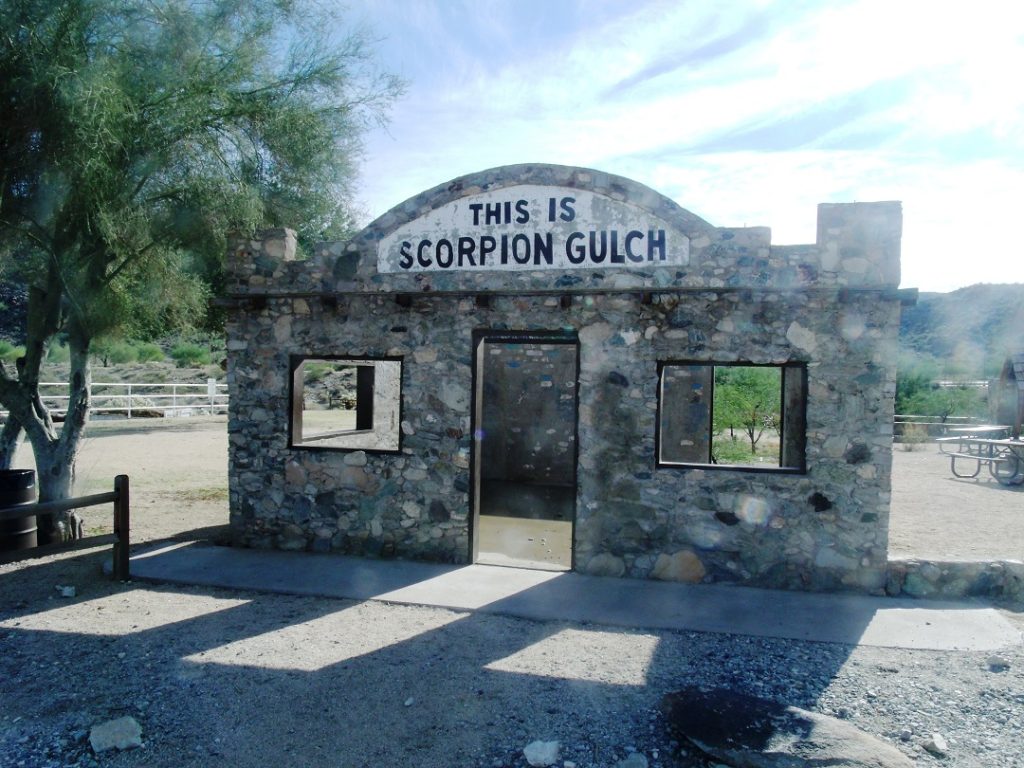
Glendale is one of the most interesting areas in central Arizona. Founded in 1892, Glendale has a deep and diverse cultural history. At American Home Water and Air, we’re incredibly proud to be part of the Glendale community, providing HVAC and water treatment services. Here are a few of our favorite historical sites in and around the city. Mystery Castle Address: 800 E Mineral Rd, Phoenix, AZ 85042 Mystery Castle is a wonderfully-crafted property built by Boyce Luther Gulley in the 1930s for his daughter. Upon Gulley’s death in 1945, his wife and daughter inherited the property, which is filled with masterfully-designed artifacts. Gulley’s daughter died in 2010 and the property has since been maintained by the Mystery Castle Foundation. It is a Phoenix Point of Pride. Agua Fria National Monument Address: Black Canyon City, AZ 85324 The land now comprising the Phoenix Metropolitan Area has been home to human settlements for hundreds of years. The Agua Fria National Monument contains countless artifacts dating as far back as 1250, when the Perry Mesa Tradition – a group of Native Americans – inhabited the land. This site is currently managed by the Bureau of Land Management and was federally recognized in 2000. David and Gladys Wright House Address: 4505 N Rubicon Ave, Phoenix, AZ 85018 If you have a penchant for architecture, the David and Gladys Wright House is a must-see. The house was designed by Frank Lloyd Wright and features an ingenious spiral design that cools the house down by capturing wind. While the house was briefly slated for demolition following its sale in the 2000s, it is today owned by Bing Hu and Wenchin Shi, both of whom were architectural apprentices at Taliesin West. They intend to renovate it in keeping with Frank Lloyd Wright’s original intentions. Scorpion Gulch Address: 10000-10042 S Central Ave, Phoenix, AZ 85041 Scorpion Gulch is an abandoned structure that once served as a home and trading post. It was recognized as a historic structure ought to be preserved in 1990 and has since become a favorite photography spot for locals and tourists.
Major Historical Sites in and Near Peoria, Arizona
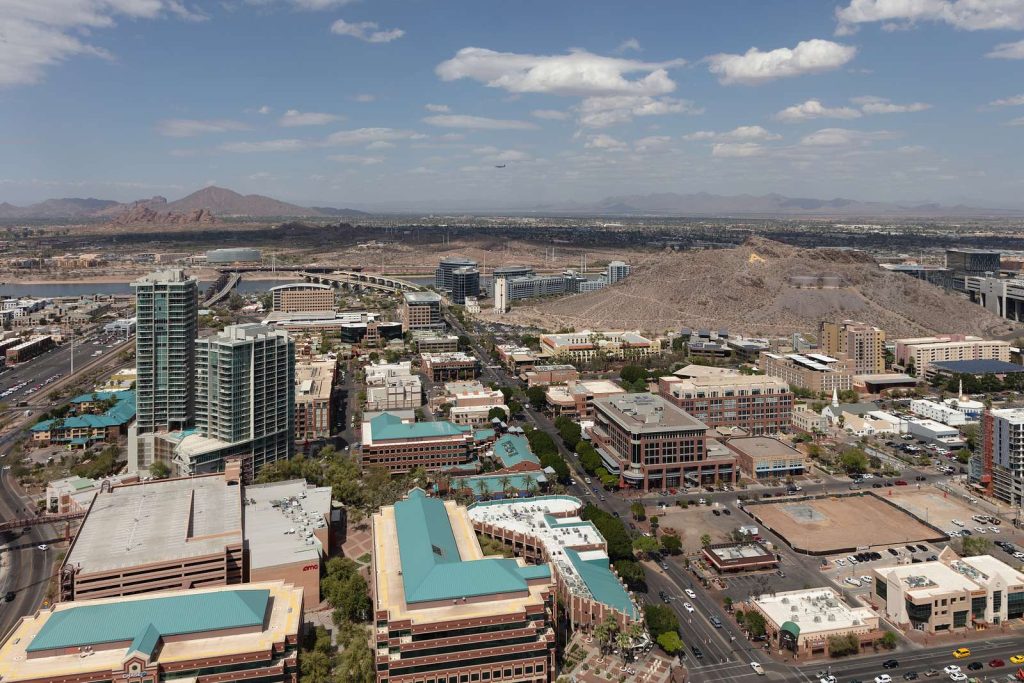
At American Home Water & Air, we’re proud to provide the best air conditioning and plumbing services in Peoria, Arizona. It’s a great city with tons of heritage! Here’s a list of our favorite historical sites in and near Peoria. Mystery Castle With a name like “Mystery Castle,” you know you’re in for a treat. Architect Boyce Luther Gulley built this property for his daughter in 1930 using found materials after discovering he was dying of tuberculosis. Shortly after his death, Gulley’s daughter and wife discovered they had inherited the property and moved into it. The Mystery Castle is a Phoenix Point of Pride and contains many nooks and crannies to be explored. Agua Fria National Monument The Agua Fria National Monument contains more than 450 Native American structures, including massive pueblos with more than 100 rooms. It stands as a testament to Arizona’s extensive history that dates back well beyond the arrival of European settlers. Frank Lloyd Wright Spire Another historic architectural masterpiece near Peoria is the Frank Lloyd Wright Spire. It’s a rather eccentric work of art that looks brilliant with its shining lights at night. Pioneer Living History Museum With 20 historic buildings dating back to the 19th century, Pioneer Living History Museum is a great place to learn more about Arizona’s settlement. Be sure to stop by the reproduction Blacksmith and Carpenter’s shops.
Scottsdale Fun Facts
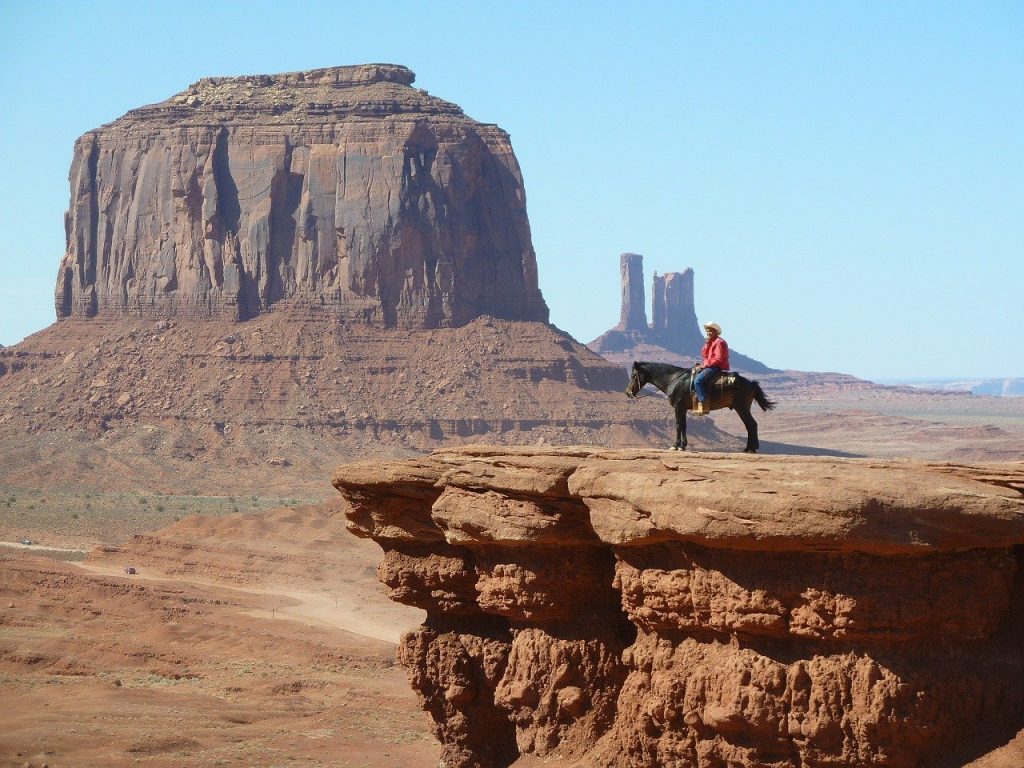
Scottsdale is a diverse town with a lot to offer. American Home Water & Air is proud to offer our world-class service in the Scottsdale area. Original Name Scottsdale wasn’t the town’s original name. That title belongs to Orangedale. The town founder, Albert Utley, named it in honor of the citrus trees that grew in the area. A simple mix-up based on landmarks led to Scottsdale becoming more prevalent, and the name eventually stuck. Cowboy College If you’ve ever seriously considered living life as a genuine cowboy, Scottsdale has a great resource for you. The Arizona Cowboy College is a world-leader in cowboy education. Since 1980, cowboys have been trained and educated in Scottsdale on all the important aspects of ranch life, riding, and more. Quintessential Western Town Scottsdale is well-known as a ranch town. Surrounded by cattle ranches, Scottsdale really embodies the feeling of the Western ranch town. Because of this, the cowboy spirit is never far from mind when you’re in Scottsdale. You can also expect the annual Parada Del Sol, which is a chance to see an authentic rodeo. Sun Sun Sun! Scottsdale is one of the sunniest cities in America. With nearly 300 sunny days a year, you better bring your sunblock if you’re going to be spending any time in Scottsdale. At only 11 inches of rain a year (less than a third of the national average), Scottsdale is also exceedingly dry. If you’re looking to read more about Scottsdale, AZ, you can also check out our article on Essential Things to Do in Scottsdale.
5 Cool Facts About Peoria, Arizona
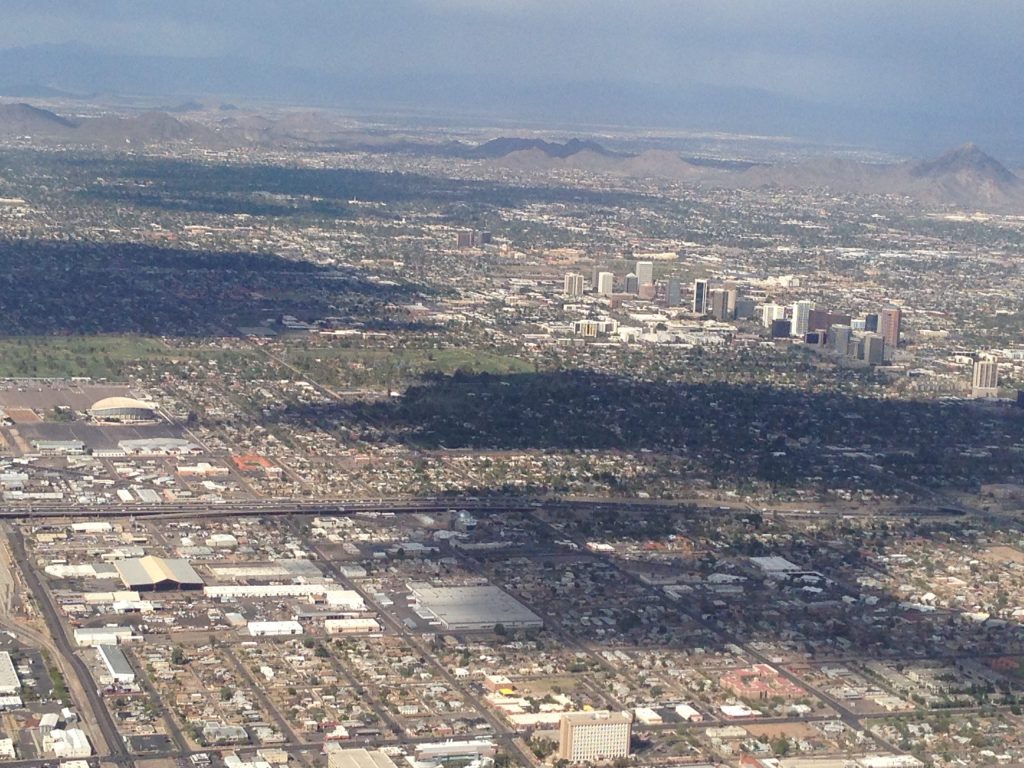
Peoria, Arizona is a quirky residential area located within the Phoenix Metropolitan Area. American Home Water & Air offers all of our water treatment and HVAC services in Peoria. Here are some interesting facts about Peoria, Arizona. It’s Home to the Second Largest Lake in Arizona Lake Pleasant, located in Peoria, is Arizona’s second-largest lake (after Roosevelt Lake). Many people assume Lake Mead takes the prize but it’s actually shared between Arizona and Nevada, whereas Lake Pleasant is entirely ours! Peoria Has 1,559 Miles of Roadways While Peoria may seem quite small compared to the overall Phoenix Metropolitan Area, it’s actually home to more than 1,559 miles of roadways, which surprises many people. Peoria is One of a Few Multi-County Cities in Arizona Peoria’s northern end reaches into Yavapai County, making it one of just eight cities in Arizona to lie within multiple counties. Peoria is Named After a City in Illinois Peoria gets its name from the city of the same name in Illinois. Four families from that state moved west to the land now known as Peoria and named it in honor of their hometown. It’s One of Four Arizona Cities Among America’s 25 Safest Municipalities Peoria is America’s 22nd safest city, making it one of four Arizona municipalities to rank within the top 25 on the Phoenix Business Journal’s list. You can also read our article about major historical sites in and near Peoria, AZ if you enjoyed reading this article.