Why Your AC Unit Isn’t Cooling: Common Diagnostic Guide
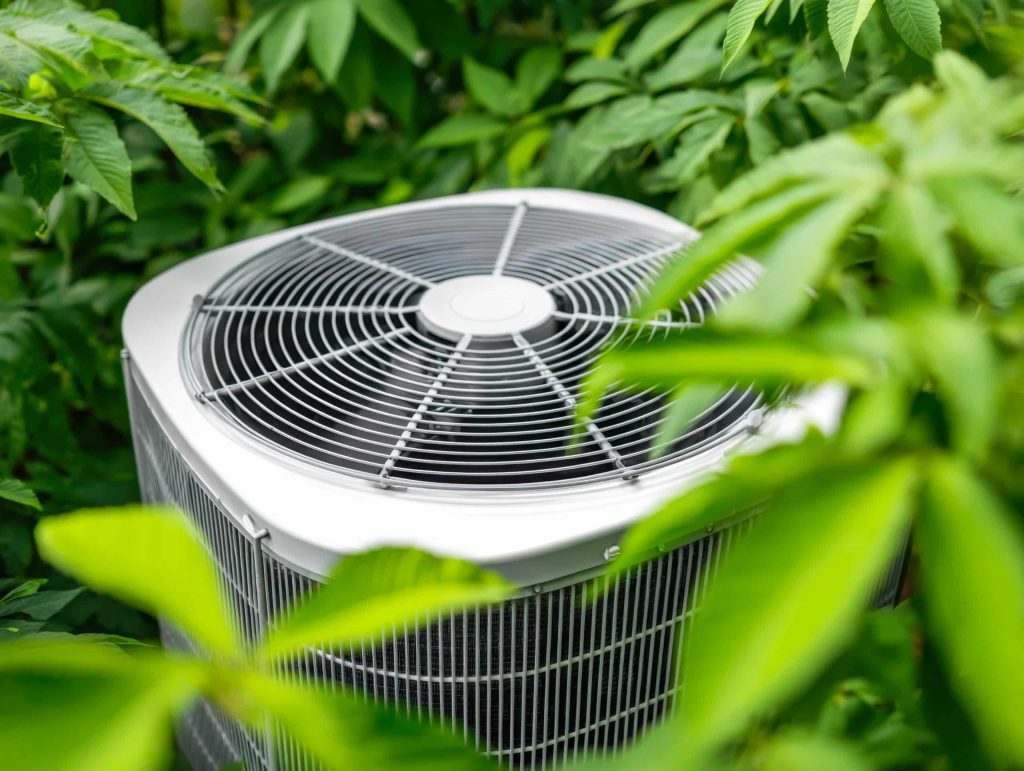
Key Takeaway: AC not cooling problems do not always mean your system has failed, but they do mean something is wrong. Sometimes the fix is simple, like a dirty filter or thermostat issue. In other cases, weak cooling points to a more serious problem that calls for professional air conditioning repair. Knowing the difference can help you act quickly and avoid bigger damage. AC not cooling is one of the most frustrating problems a homeowner can face, especially during a Phoenix summer. Your system may still be running, air may still be coming through the vents, and yet the house never seems to reach the temperature you set. When that happens, the issue is usually tied to airflow, thermostat settings, electrical problems, refrigerant issues, or an overworked system. The good news is that some AC troubleshooting steps are simple and safe to check on your own. The more important news is that certain symptoms should never be ignored. If your unit is blowing warm air, freezing up, short cycling, or failing during extreme heat, it may be time to stop troubleshooting and call for professional help. Most Common Cause: Restricted airflow or a dirty filter Other Likely Causes: Thermostat problems, low refrigerant, frozen coils, or electrical issues DIY Limit: Basic checks are fine, but sealed-system and electrical repairs need a pro Best Next Step: Schedule service fast if cooling drops during extreme heat Why Is My AC Running but Not Cooling? If your AC is running but not cooling, the system is usually struggling with airflow, refrigerant, thermostat communication, or a failing component. This is one of the most common homeowner complaints because the system can look like it is working when it really is not cooling effectively. The fan may run, the thermostat may appear normal, and the outdoor unit may still turn on. But if the system cannot remove heat properly, your home will stay warm and your unit will keep working harder than it should. In Phoenix-area homes, this problem can become urgent quickly. American Home Water & Air offers local AC repair in Phoenix, and that page notes the company provides 24/7 emergency service when homeowners need fast help. Quick homeowner check: If the thermostat is set to cool, the filter is dirty, and airflow feels weak at multiple vents, start there. If the system is blowing warm air or icing up, stop guessing and have it inspected. Could a Dirty Air Filter Be the Problem? Yes, a dirty air filter is one of the most common reasons an AC system is not cooling properly. When the filter is clogged, airflow drops. That makes it harder for your system to move conditioned air through the house and can also contribute to frozen evaporator coils. A dirty filter may seem minor, but it can create a chain reaction of comfort and performance problems. Changing the filter is one of the easiest and safest troubleshooting steps you can do on your own. If the system improves after a filter change, that is a strong sign airflow was part of the problem. If it still struggles, there may be a deeper issue behind it. Simple AC troubleshooting steps you can safely try: Check that the thermostat is set to cool and the temperature is set correctly Replace a dirty air filter Make sure return vents and supply vents are not blocked Clear visible debris from around the outdoor unit Check whether the breaker has tripped What If the Thermostat Looks Fine but the House Is Still Warm? If the thermostat looks normal but the home is still warm, the issue may be with calibration, sensor communication, system cycling, or a mechanical problem elsewhere in the AC. Thermostats can fail in ways that are not always obvious. Sometimes they lose accuracy. Sometimes they call for cooling inconsistently. In other situations, the thermostat is not the problem at all, but it is the first thing homeowners notice because the temperature on the screen does not match how the house feels. American Home Water & Air recently published guidance on thermostat-related cooling issues, which reinforces that thermostat response problems can overlap with broader system concerns and should be diagnosed carefully when simple resets do not solve the issue. Can Low Refrigerant Cause an AC Not Cooling Problem? Yes, low refrigerant can absolutely cause an AC not cooling problem, and it usually points to a leak or sealed-system issue that needs professional repair. Your air conditioner is designed to operate with a specific refrigerant charge. If that charge drops, the system cannot absorb and transfer heat the way it should. You may notice weak cooling, longer run times, warm air, or ice forming on the refrigerant lines or indoor coil. This is not a DIY repair. Refrigerant issues should be handled by a trained technician. If your system is freezing up, hissing, or blowing warm air during extreme weather, American Home Water & Air has a dedicated page for 24/7 emergency HVAC services in Phoenix. Warning signs that usually need a pro: Warm air coming from the vents Ice on the indoor coil or refrigerant line Hissing or bubbling sounds AC turning on but failing to lower the temperature System shutting down during high outdoor heat Why Does My AC Cool Sometimes but Not All the Time? If your AC cools inconsistently, the system may be short cycling, struggling with airflow, overheating outside, or dealing with a part that is starting to fail. This is where homeowners often get stuck. The unit works in the morning, then struggles in the afternoon. Or it cools one day and not the next. In Phoenix, that pattern often gets worse as outdoor temperatures rise and the system comes under heavier demand. Intermittent cooling is not something to ignore. A system that only cools part of the time is often on the way to a full breakdown, especially during peak summer conditions. Good rule of thumb: If your AC has become unreliable, the safest assumption is
RO vs Water Softener: Which Is Better for Phoenix Homes?
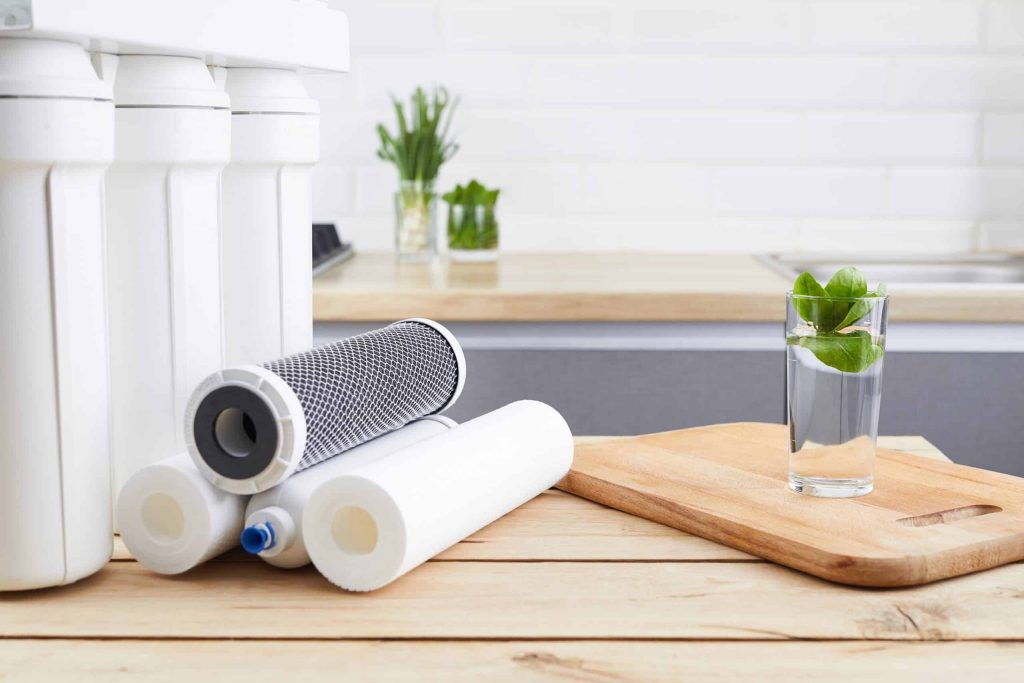
Key Takeaway: When comparing RO vs water softener, the right choice depends on your goal. Reverse osmosis improves taste and reduces dissolved solids at a single tap, while a water softener protects your entire home by removing hardness minerals that cause scale. Most Phoenix homes benefit from using both together. If you’re deciding between RO vs water softener, you’re not alone. Phoenix homeowners deal with some of the hardest water in the country, often leading to scale buildup on fixtures, reduced appliance efficiency, and cleaning frustration. At the same time, many people want better-tasting drinking water, which leads them to explore reverse osmosis systems. The key difference is simple: a water softener treats all the water entering your home, while reverse osmosis treats water at a single faucet. Understanding how each system works—and when to combine them—can help you choose the best solution for your home. Quick Facts Phoenix water is typically classified as very hard (often 10–20+ grains per gallon). Water softeners remove hardness minerals like calcium and magnesium. Reverse osmosis reduces dissolved solids, improving taste and clarity. Most homes benefit from combining both systems. What’s the Difference Between RO and a Water Softener? A water softener removes hardness minerals throughout your home, while reverse osmosis improves drinking water quality at a single tap. A water softener is installed at the main water line and uses ion exchange to remove calcium and magnesium. This prevents scale buildup inside pipes, appliances, and fixtures. Reverse osmosis, on the other hand, is a point-of-use system typically installed under the kitchen sink. It pushes water through a membrane to reduce dissolved solids, improving taste and clarity. Many homeowners researching what RO systems remove are surprised at how effective they are for drinking water—but they don’t solve whole-home scale problems. Simple breakdown: A softener protects your plumbing. An RO system improves your drinking water. Do You Need Both RO and a Water Softener? Most Phoenix homes benefit from using both because they solve completely different water problems. If your home has very hard water (which is common in the Valley), a softener helps prevent scale buildup on fixtures, inside pipes, and in appliances. At the same time, reverse osmosis improves taste by reducing dissolved solids and impurities at the tap. Many homeowners combine a softener with under-sink RO systems to create a balanced setup: soft water for the whole house and clean, better-tasting water for drinking and cooking. Pro Tip: A water softener can actually extend the life of your RO system by preventing mineral buildup on the membrane. Which Is Better: RO or Water Softener? Neither is better—they serve different purposes, and the best choice depends on your water goals. If your main concern is scale buildup, appliance wear, and cleaning frustration, a water softener is the right choice. If your priority is better-tasting water, reverse osmosis is the better option. For most homes, especially in Phoenix, choosing one without the other leaves part of the problem unsolved. That’s why many people researching reverse osmosis vs water softener ultimately install both systems. Important: A water softener will not improve taste, and an RO system will not prevent scale buildup. Each system solves a different problem. How Much Do RO Systems and Water Softeners Cost? RO systems typically cost less upfront, while water softeners are a larger investment but provide whole-home benefits. Typical ranges (vary by home and system): Reverse osmosis system: $200–$800+ Water softener: $800–$3,000+ While a softener costs more initially, it can reduce long-term expenses by preventing scale damage to appliances and plumbing. When evaluating options, it’s helpful to consider both upfront cost and long-term savings. Local Water Conditions in Phoenix Phoenix water is known for its high mineral content, which is why scale buildup is such a common issue. Water hardness can vary by neighborhood and season, but it is often classified as very hard due to calcium and magnesium levels. Understanding Phoenix water hardness levels helps explain why many homeowners invest in softening systems. At the same time, dissolved solids and treatment chemicals can affect taste, making reverse osmosis a popular addition for drinking water. Because water conditions vary across the Valley, testing is always the best first step before choosing any system. When Should You Choose One System Over the Other? Choose a water softener for scale issues, RO for taste, or both for complete water improvement. Choose a softener if: you see scale buildup, white spots, or reduced appliance efficiency Choose RO if: your water tastes unpleasant or you want cleaner drinking water Choose both if: you want full-home protection and better-tasting water There is no one-size-fits-all solution, which is why testing and professional guidance are important. FAQs: RO vs Water Softener Does a water softener improve drinking water taste? No, a water softener removes hardness minerals but does not improve taste or odor. Is reverse osmosis enough on its own? RO improves drinking water quality but does not protect plumbing from scale buildup. Can I install both systems together? Yes, many homeowners use a softener for the whole home and RO for drinking water to get the best results. Which system should I install first? If your water is very hard, start with a softener, then add RO for drinking water improvement. Your Best Setup for Cleaner, Softer Water When comparing RO vs water softener, the best solution for most Phoenix homes is not choosing one—it’s using both together. A softener protects your plumbing and appliances from scale, while reverse osmosis improves taste and clarity at the tap. By starting with water testing and choosing the right combination of systems, you can create a setup that improves comfort, efficiency, and water quality throughout your home. Further Reading & References What reverse osmosis systems remove Under-sink reverse osmosis system options Phoenix water hardness levels explained Water softener system options USGS overview of water hardness
Spring AC Maintenance Phoenix: The Essential Checklist Before Summer Heat
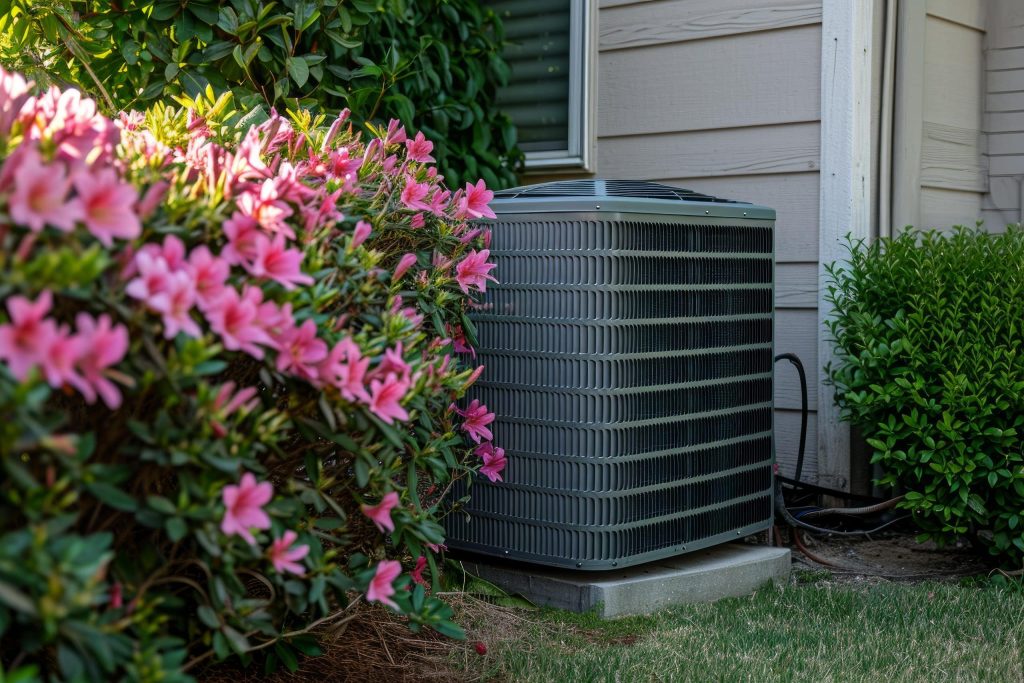
Key Takeaway: Spring AC maintenance in Phoenix helps your system run efficiently before extreme heat arrives. Simple steps like replacing filters, cleaning the condenser, and scheduling a professional tune-up can prevent breakdowns, lower energy costs, and extend system life. Preparing early is the best way to stay comfortable during triple-digit temperatures. Spring AC maintenance for Phoenix homeowners is one of the most important steps in preparing for the desert’s extreme summer heat. In a climate where air conditioners can run nearly nonstop for months, even small inefficiencies can lead to higher bills or unexpected breakdowns. According to the U.S. Department of Energy, proper HVAC maintenance can improve efficiency and reduce energy use—making early preparation essential. From dust storms to rooftop heat exposure, Phoenix cooling systems face harsher conditions than most homes in the country. That’s why a proactive approach—combining simple DIY checks with professional service—can make a major difference in comfort, reliability, and long-term performance. Best Time for Maintenance: Early spring before temperatures exceed 90°F. Ideal Temperature Split: 16–22°F difference between supply and return air. Filter Replacement: Every 30–60 days in dusty Phoenix conditions. Biggest Risk: Dirty coils and restricted airflow causing system strain. What Should Be Included in a Spring AC Maintenance Checklist? A spring AC maintenance checklist should include filter replacement, condenser cleaning, thermostat testing, and a full system inspection. These steps ensure your system is ready for heavy summer use. Skipping maintenance can lead to reduced airflow, higher energy bills, and increased wear on critical components. Replace or clean air filters Inspect and clean the outdoor condenser Check thermostat settings and operation Inspect electrical connections and wiring Clear condensate drain lines Test system performance and airflow Homeowner Insight: In Phoenix, we often see AC systems already clogged with dust by late spring. Early cleaning can prevent efficiency loss before peak heat hits. Why Is Spring AC Maintenance So Important in Phoenix? Spring AC maintenance is critical in Phoenix because systems run longer and harder due to extreme heat and desert conditions. Unlike milder climates, Phoenix air conditioners often operate daily for months. Dust storms, rooftop installations, and high ambient temperatures all increase system strain. Without proper maintenance, components like coils and capacitors wear down faster. Scheduling a professional AC tune-up in Phoenix helps ensure your system is ready before temperatures exceed 100°F. Warning: Waiting until summer to service your AC can lead to longer wait times, higher repair costs, and increased risk of breakdown during extreme heat. How Often Should You Replace Your AC Filter in Phoenix? AC filters in Phoenix should typically be replaced every 30–60 days due to dust and extended system use. Clogged filters restrict airflow, forcing your system to work harder and increasing energy consumption. Homes with pets or heavy dust exposure may require more frequent changes. Following proper filter replacement guidelines helps maintain airflow and improve indoor air quality. How Do You Clean Your AC Condenser Safely? You can clean your AC condenser by turning off power, clearing debris, and gently rinsing coils with water. Always shut off power at the disconnect before cleaning. Remove debris from around the unit and use a hose with light pressure to rinse coils from the inside out. Avoid using high-pressure water, which can damage fins. Maintaining proper clearance around the unit ensures effective heat release and better cooling performance. Maintenance Tip: Keep at least 2–3 feet of clearance around your condenser to allow proper airflow and prevent overheating. When Should You Call a Professional for AC Maintenance? You should call a professional if your system shows signs of weak airflow, unusual noises, or inconsistent cooling. While homeowners can handle basic tasks, licensed technicians perform deeper diagnostics such as refrigerant checks, electrical testing, and airflow measurements. If your system struggles to cool or cycles frequently, reviewing common issues like warm air problems can help identify when professional service is needed. AC Maintenance Services in Phoenix and Surrounding Areas Homes across Phoenix, Scottsdale, Mesa, Chandler, and Glendale face extreme cooling demands due to desert heat, dust storms, and long runtime hours. Rooftop AC units in particular are exposed to direct sunlight and debris, which can accelerate wear. Working with a local HVAC professional ensures your system is evaluated based on these unique conditions. Proper sizing, airflow balancing, and preventive maintenance help Phoenix homeowners stay comfortable while avoiding costly breakdowns. Spring AC Maintenance FAQ How often should AC maintenance be done in Phoenix? Most systems should be serviced once per year, ideally in spring before peak summer temperatures arrive. What temperature should my AC blow? A properly functioning system should produce air that is 16–22°F cooler than the return air temperature. Can I do AC maintenance myself? Homeowners can handle basic tasks like filter replacement and cleaning, but professional inspections are recommended for full system evaluation. Why is my AC running but not cooling? This could be caused by airflow issues, low refrigerant, or dirty coils and should be inspected by a professional. Get Ahead of the Heat With Smart AC Preparation Spring AC maintenance for Phoenix homeowners is the key to avoiding costly repairs and staying comfortable during extreme heat. By taking time now to inspect, clean, and test your system, you can improve efficiency, extend equipment life, and reduce the risk of breakdowns when temperatures soar. If your system needs deeper inspection or you want peace of mind before summer, you can schedule professional AC service and ensure your home is ready for the season ahead. Further Reading & References HVAC Filter Replacement Guide AC Blowing Warm Air Schedule AC Service Energy.gov AC Maintenance Guide
Best Water Heater Temperature Setting for Comfort, Safety, and Energy Efficiency
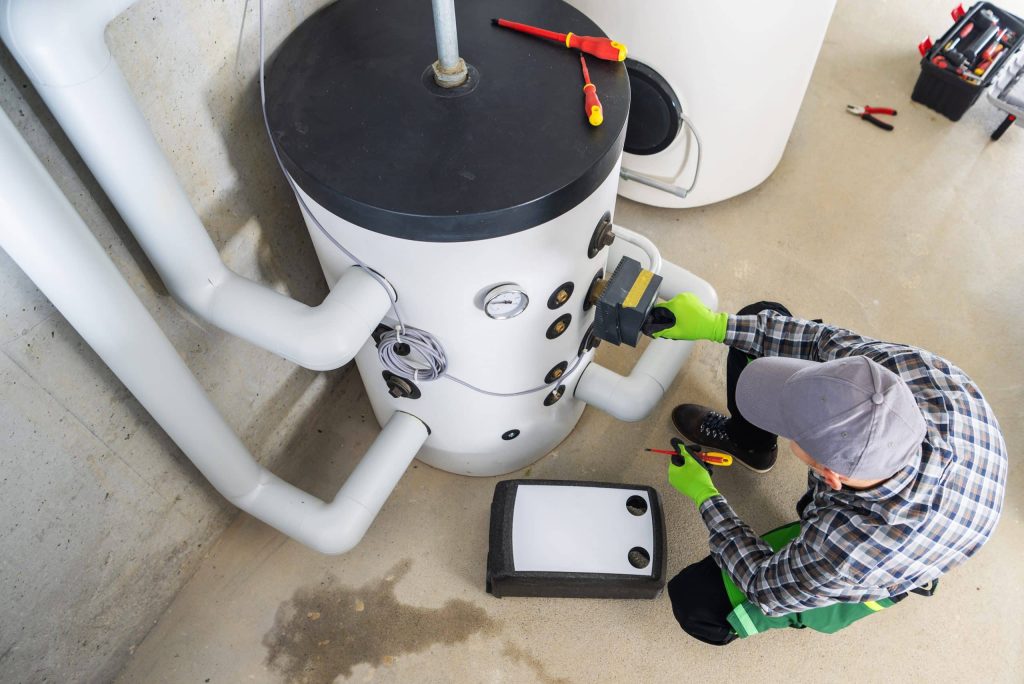
Key Takeaway: For most homes, the best water heater temperature setting is around 120°F. This level provides comfortable hot water while helping prevent scalding and reducing energy waste. Small adjustments, proper maintenance, and periodic temperature testing can improve performance and keep your system operating efficiently over time. The best water heater temperature setting plays an important role in household comfort, safety, and energy efficiency. When the temperature is set correctly, showers feel consistent, appliances work properly, and the system uses less energy to maintain hot water. Even small changes of five to ten degrees can affect your monthly utility bills and the lifespan of your equipment. Many homeowners never check their water heater thermostat after installation, but the default factory setting may not match your household needs. Factors such as plumbing layout, family size, appliance requirements, and water hardness can all influence the ideal temperature range. According to the U.S. Department of Energy water heating guidance, lowering a water heater thermostat to about 120°F can help reduce energy consumption while maintaining safe and comfortable water temperatures. Quick Facts About Water Heater Temperature Settings 120°F is the standard recommendation: Most homes find this temperature comfortable while reducing scald risks and energy loss. Higher temperatures increase energy use: Every increase in temperature raises standby heat loss from the tank. Hard water affects performance: Mineral buildup can reduce heating efficiency and shorten equipment life. Testing your tap temperature matters: Measuring real hot water temperature ensures the thermostat is calibrated correctly. What Is the Best Water Heater Temperature Setting? The best water heater temperature setting for most homes is about 120°F because it balances comfort, safety, and efficiency. At this level, showers remain warm, dishes clean properly, and the risk of scald burns is significantly reduced. Higher temperatures—typically between 130°F and 140°F—may be useful in homes with long plumbing runs or older dishwashers that rely on hotter incoming water. However, these settings increase energy consumption and raise the risk of burns at faucets. If a household requires higher storage temperatures, thermostatic mixing valves can blend hot and cold water to deliver safer temperatures at the tap. Homeowner Tip: If you frequently run out of hot water even at higher thermostat settings, the issue may be system size rather than temperature. A properly sized unit or professional inspection can improve performance without raising the thermostat. Does Lowering Water Heater Temperature Save Energy? Yes, lowering your water heater thermostat can reduce energy consumption because the system spends less energy maintaining stored hot water. Storage tank heaters continually maintain water temperature, even when hot water is not being used. When the thermostat is set too high, the heater must repeatedly reheat water to replace heat lost through the tank walls and pipes. Lowering the temperature slightly helps reduce standby heat loss and improves overall system efficiency. Homeowners can learn more about optimizing performance by reviewing adjusting water heater settings for better efficiency. Energy-Saving Tips: Lower the thermostat to around 120°F Insulate exposed hot water pipes Flush sediment buildup from tanks annually Repair dripping hot-water faucets Install low-flow showerheads to reduce demand Safety Considerations: Preventing Scald Burns Water that is too hot can cause serious burns in just a few seconds. Children and older adults are particularly vulnerable to scald injuries. At 140°F, water can cause severe burns in only a few seconds, while 120°F greatly reduces that risk. This is why many safety organizations recommend keeping household water heater settings near 120°F. Installing anti-scald devices such as thermostatic mixing valves adds another layer of protection by blending hot and cold water before it reaches faucets and showers. Safety Warning: Water temperatures above 130°F increase the risk of scald burns. If you must store water at higher temperatures, use mixing valves or anti-scald fixtures to maintain safer tap temperatures. How to Measure Your Actual Hot Water Temperature Testing your tap temperature ensures the thermostat setting matches the real water temperature reaching your fixtures. To measure accurately, run hot water at the nearest faucet for about one minute. Place a kitchen thermometer under the stream and record the temperature reading. If the measured temperature is too high or too low, adjust the water heater thermostat slightly and test again after the system stabilizes. Electric water heaters require turning off power before accessing thermostat panels, while gas heaters usually allow adjustments through an external dial. How Hard Water Affects Temperature Performance Mineral-rich water can form scale buildup inside water heater tanks and heating elements. This buildup reduces heating efficiency and forces the system to work harder to maintain the same temperature. Over time, scale can insulate heating elements and reduce the amount of heat transferred to water. When this happens, homeowners may increase thermostat settings to compensate for slower heating. Regular flushing and maintenance can help prevent mineral buildup. In areas with significant mineral content, installing scale control or water treatment systems can help maintain efficient heating performance. Local Water Heater Expertise in the Phoenix Area Homeowners in Phoenix and the surrounding communities—including Scottsdale, Mesa, Chandler, Tempe, Glendale, and Gilbert—often deal with extremely hard water that can affect water heater performance. Local plumbing professionals understand how Arizona’s mineral-heavy water impacts heating systems and can recommend maintenance schedules or equipment upgrades that protect your investment. If your system struggles to maintain temperature or shows signs of wear, scheduling professional water heater services can help identify issues such as scale buildup, failing heating elements, or thermostat problems. Frequently Asked Questions About Water Heater Temperature What temperature should a water heater be set at? Most homes benefit from setting their water heater thermostat to approximately 120°F. This temperature provides comfortable hot water while reducing scald risk and lowering energy use. Is 140°F too hot for a water heater? A 140°F setting is hotter than necessary for most homes and increases the risk of scald burns. However, some households use higher storage temperatures when mixing valves are installed to regulate water at faucets. Will lowering water heater temperature reduce energy bills? Lowering the
Frozen Pipes Prevention Guide for Phoenix Homeowners
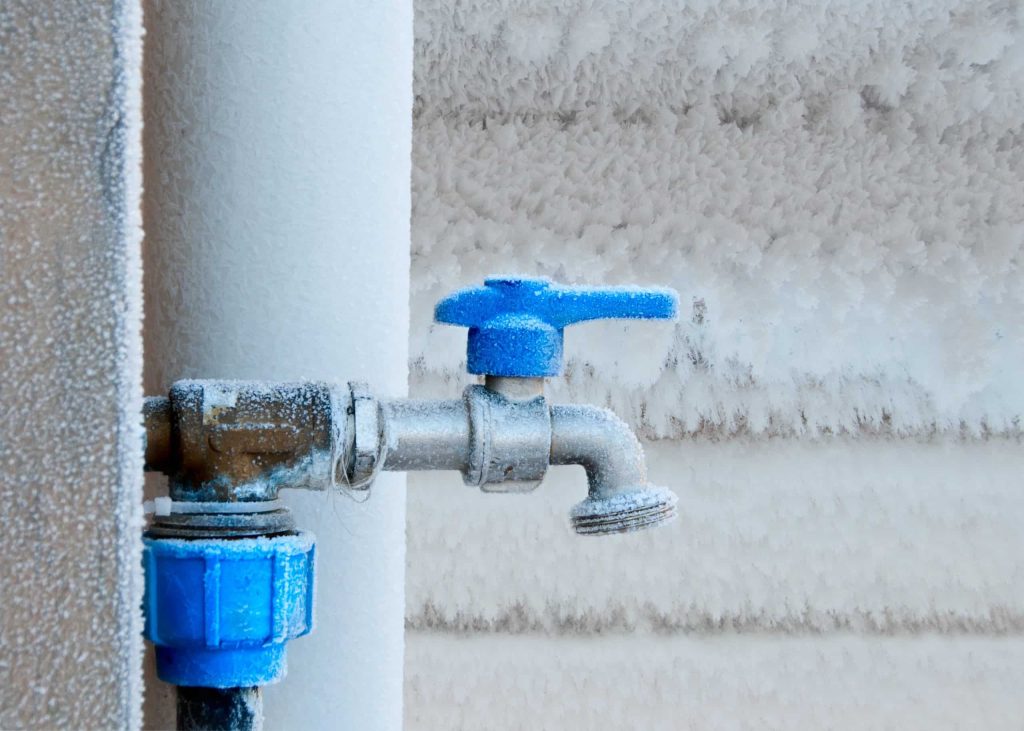
Key Takeaway: Frozen pipes prevention in Phoenix begins with early preparation and insulation before the first cold snap. Homeowners can avoid costly winter plumbing emergencies by insulating exposed lines, sealing air leaks, and maintaining steady indoor temperatures during cold nights. Acting quickly when warning signs appear and knowing how to shut off the main valve also help minimize damage if a freeze occurs. Frozen Pipes Prevention Starts Before the First Cold Snap Frozen pipes prevention begins long before temperatures dip in the Valley. While Phoenix doesn’t experience prolonged freezes like northern states, sudden overnight drops can still create serious plumbing issues. When water freezes inside a pipe, it expands. That expansion increases pressure inside the line, which can lead to cracks or bursts. Once temperatures rise and the ice melts, water escapes—often causing costly property damage. Understanding how your home’s plumbing system works helps you identify which areas face the greatest risk. Pipes located in exterior walls, garages, crawlspaces, or attics are more exposed to cold air. Knowing what causes pipes to burst can help you take proactive steps such as sealing air leaks, adding insulation, and stabilizing indoor temperatures before winter arrives. This guide walks you through practical, Phoenix-focused strategies—from insulating vulnerable lines to handling a winter plumbing emergency. With preparation and awareness, you can protect your home and keep your water flowing even during unexpected cold snaps. Why Pipes Freeze and Burst: The Science Behind the Damage A winter plumbing emergency often starts with a small ice blockage. As temperatures drop below freezing, water inside unprotected pipes begins to solidify. Ice expands as it forms, pushing liquid water behind it. That trapped water builds pressure until the pipe wall gives way. Even a brief overnight freeze can create enough pressure to split copper or CPVC lines. Homes in Phoenix often have plumbing routed through exterior walls or attics—areas that cool quickly when desert temperatures drop. Rigid materials like copper are more vulnerable to cracking under pressure, while PEX tubing may flex slightly but can still fail if freezing persists. Warning signs include reduced water pressure or no water coming out of a faucet. Indoor temperature consistency plays a key role in prevention. If your heating system isn’t maintaining warmth throughout your home, pipes near cooler zones freeze faster. Addressing heating problems early—especially if your central heating isn’t functioning properly—can reduce your freeze risk significantly. Insulation That Matters: Protect Vulnerable Plumbing Runs Proper insulation is one of the most effective frozen pipes prevention strategies. Foam pipe sleeves are affordable, easy to install, and highly effective for exposed lines in garages or attics. In colder sections of the home, heat cables can provide additional protection when installed according to manufacturer instructions. Attics and crawlspaces lose heat quickly during desert cold snaps. Improving attic insulation helps stabilize interior temperatures and shields nearby pipes from extreme fluctuations. Some homeowners benefit from blown-in insulation, while others prefer comparing spray foam vs. blown-in options to determine the best fit. There’s no one-size-fits-all solution. A professional inspection ensures insulation thickness and placement match your home’s design and risk areas. Key Facts About Frozen Pipes Prevention Prevention starts early—understanding your plumbing layout helps identify vulnerable runs. Ice expansion increases pressure, which explains why pipes burst during freezes. Reduced flow or no water at the faucet may indicate a frozen section. Insulation choices like attic upgrades or spray foam vs. blown-in insulation improve protection. Steady indoor heat—such as following recommended thermostat settings—helps prevent freeze cycles. If heating struggles, review central heating troubleshooting steps early. When freezing or leaks occur, contact an emergency plumber in Phoenix for safe repairs and professional leak detection. Low-Effort Habits That Lower Freeze Risk Small daily actions can significantly reduce freeze risk. Keep your thermostat steady overnight rather than allowing sharp temperature drops. Open cabinet doors under sinks along exterior walls to circulate warm air. During the coldest nights, let a slow drip run from vulnerable faucets to relieve pressure. Seal drafts around windows and air gaps, especially near plumbing. Even minor air leaks can chill nearby pipes enough to cause freezing. Weather stripping and caulk are inexpensive but effective tools. Protect Outdoor Plumbing: Disconnect, Drain, and Cover Exterior plumbing freezes first. Disconnect hoses and drain water before a cold snap. Install insulated faucet covers and shut off dedicated outdoor valves if available. Leaving hoses attached traps water that can freeze and crack interior lines. Garages often contain exposed plumbing too. Insulating these lines and keeping garage doors closed helps preserve warmth. If you’d prefer professional guidance, you can schedule preventive plumbing service to assess vulnerabilities before winter arrives. If Pipes Freeze: Shut Off, Relieve Pressure, and Thaw Safely If a pipe freezes, immediately shut off your main water supply. Open faucets to relieve internal pressure. Use gentle warming methods like a hair dryer or warm towels—never an open flame. If a pipe bursts, keep water off and contact an emergency plumber Phoenix immediately. Professionals use tools like advanced leak detection equipment to locate hidden damage. Acting quickly limits long-term structural issues. The 24–48 Hours After a Freeze After temperatures rise, reopen the main valve slowly. Test faucets individually and inspect for leaks. Watch for discolored water, which may result from shifted sediment. Inspect water heaters closely, especially if you notice signs similar to a leaking water heater. Monitor your next bill—an unusually high water bill could indicate hidden leaks. FAQs for Fast Winter Plumbing Decisions At what temperature can pipes freeze in Phoenix? Pipes can freeze when temperatures stay near 20°F for several hours. Even short cold snaps can cause problems in uninsulated areas. Should I let faucets drip? Yes, a slow drip—about one drop per second—can relieve pressure and reduce freezing risk. Are PEX pipes freeze-proof? No material is freeze-proof. PEX may resist splitting longer than copper, but insulation and steady indoor heat are still essential. When should I call an emergency plumber? If you see water pooling, hear rushing water inside walls, or notice sudden pressure drops, shut off
Phoenix Hard Water Solutions: Cost-Effective Benefits of Water Softeners
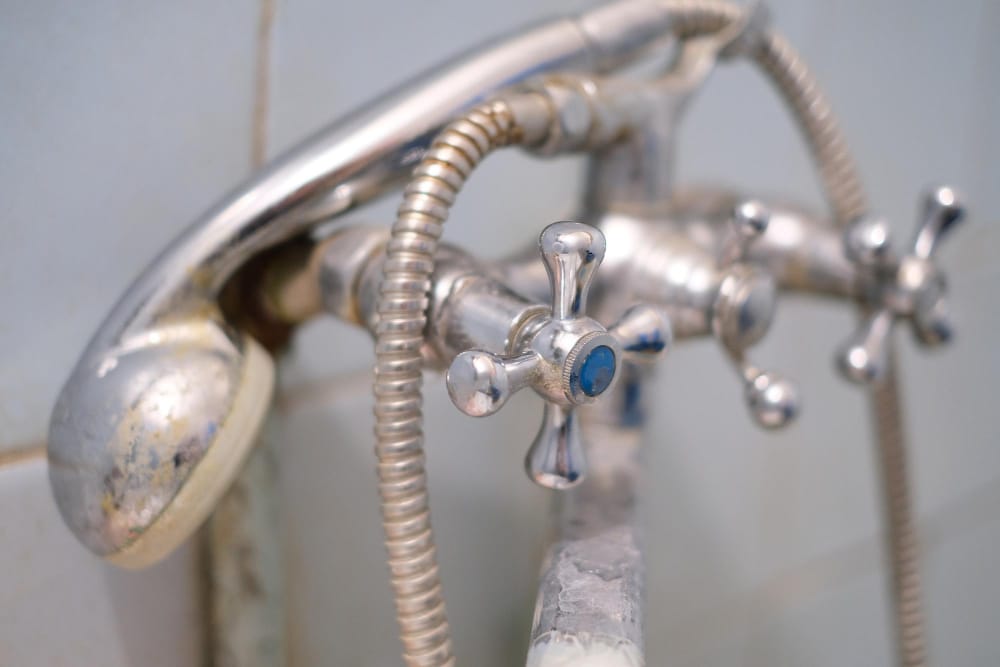
Key Takeaway Phoenix has very hard water due to naturally high calcium and magnesium levels. Over time, hard water can cause mineral scale buildup inside plumbing and appliances, reducing efficiency and increasing maintenance costs. A properly sized salt-based water softener helps prevent scale by removing hardness minerals through ion exchange, improving home comfort and reducing long-term repair and energy costs. Quick Facts: Hard Water in Phoenix What “hard water” means: Water with high calcium and magnesium levels (hardness minerals). Most common signs: White scale on faucets, soap scum, spotty dishes, stiff laundry, reduced water heater performance. Biggest hidden cost: Scale buildup inside water heaters and appliances that forces them to work harder. Best proven solution: A salt-based water softener using ion exchange (not just a descaler). Local reality: Phoenix-area water is widely considered “very hard,” especially compared to most U.S. regions. If you live in Phoenix, you’ve probably noticed it: mineral spots on dishes, soap scum on shower doors, stiff laundry, and faucets that never seem to stay clean. Those are classic signs of hard water in Phoenix, and it’s one of the most common water quality complaints across the Valley. Hard water isn’t usually a health concern, but it is a home-efficiency concern. The minerals that make water “hard” can slowly coat pipes, reduce appliance performance, and raise energy costs. The good news is that the right system can dramatically reduce these issues and help your home run more smoothly. Why is Phoenix water so hard? Phoenix water is hard because it contains naturally high levels of calcium and magnesium picked up as water moves through mineral-rich rock and soil. According to the U.S. Geological Survey (USGS), hardness is primarily caused by dissolved calcium and magnesium, and it’s common in groundwater and in areas where water sources flow through limestone and similar formations. Arizona’s geology plays a major role, and Phoenix water supplies can include blends from multiple sources. Whether your water comes from surface sources or groundwater, it often contains enough hardness minerals to cause visible scale and long-term buildup in plumbing systems. This is why many residents search for solutions like: Hard water solutions Phoenix Water softeners Phoenix AZ Best water softener for Phoenix What does hard water do to pipes and plumbing? Hard water can contribute to mineral scale buildup inside pipes, which may reduce water flow and increase stress on plumbing fixtures over time. The minerals in hard water don’t “eat” pipes the way corrosive water can, but they can build up inside plumbing, especially in hot water lines. Over time, scale can lead to: Reduced water pressure Clogged showerheads and faucet aerators Shorter lifespan of valves and fixtures More frequent plumbing maintenance If your home already struggles with low pressure, it’s worth learning whether scale is part of the problem. This guide can help: Signs That You Need Plumbing Maintenance. Does hard water damage water heaters in Phoenix? Hard water can reduce water heater efficiency and shorten its lifespan by creating mineral scale that insulates heating surfaces. This matters a lot in Phoenix, where water heaters work hard year-round. When calcium and magnesium settle inside a water heater tank, they can form sediment and scale that: Reduces hot water output Forces longer heating cycles Raises energy use Increases wear on heating elements If you want to understand how this impacts replacement timelines, this is a helpful internal reference: How Long Do Water Heaters Last? What to Expect. And if you suspect scale is already affecting performance, this resource is also useful: Water Heater Services. Do water softeners actually save money in Phoenix? Water softeners can save money over time by reducing scale-related appliance wear, lowering maintenance needs, and improving hot water efficiency. The biggest savings usually come from protecting expensive systems like water heaters, dishwashers, washing machines, and plumbing fixtures. Hard water costs often show up in slow, frustrating ways: Replacing a water heater earlier than expected Paying for plumbing service due to restricted flow Using more detergent, shampoo, and cleaning products Replacing fixtures that clog or corrode faster In many Phoenix households, the long-term financial benefit isn’t a dramatic “one-month” savings. It’s more like death by a thousand paper cuts—and a softener stops the bleeding. How does a water softener work? A traditional water softener removes calcium and magnesium using a proven ion exchange process. Inside the softener tank are resin beads that attract hardness minerals and swap them for sodium (or potassium) ions. This means the water entering your home is “softened,” so it: Doesn’t leave scale behind as easily Works better with soap and detergent Reduces buildup inside hot water systems If you want the full breakdown of how ion exchange works, this internal resource explains it well: How Does a Water Softener Work?. Are salt-free water conditioners good enough in Phoenix? Salt-free conditioners can reduce visible scale, but they do not remove hardness minerals from the water. This distinction matters in Phoenix because the water is often hard enough that homeowners want true mineral removal for long-term appliance protection. Salt-free systems may help reduce scale sticking to surfaces, but: They do not reduce hardness numbers They do not prevent mineral buildup as reliably inside water heaters They do not create the “soft water feel” most homeowners want If you’re comparing systems, this internal guide lays it out clearly: Water Softeners vs. Water Conditioners. What are the biggest comfort benefits of soft water? Soft water improves daily comfort by reducing soap scum, improving cleaning performance, and helping skin and hair feel less dry after washing. This is the part homeowners usually notice immediately. Common quality-of-life improvements include: Less film on shower doors and tile Softer laundry and fewer stiff towels Cleaner dishes with fewer spots Better lather and less soap usage It’s one of those upgrades where people often say: “I didn’t realize how annoying hard water was until it was gone.” How do I choose the right water softener for my Phoenix home? The right water softener depends on
Understanding Furnace Noises: A Winter Troubleshooting Guide
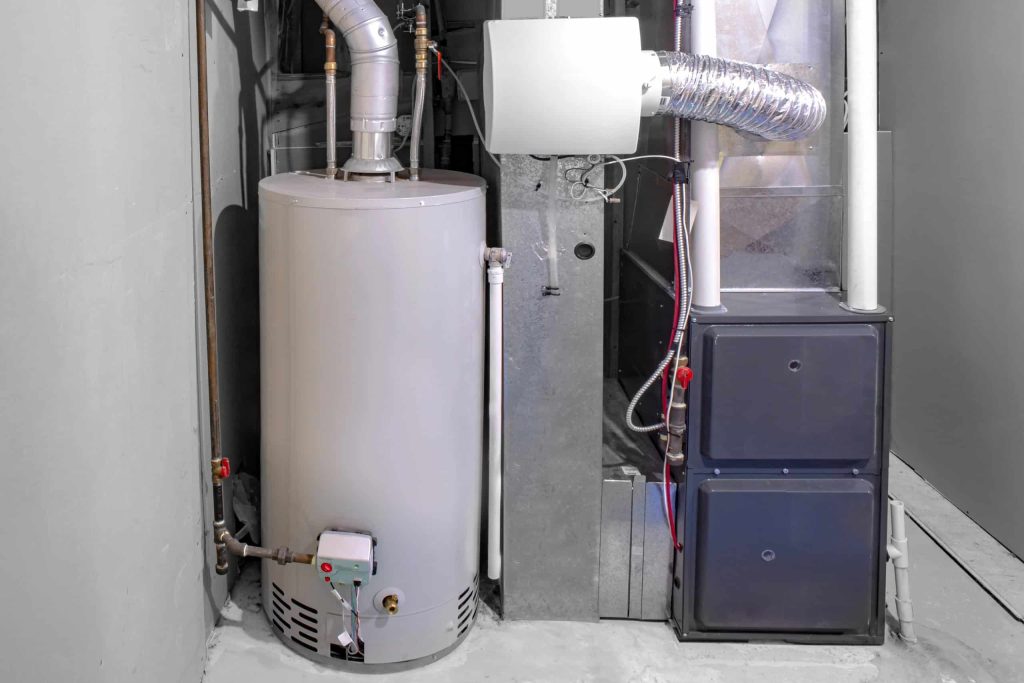
Key Takeaway: Understanding furnace noises is crucial for effective troubleshooting and maintenance. Different sounds such as banging, whistling, rattling, or squealing each indicate specific issues that may require attention to prevent further damage or inefficiency. Regular maintenance and timely professional inspections help catch small problems early, ensuring the furnace operates smoothly and efficiently during winter. What’s That Noise Coming From Your Furnace? It’s a chilly winter evening and you flip on the heat—then your furnace answers with a loud bang, a whistle, or an annoying squeal. Since most modern systems are designed to run quietly, new sounds are often your first clue that something needs attention. The goal of furnace troubleshooting isn’t to panic—it’s to recognize what the noise likely means, try safe, simple checks, and know when to call for a professional furnace inspection. If you’re hearing something unusual, start with this guide on understanding unusual furnace noise and use the sections below to match the sound to likely causes. Addressing small issues early can help prevent higher energy bills, uneven heating, and avoidable wear on parts. Quick Facts: Normal vs. Not-So-Normal Furnace Sounds One-time “whoosh” at startup: Often normal ignition and airflow. Light ticking as metal warms: Can be normal duct expansion. Loud boom or repeated banging: Often delayed ignition—needs attention. High-pitched whistling: Usually airflow restriction (filter/vents/duct leaks). Rattling or clanging: Loose panels or blower components—can worsen quickly. Squealing/screeching: Belt/bearing/blower motor strain—schedule service soon. When to Turn Off Your Furnace Immediately Most furnace noises aren’t an emergency, but some combinations of sound + symptoms mean you should shut the system off and get help right away: Burning smell that doesn’t fade quickly after startup Repeated booming at ignition or a “mini-explosion” sound Metal scraping or grinding that continues while running No heat + repeated clicking as it attempts to ignite over and over A carbon monoxide alarm going off (leave the home and follow alarm instructions) If you’re unsure, it’s better to pause the system and book a checkup. This overview on what to know about a furnace inspection explains what technicians look for and why seasonal service matters. Banging, Popping, or Booming Sounds A loud bang or boom when your furnace starts can point to delayed ignition, when gas builds up before it lights. When ignition finally happens, it creates a sudden pressure change that sounds like a “boom.” This is one of the most important sounds to take seriously because it can stress components over time. Another common cause is ductwork expansion and contraction as the system heats up. Some popping is normal, but frequent or louder sounds can indicate pressure issues or airflow restriction. A clogged filter is a common culprit—use this guide on how often to change the HVAC filter to keep airflow steady. If you’ve changed the filter and the booming continues, don’t ignore it—schedule an inspection so a pro can safely check burner cleanliness and gas/air balance. Whistling Sounds: Airflow Is Restricted A high-pitched whistle usually means your furnace is “starving” for air. Restricted airflow forces the blower to work harder, which can raise energy use and reduce comfort. Start with the basics: confirm vents are open, returns aren’t blocked by furniture, and the filter is clean. If the sound persists, the issue could be duct leaks or blower strain. In some cases, the blower may need a reset or professional evaluation—see how to reset a furnace blower motor for safe, homeowner-friendly guidance. For broader best practices on air filters and HVAC efficiency, the U.S. Department of Energy’s HVAC guidance is a helpful high-authority reference. Rattling, Vibrating, or Metal Clanging Noises Rattling usually points to something loose: a panel screw, a bracket, or a component vibrating under normal operation. Sometimes the sound travels through ductwork and seems louder than it is. If the noise becomes sharp clanging or feels like it’s coming from the blower area, it may indicate a mechanical issue such as blower wheel misalignment or motor mount wear. This related troubleshooting resource can help you understand common failure patterns: furnace clicks but does not turn on (possible blower/ignition-related causes). Loose parts can worsen quickly—especially during heavy winter use—so if tightening accessible panels doesn’t help, schedule professional service. Squealing or Screeching Sounds: Belt, Bearings, or Blower Motor Strain A squeal or screech is typically friction: worn bearings, a slipping belt, or a blower motor that’s starting to struggle. This noise rarely fixes itself and often gets worse as the system runs. If you suspect the blower motor is involved, this guide can help you understand what’s happening and why it matters: is your furnace blower motor squealing? The best move is a tune-up—technicians can lubricate parts (where applicable), replace worn components, and confirm the blower is balanced and operating efficiently. Clicking or Constant Cycling: Ignition or Thermostat Problems A single click at startup is normal—but repeated clicking throughout a cycle can signal ignition trouble, sensor issues, or electrical wear. Constant cycling (turning on/off repeatedly) can also happen when airflow is restricted and the system overheats. If your furnace is blowing cold air or clicking repeatedly, this checklist is a strong starting point: troubleshooting a furnace blowing cold air. Because ignition and electrical repairs require specialized tools and safety knowledge, persistent clicking or short cycling is a “call a pro” situation. Phoenix-Area Winter Note: Why Noises Spike When Temperatures Drop In Phoenix and nearby cities like Scottsdale, Mesa, Tempe, Glendale, Peoria, and Chandler, furnaces often sit idle for long stretches—then run hard during sudden cold snaps. That first week of heavy runtime can expose issues like dirty burners, worn bearings, and airflow restrictions. If you’d rather get ahead of it, scheduling seasonal service before winter is one of the easiest ways to reduce surprise noises and prevent mid-season breakdowns. If you need help finding qualified technicians, this resource can point you in the right direction: find an HVAC contractor in Phoenix. Final Thoughts: Keep Warm Without the Worry Furnace noises are your system’s way of flagging changes—sometimes minor, sometimes important.
When to Replace a Water Softener in Phoenix: Signs, Lifespan, and Local Hard Water Factors
Key Takeaway Knowing when to replace a water softener in Phoenix is critical because the area’s extremely hard water places constant strain on softening systems. While routine maintenance can extend performance, many systems in the Valley reach the end of their softener lifespan sooner than expected. Recognizing early warning signs helps homeowners plan a Phoenix water softener replacement before scale buildup, appliance damage, or efficiency loss returns. Phoenix consistently ranks among the hardest-water regions in the country. Although hard water does not pose a direct health risk, it can quietly damage plumbing, reduce appliance efficiency, and make everyday cleaning more difficult. Over time, even a high-quality water softener can struggle to keep up with the mineral load, leading homeowners to question whether repairs are still worthwhile or if it’s time to replace the system entirely. This guide explains how Phoenix’s water affects softeners, how long systems typically last in Arizona conditions, and the most common signs that replacement is the smarter long-term choice. Quick Facts Phoenix water regularly exceeds 200–250 ppm hardness, which accelerates softener wear. The average softener lifespan is 10–15 years, but Phoenix systems often fall on the lower end. Frequent regeneration cycles increase resin and valve wear. Visible scale, soap issues, and rising salt use often signal declining performance. Why does Phoenix hard water shorten water softener lifespan? Phoenix’s high calcium and magnesium levels force water softeners to regenerate more often, which speeds up wear on internal components. Local water data shows that much of the Phoenix metro area receives water classified as “very hard.” This means a softener must cycle frequently to remove hardness minerals before scale forms inside plumbing and appliances. Over the years, constant regeneration degrades resin beads, control valves wear down, and brine systems require more frequent maintenance. Homeowners who want to better understand how mineral-heavy water impacts treatment equipment can review how Phoenix water hardness compares to national averages and why systems in this region often require earlier replacement. How long does a water softener last in Phoenix? Most water softeners last between 10 and 15 years, but Phoenix conditions often shorten that range. In areas with moderate hardness, systems may reach or exceed the upper end of their expected lifespan. In Phoenix, however, extreme mineral content increases mechanical stress. Many homeowners begin to notice declining performance around the 8–12-year mark, especially if maintenance has been inconsistent. While routine care helps extend service life, the local environment plays a major role. When evaluating softener lifespan, it’s important to consider not just age, but how well the system continues to remove hardness under real-world demand. What are the signs you should replace a water softener? Clear performance changes often indicate it’s time to replace a water softener rather than continue repairing it. Common warning signs include: Soap that no longer lathers easily White spots or scale returning to dishes and fixtures Stiff or scratchy laundry Rapid salt consumption or irregular regeneration Leaks around the brine tank or control valve Some of these symptoms can be caused by minor issues like salt bridging or clogged injectors. However, if problems persist after maintenance—or arise alongside age-related wear—it’s often more cost-effective to plan a Phoenix water softener replacement rather than ongoing repairs. Homeowners unsure whether their unit is still functioning properly can review how to tell if your water softener is working before making a decision. When do repairs stop making sense? Repeated repairs on an aging softener usually signal that replacement is the better long-term option. As systems age, parts such as resin beds, seals, and valves degrade together. Fixing one component may temporarily restore function, but underlying wear often leads to new problems shortly afterward. Leaks, inconsistent regeneration, or poor hardness removal despite service visits are strong indicators that the system is reaching the end of its usable life. Newer softeners are also far more efficient, using less salt and water per regeneration cycle. Homeowners who compare repair costs with the benefits of upgrading often find that replacement delivers better performance and lower operating costs over time. What Arizona water conditions accelerate softener replacement? High mineral content, warm temperatures, and heavy household water use all contribute to faster system wear in Arizona. In Maricopa County, hardness levels frequently exceed 250 ppm, placing constant demand on softeners. Homes using well water may also face additional challenges such as iron or sediment, which can foul resin beds and reduce effectiveness if not treated properly. Reviewing common water issues in Arizona highlights why no two homes experience identical softener lifespans. Because water chemistry varies across neighborhoods, testing remains the most reliable way to determine whether replacement—or system reconfiguration—is necessary. Local Authority: Phoenix-area softener replacement considerations Homeowners in Phoenix, Mesa, Chandler, Gilbert, Scottsdale, and Tempe often face similar hard water challenges, but household size and plumbing configuration can change replacement timing. Municipal supplies throughout the Valley consistently deliver mineral-heavy water, while some surrounding areas rely on wells with additional treatment needs. Comparing your home’s symptoms with local water data and appliance performance provides valuable context when deciding whether to replace your water softener. How can maintenance extend—but not prevent—replacement? Regular maintenance can delay replacement, but it cannot overcome long-term mineral stress. Keeping salt levels correct, cleaning the brine tank, and scheduling inspections help prevent avoidable damage. Following proven water softener maintenance tips often adds years of reliable performance. Still, even well-maintained systems eventually lose efficiency under Phoenix’s demanding conditions. When softened water quality begins declining despite proper care, replacement is often the only way to restore consistent protection. Frequently Asked Questions How do I know when to replace a water softener? If hardness symptoms return, repairs become frequent, or your system is approaching 10–15 years old in Phoenix conditions, replacement is usually the most reliable solution. Can Phoenix hard water damage a new softener? Hard water doesn’t damage a properly sized system, but it does increase regeneration frequency. Choosing a system designed for Arizona conditions helps maximize lifespan. Is replacing a softener better than repairing it? When
Heating Troubleshooting Tips for Phoenix Homeowners
Why Heating Issues Still Matter in Phoenix It’s easy to assume Phoenix homes don’t need much heating. With long, hot summers, furnaces are often out of sight and out of mind. But when desert temperatures dip, even briefly, heating problems tend to appear quickly. That’s why understanding heating troubleshooting in Phoenix for homeowners remains important. Heating systems here often sit unused for months. During that time, dust accumulates, electrical components wear down, and minor issues go unnoticed. When the first cold front arrives, homeowners may experience thermostat issues, blower motor failures, or furnaces that won’t start. Spotting early warning signs can help prevent uncomfortable surprises and costly repairs. Some heating issues are simple, like a tripped breaker or an incorrect thermostat setting. Others involve more serious issues, such as wiring damage or ignition failure. Knowing when to check the basics and when to call a professional makes all the difference. Reviewing common causes of central heating malfunctions can help Phoenix homeowners understand what may be going wrong. Post-Summer Furnace Failures: The Phoenix Problem After months of extreme heat, furnaces often struggle when they’re finally turned back on. Desert conditions don’t just affect air conditioners—furnaces and heat pumps are affected as well. That’s why phoenix heating problems commonly appear with the first cool spell. When systems sit idle, parts like blower motors and capacitors can dry out or collect dust. Electrical connections may loosen due to temperature swings. Homeowners might hear clicking, rattling, or notice a furnace that attempts to start but never runs fully. These symptoms often match those described in cases of a furnace making noise. Another frequent issue is a blower motor that won’t engage, preventing warm air from circulating. In some cases, a simple reset—like the steps outlined for resetting a furnace blower motor—can help identify whether the issue is electrical or mechanical. If problems continue, a professional inspection is the safest next step. When the Furnace Blows Cold Few things are more frustrating than turning on your heater and feeling cool air instead. This happens more often in Phoenix than many homeowners expect, especially after long summers filled with dust. Understanding why furnaces blow cold air helps address common desert climate heating issues. Pilot light or ignition problems are often to blame. Dust buildup can block sensors or prevent proper ignition. In some cases, the pilot light simply needs to be relit using safe steps like those outlined in a furnace lighting guide. Thermostat settings are another common culprit. Forgetting to switch from cooling to heating mode can cause the fan to run without producing heat. Checking thermostat mode should always be one of the first troubleshooting steps. If basic checks don’t help, airflow restrictions or mechanical issues may be involved. Dirty filters or blocked vents can prevent warm air from circulating properly. More detailed explanations are covered in guides on why furnaces blow cold air. Faulty Thermostat Settings After Summer One of the most common heating troubleshooting Phoenix homeowners face is thermostat confusion after months of cooling. Forgetting to switch modes or update schedules can make it seem like the furnace isn’t working at all. Smart and programmable thermostats still need seasonal review. Checking settings and recalibrating sensors—especially after power interruptions or dust exposure—can quickly resolve many issues. Reviewing recommended thermostat settings can also help balance comfort during seasonal transitions. Hidden Damage from Leaks and Moisture Even in a dry climate, moisture can create problems when systems sit idle. Monsoon humidity may lead to condensation inside furnace cabinets or ductwork, eventually causing rust or corrosion—key contributors to phoenix heating problems. Water pooling near a furnace often points to clogged drain lines or failing components. Understanding common causes of furnace leaks can help homeowners spot issues early, before they lead to electrical damage. Air Quality and Filter Issues Phoenix’s desert dust quickly clogs HVAC filters, especially after months of cooling. Restricted airflow can strain blower motors and reduce heating efficiency—two common desert climate heating issues. Knowing how often to change HVAC filters helps maintain airflow, improve comfort, and reduce wear on heating components. Homes with pets or allergy concerns may benefit from additional filtration or purification. Heat Pumps and Desert Performance Heat pumps are popular in Phoenix, but extreme desert conditions can affect how they perform. During cool nights, auxiliary heat may activate more often than expected, which can surprise homeowners unfamiliar with this behavior. Understanding how heat pumps compare to traditional furnaces helps homeowners manage expectations and energy use. Frequent auxiliary heat use may signal the need for system adjustments or insulation improvements. Year-Round Heating Planning in Phoenix Phoenix homes face unique challenges from dust, extreme heat, and seasonal inactivity. Even when heating isn’t in use, components can still wear down over time. Regular maintenance—such as filter changes, thermostat checks, and early inspections—helps prevent unexpected breakdowns. Because no two homes are the same, professional guidance ensures your system is maintained correctly for your layout and usage. Staying proactive means fewer emergency repairs and more reliable comfort when temperatures drop. Key Takeaways for Phoenix Homeowners Heating troubleshooting in Phoenix isn’t just a winter task—it’s part of year-round home care. Paying attention to early signs such as unusual noises, reduced airflow, or cold air can help you avoid bigger problems later. Even though Arizona’s cold season is short, preparation makes all the difference. If you’re unsure whether your system needs service, a tune-up, or an upgrade, professional insight can help you decide. Don’t wait for a cold morning to find out your heater isn’t ready. Schedule your heating tune-up and keep your home comfortable through every season. Schedule your heating tune-up
Heating Troubleshooting Tips for Phoenix Homeowners
Why Heating Still Matters in the Desert Many people assume heating systems aren’t crucial in Phoenix because of the long, hot summers. But anyone who’s been through a chilly desert night knows temperatures can drop quickly after sunset. Even in a warm climate, heating systems still matter for year-round comfort. When winter arrives, a neglected system can leave you shivering and scrambling for help. That’s why understanding heating troubleshooting in Phoenix is so helpful—it lets you prepare before the cold air sneaks in. In desert climates, heating systems often sit unused for months. During that downtime, dust and debris collect, wires can loosen, and filters clog. When you finally turn the system on, it might not start properly or may blow weak or uneven air. A little routine maintenance and a quick checkup can prevent these headaches and help your system run smoothly when you need it. Ignoring your heating system affects more than comfort—it can raise energy bills and repair costs. A furnace that struggles to start or runs inefficiently wastes energy and wears out faster. Paying attention to early warning signs like weak airflow or odd smells lets you catch problems before they turn into expensive fixes. This article covers common Phoenix heating problems, simple troubleshooting steps, and expert tips to keep your system in good shape all year. Strange Noises: When Your Furnace is Talking Back If your furnace starts making odd sounds, it’s usually trying to tell you something. A soft hum is normal, but loud banging, screeching, or rattling often signals trouble. These noises can come from loose parts, worn belts, or a failing blower motor. Ignoring them can lead to bigger issues, so if you hear persistent noises, it’s smart to schedule an inspection. Many Phoenix homeowners complain that the furnace is making noise every time it turns on. Dust and sand from the desert often work their way into the system, throwing moving parts off balance and causing friction in the motor. Over time, that extra strain can wear components down faster than expected. Keeping vents clean and replacing filters regularly helps cut down on those problems. Sometimes, strange noises point to more serious issues like a cracked heat exchanger. This part is critical for safely heating your home. When it cracks, performance drops and safety risks can rise. Learning to recognize cracked heat exchanger symptoms helps you act quickly. Regular maintenance lets technicians spot these warning signs early and recommend repair or replacement before things get worse. Furnace Blowing Cold Air: Summer Confusion It’s frustrating when your furnace blows cold air instead of warm—especially during Phoenix’s mild winters or on a cool summer night. Many people think it’s an AC issue, but often it’s actually a heating problem. Common causes include incorrect thermostat settings, dirty filters, or ignition issues. Knowing these basics helps you handle minor Phoenix heating problems before they turn into major repairs. Before calling for service, check your thermostat. If it’s set to “cool” or “fan only,” the system will push unheated air through the vents. If the settings look right but the air is still cold, the blower motor or ignition system may be the culprit. In that case, you might try a safe reset using manufacturer instructions or a guide on how to reset a furnace blower motor. Sometimes a simple reset clears minor electrical glitches. Filters also make a big difference. A clogged filter restricts airflow, forces the system to work harder, and can even cause it to overheat and shut off. Replacing filters every few months keeps air moving and helps protect the equipment. If these quick checks don’t solve the problem, it’s best to call a local technician who understands desert-climate issues and can ensure everything’s working properly before colder nights arrive. Interesting Facts About Heating Troubleshooting in Phoenix Even in the desert, Phoenix heating systems need attention year-round. Many heaters fail on cool nights due to untended system issues that develop during months of disuse. Strange noises like banging or screeching can signal a loose blower motor or cracked heat exchanger. Dust from desert winds adds extra strain, making routine noise checks a smart habit. If your furnace blows cold air in summer, it might not be an AC problem. Incorrect thermostat settings, dirty filters, or a simple blower motor reset are often to blame. Pilot lights in dry climates often go out because dust interferes with sensors. Knowing how to safely relight them with a pilot light guide can prevent unnecessary service calls. Even in low humidity, furnaces can leak from clogged condensate lines. Regular checks help catch issues tied to common furnace leak causes. Dust and big temperature swings cause unique wear on heating units. Adding systems like HVAC zoning or air scrubbers can ease strain and improve comfort. Good insulation boosts heating efficiency. Many Phoenix homeowners benefit from better attic insulation to keep warmth in during winter and reduce cooling demand in summer. Pilot Light and Ignition Issues in Dry Climates Many people troubleshooting heating in Phoenix run into ignition problems linked to dry, dusty conditions. Fine dust coats key components like flame sensors and burners, interrupting the ignition process. When that happens, the furnace may click repeatedly without lighting or the pilot may go out soon after it starts. This often points to buildup or misalignment that keeps the flame from being detected correctly. Relighting a pilot light should always be done carefully. Following a clear, step-by-step guide—like this furnace lighting guide—helps you do it safely. If the pilot keeps going out, there may be a deeper issue with the thermocouple or gas supply. In Phoenix, dust and dryness can cause corrosion or loose fittings over time, so it’s worth having a pro take a look. When a furnace clicks but doesn’t turn on, as described in common ignition failure scenarios, calling a professional is usually the safest move. A technician can clean the ignition assembly, check gas flow, and make sure electrical connections are sound so the